

Exclusive interview with Gao Weiqiang from Changen Therapeutics: solid tumor treatment must break the stalemate of "unable to enter, unable to kill, and high cost"
Looking back at the past decade of tumor treatment through the rearview mirror, we have gone through paradigm iterations of surgery, radiotherapy and chemotherapy, and targeted therapy. Now, we have arrived at the new station of immunotherapy. Mainstream immunotherapy technologies represented by CAR-T and PD-1 have achieved mature application in the field of hematologic tumors, but they still appear "willing but powerless" in the face of solid tumors, which account for over 90% of cancer incidence. The reason behind this is simple and piercing: "Immune cells can't get in, even if they get in, they can't kill effectively, and the treatment cost is extremely high."
But there are always people trying to take a different path.
Changen Therapeutics, a company from a park under Shanghai Lingang United Development Co., Ltd., has chosen a globally pioneering technical route. It utilizes the homing characteristics of engineered mesenchymal stem cells as "vanguards" to precisely enter the interior of tumor tissues. These cells then recruit and activate main immune forces such as T cells and NK cells to launch multi-target attacks on solid tumors.
"We are not only the world's first, but also the leader." Gao Weiqiang, founder of Changen Therapeutics, said in an exclusive interview with VCBeat, this technology is expected to fundamentally solve the three core challenges faced by CAR-T therapy in the treatment of solid tumors: "can't get in, can't kill, and expensive."
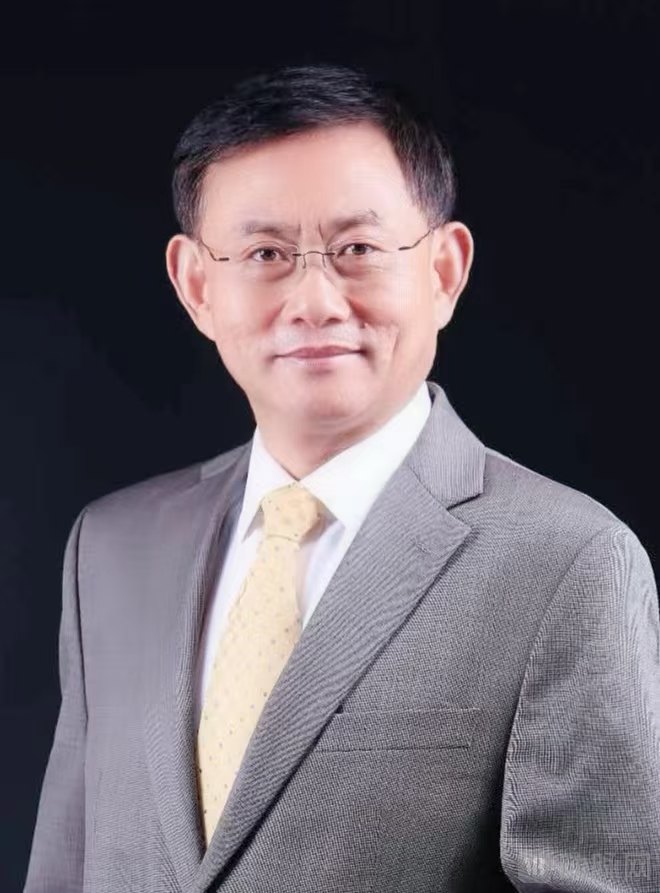
Founder of Changen Therapeutics, Gao Weiqiang
1Interdisciplinary Scientists Breakthrough: From Stem Cells to "Immune Vanguard"
A breakdown of the core team structure reveals that interdisciplinary crossover and an international perspective form the original genetic makeup of Changen Therapeutics, a startup company.
Founder Gao Weiqiang's scientific research career is a typical "multidisciplinary crossover" example. After graduating from Nanjing University as an undergraduate, he went to the United States for further studies, obtained his Ph.D. from Columbia University, completed his postdoctoral work at Rockefeller University, and subsequently joined Genentech, where he served as the laboratory director and senior scientist, dedicating 27 years to biomedical research. In 2010, Gao Weiqiang returned to China full-time as a national specially-appointed expert, becoming a chair professor at Shanghai Jiao Tong University. He currently serves as the Dean of the Med-X Research Institute and has previously held positions such as Director of the State Key Laboratory of Oncogenes and Related Genes and Dean of the School of Biomedical Engineering at Shanghai Jiao Tong University. He has published over 180 papers in top-tier journals such as Cell, Nature, and Science, been listed on the Chinese Highly Cited Scholars list for 12 consecutive years, and in 2022, ranked among the top 2% of global leading scientists.
Co-founder Dr. Ma Bin is a Shanghai Youth Oriental Scholar, with a solid background in signal transduction and tumor immunology; COO Zheng Junjie also hails from Genentech, where he served as a principal investigator. After 24 years of deep involvement, he returned to China to serve as the Vice President of Suzhou Transcenta Pharmaceutical Group, which is listed in Hong Kong, bringing extensive experience in cell production processes and CMC management.
"My research areas cover stem cell biology, cancer biology, and immunology." Gao Weiqiang told VCBeat that it was the interdisciplinary integration background that made him see another possibility different from traditional approaches. Although CAR-T therapy has shown remarkable effects, its essence is to modify T cells in vitro and then infuse them back into the body. However, T cells themselves lack the ability to actively "navigate" into solid tumor tissues. Meanwhile, mesenchymal stem cells possess a natural homing characteristic. In other words, when tissue inflammation or tumors occur in the body, tissue cells release chemokines, and mesenchymal stem cells express corresponding chemokine receptors, actively migrating and gathering at the tumor site.
"Stem cell experts usually do not think of using stem cells to treat tumors because stem cells themselves have little killing effect on tumors," said Gao Weiqiang. "But I am a cross-disciplinary scientist, and I thought of utilizing the homing characteristics of engineered stem cells." By modifying mesenchymal stem cells in vitro, they are made to express two immune factors: one recruits lymphocytes (including T cells and NK cells) into the tumor tissue, while the other enhances the killing ability of these lymphocytes.
On this basis, the core product CHG001 of Changen Therapeutics abandons the improvement path of existing therapies and instead adopts a completely new technical approach.
"We use mesenchymal stem cells as the 'vanguard,' allowing them to reach the interior of the tumor tissue first, and then recruit lymphocytes to enter the tumor tissue. Once the lymphocytes arrive, they are 'armed' with killing weapons, greatly enhancing their ability to destroy tumors."
This technical approach has been fully validated in animal models. Gao Weiqiang revealed that the team achieved significant efficacy in various solid tumor animal models, including colorectal cancer, liver cancer, lung cancer, esophageal cancer, and breast cancer. The method was shown to recruit T cells and NK cells into tumor tissues and also demonstrated synergistic effects when combined with drugs such as anti-PD-1 antibodies.
The efficacy goal of CHG001 is not limited to "1+1 far greater than 2"; "killing two birds with one stone" is the ultimate objective. Gao Weiqiang introduced to VCBeat that CHG001 can simultaneously activate adaptive immune T cells and innate immune NK cells, enabling the two immune mechanisms to work synergistically. After treatment with this method, the expression levels of positive immune factors such as interferons and interleukins in tumor tissues significantly increase, while the expression levels of negative immune factors like PD-1 and TIM-3 decrease, verifying the treatment's effectiveness at the molecular level. In terms of safety, both in vitro and in vivo experiments have proven that this method does not induce tumors, and no serious side effects have been observed in the patients treated so far.
2"Can't Access, Can't Afford, Can't Kill": Overcoming the Three Hurdles of CAR-T Therapy
The "choke point" issue in solid tumor immunotherapy has been around for a long time. Gao Weiqiang precisely summarized it with three key words: inaccessible, ineffective, and expensive.
"The first challenge is that CAR-T cells have difficulty infiltrating into the interior of the tumor tissue, they can't get in; the second challenge is that even if a small number of T cells manage to enter, they are quickly exhausted by the tumor microenvironment, rendering them ineffective; the third challenge is the high cost, as individualized customization is required, with a long preparation cycle and complex processes, costing around one million RMB per patient per treatment." Gao Weiqiang pointed out that even with new technologies like universal CAR-T, CAR-NK, and TCR-T, the first of these three challenges, 'can't get in,' cannot be completely resolved.
T cells' difficulty in infiltrating tumors, the suppression of immune cell function by the tumor microenvironment, and the high costs associated with individualized customization have always been the three labels that CAR-T therapy struggles to shake off.
Changen Therapeutics's technical approach provides a completely new solution, aiming to break the "impossible triangle." Gao Weiqiang explained: "Our method not only allows lymphocytes to infiltrate and kill effectively, but also at a lower cost." Since engineered mesenchymal stem cells can be mass-produced in advance and supplied off-the-shelf, there is no need for individualized preparation from each patient's blood cells as with CAR-T. Therefore, "they can be produced in advance; if one batch fails, it can simply be discarded. There is no issue of unsuccessful preparation, allowing for rapid application in patients."
In fact, in recent years, the research on the use of engineered mesenchymal stem cells for the treatment of solid tumors is emerging globally. In February 2026, a research team from the National Engineering Research Center successfully developed a "bifunctional" genetically engineered stem cell that enhances homing ability by overexpressing CXCR4 and simultaneously expresses the immune-modulating molecule LIGHT to activate anti-tumor immune responses. In January 2026, a study published in npj Breast Cancer showed that using mesenchymal stem cells co-expressing the chemokine CXCL9 and the co-stimulatory ligand TNFSF9 successfully remodeled the tumor immune microenvironment in a triple-negative breast cancer model and enhanced the efficacy of anti-PD-1 immunotherapy.
These latest achievements from cutting-edge research at home and abroad collectively point to the broad prospects of engineered mesenchymal stem cells in the field of solid tumor immunotherapy. They also indirectly indicate that the technical track anchored by Changen Therapeutics is gaining increasing attention and validation from the scientific community.
3From Lab to Clinic: The Closed-loop of Industry-Academia-Research Accelerates Implementation
As a park enterprise under Shanghai Lingang United Development Co., Ltd., Changen Therapeutics has found a development rhythm suitable for its own enterprise under the innovative ecosystem of the full life cycle service system built by the park. At the same time, it also reflects the clear "two-step" strategy of this start-up company.
The first step is to verify safety and efficacy through Investigator-Initiated Trials (IIT) conducted at multiple Class III, Grade A hospitals. Currently, Changen Therapeutics has collaborated with several top-tier hospitals such as the First Affiliated Hospital of Anhui Medical University, Shanghai East Hospital, and Hangzhou Shulan Hospital to advance IIT research targeting gastrointestinal tumors like liver cancer, lung cancer, and colorectal cancer. Gao Weiqiang revealed that in the small number of patients treated so far, no serious side effects have been observed.
The second step is to explore a faster commercialization path by leveraging the favorable winds of national policies. In September 2025, the State Council officially announced the "Regulation on the Administration of Clinical Research on and Clinical Translational Application of New Biomedical Technologies" (State Council Order No. 818), which will come into effect on May 1, 2026. The core essence of this regulation is that new biomedical technologies proven safe and effective through clinical research can be applied clinically in the top-tier hospitals and charged for, after being registered with the National Health Commission.
"This is a major boon for Changen Therapeutics. 'It can shorten the time for the company to generate cash flow and become self-sustaining, facilitating subsequent growth and development.' Gao Weiqiang told VCBeat."
While implementing the "two-step" strategy, Changen Therapeutics has also put financing on the agenda. Gao Weiqiang revealed that Changen Therapeutics is currently adopting a financing rhythm of "small steps, fast pace, and steady progress." The new round of financing aims to raise 30 million yuan, mainly for completing at least two IIT studies, conducting preclinical IND application data collection, and daily company operations.
4Short-term focus on IIT, long-term planning for globalization
When talking about future development, Gao Weiqiang outlined a clear blueprint from "short-term tackling" to "long-term expansion."
In the short term, Changen Therapeutics's goal is clear: to successfully secure financing, complete the IIT study, and obtain positive clinical efficacy data. "If the IIT shows good efficacy, it will be easier for us to raise more funds, which will allow us to expand our team and recruit professional management personnel, including a CEO, CMO, etc.," Gao Weiqiang revealed.
In the long term, Changen Therapeutics's strategy covers four directions: First, shifting from late-stage cancer patients to earlier treatment windows; Second, co-developing with existing therapies such as PD-1 antibodies and tumor ablation technologies to expand applications; Third, under sufficient funding, developing a second-generation product that enhances targeting and killing functions; Fourth, seeking internationalization by establishing R&D institutions abroad or collaborating with international pharmaceutical companies to develop overseas markets.
Changen Therapeutics' current focus remains on the domestic market in China, with the core logic being to first validate drug efficacy using clinical data. Gao Weiqiang stated bluntly, "As long as one drug is clinically proven effective or gets approved, the market value will be enormous." The overseas sales of Legend Biotech's Carvykti (Ciltacabtagene Autoleucel) and BeOne Medicines' Zanubrutinib serve as vivid footnotes to this logic. However, this does not mean giving up on overseas markets. "The market in China is huge, with a large number of patients, so we should first focus on the domestic market before discussing overseas expansion," Gao Weiqiang added. He also mentioned that if international pharmaceutical giants are willing to discuss licensing or co-development, Changen Therapeutics would be open to it.
5Written at Last
When talking about the original intention and vision of founding Changen Therapeutics, Gao Weiqiang gave a simple and sincere expression. "Our technology is based on solid scientific principles and has shown excellent efficacy in animal models. The main focus now is to push forward clinical research, with the hope of benefiting a wide range of patients. This has always been my dream."
From "unable to enter" to "able to enter," from "unable to kill" to "able to kill," Changen Therapeutics is using mesenchymal stem cells as the "vanguard" in an attempt to answer a long-standing question in the field of tumor immunotherapy: how to make cell therapy truly conquer solid tumors?
The answer may still be far away, but the path has become clear. With the world's first stem cell carrier immunotherapy, Changen Therapeutics is opening a new window for tumor immunotherapy. And as policies gradually become clearer and clinical data continues to accumulate, this window is opening wider and wider.
About Shanghai Lingang United Development Co., Ltd.
Shanghai Lingang United Development Co., Ltd. is an integrated service provider and general operator of innovative industrial park ecosystems, focusing on park investment promotion and operations, professional enterprise services, and science and technology industry investments. It is a subsidiary of Shanghai's state-owned urban security enterprise, Lingang Group, and an important component of the listed entity "Shanghai Lingang (600848)."
The parks under Lingang United Company have gathered nearly 150 upstream and downstream enterprises, covering multiple fields such as cell and gene therapy, immunotherapy, and synthetic biology. Well-known industry enterprises like Lktime Biotechnology, Cellverse, SYPC, and Innovative Cellular Therapeutics are located here. In addition, the park provides a batch of resources and service platforms for testing and inspection, animal experiments, CRO, and CDMO. Through continuous optimization of the full life cycle service system, the park deeply serves its enterprises, empowers the development of the biopharmaceuticals industry, and attracts a large number of leading companies in the field.