

Zhiniao Yunshu Revolutionizes Anxiety Management with MedTech-Integrated Closed-Loop Neuromodulation Earbuds
Anxiety, a “mental cold” resulting from the interplay of biological, psychological, and social environmental factors, is quietly becoming the “leading mental disorder” among Chinese people.
In recent years, the global burden of mental illness has continued to surge, with various mental disorders, particularly anxiety disorders, increasingly becoming an urgent public health challenge worldwide. Complicating matters further, anxiety disorders encompass diverse types and pathogenic mechanisms, and conditions such as hypertension, coronary heart disease, and diabetes can all induce symptoms resembling anxiety.
Faced with an increasingly heavy disease burden, non-invasive neuromodulation technology has become one of the three major treatment modalities, alongside pharmacotherapy and psychotherapy, by virtue of its advantages of being medication-free and repeatable.
However, current traditional medical-grade neuromodulation devices suffer from bulky size, lack of portability, and high cost. Among them, wearable devices mostly adopt a split structure of “wired earphones + control box,” whether it isPortability, orProfessionalism, IntelligenceAll showed insufficiency.
More importantly, the treatment and recovery of mental disorders such as anxiety are lengthy processes. However, existing products lack closed-loop intervention capabilities and struggle to achieve visualized recording and feedback of therapeutic outcomes, making it difficult for patients to receive continuous, precise, and evidence-based personalized treatment support.
Against this backdrop, a collaborative entrepreneurial journey between clinical medical experts and engineering professors—characterized by their mutual commitment—has brought new hope and options to the vast health management market, spanning anxiety regulation, sleep improvement, and even stroke rehabilitation.
Driven by the dual forces of “clinical pain points” and “technological innovation,” BrainCloud Medical Technology (Shenzhen) Co., Ltd. (hereinafter referred to as “BrainCloud”) has achieved synergistic breakthroughs through “miniaturized hardware, lightweight algorithms, and ergonomic design.” This has enabled dual advancements in medical-grade closed-loop regulation and wearable multi-scenario user experience within the compact form factor of earphones, holding promise to unlock vast health management markets ranging from anxiety regulation and sleep improvement to stroke rehabilitation.
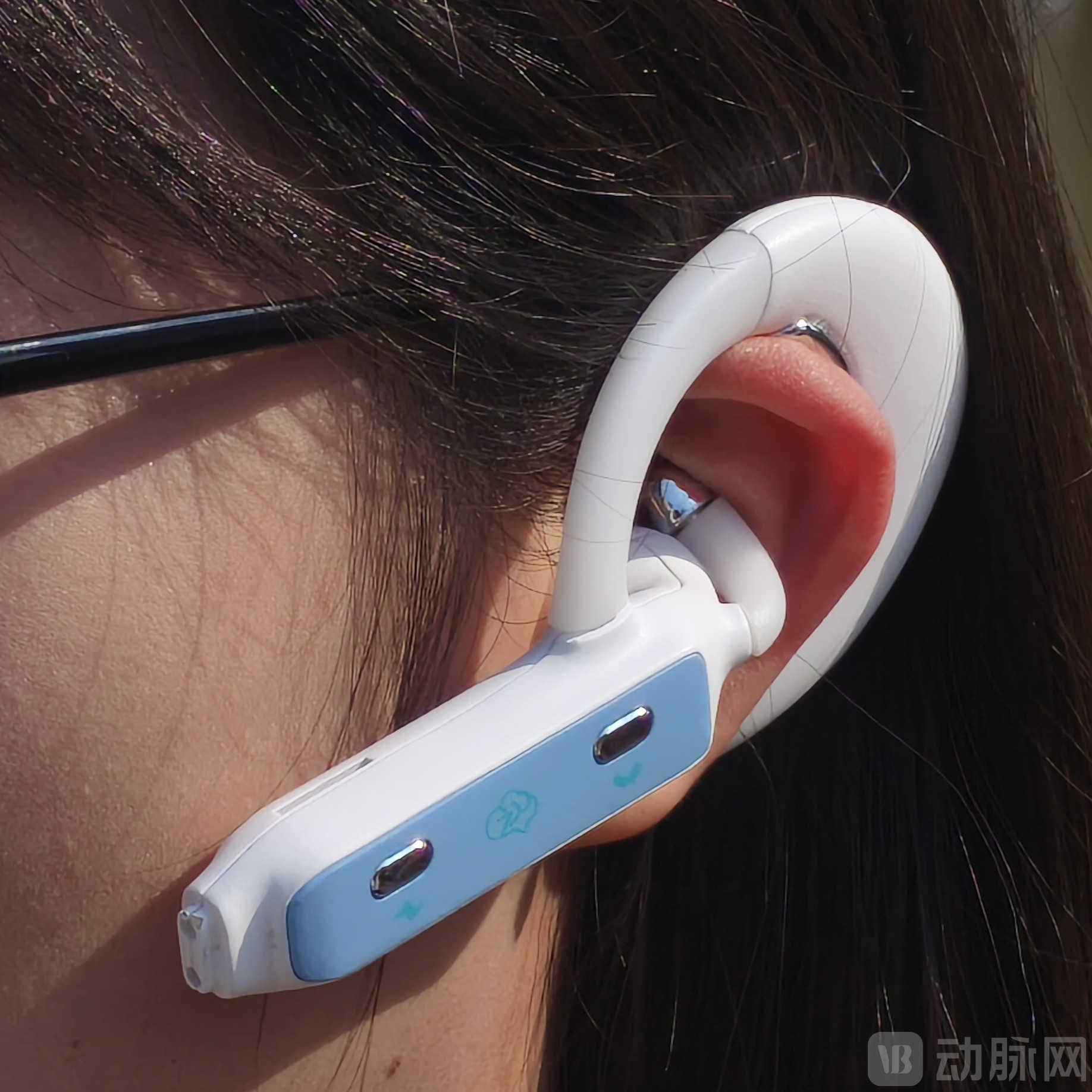
ZhiNao YunShu: Resonant Respiratory Gating Vagus Nerve Electrical Stimulation Headphones
The founding of ZhiNao YunShu began with a mutual convergence where “needs sought technology, and technology sought applications.” The company’s two core founders—Professor Wang Pu from the Seventh Affiliated Hospital of Sun Yat-sen University and Professor Wu Wanqing from the School of Biomedical Engineering at Sun Yat-sen University—joined forces from the clinical and technological fronts, respectively, to jointly give rise to this enterprise, which boasts “medical-engineering integration” as its core competitiveness.
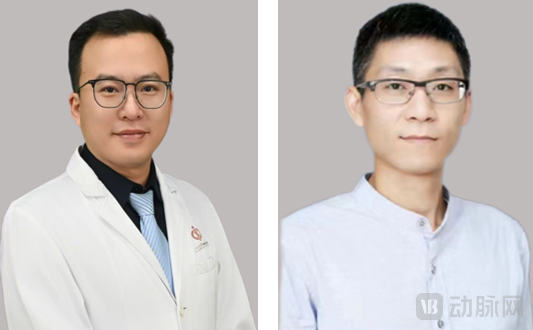
Professor Wang Pu from The Seventh Affiliated Hospital of Sun Yat-sen University and Professor Wu Wanqing from the School of Biomedical Engineering at Sun Yat-sen University
Therefore, when discussing the company's positioning,Hu Tiehan, General Manager of Zhi Nao Yun ShuHe emphasized, “We have never viewed ourselves as merely an equipment supplier. Instead, leveraging the strengths of our founding team, we are committed to building a ‘medical-engineering integrated rehabilitation technology translation platform.’ Physicians are responsible for identifying clinical needs, while our engineering team focuses on technical implementation. Only through such deep collaboration can we develop innovative products that both meet patient needs and possess broad scalability.”
Hu Tiehan, General Manager of ZhiNao YunShu
For startups, the choice of “starting point” directly affects their development speed. ZhiNao YunShu is headquartered inShenzhen Brain Science and Technology Industry Innovation Center(hereinafter referred to as the “Brain Innovation Center”). It is precisely because the Brain Innovation Center possesses the core resources needed to help startups in the field of brain science address their critical needs during the “zero-to-one” stage. “What the Brain Innovation Center provides us with is not just office space, but a startup accelerator—its comprehensive industrial chain support helps us resolve hardware implementation issues, its talent concentration facilitates team building, and its specialized policies help us address funding and efficiency challenges,” said Hu Tiehan.
AtIntelliBrain CloudHubWith the joint efforts of the core team and the support of the Brain Innovation Center, the company not only completed iterations of its prototype but also successfully initiated clinical trials within less than a year of its establishment.Hu Tiehan candidly stated, “At this pace of progress, it would likely take twice as long in other regions.”
Specifically, the full name of this lightweight, intelligent, closed-loop neuromodulation device designed for anxiety regulation is the “Resonant Breathing-Gated Vagus Nerve Electrical Stimulation Headset.”
From the perspective of regulatory targets, anxiety is not caused by abnormalities in a single brain region, but rather results from the interaction of multiple factors, such as an imbalance in neural circuits. Hu Tiehan explained, “When a person is in a state of anxiety, the sympathetic nervous system becomes overactive, akin to an ‘anxiety alarm’ being continuously triggered; meanwhile, the parasympathetic nervous system exhibits insufficient activity, making it difficult to effectively ‘brake’ this response. As a key pathway connecting the peripheral and central nervous systems, the vagus nerve can help shift the body from a ‘tense, fight-or-flight’ state to a ‘relaxed, restorative’ state by regulating the balance of the autonomic nervous system, thereby indirectly alleviating anxiety.”
Based on this neuroscience mechanism, the transcutaneous auricular vagus nerve stimulation (taVNS) employed by ZhiNao YunShu delivers precise electrical stimulation to the external auditory canal, selectively activating the auricular branch of the vagus nerve. This effectively modulates key neural networks closely associated with emotional processing. Offering advantages such as non-invasiveness, safety, and cost-effectiveness, it opens up a new technological pathway for the routine and personalized management of anxiety disorders.
At the same time, the system is also based onPrinciples of Resonant Frequency Breathing (RFB)By monitoring the user's respiratory rhythm in real time, it enables precise synchronization of electrical stimulation with the user's respiratory cycle, leveraging the resonance effect between respiration and the autonomic nervous system to effectively enhance the afferent efficiency of stimulation signals and the overall regulatory efficacy.
The improvement and recovery from mental disorders such as anxiety is a prolonged and gradual process, which requires not only the patience and persistence of patients but also the support of neuromodulation products that provide intelligent feedback, enable cross-scenario usage, and possess platform-based capabilities.
The anxiety regulation and intervention headphone system developed by ZhiNao YunShu essentially integrates "medical-grade neuromodulation" into daily-wearable wireless headphones through technological innovation, thereby addressing the pain points of traditional devices, such as being bulky, non-intelligent, open-loop, and difficult to adhere to.
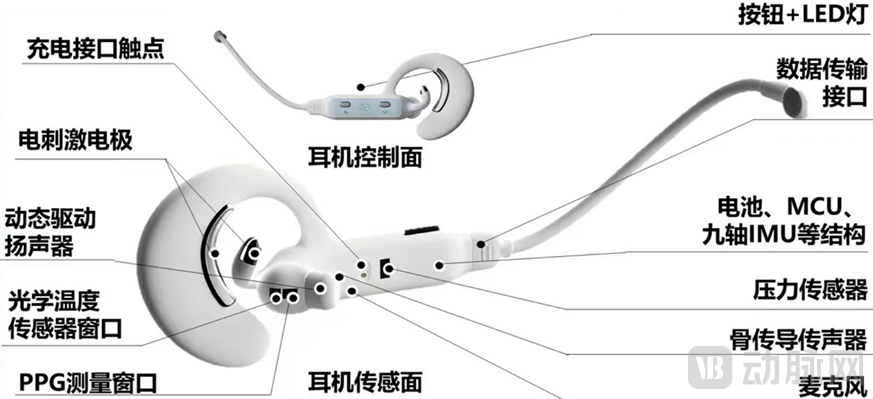
Structure of Resonance Respiratory Gating Vagus Nerve Electrical Stimulation Headphones
InSignal AcquisitionAlthough the periauricular region is regarded as the “golden area” for data acquisition, traditional sensors are often bulky and susceptible to motion artifacts. To address this, the ZhiNao YunShu team independently developed a “customized miniaturized sensor array,” ensuring the portability and reliability of data collection in the headphone system.
AtNeuromodulation FeedbackIn this regard, the core task of the system is to deliver tailored vagus nerve electrical stimulation based on real-time physiological signal acquisition. To achieve this, the ZhiNao YunShu team developed a proprietary “Individualized Adaptation Algorithm,” enabling the stimulation module to dynamically adjust current parameters using real-time heart rate variability (HRV) data, thereby balancing power consumption and precision within the compact space of the earphones.
If the “ear acquisition” and “ear feedback” modules constitute the hardware foundation, then achieving millisecond-level response from signal acquisition and analytical judgment to output stimulation is the key to realizing a closed-loop system for anxiety regulation.
Hu Tiehan pointed out, “Traditional devices mostly adopt an offline mode of ‘first collect, then analyze,’ with no real-time linkage between various stages. ZhiNao YunShu achieves real-time edge computing through algorithm lightweighting—simplifying signal analysis models, such as heart rate variability feature extraction and anxiety state classification algorithms that originally needed to run in the cloud, into lightweight versions suitable for headphone chips, ultimately realizing a complete closed loop of ‘collection → analysis → stimulation → re-collection.’”
Overall, from ear-based acquisition and feedback to an intelligent closed-loop system, ZhiNao YunShu does not merely stack modules. Instead, grounded in the innovative concept of integrating medicine with engineering, it leverages technological breakthroughs in “miniaturized hardware + lightweight algorithms + ergonomic design” to successfully embed “medical-grade closed-loop neuromodulation” into earphones. This innovation breaks away from the crude, one-size-fits-all treatment model of traditional devices, extending professional neuromodulation services from clinical settings to everyday life outside the hospital, thereby seamlessly integrating precise health management into modern lifestyles.
In terms of market layout, ZhiNao YunShu adopts a dual-track development strategy, targeting the two major scenarios of serious medical care and daily consumption, and has created two product forms: professional diagnostic and treatment tools and personal health assistants.
“Professional Diagnostic and Treatment Tools for Physicians” focuses primarily on medical-grade reliability in treatment and system integration capabilities.This B2B product enables physicians to view patient data and remotely adjust parameters, while also integrating with electronic medical record (EMR) management systems. Thanks to its anti-electromagnetic interference design, the system ensures stable operation in the complex electromagnetic environments typical of hospitals. The domestic market for neuromodulation medical devices remains a blue ocean, with a significant shortage of professional equipment in primary healthcare institutions. Products that combine precision with compatibility are particularly scarce. Leveraging its core advantage of medical-engineering integration, this product is poised to rapidly establish competitive barriers in this niche sector. It is reported that the product plans to complete clinical trials involving 200 cases by 2026 and will launch its initial pilot programs in collaboration with multiple Grade A tertiary hospitals.
“The Personal Daily Health Assistant” focuses on wearing comfort and ease of use.This consumer-grade product significantly lowers the barrier to use by optimizing electrode materials, simplifying professional parameters, and providing intuitive health trend reports. Currently, as the concept of health consumption becomes deeply rooted in public awareness,Public demand for health products that combine professionalism with broad accessibility continues to surge, and products backed by medical credentials while also possessing consumer-oriented attributes are precisely positioned atLong-termsupply gap, while this productTakeWith the dual advantages of “professional efficacy + daily user experience,” it is poised to fill this market gap. It is reported thatConsumer ProductsEstimatedIt is also scheduled to complete clinical trials and obtain the registration certificate in 2026, at which time it will be promoted simultaneously through all online and offline channels., with an extremely broad market prospect。
Hu Tiehan emphasized, “The value of this closed-loop system extends far beyond anxiety regulation; its core lies in the ability to read physiological signals in real time and dynamically adjust intervention strategies accordingly. The goal of ZhiNao YunShu is to make this solution a personal health steward for users—providing precisely tailored, personalized interventions in both disease treatment and health prevention scenarios.”
For example,Sleep ImprovementField, this solution can determine sleep stages by monitoring heart rate variability and respiratory rate, and dynamically adjust the stimulation strategy;Stroke Rehabilitation Field,It can be used in conjunction with a wrist sensor to instantly and synchronously initiate vagus nerve stimulation when the patient performs a grasping motion, thereby reinforcing the critical association between "action–neural activation";Chronic Pain Management, capturing subtle physiological precursors of migraine attacks and initiating low-intensity stimulation for early intervention;In High-Pressure Workplace Emotional Regulation Scenarios, it can detect in real time the physiological fluctuations caused by workloads or unexpected tasks, and help quickly calm emotions and restore focus through gentle stimulation, suitable for high-frequency, high-pressure scenarios such as meetings and overtime work;Menopausal Mood Management, addressing common issues such as mood swings and sleep disturbances in this population by continuously monitoring changes in endocrine-related physiological signals and dynamically optimizing neuromodulation protocols to help improve emotional states and sleep quality.In the future, this solution will be further expanded toAttention-Deficit/Hyperactivity Disorder in Children, Cognitive Impairment in the Elderlyand other fields.
To accelerate the multi-scenario implementation of frontier exploration and technology translation, ZhiNao CloudHub has partnered withSun Yat-sen University, Shenzhen University of Advanced TechnologyCollaborate with universities and other institutions on basic brain science research, jointlyThe Seventh Affiliated Hospital of Sun Yat-sen University and Four Other Grade-A Tertiary HospitalsCo-develop clinical databases, conduct pilot studies, and collaborate with leading industry enterprisesJointly Optimize Hardware Manufacturing and Supply Chain Systems。
Looking ahead, the strategic planning of ZhiNao YunShu has always centered on the core mission of “bringing closed-loop neuromodulation technology to practical application and serving more people.”Objective.In the short term, the team will focus on advancing fundraising, product registration and certification, and commercial model validation, while continuously deepening the industry-academia-research collaboration ecosystem. By securing support for key resources, we aim to proactively fill market gaps, rapidly establish a leading position in niche segments, and form a “medical-engineering integration””as the core of its differentiated competitive advantage. In the long term, the company is committed to building a comprehensive health management platform encompassing “hardware + data + services,” driving the expansion of its technology from single domains to multi-scenario applications, and achieving a strategic leap from domestic operations to global market presence.
As the health management revolution shifts from “treating existing diseases” to “preventing disease before it occurs,” the essence of high-quality living is being redefined. Amidst this wave, ZhiNao YunShu, an innovative enterprise dedicated to building a “medical-engineering integrated platform for rehabilitation technology translation,” is charting a course of deep medical-engineering integration. Anchored by clinical needs and powered by closed-loop technologies, the company provides precise, efficient, and personalized health management solutions for patients with anxiety and the broader health-conscious population.
Shenzhen Brain Science and Technology Industry Innovation Center (hereinafter referred to as the “Brain Innovation Center”) is a specialized incubation platform established with strong support from the Shenzhen Municipal Government and the Guangming District Government. It receives technical support and operational management from the Institute of Brain Cognition and Brain Diseases, Shenzhen Institutes of Advanced Technology, Chinese Academy of Sciences, and the Shenzhen-Hong Kong Institute of Brain Science. The Brain Innovation Center is committed to building China’s first “plug-and-play” specialized incubation and empowerment platform. Focusing on the pain points in the translation and industrialization of technologies in the fields of brain science, brain technology, brain health, brain diseases, and brain intelligence, it establishes an innovative cooperation model where “end-users define the challenges, and the scientific community provides the solutions.” This approach aims to achieve an integrated development pattern combining innovation, entrepreneurship, venture capital, and creativity. The center strives to become a highland for gathering new quality productive forces, characterized by the brain and life health industries, serving China and radiating globally.
Since its trial operation began in October 2022, the Brain Innovation Center has established a “phased” incubation model and developed over 10,000 square meters of industrial space. It has attracted nearly 50 enterprises to settle in its incubator and industrial park, with these resident companies achieving a cumulative historical financing total exceeding RMB 1 billion and a combined valuation surpassing RMB 10 billion. Furthermore, the Center has established China’s first venture capital fund dedicated to brain science and brain-inspired intelligence that is entirely funded by social capital, with a scale exceeding RMB 200 million, focusing on investing in high-quality early-stage projects within the Brain Innovation Center. The Brain Innovation Center cordially invites enterprises, institutions, and research teams in the fields of brain science, brain-computer engineering, and brain health to visit and exchange ideas!