

Policy, Clinical Practice, and Industry Converge: 2025 Health Conference Outlines China's AI Healthcare Innovation Ecosystem
From policy enablement to clinical implementation, AI in healthcare is reaching a critical tipping point for large-scale expansion. The 2025 national “Opinions on Deepening the ‘AI+’ Action” explicitly designate healthcare as a key area for integration, setting forth the goal of establishing a cohort of benchmark AI healthcare application scenarios by 2027. Accelerated breakthroughs in technologies such as brain-computer interfaces and multimodal medical large language models are propelling the industry from the “proof-of-concept” phase into a new stage of “value realization.”
Against this backdrop, on December 27, with“AI + Healthcare Innovation”with the core theme of2025 7th Health ConferenceHeld in Hangzhou. This conference is organized byHosted by the Zhejiang Entrepreneurs General Association, and co-organized by the Big Health Committee of the Zhejiang Entrepreneurs General Association and the Alliance for Precision Medicine Research and Industrial Development, bringing together leading figures from government, industry, academia, research, and application sectors to engage in in-depth discussions on core topics such as breakthroughs in AI medical technology, pathways for clinical implementation, and collaborative industrial ecosystems. This gathering witnesses the healthcare industry’s pivotal transition from “technological exploration” to “large-scale application,” driven by the triple resonance of policy, capital, and clinical practice.
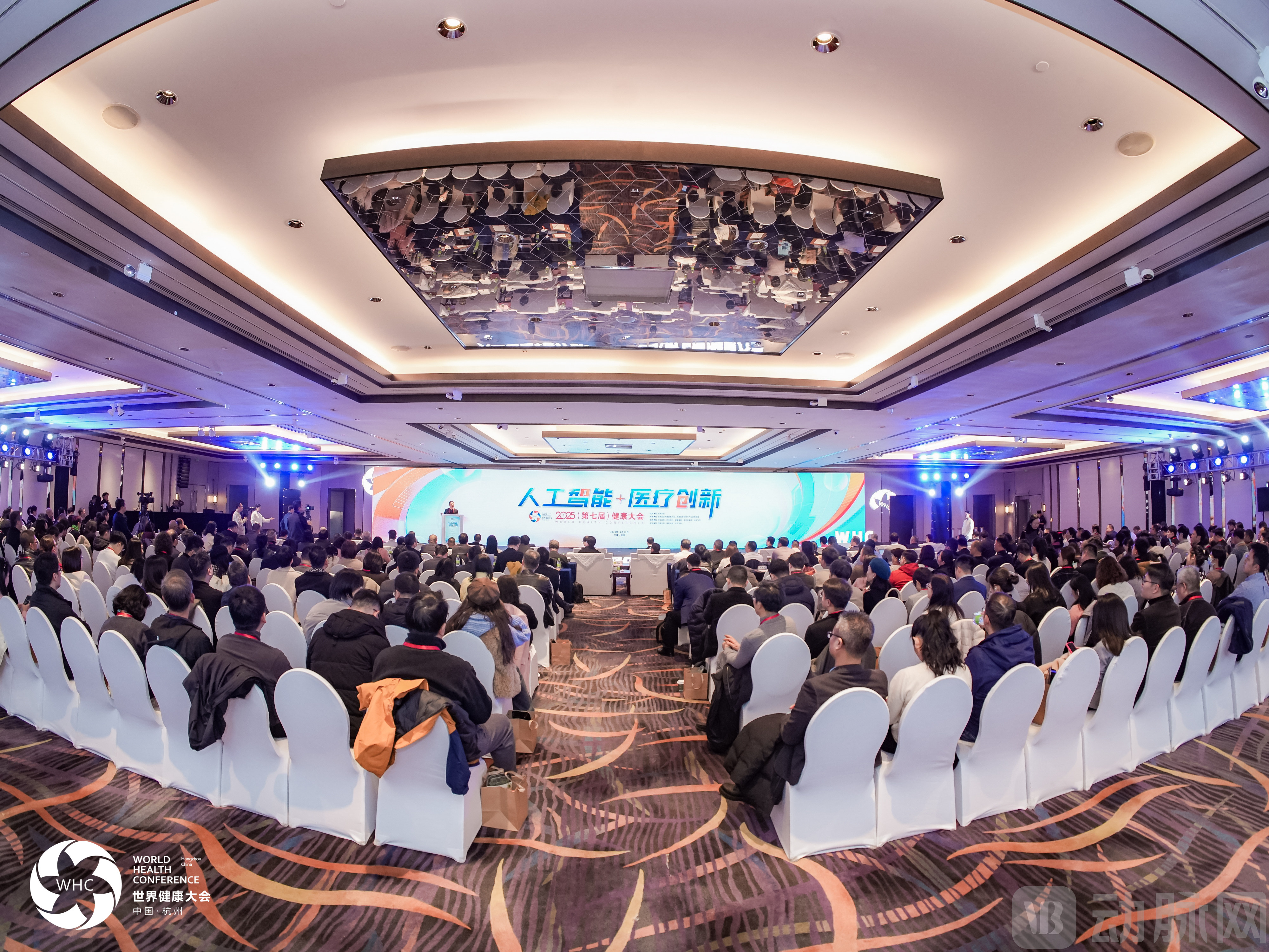
The 7th Health Conference in 2025
At a pivotal juncture in the deep integration of artificial intelligence and healthcare, the opening remarks at the 2025 Health Conference served as a strategic platform to gauge direction and build consensus. Distinguished guests from policy, academia, and industry outlined a clear framework for the future development of “AI + Healthcare” from multiple dimensions, including national strategy, regional practices, and industry ecosystems.
Rao Keqin, Chairman of the Steering Committee of the Alliance for Precision Medicine Research and Industrial DevelopmentIt has been pointed out that over the past seven years, the Health Conference has consistently stayed at the forefront of medical and healthcare trends, facilitating more than 100 initiatives in academic translation and industrial collaboration. It has become a vital link promoting cross-sector integration and industrial innovation. This year’s focus on “AI + Healthcare Innovation” responds to the global wave of digital transformation in the health industry, aiming to accelerate the systematic integration of AI technologies across the entire healthcare value chain by pooling collective wisdom from multiple stakeholders.
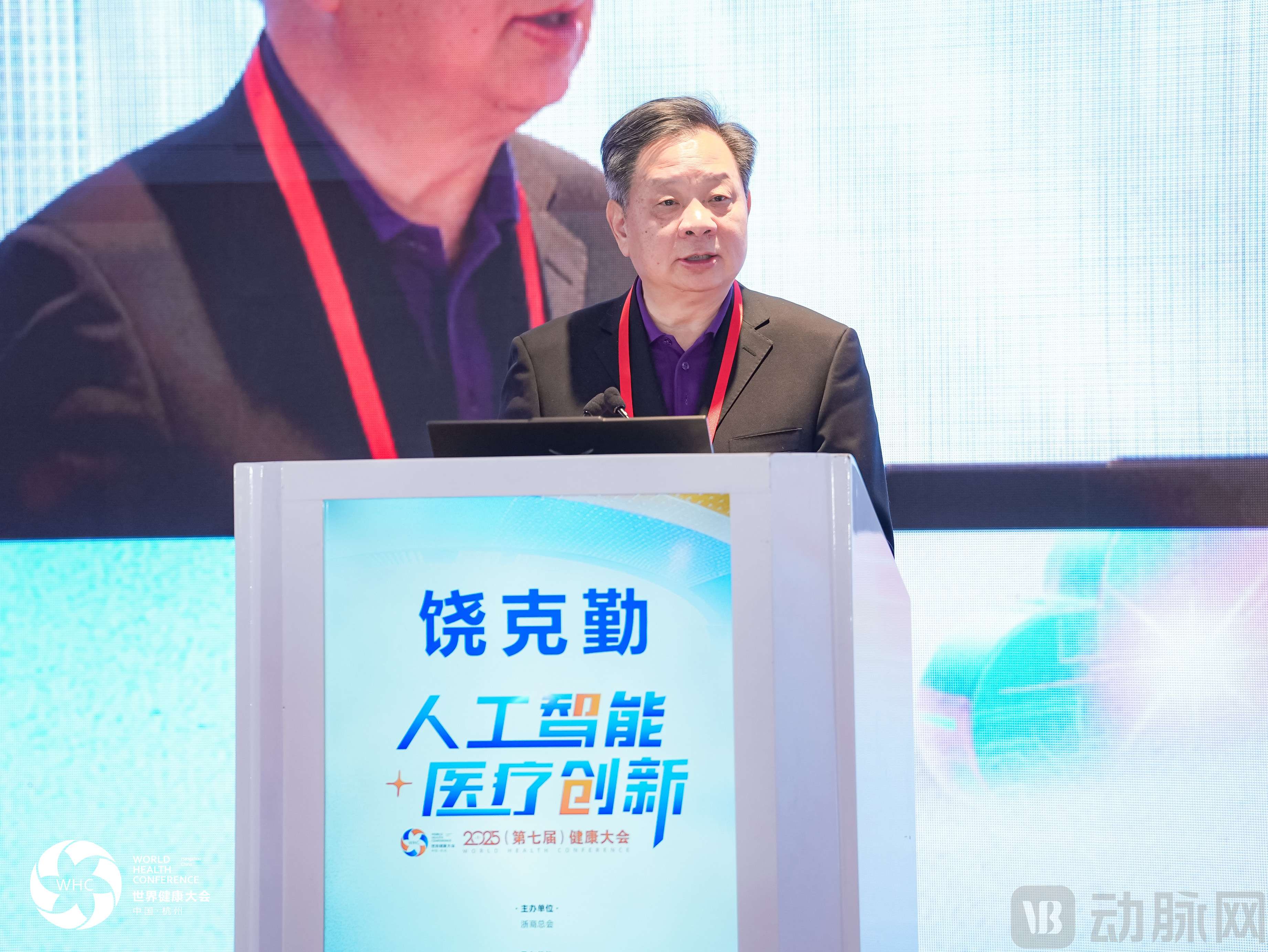
Rao Keqin, Chairman of the Steering Committee of the Alliance for Precision Medicine Research and Industrial Development
Chen Zhu, Academician of the Chinese Academy of Sciences and Vice Chairperson of the Standing Committee of the National People's CongressIn his written address, he emphasized that the development of AI in healthcare must be integrated into the broader framework of the Healthy China initiative, with its fundamental value lying in enhancing the accessibility, precision, and inclusiveness of medical services. He specifically pointed out that alongside rapid technological advancement, it is essential to simultaneously establish an evaluation and governance system covering algorithmic safety, clinical effectiveness, and ethical compliance, which serves as the cornerstone for the industry’s steady and long-term growth. Furthermore, he called for deepened international cooperation from a global perspective, contributing Chinese wisdom to the building of a global community of health for all.
Aligning with national strategies, industry practitioners have proposed more concrete pathways.You Xiangdong, Chairman of the General Health Committee of the Zhejiang Entrepreneurs AssociationHis remarks reflect an industrial paradigm shift from “resource dependence” to “data-driven” thinking. The four strategic directions he proposed—focusing on data value and co-building an innovation ecosystem; aligning closely with policy guidance to deepen industrial empowerment; adhering to a people-centric approach to promote the decentralization of services; and upholding openness and mutual benefit to expand global horizons—outline a roadmap for Zhejiang entrepreneurs’ actions, with data as the core element, clinical and public health needs as the driving force, and open collaboration as the methodology.
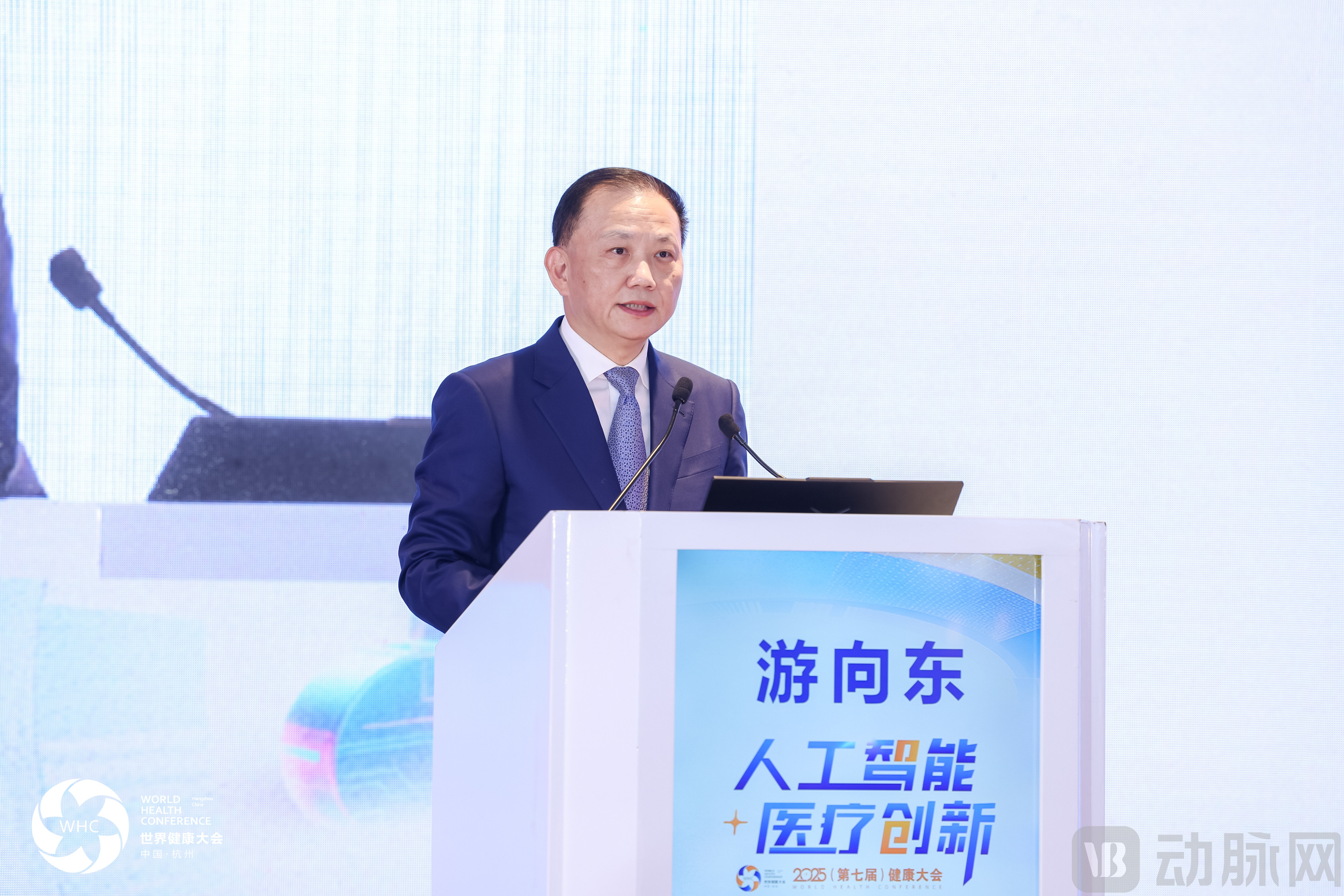 You Xiangdong, Chairman of the General Health Committee of the Zhejiang Entrepreneurs Association
Song Li, Member of the Party Leadership Group and Secretary-General of the Zhejiang Provincial Federation of Industry and Commerce, and Secretary of the Party Committee of the General Association of Zhejiang EntrepreneursThe address demonstrated Zhejiang’s self-awareness and sense of responsibility as a highland for innovation. He evaluated the development of “AI + Healthcare” across three dimensions: serving national strategies, building an open ecosystem, and fortifying the baseline for security. This clearly conveyed a regional development philosophy that prioritizes both “development” and “security,” while synergizing “innovation” with “regulation,” aiming to create a replicable and scalable “Zhejiang Model.”
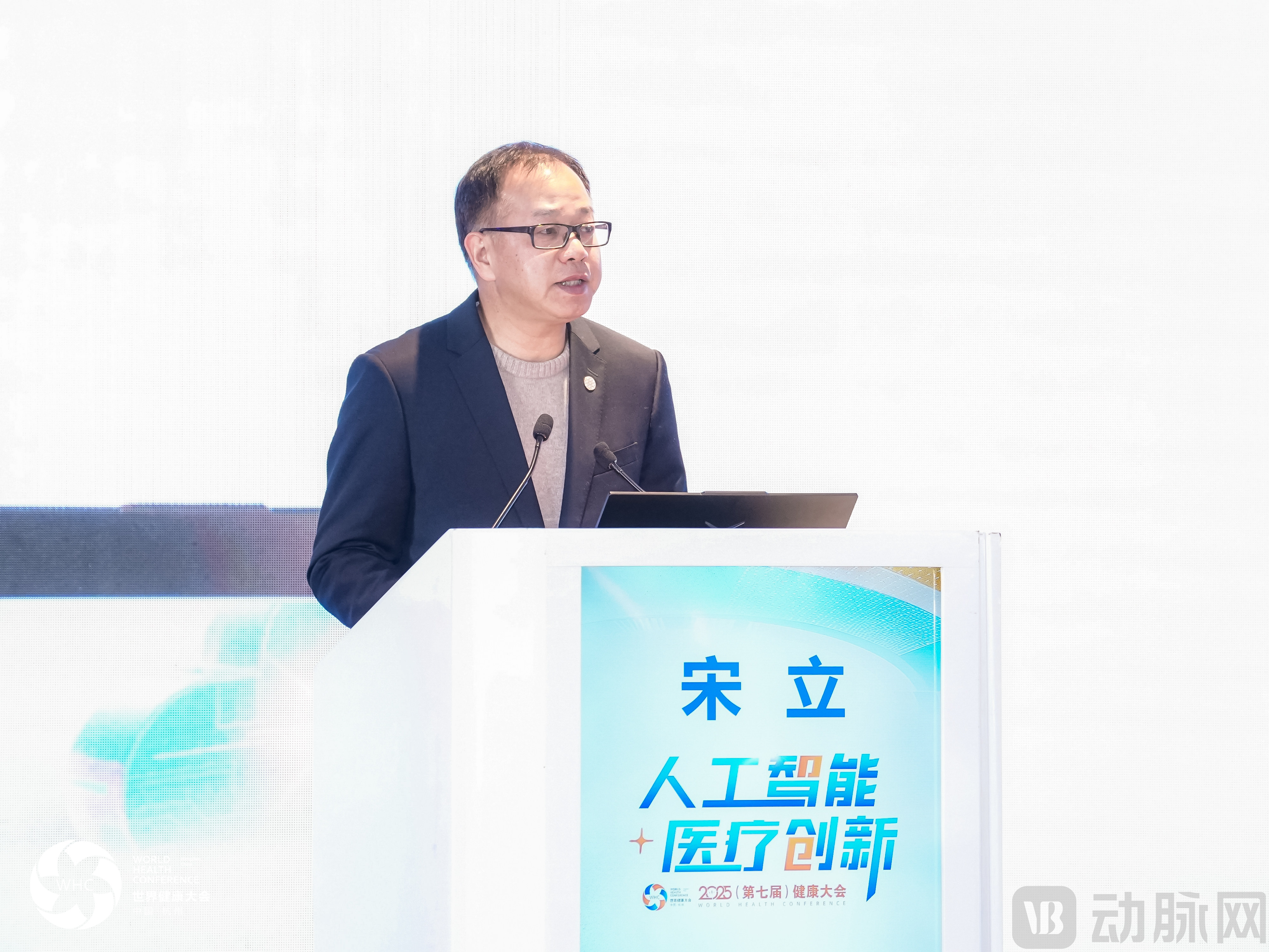 Song Li, Member of the Party Leadership Group and Secretary-General of the Zhejiang Provincial Federation of Industry and Commerce, and Secretary of the Party Committee of the Zhejiang Entrepreneurs Association
Zhang Zongjiu, Chairman of the Alliance for Precision Medicine Research and Industrial DevelopmentHe distilled the contemporary urgency of “accelerating health-prioritized development” from the trajectory of policy evolution. He pointed out that AI technology serves as the core driving engine for this strategy, while precision medicine acts as the translational bridge linking cutting-edge biomedical innovations with vast clinical demands. He emphasized that breakthroughs in AI healthcare must ultimately be reflected in the optimization of diagnostic and treatment protocols, the practical implementation of product technologies, and the enhancement of global competitiveness. He expressed hope that deep collaboration among clinical practice, industry, and scientific research would propel Chinese diagnostic and treatment protocols and products onto the global stage.
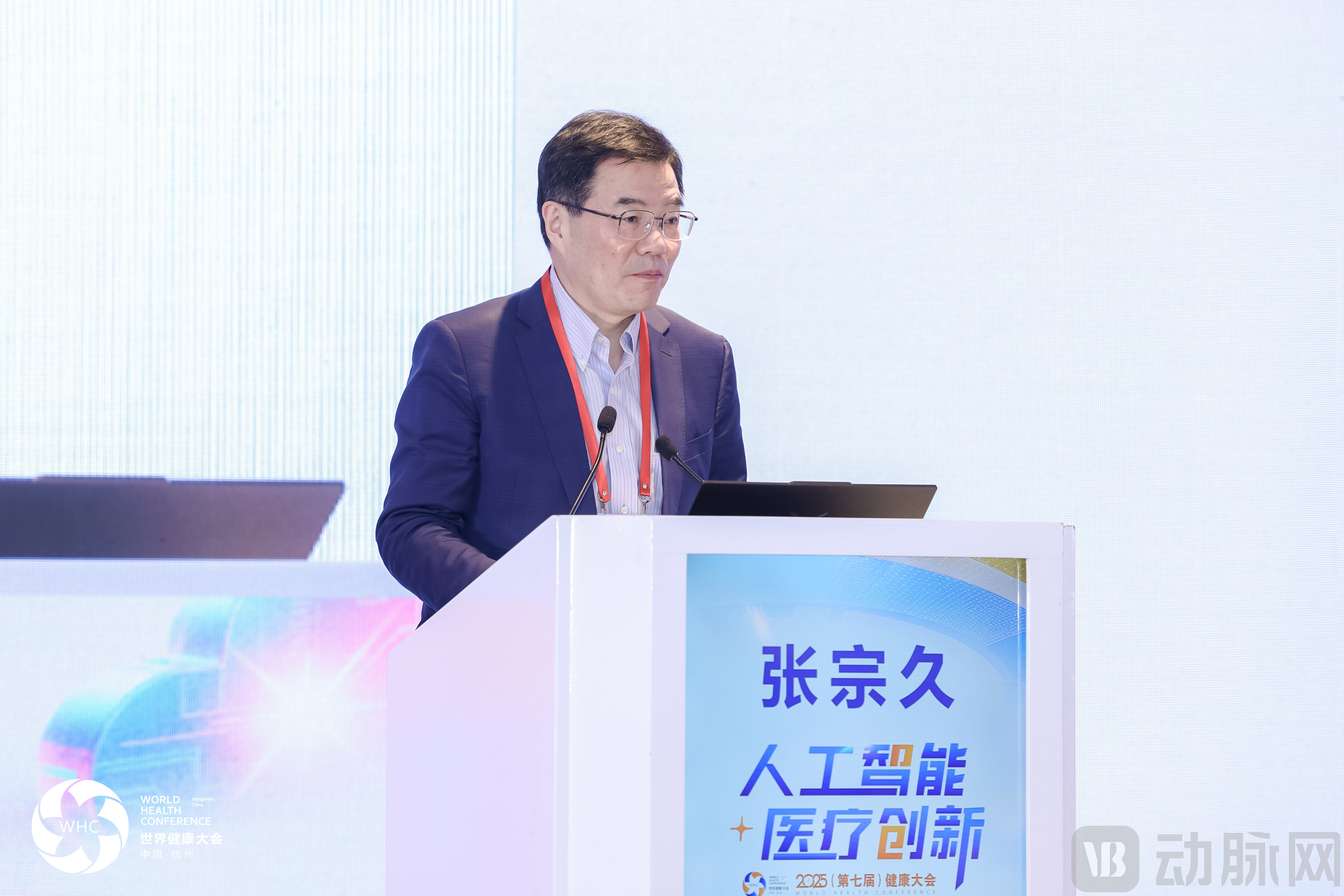 Zhang Zongjiu, Chairman of the Alliance for Precision Medicine Research and Industrial Development
A clear consensus has emerged from the opening addresses: China’s AI-driven healthcare development is transitioning from technology-driven, isolated innovations to a new phase of “systemic innovation” shaped collectively by policy, clinical practice, industry, and capital. The goal is not merely technological advancement, but also modernization of the healthcare system, improved accessibility of services, and enhanced industrial competitiveness.
As the focus shifted from “why to do it” to “how to achieve it,” two academicians of the Chinese Academy of Sciences, both seasoned leaders at the forefront of top-tier clinical practice, presented the industry with a realistic picture and viable pathways for integrating AI technologies into diagnostic and treatment workflows, supported by robust data and concrete case studies.
Wang Jian’an, Academician of the Chinese Academy of Sciences and President of The Second Affiliated Hospital Zhejiang University School of MedicineFocusing on cardiovascular and cerebrovascular diseases, he delivered a keynote speech titled “Intelligent Technology Innovation and Clinical Implementation of Early Screening and Precision Intervention for Cardiovascular and Cerebrovascular Diseases.” He introduced that by leveraging AI to mine clinical data, ultra-early warning for high-risk diseases has been achieved, with accuracy improved by over 30%, and related technologies have demonstrated significant effectiveness in primary care pilot programs. His team has established a “Pan-Vascular Hospital Zone,” utilizing AI to enable automatic extraction of patient data and intelligent stratified management. In core therapeutic areas such as transcatheter heart valve interventions, the AI-based preoperative simulation system can accurately predict risks, strongly supporting the clinical practice of “next-day discharge.” Furthermore, the specialty-specific AI agents developed by his team are exploring the provision of continuous, companion-style health guidance for patients.
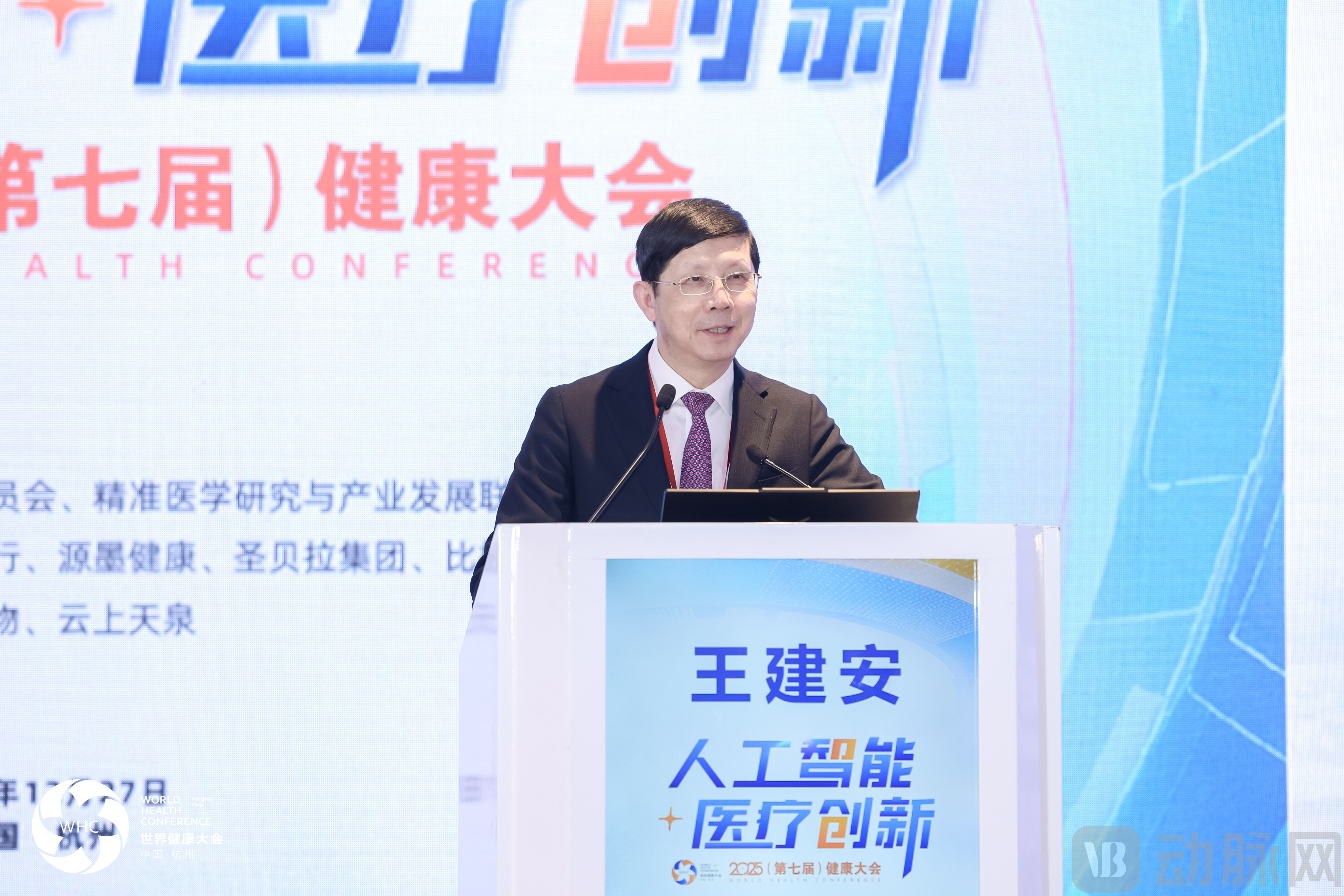 Academician of the Chinese Academy of Sciences, President of the Second Affiliated Hospital of Zhejiang University School of Medicine, Wang Jian'an
Wang Yongjun, Academician of the Chinese Academy of Sciences and President of Beijing Tiantan Hospital, Capital Medical UniversityUnder the title “Artificial Intelligence Empowering Future Medicine,” he shared systematic breakthroughs in AI-enabled precision diagnosis and treatment of neurological disorders. He proposed that AI technology, by empowering the entire clinical workflow, has reduced the average treatment time window for stroke patients by 40 minutes. To address various risks in stroke prevention and management, AI offers solutions through clinical decision support systems, digital twin trial platforms, and multi-omics target discovery. He forwardly predicted that a new ecosystem of “silicon-based stroke medicine,” integrating smart home devices, wearable technologies, and metaverse hospitals, will gradually reshape future healthcare models.
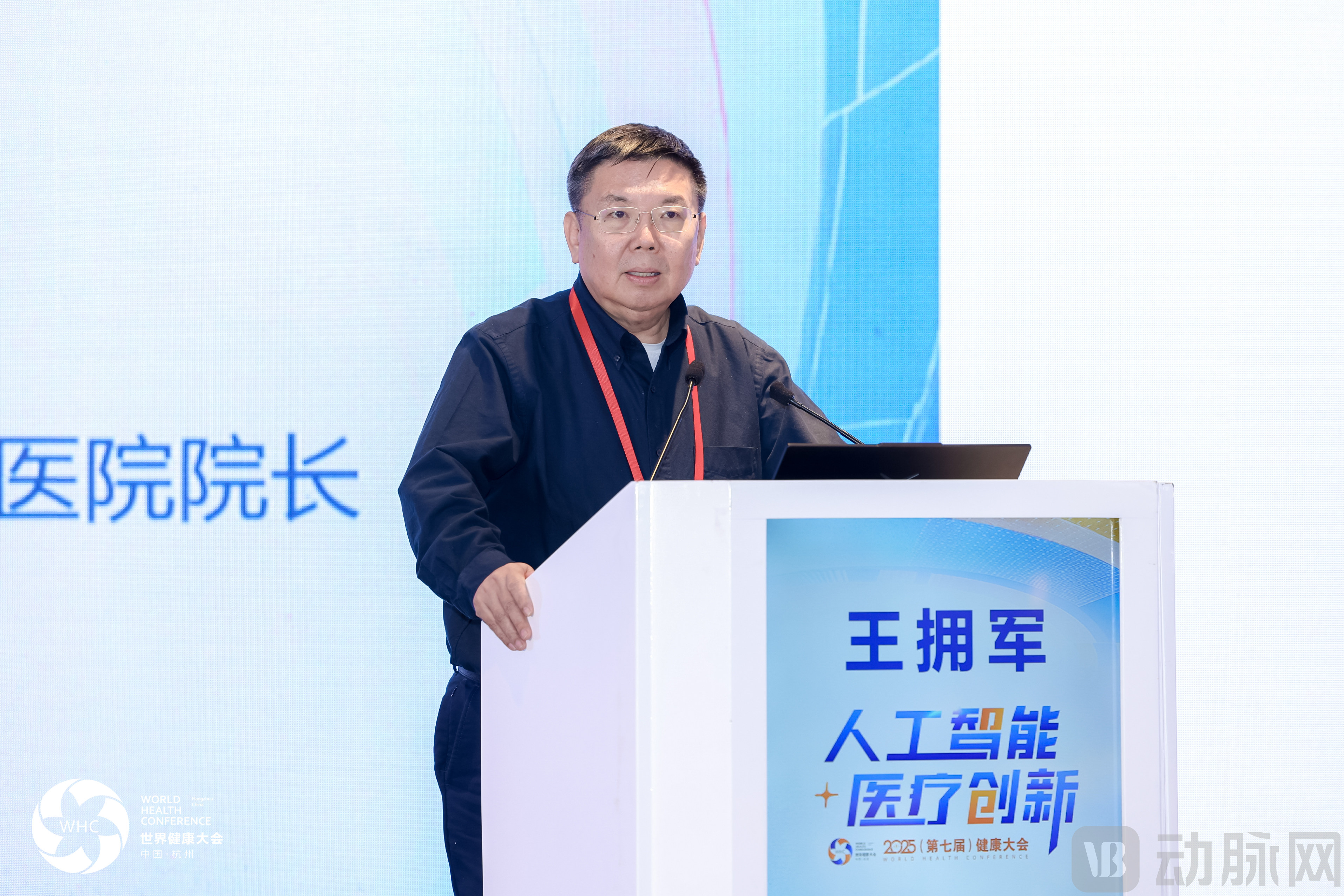 Academician of the Chinese Academy of Sciences, and Dean of Beijing Tiantan Hospital, Capital Medical University, Wang Yongjun
The insights shared by the two academicians clearly demonstrate that the clinical value of AI is being realized through tangible optimizations across all stages of care—“early warning, diagnosis, treatment, and rehabilitation.” Their practices indicate that the successful implementation of cutting-edge technologies must be grounded in profound clinical insights and ultimately translated into measurable patient benefits and enhanced healthcare efficiency.
With clinical pathways becoming increasingly clear, the industry has rapidly delivered commercial solutions leveraging cutting-edge technologies. The “New Voices in Tech – New Product and Technology Launch Ceremony” held at the conference showcased innovative achievements of AI in healthcare across multiple niche sectors, including rehabilitation, surgery, health management, and even the cultivation of traditional Chinese medicine herbs, marking an accelerated transition of these technologies from the laboratory to the market and clinical practice.
BoLing Brain-Computer InterfaceThe released upper-limb rehabilitation system based on real-motion intent recognition directly addresses the pain points of post-stroke neural function reconstruction. ItsChairman Ma SanguangAs one of only two companies worldwide with marketed products in this category, the company stated in an interview that the core technology of its product lies in decoding patients’ motor intentions through AI algorithms to enable adaptive interaction with rehabilitation devices. The product has already been adopted for clinical use in multiple hospitals, and a home-use version has been launched, extending rehabilitation care into home settings.
Mayo MagnetocardiographyIt launched “Titian,” the first certified cardiac electrophysiology interventional surgical robot in China. By translating physicians’ manual operations into precise movements of robotic arms, the system not only enhances procedural standardization and stability but also significantly reduces radiation exposure time for both patients and medical staff, providing key technological support to increase the adoption rate of complex procedures such as atrial fibrillation ablation.
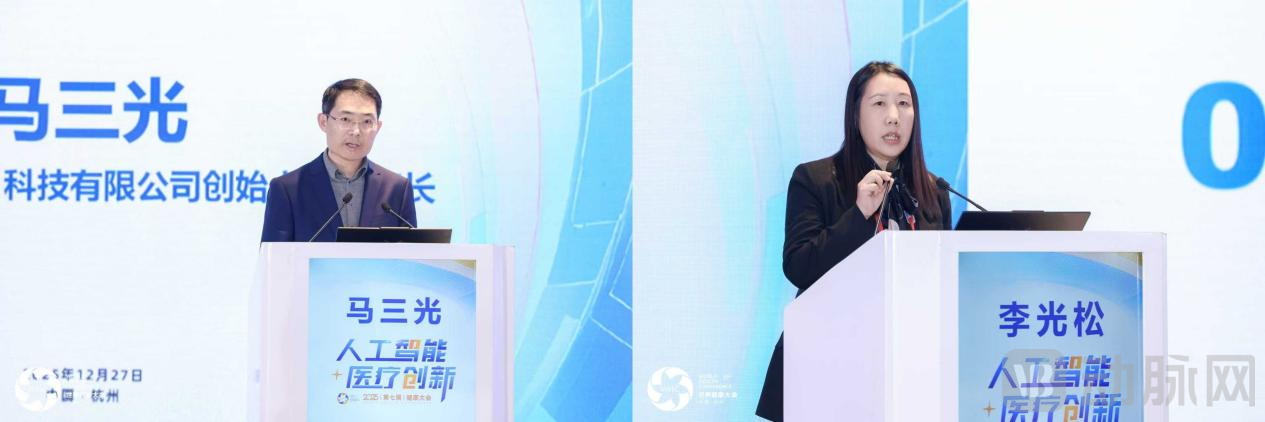 BoLing Brain-Computer Interface, Mayo Clinic Magnetocardiography
Innovation is not limited to serious medical care. In health management and the upstream of the industry,Shengbeila GroupLeveraging its accumulated dataset of millions of maternal and infant care records, the company has developed "Dr. Bella," an AI health assistant that provides personalized support throughout the entire pregnancy and postpartum journey, empowering home care and women's health with technological innovation.Dr. NannanFocusing on children's growth, we have launched an AI-powered 7S Height Management System that leverages digital tools to achieve quantifiable and systematic health interventions.4D EcologyIt has pioneered an alternative approach by applying the precise environmental control technologies of “plant factories” to the cultivation of traditional Chinese medicinal herbs such as ginseng, thereby achieving standardized, controllable production with zero pesticide residues, and demonstrating another possible pathway for AI to empower the upstream segment of the industry.
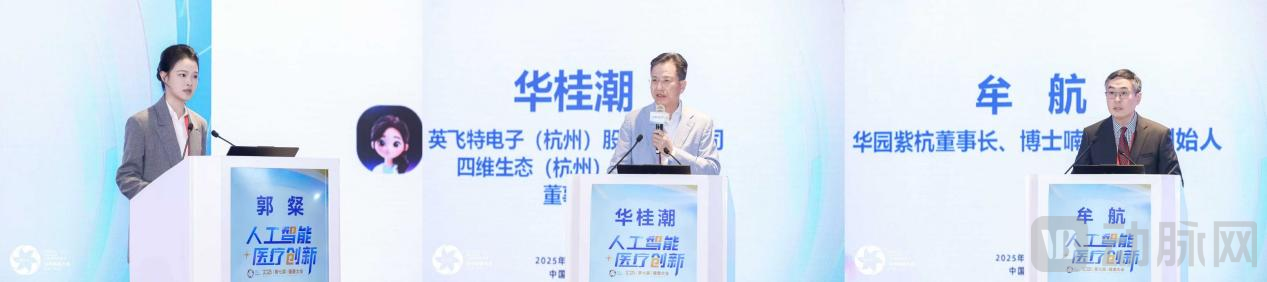
Shengbeila Group, 4D Ecology, Dr. Nannan
The emergence of innovative products relies on the support of a systematic industrial ecosystem. At the conference,Shengzhou Minsheng Future Medical Industrial Park and Its Supporting RMB 500 Million “Shengzhou Minsheng Taitou Equity Investment Fund” Officially LaunchedZhou Feng, Director of the Shengzhou Investment Promotion Center, introduced that the project adopts an integrated “industrial park + fund + policy” model, aiming to build an industrial ecosystem platform integrating R&D, incubation, and commercialization. The fund will focus on frontier areas of life and health, accelerating the implementation of innovative projects through capital infusion, which marks a new stage in local industrial ecosystem development characterized by proactive planning and comprehensive empowerment.
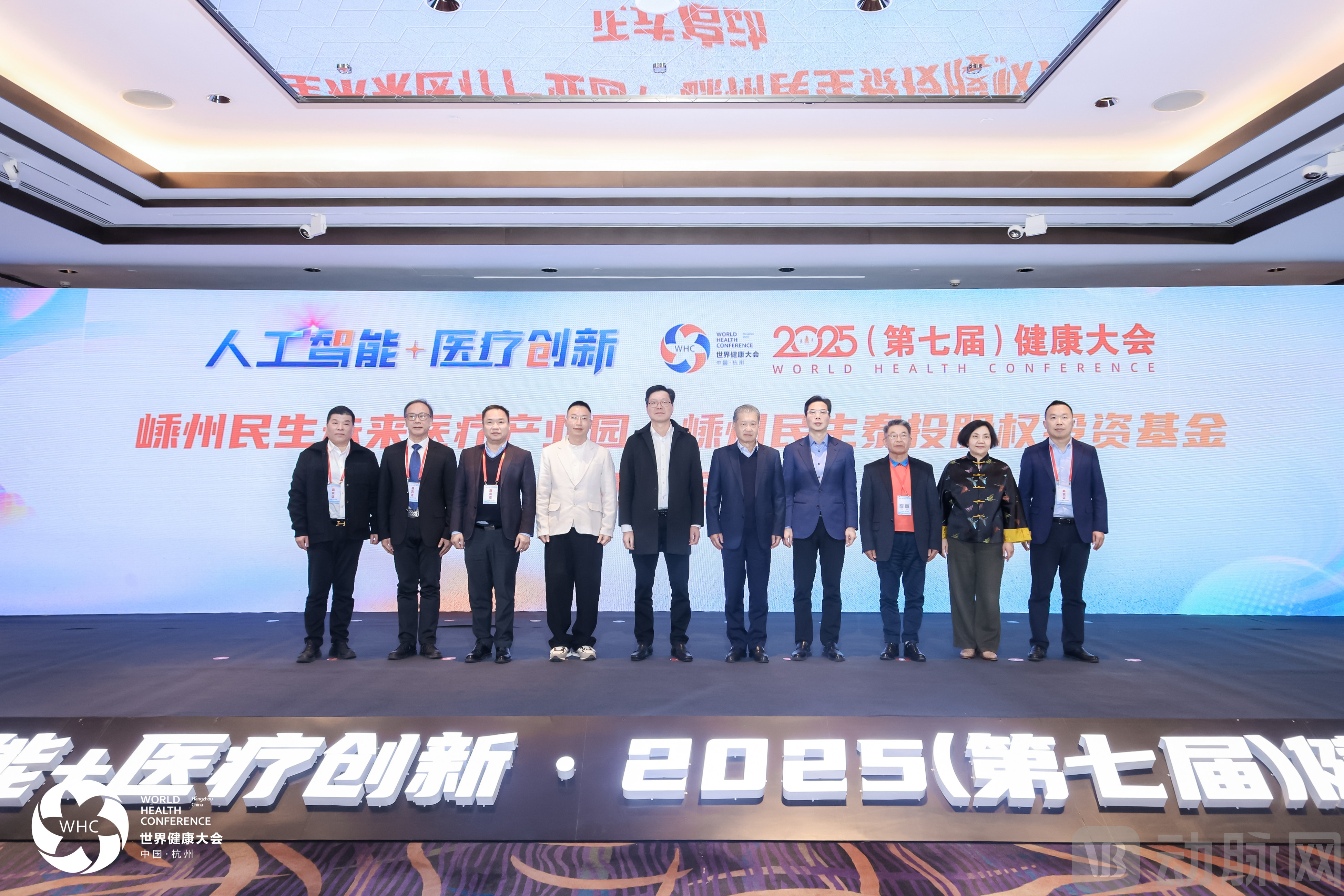 Shengzhou Minsheng Future Medical Industrial Park and Industry Fund Officially Launched
As the prospects for clinical exploration and industrial application become increasingly clear, how to provide a sustained talent reserve and foundational technological support for this transformation has become the key determinant of its depth and breadth.
Professor Liang Guang, President of Hangzhou Medical CollegeThe presentation, centered on “R&D of Original Innovative Drugs for Major Chronic Diseases Based on Chronic Inflammation,” highlighted the pivotal role of AI in discovering novel targets and accelerating drug design. Candidate drugs designed by his team targeting the “chronic inflammation” mechanism have entered clinical trials, validating the feasibility of this approach. He emphasized that achieving such “zero-to-one” breakthroughs fundamentally stems from source innovation in basic research, which requires universities to break down disciplinary barriers and reshape talent cultivation systems through industry-education integration.
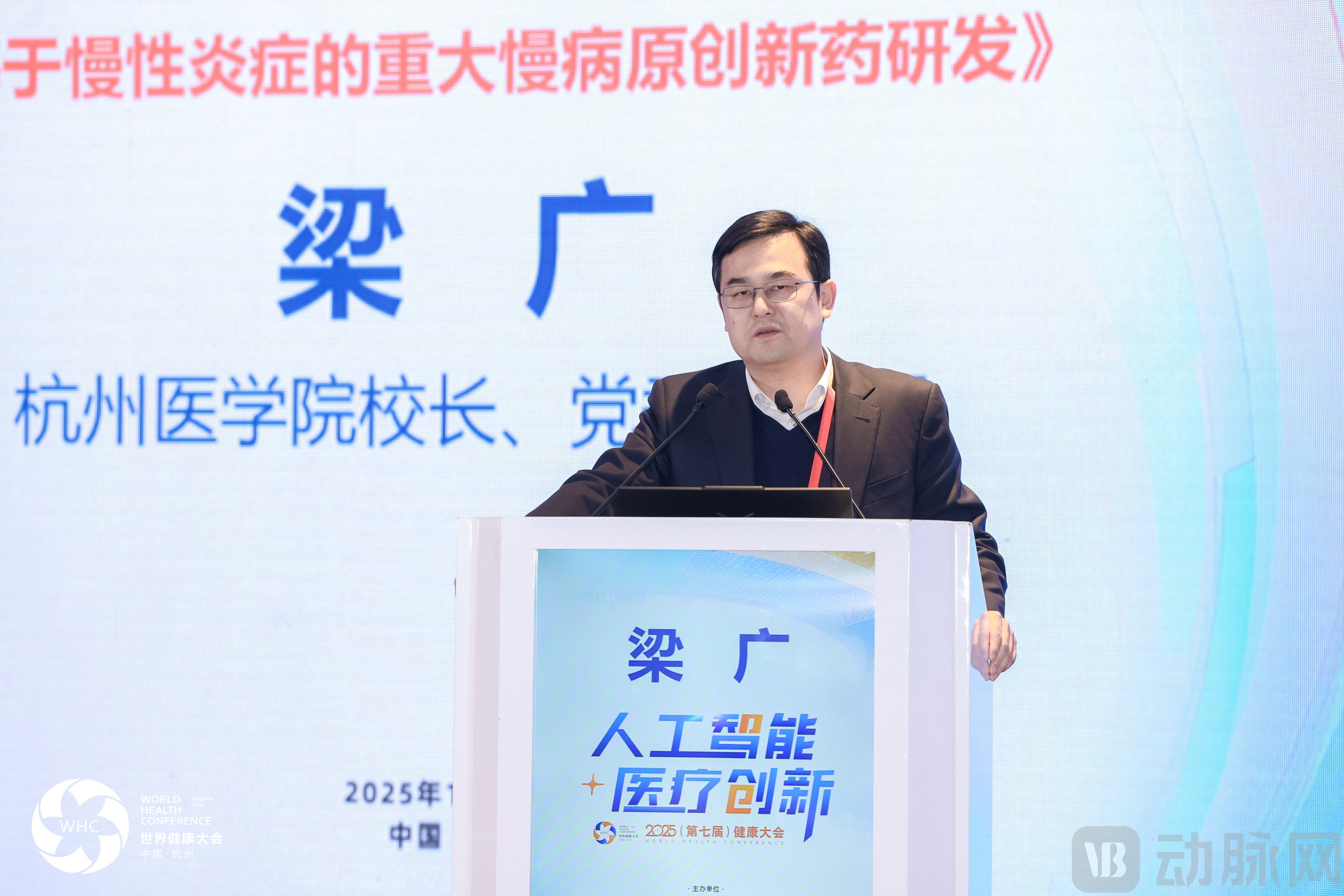 President of Hangzhou Medical College, Liang GuangProfessor
From the perspective of the underlying logic of technological evolution,Professor Chen Wei, Deputy Director of the State Key Laboratory of CAD&CG at Zhejiang University“Multimodal Intelligent Computing for Medicine: Zhejiang’s Path of Innovative Practice” examines the evolution of underlying technologies, highlighting that multimodal intelligent computing is becoming the new foundation for medical intelligence, driving AI to evolve from an auxiliary tool into a systemic force that reshapes diagnostic and therapeutic services. However, the advantages in computing power and algorithms must be deeply integrated with medical knowledge.
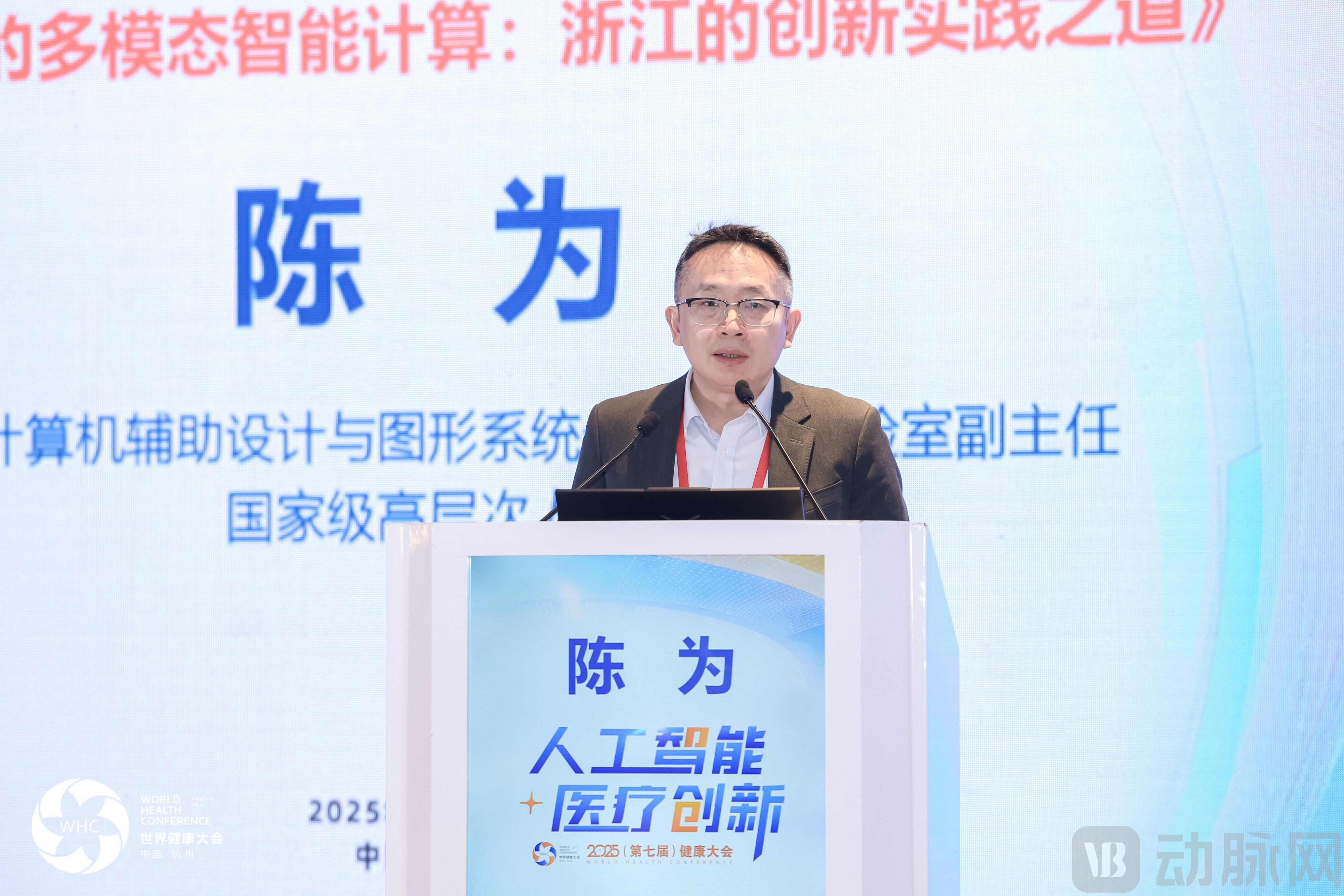 Chen Wei, Deputy Director of the State Key Laboratory of Computer-Aided Design and Computer Graphics at Zhejiang UniversityProfessor
Notably, behind these achievements, capital allocation is becoming increasingly rational and focused.You Xiangdong, Chairman of the General Health Committee of the Zhejiang Entrepreneurs AssociationThe interview highlighted that capital is currently focusing on three key areas: enhancing the precision of diagnosis and treatment, tangibly improving healthcare efficiency, and establishing sustainable business models. To this end, the committee will promote the joint development of a data element ecosystem, encourage differentiated innovation in niche sectors such as care for the elderly and children and family health, and actively build international cooperation platforms to support companies in expanding overseas. Ultimately, through full-chain empowerment, the goal is to accelerate the transition of technologies from the laboratory to the home.
Zhai Xiaowen, Vice President of Children's Hospital of Fudan UniversityShared during the interview was the systematic implementation of AI in pediatrics: from the in-hospital intelligent assistant “Dr. Xiao Bu” to a training network covering more than 160,000 primary care healthcare professionals, with its core lying in enhancing service accessibility and standardization through technology.Yuan Weian, Deputy Director of Shuguang Hospital Affiliated to Shanghai University of Traditional Chinese MedicineIt demonstrates AI’s unique pathway in the field of Traditional Chinese Medicine (TCM): assisting young physicians in syndrome differentiation through tools such as “Digital-Intelligence Qihuang,” and exploring how digitizing the clinical experience of renowned TCM experts can empower primary care providers.
Thus, the path to building a sustainable AI healthcare innovation ecosystem is becoming increasingly clear: it begins with interdisciplinary talent development, is realized through technological breakthroughs driven by the integration of medicine and engineering, thrives under value-focused capital support, and ultimately returns to clinical practice, where a closed loop of value is completed by addressing real-world pain points. This interconnected synergy represents an essential step in transitioning from “isolated breakthroughs” to “systemic innovation.”
With consensus and pathways now clearly defined, the accumulated theoretical knowledge, technological expertise, and talent must be transformed into tangible productivity through organized collaboration. At the conclusion of the conference, this concept reached a landmark milestone in practical application.
InWang Bo, Vice Chairman and Secretary-General of the Alliance for Precision Medicine Research and Industry DevelopmentUnder the auspices of the Alliance, four key initiatives were officially launched: “AI Technology Innovation and Clinical Application Research in Cardiovascular and Cerebrovascular Fields,” “Research on the Development of Clinical Artificial Intelligence Bases,” “Health Economics Research Related to Neurodegenerative Diseases in the Elderly,” and the “Brain Health Initiative: ‘Big Hands Holding Little Hands.’”Rao Keqin, Chen Xiaochun, Wu Fan, Zhu Fujiang, You Xiangdong, Cao Lin, Zhao JianGuests jointly took the stage to initiate the launch, symbolizing that the industry-academia-research collaborative network centered on “AI + Precision Medicine” has moved from top-level design into a new phase of substantive, task-oriented co-construction.
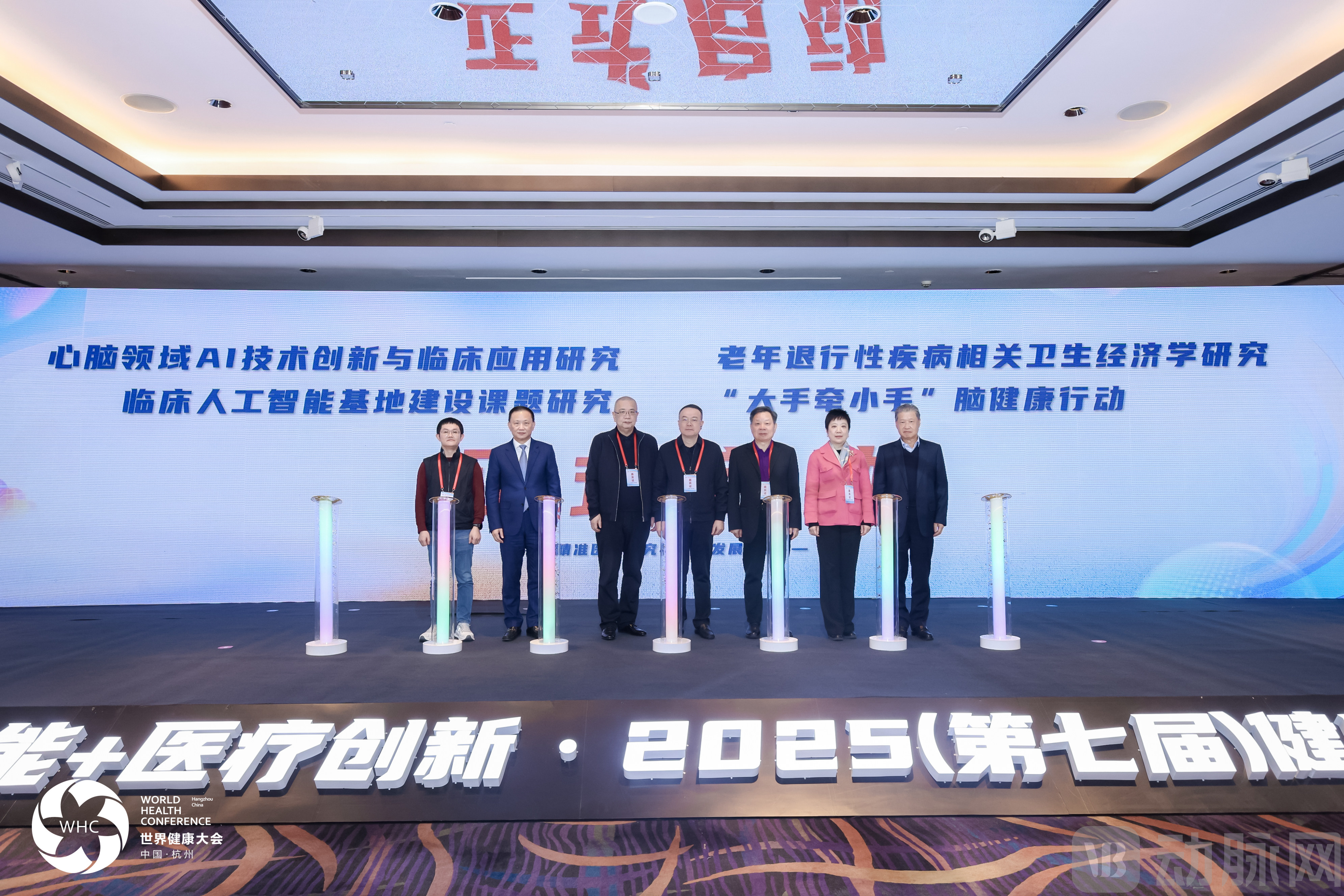 “AI+"Precision Medicine": Four Key Projects Officially Launched
From policy interpretation to clinical practice, and from technology launches to ecosystem co-creation, the 2025 Health Conference comprehensively showcased the latest advancements and systematic reflections on AI-driven medical innovation in China. In Zhejiang, a vibrant hub for the digital and private economies, stakeholders from government, industry, academia, research, healthcare, and investment are jointly shaping the future landscape of intelligent healthcare through cutting-edge exploration and pragmatic collaboration.
As the consensus conveyed by the conference underscores, AI is not about replacement, but rather empowerment and integration; innovation requires not only technological breakthroughs but also ecosystem support and a return to value. In this endless Long March, every cross-disciplinary dialogue and collaborative action is making the vision of a Healthy China clearer and more accessible.