

Suzhou Yuezong Biotech Launches Global First Fully Bioabsorbable Zinc Alloy Stapler in Pivotal Clinical Trial, Addressing Long-Standing Challenge of Permanent Metallic Implants
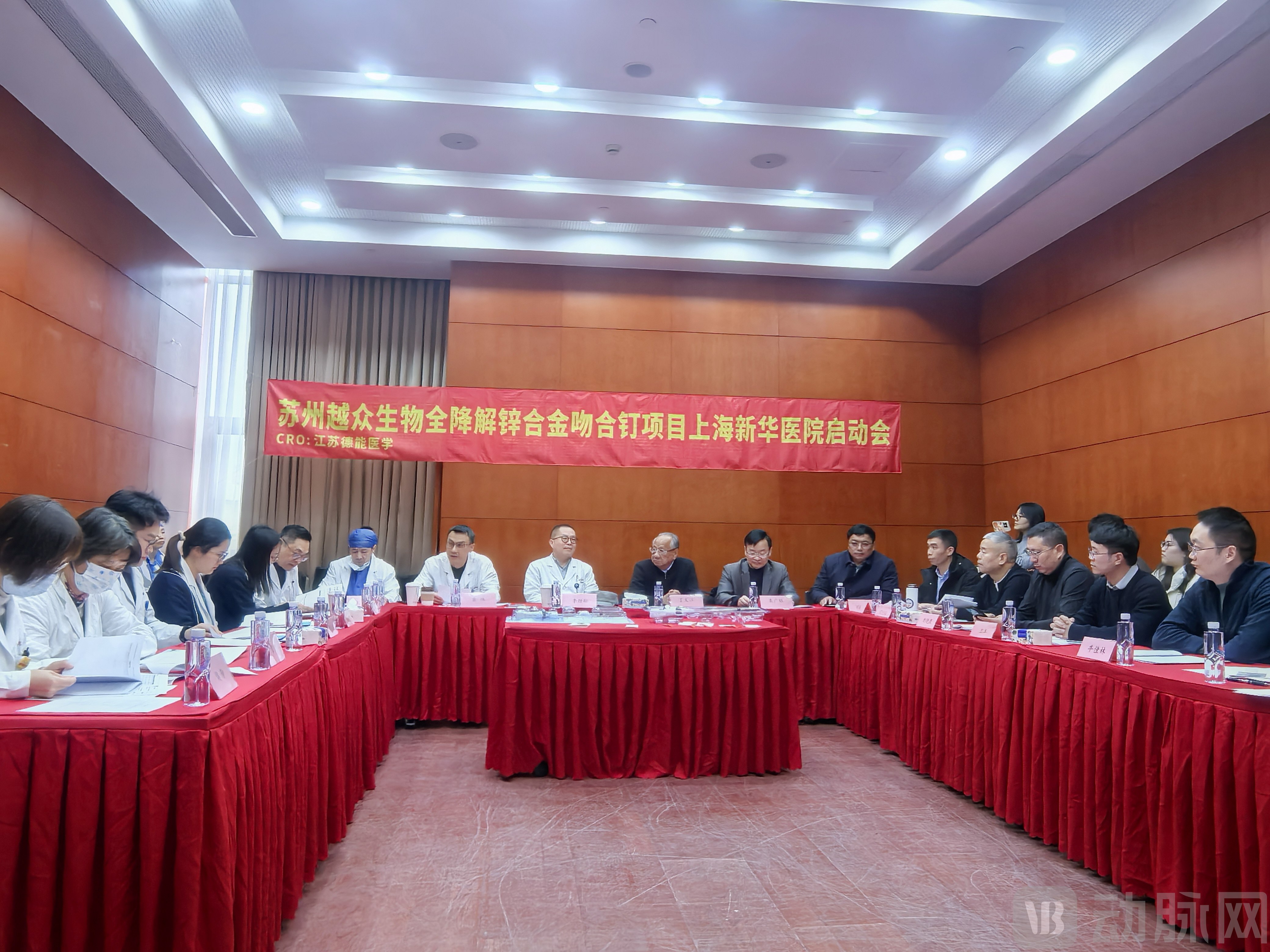
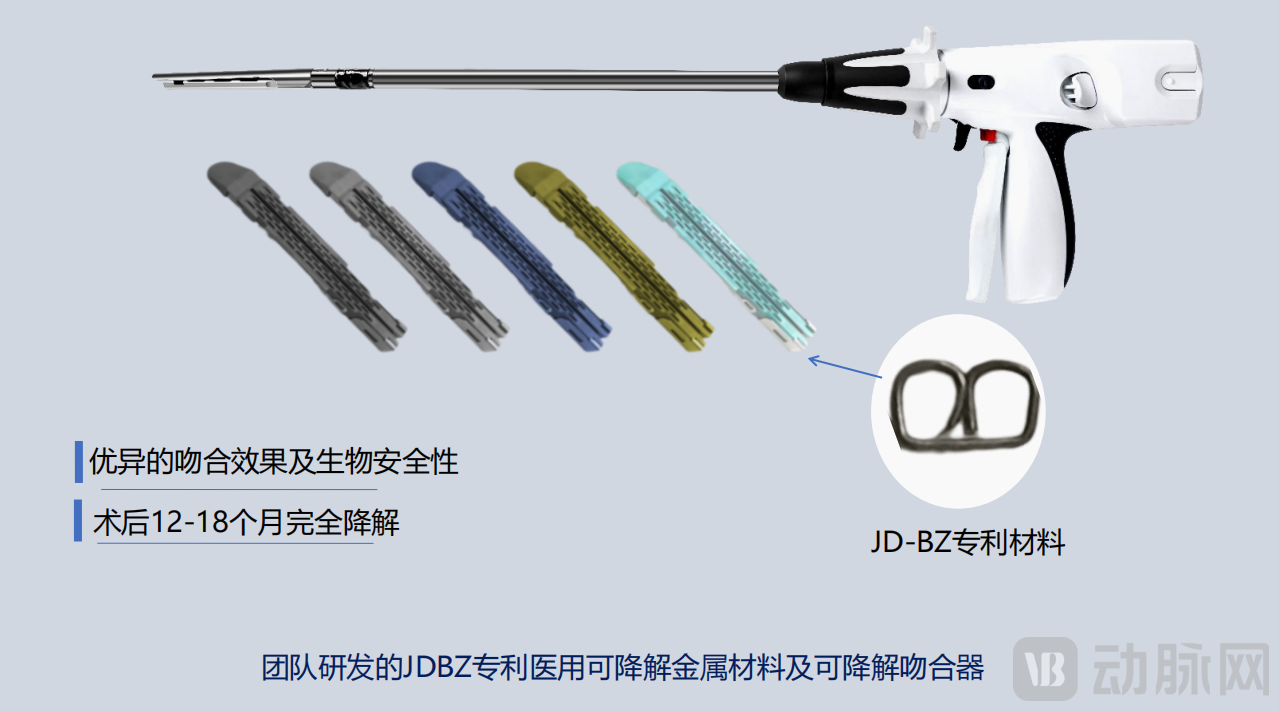
Recently, Suzhou Yuezhong Biotechnology Co., Ltd. announced that its globally pioneering “novel biodegradable zinc alloy staples and laparoscopic staplers” have achieved a breakthrough, jointly launching a multicenter registration clinical trial with Xinhua Hospital affiliated to Shanghai Jiao Tong University. This marks a critical step for China in the field of high-end surgical stapling devices, transitioning from “following” to “leading.” An intelligent stapling product capable of complete degradation and absorption within the body is poised to enter clinical use, ushering in a new era for surgical staplers.
From Manual Suturing to Intelligent Degradation: Stapler Technology Ushers in Its Third Revolution
In surgical procedures, staplers are key instruments for achieving rapid tissue closure and replacing traditional manual suturing. Their development can be summarized by three major leaps: the first was the transition from manual suturing to mechanical stapling (using titanium staples), which significantly improved surgical efficiency and standardization; the second was the advent of laparoscopic staplers accompanying the rise of minimally invasive surgery, enabling complex operations with less trauma. However, clinical staplers have long relied on non-degradable titanium alloy materials. These staples remain permanently in the patient’s body as foreign objects postoperatively, posing risks such as chronic inflammation and tissue rejection, and potentially interfering with subsequent imaging examinations. This pain point has yet to be resolved.
A Trillion-Yuan Market Calls for Innovation: It Is the Right Time for Domestic High-End Breakthroughs
Surgical staplers have become the “standard equipment” in surgical procedures, with a vast and continuously growing market. Data show that the global surgical stapler market size has increased from USD 7.4 billion in 2015 to USD 12.5 billion in 2024, and is projected to reach USD 13.5 billion in 2025. The Chinese market has exhibited even more remarkable growth, with its compound annual growth rate approximately 10 percentage points higher than the global average. The market size in China reached RMB 19 billion in 2024 and is expected to exceed RMB 20 billion in 2025. However, in the mid-to-high-end segment, particularly in the field of endoscopic staplers that present higher technical barriers, imported brands still dominate (accounting for approximately 70% of the market) and command premium prices. There is an urgent need for domestically produced devices to break through homogeneous competition by pursuing original innovations in foundational materials and technologies, thereby achieving industrial upgrading and value breakthroughs.
Breaking Through “Chokehold” Bottlenecks and Clinical Pain Points: Degradable Zinc Alloys Offer a Chinese Solution
This innovative product, jointly developed by Suzhou Yuezhong and the team of Academician Ding Wenjiang and Professor Yuan Guangyin from Shanghai Jiao Tong University, directly addresses two core pain points in current clinical practice and industry.
On one hand, it resolves the clinical challenge of “permanent metal retention.” The product utilizes a proprietary, high-performance biodegradable medical zinc alloy. As an essential trace element in the human body, zinc exhibits high biosafety. Its degradation rate is precisely engineered to provide sufficient mechanical support during the critical postoperative healing period (approximately 4–6 weeks), after which it gradually degrades and is absorbed once tissue healing is complete. This eliminates the long-term presence of foreign bodies associated with traditional titanium staples and their related complications.
On the other hand, it achieves independent control over key materials and technologies. The fine wires used in traditional titanium alloy staple lines have long been monopolized by foreign companies. This project has independently developed the entire process chain, from alloy design and smelting to the drawing of fine wires, established a comprehensive patent barrier, ensured supply chain security, and mitigated the risk of being constrained by critical technological bottlenecks.
Leading Industry Transformation: Clinical Trials Set to Launch
It is reported that this product is based on the project team’s patented Zn-Cu-Li alloy system, which boasts a tensile strength exceeding 600 MPa and overcomes the issue of performance degradation due to “aging” in zinc alloys. Preliminary large-animal studies showed that approximately 70% of the anastomotic staples had degraded after 12 months of implantation, with good healing of the surrounding tissues.
The upcoming clinical trials will systematically evaluate the safety and efficacy of this product, using traditional titanium staple anastomats as controls. The successful commercialization of this product represents a revolutionary iteration in the anastomat industry. It not only holds the promise of delivering superior clinical outcomes and alleviating long-term patient concerns but also propels Chinese-made anastomats from “imitative manufacturing” toward “original innovation.” This advancement aims to establish the Chinese brand in the global high-end medical device sector, potentially disrupting the billion-dollar global niche market for anastomats and leading surgical stapling technology into a new era of biodegradable, intelligent solutions!