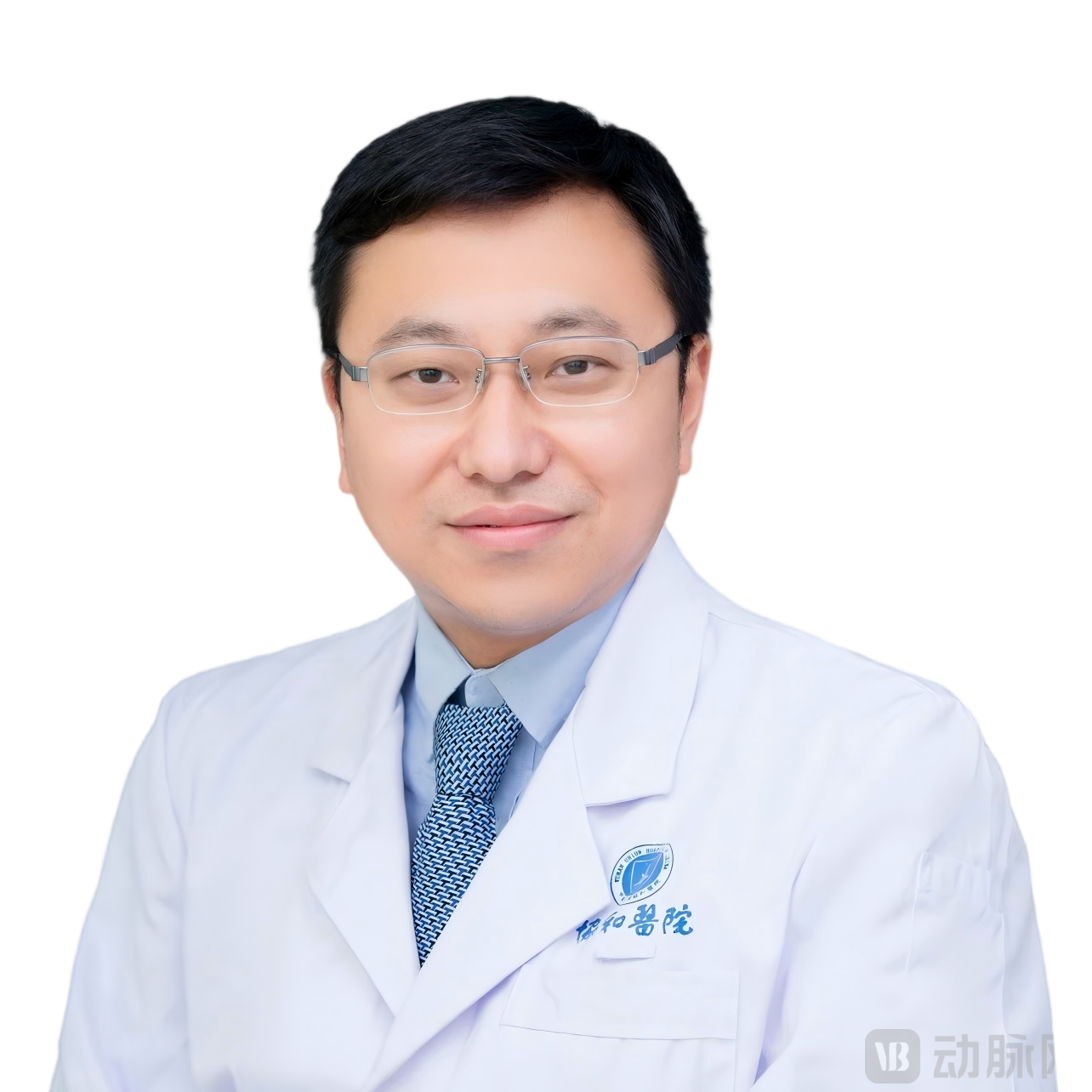
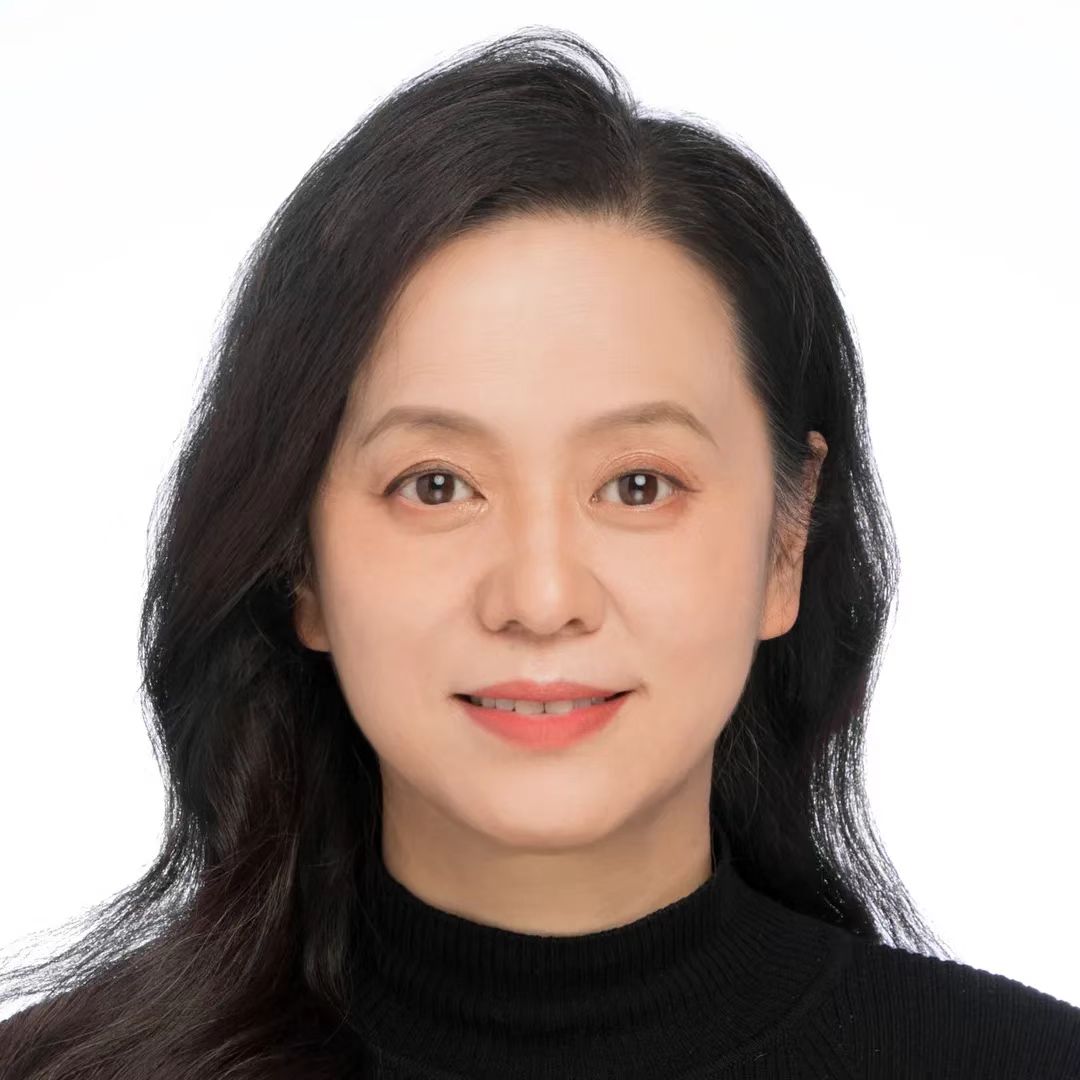
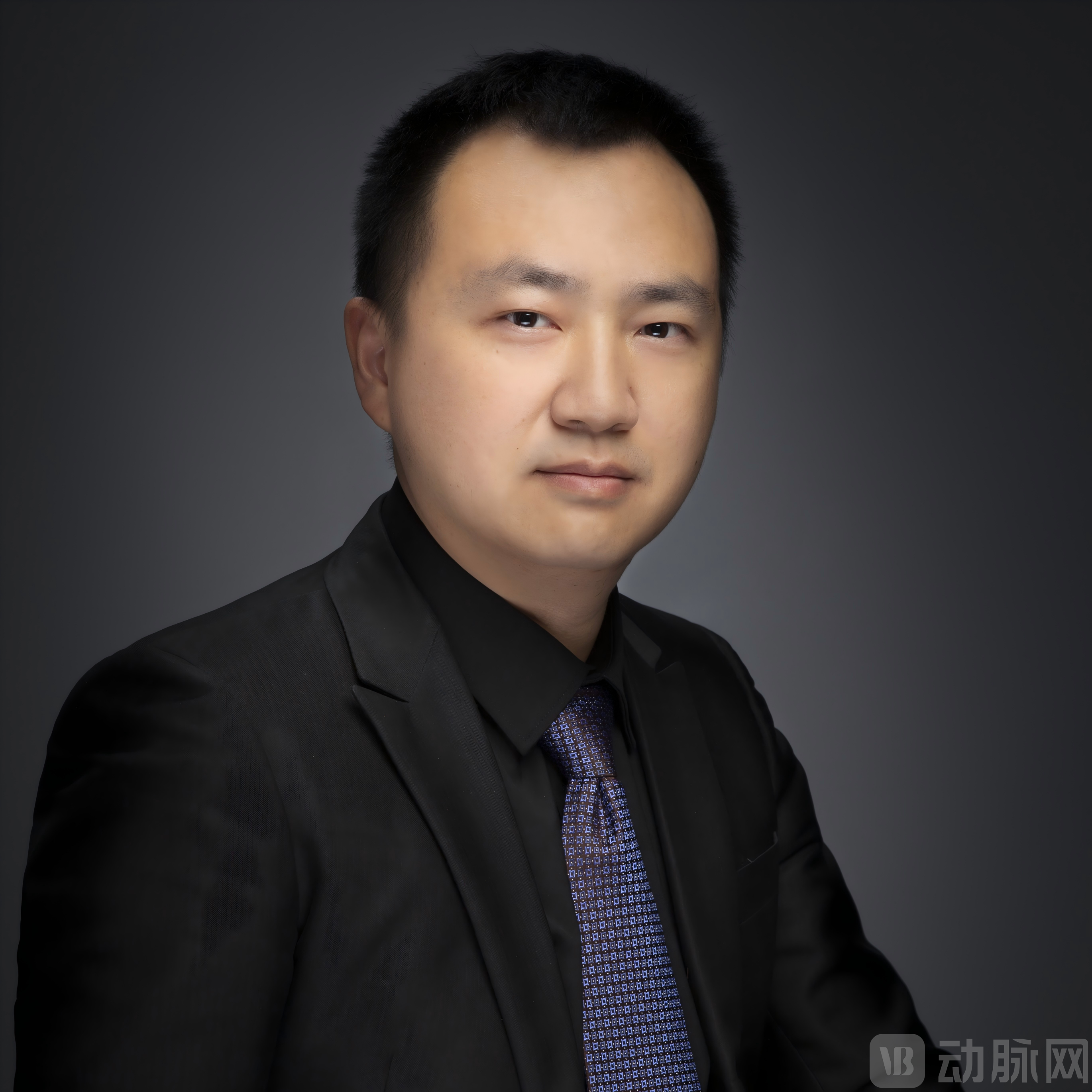
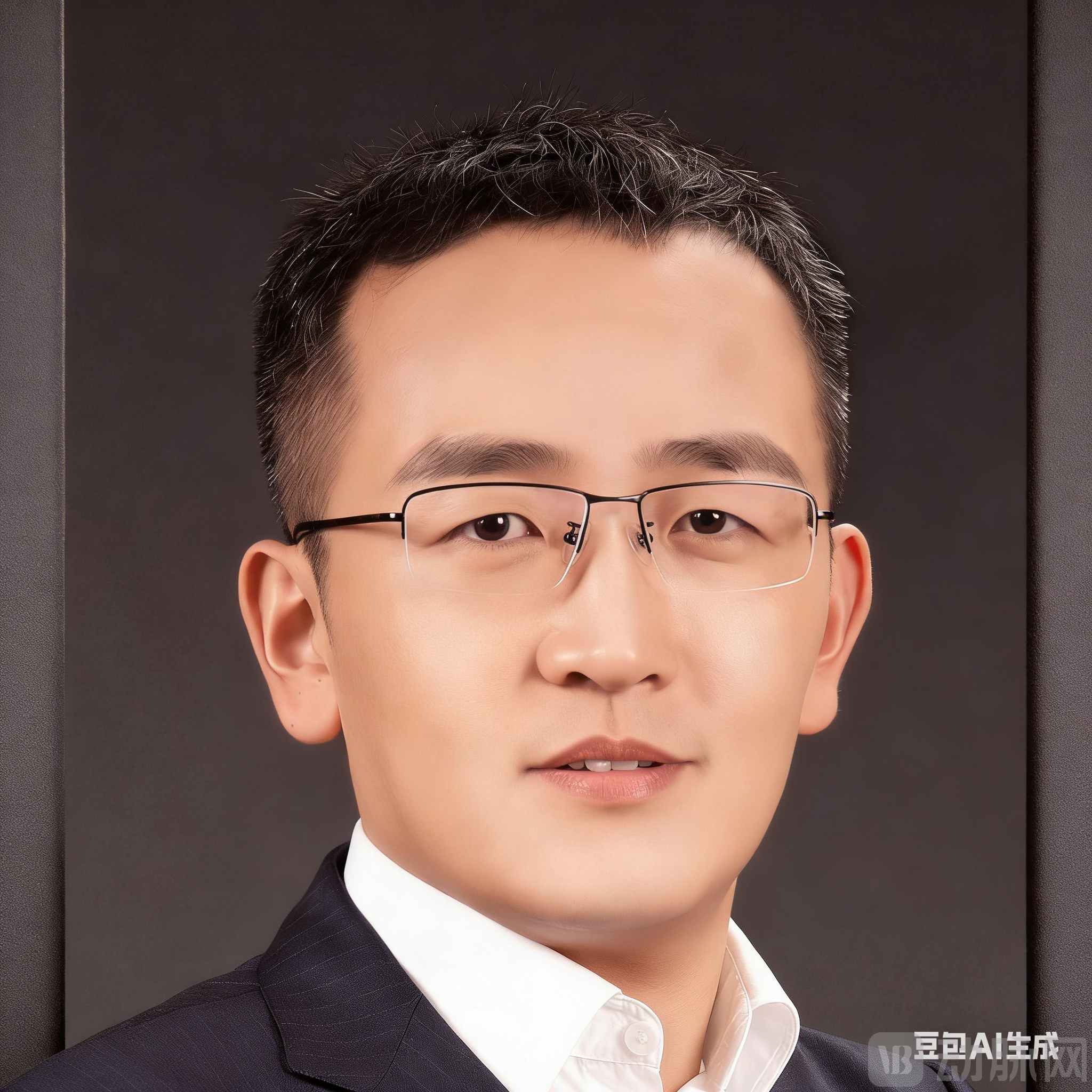
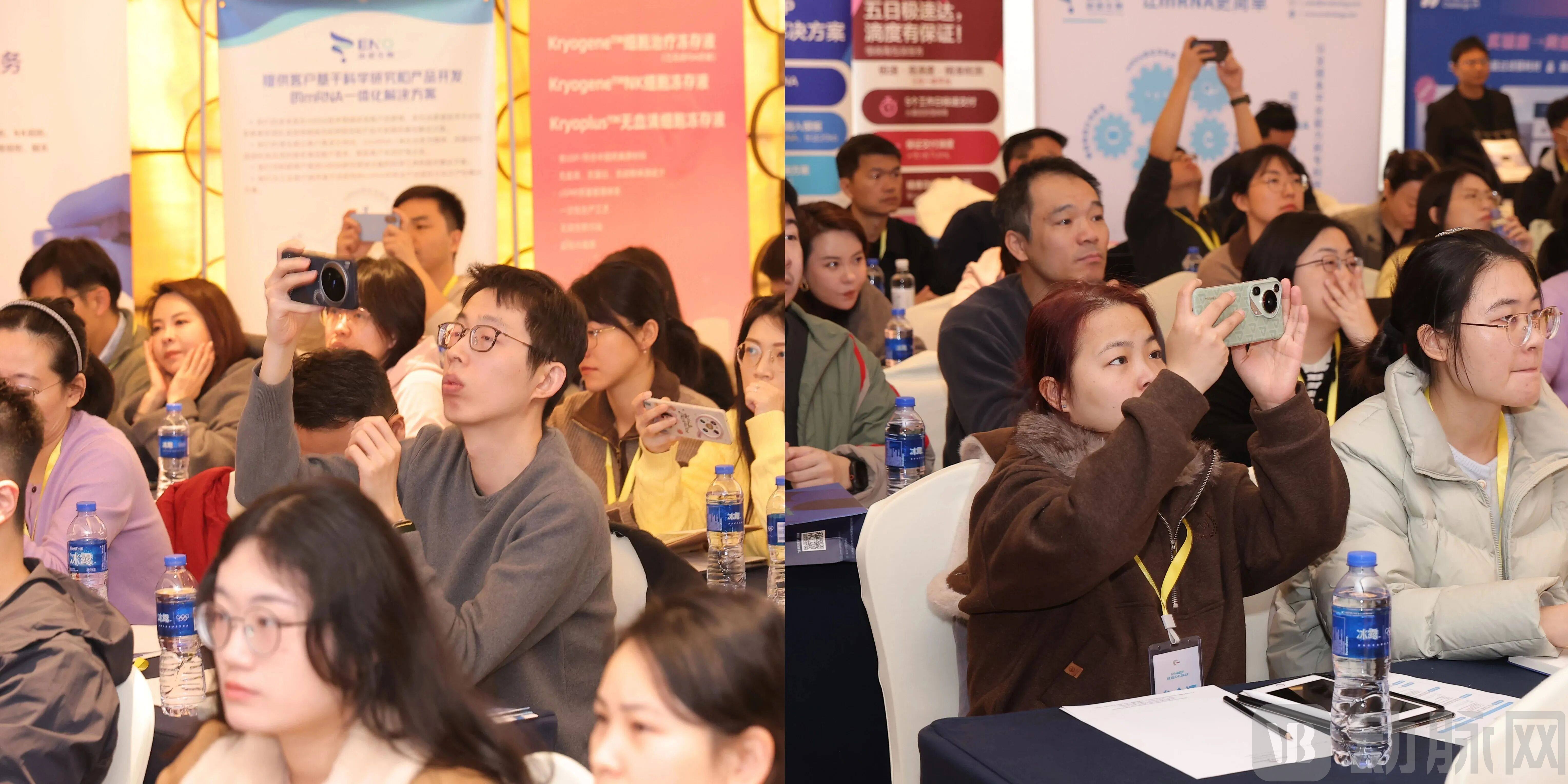
“In one of our cases, a patient’s tumor mass measured 11 cm and completely disappeared after one month, demonstrating that in vivo therapy remains effective even in certain extreme scenarios.”Stunning Potential。”
“In vivo therapy does not require lymphodepletion, which is a significant advantage for patient safety, but how to select appropriateProphylactic Medication"Still an open question."
“The patients we selected were all in the last-line setting, almost akin to those with solid tumors and an extremely high tumor burden, who would be completely excluded from traditional clinical trials, but we used them for extreme validation.”In VivoTherapeuticSafety。”
“If domestic companies want toInternational Deals, first consider how to conduct production from the perspective of international regulatory compliance; this is not a matter of volume, but ratherThe Rationality of Storytellingthe issue.”
“ In VivoCAR-T may beGoing to ‘Belt and Road’ Countriesa powerful tool, as it is a single-injection therapy that does not require complex ex vivo preparation processes.”
“China did not blindly follow the U.S. black box warning, but rather based its decision on its own clinical data. This reflects China’s approach to cell therapy regulation.”Independence and Advantages。”
“The future development trend of quality standards is ‘Method Substitution“Physicochemical methods should be prioritized over biological ones, and cell-based alternatives should be used in lieu of animal testing, which imposes higher technical demands on R&D enterprises.”
“Considerations must be made during the R&D phaseQuality Control, particularly with respect to method validation and standard establishment; otherwise, even if the data appear favorable, they may still be rejected during regulatory review.”
......
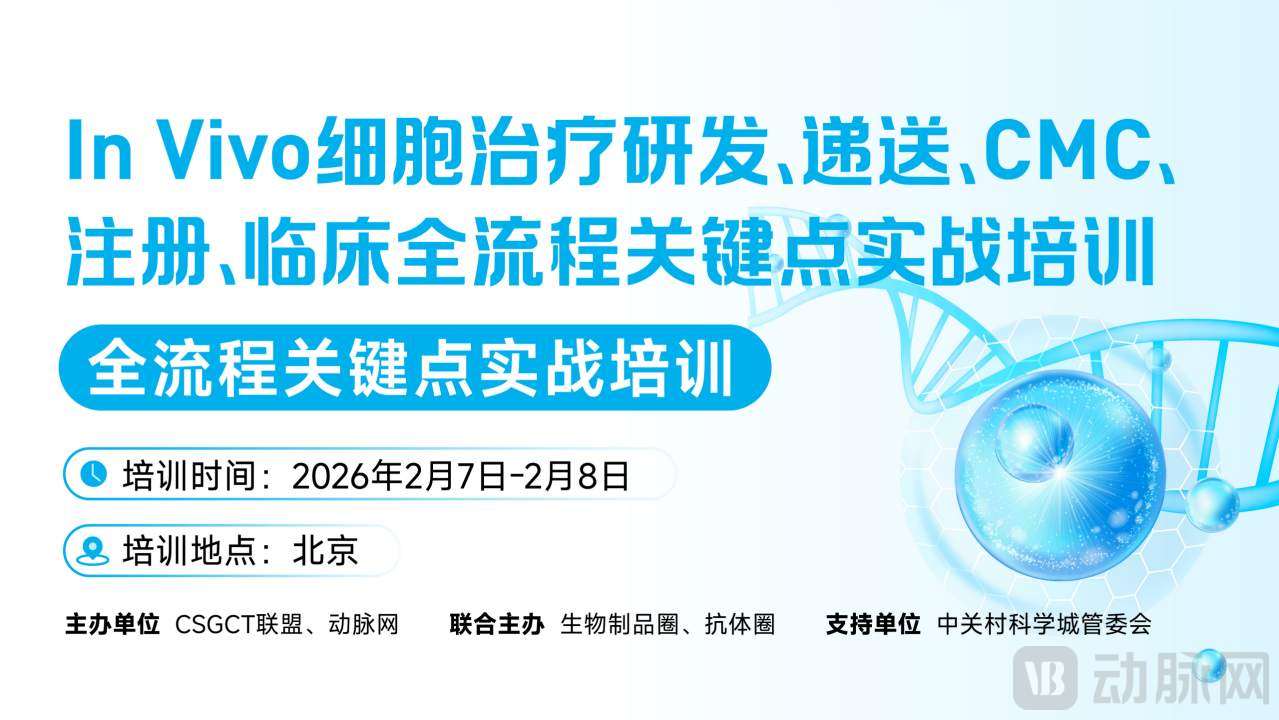
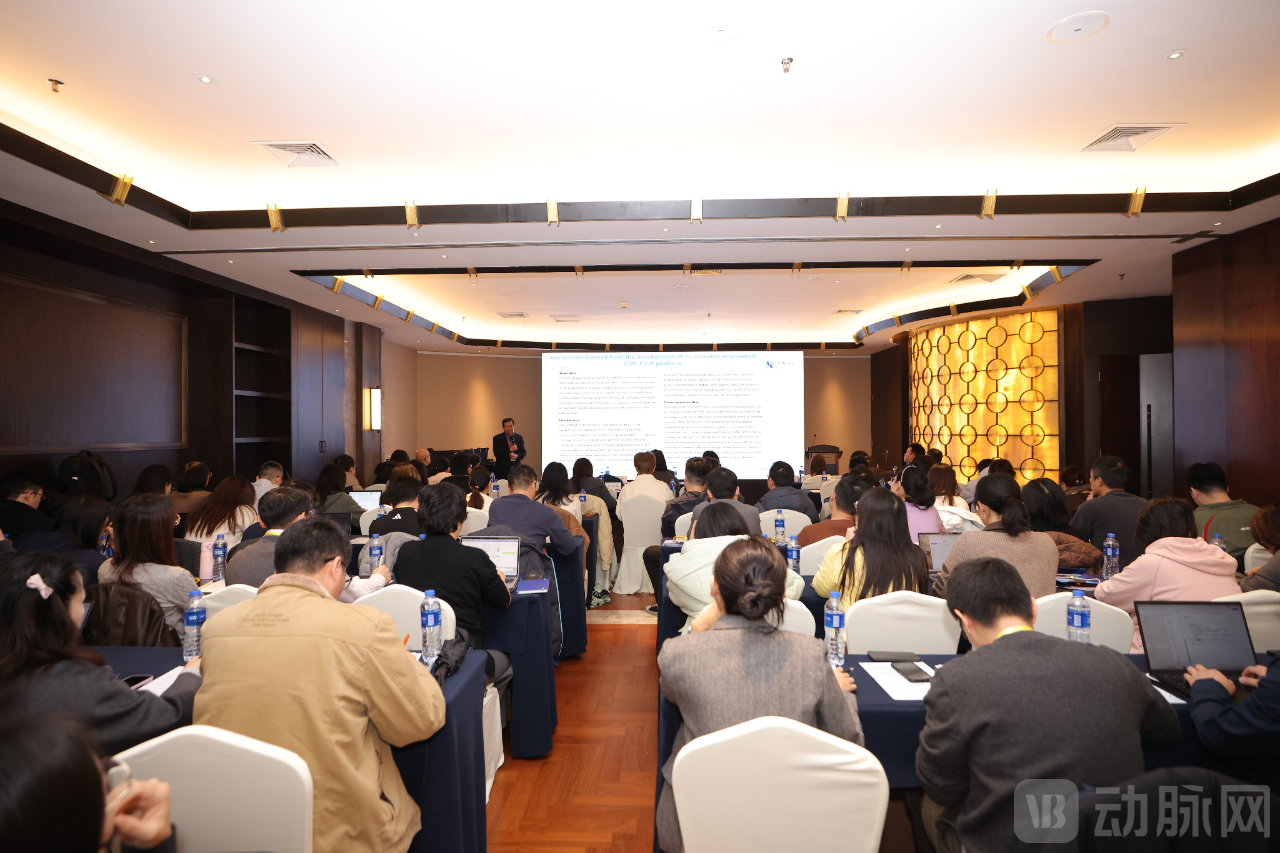

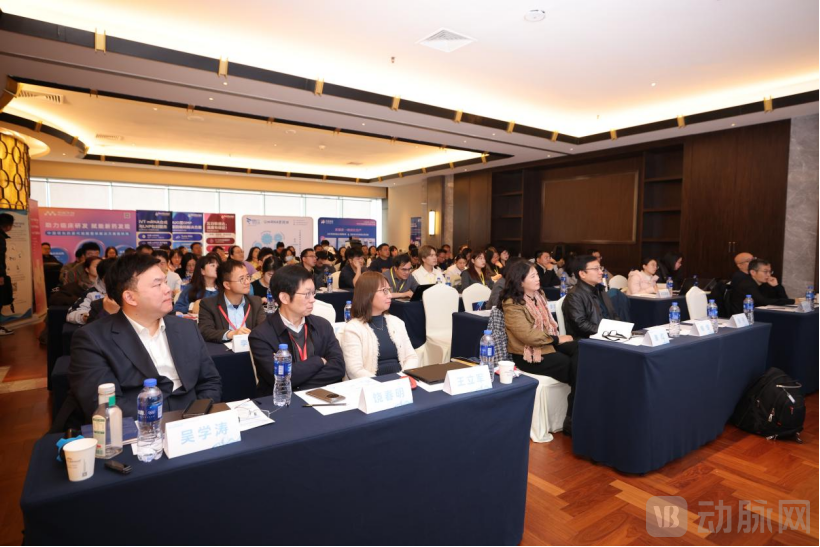
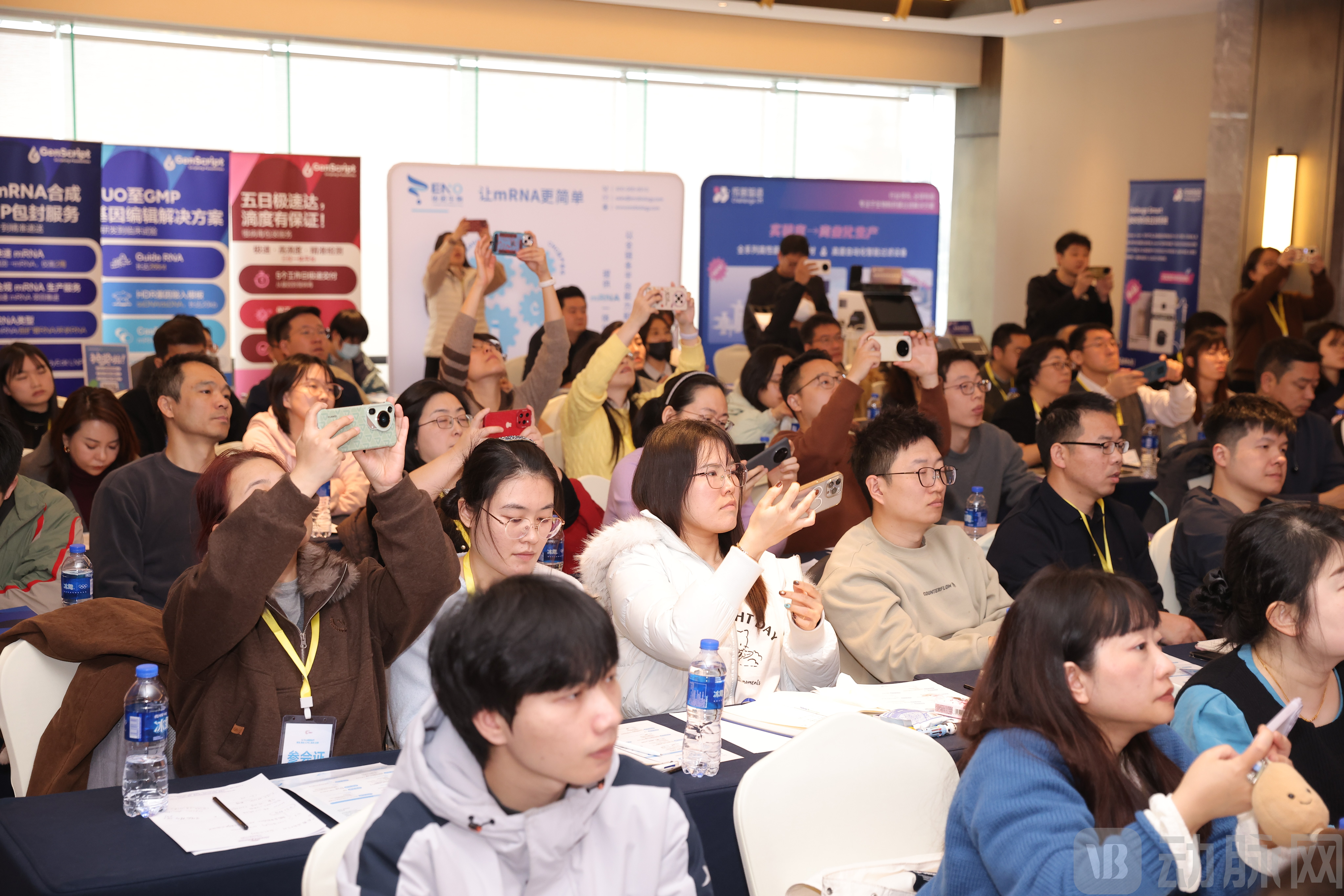
The above insights are derived from the joint initiative launched by the CSGCT Alliance and VCBeat.“In Vivo Cell Therapy: Practical Training on Key Points Across the Full Lifecycle of R&D, Delivery, CMC, Regulatory Affairs, and Clinical Development”Wuhan Station Event: Authentic Voices from Clinical, Industry, and Regulatory Sectors.
Undoubtedly, these expert insights from the frontiers of clinical practice, industry, and regulation not only reveal the real-world challenges and broad prospects in the field of in vivo cell therapy but also clearly highlight the urgent need for systematic knowledge integration and enhanced practical capabilities within the industry.
Driven by this consensus and call, and upholding the original intention of continuing to address common practical challenges faced by participants in the in vivo cell therapy sector, the CSGCT Alliance, in collaboration with VCBeat, willFebruary 7-8, 2026InBeijingHolding the Second Practical Training Session, the Event Will Continue to Focus onKey Stages in the Full Process of In Vivo Cell Therapy, bringing togetherFront-line Clinical PI、Regulatory Authority Experts、Pioneer in R&D Technologythree key categories of distinguished guests, and has invited experts with extensive experience and profound insights in the fields of in vivo CAR-T process development, quality control and analytics, and manufacturing, who are committed to translating the aforementioned expertise intoActionable Practice Guidelines, providing industry participants with real-world cases and practical experience to chart a course, avoid common pitfalls, and address genuine challenges.
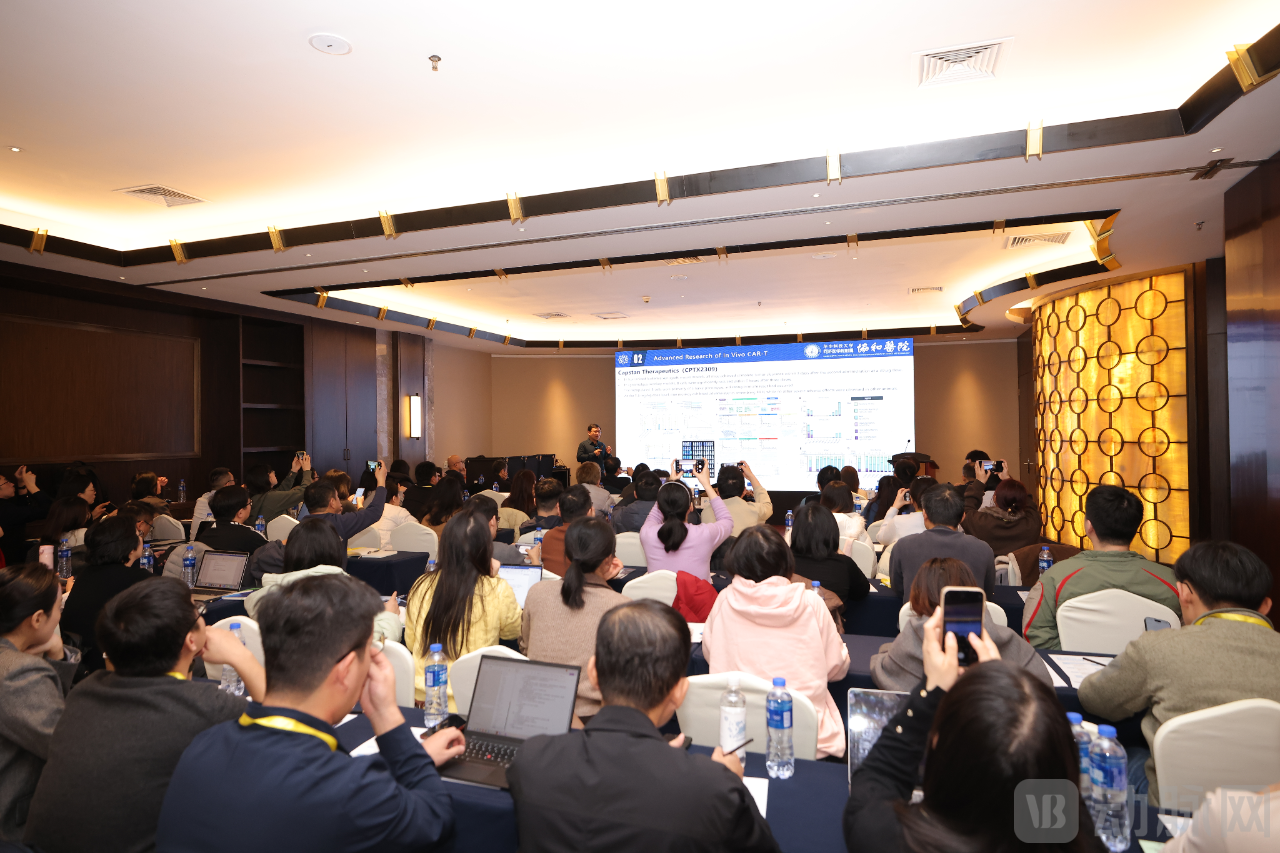
Phase I · Wuhan Station Training Site
“Clinical+Regulation"Dual-Core Expert Matrix", gathering R&D pioneers and achieving full-chain coverage of core technologies......
In Vivo Cell Therapy: Practical Training on Key Points Across R&D, Delivery, CMC, Regulatory Affairs, and Clinical Development (Phase II · Beijing)
🔥Seats are being snapped up!!!
Training limited to 50 participants; only 15 spots remaining

Scan the QR code now to register.
Our editor will contact you promptly to help you secure your training spot.
Training Overview
Training Name:In Vivo Cell Therapy: R&D, Delivery, and CMC, Registration、Practical Training on Key Points Across the Entire Clinical Process
Training Schedule: February 7-8, 2026
Training Venue: Beijing
Organizer:CSGCT Alliance,VCBeat
Co-Organized by: Biologics Circle, Antibody Circle
Supporting Organizations:Zhongguancun Science City Administrative Committee
Training Outline
I. Global Development Strategies and Current Status, R&D Pain Points, and Future Directions for In Vivo CAR-T
In Vivo CAR-T Technology: Origins and a Global Landscape Overview
Global R&D Strategy and Current Status of In Vivo CAR-T
Global Core Delivery Platforms for In Vivo CAR-T: R&D Bottlenecks and Pain Points
Competitive Landscape of In Vivo CAR-T and Strategic Considerations for Future Development
II. Comparison of In Vivo and Ex Vivo CAR-T Development and Design of Key Technical Indicators for In Vivo CAR-T Development
Multidimensional In-Depth Comparison: In Vivo CAR-T vs. Ex Vivo CAR-T
Key Technical Indicators for the Design of In Vivo CAR-T R&D
Strategic Considerations for Matching Vector Selection with Indications
Special Characteristics and Strategies of Preclinical Research
III. Key Considerations in Clinical Design and Execution of In Vivo and Ex Vivo CAR-T Therapies, with Analysis of Clinical Cases
Limitations of Ex Vivo CAR-T Therapy and Significant Advantages of In Vivo CAR-T
Key Differences in Clinical Study Design Between In Vivo and Ex Vivo CAR-T Therapies
Clinical Execution and Risk Management
Clinical Practice Case Analysis
IV. Nonclinical Evaluation Strategy for In Vivo CAR-T Therapy
Overview of Research Progress in In Vivo CAR-T Therapy
Key Considerations for Non-Clinical Studies of In Vivo CAR-T Therapy
Case Analysis
Summary and Outlook
V. Progress in the In Vivo Development of CAR-T Therapies Using LNP-mRNA Delivery Platforms
Advantages and Core Mechanisms of LNP-mRNA Delivery Technology
Representative Companies and Pipelines in LNP-mRNA Delivery
Strategies for Optimizing the Targeting of LNP-mRNA Delivery
Addressing R&D Challenges in LNP-mRNA Delivery and Future Development Directions
VI. Progress in the In Vivo Development of CAR-T Therapy Using Lentiviral Vector Delivery Platforms
Advantages and Core Mechanisms of Lentiviral Delivery Technology
Representative Companies and Pipelines in Lentiviral Delivery
Precision Targeting and Enhanced Safety of Lentiviral Delivery
Addressing R&D Challenges in Lentiviral Delivery and Future Development Directions
VII.In Vivo R&D Progress of CAR-T Delivery Platforms Using Alternative Vectors (Excluding LNP-mRNA and LV)
Advances in the Development of Other Vector Delivery Platforms for In Vivo Cell Therapy
Other Technical Advantages and Core Mechanisms, R&D Challenges and Responses
VIII. Key Process Design and Production Practices for In Vivo CAR-T
CMC Paradigm Shift: From “Cellular Products” to “Injectable Drugs”
Key Points in the Large-Scale Production Process of Vectors
Formulation and Filling Processes for “Off-the-Shelf” Products
Supply Chain and “Spot-Type” Product Management
IX. In Vivo CAR-T Quality Control Strategy
Quality Research Strategy
Analytical Method Development and Validation
Non-Clinical Studies and Regulatory Considerations
X. Development of Quality Control Standards and Regulatory Review Considerations for Advanced Therapy Medicinal Products such as In Vivo CAR-T
Global Registration Strategy and Communication
Construction of Quality Control and Inspection Standards
Regulatory Review Considerations for Advanced Therapy Medicinal Products Such as In Vivo CAR-T
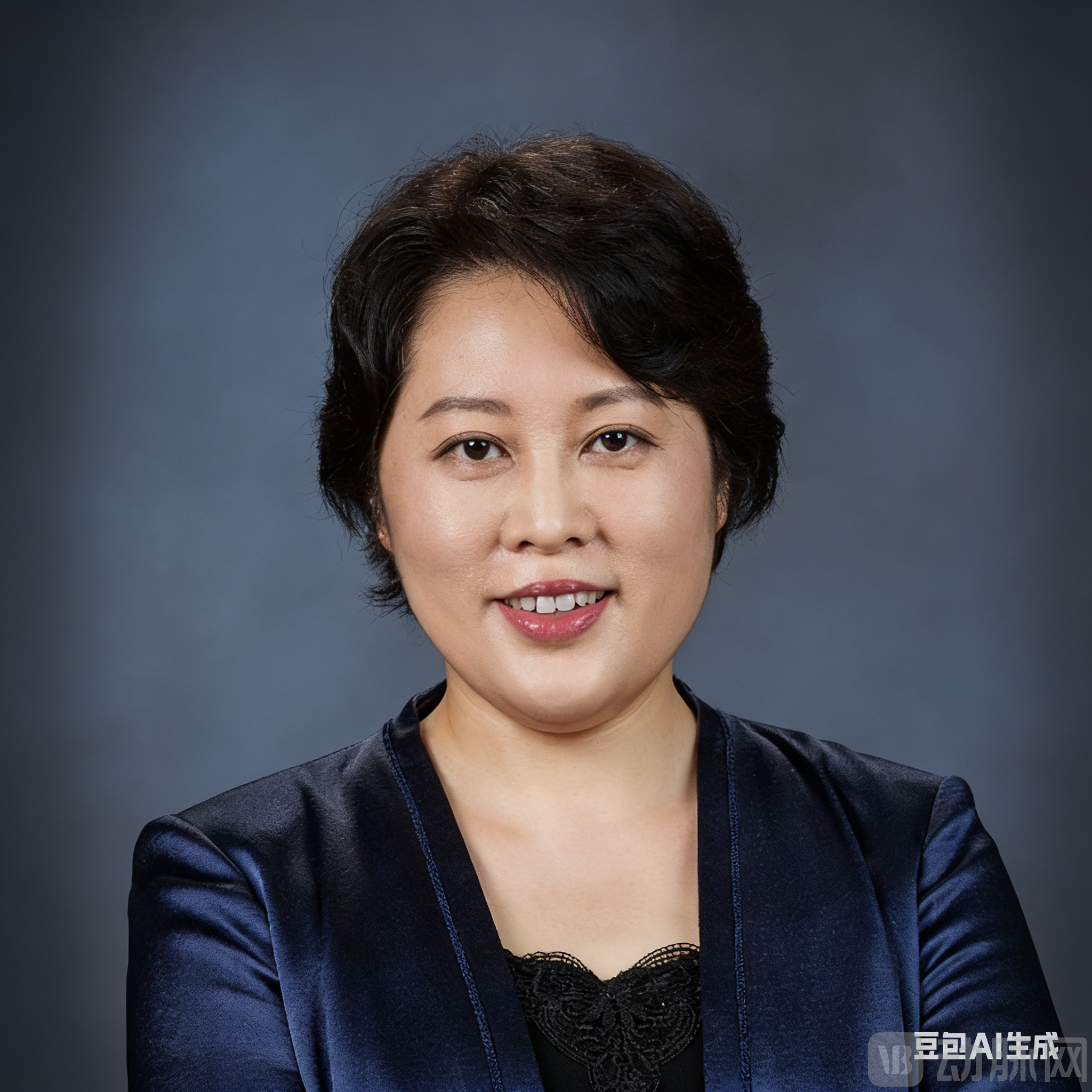
Elite Lecturer Team Song YuqinPeking University Cancer Hospital, Vice President
Chief Physician, Professor, Doctoral Supervisor, Recipient of the State Council Special Allowance;
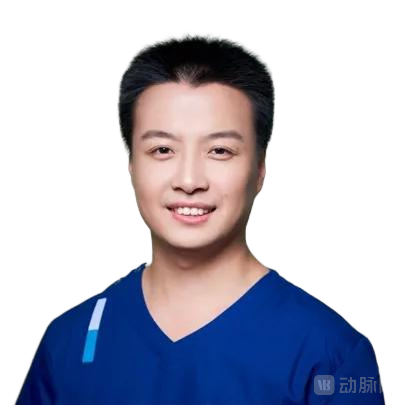
Standing Director of the Chinese Society of Clinical Oncology (CSCO) and Chair of the Expert Working Committee on Anti-Lymphoma; Chair of the Lymphoid and Hematologic Malignancies Professional Committee of the Beijing Anti-Cancer Association; Chair of the Lymphoma Professional Committee of the China Health Promotion Association. Specializing in the clinical diagnosis and treatment of lymphoma, new drug registration research, and translational research. Has undertaken multiple projects, including the National Natural Science Foundation of China’s Young Scientists Fund and General Program projects, sub-projects of the Ministry of Science and Technology’s Major Special Projects, and projects funded by the Beijing Natural Science Foundation (including key projects). Has led or co-led more than 200 clinical studies, facilitating the approval and market launch of 23 new drugs. Research findings have been published as first author or corresponding author inAnnals of Oncology, Lancet Oncology, BLOOD, The Lancet Haematology, JHO, Leukemia, CCR, and other journals, with a cumulative impact factor exceeding 400. Research findings have been published asEvidence-Based MedicineRevised over 40 lymphoma guidelines in China and globally.Qi ChangsongPeking University Cancer Hospital,Director
Primarily engaged in cellular immunotherapy for solid tumors and clinical research on novel anti-cancer drugs, with over 20 SCI-indexed papers published as first or corresponding author in journals such as The Lancet, Nature Medicine, and Journal of Clinical Oncology.Honored to Receive Support from the National Youth Talent Program“Qingmiao” Talent of Beijing Municipal Administration of HospitalsOutstanding Young Physician and Clinical Scientist, Peking UniversityStanding Committee Member, Gastrointestinal Stromal Tumor (GIST) Committee, Chinese Society of Clinical Oncology (CSCO)Member of the Clinical Research Committee, Chinese Society of Clinical Oncology (CSCO)Committee Member of the Young Experts Committee, Chinese Society of Clinical Oncology (CSCO)Secretary-General of the Gastric Cancer Prevention and Control Committee, Beijing Society for Cancer Prevention and ControlCommittee Member, Oncology Branch of the Chinese Geriatrics SocietyEditorial Board Member of the "Electronic Journal of Comprehensive Oncology Therapy"“Youth Editorial Board Member of Health Care Science”Mei HengDirector, Department of Hematology, Union Hospital, Tongji Medical College, Huazhong University of Science and Technology
Dr. Mei Heng, Level 2 Professor, Chief Physician,National Distinguished Young ScholarCurrently serves as Director of the Department of Hematology and Director of the Stem Cell Center at Union Hospital, Tongji Medical College, Huazhong University of Science and Technology; Director of the Hubei Provincial Clinical Medical Center for Cellular Therapy of Oncologic Diseases; National Committee Member and Secretary-General of the Chinese Society of Hematology; Vice Chairperson of the Committee on Cellular Research and Therapy under the Chinese Association of Research Hospitals; Vice Chairperson of the Leukemia Committee under the Chinese Society of Clinical Oncology (CSCO); Associate Editor-in-Chief of the British Journal of Haematology. Has presided over more than 10 major research projects, including key projects funded by the National Natural Science Foundation of China, original exploration projects, and key R&D programs supported by the Ministry of Science and Technology. Has published more than 70 SCI-indexed papers as first or corresponding author, and holds 16 authorized invention patents. Served as Editor-in-Chief of Classic Cases of CAR-T Therapy and Lead Translator of the EBMT/EHA Handbook on CAR-T Cell Therapy. Recipient of the Young Scientist Award from the Chinese Medical Association, one Second Prize of the National Science and Technology Progress Award, and two First Prizes of Provincial/Ministerial-level Science and Technology Progress Awards.
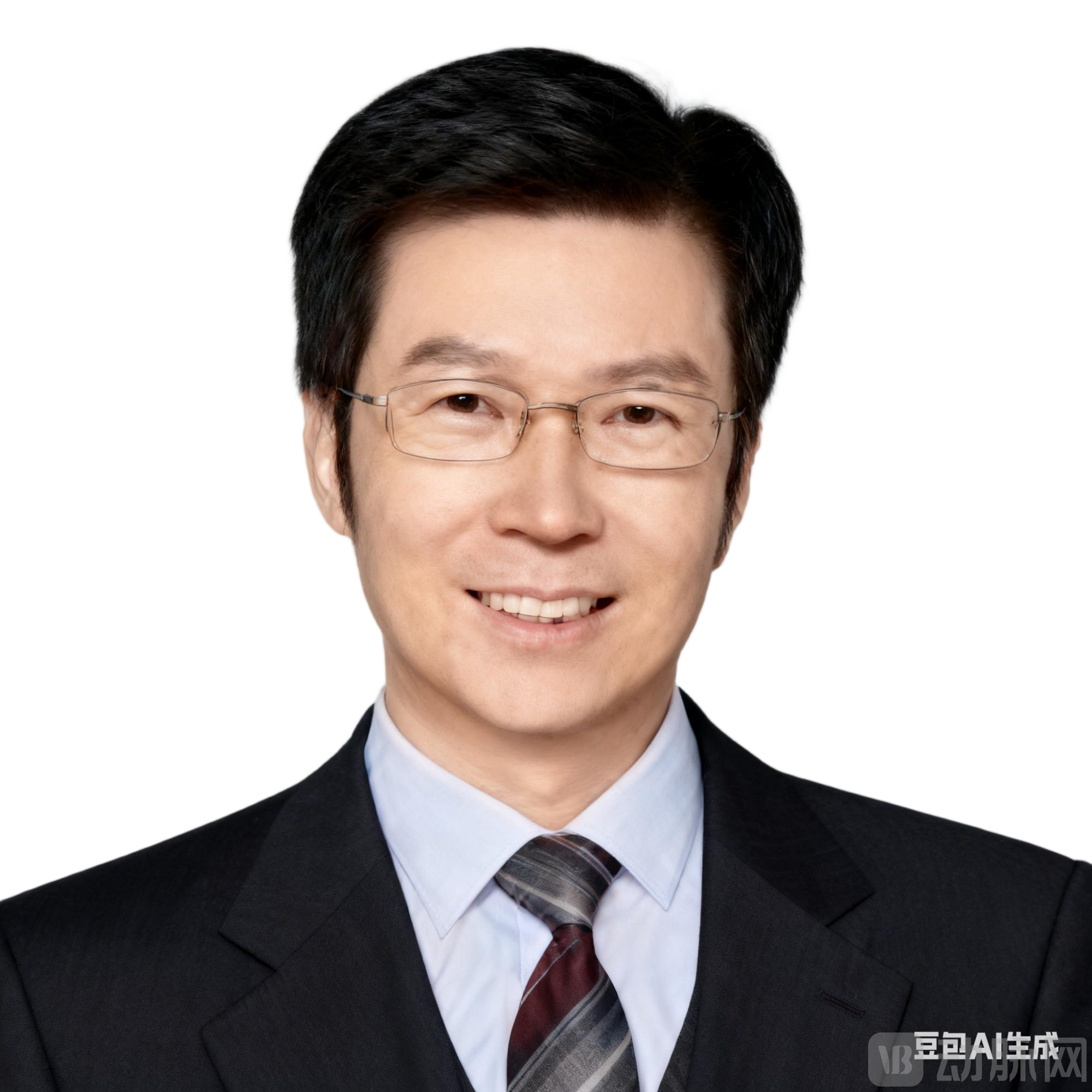
Rao ChunmingFormer Director of the Recombinant Drug Division and Senior Expert at the National Institutes for Food and Drug Control (NIFDC)
Graduated from Xiamen University in 1983 and was assigned to work at the National Institute for the Control of Pharmaceutical and Biological Products (NICPBP). Since 1993, has successively served as Deputy Director and Director of the Department of Biochemistry, Director of the Department of Recombinant Technology Products at NICPBP, and Director of the Department of Recombinant Drugs at the Division of Biological Products, National Institutes for Food and Drug Control (NIFDC), holding the title of Level-2 Researcher. In February 2021, appointed as Deputy Secretary-General of the China Biochemical Pharmaceutical Industry Association. In February 2023, appointed as Chief Scientist of Beijing Joinn Laboratories Drug Testing & Research Co., Ltd. Concurrently serves as a member of the 8th to 11th Chinese Pharmacopoeia Committees, Executive Member of the 11th Chinese Pharmacopoeia Committee, and Chairman of the Professional Committee on General Rules for Biological Products, among other roles.Park Jin-huaShanxi Institute for Food and Drug Control, Former Deputy Director
Chief Pharmacist, Master’s Supervisor. Formerly served as Deputy Director, Quality Manager, and Authorized Signatory of the Shanxi Provincial Institute for Food and Drug Control. Member of the Chinese Pharmacopoeia Commission for four consecutive terms (9th–12th); currently serves as Vice Chair of the 12th Committee on Pharmaceutical and Biological Testing. Former Senior GMP Inspector and Registration Verification Team Leader at the National Medical Products Administration (NMPA).
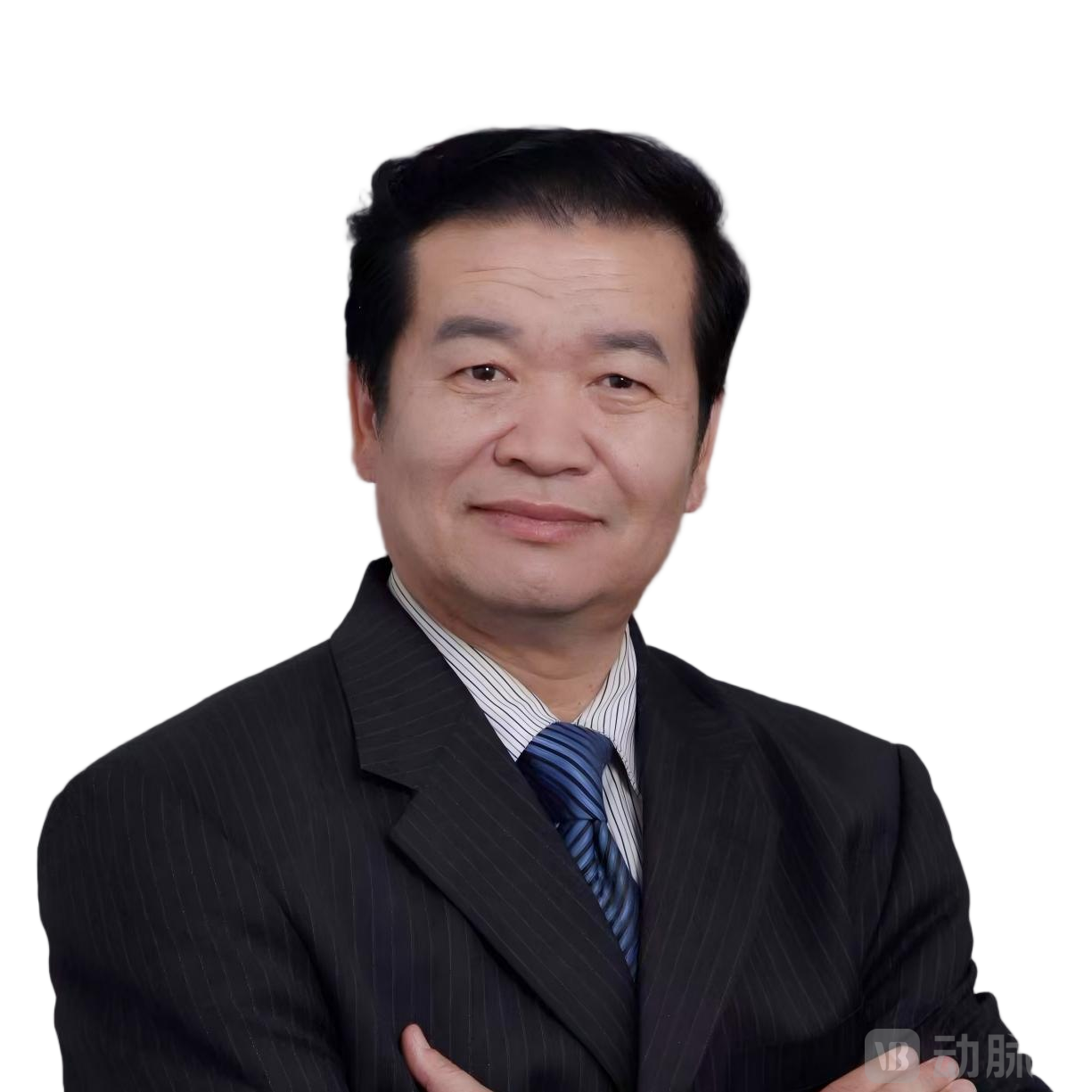
Zhang DanCo-founder and Chief Strategy Officer of Kunling Pharma Co-founder and Co-Chairman of Puxin Bio
Foreign Member of the Russian Academy of Engineering, currently Co-founder and Chief Strategy Officer of ClinChoice, Co-founder and Co-Chairman of Puxin Biology, and Chief Scientist of Xingwan Biology. He previously served as Secretary-General of the Expert Association and has long acted as a biopharmaceutical advisor to the governments of Beijing, Shanghai, Hangzhou, Shenzhen, and other cities. Dr. Zhang serves as a visiting professor or consultant at academic institutions such as Peking Union Medical College and Tsinghua University, wielding significant influence in domestic and international biopharmaceutical innovation and industrial development. He is a Director of the China Pharmaceutical Innovation Promotion Association (PhIRDA), has held core positions in various professional committees, and previously served as President of the Chinese Biological Investigators Society (CBIS). As the founder of Pharnext (the predecessor of ClinChoice), he has achieved remarkable results in international new drug R&D, clinical trials, drug regulation, and industrial ecosystem building, driving the evolution of China’s innovative drugs from “me-too” to “me-better.” His research focuses include tumor immunotherapy, targeted drug development, and global registration. He actively promotes the alignment of China’s drug review and approval system with international standards, making outstanding contributions to pharmaceutical innovation and internationalization in China.Qi Fei Legend Capital, Executive Director
Dr. Qi Fei joined Legend Capital in 2014 and currently serves as an Executive Director, focusing on investments in frontier biotechnology, healthcare digitalization, and cross-border global expansion.Dr. Qi Fei has led or participated in investment projects including Baiyang Pharmaceutical (SZ:301015), Sifang Health (HK:0314), UBC Medical (IDX:LABS), Diastika Bio (IDX:CHEK), Lingtaike Biotechnology, Zhenyu Biotechnology, Zhongsheng Suyuan, Ruizheng Gene, ETANA, Jiayin Biotechnology, Langxin Biotechnology, Ribobio, Jinshi Gene, Born Dental, Happy Dentistry, PhiSkin Medical, Oncology News, and VCBeat.Dr. Fei Qi holds a Ph.D. in Cell Biology and a B.S. in Biotechnology from Peking University, and previously served as a Visiting Scholar at the University of California, Los Angeles (UCLA).Qi Feifei Co-founder, ImmuneOnco
Ph.D. in Biology, Co-founder & CTO of Beijing ImmuneOnco Biopharmaceuticals Co., Ltd.; Member of the Gene and Cell Therapy Subcommittee of ISPE China;Expert in Gene and Cell Therapy Development and Production Management, with over a decade of in-depth experience in the biopharmaceutical industry, specializing in the full lifecycle development of CAR-T cell therapy products. As the core technical lead, successfully spearheaded the end-to-end development of the company’s first CAR-T cell therapy product, encompassing process development, technology transfer, clinical batch manufacturing, GMP facility construction and validation, as well as IND/BLASpearheaded regulatory submissions and established a quality management system compliant with NMPA standards. Participated in the discussion, drafting, and formulation of multiple regulations and guidelines for cell therapy products. Published over 20 SCI-indexed papers and secured 22 invention patents in China and the United States. Recognized with provincial and ministerial-level honors, including Beijing Science and Technology New Star, Zhongguancun High-End Leading Talent, and New Gateway Leading Talent.Note: The ranking is in no particular order.
More instructor information is being updated...

Training Registration
Limited Seats AvailablePlease scan the QR code below to apply immediately.!Registration Fee:Two-Day Course Training Fee: RMB 4,000 per person (includes lunches for two days, one dinner, and a course completion certificate); Group Discount Policy: RMB 6,000 for two people (a discount of RMB 2,000); RMB 7,000 for three people (a discount of RMB 5,000);Registration Inquiry:For more information on registration and attendance, please contact Ms. Li Meng.: 18600921680 (also available on WeChat), or scan the QR code below to add us on WeChat for consultation
Registration Benefits:Register for the training to receive a free copy of the "Blue Book on the Development and Regulatory Policy Interpretation of China's Cell and Gene Therapy (CGT) Industry in 2025," valued at RMB 88.