

China-Australia Brain-Computer Interface Rehabilitation Alliance Officially Launched to Accelerate Chinese Innovations into Australian Market
In 2026, brain-computer interfaces remain “hotter than hot.”
From the progressive clarification of pricing for invasive brain-computer interface (BCI) medical services across various provinces and municipalities, to the formal implementation of the “Terminology for Medical Devices Utilizing Brain-Computer Interface Technology,” and further to the rising stock prices of BCI-related companies in the secondary market and the emergence of billion-yuan-scale financing rounds in the primary market… brain-computer interfaces have achieved a “strong start” on the policy, regulatory, and market fronts. Behind this surging enthusiasm lies both an affirmation of breakthroughs in domestic BCI technology and high expectations for its clinical application.
As the industry flourishes,“The China-Australia Brain-Computer Interface (BCI) Rehabilitation Industry Exchange Conference and the Inauguration Ceremony of the China-Australia BCI Rehabilitation Global Expansion Alliance” was also successfully held. This industry summit was hosted by Luye Medical Group and Aurora Healthcare, with support from multiple parties including the Shanghai New Hongqiao International Medical Center and the Huayi Rehabilitation Industry and Research Institute.

On-site Photo of the Conference
This conference not only facilitated in-depth exchanges on cutting-edge achievements among numerous representatives from industry, academia, and research institutions in the brain-computer interface (BCI) rehabilitation sector, both domestic and international, but also addressed a critical issue for industrial development—Beyond the Chinese market, where else can domestic brain-computer interface (BCI) rehabilitation products go? Australia is clearly the preferred answer in the organizers’ minds.
As for the primary underlying reason, it is related to the differing priorities in the development of rehabilitation medicine between China and Australia.As shared by Liu Aona, Executive Chairman of Luye Medical Group: “There is strong strategic complementarity between China and Australia in the field of brain-computer intelligent rehabilitation. China has seen the emergence of dynamic technological forces and translational achievements in innovative areas such as brain-computer interface (BCI) rehabilitation, exoskeleton robotics, and digital therapeutics. Meanwhile, Aurora Healthcare, under the Luye Medical Group, boasts a mature, high-standard international rehabilitation healthcare system, rigorous clinical quality accreditation standards, and a vast and diverse demand for rehabilitation services. It is precisely this complementary advantage that lays a solid foundation for cooperation between Chinese and Australian enterprises in the brain-computer rehabilitation sector.”
The sharing of cutting-edge achievements by representatives from academia, industry, and research in the field of brain-computer interface (BCI) rehabilitation from both China and Australia serves as a direct demonstration of this “strong alliance.”
Representatives from Industry, Academia, and Research in Brain-Computer Interface Rehabilitation Convene; Innovative Achievements Take Center Stage
The sharing of cutting-edge achievements by the attendees is a microcosm of the booming development of China's brain-computer interface rehabilitation industry in recent years.
Let us first look at the insights shared by two clinical experts: Professor Jia Jie, Deputy Director of the Department of Rehabilitation Medicine at Huashan Hospital Affiliated to Fudan University, and Professor Zhang Chencheng from the Brain Center at Ruijin Hospital Affiliated to Shanghai University Medical School.
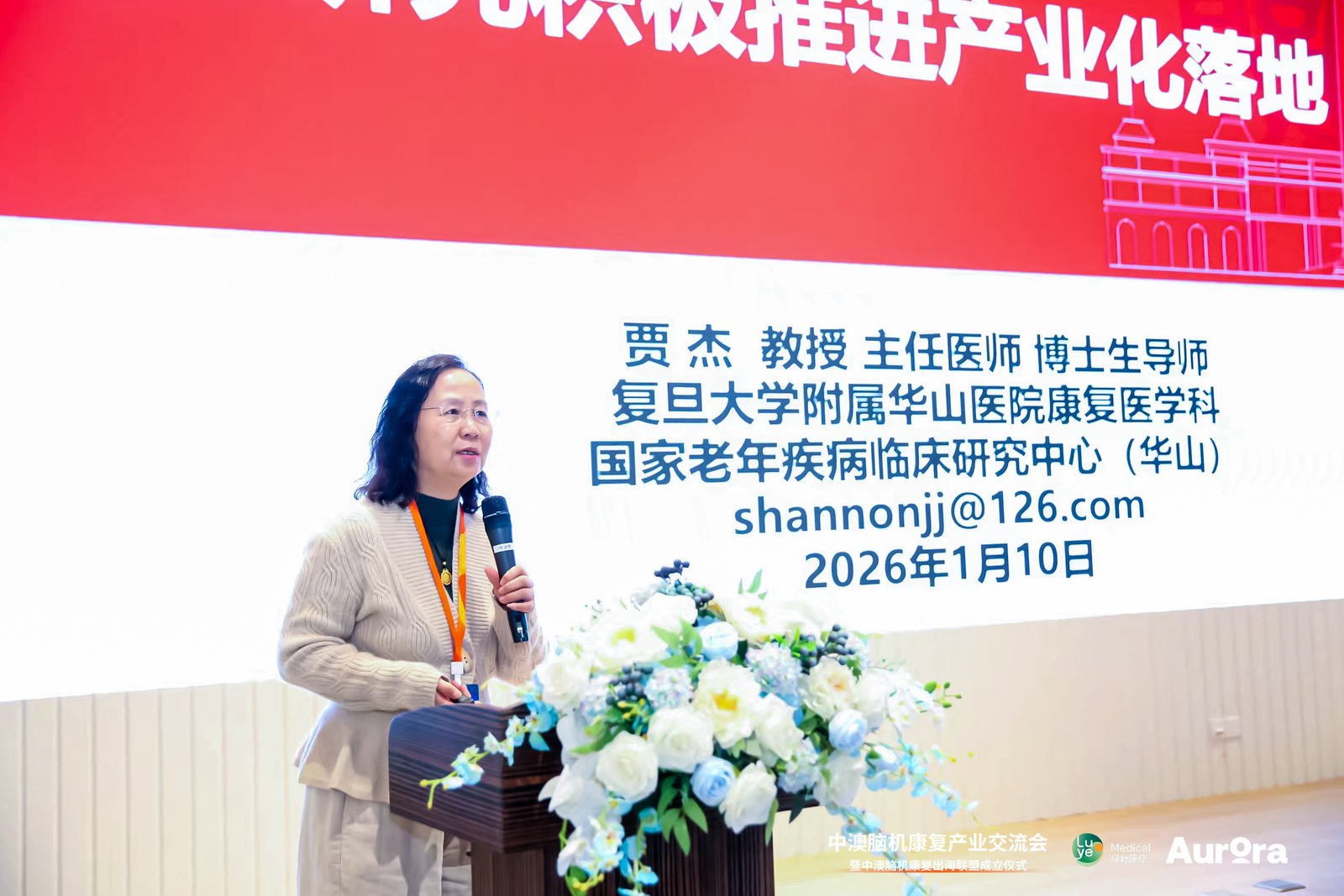
Professor Jia Jie, Deputy Director of the Department of Rehabilitation Medicine, Huashan Hospital Affiliated to Fudan University
Professor Jie Jia, Deputy Director of the Department of Rehabilitation Medicine, Huashan Hospital Affiliated to Fudan UniversityThe article traces the journey and experiences in conducting brain-computer interface (BCI) rehabilitation research and proposes a new concept of “Full-Cycle BCI Rehabilitation.” This concept emphasizes attention to the entire disease process and all scenarios, rather than focusing solely on interventions in the later stages of the disease course. Moreover, while actively intervening in elderly patients with bowel and bladder dysfunction and achieving phased results, Professor Jie Jia’s team is also vigorously promoting the “downward” implementation of this project into home and community settings, thereby constructing a systematic intervention framework that comprehensively covers all scenarios and the full cycle of disease intervention both inside and outside hospitals.
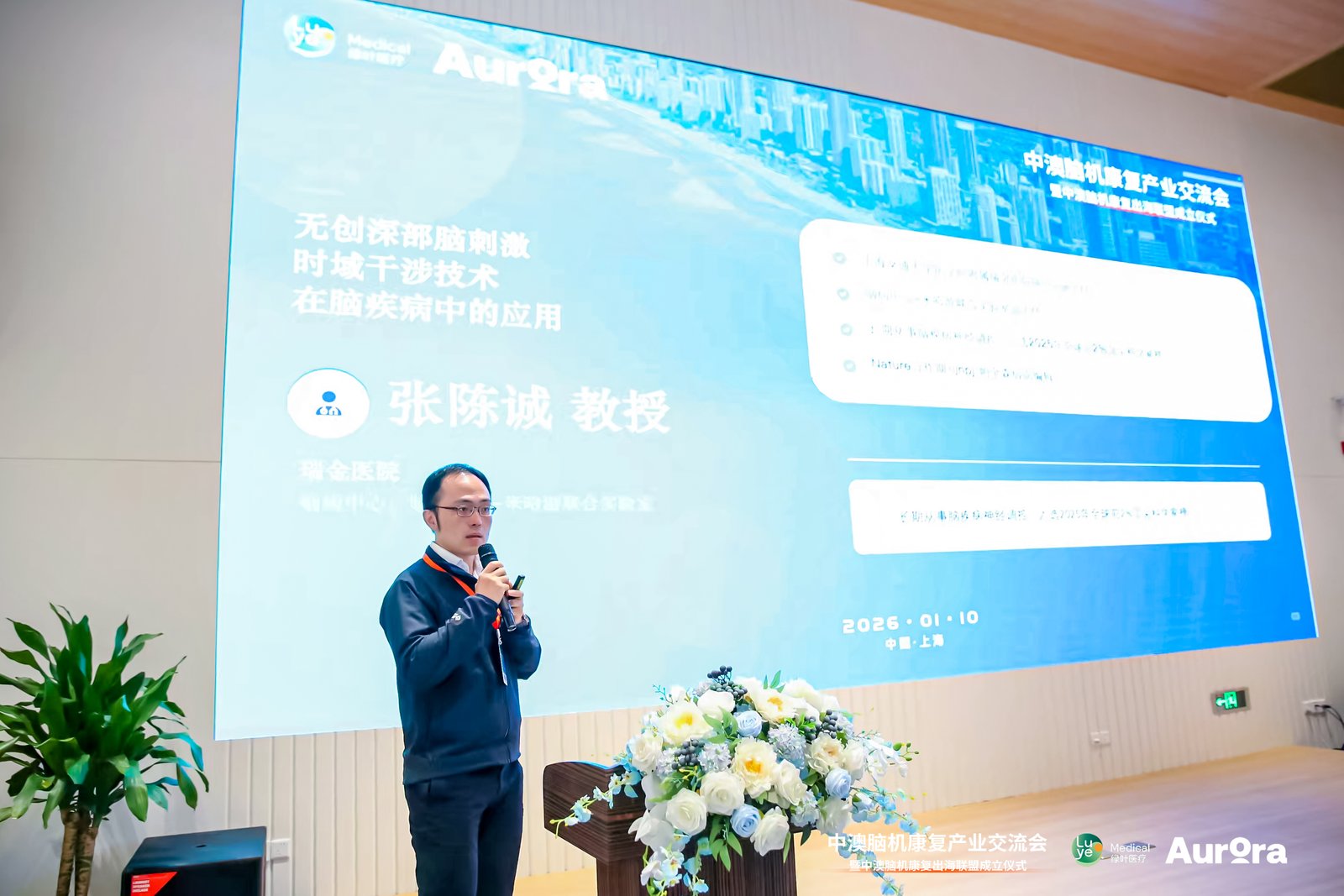
Professor Zhang Chencheng, Brain Center, Ruijin Hospital Affiliated to the School of Medicine, Shanghai University
Professor Zhang Chencheng, Brain Center, Ruijin Hospital Affiliated to Shanghai University Medical CollegeProfessor Zhang shared his research and clinical practice in the field of psychiatry and psychology, with a particular focus on depression. Professor Zhang noted that while pharmacotherapy remains the primary treatment modality for depression, it is associated with limitations such as a delayed onset of action and a high incidence of adverse events. Meanwhile, neuromodulation techniques like Deep Brain Stimulation (DBS) suffer from low market penetration and face numerous developmental bottlenecks, including their invasive nature and the current difficulty in achieving personalized, precise modulation. Against this backdrop, Professor Zhang’s team has turned its attention to temporal interference stimulation (tTIS) technology. This technique generates a low-frequency envelope wave by modulating two high-frequency electric fields with a slight frequency difference, thereby activating neurons via the low-frequency signal and allowing for maximized stimulation through electric field adjustments. This technology is not only safer but has also been proven effective in studies on the treatment of Parkinson’s disease and depression. Data from Professor Zhang’s team indicate that antidepressant effects are rapidly observable following tTIS stimulation and can persist for up to one month after the completion of the treatment course.
Subsequently, Professor Jin Jing, Deputy Dean of the School of Mathematics at East China University of Science and Technology, and Professor Hu Xiaoling from the Department of Biomedical Engineering at The Hong Kong Polytechnic University, representing their respective institutions, shared their latest research findings.
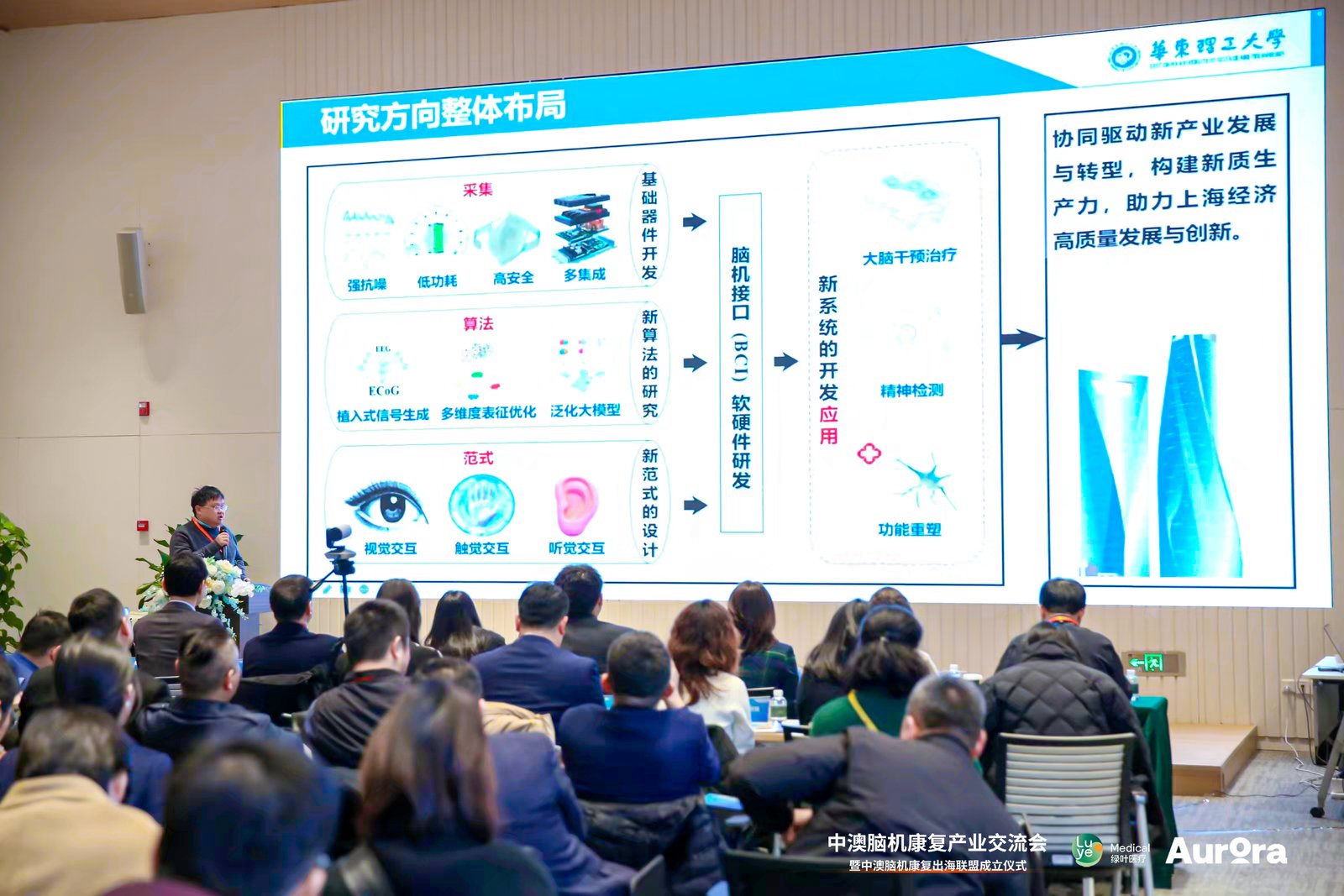
Professor Jin Jing, Vice Dean of the School of Mathematics, East China University of Science and Technology
Professor Jin Jing, Deputy Dean of the School of Mathematics, East China University of Science and TechnologyProfessor Jin first outlined the overall strategic layout of his research in brain-computer interfaces (BCIs), which encompasses three key areas: first, the development of BCI platforms and innovation in hardware devices; second, the exploratory applications of BCIs in neurological and metabolic disorders; and third, the integrated innovation of BCIs with artificial intelligence technologies. Subsequently, Professor Jin highlighted the innovative achievements of his team in “BCI + Healthcare” applications. For instance, the Consciousness Disorder Assessment and Regulation System improves patients’ levels of consciousness by constructing assessment models for consciousness levels and developing closed-loop auditory and tactile interaction systems. The Stroke Motor Rehabilitation System proposes a method for neural function reconstruction based on BCI-dominant behaviors and multisensory feedback, establishing a multifaceted feedback motor rehabilitation paradigm that enhances motor function scores in stroke patients. Furthermore, the Brain-Controlled Optogenetic Diabetes Regulation System establishes a direct link between BCI systems and optogenetics, enabling the regulation of protein expression in HEK-293T cells and thereby achieving effective control of insulin secretion. In addition, Professor Jin stated that trends such as “BCI + Large Language Models” and “BCI + Metaverse” will become major directions in the future development of brain-computer interfaces.
Professor Hu Xiaoling, Department of Biomedical Engineering, The Hong Kong Polytechnic UniversityHe focused on sharing project experiences in mobile remote rehabilitation for the upper extremities and their clinical translation. This project is applicable to all rehabilitation scenarios, both within and outside hospital settings. Furthermore, Professor Hu revealed that his team will continue to deepen the development of an automated rehabilitation diagnosis and treatment platform based on IoT-enabled intelligent robotic terminals, break through the limitations of existing sensing technologies, and develop innovative central and peripheral neuromodulation techniques.
Following the university experts, domestic brain-computer interface (BCI) rehabilitation companies shared a series of innovative achievements in BCI-based rehabilitation.
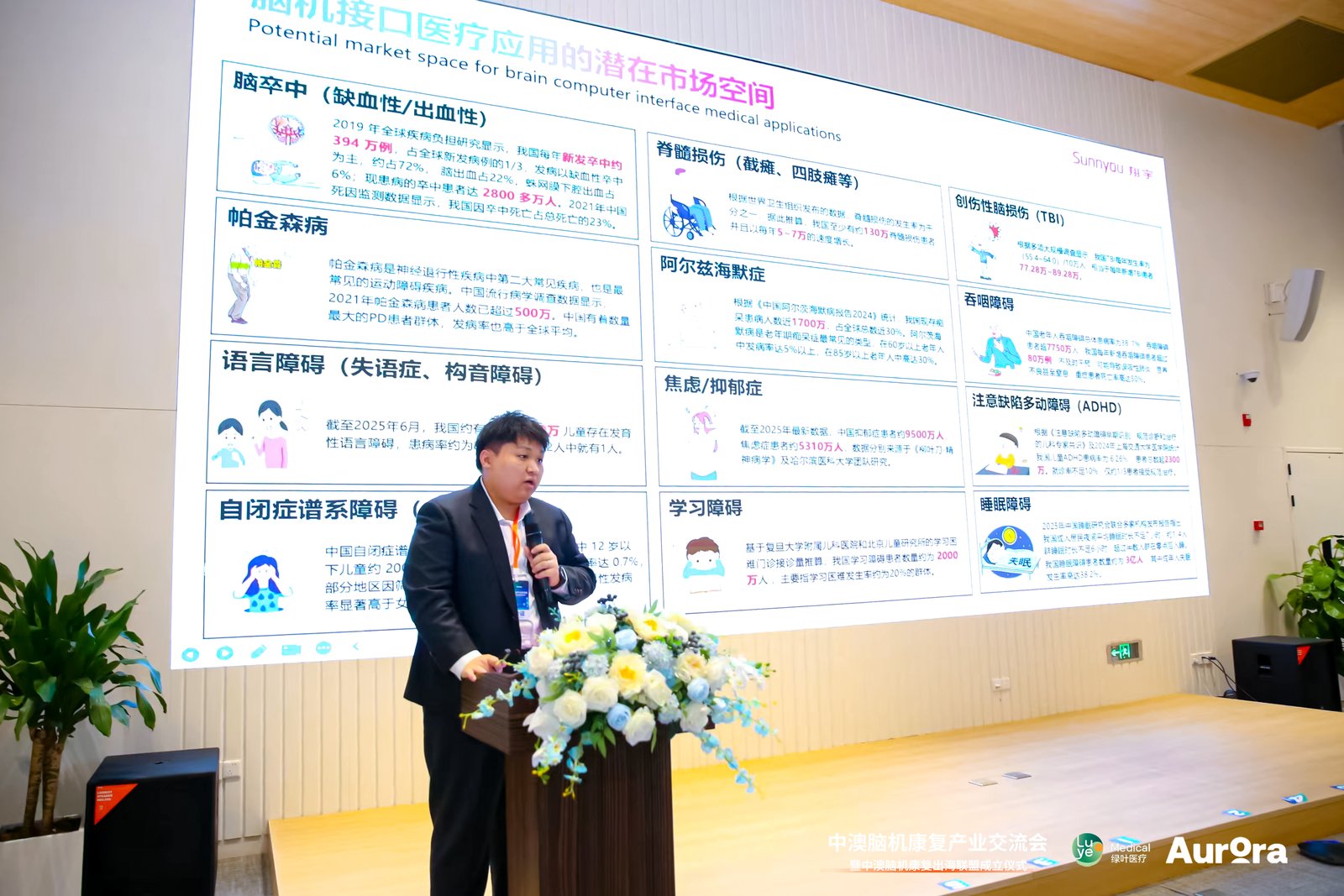
He Chuan, Deputy Director of R&D and Head of Overseas Business at Xiangyu Medical
He Chuan, Deputy Director of R&D and Head of Overseas Business at Xiangyu MedicalThis article provides a detailed introduction to the five major systems of Xiangyu Medical’s Brain Science Laboratory—covering theoretical foundations and clinical evidence research, translational exploration, hardware development, algorithm development, and scenario innovation—and highlights Xiangyu Medical’s advantages in algorithms and hardware development. It emphasizes that Xiangyu Medical has mastered independent R&D technologies for nearly 1,000 types of rehabilitation equipment, positioning itself as a manufacturer and technical support service provider of comprehensive rehabilitation solutions rather than a mere supplier of individual devices.
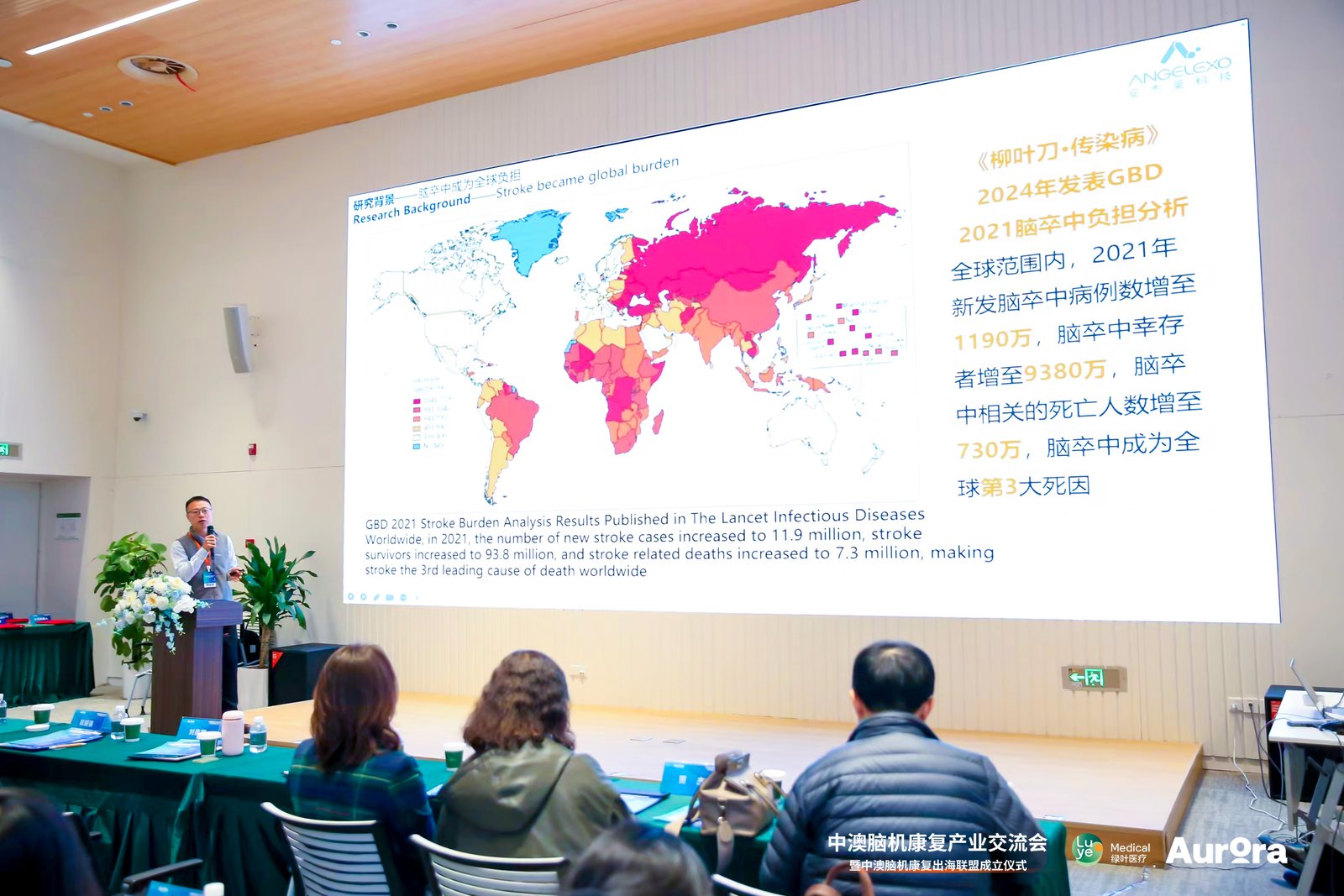
Cao Xin, Board Secretary and Director of Overseas Operations at Angelai Technology
Cao Xin, Board Secretary and Overseas Operations Director at Angelai TechnologyA detailed breakdown of AngelTech’s core technological logic: based on the principles of neuroplasticity, it constructs a “central–peripheral–central” closed-loop nervous system. By capturing patients’ motor intentions via non-invasive brain-computer interface (BCI) technology and integrating its proprietary “human-in-the-loop” AI algorithms, the system achieves precise intention decoding and subsequent accurate modulation, significantly enhancing rehabilitation adaptability.
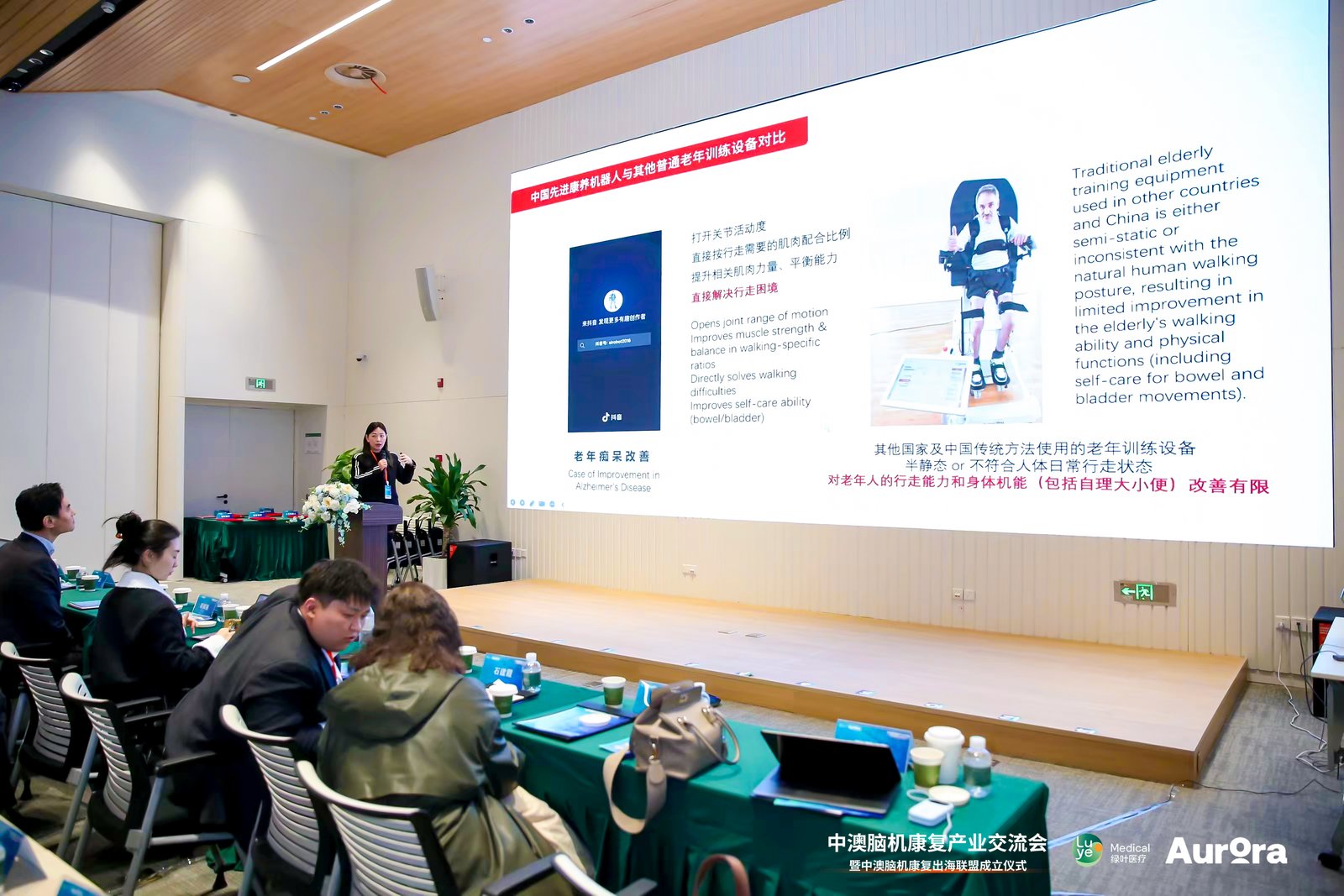
Yang Yongtao, Deputy General Manager of Da Ai Robotics
Yang Yongtao, Deputy General Manager of DaAi RoboticsUsing clinical cases as a starting point, the presentation shared practical experience in the application of exoskeletons for rehabilitation training in patients with cerebral palsy, hemiplegia, and paraplegia. It also introduced Ai-E Robotics’ exploratory achievements in gait reconstruction, motor relearning, and the promotion of neuroplasticity. Reportedly, Ai-E Robotics has developed seven product series comprising more than ten exoskeleton models, covering the spectrum from early-stage precision rehabilitation to mid- and late-stage active-passive rehabilitation, and extending from pediatric to adult rehabilitation. These products are designed to fully meet the diverse rehabilitation needs of different patient populations.
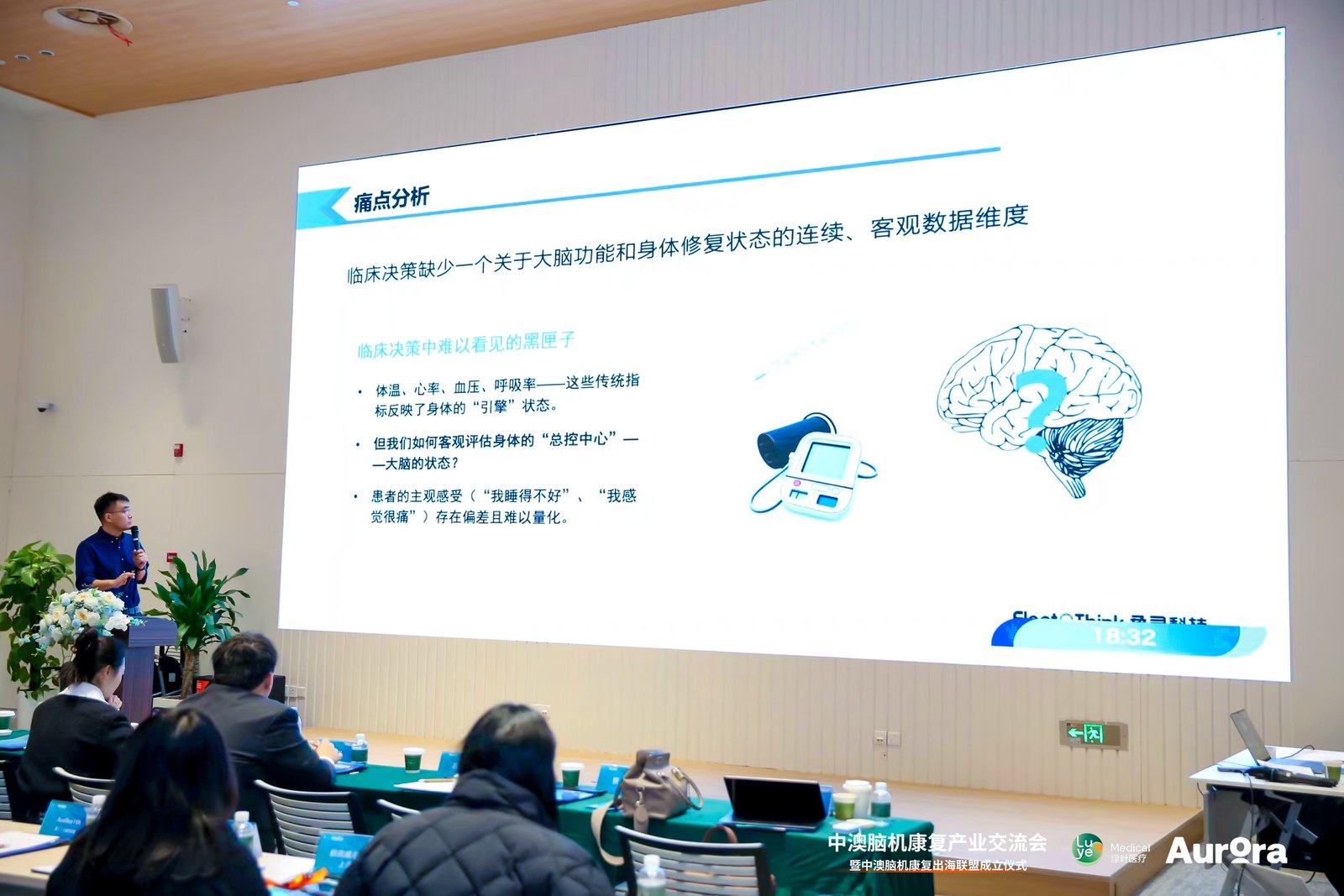
Rouling Technology CEO Zhang Xinwen
Zhang Xinwen, CEO of Rouling TechnologyShared the latest explorations and practices in the application of non-invasive brain-computer interface (BCI) technology in fields such as sleep monitoring and neurological rehabilitation. Taking sleep monitoring as an example, clinical practice currently relies primarily on polysomnography (PSG). However, this approach is not only cumbersome and costly but also suffers from significant drawbacks, including strong foreign-body sensation, suboptimal monitoring efficacy, and the inability to conduct continuous monitoring. In contrast, Rouling Technology’s sleep monitoring products offer both portability and precision. Building on this foundation, Rouling Technology has also developed a closed-loop acoustic intervention product for enhancing deep sleep. Experimental data indicate that users of this product can achieve an increase in deep sleep duration of over 20%.
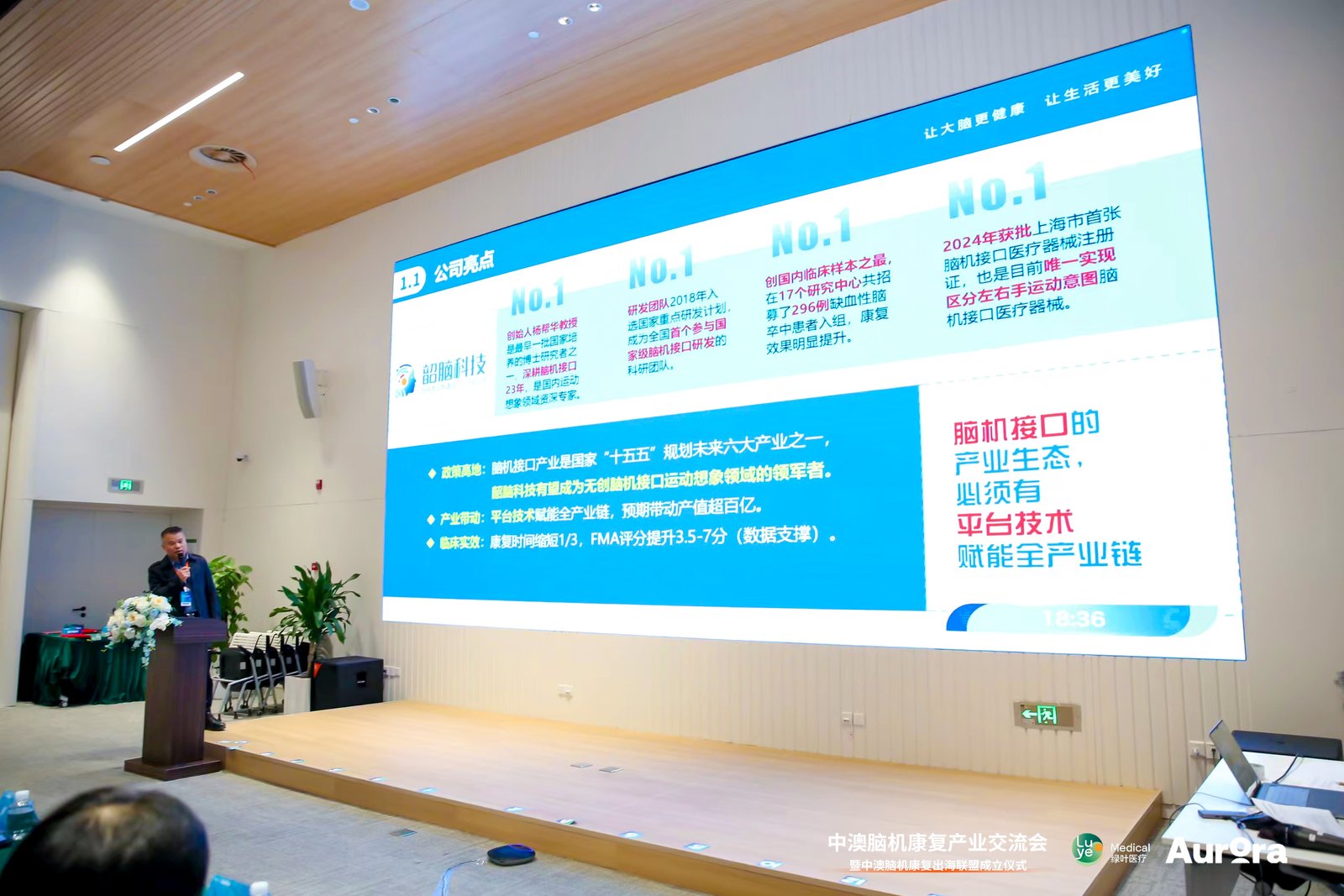
Sun Qinghai, Deputy General Manager of Shaonao Technology
Sun Qinghai, Deputy General Manager of Shaonao TechnologyThe presentation provided a detailed overview of Shaonao Technology’s four key highlights: the founder’s 23 years of profound expertise in the brain-computer interface (BCI) industry; the R&D team’s inclusion in the National Key R&D Program, reflecting strong industry recognition; the largest domestic clinical sample size, with 296 patients with ischemic stroke enrolled across 17 research centers; and the acquisition of Shanghai’s first medical device registration certificate for BCI technology in 2024. It also prominently showcased the clinical advantages and real-world implementation of Shaonao Technology’s core product, the “Electrical Stimulation Therapy System Based on Motor Imagery Brain-Computer Interface.”
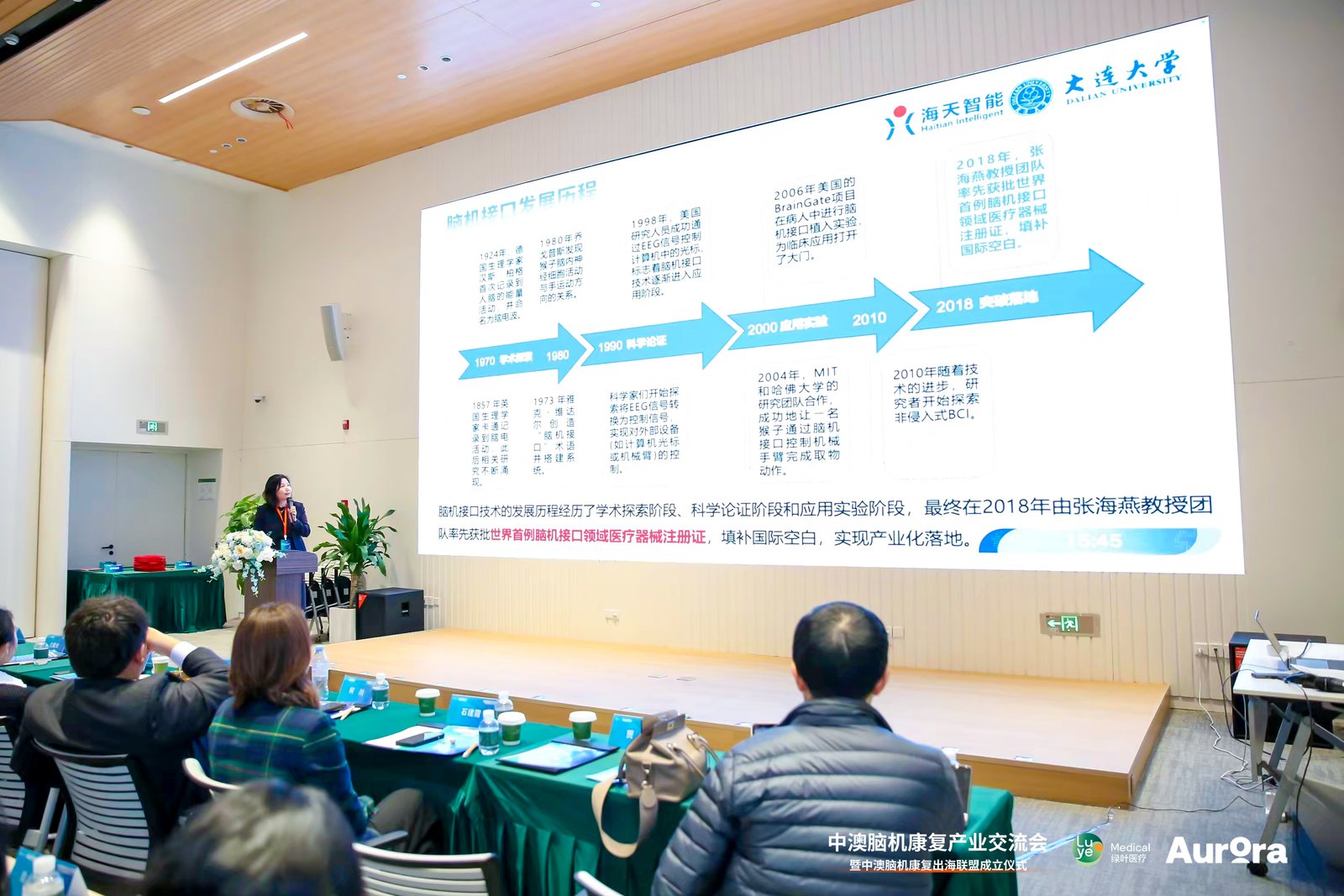
Professor Zhang Haiyan, Dean of the Dalian University Brain-Inspired Intelligence Industry Research Institute and Chairman of Haitian Intelligence
Professor Zhang Haiyan, Dean of the Institute for Brain-Inspired Intelligence Industry at Dalian University and Chairman of Haitian IntelligenceIt was stated that, after more than a decade of development, the Haitian Intelligence team has overcome the critical technological bottlenecks in EEG acquisition, achieving four core technologies: ultra-high-precision real-time decoding, integration of brain-computer interfaces (BCI) with virtual reality (VR), closed-loop real-time neurofeedback, and cross-domain transfer decoding. Furthermore, the company has established a rich and diversified product portfolio covering limb rehabilitation, cognitive rehabilitation, home-based rehabilitation, and health monitoring. Looking ahead, Haitian Intelligence will follow an advanced pathway of “technological breakthroughs and deep industrial cultivation,” transitioning from innovative exploration in BCI to becoming a leader in its industrialization.
Following the “joint completion” of this spectacular “launch event” showcasing domestic brain-computer interface (BCI) innovation achievements by representatives from China’s BCI rehabilitation industry, academia, and research sectors,Aurora Healthcare CEO DariaThe advantages of Aurora Healthcare were also introduced. Reportedly, as a chain service provider with three decades of specialization in psychiatric, psychological, and rehabilitative care, Aurora Healthcare operates nine specialized psychiatric and psychological hospitals and five general hospitals with departments of psychiatry and rehabilitation. It offers day-care services, inpatient services, and post-discharge community-based services, having accumulated extensive rehabilitation expertise and established a professional rehabilitation system. This positions Aurora Healthcare to provide high-quality real-world application and value-validation scenarios for domestic brain-computer interface (BCI) rehabilitation products, forming the basis for collaboration between Chinese BCI rehabilitation enterprises and Aurora Healthcare.
However, frankly speaking, from the perspective of domestic brain-computer interface (BCI) rehabilitation companies, their products are clearly not intended solely for a single medical institution; rather, they should fully consider factors such as local market demand, reimbursement policies, and the level of friendliness toward Chinese enterprises.
So, what does the market landscape of rehabilitation medicine in Australia actually look like?
Alliance Officially Established: Five Key Dimensions to Fully Empower Chinese Brain-Computer Interface Rehabilitation Technology in Expanding to the Australian Market
The Australian rehabilitation medical market is generally characterized by high demand and favorable private health insurance coverage.
Data shows that the Australian rehabilitation healthcare market will grow from approximately US$7.2 billion in 2025 to around US$12.8 billion by 2031, representing a compound annual growth rate (CAGR) of approximately 9.7%. Furthermore, Australia’s reimbursement landscape for rehabilitation services is highly favorable. Not only is the Australian government intensifying its efforts to expand coverage of rehabilitation care under the national universal health insurance scheme, but the penetration rate of commercial insurance for rehabilitation services is also steadily increasing. Wang Chongguang, CEO of Luye Medical, has repeatedly emphasized in interviews the substantial coverage provided by Australian commercial insurance for rehabilitation healthcare services.
In addition, Wang Chongguang also revealed to VCBeat, “Australian medical institutions have a relatively friendly attitude toward Chinese healthcare companies and are willing to try more innovative and cutting-edge rehabilitation treatment methods.”
Therefore,Against the backdrop of complementary strengths and mutual demand and willingness for cooperation, Luye Medical Group established the “China-Australia Brain-Computer Interface Rehabilitation Global Expansion Alliance” and officially announced its formation on the day of the conference.
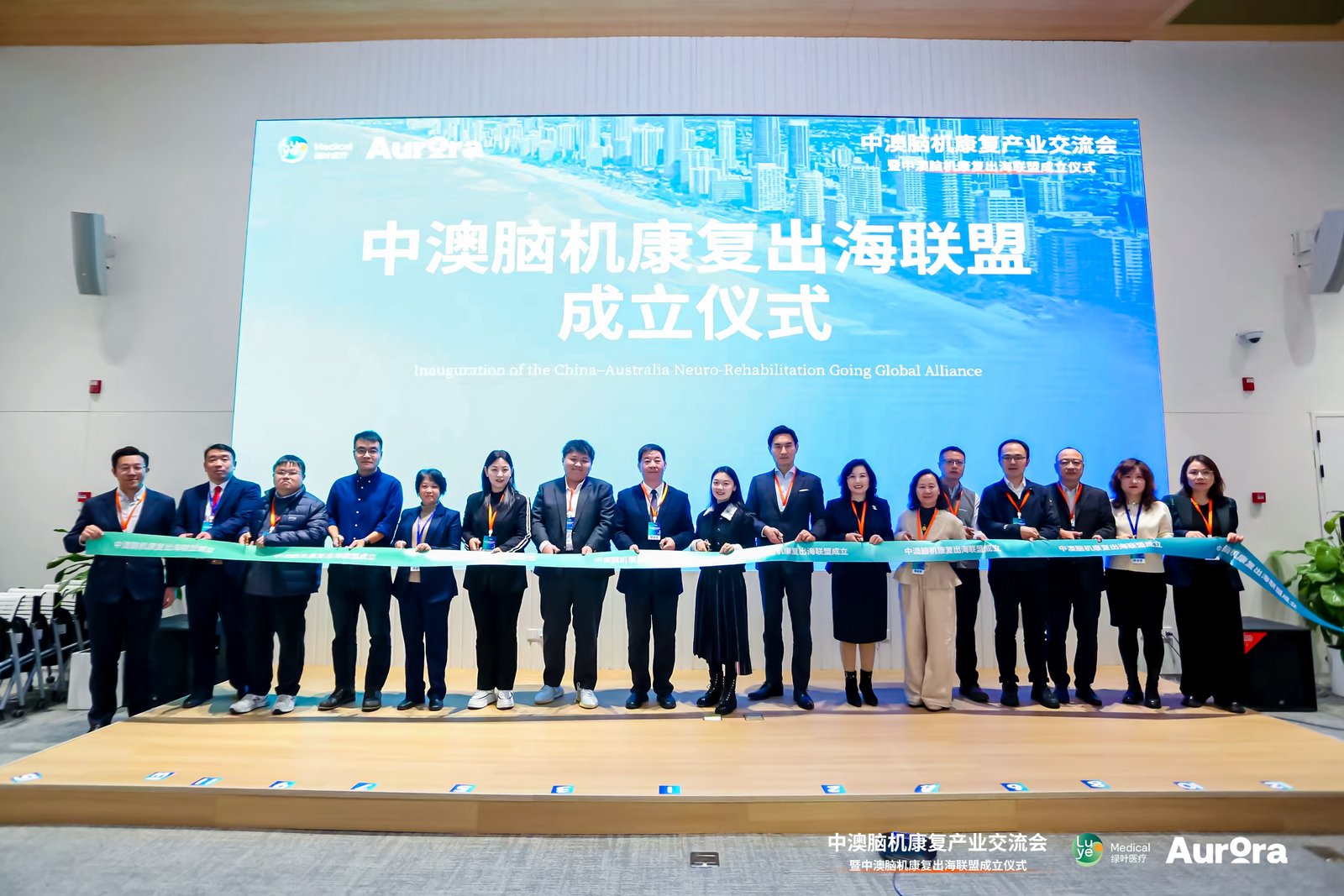
“China-Australia Brain-Computer Interface Rehabilitation Global Alliance” Officially Established
Liu Aona, Executive Chairman of Greenleaf Medical Group, is optimistic about the alliance’s future. In an interview with VCBeat, she pointed out that to systematically support Chinese brain-computer interface (BCI) rehabilitation innovations in entering the Australian market, the alliance’s empowerment of Chinese enterprises comprehensively covers multiple dimensions, including clinical pilots, regulatory registration, demonstration applications, commercial matchmaking, and investment and financing. This approach aims to effectively reduce institutional and implementation costs during overseas expansion, thereby enabling higher-quality rehabilitation services to benefit populations in both countries and beyond.
The alliance emphasized Aurora Healthcare’s hub status. In this regard,Wang Chongguang stated, “Aurora Healthcare is one of the few medical groups that have achieved a coordinated presence in both China and Australia, possessing effective linkages and collaborative experience with the Chinese market. This unique attribute enables it to engage in cooperation with Chinese enterprises more rapidly and efficiently. Furthermore, leveraging its industry-validated clinical systems, compliance expertise, and market network, Aurora Healthcare can efficiently and credibly transform the technological advantages of domestic enterprises into medical products and services that meet high international standards and offer clear commercial prospects.”
andOn the day of the alliance’s establishment, multiple Chinese rehabilitation technology enterprises, including Xiangyu Medical, Haitian Intelligence, Daai Robotics, Anjielai Technology, Rouling Technology, Shaonao Technology, Peinao Technology, and Zhanhong Chuangjian, immediately signed cooperation agreements.

Signing Ceremony Between Corporate Representatives and Alliance Representatives
Standing at the new milestone of 2026,What are the alliance’s next steps? Shi Jianxia, Chief Operating Officer of Greenlife Medical (China), told VCBeat: “Leveraging Aurora’s ACHS healthcare quality accreditation, its consistently top-tier AROC rehabilitation ratings, and a comprehensive service network spanning rehabilitation, mental health, and community care, the alliance will provide verifiable clinical implementation scenarios and highly credible industry endorsement for Chinese brain-computer interface and neuroscience-related technologies entering the Australian market. Furthermore, the alliance has established a clear roadmap for cooperative development. Moving forward, it will explore collaborative models through initiatives such as joint research projects, long-term mechanisms for talent and research collaboration, study visits to Australia, continued implementation of industry-academia-research projects, and the release of industry white papers, thereby continuously expanding the value space for Sino-Australian synergistic development.”
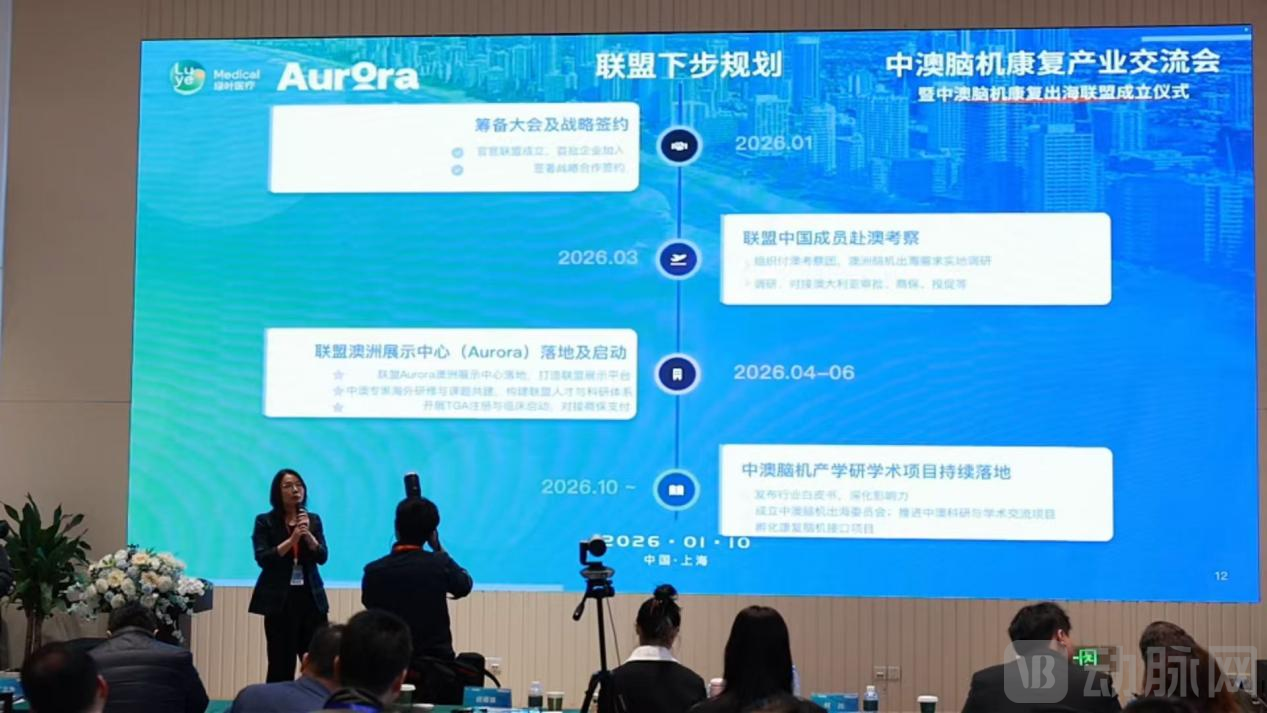
Shi Jianxia, Chief Operating Officer of Luye Medical (China), Provides a Detailed Explanation of the Alliance’s Future Plans
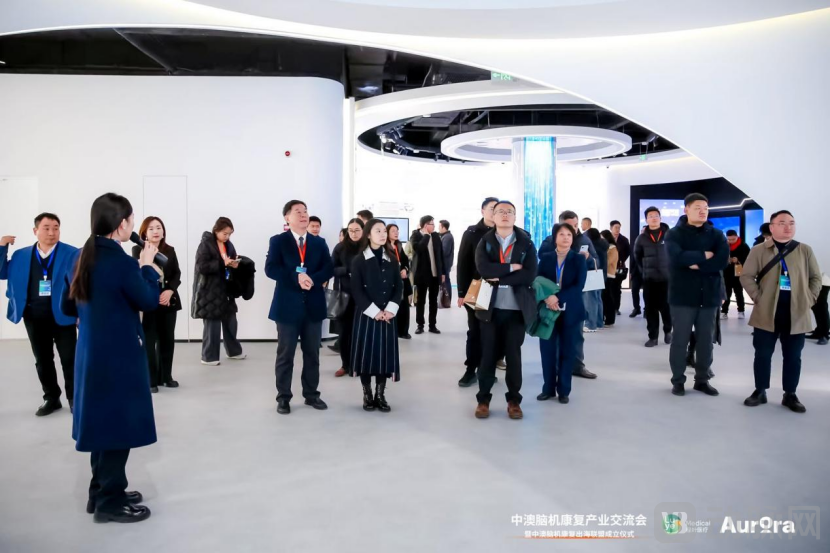
Attendees Visit the Shanghai Future Industry Cluster for Brain-Computer Interfaces (Brain & Intelligence World)
Riding the Tide, Hoisting the Sails: The Time to Row with Vigor Is Now. The horn of the China-Australia brain-computer interface (BCI) rehabilitation flagship has sounded across the vast ocean of intelligent rehabilitation. Leveraging their collaborative model that stimulates multi-party innovation and market vitality, their unwavering commitment to enhancing rehabilitation efficacy and patient experience, their years of accumulated strength in cross-border resource integration, and their value pursuit of creating “bidirectional empowerment” for added value, Green Leaf Medical and Aurora Healthcare are contributing to the high-quality development of the China-Australia rehabilitation industry, as well as fostering technological exchange and model innovation within the global rehabilitation sector.