

Singmed Showcases Platform-Based Inhaled and Intranasal Drug Delivery Solutions at Pharmapack Europe 2026 to Address Critical Challenges in Macromolecule Delivery
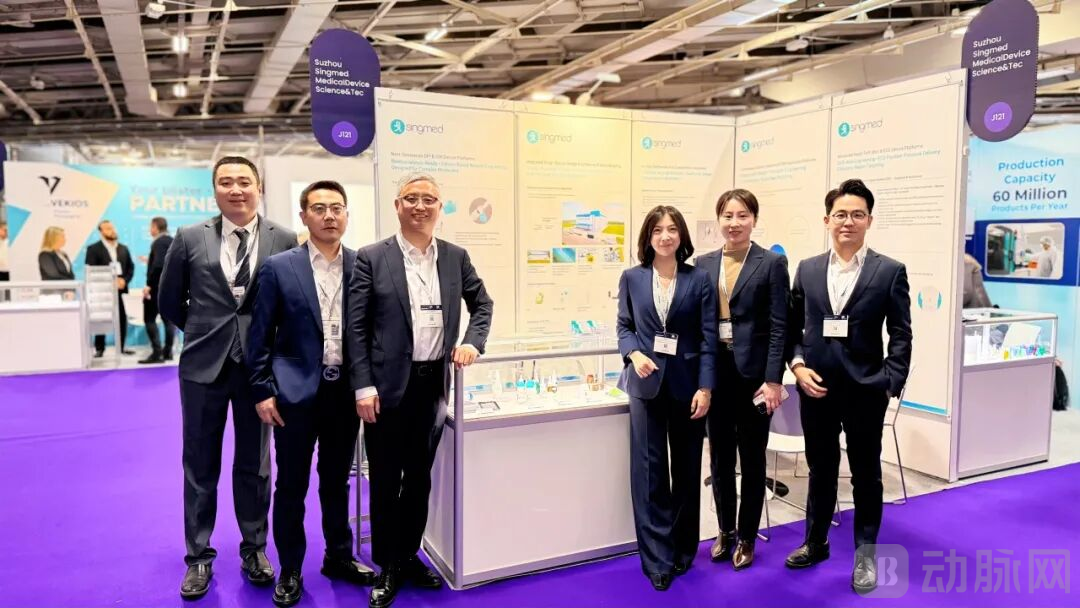
On January 21–22, 2026, Suzhou Xinmaide Medical Device Technology Co., Ltd. (hereinafter referred to as “New Mai De”,Singmed), debuted in ParisPharmapack Europe 2026. During the exhibition, Xinmaide focused onCore Challenges in Macromolecular Drug Delivery, engaging in in-depth exchanges with pharmaceutical and biotechnology partners from around the world to explore theirSilicon-Based EDS (Exhalation Delivery System) and the Next-Generation Soft Mist Platformengineering solutions to overcome development bottlenecks in aerosolization performance control, precise particle size distribution, and region-specific targeted deposition.
Focusing on the Engineering Challenges of Macromolecular Drug Delivery
In recent years, as pharmaceutical R&D pipelines continue toMore Complex, Higher Molecular WeightIn the evolution of pharmaceuticals, traditional inhalation and intranasal administration methods are facing increasing challenges in large-scale application and standardized control. For many R&D projects, the true limiting factor is no longer molecular discovery itself, but the lack of delivery platforms that can provide stable and reproducible aerosolization performance while supporting regulatory-oriented development pathways.
Systematic Construction of Platform-Based Delivery Pathways
New Mai De YiPlatform-Based Development Model for Inhalation and Nasal Drug DeliveryTo address this challenge. Unlike the traditional approach of designing devices around a single product, Xinmaide focuses its R&D efforts on controlling key parameters during the aerosolization and deposition processes, enabling delivery performance to be reproduced, compared, and transferred across different formulations and development stages, thereby effectively reducing variability and overall development risk.
Silicon-Based Nebulization Engineering Technology
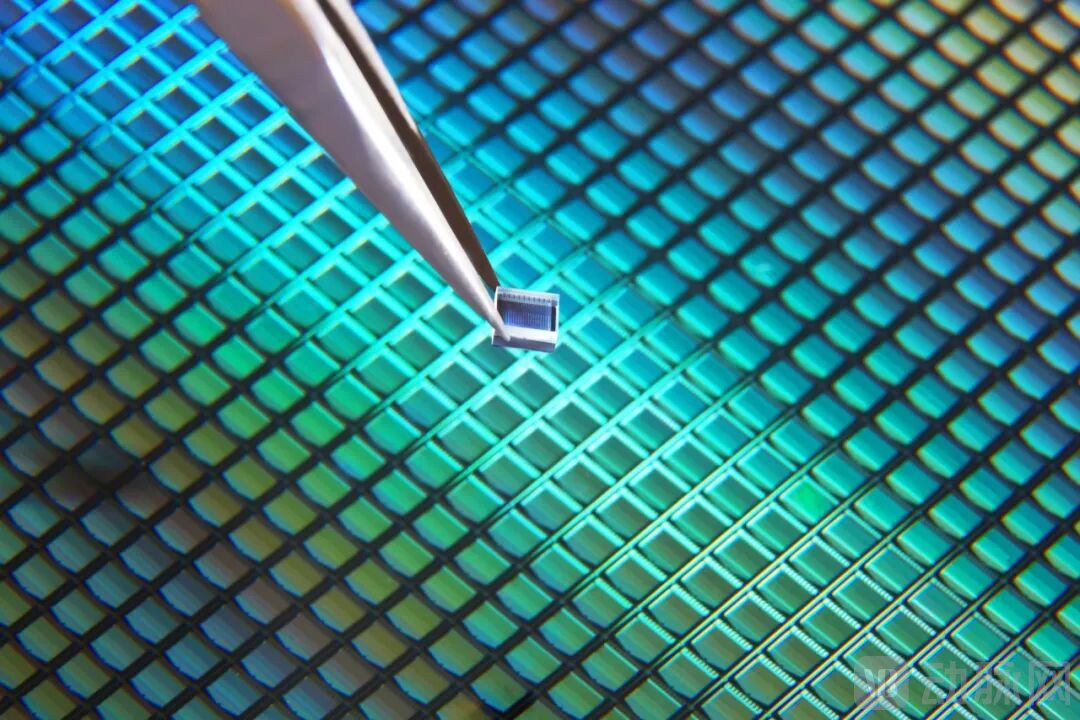
Under this platform system, Xinmaide's new generationSoft Mist Drug Delivery PlatformDesigned to meet the inhalation delivery needs of complex drugs. The platform is based onAutonomous Silicon-Based Atomization Engineering Technology, enabling stable control over the nebulization process and particle size distribution, thereby reducing performance fluctuations caused by device operation or formulation differences. Meanwhile, the platform proactively minimizes mechanical stress on molecules during nebulization at the engineering design level, effectively mitigating the risk of molecular structural damage or reduced activity that may occur during macromolecule delivery. Soft mist capability is regarded as a reusable, platform-level delivery capability rather than a functional feature of a single product.
Silicon-based Soft Mist EDS
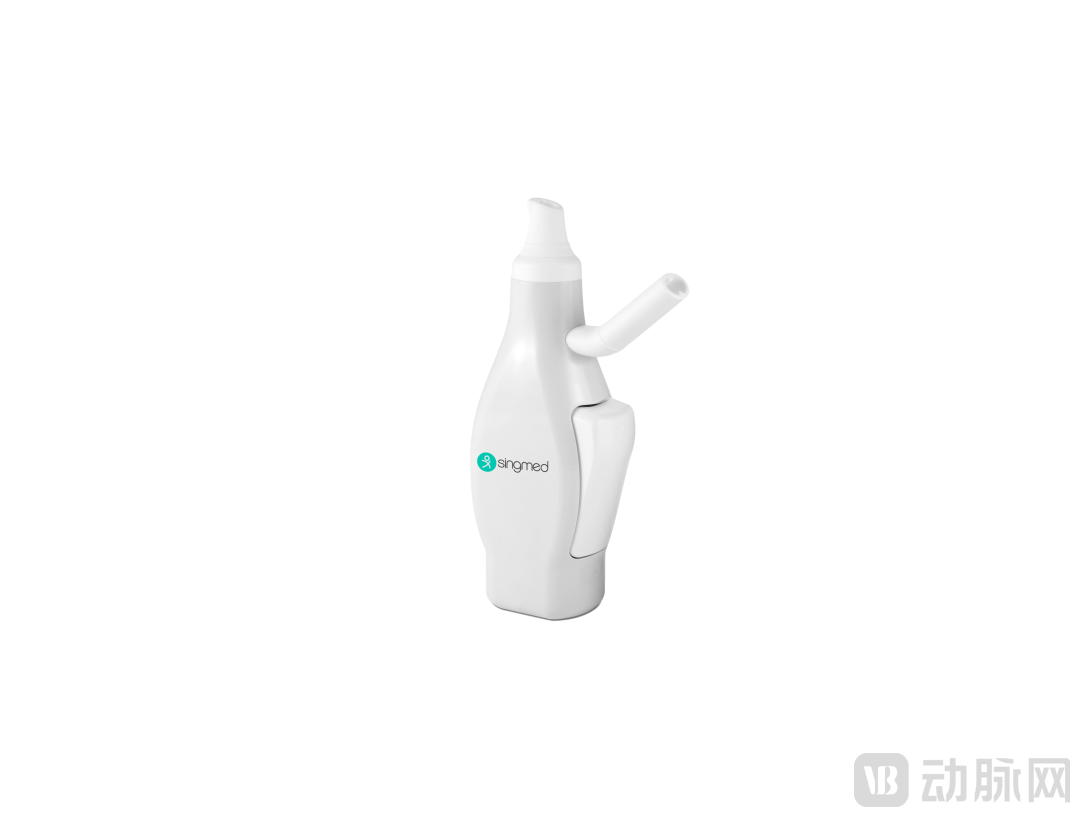
Meanwhile, Xinmaide willSilicon-based Soft Mist EDSArchitecture applied to nasal administration scenarios. BySoft Mist Nebulization Technology and EDS Positive Pressure Delivery MechanismBy integrating these features, the system achieves regional targeted deposition within the nasal cavity, offering more predictable delivery distribution compared to traditional spray methods. Leveraging system-level engineered control, this platform provides a scalable and risk-controlled development pathway for advanced intranasal drug administration and potential nose-to-brain delivery strategies.
Underpinning the aforementioned delivery platform is Xinmaide’sIn Vitro Performance Evaluation and Regulatory Consistencysystematic capabilities developed in this area. The company adopts aAlignment with FDA and EMA Requirementsin vitro evaluation methods to assess the stability, repeatability, and lifecycle consistency of nebulization performance, thereby supporting# Bioequivalencea guidance-oriented development strategy, and reduce uncertainty as the project advances to the clinical and commercial stages.
By participating in Pharmapack Europe 2026, Xinmaide further strengthened its position asPlatform Partners for Inhalation and Intranasal Drug Deliveryindustry positioning. Leveraging its silicon-based nebulization engineering capabilities, along with the architecture of soft mist and EDS delivery systems, Xinmaide continues to support pharmaceutical and biotechnology companies in addressing the increasing complexity of molecules and delivery challenges.