

Chengdu AI Healthcare Innovation Exchange Conference 2026 Unveils Breakthrough Projects and Explores Frontier Trends to Drive High-Quality Industry Growth
As 2026 begins, the AI healthcare sector remains highly active.
From leading brain-computer interface (BCI) companies securing substantial financing and planning IPOs, to pathological AI being included in service project guidelines, and the renewed competition in AI health applications and physician assistants... In 2026, the AI healthcare boom has not only swept across all major niche sectors but also extended from the enterprise side to the payer side.
Meanwhile, the market size of AI in healthcare continues to maintain a high growth rate. According to Frost & Sullivan, the market size of core AI healthcare solutions is expected to expand to RMB 35.2 billion by 2030, with a CAGR of 13.63%.
However, alongside its rapid and widespread adoption, controversy has never ceased: What are the boundaries of AI’s capabilities in healthcare? How can risks be effectively managed? What are the optimal application scenarios for AI? How should humans coexist with AI? These questions have not only drawn significant attention from all sectors of the industry to AI in healthcare but also driven them to seek answers.
In this context,The 2026 Chengdu AI Healthcare Innovation Exchange Conference was recently held. The conference was hosted by West China Second University Hospital of Sichuan University, organized by the Engineering Research Center of Medical Informatics Technology under the Ministry of Education, and co-organized by Shuanghua Digital Health and Medical Intelligence Industry Research Institute, Chengdu Huaxi Digital Medical Technology Co., Ltd., Daoyuan Capital Management (Beijing) Co., Ltd., and Yuanzhong International Co., Ltd.
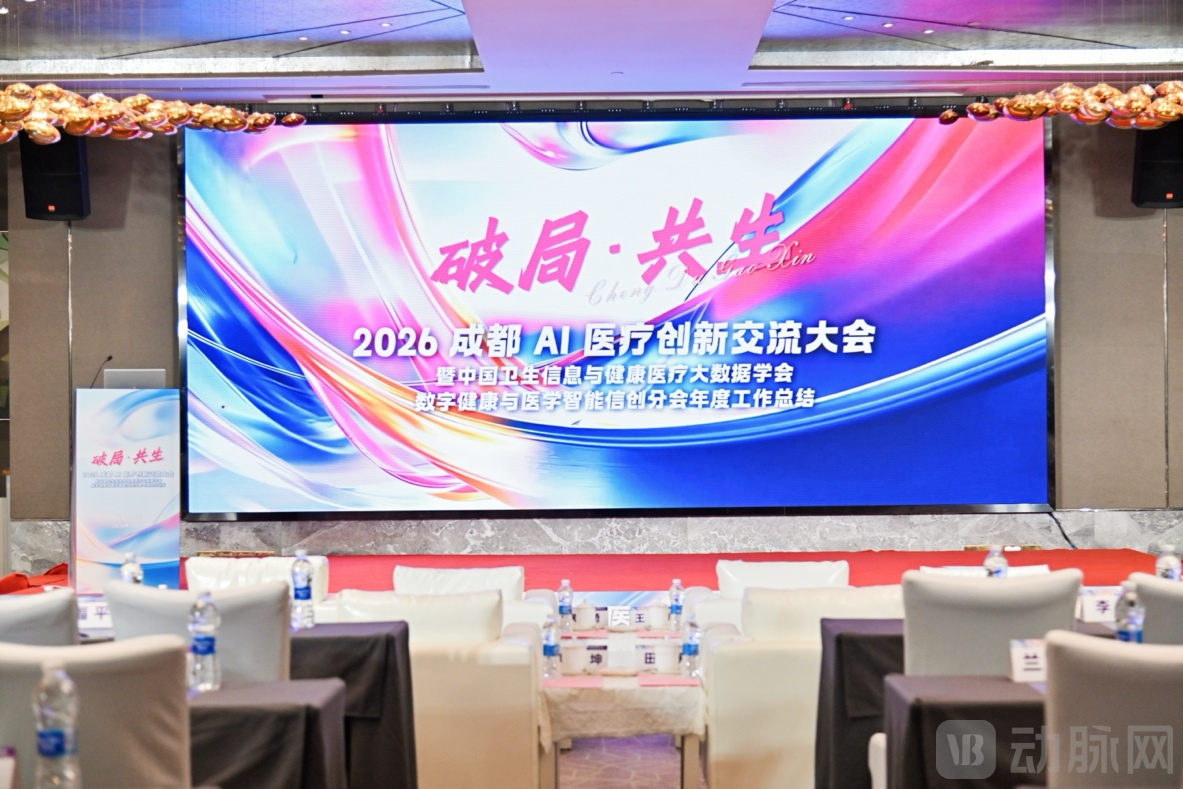
Themed “Breaking Through · Symbiosis,” this year’s conference not only brought together numerous representatives from industry, academia, and research to engage in in-depth discussions on the current state, challenges and breakthrough strategies, and future trends of AI in healthcare, but also saw the official announcement of two major initiatives, providing strong momentum for the development of China’s AI healthcare sector.
Focusing on the Frontier: How to Break Through the Impasse of Data Acquisition, Risk Governance, and System/Service Fragmentation?
Currently, actively embracing digital and intelligent technologies has become a consensus in the development of the healthcare industry. This has also set the tone for this conference. From clinical experts to corporate representatives, nearly every speaker highlighted the necessity of developing AI-driven healthcare and affirmed its industry value. However, at the same time, many experts candidly acknowledged in their presentations that AI healthcare still faces numerous challenges.
For example, to address a series of data-related issues such as the lack of standardized data collection formats and the scarcity of high-quality clinical data,Wang He, Founder of Beijing Galaxy General Robotics Co., Ltd.Galaxy General shared its experience in leveraging synthetic data to empower the large-scale application of embodied foundation models in healthcare scenarios. Wang He pointed out, “The high privacy requirements and scarcity of medical data have long constrained the application of AI in real-world settings. By utilizing synthetic data, it is possible to construct diverse and highly realistic virtual training environments in a compliant manner, providing a scalable and cost-effective training foundation for embodied intelligence. Furthermore, embodied intelligence systems trained on synthetic data can more accurately understand and adapt to dynamic medical scenarios such as surgery, rehabilitation, and nursing care, achieving a closed-loop breakthrough from ‘perception’ to ‘action.’ This technical approach by Galaxy General has also gained recognition from numerous medical institutions and enterprises.”
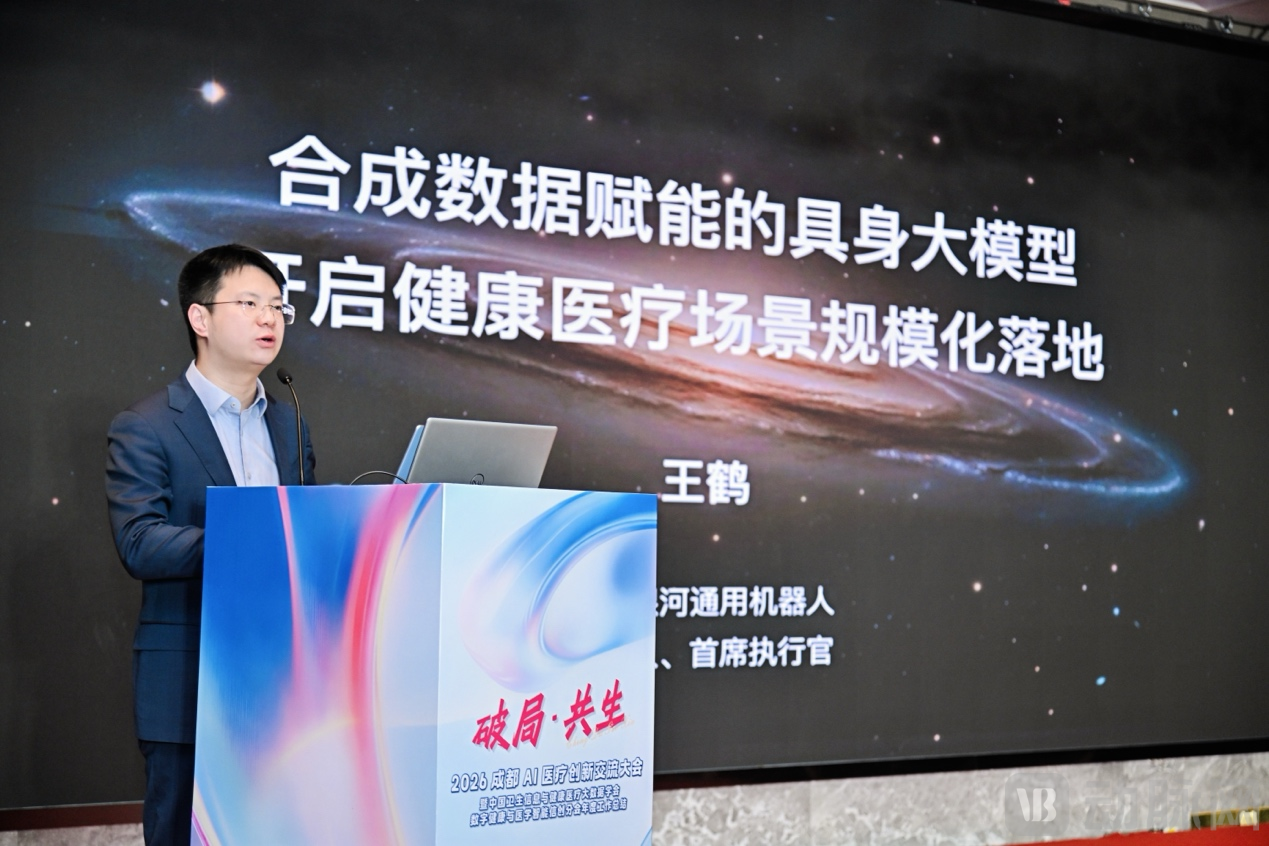
Wang He, Founder of Beijing Galbot Robotics Co., Ltd.
Beyond the data dilemma, since the inception of AI applications in healthcare, a persistent question and concern have lingered in the minds of practitioners: Clearly, AI has its limitations; so where exactly do these boundaries lie? And how should we respond to better mitigate the potential risks it may pose?Wang Caiyou, Chairman of the Information Professional Committee of the Chinese Hospital AssociationThe shared insights provide an answer to this question. Wang Youcai stated, “At the current stage, medical AI already possesses numerous capabilities. For instance, medical imaging AI can distinguish whether nodules are benign or malignant, while generative AI can generate discharge summaries and interpret reports. However, frankly speaking, medical AI still faces issues such as prediction bias and AI hallucinations. To mitigate the associated risks, the industry can adopt measures across four dimensions: First, implement classified regulatory oversight by categorizing medical devices based on different risk levels. Second, conduct effectiveness evaluations; for example, AI products for assisted diagnosis should be assessed for sensitivity, specificity, and accuracy, whereas AI products for assisted treatment should be evaluated for treatment efficacy and complication rates. Third, establish standards and regulatory measures for clinical trial data. Fourth, in addition to meeting the aforementioned requirements, process evaluations must be carried out, such as assessing metrics including algorithmic accuracy, reliability, and stability, and reviewing the compliance of training data.”
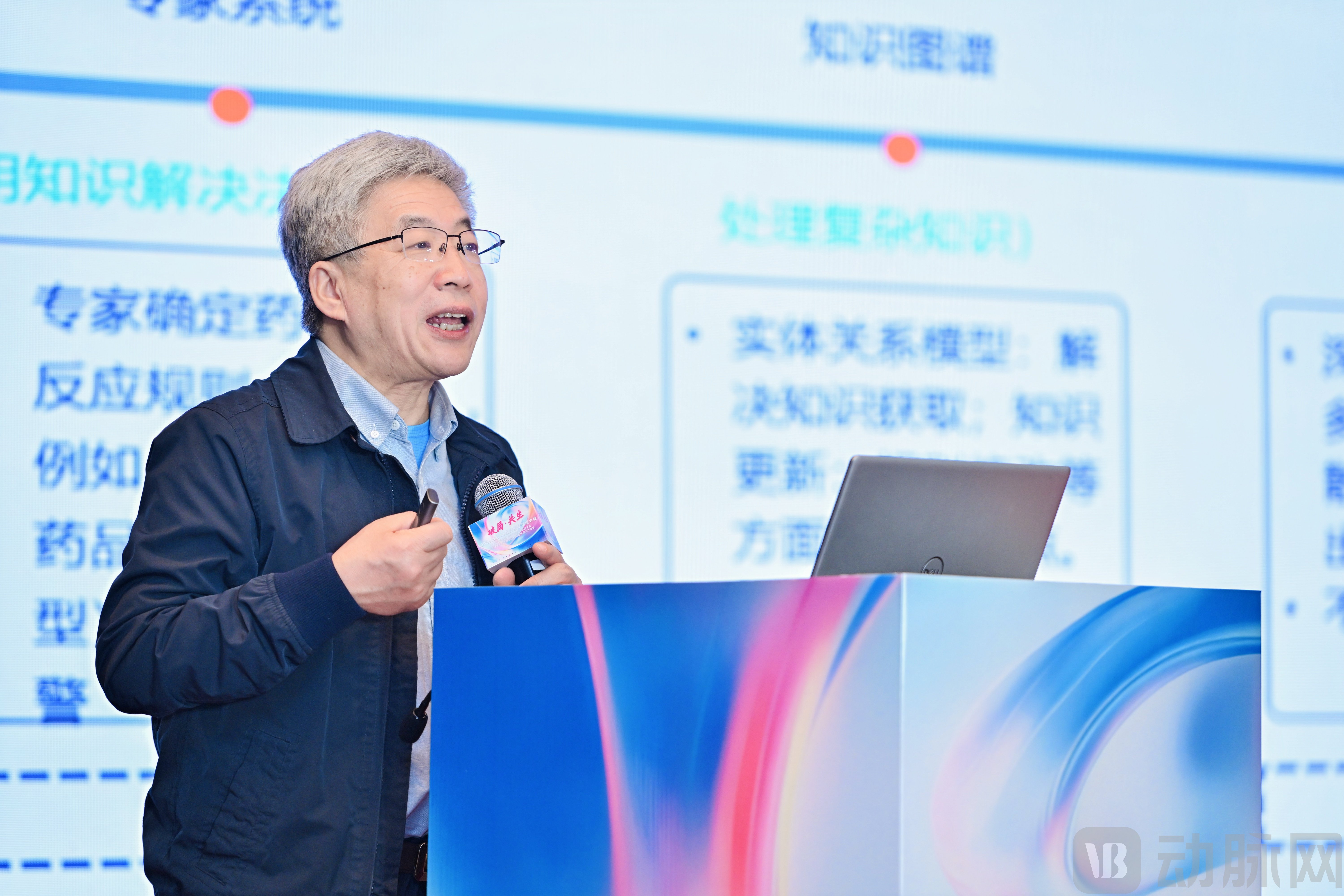
Wang Caiyou, Chairman of the Information Professional Committee of the Chinese Hospital Association
After Wang Caiyou addressed industry concerns regarding the boundaries of AI capabilities in healthcare and risk governance,Lin Hui, Director of the Office of Internet and Artificial Intelligence, Sir Run Run Shaw Hospital, Zhejiang University School of MedicineThis offers another perspective on the challenges hindering the implementation of AI in healthcare within China: the fragmentation of operating systems. Lin Hui argues that the healthcare industry needs a universal operating system that provides a unified semantic abstraction layer and an auditable runtime environment for data, devices, algorithms, workflows, and security compliance. This would enable developers, healthcare institutions, clinical teams, and patients/the public to rapidly assemble trustworthy medical services within a governed framework of “platform kernel + standard interfaces + application ecosystem.” Furthermore, this universal system must possess three key characteristics: first, it should facilitate collaboration among “multiple stakeholders, multiple devices, multiple algorithms, and multiple institutions”; second, it must meet the high-stakes requirements of “real-time clinical decision-making” while also supporting diverse scenarios such as “health management, scientific research, payment, and regulation”; and third, it must have compliance and auditing capabilities built-in, rather than treating security and compliance as peripheral patches.
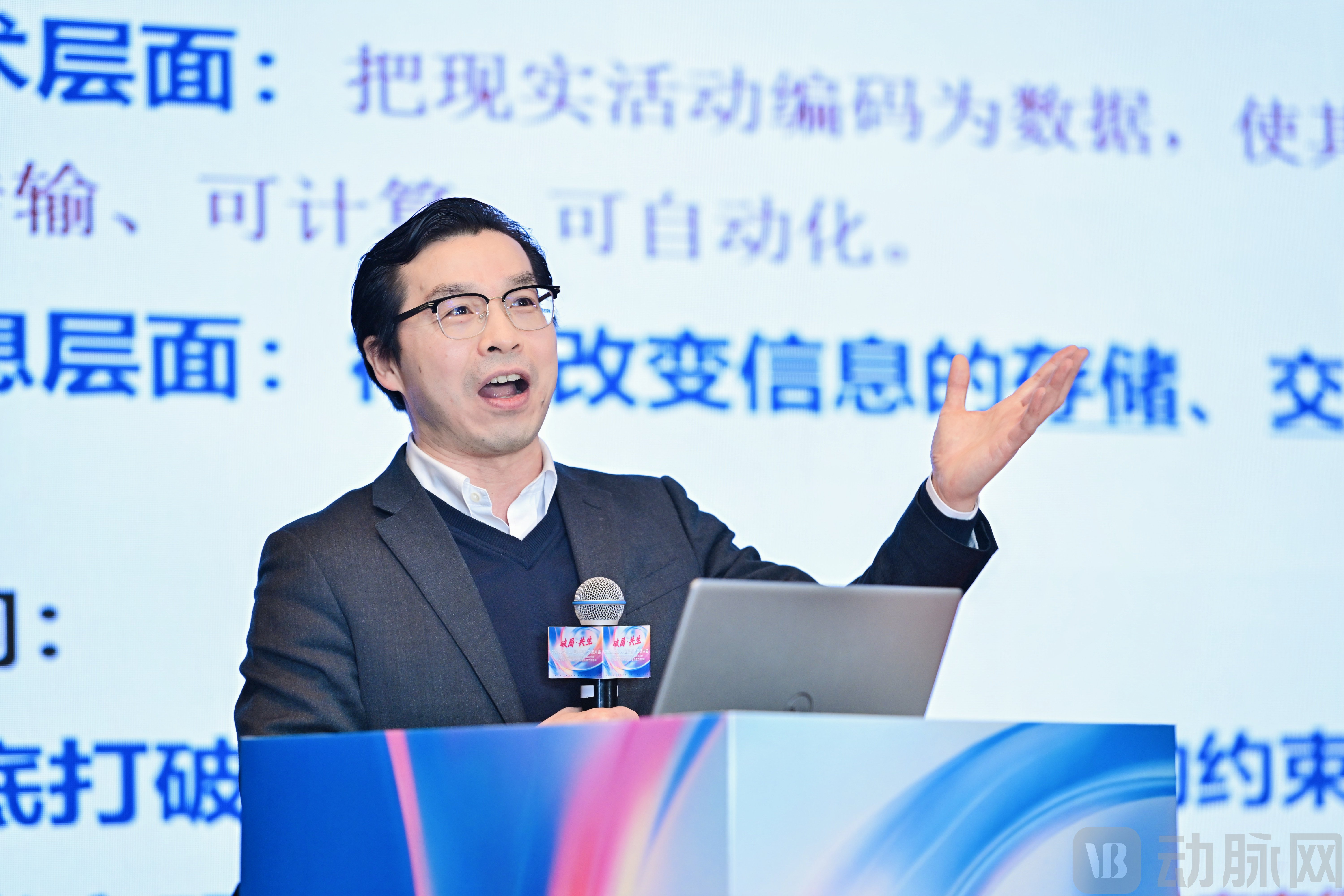
Lin Hui, Director of the Office of Internet and Artificial Intelligence, Sir Run Run Shaw Hospital, Zhejiang University School of Medicine
andShi Qingke, Director of the Outpatient Department, West China Hospital, Sichuan UniversityBased on the practices at West China Hospital, this article analyzes how the hospital has leveraged AI to build a comprehensive service system covering the entire patient journey—pre-consultation, during consultation, and post-consultation. This system comprehensively addresses the diverse medical and health needs of different patient groups, facilitating convenient access for general patients, enabling multidisciplinary diagnosis and treatment for complex cases, and providing full-cycle management for chronic disease patients. Simultaneously, it achieves rational allocation of medical resources, resolving challenges in collaboration across departments and campuses, as well as addressing the fragmentation of healthcare services.
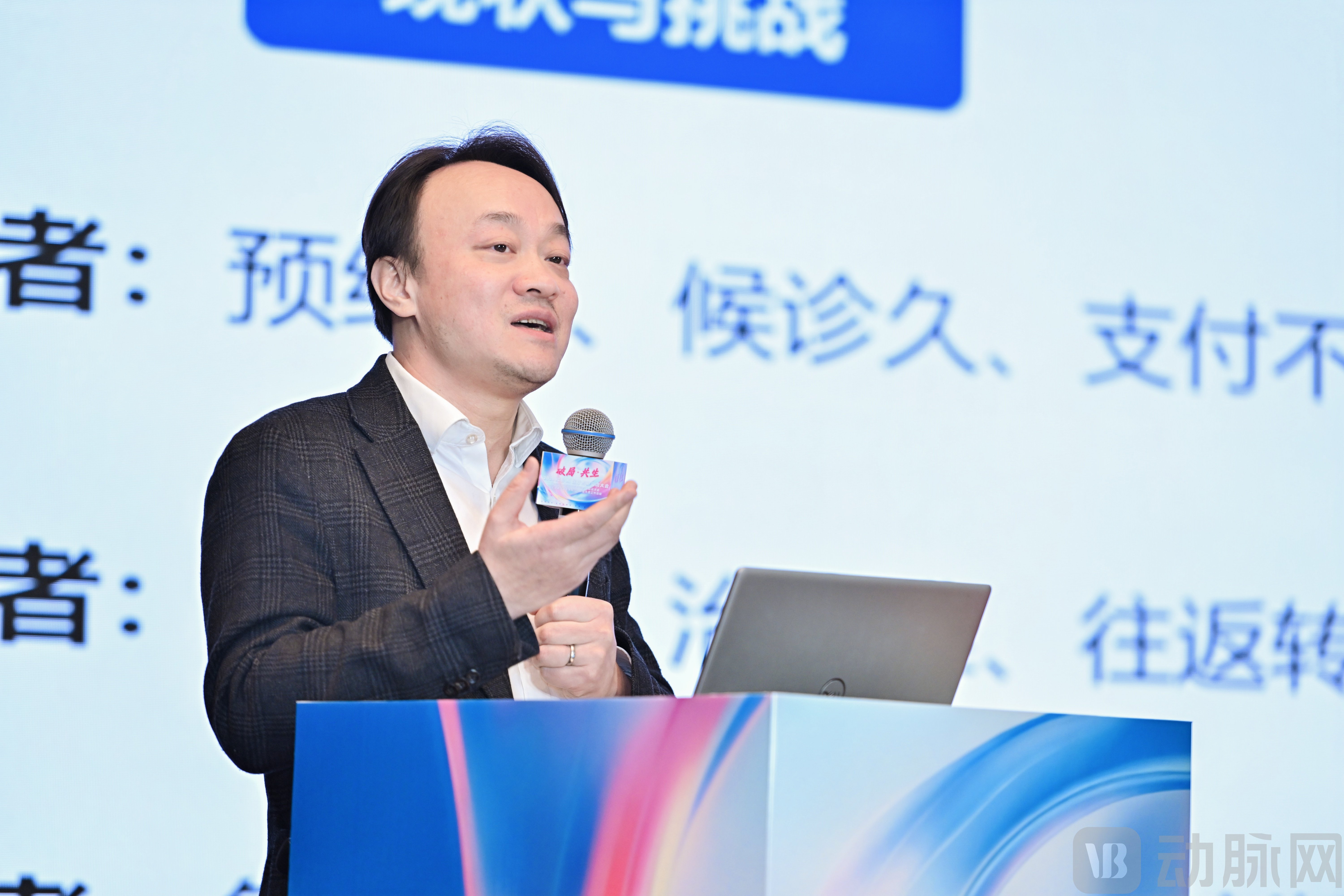
Shi Qingke, Director of the Outpatient Department, West China Hospital, Sichuan University
Anchored in Real-World Scenarios: What AI Healthcare Achievements Have China’s Top-Tier Hospitals Attained?
As the distinguished guests have pointed out, the exploration of AI in healthcare within China faces numerous challenges. Nevertheless, we must also acknowledge that, despite these significant hurdles, a multitude of innovative achievements have emerged in China’s AI healthcare sector at the current stage.
West China Second University Hospital of Sichuan University, as one of the leading hospitals in the field of maternal and child health in China, is also actively embracing the AI wave and has achieved many phased results. According toHuang Yong, Party Secretary of West China Second University Hospital, Sichuan UniversityIntroduction: West China Second University Hospital of Sichuan University is actively exploring improvements in medical service quality and innovative models. By systematically integrating artificial intelligence technologies with clinical practice, it has established an intelligent service system covering all aspects of healthcare.
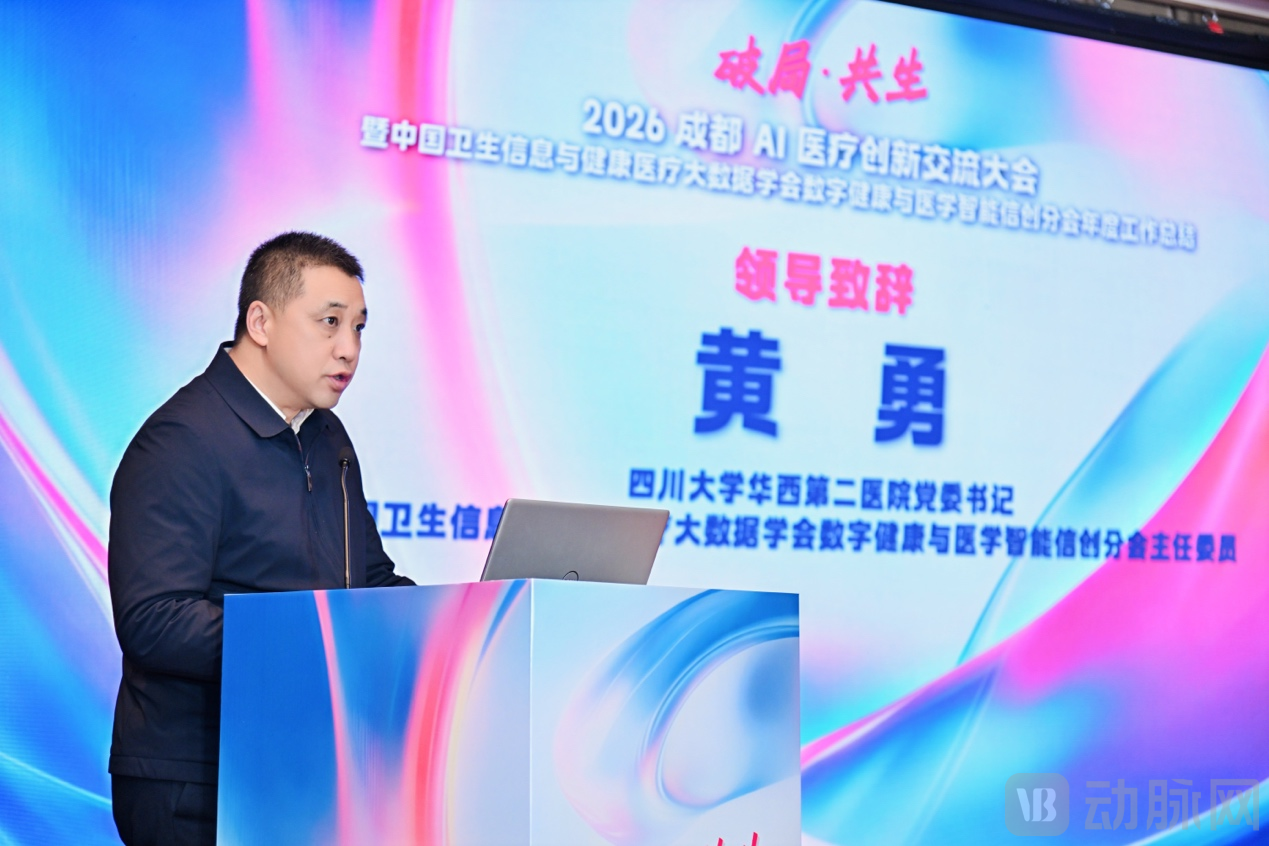
Huang Yong, Party Secretary of West China Second University Hospital, Sichuan University
Specifically, the AI practices at West China Second University Hospital of Sichuan University are underpinned by the “Huaxi Digital Medicine Large Model” as its core technological support. Independently developed by West China Second University Hospital of Sichuan University, this model integrates advanced large language models with a dynamic clinical knowledge base. It adopts a dual-path development framework of “augmentation and training + fine-tuning,” constructing a multi-layered intelligent matrix anchored by a 70-billion-parameter general-purpose medical large model, fused with 15 specialty-specific vertical models (covering pediatrics, gynecology, obstetrics, etc.) and 12 healthcare management models. This forms a technical support system encompassing 12 major categories of medical scenarios.
Leveraging the “Huaxi Digital Medicine Large Language Model,” West China Second University Hospital of Sichuan University has developed a suite of intelligent service applications, including the Huaxi Maternal and Child Digital Doctor, the patient-facing intelligent application “Huahua Assistant,” and the AI assistant “Pregnant Mom Helper” on the Huaxi Maternal and Child Health Portal. Among these, the Huaxi Maternal and Child Digital Doctor is particularly noteworthy. By deeply integrating clinical diagnostic and therapeutic knowledge with proprietary core algorithms, it enables scenario-based adaptation to real-world clinical workflows across healthcare institutions at all levels. This not only effectively addresses shortcomings such as insufficient resources and capabilities in primary care settings but also provides personalized care pathway planning and service recommendations covering the entire medical journey—pre-consultation triage, intra-consultation accompaniment, and post-consultation health management—based on patient profiling and AI-driven intelligent computation. Thus, it facilitates the rational allocation of medical resources while advancing precision medicine and personalized healthcare.
Despite achieving numerous practical results in its exploration of AI in healthcare, West China Second University Hospital of Sichuan University has not halted its efforts. Instead, it is joining hands with various industry stakeholders to press forward with determination. The two major projects officially announced at this conference serve as a testament to this ongoing commitment.
Major Announcement: How Two Key Projects Are Boosting the Development of AI in Healthcare?
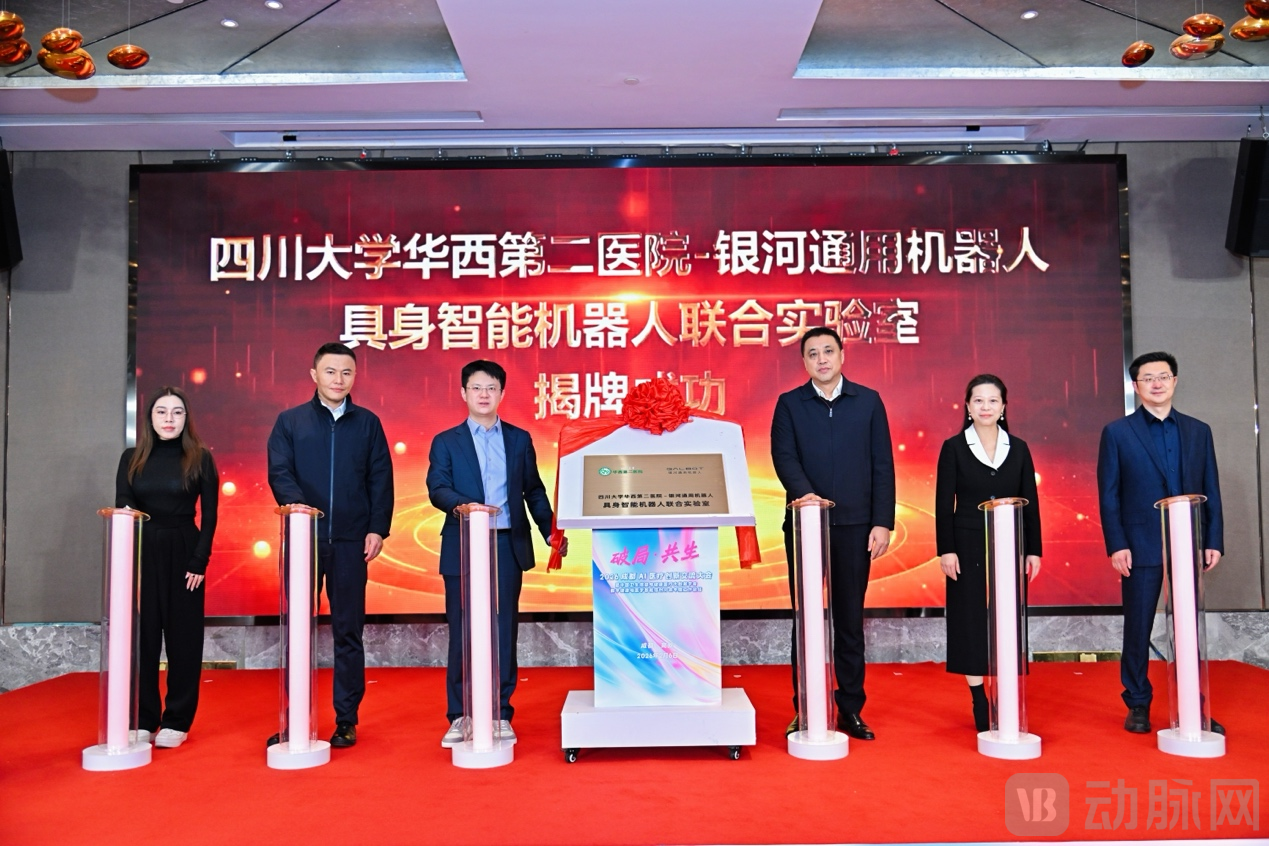
On-site at the conference,West China Second University Hospital, Sichuan University – Galaxy General Embodied AI Robot Joint Laboratory Successfully Unveiled. This joint laboratory, established through the collaborative efforts of West China Second University Hospital, Sichuan University, and Galaxy General Robotics, is dedicated to building an innovative system for “embodied AI robots + healthcare” scenarios. It is reported that the “Embodied AI Robot Joint Laboratory” will carry out full-chain collaboration in Chengdu High-Tech Zone, encompassing technological R&D, pilot-scale maturation, scenario validation, and industrial application, thereby promoting the formation of an integrated innovation ecosystem combining industry, academia, research, and application.
Thereafter,The West China Maternal and Child AI Health Eco-City, jointly initiated by the Second West China Hospital of Sichuan University in collaboration with industrial resources such as Daoyuan Capital and Yuanzhong International Co., Ltd., as well as relevant entities from Chengdu City and the High-Tech Zone, was officially launched at the event.
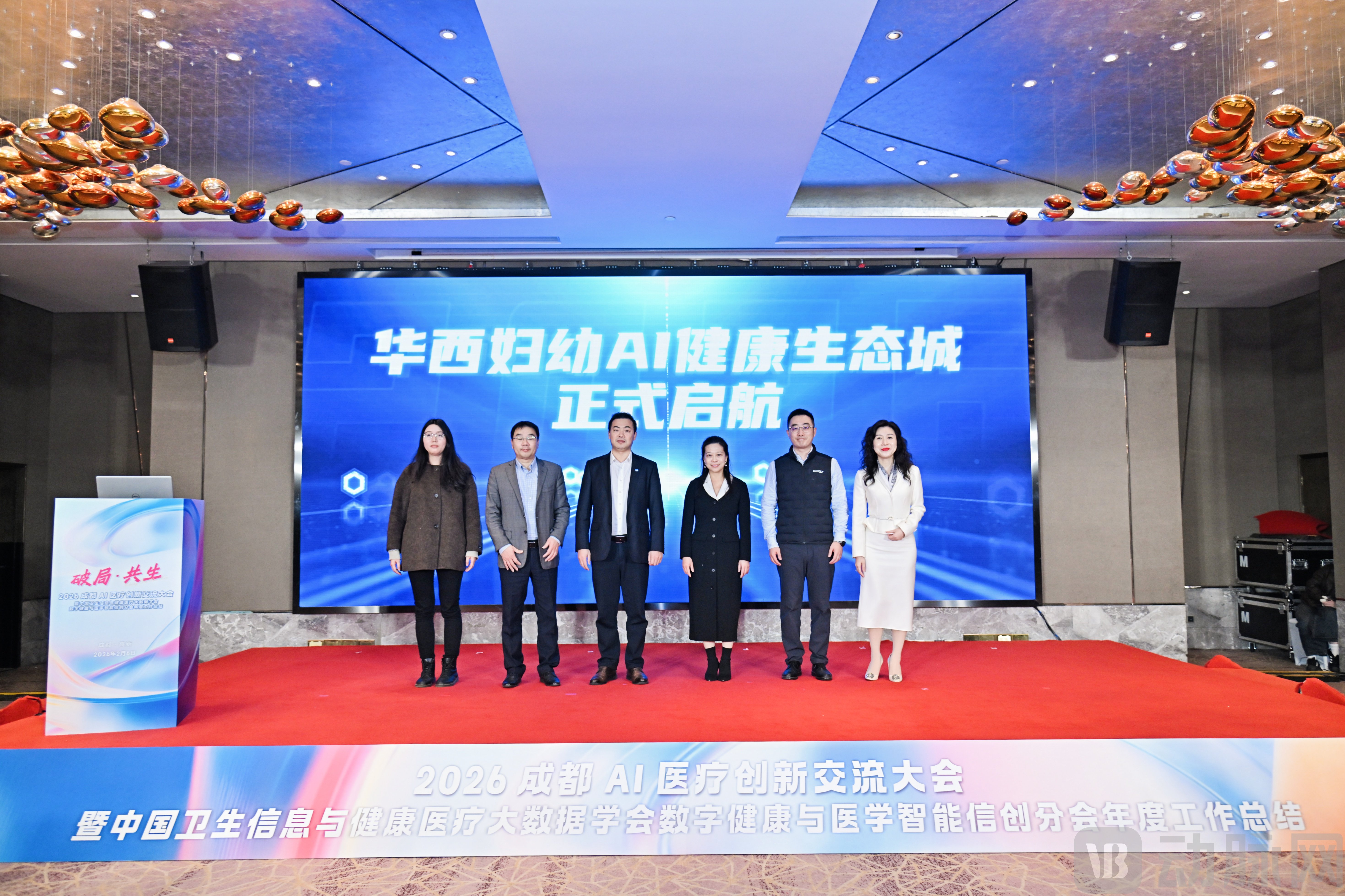
Xiao Xue, Vice President of West China Second University Hospital, Sichuan UniversityIt was stated that, with demographic shifts and the upgrading of health needs, the maternal and child health service system is facing a significant opportunity to transform from scale-oriented to refined operations, from universal coverage to personalized care, and from disease treatment to comprehensive health management. The maternal and child population requires a specialized obstetric service platform capable of meeting high-end demands, and West China Second University Hospital of Sichuan University also needs to leverage this opportunity to expand its diversified and multi-tiered supply system. To this end, the West China Maternal and Child AI Health Eco-City has been established. Driven by artificial intelligence and digital technologies, it will gather innovative elements in maternal and child health and create a precise service loop centered on the healthcare needs of mothers and children.
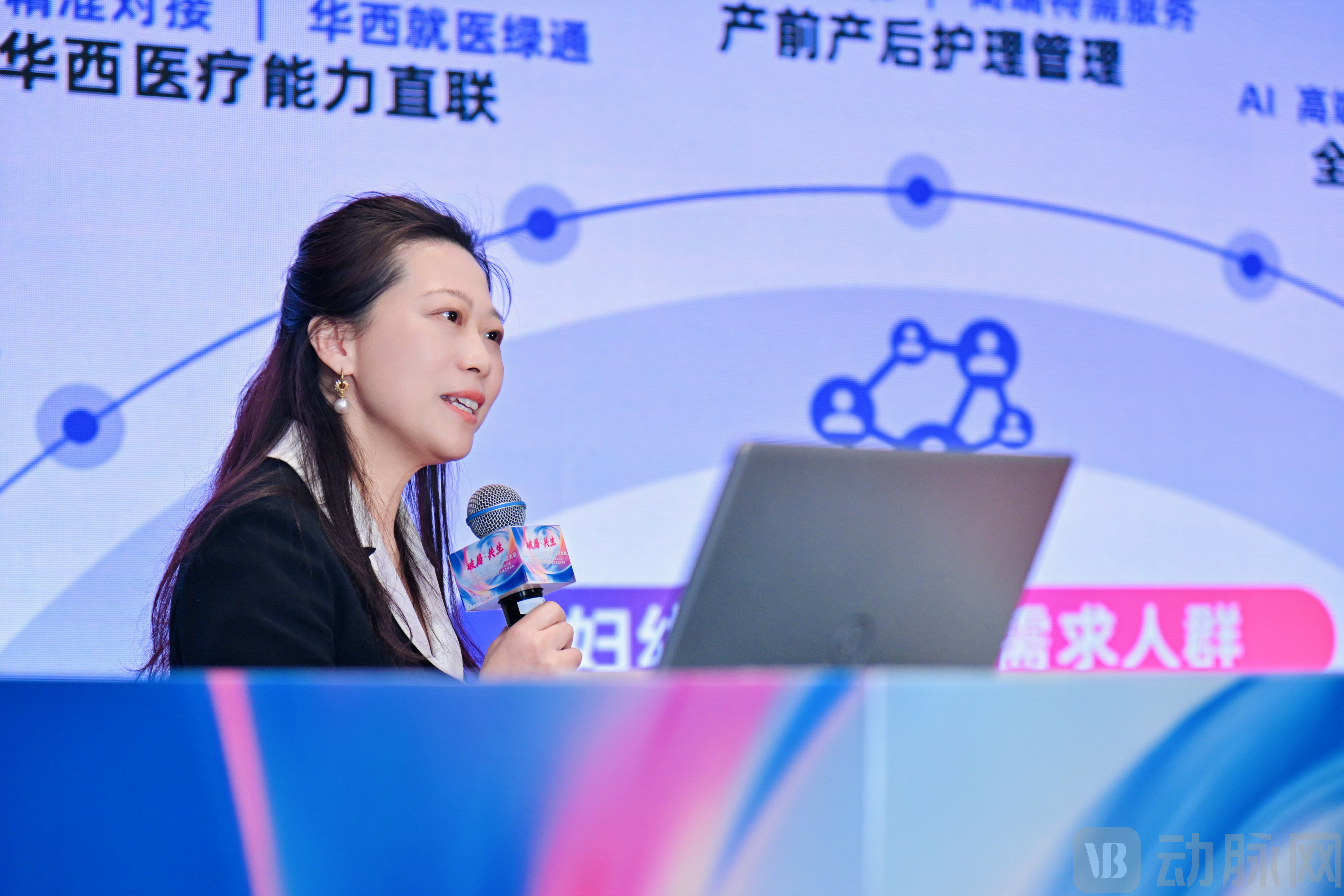
Xiao Xue, Vice President of West China Second University Hospital, Sichuan University
As the wheels of history roll forward, the advancement of AI in healthcare never ceases. It is easy to anticipate that numerous challenges and dilemmas will emerge along this journey. However, as many speakers urged during their presentations, and as demonstrated by the successful launch of two major projects at this conference, collective efforts across the industry will surely overcome these obstacles one by one. This aligns with the two key themes of this year’s conference: “Breakthrough” and “Symbiosis.” Only through close collaboration and united commitment among all industry stakeholders can we repeatedly achieve breakthroughs and ultimately realize “human-AI symbiosis” and “symbiosis among all industry participants.”