

A Spark Ignites, a Decade of Conflagration: CCI's 10th Anniversary Prospectus
Over the past decade, China’s cardiovascular medical device innovation has transitioned from following to running alongside global leaders. Amidst this profound transformation, a group of individuals chose a less-traveled path—empowering physicians to become the initiators and leaders of innovation.
In 2025, the China Cardiovascular Innovators Club (CCI) celebrated its 10th anniversary. Over the past decade, it has trained 756 participants, incubated more than 50 startups, facilitated over RMB 10 billion in financing, and seen multiple domestically developed original products approved for market launch. Behind these figures lie countless real stories of transforming fleeting ideas into tangible products.
To look back on this journey, we conducted exclusive interviews with multiple core participants of CCI—from clinician-innovators on the front lines and the earliest cohort of “Whampoa Military Academy” trainees, to the operations team working diligently behind the scenes. Their narratives piece together a decade-long panorama of physician-led innovation in China: how a single spark was ignited, how it spread, and how it ultimately grew into a prairie fire.
The following is their story.
In 2015, on a flight from Shanghai to Kunming, a sea of clouds stretched out below at an altitude of 10,000 meters.
Pan Wenzhi, a cardiologist at Zhongshan Hospital Affiliated to Fudan UniversityLeaning back in his seat, his mind was consumed by the clinical dilemma that had plagued him for years—Mitral Regurgitation. He is about to embark on a six-month counterpart support assignment in Yunnan. “Working in Shanghai usually keeps me so busy that I simply don’t have that much leisure time,” he later said in an interview.
“The patient’s valve is damaged. Can we find a better solution?” Although conventional treatment methods are well-established, as a physician, he always felt that there must be a better approach. This question, like a seed, had long taken root and sprouted in his mind.
It was during this flight that a completely new design concept gradually took shape in his mind. He envisioned a different design—Via the apex, the delivery system is simpler.But with the idea in place, how can it be turned into reality?
As a clinician, he was unsure of the next steps. Should he reach out to engineers? He had no connections there. Should he approach companies? He didn’t know whom to contact. Should he apply for funding? He lacked the necessary channels.
This is not a dilemma unique to Pan Wenzhi.
“Chinese doctors are like they’re living in an ivory tower, knowing nothing but treating patients.” Years later,Wu Yizhe, Cardiologist at Zhongshan Hospital Affiliated to Fudan University and Member of the CCI SecretariatIn the interview, the predicament faced by Chinese doctors at that time was summarized as follows: "You have ideas, but you don't know who to turn to, and there is no established methodology to guide you on what to do."
At that time in China, innovation in cardiovascular medical devices was almost entirely driven by enterprises. Companies developed new products and then engaged physicians to evaluate their safety and efficacy. Under this model, physicians served more as passive users rather than initiators of innovation.
"In many cases, companies develop a new medical device and then approach physicians, saying, 'Please try it out and let us know how it performs,' " he recalled. "This may appear to be innovation, but it has little to do with physicians, as they are not involved in the entire R&D process."
The more critical issue is that this model of “reverse engineering” or “incremental innovation” fails to truly address the core challenges in clinical practice. Physicians on the front lines of patient care have the clearest understanding of patients’ genuine needs; however, these authentic problems and demands originating from clinical settings are not effectively translated into innovative products.
It was an era before the "Spark" had been ignited.
Occasionally, a few doctors in China engage in original innovation, but such cases are extremely rare. The vast majority of doctors do not understand what innovation entails, let alone know where to begin. This was probably the case more than a decade ago,Academician of the Chinese Academy of Sciences, Professor of Cardiology at Zhongshan Hospital Affiliated to Fudan University, Ge Junbo# I've been pondering a question: "What exactly should be done to engage physicians in innovation?"Regarding this issue, Ge Junbo and hisPostdoctoral Fellow, Professor Shen Li of Zhongshan Hospital Affiliated to Fudan University(The future Secretary-General of CCI) recognized that this was not merely a technical issue, but a systemic one, requiring the construction of an entirely new ecosystem.
On September 11, 2015, at the Oriental Cardiology Conference (OCC) held in Shanghai, when Academician Ge Junbo announced the establishment of an innovation club that “does not prioritize academic status, professional titles, or the number of publications,” Wu Yizhe and others were both surprised and delighted.
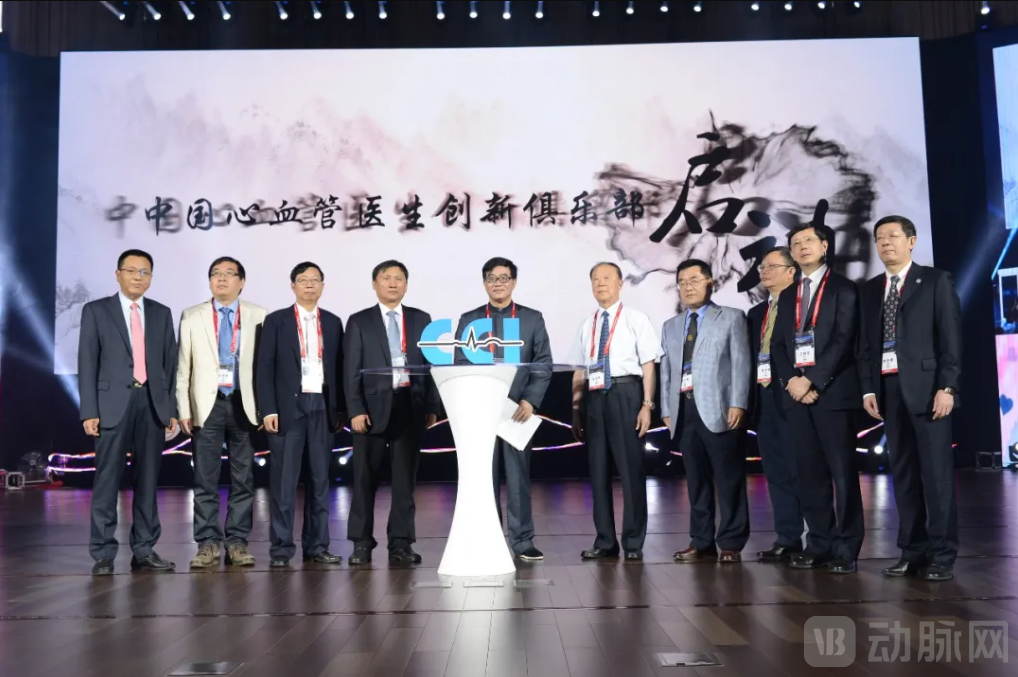
Figure: On September 11, 2015, the Center for Cardiovascular Innovations (CCI) was officially established in Shanghai
“We were particularly surprised to see the announcement of the establishment of CCI on the first version of the agenda for the Oriental Cardiology Conference,” he recalled. “At that time, hardly anyone in China had put forward the concept of ‘innovation’ and brought it into the spotlight. While many might have been engaged in innovative work, formalizing it in writing was nonexistent then.”
"Academician Ge put forward a visionary concept," he said."But we need to implement it."
"Crossing the River by Feeling the Stones"
CCI Has Been Established, but What Comes Next?
“We didn’t know how to operate the club at that time,” he admitted. “There was no successful experience in China, and we didn’t know what to do because no one had done it before—there were no precedents to follow. So we were also crossing the river by feeling the stones.”
The team at the time was somewhat "grassroots." Academician Ge, together with Professor Shen Li and several graduate students, along with a few young doctors who had recently joined Zhongshan Hospital, started from scratch.
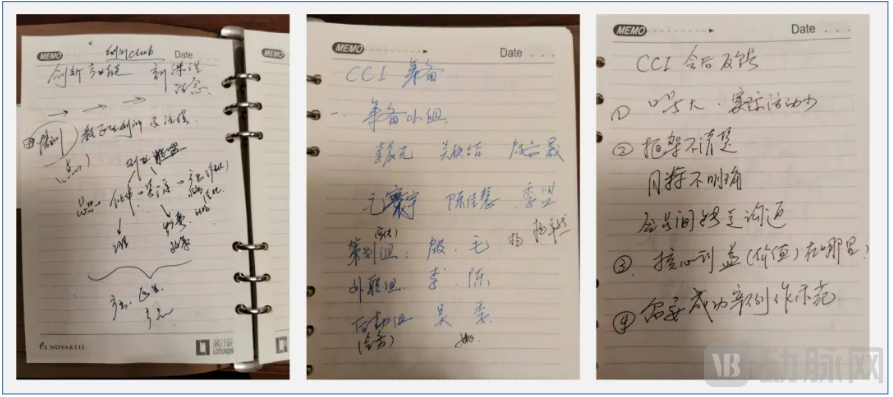
Figure: Professor Shen Li’s notes on the early planning of CCI
In early 2015, Academician Ge convened Shen Li, Li Chenguang, Wu Yizhe, and others to share his vision for establishing an Innovation Club. Although the team was still exploring what kind of platform to build, they immediately took action—visiting experts and designing the club’s organizational structure, ultimatelyShen Lei and Li ChenguangCo-drafted the initial draft of the “Founding Manifesto of the Chinese Cardiovascular Physicians Innovation Club.”
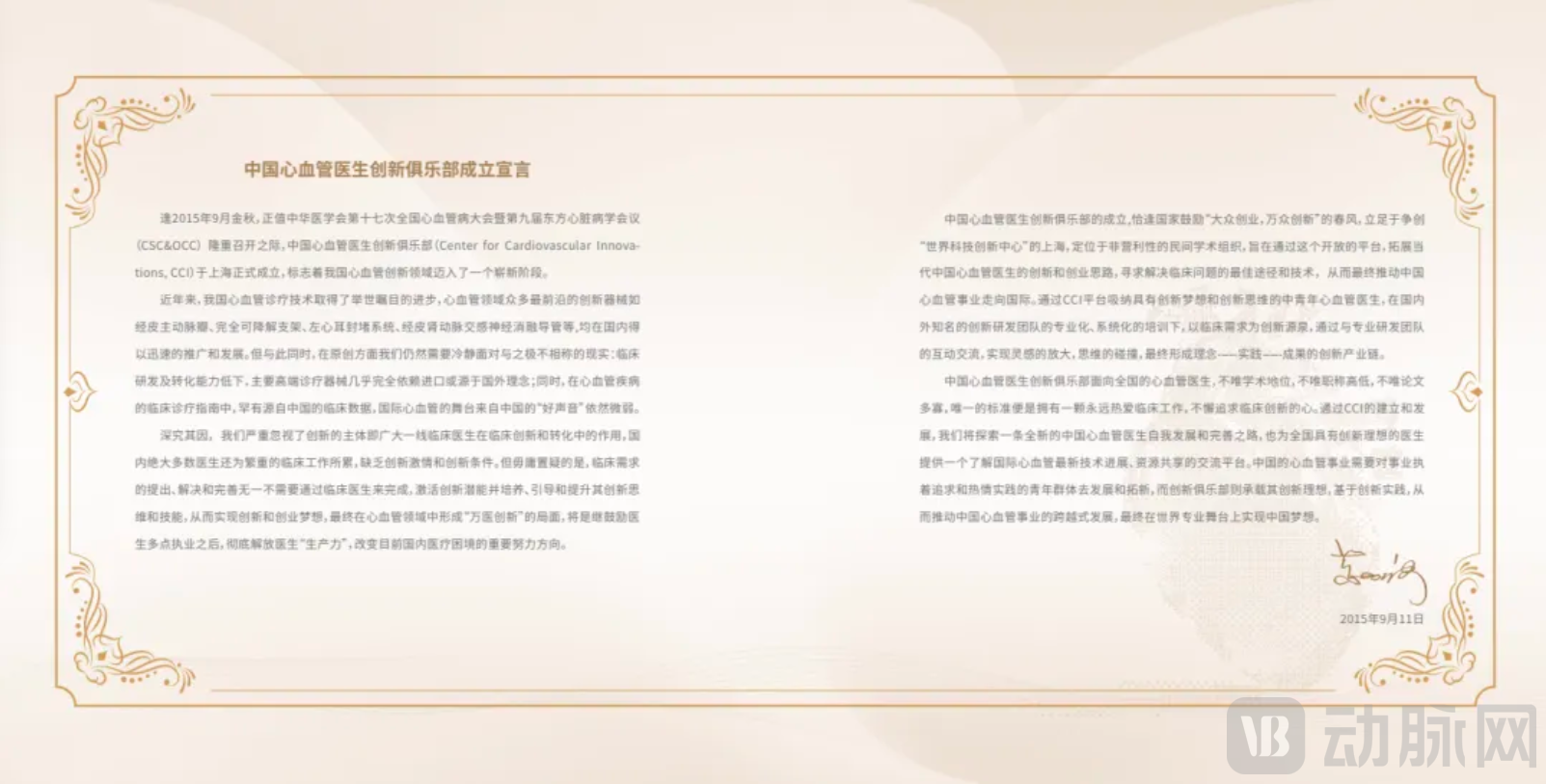
Figure: CCI Founding Declaration
“How do you invite experts? How do you establish the club’s organizational structure? How do you organize conferences?” said Wu Yizhe. “At that time, we were figuring things out as we went along. Fortunately, the inaugural ceremony held at the Oriental Congress was quite successful, marking a strong start.”
But after the club was established, greater challenges followed. Without content, it would be nothing more than an empty shell.
"The club has been established, but with no follow-up activities, it is merely an empty shell," he said. "Although our organizational structure includes some of the most renowned cardiovascular interventional specialists in China, it will not succeed without effective activities to connect them and a steady influx of new talent."
They need to find an entry point—a way that can truly help doctors achieve innovation.
"The First Class of Whampoa Military Academy"
In 2016, CCI made an important decision—Hold an innovation competition.
“We wanted to get a clear picture of the overall landscape of the industry,” said Wu Yizhe. It was the inaugural China Cardiovascular Physician Innovation Competition, held in Fenglin, Shanghai, marking the first time that any alliance or institution within the cardiovascular sector had organized such a competition.
The competition received numerous project submissions, but one issue has come to light:Most physicians lack a clear understanding of innovation; they have ideas but are unsure how to proceed.
“With competitions and projects in place, we realized that they did not have a thorough understanding of innovation.” The team began to consider, “Should we organize training sessions to translate innovative concepts and knowledge into practice, and teach them how to innovate?”
In September 2016, the CCI Innovation Academy officially launched its inaugural program and enrolled its first cohort of students.Phase I recruitment has commenced. 34 Individuals from across China.
They share a common characteristic:Passionate about innovation, bold in approach, and driven to make an impact.Among the 34 individuals, the vast majority are physicians, with very few engineers and almost no investors.
But these 34 individuals later became known as the "First Cohort of Whampoa."
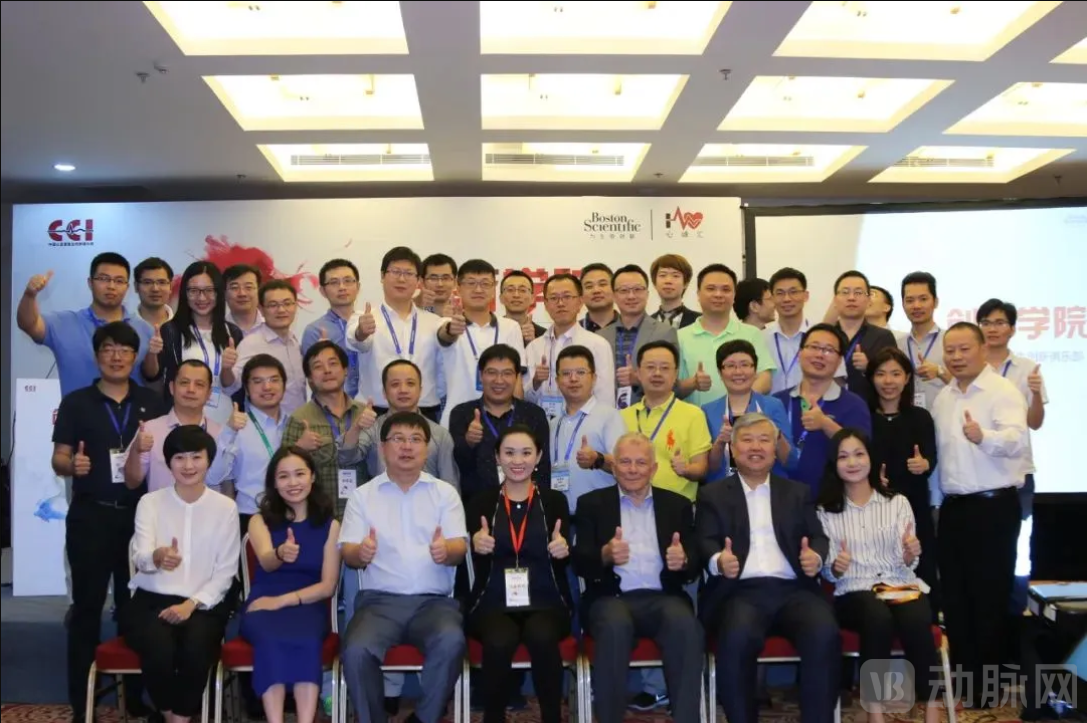
Figure: Group photo of the inaugural cohort of CCI Innovation Academy
“Just like the Whampoa Military Academy, the bond among the first cohort of cadets is forever unique,” said Wu Yizhe. “Our first-group trainees remain highly active in our group chat, and our relationships are indeed quite distinct.”
Among the 34 participants in the first cohort, there was a physician from Zhongshan Hospital, namelyPan Wenzhi. When he heard the news of CCI’s establishment, he saw hope that his innovative design for mitral regurgitation would become a reality.
"I believe that physician-driven innovation is not just a concept, but a genuine commitment to making tangible progress."Pan Wenzhi later stated in an interview.
It was this belief that led him to join the inaugural cohort of the CCI Innovation Academy. What he needed was precisely a platform and methodology capable of turning ideas into reality. In September 2016, standing at the opening ceremony of the Innovation Academy, Pan Wenzhi had no idea that his project would become, seven years later,World's First, the partner company’s valuation for this product reached a peak ofRMB 7.5 billion. (According to public reports)
Like the other 33 trainees, he waited for answers with a mix of confusion and anticipation.
"Looking back after ten years, the 34 companies in the first cohort have achieved the most remarkable results," said Wu Yizhe. "Weiguang Medical, Bodong Medical, Dingke Medical, Yingtai Medical, and Beixin Life have become well-known enterprises in the industry, while Pan Wenzhi’s developed"ValveClamp, ultimately becomingThe First Domestically Produced Interventional Device for Mitral Regurgitation Approved for Market Launch."
But in 2016, no one knew what the future would hold.
Spark Ignited
The first cohort of the Innovation Academy was launched, but operational challenges far exceeded expectations.
“At that time, we did not have a professional operations team. ‘How should we design the curriculum? How should we invite experts? How should we negotiate contracts and secure venues with hotels? Even the experts’ round-trip airfare was initially covered out-of-pocket by us, and then reimbursed by the foundation,’ said Wu Yizhe.”
During the day, secretariat members saw patients, performed surgeries, and wrote medical records; in the evenings and on weekends, they collaborated on curriculum design, liaised with experts, and prepared for events. “At that time, we worked alongside a few graduate students to carry out this initiative, helping us navigate those early, challenging years.”
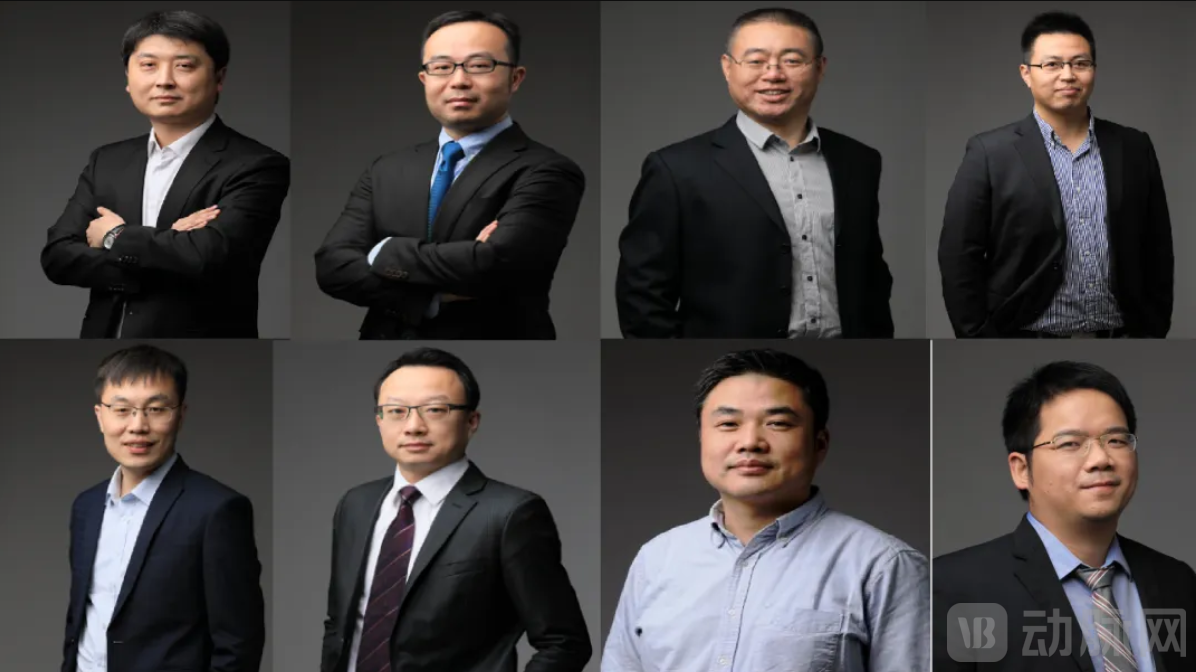
Figure: Core members of the secretariat in the early years, who dedicated their energy amidst busy schedules to maintain the daily operations of CCI
But how should the curriculum be designed? There is no standard answer to this question.
"In the first year, we followed the Biodesign framework, but our understanding of this theory was not deep enough at that time," said Wu Yizhe. "We lacked theoretical guidance."
Nevertheless, in 2016, CCI achieved a breakthrough from zero to one, establishing the club, hosting its inaugural competition, and enrolling its first cohort of students.
Also rising from the ranks of the inaugural cohort is Pei Zhiqiang, Deputy Secretary-General of CCI, affectionately known as CCI’s “elder mediator.” After graduating from the CCI Innovation Academy, he served three consecutive terms on the Executive Committee, overseeing external liaison affairs.
In his own words, it is about “building roads when encountering mountains and constructing bridges when meeting rivers,” seeking all available resources and partners for collaboration, and better integrating doctors, engineers, and investors to create an ecosystem.
The spark has been ignited. But how can it be kept burning? Greater challenges lie ahead for them.
With the concept in place, the platform established, and students recruited, a spark had been ignited. But how could this flame be kept burning steadily, or even spread further? This was the greatest challenge facing CCI in 2016.
Biodesign Methodology
In 2017, commissioned by Academician Ge Junbo and Professor Shen Li, Wu Yizhe went to Stanford University in the United StatesBiodesign Program, and conduct in-depth study of the methodology for innovation in medical devices.
Stanford University’s Biodesign Center for Innovation has a comprehensive, systematic theory of medical device innovation.“It comes with a textbook that presents a complete theoretical framework. It can systematically teach you how to start from a concept, identify clinical problems and needs, collaborate with engineers, secure investment, and transform an idea into a prototype, then into a product, and ultimately into a marketable commodity,” said Wu Yizhe.
This methodology has not only been influential in the United States but is also widely recognized globally. The Mayo Clinic, Cleveland Clinic, University of Minnesota, and Johns Hopkins University all have similar medical device innovation programs. Biodesign has also established overseas innovation centers in countries such as Singapore, India, and Japan.
A year of study helped Wu Yizhe find the answer. In 2017, after he returned to China from Stanford, the CCI Innovation Academy reached a significant turning point.
"Starting from the second cohort of the Innovation Academy, I integrated the Biodesign framework into the curriculum," he said. "Nearly all courses now have systematic theoretical underpinnings."
However, theories cannot be applied mechanically.Localization improvements must be implemented in accordance with China’s national conditions.
"We mainly made adjustments in terms of engineering translation," he explained, "because the translation environment in China is indeed quite different from that in the United States, including differences in patents, engineering, and investment paths."
Starting from the second cohort, the curriculum system of the CCI Innovation Academy gradually matured. A comprehensive methodological framework for innovation was established, encompassing clinical needs assessment, medical-engineering integration, patent protection, clinical research, regulatory affairs for registration, and market translation.
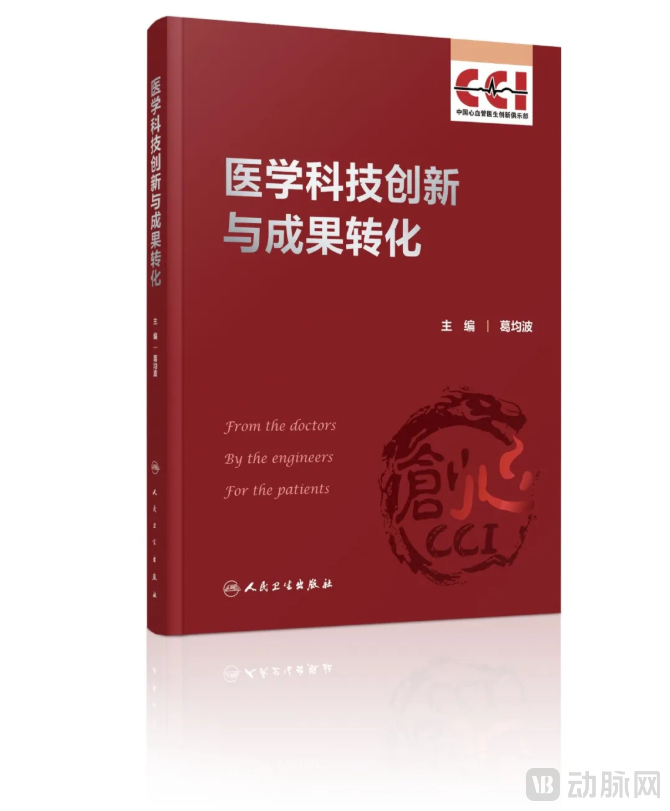
Figure: The curriculum system of the CCI Innovation Academy is gradually maturing, with CCI developing its own innovative textbooks and methodologies.
Specialized Operations
At the end of 2018,Zhang NingJoining the CCI Secretariat. Zhang Ning previously worked at the China Technology Exchange, specializing in the commercialization of scientific and technological achievements. Upon joining CCI, his first action was to review the profiles of participants and project archives from previous cohorts.
Over the course of two weeks, he identified a problem: many participants completed six theoretical lectures, yet their projects remained stuck on paper.
So, he scrapped the curriculum and started from scratch, designing a bold"3+X+3" Model。
The first three stations are for general training., thoroughly explain the innovation methodology following the framework of the Biodesign textbook.The "X" in the middle is the project review station., this is a hurdle set by Zhang Ningjia. Each participant must present a specific project proposal and pass the expert review to advance to the final three stations.The final three stations transitioned into one-on-one guidance modeled after "specialist outpatient consultations."
Missing patents for your project? Consult intellectual property experts. Lacking engineering solutions? Connect with university research institutes. Short on funding? Arrange investor roadshows. Resources are allocated precisely to address each project’s specific pain points.
This reform has transformed the teaching model of CCI Innovation Academy, shifting from mere knowledge dissemination to project-oriented, hands-on training.
He also found that the participants in the first two cohorts were almost exclusively physicians. While physicians have ideas, they lack engineering expertise; they seek investment but do not have connections with investors. In the Chinese context, innovation is unattainable for physicians working alone.
Starting from the third cohort, he adjusted his recruitment strategy:Physicians 40%, engineers 30%, corporate professionals 20%, investors 10%.This ratio, determined through repeated calculations, not only ensures a steady source of clinical demand but also establishes a closed-loop system integrating industry, academia, research, and investment.
As the curriculum system matures and the student body expands, relying solely on physicians’ spare time for operations has become unsustainable.
“It was quite demanding, but it also served as a valuable experience for me personally,” said Wu Yizhe. “As operations at the Innovation Academy gradually stabilized and were taken over by Zhang Ning’s team, my workload eased, allowing me to focus on more pioneering initiatives.”
In 2019, the operational execution of the CCI Innovation Academy was formally handed over to Zhang Ning’s team. The Secretariat shifted its focus toward more strategic decision-making and the construction of the CCI ecosystem. In the same year, CCI and Boston Scientific jointly established"Cardiovascular Center of Excellence and Innovation", began to systematically incubate student projects.
The sparks not only spread but also began to ignite flames in certain areas.
From 34 People to Hundreds
From 34 participants in the inaugural cohort of 2016 to the fourth cohort in 2019, the CCI Innovation Academy has cumulatively trainedNearly 200 peopleCCI was not content with classroom training and began to expand its outreach.
“Starting from the fourth and fifth editions, our Innovation Academy has been making continuous minor adjustments and innovations,” said Wu Yizhe. “This includes annual activities such as visits to universities and research institutes.”
The purpose of these activities is clear: to expose physicians to more “cutting-edge technologies.” Universities and research institutes possess numerous technologies that may not be prioritized for commercialization; however, in-depth exploration may reveal that certain technologies are well-suited to address clinical challenges.
CCI also organizes site visits to enterprises, creating more opportunities for dialogue between physicians and engineers. Meanwhile, investors are invited in to brief physicians on the practical challenges of entrepreneurship.
“These are all things that clinicians do not normally have access to,” said Wu Yizhe."Without venturing out, you would never realize the vast resources and possibilities available beyond."
During the first three cohorts, admission was virtually guaranteed upon registration, placing significant pressure on recruitment efforts. However, the situation reversed starting with the fourth cohort. The program coordinators responsible for admissions at the School of Innovation frequently fielded numerous inquiry calls, and enrollment slots at the School of Innovation became highly sought-after each year.
The quality of participants has also been continuously improving. In the first cohort, most attendees were physicians from local hospitals. In later cohorts, the roster featured increasingly impressive credentials, including department heads from Grade 3A hospitals, technical directors of publicly listed companies, and partners from renowned investment firms.
More importantly, the influence of CCI has begun to extend beyond the cardiovascular field.
"Although CCI is called the China Cardiovascular Physicians Innovation Club, we also recruit physicians from other specialties," said Wu Yizhe. "Occasionally, anesthesiologists, orthopedic surgeons, and neurologists join us. Although their numbers are small, we see the potential for cross-disciplinary expansion."
Over the past four years, the CCI Innovation Academy has grown from scratch, evolving from chaos to order and from exploration to maturity. Its curriculum system has been established, its operational model has matured, student quality has improved, and projects have begun to be incubated.
“Those scattered sparks began to coalesce into a sheet,” Zhang Ning said in an interview. By the end of Phase IV, CCI had filed for patents.Over 100 Items, Incubated Projects30+, several projects have alreadyEnter the clinical trial phase。
An ecosystem is beginning to take shape: physicians are developing an innovative mindset, engineers understand how to collaborate with clinicians, investors are turning their attention to early-stage projects, and companies are willing to support physician-led innovation...
“If the first four years saw CCI crossing the river by feeling the stones, a clear path is now emerging,” said Zhang Ning.
The spark of innovation has begun to spread into broader fields. And the true turning point is just around the corner.
In 2019, the turning point arrived.Starting from this year, CCI accomplished three major initiatives.
First, jointly establish the Cardiovascular Excellence Innovation Center with Boston Scientific,Dedicated to Incubating Student Projects. With the accumulation from previous cohorts, the number of student projects has continued to grow, yet they lacked systematic incubation support. The establishment of the Center for Excellence in Innovation has provided these projects with the momentum needed for systematic advancement.
Second, establish an animal experimentation center.Many projects get stuck at the animal testing stage; they have ideas and initial funding but struggle to find a suitable animal center for proof-of-concept studies. In October 2021, CCI established its own animal center in Jiading, Shanghai, equipped with a professional experimental team and facilities.
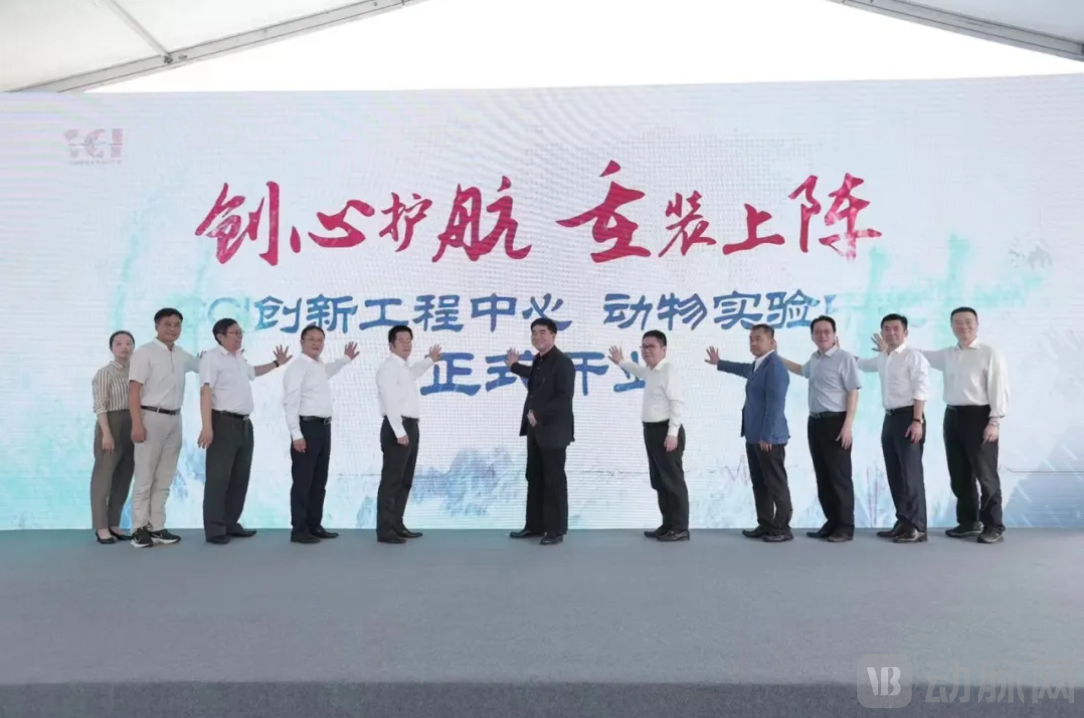
Figure: The CCI Innovation Engineering Center/Animal Experiment Center was established in Shanghai on October 10, 2021
Third, in collaboration with the Suzhou Municipal Government, establish the Oriental Medical Device Innovation Center.This is the final piece of the puzzle for project implementation, with R&D conducted in Shanghai and industrialization carried out in Suzhou at a later stage.
A complete innovation ecosystem has taken shape. Within this ecosystem, real-life stories of innovation are unfolding.
Eight-Year Marathon
In 2023, Pan Wenzhi’s ValveClamp project was finally launched on the market.
From initially contemplating this issue in 2012, to joining the inaugural cohort of CCI in 2016, and ultimately to the product’s market launch in 2023,A full 11 years.
"These 11 years have been like a marathon," said Pan Wenzhi in an interview. "There have been peaks and valleys, moments of passion as well as aesthetic fatigue."
ValveClamp is an interventional device for the treatment of mitral regurgitation.Prior to this, products on the market all featured a “clip” structure, whereas Pan Wenzhi envisioned a “valve” structure, akin to installing a new switch for a damaged valve.
"This idea came to me in 2015 while I was traveling to Yunnan for medical aid," Pan Wenzhi recalled in an interview. "At that time, we couldn't manufacture complex catheters domestically. No problem—I opted for the transapical approach, which can be performed without such sophisticated catheters. I completed a basic design right there on the plane."
The idea is there, but the road from concept to product is still long.
“CCI provided me with something very important: a systematic methodology,” said Pan Wenzhi. “Previously, I had ideas but didn’t know how to implement them. At CCI, I learned how to translate clinical problems into engineering challenges, how to communicate effectively with engineers, and how to strategically plan patent portfolios.”
Patent applications, team building, prototype development, animal studies, clinical trials... Every step is fraught with challenges.
"We conducted more than 30 animal experiments, each time adjusting the design based on the results," said Pan Wenzhi. "Sometimes even a minor change required us to start over from scratch."
The most challenging part is clinical trials.“Patient recruitment, data collection, and safety assessment—every step must be error-free,” said Pan Wenzhi. “For a period of time, I was commuting between the hospital and the company almost every day.”
In 2023, ValveClamp finally received approval for market launch, becoming the first domestically produced interventional device for mitral regurgitation to be approved in China, thereby breaking the foreign monopoly.According to public reports, Hanyu Medical’s valuation once reached RMB 7.5 billion due to this product, and the company filed for an IPO on the STAR Market.
This case serves as the best testament to CCI’s “A Single Spark Can Start a Prairie Fire” initiative. Pan Wenzhi’s story is just one among countless tales of innovation over the past decade.
A Decade-Long Ecological Landscape
Over the past decade, a single spark has ignited a prairie fire.
From 2015 to 2024, the CCI Innovation Academy held 10 sessions, cumulatively training756 trainees, incubation50+Enterprises, LeverageOver RMB 10 Billion in Financing, multiple products have been launched or entered clinical trials.
2019 was a watershed year.The first four sessions of the CCI program trained nearly 200 participants, averaging 50 per year. In the subsequent five sessions, 556 new participants were enrolled, averaging over 110 per year, with a growth rate more than double that of the earlier period.
This is no coincidence. As the curriculum system has matured, operations have been managed by a professional team, and brand influence has expanded, CCI has entered a period of explosive growth.
“The first three cohorts were primarily composed of physicians. Starting with the fourth cohort, we consciously adjusted the participant structure,” said Zhang Ning. “The current mix of participants—physicians, engineers, corporate representatives, and investors—is gradually becoming more balanced.”
Among these 756 individuals are physicians, engineers, corporate professionals, and investors from across China. Some work at top-tier hospitals, while others serve in primary care institutions. Some are employed by industry-leading enterprises, while others are with start-ups.
These 756 individuals have also formed an ecosystem, with increasing collaboration among participants. He said, “As long as you plant the seeds and connect with like-minded people, sparks will ignite at some point in the future.”
In 2021, CCI took a significant step forward, expanding its focus from cardiovascular to pan-vascular health.
Academician Ge holds a philosophy: the treatment approaches for blood vessels in the human body are largely similar. Cardiovascular, cerebrovascular, and peripheral vessels are all blood vessels; the principle is simply to unclog blockages and repair ruptures, with underlying technical principles being interchangeable.
This means that the innovative methodologies and resource networks accumulated over a decade in cardiovascular care can be transferred to fields such as neurointervention and vascular surgery.
In October 2021, CCI collaborated with experts in the field of neurointervention to enroll its first cohort of non-cardiovascular trainees, marking a transition from cardiovascular to pan-vascular medicine.
“We are conducting training on medical device innovation in collaboration with neurointervention, vascular surgery, and nephrology,” said Wu Yizhe. “We aim to extend CCI’s successful experience to our partner departments.”
“Stones from other hills may serve to polish the jade,” he said. “Many neurointerventional devices are adapted from cardiology, including balloons, catheters, and guidewires. Conversely, experiences in neurointervention can also offer us valuable insights.”
In 2022, CCI, in collaboration with the Oriental Cerebrovascular Innovation Club (OCI) and the University of Shanghai for Science and Technology, jointly established the Oriental Pan-vascular Device Innovation Academy (OPIC), marking another extension and upgrade of the CCI innovation ecosystem.
It is worth noting that, in this process,Pei ZhiqiangOnce again, he took the initiative and volunteered to step forward, devoting significant effort to every stage—from early-stage communication and coordination to the establishment and implementation of the college. Just as he did in his previous external liaison roles, he meticulously coordinated resources one by one and drove each task to completion.
From cardiovascular to pan-vascular, from CCI to OPIC, Pei Zhiqiang’s “pioneering through every obstacle” has never ceased. This time, he alsoTransitioning from a pure clinician to a full-time promoter of translational research.
Underpinning this smooth development is a comprehensive system.
“Academician Ge has always emphasized one word to everyone—System.“At first, Zhang Ning did not understand: Isn’t the commercialization of scientific and technological achievements simply about helping projects reach implementation? Later, he gradually came to realize:”Systems are eternal; once established, they generate a continuous stream of momentum.
This system encompasses multiple levels:
· Training System— CCI Innovation Academy’s 3+X+3 Model: A Systematic Curriculum Taught by Leading Industry Experts.
· Incubation System—End-to-end support, from proof of concept to prototype development, from animal studies to clinical trials, and from fundraising matchmaking to commercialization.
· Research System——White papers, textbooks, and industry reports, continuously delivering knowledge.
· Platform System—Animal Center, Suzhou Innovation Center, and OPIC Academy provide infrastructure.
· Ecosystem—Doctors, engineers, enterprises, investors, and the government form a closed loop.
Within this framework, another critical point is the indispensable role of long-term support from the industry. Boston Scientific serves as a prime example.Since the inception of CCI in 2015, Boston Scientific has been a steadfast partner, maintaining an unbroken presence for ten years.Whether through curriculum support at the Innovation Academy or facilitating connections with industry resources, Boston Scientific has consistently acted as a “long-term partner,” deeply engaging in the development of the CCI innovation ecosystem. This sustained commitment from the industry provides an irreplaceable foundation for physician-led innovation, enabling ideas not only to take root but also to connect with real-world industrial resources and engineering capabilities.
Therefore, who succeeds and when they succeed may be a matter of chance. However, once the system is established, it is inevitable that a group of people will achieve success.
Over the past decade, this system has been continuously refined and evolved.
From a single spark to a prairie fire: Over the past decade, CCI has proven that as long as the system endures, the flame will never die out, and the grasslands will inevitably blaze.
Beyond the Significance of Numbers
Ten years ago, Academician Ge Junbo led a group of young physicians around him to ignite a single spark. A decade later, that spark has grown into a vast prairie fire. Yet the significance of CCI extends far beyond these numbers and products.
More importantly, CCI has provided the initial spark for physician innovation.
Today, the influence of CCI is evident in the vast majority of technology transfer institutions, whether in their training models, curriculum design, or incubation processes. Some institutions have even directly adopted CCI’s “3+X+3” model. CCI has become the benchmark for the entire medical innovation industry, serving as a reference, a learning resource, and a model for emulation.
More importantly, CCI has changed the destinies of many people.
Some individuals, without the Clinical Career Innovation (CCI) framework, might remain marginalized within hospitals throughout their careers—unsettled with purely clinical roles yet uncertain about alternative paths, potentially even unable to sustain their positions in hospital settings.
But thanks to CCI, they have found their direction and realized their value. There are also those invisible changes. A physician has come to understand what innovation truly entails; an engineer has learned how to collaborate with physicians; an investor has begun to focus on early-stage projects; and a company has become willing to support physicians’ ideas…
Before 2015, physician-led innovation was mainstream. In many hospitals, physicians engaging in innovative activities were often viewed as “neglecting their proper duties.” After 2015, CCI provided a haven for these “non-mainstream” individuals, revealing that there were indeed many others across China who, like myself, were unwilling to confine themselves solely to clinical practice and aspired to pursue something different.
After 2019, driven by national policies, medical innovation became mainstream. CCI transformed from a "safe haven" into a "benchmark and model."
However, after the wildfire spread, challenges emerged.
“Honestly, there’s little left to innovate in cardiovascular medicine.” This is a sentiment frequently heard within the industry in recent times. Stents, balloons, valves, occluders… all the necessary devices are already available; what remains is merely continuous optimization.
But having nothing to do is, in fact, the beginning of having something to do. Push forward a little harder, and you will reach a new stage.
What is the new stage? It is more aboutInnovation in Foundational Technologies. In the past, the focus was on improving tubing to make catheters more user-friendly and stents more compliant. But now, we should consider:Can treatment approaches be modified at the source?For instance, replacing stents with gene therapy, repairing heart valves through regenerative medicine, and using AI to predict vascular lesions in advance...
This represents a more challenging form of innovation and a more valuable direction. It requires deeper collaboration between physicians and engineers, more cutting-edge technologies, and a longer time horizon.
Another challenge is:How to Extend CCI’s Experience to More Fields?
“There are many big bosses in the cardiovascular field who want to build innovation platforms,” said Zhang Ning."This requires two conditions: one is having a pivotal figure like Academician Ge, and the other is having a team for concrete implementation."
Both conditions are indispensable, yet difficult to replicate.
Nevertheless, over the past decade, a single spark has ignited a prairie fire. Pioneering efforts continue, but before we look to the future, one question deserves an answer:Why CCI?
Like sparks, some have been extinguished while others have ignited a prairie fire. Looking back over the past decade, those who experienced CCI firsthand have all arrived at the same answer—
"Human Harmony."
Success in individual projects is accidental, but success of the system is inevitable, and the core of the system lies in human harmony.
The success of CCI is, first and foremost, a result of the “right people” doing the “right things” at the “right time.” But who are the “right people”? Why were they able to come together and persist for a decade?
Consensus on Concepts
The primary element of harmony among people is a consensus on philosophy.
In 2011, when the Ministry of Industry and Information Technology asked Academician Ge Junbo, “How should physicians pursue innovation?” he began to reflect on this question. Four years later, he provided his answer:Establish CCI to empower physicians as the driving force behind innovation.
"From the doctors,by the doctors,for the doctors"—This is the slogan Ge Junbo has set for CCI, and it also constitutes the spiritual core of CCI.
Academician Ge is a visionary; more importantly, he can distill complex concepts into concise and powerful expressions.
“Barometer of Medical Innovation,” “Ranking of Medical Innovation”—these concepts were all proposed by him. He has the ability to distill seemingly disparate elements down to their most essential core.
Academician Ge has a deep passion for wuxia literature, particularly the works of Jin Yong. This has instilled in him a profound sense of patriotism and chivalry, driving him not by personal fame or gain, but by a sincere commitment to creating opportunities and paving the way for the industry and the younger generation.
This sentiment has inspired those around us. Like-minded colleagues and partners... These individuals have come together not for profit, but because they resonate with this spirit.
It is precisely this clear vision and genuine passion that brought together the first group of like-minded supporters.
Each Fulfilling Its Own Duties
The second element of "Ren He" is for each individual to fulfill their respective duties and leverage complementary strengths.
Academician Ge is the patriarch and president of CCI. He sets the overarching direction, provides ample space for everyone to grow and thrive, and refrains from intervening in specific operational matters.
The Secretariat team is responsible for implementing the overarching strategic direction.When the CCI was established in 2015, Shen Li became its Secretary-General, a position he held for ten years. This team has been most deeply engaged in the overall operations and future development of the CCI.
Academician Ge stated, “We need to advance toward pan-vascular medicine.” In response, the Secretariat must consider: How should we proceed? Which experts should we engage? How should the curriculum be adjusted? It then breaks down the overarching direction into actionable, discrete objectives and assigns them to the team.
The work intensity of the core members of the Secretariat is staggering. Some divide their day into five or six segments: arriving at the hospital at 6 a.m. to perform surgeries that last the entire day, returning to the office in the evening to handle affairs for the National Clinical Medical Research Center, and addressing CCI-related matters late at night, often working until after 1 a.m. Weekends are spent traveling to other cities to provide support at local hospitals... By 6 a.m. the next day, they are back in the operating room, right on schedule.
In the early days, the young members of the Secretariat shouldered the bulk of the operational workload for the CCI Innovation Academy, proving themselves to be a group of the most resilient pioneers—designing curricula, inviting experts, renting venues, booking hotels, and purchasing air tickets, handling every detail personally.
"CCI: Innovate or Regress. The Innovation Academy updates nearly 30% of its course content annually."This is the goal set by the Secretariat for itself.
In 2018, the addition of a professional technology transfer team propelled CCI into a new phase. The Zhang Ning team also undertook another initiative:Modularize the process of translating research outcomes into practical applications."Identify Problems → File Patents → Build Prototypes → Secure Investment → Commercialize and Implement," with the required resources, potential obstacles, and relevant partnering institutions listed under each step. This process resembles a production assembly line, where every stage can be broken down, quantified, and optimized.
Around 2021, Zhang Ning’s team was further strengthened, and the specific operational tasks of the Innovation Academy were assigned to dedicated “class managers.” Responsibilities such as student recruitment, course organization, mentor coordination, student services, and project matchmaking were both meticulous and critical.
For each cohort of graduates, the WeChat group remains active for years. At 1 a.m., a doctor might still post in the group, “Does anyone know a supplier for balloon catheters?” Within five minutes, three or four people respond. On weekends, when someone shares a newly granted patent, the group fills with congratulations.
This sense of belonging is something that other training programs do not offer.
Over the past decade, the team itself has evolved into an "ecosystem." It includes visionaries who set the strategic direction, managers who ensure execution, pioneers who expand new frontiers, specialized teams proficient in translation and commercialization, and class teachers who work diligently behind the scenes... Each member plays an irreplaceable role in their respective position.
Shared Beliefs
The third element of "Ren He" is shared belief.
“Why have these people been able to come together and persist for ten years?” This is a question many people ask.
The CCI Secretariat has an unwritten rule:"Get things done first, and we'll talk about the rest later."
This group operates on the ethos of, “Brothers, let’s do something together—do you agree? If so, let’s get to work.” What drives them is a shared conviction: that their endeavor is right and contributes positively to the industry.
Some team members have spent over a decade in technology transfer, witnessing countless projects falter midway and promising ideas fade into obscurity. In this field, efforts often go unrewarded. Yet they remain convinced that if the work is right, it will eventually yield appropriate returns.
During each enrollment season, the operations team works overtime nearly every weekend. Hundreds of application forms must be reviewed one by one: Is this physician’s project credible? Is that engineer genuinely seeking a career transition into healthcare, or merely looking to “pad their resume”?
Through this workflow, some team members who initially knew nothing about cardiovascular science have gradually grown into “semi-experts” capable of discussing valve design with physicians and material selection with engineers. Now, they can assess the translational potential of an idea simply by reviewing a project proposal.
It is precisely this belief in “getting things done right first” that has enabled the team to persevere for a decade. This same belief has also fostered a distinctive team culture.
Democratic Atmosphere
The fourth element of harmony is a democratic atmosphere.
"We are not an organization with a rigid hierarchy," said a member of the Secretariat. "Everyone is encouraged to speak freely and bring forward ideas for discussion."
The Secretariat maintains a WeChat group that is bustling with activity every day. One member proposed, “Should we add a dedicated AI session to the 10th edition?” while another questioned, “Is the schedule for mentors too intensive this time?”
With no hierarchy and no taboos, everyone speaks freely. This atmosphere fosters a sense of ownership in each individual, motivating them to contribute to CCI.
The management team of the Secretariat shapes this atmosphere. They are inclusive and never react with anger to questions or challenges. Their execution is highly efficient, with initiatives launched the very next day after decisions are made. Their goals are clear, providing a well-defined direction for each step forward. Even more remarkable is their perseverance: for ten years running, they have successfully balanced their core responsibilities with their work for CCI.
This inclusiveness and perseverance have also shaped CCI’s culture.
"A Spark Ignites a Prairie Fire: A Decade of Transformation."
756 trainees, over 50 companies, and more than RMB 10 billion in financing—this is part of the answer sheet. More importantly, these “igniters” have pioneered a method to turn a single spark into a prairie fire.
Innovative Methodology
"Mastering the correct methodology makes innovation less difficult."said Wu Yizhe.
"The questions must be authentic and universally applicable."Pan Wenzhi said.
Not all clinical questions are worth solving,Identifying the Real Problem Is the Starting Point of Innovation. After identifying the real problem, the design of the technical solution is equally critical; it must be innovative rather than merely incremental, yet remain practical and implementable without being overly ambitious.
"Intellectual property strategy must take the lead. 'Patent planning should commence at the project initiation stage, rather than waiting until the product is developed to file applications,' said Pan Wenzhi. The patents for ValveClamp were secured during the initial design phase."
This was followed by a lengthy and rigorous validation process. Yet the greatest challenge likely lay in fostering mutual understanding among team members. “Different stakeholders must understand one another and seek the greatest common divisor,” said Pan Wenzhi. “It is an ongoing journey.” Doctors, engineers, and investors each have distinct mindsets and priorities; enabling them to communicate on the same wavelength is itself an art.
After eight years of practice, Pan Wenzhi has distilled this methodology into"Six Golden Rules", namely:
· Clinical needs must be genuine and universal;
· The technical proposal must be innovative and feasible;
· Intellectual property protection requires advance strategic planning;
· Animal experiments must be rigorous, and data must be robust;
· The design of clinical trials should be scientific and reasonable;
· In team collaboration, we must foster mutual understanding and seek the greatest common ground.
“These insights were not directly taught to me by CCI; rather, I distilled them through continuous practice on the CCI platform,” said Pan Wenzhi. “But without CCI, I might never have found this path.”
Pan Wenzhi’s experience demonstrates the power of the CCI methodology in practice. However, implementing this methodology also requires operational wisdom.
CCI has a somewhat paradoxical practice:Free for physicians, but with stringent admission criteria.Physicians are already burdened with heavy workloads; therefore, the barrier to engaging in innovation must not be set too high. As such, physician participants will always enjoy free access—a benefit extended to the medical community.
But free does not mean easy to get in. For example, the Innovation Academy planned to enroll 88 students in 2025, but the operations team’s computer was piled with more than 500 application forms.
Each document must be carefully reviewed:Is this idea addressing a genuine problem or merely a pseudo-demand? Is this doctor driven by a fleeting interest, or has he demonstrated true persistence for several years?
One application was particularly impressive. A physician from a prefecture-level city hospital, which was not widely renowned, provided a detailed account in his application of how he had improved a small catheter fixation device over the past three years. He included more than a dozen sketch iterations and documented hundreds of tests.
This unpretentious perseverance has touched everyone.
Even after admission, the screening process continues. Through the project review stage, out of 30 submitted projects, the expert panel selects approximately 10 for priority incubation. The remaining projects are not abandoned, but there is a clear bias in resource allocation. This high standard ensures both the quality of participants and the brand reputation of CCI.
However, CCI never evaluates trainees based on "conversion success rate."
Medical device innovation takes a few years at best, and over a decade at worst. It is impossible to bring a project to successful market launch through just six courses and nine months of study. Therefore, CCI’s evaluation criteria are more moderate and pragmatic.
Level 1: Understanding the logic and methodology of innovation, and knowing how to proceed—this is progress.
Level 2: Identifying the core problem, drafting high-quality patents, and developing a comprehensive project plan—this constitutes success.
The third level involves the actual implementation and commercialization of projects, as well as product launches. While this is certainly the ideal outcome, it serves as an added bonus rather than the sole criterion.
Notably, many CCI alumni have returned to their hospitals to lead technology transfer offices. By applying the methodologies they acquired, they help more colleagues achieve innovation. Once the seeds are sown, they will inevitably sprout at some point.
Beyond methodology and operational wisdom, continuous iteration is another secret to CCI’s vitality.
"We innovate 30% of our content every year," said Wu Yizhe. "It would be boring if we delivered the same material every year."
After a decade of pioneering efforts, the methodology developed by CCI is not a mere replication of foreign experience, but an innovation tailored to China’s national context. While medical innovation abroad relies more on the integration of industry, academia, and research, with companies, universities, and research institutes advancing collaboratively, CCI has chosenPhysician-driven, directly addressing the root causes of clinical problems.This is the first difference.
The second difference lies inBusiness Model.CCI remains free of charge for physicians, reflecting its public welfare nature. With support from enterprises and the government, it has established a sustainable operational model. CCI has found a balance between public welfare and sustainability.
The third difference isService Depth. While many training programs focus solely on instruction, CCI provides end-to-end support spanning the entire journey from concept to product development and market launch. We not only teach you how to do it but also work alongside you every step of the way.
The fourth difference isEcological OperationCCI is not just a training program, but an ecosystem. Doctors, engineers, investors, government bodies, and research institutions form a closed loop, supporting each other.
This is a model unique to China,It may not be the best, but it is the most suitable for China.。
This path can ignite a prairie fire from more sparks.
The Next Decade
In an interview in early 2026, Pan Wenzhi recalled that flight from more than a decade ago. Now, as the Head of the Technology R&D Department of the CCI Executive Committee, he helps more physicians realize their dreams.
“Without CCI, my ideas might have remained forever in my mind,” said Pan Wenzhi. “Now, I hope to help more people turn their ideas into reality.”
This is one of the 756 individuals whose CCI has changed. But 756 people are not enough. The pioneering efforts continue, expanding from cardiovascular to pan-vascular fields, from device innovation to breakthroughs in foundational technologies, and reaching from these 756 individuals to millions of physicians...
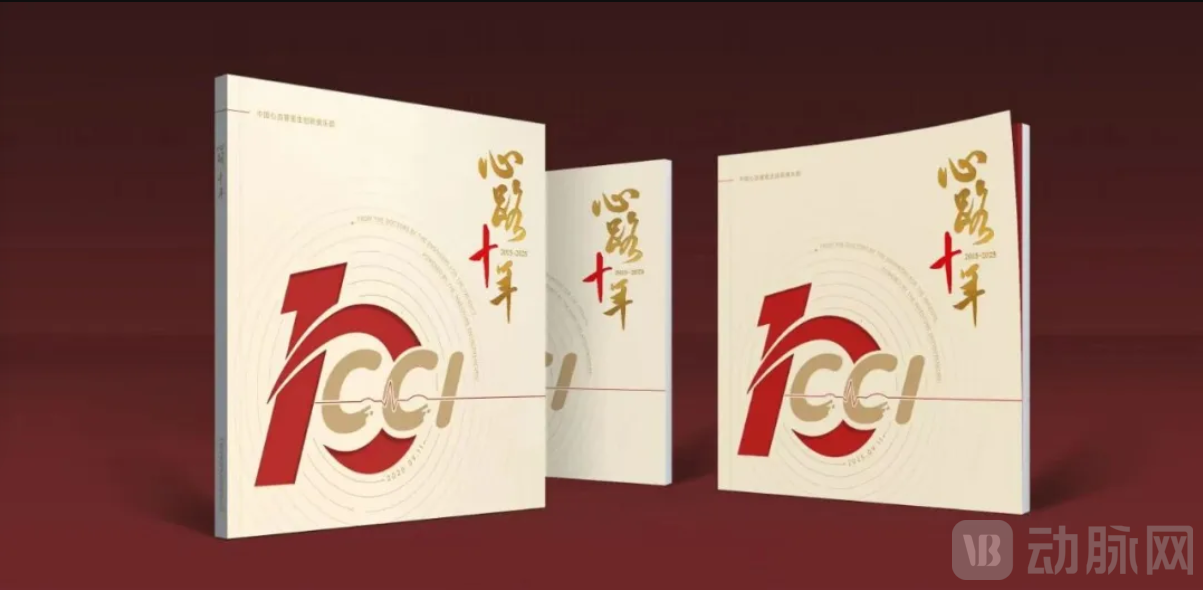
Figure: The commemorative book "A Decade of Heartfelt Journey" released at the 10th anniversary celebration of CCI
Where Will CCI Head in the Next Five to Ten Years?
Delving into real problems is the first priority.
CCI is collecting the 10 most urgent clinical questions in the field of pan-vascular medicine. According to the feedback collected so far, there have been more than 500 responses: some doctors stated that "the precision of vascular anastomosis devices is insufficient," others noted that "cerebrovascular stents are prone to displacement," and still others commented that "maintenance of dialysis access is too cumbersome."
These are not superficial issues, but rather complex challenges that truly require technological breakthroughs. The operations team needs to distill these more than 500 pieces of feedback into the most core and universally prevalent clinical needs.
Building a larger ecosystem is the second thing.
“It’s not just about cardiovascular medicine, but the entire field of medicine,” said Wu Yizhe. “We should build a collaborative community where we learn from each other and work as a unified whole.” The experience gained in cardiovascular care can be replicated in neurology, orthopedics, gastroenterology, and beyond—just as scattered sparks can ignite a vast prairie fire.
Stimulating broader innovation potential is the third thing.
"China has more than 4 million physicians; if their innovative potential were fully unleashed, China’s capacity for original innovation would be no inferior to that of the United States," he said. CCI has engaged 756 participants, yet millions of Chinese physicians remain waiting to be inspired.
Refining the system to a greater level of precision is the fourth task.
The business model has been validated, but many details lack standardization. Recently, the operations team has been working on documenting Standard Operating Procedures (SOPs) for every stage—including student recruitment processes, project evaluation criteria, mentor matchmaking mechanisms, and resource allocation rules. Clear guidelines must be established for each step, specifying what needs to be done, who is responsible, and when it should be completed. Transitioning from wild, unstructured growth to refined, precision-driven operations is an inevitable path.
From one decade to the next, pioneering efforts continue. Underpinning this progress is the intergenerational transmission of mission.
The Spark Never Dies
Some colleagues who recently joined the CCI operations team felt like they were listening to an alien language when they first attended meetings with physicians and heard them discuss “TAVI,” “valve regurgitation,” and “left atrial appendage closure.” However, after a few years, they not only understood these discussions but were also able to offer suggestions: “This design may pose issues in clinical application; should it be further optimized?”
In the field of translational medicine, and on the CCI platform, many new colleagues have come to realize that age is not a barrier, but rather that experience is an asset. This endeavor is correct, valuable, and sustainable for the long term.
This is a mission, not just a job, bestowed by CCI.
More importantly, CCI’s 10th anniversary has proven one thing:Physicians Can and Should Be the Leaders of Innovation.Zhang Ning said, “This shift in mindset is more important than any single product.”
And this concept continues to influence more people.
Starting in 2026, CCI officially enters its 11th year.
Admissions for the 11th cohort of the Innovation Academy have not yet officially opened, but many prospective applicants are already preparing to join this "harbor for innovators." New experiments are being conducted daily at the Animal Center, several projects are under negotiation for implementation at the Suzhou Innovation Center, and graduate students from OPIC Academy are identifying new clinical challenges...
The spark ignited a decade ago has not only endured but grown into a blazing fire.
At the 10th Anniversary Conference of CCI, Academician Ge Junbo recounted a story from ten years ago. He had treated a child with a rare congenital heart disease; the surgery was arduous and fraught with peril. However, the greatest challenge at that time was not a lack of medical expertise, but rather the dilemma that “even the cleverest housewife cannot cook without rice.” Domestic medical devices failed to keep pace, leaving clinical needs unmet.
It was this deeply ingrained sense of powerlessness that became the most primal and potent driving force behind his unwavering commitment to advancing innovation in domestically produced medical devices.
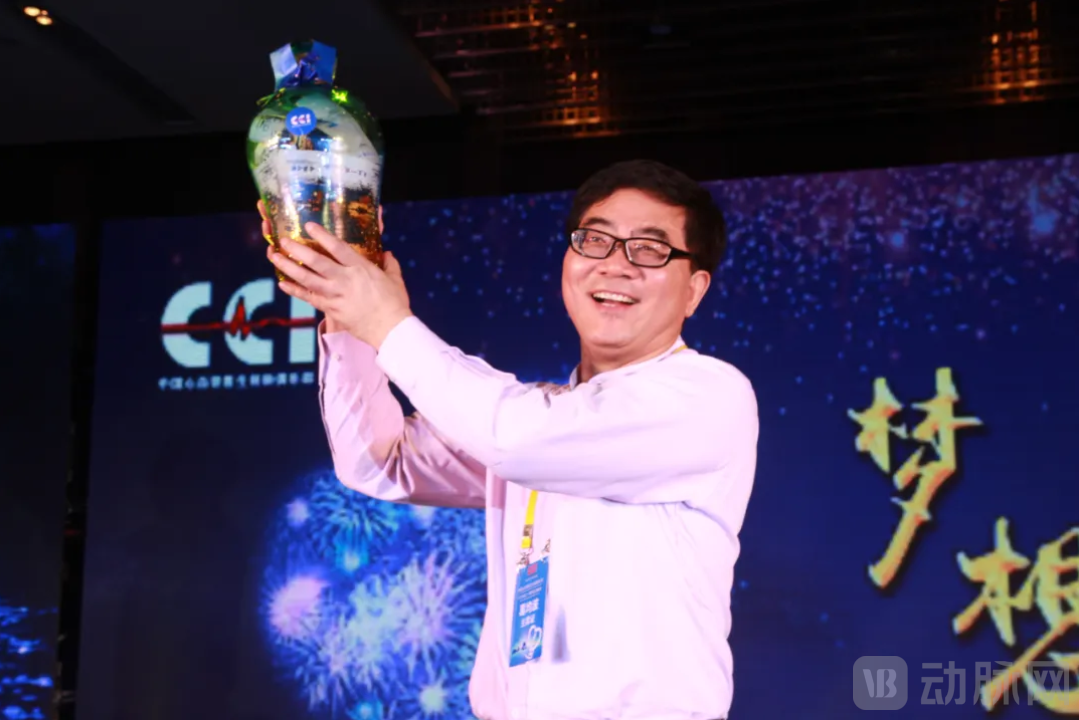
Figure: Academician Ge Junbo holds up a wishing bottle at the first-anniversary event of CCI
In 2015, he provided the answer: “From the doctors, by the doctors, for the doctors.”
Ten years later, this statement evolved into a complete closed loop:From the doctors, by the engineers, for the patients, powered by investors & entrepreneurs。
From three words to a single sentence lies the path of a spark igniting a prairie fire.
The spark remains undimmed, continuing to ignite a prairie fire. This is CCI’s answer sheet for the past decade, and its promise for the next. May this story kindle the spark within more hearts.
As Academician Ge stated, “If you want to go fast, go alone; if you want to go far, go together.”
Ten Years, Merely a Prologue.
Note: The ten-year development of CCI has been fueled by the dedication and efforts of countless individuals. Due to space constraints in this article, we were unable to interview and introduce each member of the CCI Secretariat, the Executive Committee, and all those who have contributed to CCI’s growth. We hereby extend our sincere respect and gratitude to every participant, builder, and supporter.