

Lilly's IL-23p19 Inhibitor Mirikizumab (Omvoh) Receives NMPA Approval in China for Dual Indications in Inflammatory Bowel Disease
February 2026,Eli Lilly’s Atolel® and Atole® (both brand names for different formulations; generic name: migizumab) have been approved by the National Medical Products Administration (NMPA), indicated for the treatment of adult patients with moderately to severely active Crohn's disease (CD) and adult patients with moderately to severely active ulcerative colitis (UC).
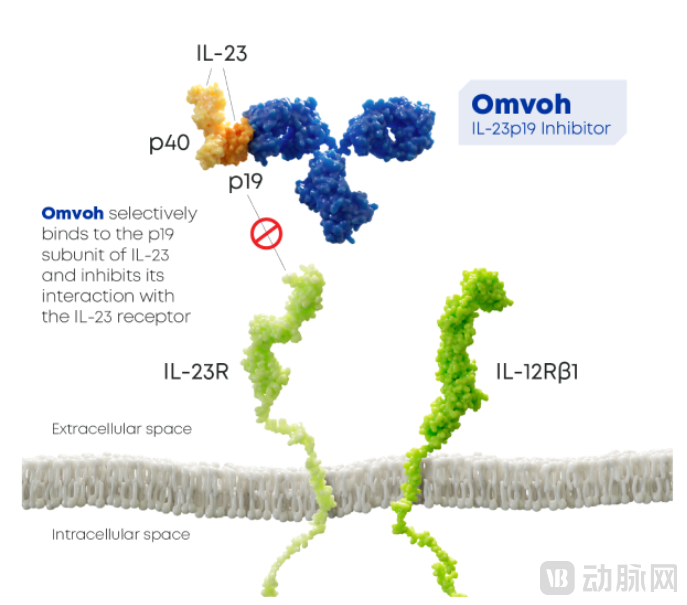
Mirikizumab (Omvoh) (Image source: Lilly)
According to publicly disclosed information from Eli Lilly and Company, mirikizumab was approved in the United States in 2023 for the treatment of moderately to severely active ulcerative colitis (UC), becoming the first IL-23p19 inhibitor approved for this indication. Subsequently, its indications for UC and Crohn’s disease (CD) have been successively approved in multiple countries and regions, including the European Union and Japan. This approval in China marks the drug’s formal entry into another major global pharmaceutical market.
Rising Incidence of IBD in China: Significant Limitations in Current Treatment Options
IBD (Inflammatory Bowel Disease) is a group of immune-mediated disorders characterized by chronic, relapsing intestinal inflammation, primarily including CD and UC.Its pathogenesis is closely associated with immune imbalance, genetic susceptibility, and environmental factors, with the core pathology being persistent inflammatory injury to the intestinal mucosa. The clinical manifestations of the two conditions differ: Crohn’s disease (CD) is primarily characterized by abdominal pain, diarrhea, weight loss, fistulas, and perianal lesions; whereas ulcerative colitis (UC) typically presents with persistent diarrhea, mucus- and pus-laden bloody stools, abdominal pain, and tenesmus. Inflammatory bowel disease (IBD) predominantly affects young adults. Its recurrent nature not only severely impairs patients’ quality of life and work capacity but also increases the risk of serious complications, including infections, intestinal perforation, and colorectal cancer.
In recent years, with the advancement of urbanization and changes in dietary patterns and lifestyles, the incidence of inflammatory bowel disease (IBD) in China has been on the rise. According to data from the "Analysis of the Disease Burden and Trends of Inflammatory Bowel Disease in China from 1990 to 2019," the age-standardized incidence rate of IBD in China increased from 1.45 per 100,000 population in 1990 to 3.62 per 100,000 population in 2019, representing an overall increase of 149.66%. By subtype, the prevalence of ulcerative colitis (UC) was approximately 11.6 per 100,000 population, while that of Crohn’s disease (CD) was approximately 2.29 per 100,000 population, with both conditions showing a significantly accelerated rate of incidence in recent years.
Currently, a step-up therapeutic regimen has been established for IBD, encompassing aminosalicylates, glucocorticoids, immunosuppressants, as well as anti-TNF-α antibodies, anti-integrin agents, and JAK inhibitors.However, current treatment options still have significant limitations: some patients exhibit primary non-response to first-line biologics, or experience secondary loss of response during long-term maintenance therapy, making it difficult to achieve sustained clinical remission and mucosal healing; long-term use of certain medications carries safety risks and offers limited improvement in core symptoms such as fecal urgency. Patients who have failed multiple lines of therapy face a scarcity of treatment options.
Precisely Targeting IL-23p19 to Block the Inflammatory Pathway at Its Source
The generic name for Antuolai® and Antuolai® is mirgutumab, a highly selective immunoglobulin G4 (IgG4) monoclonal antibody targeting the p19 subunit of interleukin-23 (IL-23). Unlike traditional broad-spectrum immunosuppressive strategies, this drug intervenes by targeting key cytokines in inflammatory signaling pathways, aiming to suppress abnormal inflammatory responses while minimizing impact on the overall immune system.
At the mechanistic level, IL-23 is considered to play a crucial role in sustaining chronic inflammation during inflammatory bowel disease (IBD). Primarily secreted by activated dendritic cells and macrophages, IL-23 promotes the proliferation and survival of T helper 17 (Th17) cells and induces the release of downstream proinflammatory cytokines such as IL-17 and IL-22. This triggers a self-amplifying inflammatory cascade, ultimately leading to impairment of the intestinal mucosal barrier and recurrent episodes of chronic inflammation.
Mirikizumab selectively binds to the p19 subunit of IL-23, blocking its interaction with the receptor and thereby inhibiting aberrant activation of this pathway., theoretically enabling precise intervention in the inflammation-driven axis. The strategy of selectively targeting the p19 subunit helps control intestinal inflammation while preserving part of the body’s normal immune defense functions as much as possible. This differentiated mechanism provides a clear pharmacological basis for balancing efficacy and safety.
Compared with agents that simultaneously block IL-12 and IL-23 by targeting their shared p40 subunit, mirikizumab specifically targets the IL-23 pathway without affecting IL-12 signaling. IL-12 plays physiological roles in anti-infective responses and tumor immune surveillance.
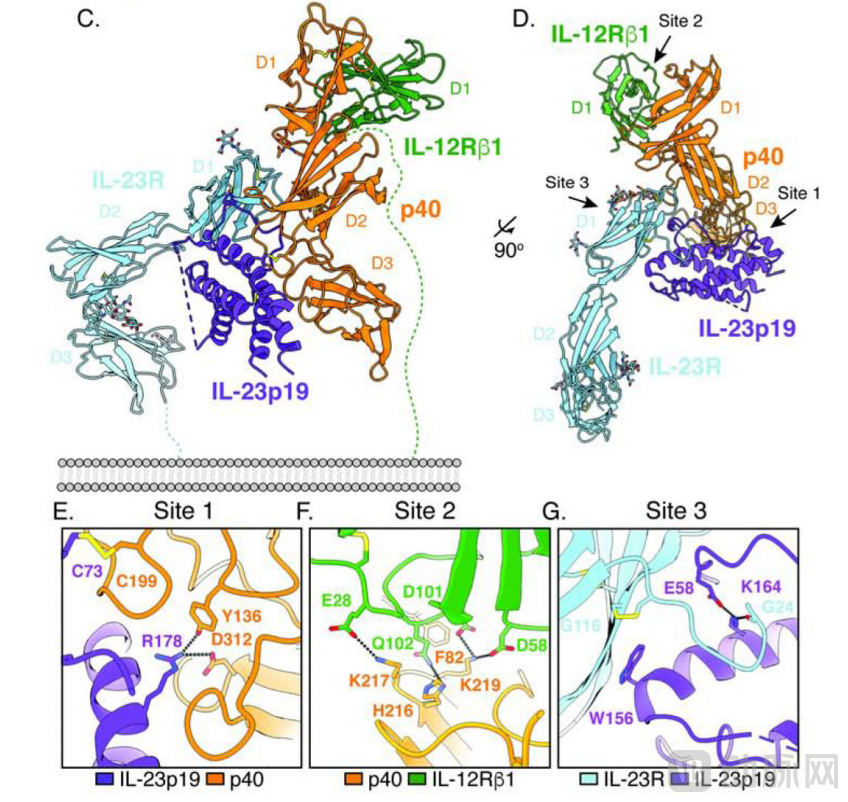
Structure of IL23A (Image source: Glassman CR, et al. Cell. 2021)
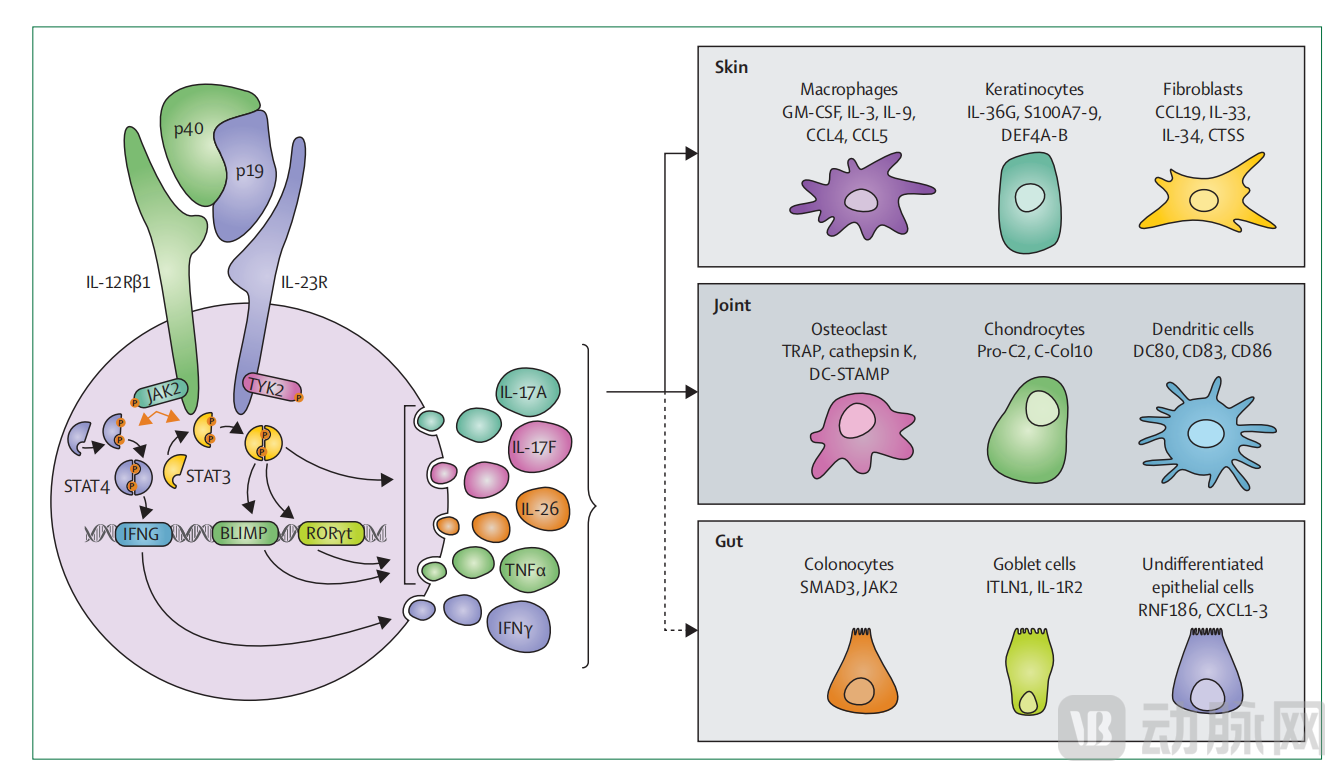
IL-23 Signaling Pathway and Regulation (Image source: Jairath V, et al. Lancet. 2024)
From the perspective of the industry landscape, IL-23p19 has become one of the important targets in the global field of immune inflammation, with related drugs approved for marketing in diseases such as IBD, psoriasis, and psoriatic arthritis. Currently,Five drugs targeting the IL-23p19 subunit have been approved for marketing worldwide; the other four are guselkumab (Johnson & Johnson), tildrakizumab (CMS Pharmaceuticals), risankizumab (AbbVie), and pucokibart (Innovent Biologics).。
Potent Relief + Sustained Benefits, Directly Targeting Core Patient Symptoms
Mirikizumab has been approved in China for dual indications in Crohn’s disease (CD) and ulcerative colitis (UC), based on two global, multicenter, pivotal Phase III registration studies: the VIVID-1 study in CD and the LUCENT program in UC. Both studies enrolled patients with moderate-to-severe active disease who had an inadequate response, loss of response, or intolerance to conventional therapies or prior biologic agents. Publicly available data show that,The results of the China subgroup were highly consistent with those of the global study., providing a basis for its application in the Chinese population.
In the field of Crohn's disease (CD), VIVID-1 is a 52-week, randomized, double-blind, placebo-controlled Phase III study. The results showed that mirikizumab in inducing response conversion toLong-term Remission and Mucosal ImprovementOutstanding performance in the following aspects:
In the field of ulcerative colitis (UC), the LUCENT program comprises a 12-week induction study (LUCENT-1) and a 40-week maintenance study (LUCENT-2), further validating its efficacy profile characterized by “rapid onset, deep remission, and sustained maintenance.” The primary results are as follows:
After 12 weeks of treatment,64% of patients achieved a clinical response, and 24% achieved clinical remission., both significantly superior to the placebo group.
For patients who do not achieve a clinical response after 12 weeks of induction therapy, extending the induction phase by an additional 12 weeks (for a total of 24 weeks) enables 54% of patients to achieve a clinical response.
Among patients who achieved a response during the induction phase and entered maintenance therapy, the clinical remission rate at Week 52 was 50%, the endoscopic remission rate was 59%, and the histologic-endoscopic mucosal remission rate was 43%, demonstrating robust deep mucosal healing capability.
In terms of safety, Upadacitinib®/Rinvoq® demonstratedGood Safety Profile and Long-Term Tolerability。
Specifically, in the VIVID-1 (Crohn’s disease) study, adverse events were predominantly infections and mild-to-moderate events, such as COVID-19 infection, arthralgia, headache, and upper respiratory tract infection.
In the LUCENT (ulcerative colitis) program, key safety indicators showed that the incidence of serious adverse events was 2.8% at 12 weeks (vs. 5.3% for placebo) and 3.3% at 52 weeks (vs. 7.8% for placebo); rates of serious infections were 0.7% vs. 0.6% at 12 weeks and 0.8% vs. 1.6% at 52 weeks. Meanwhile, discontinuation rates were significantly lower than those with placebo (1.6% vs. 7.2% during the induction phase, and 1.5% vs. 8.3% during the maintenance phase).
Overall, by selectively targeting IL-23p19, mirikizumab maximally preserves normal immune function while controlling intestinal inflammation, thereby achieving“Early Onset + Deep Remission + Long-Term Maintenance”, offering a novel therapeutic pathway for patients with refractory moderate-to-severe CD and UC.
Eli Lilly’s Comprehensive Portfolio in Immunology and Inflammation
Autoimmune diseases are essentially chronic inflammatory responses triggered by immune system imbalance, involving multiple systems such as the skin, joints, and gastrointestinal tract. With the expanding patient population and the iterative advancement of biologics, immuno-inflammation has become one of the key sectors in global pharmaceutical research and development.
In this field, Eli Lilly has not rested on the success of a single product but has instead built a clearly structured portfolio and pipeline around key inflammatory pathways, with core coverage of validated mainstream targets such as JAK, IL-17, and IL-23.
On the commercial front, Eli Lilly has established a multi-target synergistic product portfolio.: The oral JAK1/2 inhibitor baricitinib (Olumiant), the IL-17A monoclonal antibody ixekizumab (Taltz), and the IL-23p19 monoclonal antibody mirikizumab cover core indications including rheumatoid arthritis, atopic dermatitis, psoriasis, and inflammatory bowel disease (IBD).
On this basis,Eli Lilly Continues to Expand into Differentiated Mechanisms: The IL-13 inhibitor lebrikizumab has entered Phase III clinical trials for the treatment of moderate-to-severe atopic dermatitis. Meanwhile, in the field of gastrointestinal immunology, the acquisition of Morphic Therapeutic has secured MORF-057, an oral α4β7 integrin inhibitor currently in Phase II trials, marking a strategic entry into the potential area of oral alternatives to biologics to improve adherence during long-term maintenance therapy.
Further,Lilly Begins to Explore the Intersection of Metabolism and Inflammation.In February 2026, while announcing fourth-quarter revenue of $19.3 billion, the company explicitly stated its intention to expand GLP-1 therapies into the field of immune-mediated inflammation, aiming to intervene in inflammatory responses through systemic metabolic regulation.
Returning to mepolizumab, its significance andNot only does it fill the gap in the IBD product portfolio, but it also helps Eli Lilly complete its inflammatory disease landscape, spanning from skin and joints to the gastrointestinal tract.Driven by the dual forces of continued deepening in mature targets and the ongoing expansion into novel mechanisms, Eli Lilly’s immunology and inflammation strategy is evolving from “single-point breakthroughs” to “systematic competition,” gradually establishing long-term competitive barriers for the next phase.