FDA Approves Optune Pax: First Novel Therapy in Nearly 30 Years for Locally Advanced Pancreatic Cancer
In February 2026, the U.S. FDA announced approval of Optune Pax, a tumor treating fields device developed by Swiss oncology bioelectronics leader Novocure (NASDAQ: NVCR), for use in combination with gemcitabine and nab-paclitaxel to treat adults with locally advanced pancreatic cancer (LA-PAC).
This is the first innovative therapy approved by the FDA in nearly 30 years for locally advanced pancreatic cancer. Furthermore, the wearable design of Optune Pax offers patients with locally advanced pancreatic cancer a new option for home-based treatment.
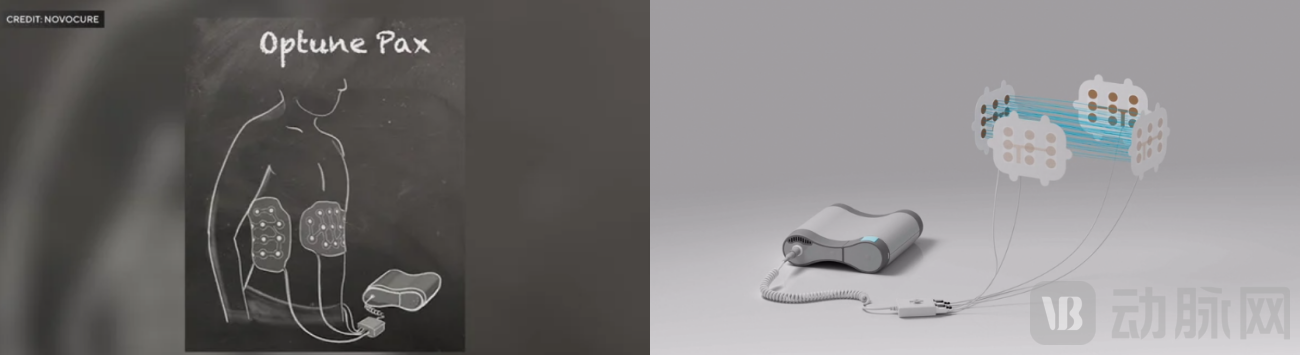
Optune Pax, image from Novocure's official website
Pancreatic cancer has long remained a dark cloud over human health. Characterized by insidious symptoms, frequent diagnosis at advanced stages, and high postoperative recurrence rates, its five-year survival rate has stubbornly remained below 10%, making it one of the gastrointestinal malignancies with the poorest prognosis. In particular, patients with locally advanced pancreatic cancer (LA-PAC) face significant clinical challenges, as tumor invasion into critical vascular structures often precludes the possibility of curative surgical resection.
According to GLOBOCAN 2022 data, there were 510,000 new cases of pancreatic cancer and 467,000 deaths worldwide in 2022. In China, there were 120,000 new cases and 110,000 deaths from pancreatic cancer in 2022, with a nearly 1:1 ratio of incidence to mortality.
Faced with this dilemma, there are currently four main treatment options for locally advanced pancreatic cancer, with the core objectives of slowing cancer growth, alleviating symptoms, and, in some cases, shrinking the tumor to create an opportunity for surgical resection:
Chemotherapy:For most patients, the preferred regimens are gemcitabine plus nab-paclitaxel (GnP) or FOLFIRINOX, which can shrink tumors and delay progression, thereby rendering some patients eligible for surgery.
Radiotherapy:It is often used in combination with chemotherapy to help control local lesions and alleviate symptoms;
Surgery (in selected cases):If the tumor shrinks significantly after treatment, some patients may become candidates for surgical intervention, as determined by imaging evaluation and expert assessment;
Targeted Therapy:Inhibit tumor growth by blocking mutant pathways in patients with specific gene mutations.
However, current treatment options still have significant limitations. Frank Leonard, CEO of Novocure, pointed out: “Systemic therapies have poor bioavailability in pancreatic tumors, which limits their efficacy. Optune Pax adopts a completely different therapeutic approach, leveraging biophysical mechanisms to target the unique electrical properties of cancer cells.”
According to the Novocure website, the combination of Optune Pax with gemcitabine and nab-paclitaxel is expected to provide patients with locally advanced pancreatic cancer with greater survival benefits than chemotherapy alone.
Tumor Treating Fields (TTFields) is an innovative physical therapy modality. Its mechanism involves generating specific-frequency, medium-intensity, low-strength alternating electric fields via a portable device, which are non-invasively conducted to deep-seated tumor tissues through transcutaneous electrode arrays. During cell division, TTFields interfere with the normal polymerization and alignment of spindle microtubules, disrupt the mitotic process, thereby inhibiting tumor cell proliferation and inducing cell death.
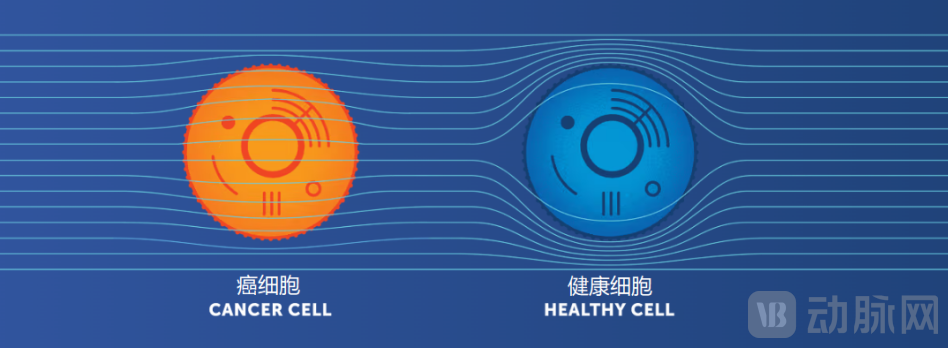
TTFields’ unique frequency range allows the electric fields to penetrate cancer cell membranes while having minimal impact on healthy cells. Image courtesy of Novocure
The advantages of TTFields technology are:
High Frequency Specificity:TTFields employ intermediate-frequency (100–500 kHz), low-intensity alternating electric fields. This frequency range strategically avoids the neuromuscular depolarization (sensations of electric shock) induced by low-frequency electric fields, while also circumventing the thermal effects associated with high-frequency electric fields. The “therapeutic frequency” varies depending on the tumor type: for example, it is set at 200 kHz for glioblastoma and precisely tailored to 150 kHz for pancreatic cancer.
Precise Biological Selectivity:The electric field primarily acts on tumor cells in the rapid division phase. It interferes with the polymerization of tubulin during mitosis, preventing the normal formation of the spindle apparatus, thereby inducing apoptosis in cancer cells. In contrast, its impact on healthy cells and tissues is negligible.
Synergistic Additive Effect: TTFields can be combined with chemotherapy, immunotherapy, or targeted drugs to enhance treatment efficacy.
It is on this technological foundation that Optune Pax was developed and brought to clinical application.
Optune Pax continues Novocure’s consistent wearable design philosophy as a portable, non-invasive wearable device specifically designed for patients with locally advanced pancreatic cancer. Its core components include disposable transducer arrays (electrode pads), an electric field generator, a rechargeable battery, a battery charger, and a carrying case. Patients are advised to wear the device for no less than 18 hours per day.
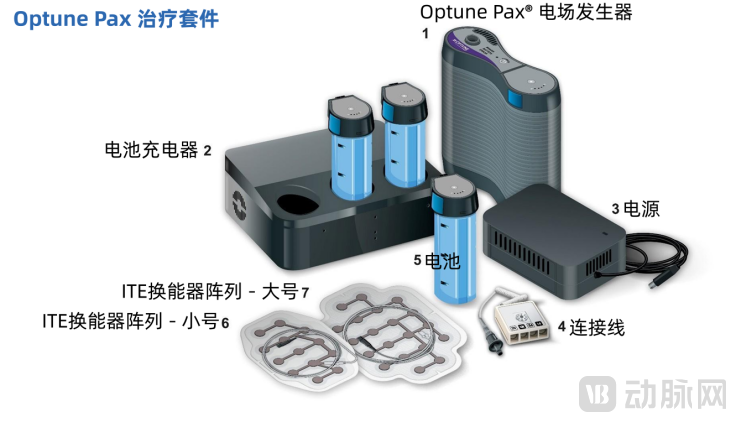
Optune Pax Treatment Kit, image from the product manual
During treatment, the patient applies a disposable transducer array to the abdominal skin overlying the tumor region. The device continuously delivers a 150 kHz low-intensity alternating electric field, precisely targeting the pancreatic tumor. By disrupting the arrangement of charged organelles and tubulin within cells during mitosis, the electric field damages mitotic structures, induces apoptosis in tumor cells, while exerting minimal effects on normal cells.
In simple terms, Optune Pax no longer relies on drugs penetrating the complex barriers of the tumor microenvironment. Instead, it utilizes medium-frequency electric fields with strong penetration and low tissue attenuation to directly target dividing cancer cells. This “physical approach” bypasses some of the bottlenecks associated with traditional drug delivery. Thanks to this unique physical intervention method, Optune Pax offers advantages such as ease of use, non-invasiveness, suitability for home-based treatment, and absence of cumulative toxicity.
It is worth noting that, unlike pharmaceuticals which have a half-life, Tumor Treating Fields (TTFields) therapy exhibits "immediacy"—when the power is turned off, the therapeutic effect drops to zero instantly. The FDA explicitly recommends a daily wearing duration of no less than 18 hours, indicating that treatment efficacy is directly correlated with patient compliance in terms of wear time. To make the device lighter, more portable, and more comfortable to wear, Novocure has continuously optimized its design: the weight has been reduced from 6 pounds (approximately 2.7 kg) for the first generation to just 2.7 pounds (approximately 1.2 kg) for the second generation, with a 50% reduction in volume. Furthermore, Novocure has specially designed a carrying bag with excellent air circulation to prevent overheating alarms and shutdowns, ensuring that patients can use the device seamlessly at home, while walking, or even during travel.Still able toOngoingTreatment。
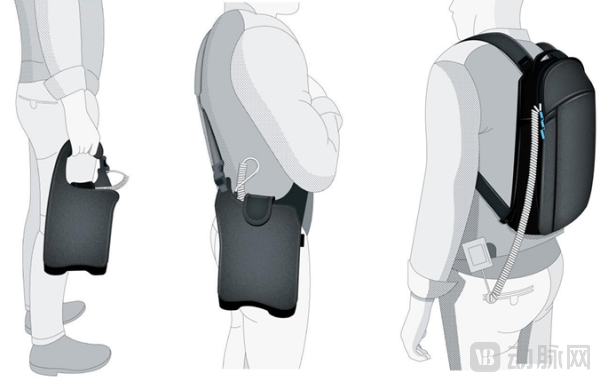
Dedicated ventilation kit; image sourced from the product manual.
PANOVA-3 is the first Phase III study to demonstrate a positive overall survival (OS) outcome in the field of locally advanced pancreatic cancer (LA-PAC). The study enrolled a total of 571 patients, who were randomly assigned to receive either tumor treating fields (TTFields) combined with gemcitabine plus nab-paclitaxel (AG) or AG alone. The results showed that the median OS in the TTFields combination therapy group was 16.2 months,Extended by 2 months compared to the 14.2 months in the chemotherapy-alone group, with an 18% reduction in the risk of death (HR=0.82, P=0.039),Significantly prolonged overall survival (OS).
Furthermore,TTFields also significantly prolonged distant progression-free survival, reducing the risk of distant metastasis by 26%.(13.9 months vs. 11.5 months; HR = 0.74; P = 0.022).
TTFields not only extend survival, but more profoundly, they improve the quality of life for patients.In the advanced stages of pancreatic cancer, severe neuropathic pain is often the “final straw” that breaks a patient’s will. However, among patients receiving combination therapy with Tumor Treating Fields, the median time to pain progression was as long as 15.2 months.extended by a full 6.1 months compared with the chemotherapy-only group, which means that patients can enjoy a higher quality of life while spending time with their families. What is even more remarkable is thatThis benefit was not achieved at the cost of increased systemic toxicity.——TTFields only cause mild to moderate skin reactions (58% incidence of grade 1–2), and with standardized skin care, the incidence of grade 3 adverse events can be kept below 8%.
From the “solo campaign” of chemotherapy, through the arduous exploration of targeted and immunotherapies, to the empowerment by physical energy, the therapeutic boundaries for pancreatic cancer are being redefined. The approval of Optune Pax not only demonstrates the immense potential of physical anticancer modalities in the treatment of solid tumors, but also brings the new anticancer paradigm of “non-invasive, home-based, and highly efficient” care from vision into real-world clinical practice.
More notably, the indication landscape for TTFields in China is gradually taking shape. Driven by the sustained efforts of companies such as Novocure and Zai Lab, this technology has already been locally implemented for the treatment of gliomas. We sincerely hope that patients in China will gain early access to this globally leading therapeutic option, thereby benefiting from broader treatment choices and further extended survival.
If you are interested in this product and would like to learn more, please add the author on WeChat to obtain the English instruction manual for Optune Pax.