BeiGene Achieves First-Ever Annual Profitability with 2025 Net Income of RMB 1.42 Billion; Projects 2026 Revenue of RMB 43.6–45.2 Billion
BeOne
Developer of Molecular Targeted and Immune Anti-Tumor Drugs
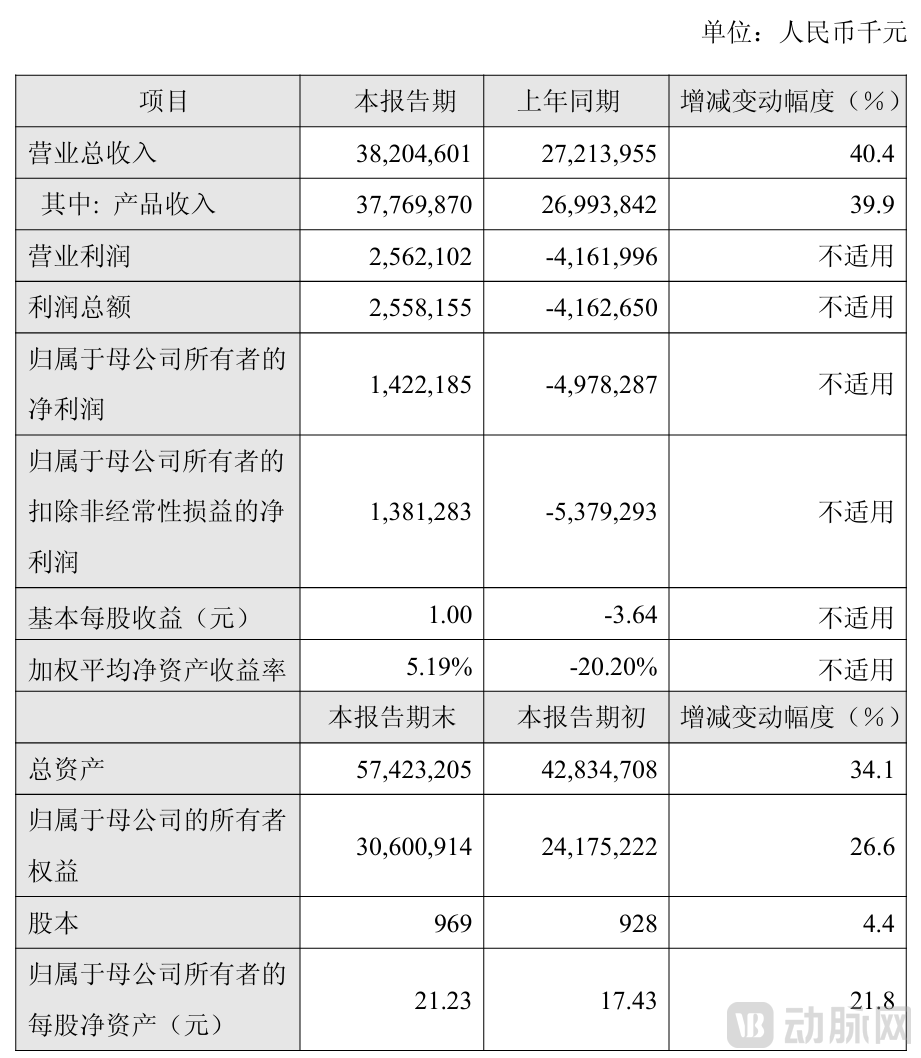
On the evening of February 26,BeOne MedicinesRelease of 2025 Annual Performance Flash Report: Revenue for 2025 reached RMB 38.205 billion, a year-on-year increase of 40.4%; net profit attributable to shareholders of the parent company amounted to RMB 1.422 billion, marking a turnaround from loss to profit.
In 2025, BeOne Medicines’ product revenue reached RMB 37.770 billion, a year-on-year increase of 39.9%, compared with RMB 26.994 billion in the same period of the previous year. The growth in product revenue was primarily driven by Brukinsa (zanubrutinib), Amgen-licensed products, and Baizean.®(tislelizumab) sales growth.
Source: Announcements of Listed Companies
According toVCBeatReview: This marks BeOne Medicines’ first full-year profit in the 12 years since 2014.
This Performance Flash ReportThe significance extends far beyond merely “turning a profit.” In the past, market concerns about BeOne Medicines largely centered on “when it would become profitable.” The year 2025 may well mark the critical leap for BeOne Medicines to achieve self-sustaining operations.
However, the performance in the secondary market appeared somewhat “contrasting”: On February 26 and 27, BeOne Medicines’ A-shares fell by 5.65% and 2.18%, respectively, while its Hong Kong-listed shares dropped by 9.16% and 1.08%. Its U.S.-listed shares declined by 8.48% on February 26 (local time).
VCBeat has learned from multiple industry insiders in the pharmaceutical sector that, on one hand, the fluctuations in BeOne Medicines’ secondary market performance may be linked to its 2026 earnings forecasts, with revenue growth slowing down, raising market concerns about whether its core blockbuster products are nearing their peak; on the other hand, market sentiment may have already been partially exhausted in advance, and exchange rate fluctuations could also be a contributing factor.
According to the announcement, BeOne Medicines forecasts its 2026 revenue to be approximately RMB 43.6 billion to RMB 45.0 billion, representing a year-over-year growth rate of approximately 14.12%–17.79% compared with 2025. The gross profit margin is expected to be in the 80% range, and income after deducting operating costs and expenses from revenue is projected to be approximately RMB 4.6 billion to RMB 5.3 billion.
01.
First Annual Profit in 12 Years
BeOne Medicines was founded in 2010 and listed on the NASDAQ and the Hong Kong Stock Exchange in 2016 and 2018, respectively. In December 2021, it was also listed on the STAR Market of the Shanghai Stock Exchange.
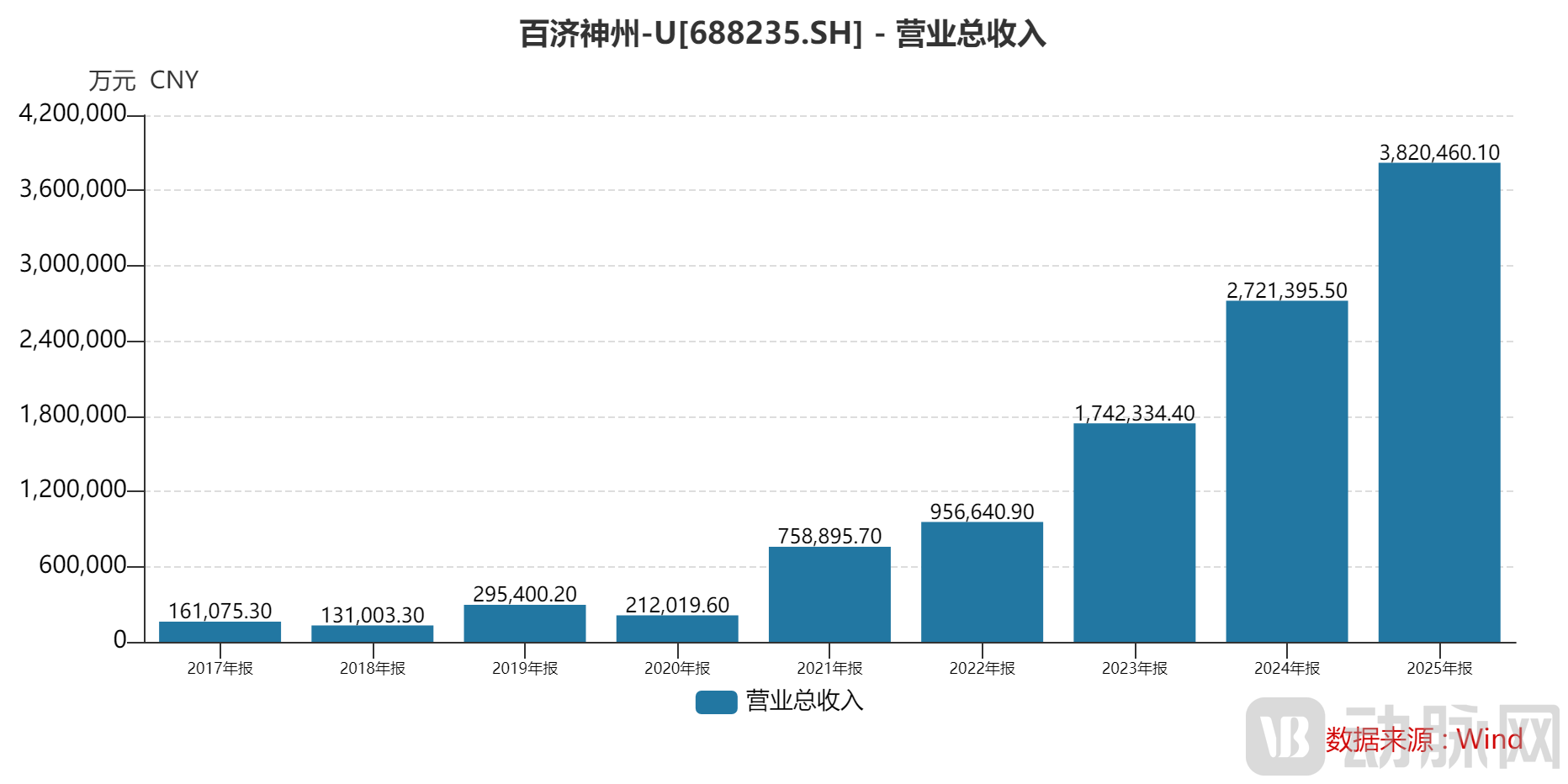
According to Wind data, BeOne Medicines’ revenue sustained rapid growth from 2014 to 2025, surging from approximately RMB 89 million in 2014 to RMB 38.205 billion in 2025.
Particularly since 2021, revenue growth has accelerated significantly and remained relatively stable. In 2023, it surpassed RMB 17 billion; in 2024, it reached RMB 27.214 billion; and in 2025, it approached the RMB 40 billion mark, demonstrating strong revenue expansion capabilities.
Source: Wind
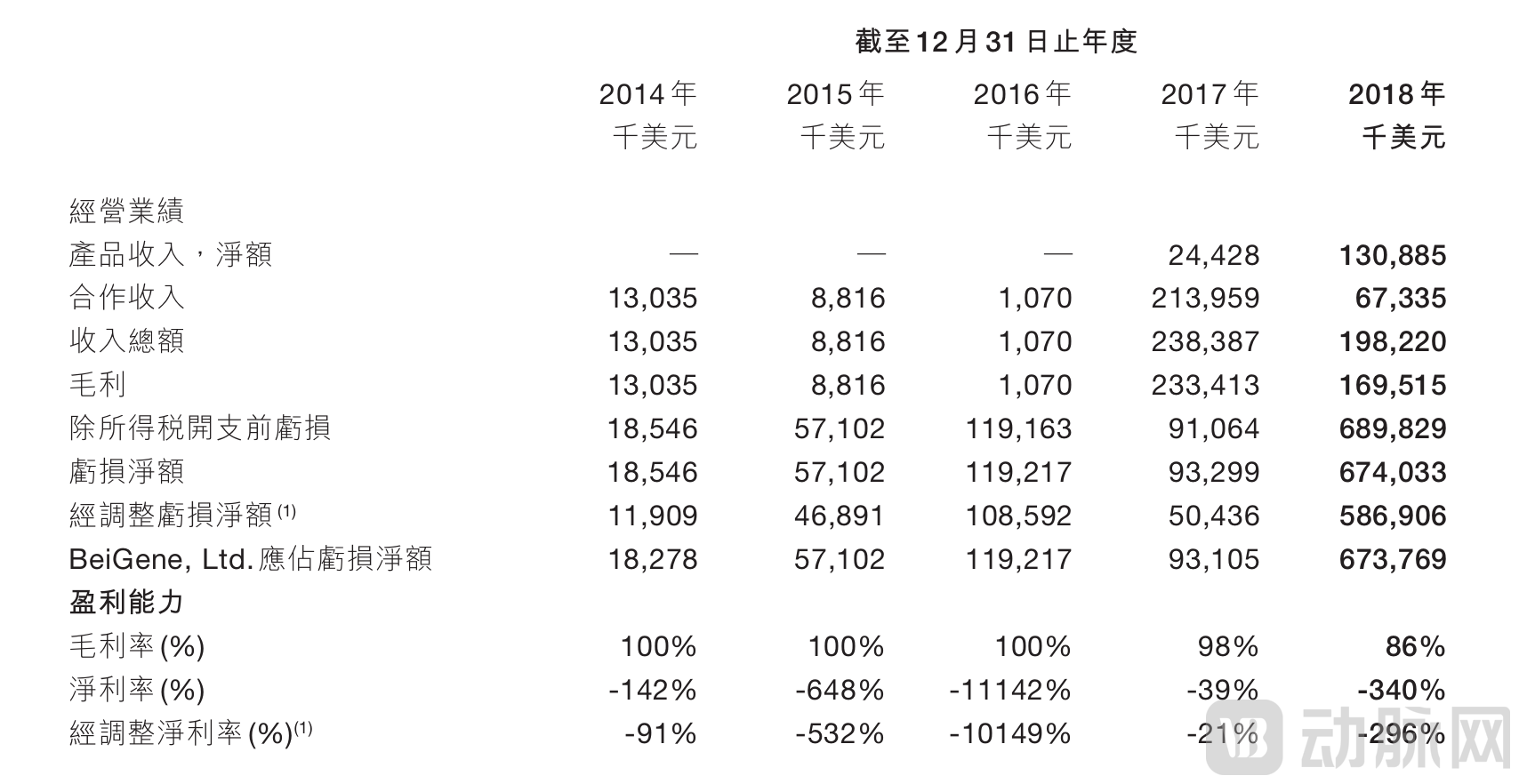
Source: BeOne Medicines 2018 Annual Report
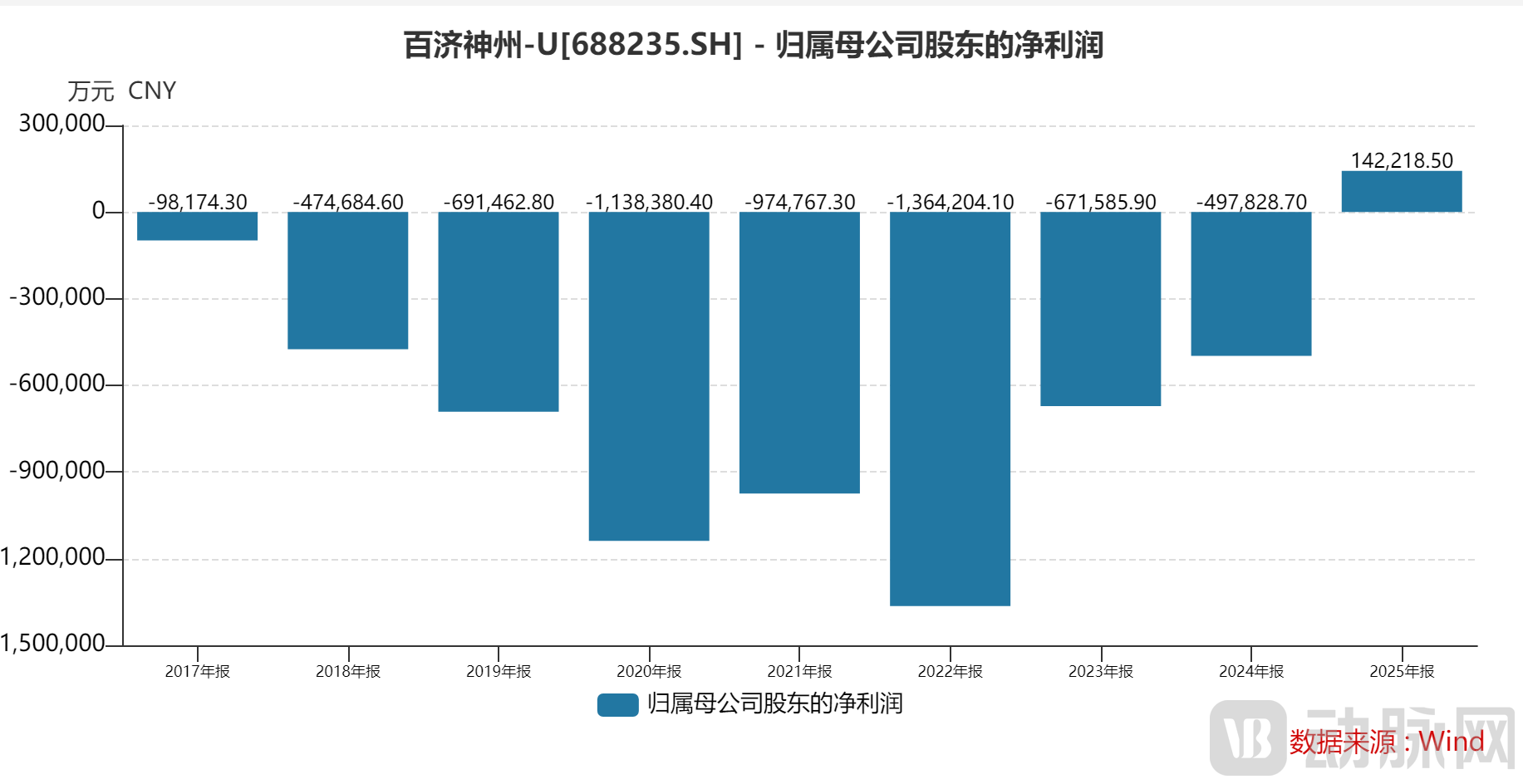
However, in stark contrast to its continuous revenue growth, BeOne Medicines has remained in a state of loss for eight years.
Based on Wind data and BeOne Medicines’ financial reports, the company’s net profit attributable to shareholders remained negative from 2014 to 2024, with losses generally widening over this period. The deficit peaked in 2022 at RMB 13.642 billion before narrowing thereafter; however, the company still reported a loss of RMB 4.978 billion in 2024.
The turning point came in 2025,Achieved Positive Net Profit Attributable to Parent Company Shareholders for the Full Year for the First Time, reaching RMB 1.422 billion—marking an inflection point toward profitability after sustained high investment and rapid expansion.
According to the announcement, the reasons for turning losses into profits and revenue growth in 2025 mainly include three aspects:
First, the BTK inhibitor zanubrutinib serves as BeOne Medicines’ primary cash cow and competitive moat. In 2025, zanubrutinib achieved global sales of RMB 28.067 billion, representing a year-on-year increase of 48.8%, thereby solidifying its position as a global leader in the BTK inhibitor segment.
The United States remains the largest commercial market for zanubrutinib, with total sales of RMB 20.206 billion, a year-on-year increase of 45.5%; European sales totaled RMB 4.265 billion, up 66.4% year on year; and sales in China amounted to RMB 2.472 billion, representing a 33.1% year-on-year growth.
Zanubrutinib is the BTK inhibitor with the broadest range of globally approved indications, and it is also the only BTK inhibitor offering flexible dosing regimens of either once daily or twice daily.
Second, the anti-PD-1 drug tislelizumab achieved global sales of RMB 5.297 billion in 2025, representing a year-on-year increase of 18.6%., is the cornerstone product of BeOne Medicines’ solid tumor portfolio and has demonstrated potential across multiple tumor types and disease areas.
Third, sales of Amgen’s licensed products reached RMB 3.471 billion in 2025, representing a year-on-year increase of 33.6%.. It is reported that in October 2019, BeOne Medicines and Amgen established a global strategic oncology partnership to jointly develop 20 of Amgen’s anti-tumor drugs.
Behind BeOne Medicines’ performance growth, it is evident that revenue growth was driven almost entirely by product sales rather than one-time licensing fees—product revenue of RMB 37.77 billion in 2025 accounted for 98.9% of total revenue.
02.
How Will BeOne Medicines Move Forward After Crossing the Break-Even Point?
Whether BeOne Medicines can sustain annual profitability starting from 2025 depends first on its global market development capabilities; as competition in the domestic market intensifies, the potential of international markets becomes particularly crucial.
According to the announcement, zanubrutinib’s overseas revenue in 2025 reached RMB 25.595 billion, accounting for 91.2% of its total revenue. Based on this calculation, BeOne Medicines’ full-year overseas revenue proportion in 2025 was at least 67%, marking a further increase from 62.85% in 2024.
BeOne Medicines’ product development has always been grounded in the global market.
Zanubrutinib has currently been approved in more than 75 markets worldwide. Its clinical development program has conducted over 45 trials across more than 30 countries and regions, enrolling more than 7,900 patients to date.
Moreover, the global Phase 3 ALPINE trial, which conducted a head-to-head comparison of zanubrutinib versus ibrutinib, demonstrated sustainedprogression-free survival (PFS) benefit, with a lower incidence of cardiovascular events.
Tislelizumab has currently been approved in more than 50 markets worldwide, and its clinical development programs have enrolled over 15,800 subjects across more than 33 countries and regions to date.
BeOne Medicines expects to submit an application for tislelizumab in combination with Baihean in the United States and China in the first half of 2026.®(Zenitabart) marketing authorization application for the new indication of tislelizumab as first-line treatment for adult patients with HER2-positive gastroesophageal adenocarcinoma (GEA), with a regulatory decision in Japan for tislelizumab as first-line treatment for adult patients with gastric cancer (GC) expected in the second half of 2026.
Furthermore, from the perspective of the product pipeline, it is noted that BeOne Medicines has established a diversified portfolio covering hematologic malignancies and solid tumors such as lung cancer, gastrointestinal cancers, and breast cancer, encompassing small molecules, monoclonal antibodies, bispecific/multispecific antibodies, and protein degradation (CDAC), antibody-drug conjugates (ADCs), cell and gene therapy (CGT), and other drug modalities.
BeOne Medicines currently has more than 80 preclinical programs in development, with multiple late-stage clinical products nearing commercialization.
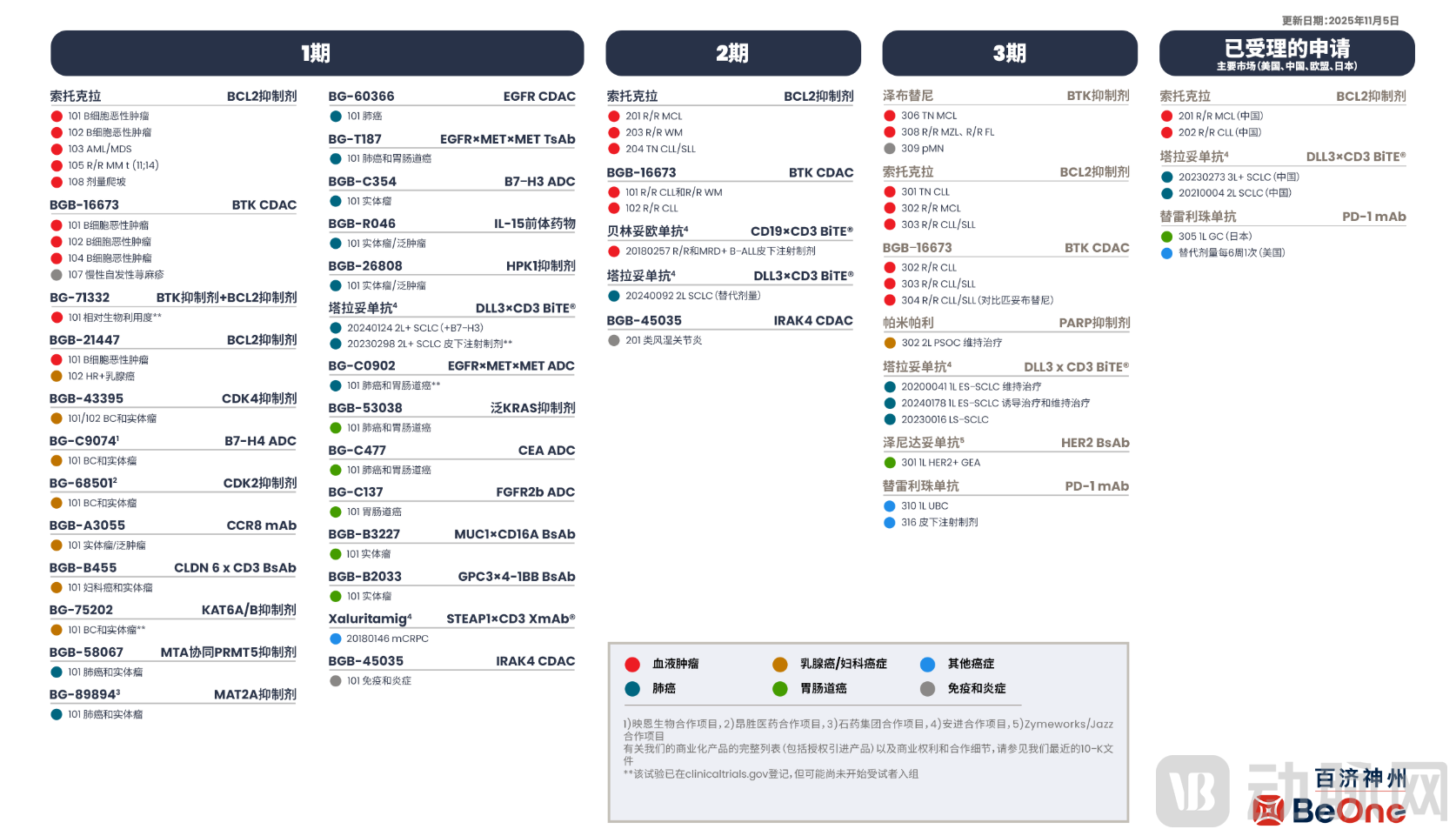
BeOne Medicines’ Global In-House and Collaborative Pipeline (as of November 5, 2025)
Source: BeOne Medicines Official Website
In the field of hematologic malignancies, BeOne Medicines’ next-generation BCL2 inhibitorSotocla(Baiyueda®) is particularly noteworthy. Launched in January 2026, the drug received approval just eight months after its New Drug Application (NDA) submission. It is indicated for the treatment of chronic lymphocytic leukemia (CLL)/small lymphocytic lymphoma (SLL) and mantle cell lymphoma (MCL), becoming the first and only BCL-2 inhibitor available in China for the treatment of MCL.
It is understood that the overall survival of patients with mantle cell lymphoma (MCL) remains short. The five-year survival rate with conventional chemotherapy is less than 30%, and the duration of response is limited; only 8% of patients survive for more than 10 years. MCL predominantly affects elderly males, and most patients are already at an advanced stage at diagnosis. Conventional therapies have limited efficacy in patients with relapsed or refractory disease and those with high-risk factors, posing a persistent clinical challenge.
Meanwhile, sotoclax has been granted Priority Review by the FDA for the treatment of adult patients with relapsed or refractory (R/R) mantle cell lymphoma (MCL), and a Marketing Authorization Application has been submitted in the European Union for the same indication. BeOne Medicines has completed the enrollment of the first patient in a Phase 3 trial evaluating sotoclax in combination with zanubrutinib as a fixed-duration regimen versus acalabrutinib in combination with venetoclax for the treatment of adult patients with previously untreated chronic lymphocytic leukemia (CLL).
BeOne Medicines anticipates receiving a regulatory decision from the U.S. FDA in the first half of 2026 on its new drug application for sotoclax as a monotherapy for the treatment of adult patients with relapsed or refractory (R/R) mantle cell lymphoma (MCL), and expects to initiate a Phase 3 trial of sotoclax for the treatment of adult patients with multiple myeloma in the second half of 2026.
In terms of the solid tumor pipeline:
● For breast cancer and gynecologic cancers, BeOne Medicines has initiated first-in-human trials of BG-75202 (a KAT6A/B inhibitor) and BG-75908 (a CDK2 CDAC).
● For lung cancer, BeOne Medicines has initiated the first-in-human trial of BG-C0902 (an EGFR×MET×MET antibody-drug conjugate).
● For gastrointestinal cancers, BGB-B2033 (a GPC3×41BB bispecific antibody) has received FDA Fast Track designation for the treatment of adult patients with hepatocellular carcinoma who have experienced disease progression during or after systemic therapy.
In the field of inflammation and immunotherapy, BeOne Medicines expects to report data from its Phase 1b trial of BGB-16673 (BTK CDAC) in adult patients with moderate-to-severe chronic spontaneous urticaria in the first half of 2026.
In summary, the profitability achieved in 2025 marks BeOne Medicines’ formal crossing of the most challenging “break-even point” for innovative pharmaceutical companies. From the global breakthrough of zanubrutinib to the successive launch of sotorasib, BeOne Medicines has demonstrated over a nine-year journey that Chinese pharmaceutical companies are capable of achieving self-sustaining growth in the global market.
However, profitability is merely the starting point; the key challenge in the next phase may lie in how to continuously convert its robust pipeline reserves into cash flow.