Shanghai Deputy to the NPC and CEO of Haohai Bio吴 Jianying Highlights Dual Hurdles of "Reimbursement" and "Hospital Access" for Innovative Drugs | 2026 Two Sessions Policy Forum
“2026 China Two Sessions Observation"Special Report"
“The current cooling of enthusiasm in the biopharmaceutical industry stems from companies’ inability to achieve reasonable returns.“Capital is inherently profit-driven. With the exception of state capital, which exhibits patient characteristics, private capital generally pursues short-term returns. This creates a structural contradiction with the nature of capital, given that biopharmaceutical R&D features long development cycles and delayed revenue realization.”
“This necessitates that the government play a pivotal role in the development of this industry. Policy support is crucial for innovation in the healthcare sector, and various regions will promote industrial growth by enacting local regulations.”"However, many key issues still require resolution through national-level overarching legislation."
Recently, at the 2026 “Voice · Responsibility” symposium for NPC deputies and CPPCC members from the medical and pharmaceutical sectors, Wu Jianying, an NPC deputy of the 16th Shanghai Municipal People’s Congress and Executive Director and President of Shanghai Haohai Biological Technology Co., Ltd., stated in an interview with media outlets including VCBeat.
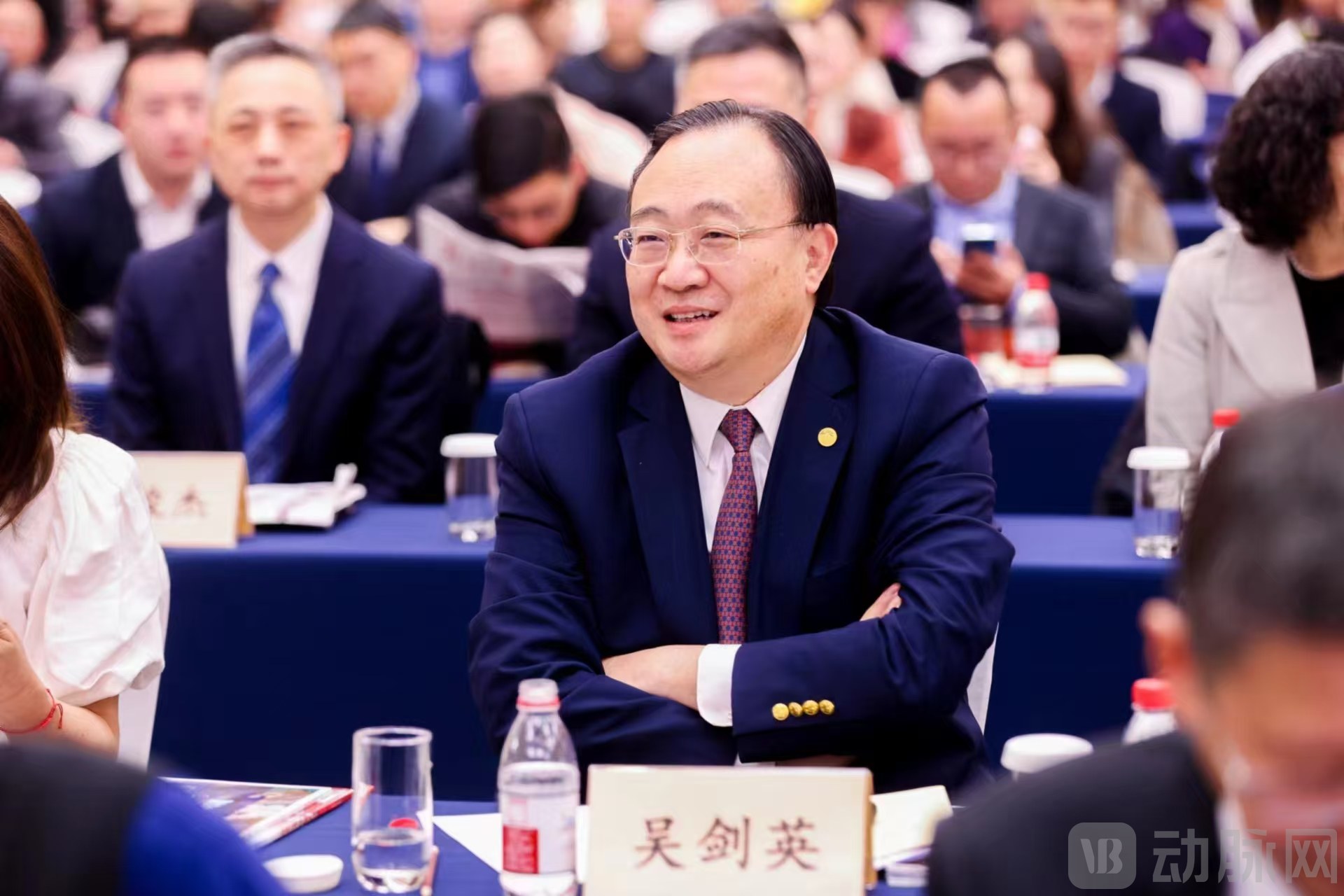
Wu Jianying, Deputy to the 16th Shanghai Municipal People’s Congress, Executive Director and President of Shanghai Haohai Biological Technology Co., Ltd.
The current development dilemmas facing the innovative drug industry cannot be separated from two key terms: “payment” and “hospital access.”
From Wu Jianying’s perspective, on the one hand,China's pharmaceutical industry development requires further improvement of the payment system,Unlocking domestic demand, moving away from a single public healthcare payment system, and establishing a robust, multi-tiered commercial health insurance framework are critical measures to drive the biomedical industry and meet diverse healthcare service needs.
“On the other hand, looking at China as a whole,Even after innovative products are included in the National Reimbursement Drug List, they still face significant challenges in gaining hospital access—a dilemma often described by industry insiders as “able to blossom but difficult to bear fruit.”“Entering hospitals involves multiple barriers, including the fee schedule, medical insurance codes, and reimbursement qualifications; a deficiency in any of these areas may prevent product implementation,” said Wu Jianying.
01.
The Profitability Question: The “Growing Pains” of Pharmaceutical and Medical Device Companies
Globally, a single weight-loss and glucose-lowering drug can propel a company to a market capitalization of hundreds of billions of dollars, underscoring the explosive growth potential of the biopharmaceutical industry.
However, there are currently few companies in China's biomedical industry with a market capitalization of over RMB 100 billion. In Wu Jianying's view,The root cause lies in the company's inability to sustain profitability after its initial public offering.
According to Wu Jianying’s analysis, based on a price-to-earnings (P/E) ratio of 50x, a company would need an annual net profit of RMB 2 billion to achieve a market capitalization of RMB 100 billion. Given that the current P/E ratio in the domestic market is approximately 20x, a company would require a net profit of RMB 5 billion to reach a market capitalization of RMB 100 billion under such valuation multiples.
“However, the reality is that the combined profits of China’s top 10 pharmaceutical companies fall short of those of the single company ranked tenth globally. The industry as a whole remains in its early to mid-stages. If it is to be positioned as a leading strategic industry, leading enterprises must be allowed to earn reasonable profits, which can then be reinvested into R&D to create a virtuous cycle of input and output. The development of the industry requires clear policy expectations and sustainable profit margins.”
“To obtain high-quality medical services with good cost-effectiveness, enterprises and the industry must achieve a certain scale and level of concentration,”However, it lacks profitability.“Stimulus, industrial investment would be difficult to form a clustering effect,” pointed out Wu Jianying.
Wu Jianying told VCBeat that, as a national strategic pioneering industry, the biomedical sector relies heavily on policy guidance and particularly requires a robust payment system for support. For innovative drugs and medical devices to truly benefit patients, it is essential to achieve an effective integration of the national medical insurance scheme with commercial health insurance.Relying solely on the national medical insurance system is insufficient to meet the health needs of 1.4 billion people; commercial insurance must serve as a vital supplement.
This is also included in the 2026 Government Work Report, which highlights the “Innovative Drug Catalog for Commercial Health Insurance” and the improvement of a multi-tiered medical security system, calling for accelerated development of commercial health insurance to promote high-quality development of innovative drugs and medical devices.
It is reported that on December 7, 2025, the National Healthcare Security Administration officially released the first edition of the “Catalogue of Innovative Drugs for Commercial Health Insurance (2025),” which includes 19 drugs. This catalogue complements and aligns well with the basic medical insurance scheme, laying the foundation for promoting differentiated development between commercial health insurance and basic medical insurance, as well as establishing a multi-tiered healthcare security system.
The establishment of a formulary for innovative drugs under commercial health insurance effectively opens up a “second front” in the payment landscape for innovative therapies.
02.
Payment Solutions: The “Wisdom” of Tax Policy
China's commercial health insurance market is experiencing rapid growth, with premium income reaching RMB 977.3 billion in 2024, approaching the funding scale of the national basic medical insurance for urban and rural residents in the same year.
However, according to estimates in the “White Paper on Commercial Health Insurance Payment for Innovative Drugs in China (2024),” commercial health insurance payments account for only 5.3% of the RMB 140 billion market for innovative drugs.
In response, Wu Jianying stated that commercial health insurance currently faces a challenge in achieving a logical closed loop:Commercial insurers lack the incentive to develop new products due to poor sales performance, while consumers are reluctant to purchase due to the scarcity of high-quality offerings, resulting in a deadlock between both parties.
The key to breaking this impasse may lie in government concessions.
Wu Jianying told VCBeat that it is recommended for the State Administration of Taxation to study allowing commercial health insurance premiums paid by enterprises and individuals, within a certain range, to be treated asPre-tax deductions for individual income tax to broaden the funding sources for commercial health insurance.
“For example, for an individual with an annual income of 200,000 yuan, if they spend 20,000 yuan on commercial insurance, only the remaining 180,000 yuan will be subject to taxation. This type of policy design has well-established precedents both domestically and internationally—expenses such as elderly care, children’s education, and housing rent can be deducted before tax, which not only encourages compliant consumption but also helps improve the personal income tax collection system.”
This concession is expected to generate an amplification effect across the industry, representing a shrewd strategy of “releasing water to nurture fish.”
In Wu Jianying’s view, if tax policies were to unlock RMB 10 billion in payment capacity for local biopharmaceutical companies, this would generate RMB 2 billion in profits based on a 20% profit margin, which, when capitalized at a price-to-earnings ratio of 50x, would contribute RMB 100 billion in market capitalization to the capital markets.Although the government appears to reduce current tax revenues, it can recoup these losses through channels such as stock transaction taxes.This requires a department responsible for overall accounting to balance the broader accounts of social development across multiple sectors, including taxation, development and reform, and medical insurance.
“In addition, it is recommended that the National Healthcare Security Administration moderately relax price controls and restrictions on self-pay drugs and medical consumables, encouraging innovation to be supported and rewarded through non-insurance channels.”
“and it is recommended that the National Medical Products Administration promoteHealth Consumer Devices(Special Approval Process for Non-Clinical Medical Devices): Clarification of Product Classification, establish a system similar to that in Europe and the United StatesOTC Medical Devices“Under this management model, third-party professional quality certification bodies conduct quality audits and authorize market release, thereby unlocking the potential of health consumption. Particularly for low-risk health management products—such as rehabilitation and elderly-care devices, smart home medical devices, functional beauty and wellness products, and modern Traditional Chinese Medicine (TCM) devices—the market access mechanism will be innovated and optimized to significantly shorten product launch cycles,” pointed out Wu Jianying.
03.
The Difficulty of Hospital Admission: Tackling the "Last Mile" Challenge
In addition to the payment system, the hospital admission and accessibility of innovative drugs, particularly those included in the National Reimbursement Drug List (NRDL) through price negotiations, have also garnered significant attention.
According to CCTV.com, in May 2025, a patient with a rare disease went to a Grade A tertiary hospital in Foshan, Guangdong Province, to purchaseOfatumumab, but was told that “the monthly quota for this medication has been exhausted,” a staff member from the Pharmacy Department explained privately,Hospitals impose monthly quotas on such “national reimbursement negotiation drugs,” and procurement is suspended once the quota is exceeded.
A patient with advanced renal cell carcinoma in Shunde, Guangdong, encounteredPazopanib"Inability to Prescribe Medication"Pazopanib was included in the National Reimbursement Drug List as early as 2018.
“The Dilemma of ‘Drugs Covered by Medical Insurance but Unavailable in Hospitals’ Appears to Be Facing More Patients”
According to analysis by CCTV.com, a series of factors are involved in the hospital adoption of innovative drugs:
● New drugs must still undergo a rigorous approval process by the Pharmacy and Therapeutics Committee, which comprehensively evaluates factors such as clinical need, policy requirements, efficacy, and pricing. This process can take anywhere from one to two months to as long as a year.
● Although over 90% of drugs included in the National Reimbursement Drug List (NRDL) negotiations are available across Grade A tertiary hospitals in China, any individual tertiary hospital introduces only 5%–30% of these NRDL-negotiated drugs annually.
● Reforms in medical insurance payment have also increased pressure on hospitals. The medical insurance authorities impose an annual global budget cap on hospitals; during the year-end settlement, any surplus may be retained by the hospital, while any excess must be shared by the hospital.
Regarding this issue, Wu Jianying stated,Shanghai has developed a policy package characterized by pioneering initiatives to drive innovation in the biopharmaceutical industry, with many of its experiences offering valuable references for the rest of China.
It is reported that as early as July 2023, seven departments in Shanghai jointly issued the “Several Measures of Shanghai Municipality on Further Improving the Multi-Payer Mechanism to Support the Development of Innovative Drugs and Medical Devices.” Relevant officials from the Shanghai Municipal Healthcare Security Administration stated:
● The introduction of this policy aims to empower healthcare institutions to “dare to adopt,” insured individuals to “dare to use,” innovative pharmaceutical companies to “dare to innovate,” and capital markets to “dare to invest.”
● On one hand, measures such as the separate reimbursement of innovative drugs by medical insurance for the first three years of their use in medical institutions, without consuming the hospitals’ medical insurance quotas, have alleviated the concerns of healthcare providers;
● On the other hand, full coverage of Shanghai’s “New and Premium Drugs and Medical Devices” products by basic medical insurance or commercial health insurance has alleviated the concerns of insured individuals and pharmaceutical companies.
In Wu Jianying’s view, the “XinYou Pharma & MedTech"The launch of the product catalog is highly groundbreaking, with a special task force formed by multiple departments to open up a green channel for innovative drugs and medical devices."
“The ‘New and Superior Drugs and Medical Devices’ product catalog structurally addresses the persistent challenge of innovative products gaining hospital access. Its core value lies in assigning billing codes to products and mandating that public hospitals complete their admission within one month, thereby bypassing the traditional Pharmacy and Therapeutics Committee approval process.”“This approach not only significantly shortens the hospital admission cycle for innovative drugs and medical devices, providing institutional guarantees for innovative enterprises to achieve market returns, but more importantly, it replaces corporate lobbying with government administrative directives, compelling hospitals to comply through assessment mechanisms, thereby standardizing market access practices at the source,” analyzed Wu Jianying.
While this reflects the policy characteristics of the Shanghai region, other regions can also draw lessons from it.
Wu Jianying pointed out that the uniqueness of this policy framework lies in its cross-departmental coordination capabilities and enforcement strength. As an economically developed region, Shanghai possesses the fiscal capacity and administrative resources to support such institutional innovation, which constitutes the foundational condition for its policies to take the lead.
“Meanwhile, specific practices such as the special task force mechanism, catalog management system, and payment policy exemptions are inherently replicable and can serve as reference models for other regions seeking to promote innovation in the biopharmaceutical industry.”
“The deeper my involvement in the work of the National People’s Congress, the more I appreciate the challenges of government governance—social systems are complex, where a single change can have far-reaching repercussions. Precisely because of this complexity, there is a greater need for sustained advocacy and persistent efforts to demonstrate to policymakers that, in the strategic biopharmaceutical industry, well-designed institutional mechanisms can leverage commercial insurance and activate market-based payment systems, ultimately creating a win-win outcome for industry, capital, and government,” said Wu Jianying.
- [Invitation] -
2026 Future Healthcare & Pharma Top 100 Conference
Forum on Tackling the “Last Mile” Challenges in Realizing the Value of Innovative Drugs
From Clinic to Market, from Valuation to Value
Innovative Drugs Are Hitting the Market in Rapid Succession, but “Approval” Does Not Equal “Accessibility”.
Market Access, Reimbursement Bottlenecks, and Channel Barriers: How to Translate Clinical Value into Market Value?
Policy Reshaping, Capital on the Sidelines: How Can Companies Navigate Cycles Amid Uncertainty?
Join the “Final Mile Breakthrough Forum on Realizing the Value of Innovative Drugs,” where we discuss not only trends but also solutions.
● Focus on Three Core Chains:Commercialization Strategy, Innovative Payment, Capital Empowerment;
● In-Depth Conversations with Leading Experts: Chief Commercial Officer, Health Insurance Expert, Commercial Insurance Pioneer, Capital Industry Leader;
● Practical Perspectives on Capital Empowerment: An in-depth exploration of how capital empowers enterprises during the commercialization stage;
● Review of Successful Cases: A comprehensive breakdown of market access strategies, payment design, channel layout, and capital operations;
● Roundtable Debate: How can a value community be built through multi-party collaboration? How can the integration of industry and finance be implemented?
What You Will Gain:
● Identifying the Path to Breakthrough Amidst the Constraints of Policy and Market Forces
● Connecting decision-makers, payers, investors, and channel partners
● Move brand exposure beyond mere dissemination to drive tangible business connections
● Time: May 19, 2026 14:00-17:30
● Location: Shanghai Minhang District, Platinum Hanjue Hotel
● Organizer: VCBeat
Add the WeChat ID below to register and secure your scarce attendee/guest seat.
Let’s Bridge the “Last Mile” for Innovative Drugs Together!