CPPCC Member Ruan Hongxian Proposes Transforming Pharmacies from 'Selling Medicines' to 'Delivering Health' | 2026 Two Sessions Policy Insights
Yixintang
Company-operated Chain Pharmacies
“2026 China Two Sessions Observation“Special Report
In March 2026, Yixintang Pharmaceutical Co.,Ltd. “Health Station“The construction project launch ceremony was held with great fanfare, as this leading domestic direct-chain pharmaceutical retailer officially kicked off its major transformation.”
Just two months ago, the Ministry of Commerce and eight other departments jointly issued the “Opinions on Promoting High-Quality Development of the Pharmaceutical Retail Industry,” explicitly proposing to drive the transformation of retail pharmacies from traditional “drug sales outlets” into “health service hubs.”
Policy Tailwinds Have Arrived: According to Ruan Hongxian, Chairman of Yixintang Pharmaceutical Co., Ltd. and a member of the National Committee of the Chinese People's Political Consultative Conference, the true drivers of transformation stem from both policy guidance and consumer demand.
“As economic conditions improve, people are paying increasing attention to their own health. However, maintaining health is not an overnight achievement; it requires continuous self-care from childhood to old age and cannot be delegated to others. This necessitates a shift for pharmacies from mere drug sales to helping consumers achieve long-term health management.” At the 2026 “Voice · Responsibility” symposium for NPC deputies and CPPCC members from the medical and pharmaceutical sectors, Ruan Hongxian shared with VCBeat the strategic thinking behind Yixintang’s layout.
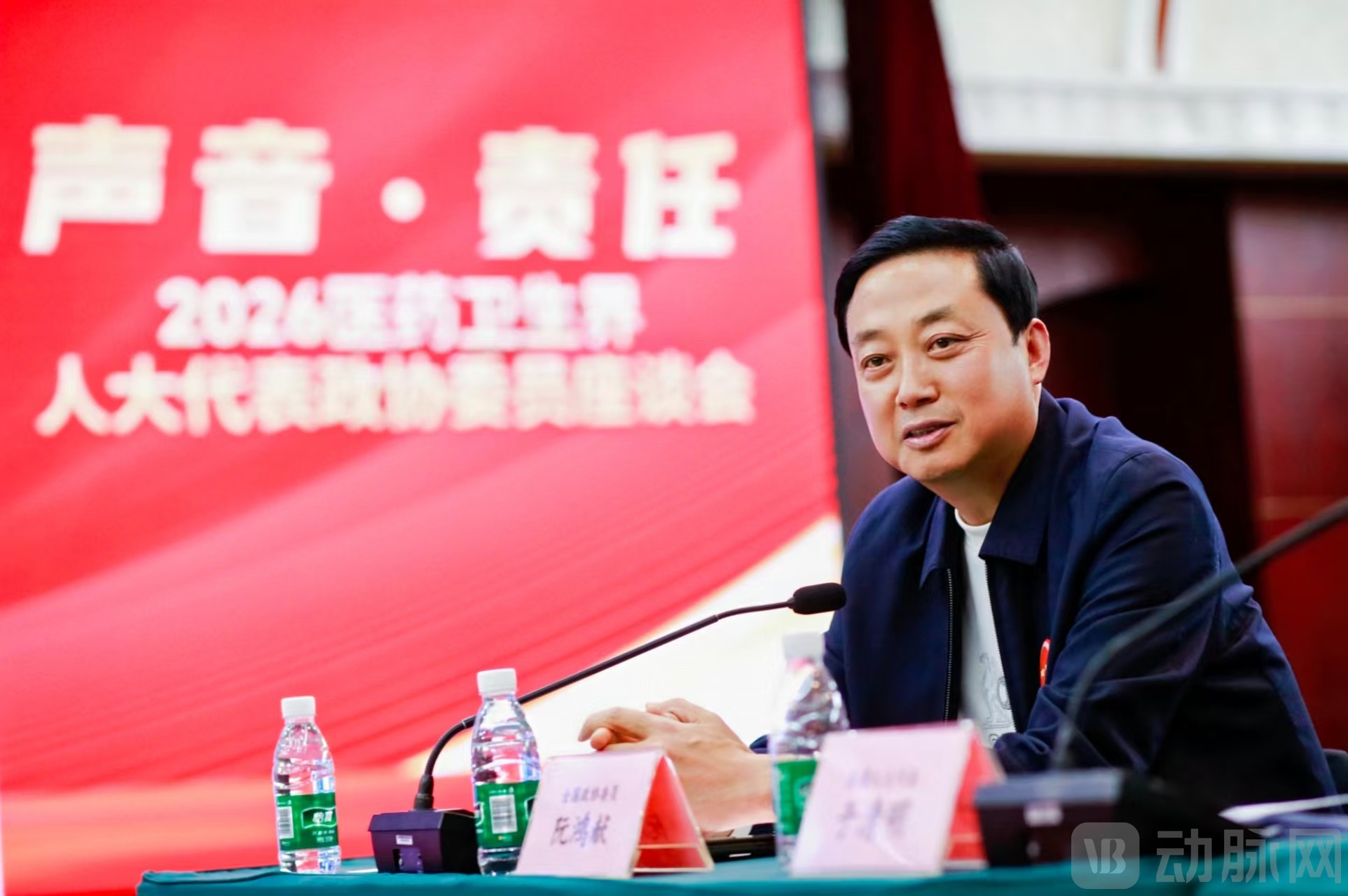
Ruan Hongxian, Member of the National Committee of the Chinese People's Political Consultative Conference and Chairman of Yixintang Pharmaceutical Co., Ltd.
01.
From 600 Yuan to 50 Yuan: The Consumption Shift Behind the Decline in Average Transaction Value
Ruan Hongxian shared a set of data: 28 years ago, Yixintang’s average transaction value per customer was approximately RMB 600, whereas today, this figure has dropped to RMB 50, less than one-tenth of what it was back then.
“This demonstrates that retail pharmacy services are becoming increasingly convenient, leading to greater consumer reliance on and trust in pharmacies,” explained Ruan Hongxian. In the past, people would stockpile six months’ to a year’s supply of medications due to fears of unavailability. Today, with pharmacies ubiquitous on street corners and at residential community entrances, a wide range of medicines is readily accessible, eliminating the need for consumers to maintain large stockpiles.
This shift also reflects a profound transformation in the health consciousness of the Chinese public.
In Ruan Hongxian’s view, health consumption concepts in China and around the world are undergoing a transformation. In the past, using serving chopsticks during meals might have been misinterpreted by others as “rejection,” whereas today, they have become a standard practice on Chinese dining tables. “This indicates that our demands for health and our understanding of it are continuously improving, elevating the importance of health to a new level within the consumer sector.”
According to a 2024 survey by a renowned market research firm, 63% of respondents visit pharmacies not only to purchase medications but also to seek health consultations; 78% of patients with chronic diseases require comprehensive, full-cycle services encompassing “medication reminders, dietary guidance, and regular follow-ups.” Young mothers are concerned about “how to choose children’s nutritional supplements,” middle-aged individuals are keen on “how to blend liver-protective teas for staying up late,” and elderly customers wish to learn “the correct posture for measuring blood pressure.”
This clearly demonstrates that public demand has shifted from “treating diseases” to “preventing diseases,” and from “purchasing medications” to “purchasing services.” Consumers’ new expectations are evolving into a new wave in the broader health industry.
As part of the broader health and wellness industry, retail pharmacies play a vital role in health promotion and nutritional care. They serve as a crucial line of defense for public health while bearing the significant responsibility of helping the general public manage common minor ailments and improving overall societal health levels.
“From birth and growth to aging, it is difficult for people to avoid disease throughout their lives; our proactive approach is ‘prevention,’” said Ruan Hongxian. He noted that many chronic diseases can be significantly delayed through early intervention and adjustments to lifestyle and work habits, potentially postponing onset by 10 or even 20 years, thereby improving quality of life.
Guided by this understanding, Yixintang Pharmaceutical Co., Ltd. has proposed a strategic transformation toward the “Health Station” model. Ruan Hongxian elaborated on its core principle: “To encourage consumers to proactively monitor their health and understand how lifestyle habits impact well-being, we rely on professional services across various sectors, including pharmaceutical retail. Through expert guidance, we aim to help individuals establish sound health concepts and facilitate positive changes in their lifestyle habits.”
In addition to shifts in health consciousness, retail pharmacies have reportedly faced operational pressures in recent years due to a multitude of factors:
● From a policy perspective, factors such as reduced profit margins for pharmaceutical companies due to centralized drug procurement, the zero-markup policy for negotiated drugs under the “dual-channel” mechanism, and intense online price competition have compressed the profit margins of retail pharmacies.
● From a market perspective, as the coverage of outpatient services for chronic and special diseases and the outpatient pooling scheme continues to expand, the consumer base for retail pharmacies is steadily shrinking;
● In terms of consumption patterns, young people have become accustomed to placing orders via mobile phones and having medications delivered by courier, while middle-aged and elderly individuals are also drawn to the convenience of “online consultations + online medical insurance payment.” The traditional convenience advantage of brick-and-mortar pharmacies is eroding.
Therefore, major domestic pharmacy chains in China, including Yixintang Pharmaceutical Co., Ltd., are advancing their transformation.
In October 2025, Yifeng Pharmacy completed a new round of quality improvement and expansion for its “Love Stations” in Hunan Province, with 240 newly added standardized stations officially commencing operations. At that time, the total number of “Love Stations” operated by Yifeng Pharmacy across Hunan Province had reached 300.
Laobaixing Pharmacy is also innovating its “Pharmacy+” model by partnering with well-known branded convenience store chains to build a diversified ecosystem that integrates health management, convenient shopping, and lifestyle services, jointly creating community “Healthy Living Hubs.”
However, transformation does not mean starting from scratch. Ruan Hongxian emphasized that pharmacies must still anchor themselves to their core service targets—centering on the mass consumer base and their needs. “The ‘natural consumption’ driven by the public’s daily health management is the most long-term and sustainable support.”
02.
From 3,000 to Over 10,000 SKUs: The Transformation of the Pharmacy Scenario
What Does a Health Station Actually Look Like? First, It Involves the Visual Reconstruction of Hardware-Level Scenarios.
“Pharmacies in the past were all counter-based,” said Ruan Hongxian. In contrast, Health Stations are divided into distinct zones: medicines are displayed by therapeutic area, while health supplements, daily necessities, skincare products, and hygiene products each have their own dedicated sections. “We want consumers to feel that these products, which used to be available only in supermarkets, can now be purchased at pharmacies right at the entrance of their residential communities or near their homes.”
“More importantly, as the terminal for public health services, pharmacies have accumulated a profound foundation of trust among the Chinese population. This professional trust, rooted in the entrustment of health, gives pharmacies a natural situational advantage in addressing consumers’ health needs.” In Ruan Hongxian’s view, this trust makes consumers more willing and reassured to purchase daily necessities, health supplements, and a range of other products at pharmacies.
Thus, category expansion has become another major feature of the “Health Station.”
“Pharmacies used to carry around 3,000 SKUs; today, the number of product varieties has surpassed 10,000,” said Ruan Hongxian. “Consumers now have significantly more choices, and operators must align with market demand to meet increasingly diverse consumer needs.”
Yixintang disclosed more specific strategic plans in its financial report: the company is building a dual-track model centered on professional pharmacies focused on pharmaceutical sales and diversified drugstores offering a full range of categories, through store classification and tiered renovations, to drive the transformation from traditional pharmaceutical retail to a “professional services + pan-health ecosystem.” In the future, stores will evolve toward a structure where 30% are professional pharmacies and 70% are multi-category outlets.
In terms of category expansion, Yixintang has introduced self-care and wellness categories such as beauty products, personal care items, mother-and-baby products, functional foods, and trendy toys, while maintaining its advantages in core therapeutic categories including prescription drugs, over-the-counter medications, and traditional Chinese medicine decoction pieces.
In 2025, Yixintang Pharmaceutical Co.,Ltd. plans to renovate 1,000 drugstore-cosmetic stores, including 500 in Yunnan Province and a combined 500 by its subsidiaries outside the province. The company will expand the product categories of its flagship stores by one-third. According to the plan, these renovations will cover 70% of its stores within two to three years.
When asked whether this transformation could alleviate the overall pressure on the pharmacy industry since 2025, Ruan Hongxian candidly stated, “It will certainly bring some improvement. However, the industrial environment and policies are difficult for any single enterprise or industry to change. Therefore, enterprises must find their niche for survival under the guidance of national policies, embrace these policies, and adapt to the prevailing trends.”
Regarding the competitive landscape between online platforms and offline pharmacies in recent years, Ruan Hongxian views it within a broader policy framework. He noted that while market competition has intensified in recent years, brick-and-mortar entities such as pharmacies continue to play a vital role in safeguarding the health of the Chinese population. “As times progress and markets evolve, business operators can only strive to continuously gain insights, adapt to market changes, and seize opportunities under the guidance of national policies.”
- [Invitation] -
2026 Future Healthcare & Pharma Top 100 Conference
Forum on Tackling the “Last Mile” of Value Realization for Innovative Drugs
From Clinic to Market, from Valuation to Value
A Wave of Innovative Drug Launches, Yet “Approval” Does Not Equal “Accessibility”.
National Reimbursement Drug List (NRDL) Inclusion, Payment Bottlenecks, Channel Barriers… How Can Clinical Value Be Translated into Market Value?
Policy Reshaping, Capital on the Sidelines: How Can Enterprises Navigate the Cycle Amid Uncertainty?
Join the “Final Mile” Breakthrough Forum on Realizing the Value of Innovative Drugs, where we discuss not only trends but also solutions.
● Focusing on Three Core Chains:Commercialization Strategy, Innovative Payment, Capital Empowerment;
● Exclusive Interviews with Leading Experts: Chief Business Officer, Medical Insurance Expert, Commercial Insurance Pioneer, Capital Industry Leader;
● A Practical Perspective on Capital Empowerment: An in-depth exploration of how capital empowers enterprises during the commercialization phase;
● Review of Successful Cases: A Comprehensive Breakdown of Market Access Strategies, Payment Design, Channel Layout, and Capital Operations;
● Roundtable Debate: How can a value community be built through multi-party dialogue? How can the integration of industry and finance be implemented?
What You Will Gain:
● Identifying Breakout Paths Amid Policy and Market Constraints
● Connecting decision-makers, payers, investors, and channel partners
● Extend brand exposure beyond mere dissemination to drive tangible commercial connections
● Time: May 19, 2026 14:00-17:30
● Location: Shanghai Minhang District Baijin Hanjue Hotel
● Organizer: VCBeat
Add the WeChat ID below to register and secure your limited attendee/guest spot.
Let’s Navigate the “Last Mile” of Innovative Drug Development Together!