

Shouyun Medical Launches AI-Powered Companion Robot, Ushering in a New Era of Intelligent Healthcare Services Built on Its Four-Core Product Ecosystem
As medical digitalization continues to deepen, hospital service models are undergoing profound changes. In the traditional healthcare system, patients often need to switch repeatedly between multiple systems and various stages: registration, waiting for consultation, examinations, payment, medication pickup, and so on. Each step requires patients to complete it on their own.
However, in the era of smart healthcare, the goals of medical services are shifting—not only to improve efficiency but also to build a “patient-centered continuous care system.”
Against this backdrop, Beijing Shouyun Medical Technology Group Co., Ltd. is driving the upgrade of healthcare service models through technological innovation. After more than a decade of technical accumulation, the company has gradually established four core product systems: “Internet Hospital,” “In-Hospital Self-Service System,” “Intelligent Blood Collection System,” and “Patient Health Management Platform.” Building on this foundation, it has launched a new service model—the “AI Consultation Companion Robot.” This ecosystem is redefining how hospitals deliver services.
During the development of smart hospitals, medical services require not only digital systems but also a comprehensive service capability framework. Shouyun Medical has established four core product lines that cover key stages including “pre-consultation, during consultation, post-consultation, and out-of-hospital health management.”
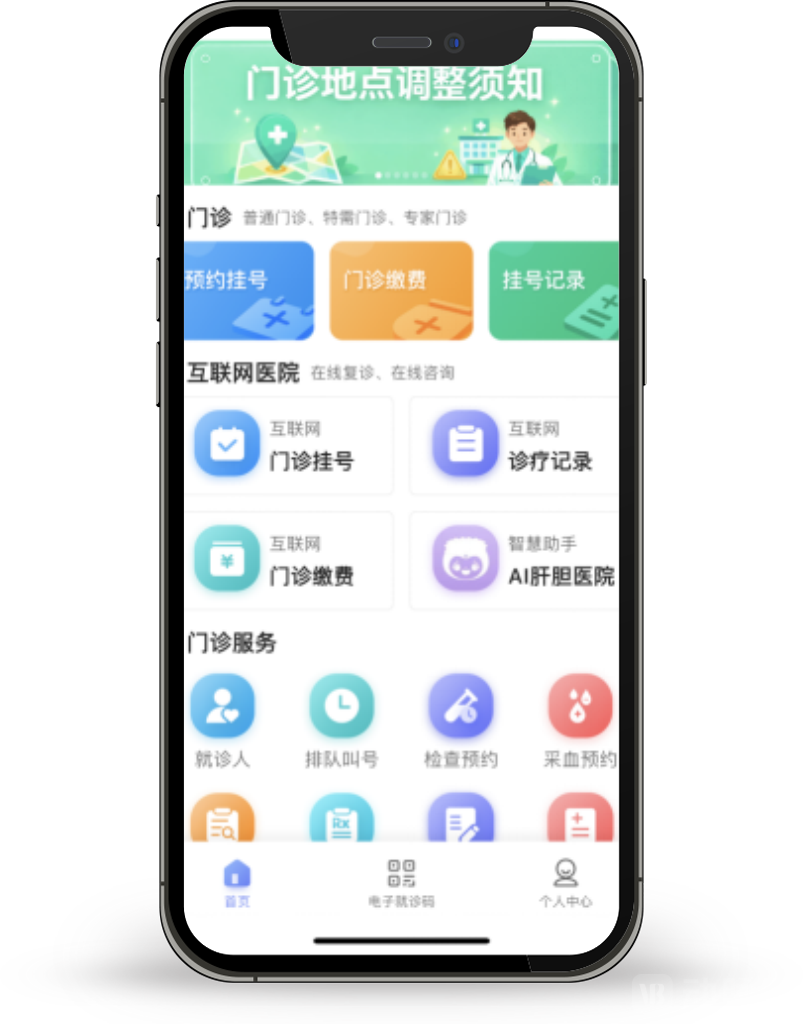
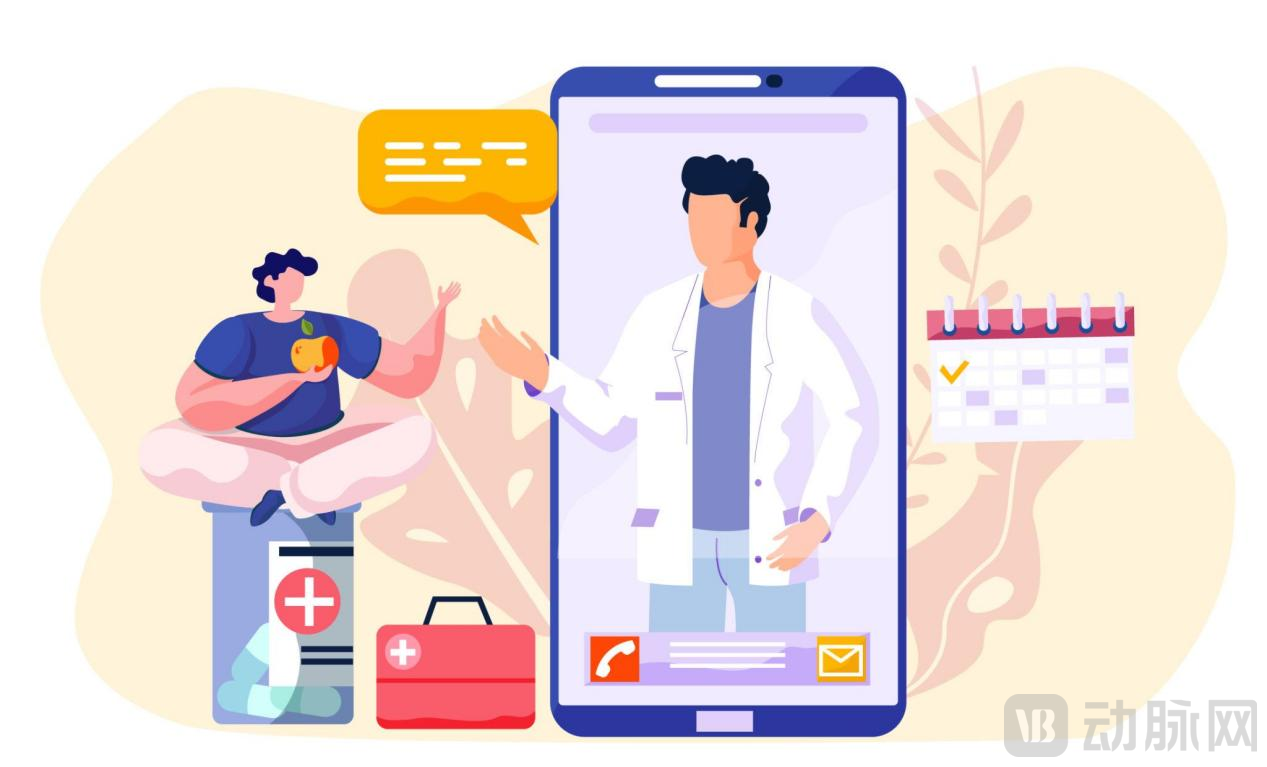
Internet Hospital Platform: A Vital Hub Connecting Hospitals with Out-of-Hospital PatientsThe Internet hospital platform serves as a critical hub for hospitals to connect with patients outside the hospital setting. Through the Internet hospital system, patients can complete online consultations, schedule appointments, obtain follow-up prescriptions, engage in doctor-patient interactions, facilitate prescription circulation, and arrange medication delivery. Physicians can leverage the platform to provide telemedicine services, extending medical care from within the hospital to patients’ homes. This system enables hospital services to evolve gradually from episodic clinical encounters into a “continuous health service ecosystem.”
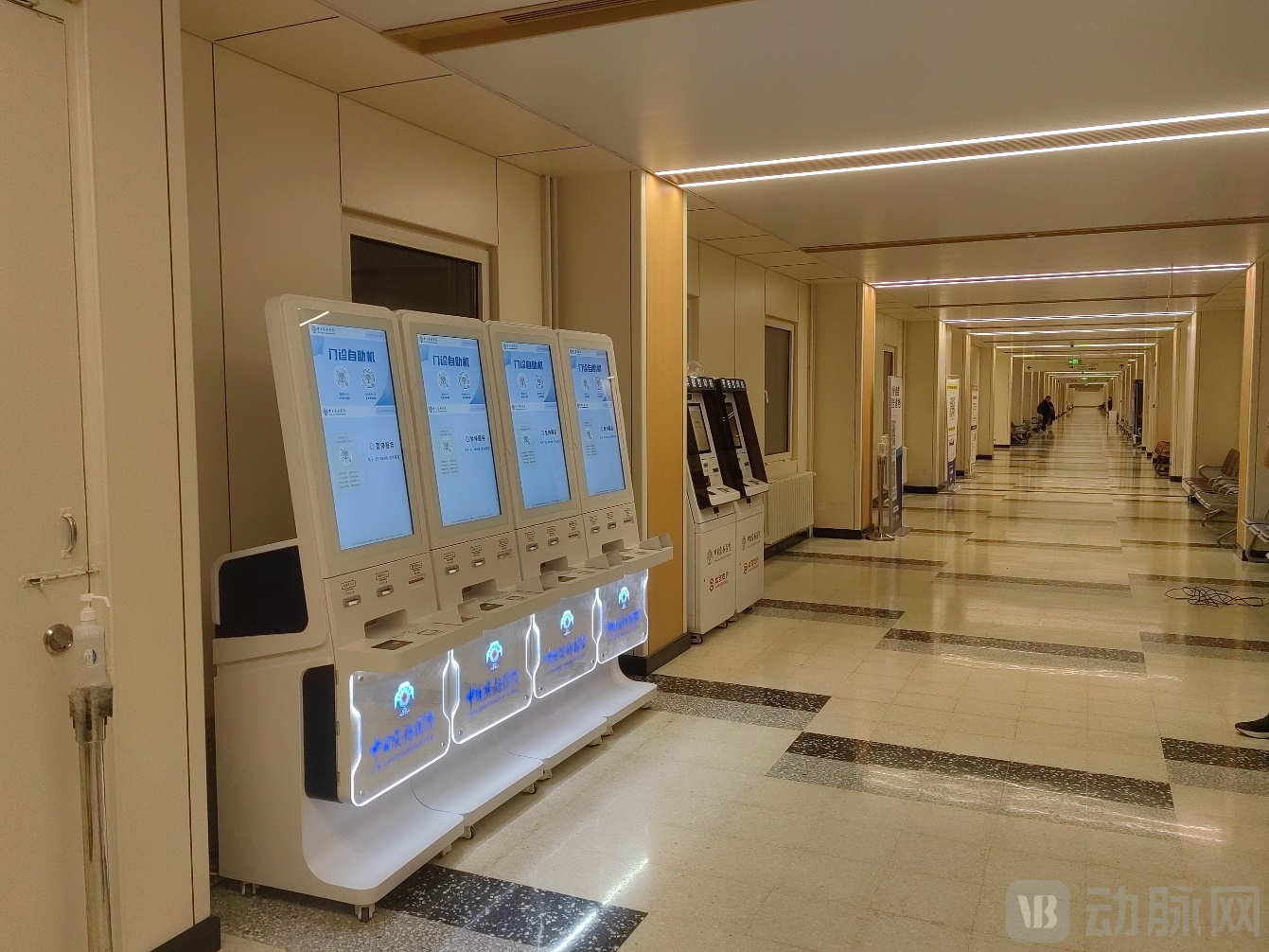
In hospital settings, a large volume of high-frequency services are concentrated in registration, payment, and report inquiry. Shouyun Medical has launched in-hospital self-service kiosks that enable automated and intelligent hospital services through multifunctional self-service terminals. Patients can use these devices to complete tasks such as appointment scheduling and check-in, payment and medical insurance settlement, inquiry and printing of examination reports, hospitalization procedures, and access to medical care information. This system effectively alleviates the pressure on hospital service counters while significantly improving patients’ efficiency in seeking medical care.
Currently, Shouyun Medical’s self-service kiosks have been deployed in 65 hospitals across Beijing, including major Grade A tertiary hospitals such as Peking Union Medical College Hospital, Beijing Hospital, and China-Japan Friendship Hospital.
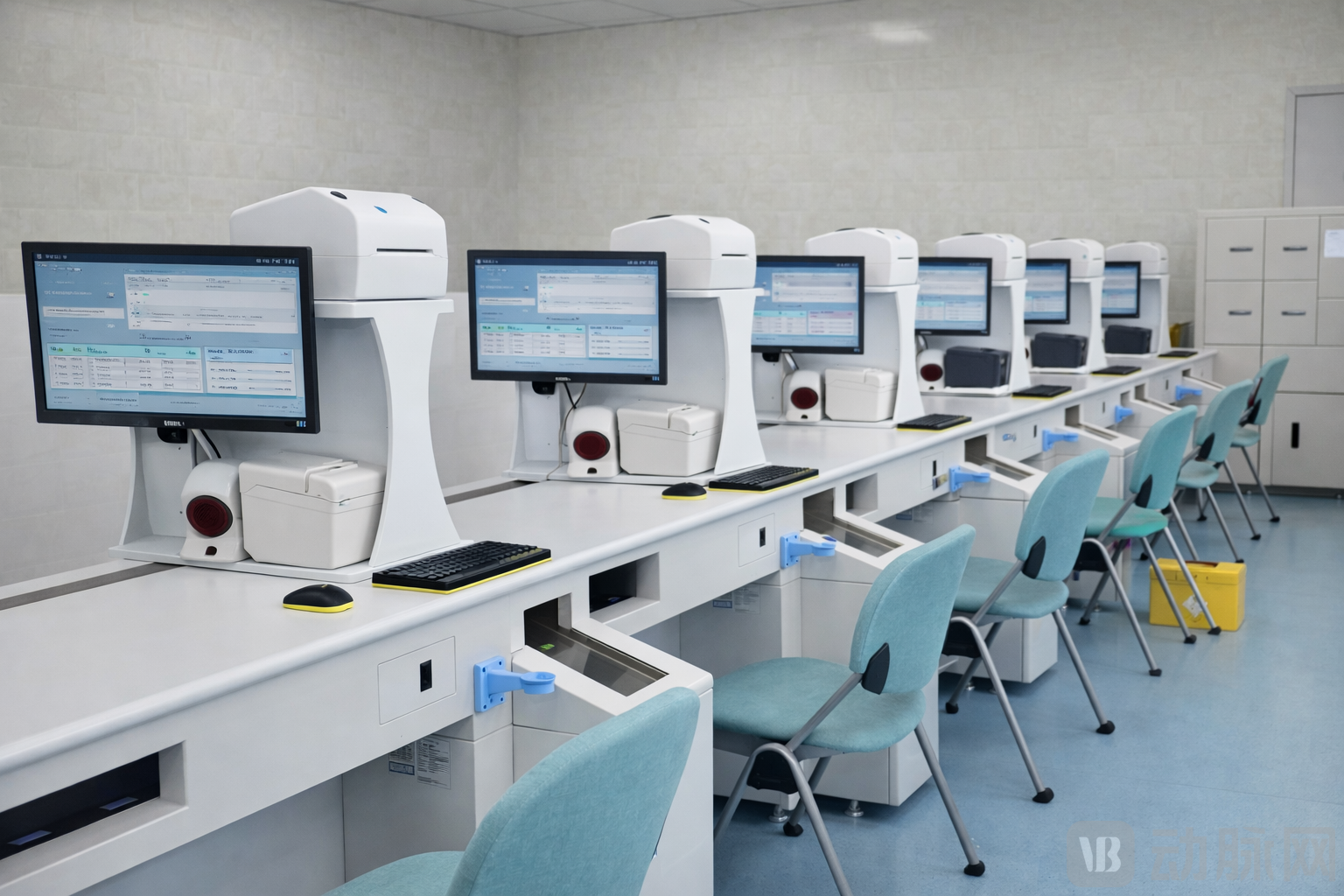
Blood collection is one of the most common procedures in outpatient examinations and also one of the areas with the highest concentration of patient queues in hospitals. The intelligent blood collection system launched by Shouyun Medical comprehensively optimizes the blood collection process through information technology, featuring intelligent queue management, automatic triage scheduling, dynamic allocation of phlebotomy stations, and automatic patient identification. Through systematic coordination, the blood collection process has become more orderly and efficient, significantly reducing patient waiting times and enhancing the work efficiency of medical staff.
Medical services do not end when patients leave the hospital. For patients with chronic diseases, long-term health management is what truly matters. Shouyun Medical’s patient health management platform provides long-term health management services through continuous data collection and analysis. The system can record and analyze patient health data, such as blood pressure, blood glucose, heart rate, exercise metrics, and medication records. Physicians can conduct ongoing follow-ups and health interventions based on this data, thereby facilitating a transition from “disease treatment” to “health management.”
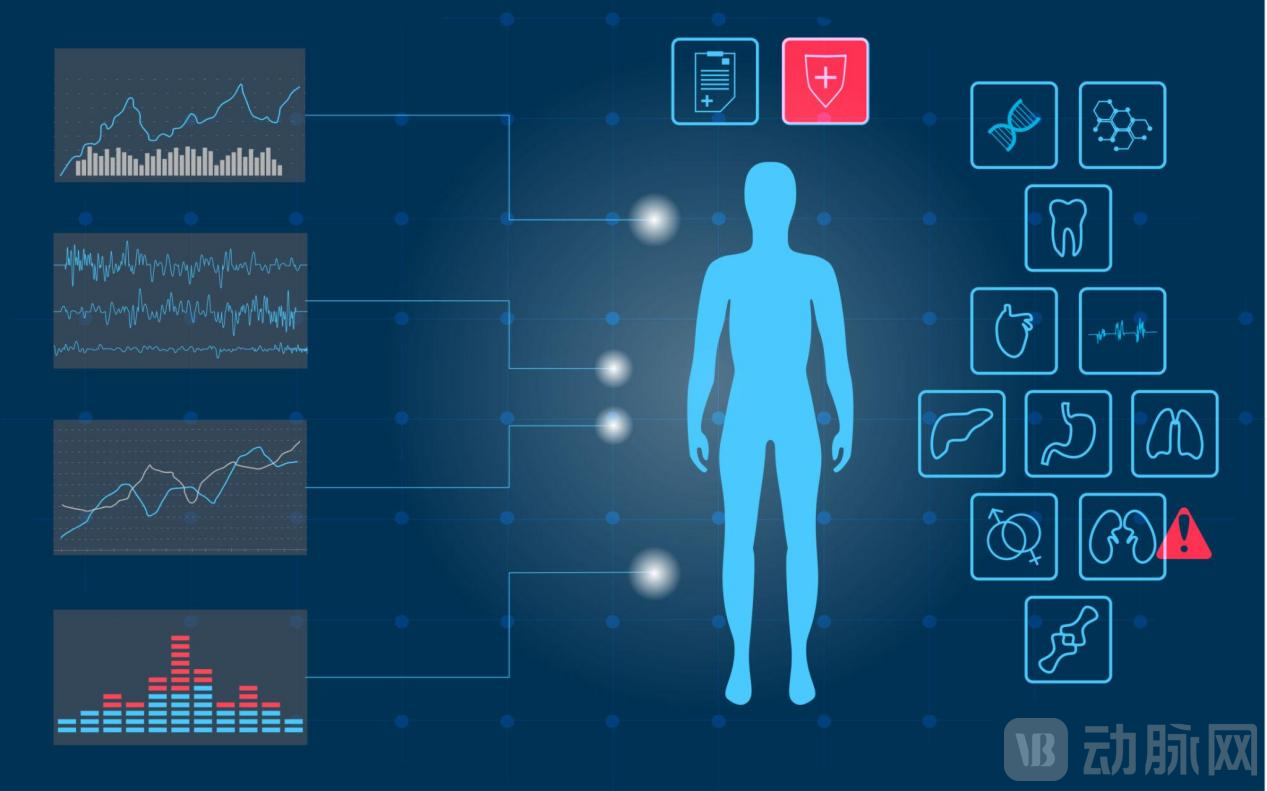
Supported by its internet hospital, in-hospital self-service systems, intelligent blood collection systems, and patient health management platforms, Shouyun Medical has gradually established a smart medical service system that covers pre-consultation, intra-consultation, post-consultation, and out-of-hospital health management.
This system not only digitizes the medical service delivery process but also empowers hospitals with more comprehensive health service capabilities.
However, a new issue has gradually emerged in the practice of smart hospitals: as hospitals accumulate more information systems and service capabilities, how can patients access these capabilities more naturally and conveniently? In other words—who should serve as the “intelligent hub” connecting patients with the entire smart healthcare ecosystem?
In this context, Shouyun Medical has launched a new service model: the AI Medical Consultation Companion Robot.
If the four major product lines constitute the foundational capabilities of smart healthcare, then the AI consultation companion robot stands atop this framework, serving as the AI interaction gateway and intelligent service hub that connects all systems.
It not only understands patient needs but also integrates various internal hospital system resources to provide continuous, proactive, and personalized medical services.
Thus, smart healthcare is also entering a new chapter of AI-driven intelligent services from "system collaboration."
Companion robots are not merely passive triage tools; they serve as proactive service gateways to hospital smart healthcare systems. Leveraging large AI models, speech recognition, and natural language processing technologies, companion robots can engage in natural language interactions with patients, understand their needs, and proactively deliver services.
More importantly, this service model is transforming the logic of traditional healthcare delivery. In the past, patients had to proactively seek out medical resources; whereas in an AI-driven smart healthcare system, services are gradually shifting toward proactive response and intelligent collaboration. The medical accompaniment robot serves as a key vehicle for this transformation. It represents not only a new type of service tool but also a significant step for smart hospitals in evolving from “system digitization” to an AI-driven service model.
As artificial intelligence technology continues to advance, future medical services will become increasingly intelligent and patient-centered. Companion robots will also continue to evolve, serving as critical nodes in smart hospitals that connect patients, healthcare systems, and health management.
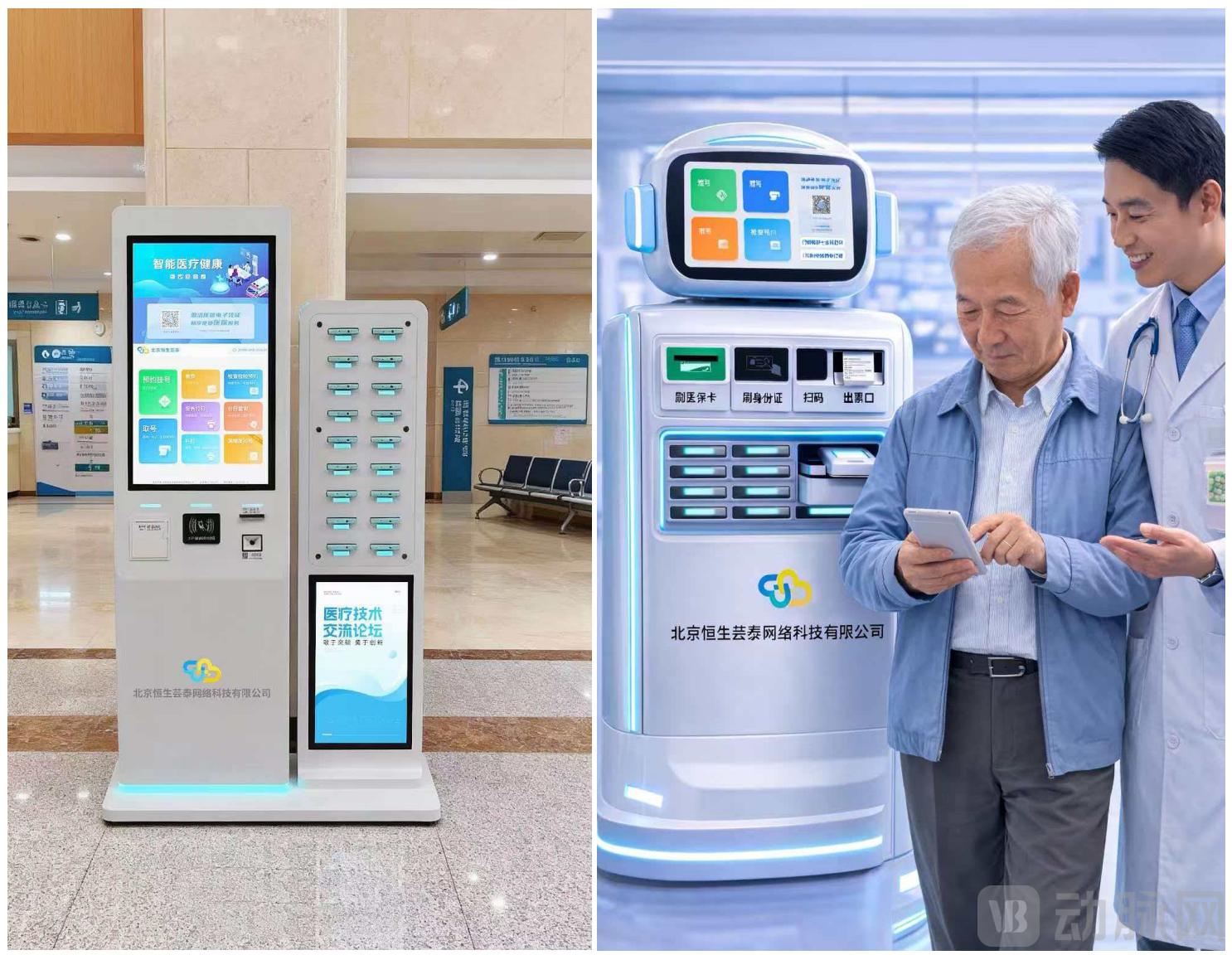
In Shouyun Medical’s technology roadmap, the current AI-assisted consultation system represents only the first phase of smart healthcare evolution. In the future, this system will gradually evolve from a “process assistance tool” into a truly embodied intelligent medical partner with cognitive and actionable capabilities.
Embodied AI is considered the next stage in the development of artificial intelligence. Unlike traditional software, it not only understands information but also perceives its environment, comprehends context, and makes autonomous decisions.
In this technological trend, future companion diagnostic robots will integrate:
● Large Medical Models
● Multimodal Perception System (Visual, Speech, and Environmental Perception)
● Medical Knowledge Graph
● Autonomous Navigation and Spatial Computing Technology
Through the integration of these technologies, robots will possess service capabilities that truly approach those of human assistants.
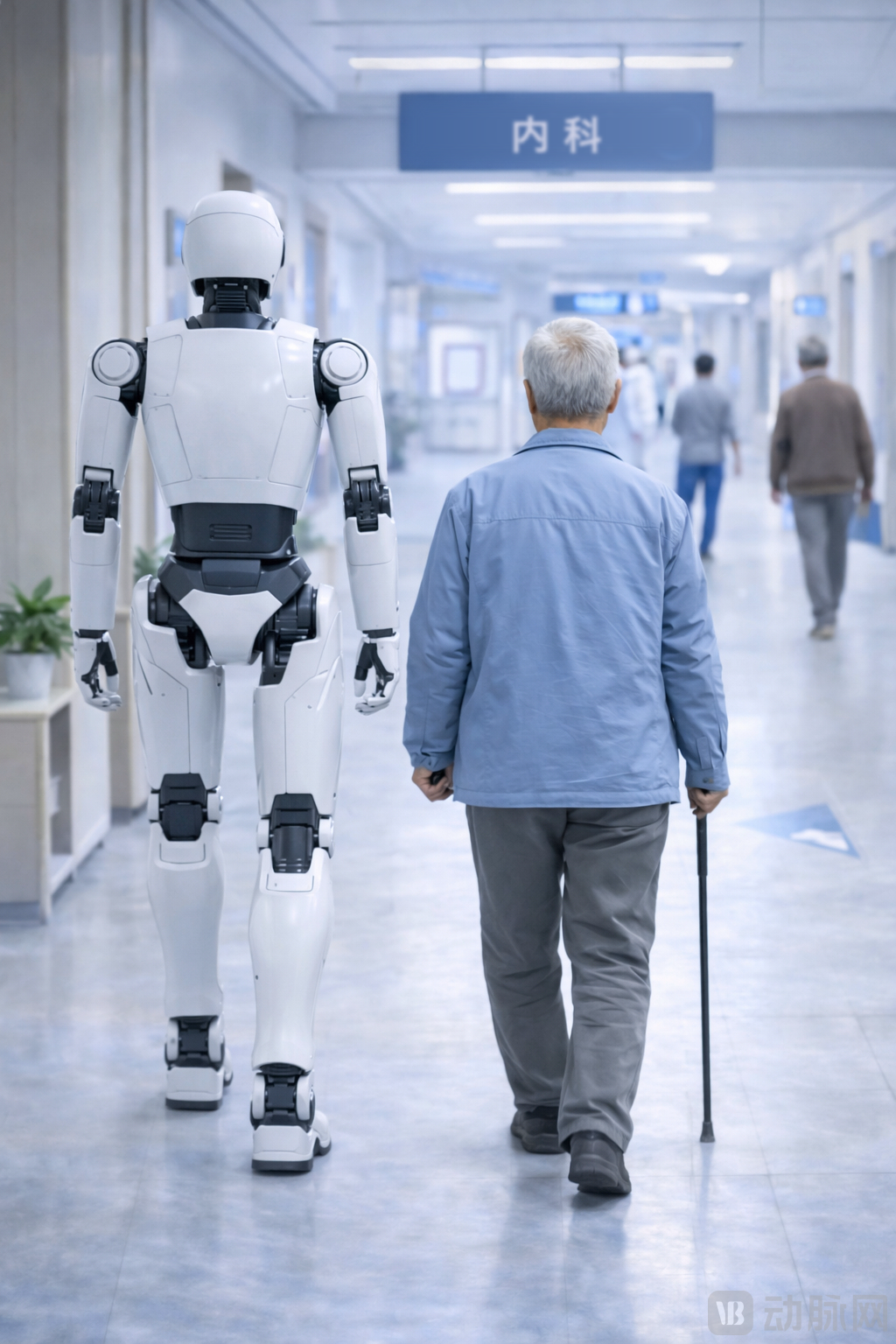
After more than a decade of technological accumulation, Shouyun Medical has gradually established a smart healthcare product ecosystem covering “pre-consultation, during consultation, post-consultation, and out-of-hospital health management.” The Internet Hospital extends the boundaries of medical services, in-hospital self-service systems enhance hospital service efficiency, intelligent blood collection systems optimize examination processes, and the patient health management platform builds long-term health services. The AI diagnostic companion robot serves as a key entry point connecting these systems.
In future hospitals, patients will no longer need to navigate complex medical processes; instead, guided by AI-assisted diagnostic robots, they will receive a continuous and comprehensive healthcare service experience.
From its four major product systems to the consultation companion robot, Shouyun Medical is driving the evolution of healthcare service models toward greater intelligence, efficiency, and human-centricity.