

DAMO Academy Medical AI: From Technological Breakthroughs to Ecosystem Implementation
Recently, the National Medical Products Administration (NMPA) released the “Public Notice on Review Results of Applications for Special Examination of Innovative Medical Devices (No. 4, 2026),” proposing to approve four innovative projects for entry into the special examination procedure. Among them is the “CT Image-Assisted Triage Software for Pancreatic Lesions” developed by Alibaba DAMO Academy (Beijing) Technology Co., Ltd. (hereinafter referred to as the DAMO Academy Medical AI Team).
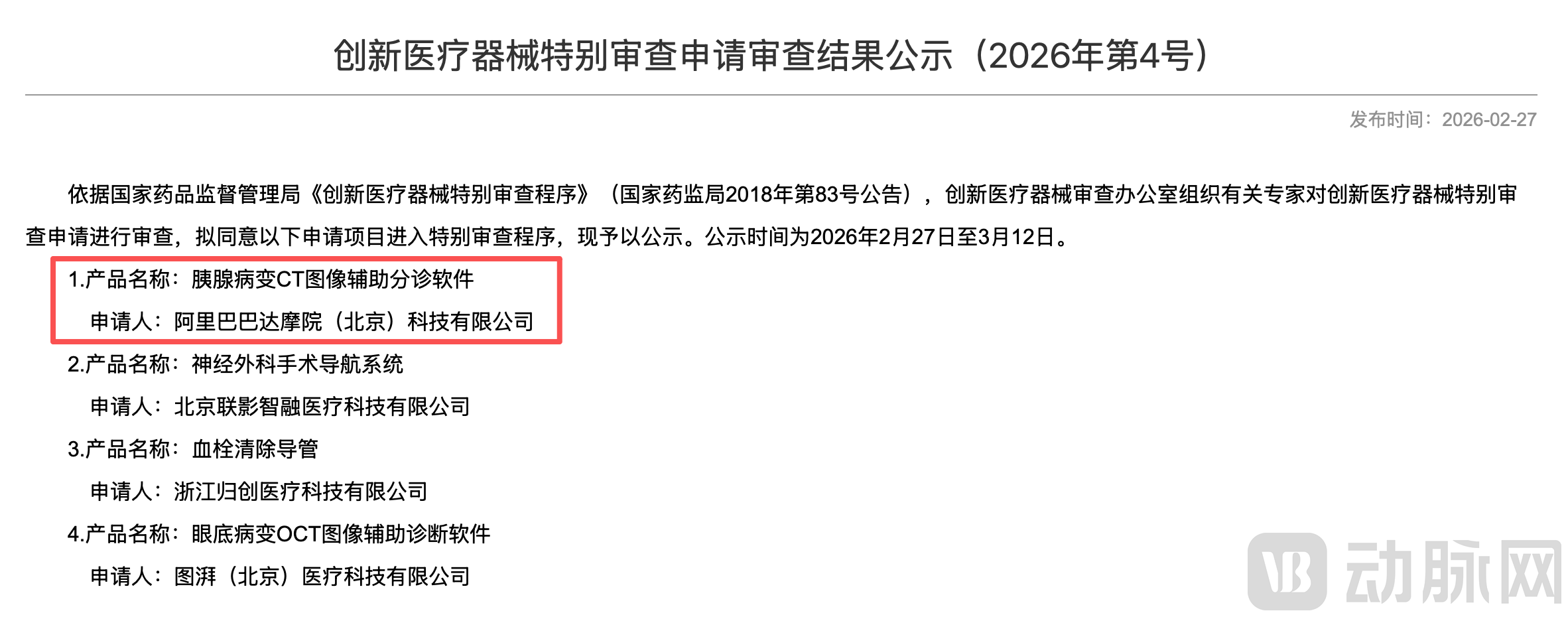
This is a flagship software developed by the DAMO Academy Medical AI team, based on its proprietary AI + non-contrast CT technology. As early as 2023, the results of large-scale pancreatic cancer screening studies conducted using this technology were published inNature Medicineand quickly sparked heated discussions both domestically and internationally. Subsequently, the results of gastric cancer screening research (DAMO GRAPE) and acute aortic syndrome research (DAMO iAorta) based on this technology also consecutively appeared inNature Medicineand has also drawn significant attention both domestically and internationally.
Not only that,In April 2025, the DAMO Academy’s AI-powered non-contrast CT pancreatic cancer screening model (DAMO PANDA) received the U.S. FDA’s “Breakthrough Device” designation; in February 2026, its “CT Image-Assisted Triage Software for Pancreatic Lesions” was also included in China’s Special Examination Procedure for Innovative Medical Devices.This naturally raises the question: What is the real-world effectiveness of this technology in clinical practice? How far are we from large-scale implementation? Is the application of this technology by the DAMO Academy Medical AI Team limited to pancreatic cancer and gastric cancer screening, as well as the assessment of acute aortic syndrome?
With these questions in mind, VCBeat conducted an interview with Wang Tong, Deputy General Manager of the Medical AI Laboratory at DAMO Academy, from whom we gathered the following key points:
1. The goal of the DAMO Academy Medical AI team is to enable AI to achieve what humans cannot, such as detecting early-stage pancreatic cancer using only non-contrast CT scans;
2. Leveraging AI and non-contrast CT technology, the DAMO Academy Medical AI Team has developed three categories of solutions: screening for digestive system tumors, risk early warning for acute aortic syndrome, and assessment and management of various chronic diseases;
3. Based on these solutions, the DAMO Academy Medical AI team will empower healthcare institutions to optimize disease diagnosis and treatment processes, enabling rational and efficient allocation of medical resources to save more lives;
4. Expanding implementation across more hospitals is the team’s next key focus.
“At this stage, the applications of medical AI fall into two categories: one is to improve efficiency; the other is to transcend human limitations and accomplish tasks beyond human capability. While numerous companies have already engaged in the former, only a few have ventured into the latter. What DAMO Academy aims to achieve is precisely the latter.” This statement by Wang Tong not only succinctly summarizes DAMO Academy’s vision for medical AI but also subtly conveys the formidable challenges faced by its medical AI team.
Wang Tong also stated in the interview,“DAMO Academy aims to leverage AI combined with non-contrast CT scans to address the most critical pain points and the most formidable challenges.”Yet the healthcare sector comprises numerous niche segments, each rife with challenges and pain points. What strategic choices has the DAMO Academy Medical AI team made?
The answer lies in early screening for digestive system tumors, risk warning for acute aortic syndromes, and the assessment and management of major chronic diseases. This is because they respectively address the “difficulty,” “urgency,” and “suboptimal routine management” inherent in disease diagnosis and treatment.
Let’s first examine the “difficulties” in early screening for digestive system tumors.
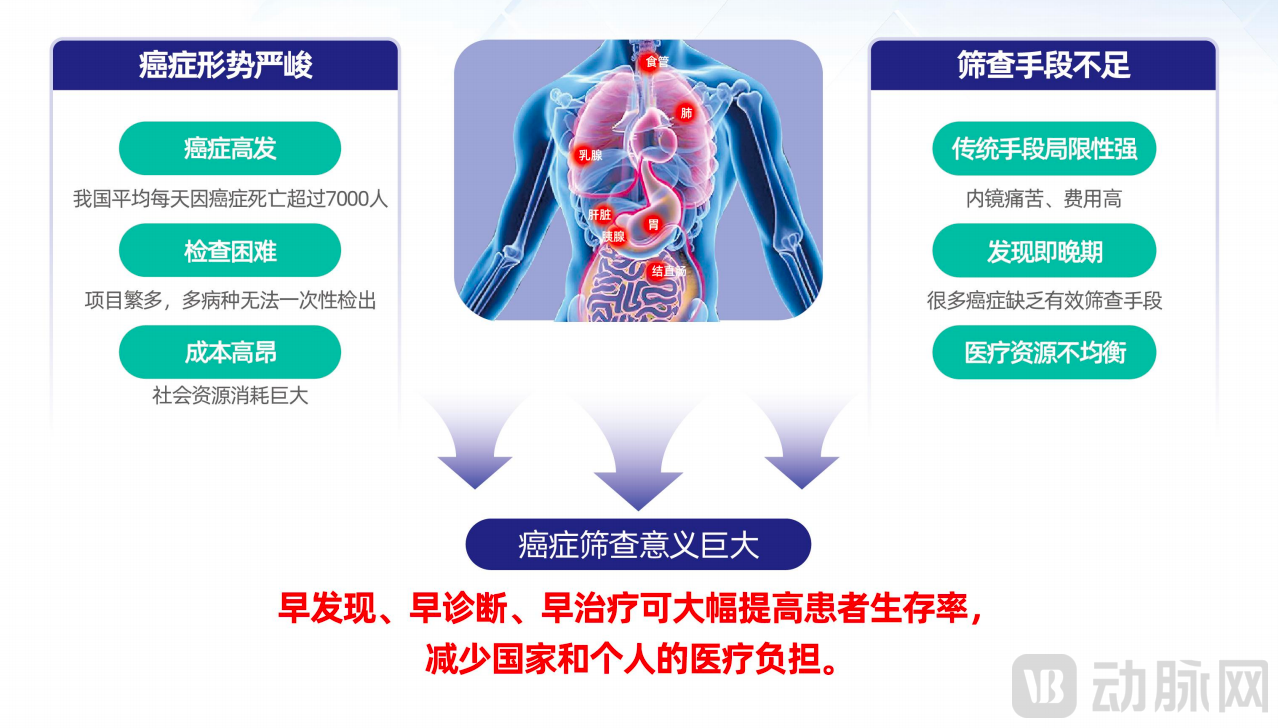
According to the "2024 National Cancer Report" by the National Cancer Center, the top five cancers by incidence in China are lung cancer, colorectal cancer, thyroid cancer, liver cancer, and gastric cancer, with digestive system tumors accounting for three of these positions. The top five cancers by mortality are lung cancer, liver cancer, gastric cancer, colorectal cancer, and esophageal cancer, with digestive system tumors occupying four of these spots. Although pancreatic cancer ranks only 10th in incidence, its mortality rate is high, ranking 6th. Due to its extremely high malignancy, pancreatic cancer has been dubbed the "King of Cancers."
In this context, early screening and diagnosis of tumors are particularly crucial. However, one of the prevailing stereotypes associated with digestive system tumors is that they are “advanced at detection.” Taking pancreatic cancer as an example, according to a 2024 study titled “Research Progress in Early Screening for Pancreatic Cancer” published in Zhejiang Medical Journal, more than 50% of pancreatic cancer patients are already at an advanced stage of disease progression at the time of diagnosis, thereby losing the opportunity for surgical intervention. Currently, radical resection combined with systemic chemotherapy is the only approach enabling long-term survival for pancreatic cancer patients; thus, losing the chance for surgery is virtually equivalent to an immediate “death sentence.”
One of the primary reasons for this phenomenon is the difficulty in early screening for digestive system tumors. On one hand, these tumors are typically asymptomatic or present with insidious and non-specific symptoms in their early stages, meaning patients rarely proactively seek specialized medical examinations. On the other hand, because early symptoms often manifest as indigestion, diarrhea, and similar issues, digestive system tumors are easily confused with other gastrointestinal disorders, thereby further complicating disease screening efforts.
Moreover, traditional diagnostic methods—gastrointestinal endoscopy—are not only costly and painful but also heavily reliant on physicians’ skills and experience, resulting in a relatively high rate of missed diagnoses. Therefore, they are not suitable for widespread adoption as screening tools. In other words, there is currently a lack of effective screening methods for digestive system tumors. As Wang Tong pointed out in an interview, “For these diseases, what is lacking is not diagnostic capability, but effective screening methods.”
Let us now examine the “acute” nature of acute aortic syndrome.
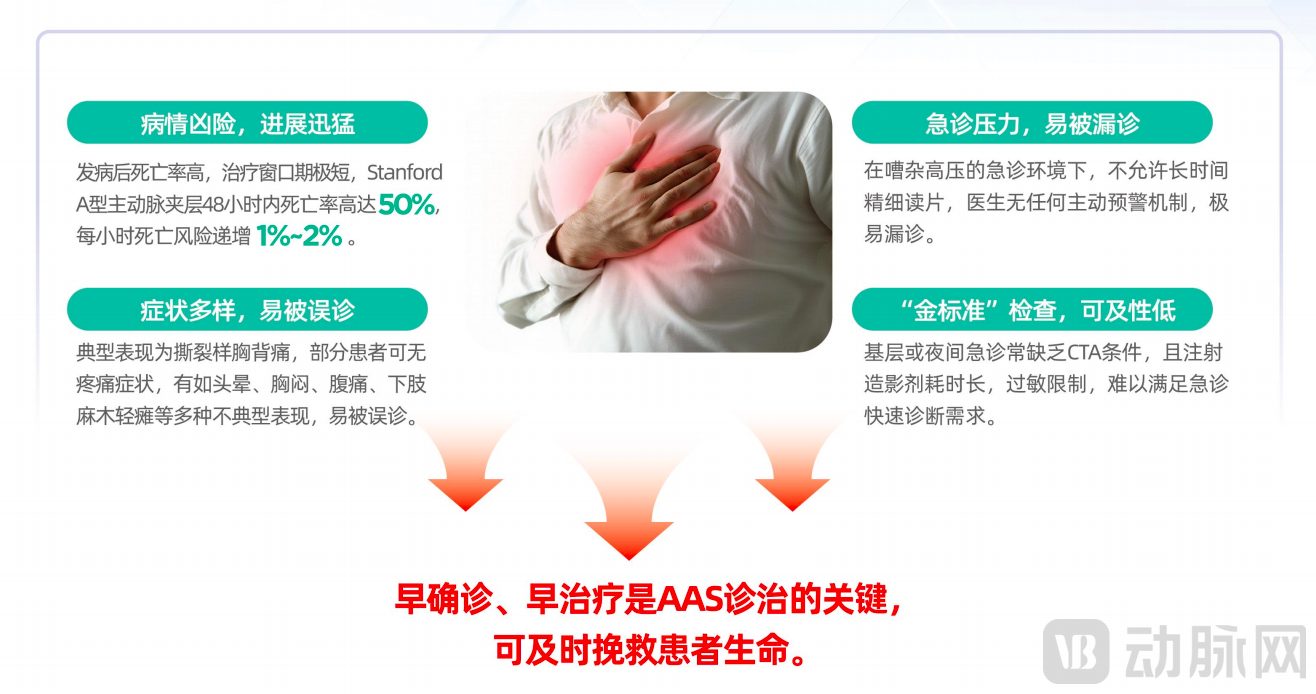
This is a highly perilous condition, characterized not only by a high incidence rate but also by an extremely narrow therapeutic window. It is reported that the 48-hour mortality rate for acute aortic syndrome (AAS) reaches as high as 50%, with the risk of death increasing by 1%–2% per hour. In other words, from diagnosis to surgical intervention, physicians must race against time to “snatch patients back from the jaws of death.” The faster the diagnosis is confirmed, the higher the patient’s chance of survival.
Unfortunately, similar to digestive system tumors, the clinical manifestations of acute aortic syndrome (AAS) are highly diverse and largely non-specific, including symptoms such as dizziness, chest tightness, abdominal pain, and mild lower extremity paralysis, which significantly increases the risk of misdiagnosis. Moreover, the diagnostic workflow for AAS in emergency settings is cumbersome. According to survey data from the DAMO Academy Medical AI Team, it takes an average of four hours—from physical examination and blood tests to non-contrast CT scanning—to reach the critical step in diagnosing AAS: contrast-enhanced CT. However, the golden window for treating AAS is only six hours. If this delay is compounded by late hospital arrival among patients who are asymptomatic or present with subtle symptoms, the opportunity for timely intervention may be lost, leading to preventable tragedies. Therefore, there is an urgent need for a highly efficient risk warning system for AAS to shorten the diagnostic cycle and reduce mortality risk.
Whether it is the complexity of digestive system disorders or the urgency of acute aortic syndromes, these are areas where AI technology can truly shine. However, frankly speaking, many enterprises have attempted to leverage AI to address these pain points. Why, then, did the solutions developed by the DAMO Academy Medical AI Team generate significant buzz as early as the research publication stage? Beyond the prestige of DAMO Academy, what exactly are the highlights and clinical values of these solutions? Wang Tong spent over an hour providing VCBeat with a detailed explanation of the underlying reasons.
The primary distinguishing feature of the DAMO Academy Medical AI Team’s solution lies in its chosen technical approach: AI combined with non-contrast CT.
Occurred During the Team's First SubmissionNature medicineThe “interesting anecdotes” during this period are sufficient to demonstrate the disruptive nature of this technical approach. According to team members, the research paper on large-scale early screening for pancreatic cancer based on AI and non-contrast CT took eight months from submission to acceptance. During this time, the authors also faced a barrage of 58 consecutive questions from a reviewer who was a chief surgeon-level expert.
The primary skepticism centers on the feasibility of the technical approach combining AI with non-contrast CT. This is because non-contrast CT has a relatively low signal-to-noise ratio, and early-stage tumors in the digestive system exhibit minimal density differences from surrounding normal organs—often differing by only a few Hounsfield units (HU). Consequently, these lesions manifest as extremely subtle gray-scale variations on non-contrast CT images. Identifying them by the naked eye alone is akin to spotting a white rabbit in a vast expanse of snow. Therefore, the clinical consensus generally holds that non-contrast CT is unsuitable for early screening of digestive system tumors, and contrast-enhanced CT remains the mainstream imaging modality for precise tumor assessment.
However, contrast-enhanced CT requires the injection of contrast media, which carries a certain risk of allergic reactions and is contraindicated in patients with renal insufficiency; therefore, it is not suitable as a tool for large-scale screening. In contrast, non-contrast CT has a broader indication profile and poses no risk of allergic reactions. Furthermore, due to its lower cost, non-contrast CT offers greater accessibility and is more suitable for widespread implementation.
However, as questioned by the reviewers, how to improve the specificity and sensitivity of non-contrast CT scans, making them truly effective screening tools for digestive system tumors and other diseases, remains a core challenge for the DAMO Academy Medical AI team.
To this end,The DAMO Academy Medical AI Team has primarily undertaken two key initiatives: first, it has collaborated with numerous renowned hospitals and institutions both in China and abroad to establish a vast and robust data foundation for model training, real-world clinical application, and subsequent iterative upgrades; second, it has adopted proprietary innovative technical approaches to mitigate the lower signal-to-noise ratio of non-contrast CT compared to contrast-enhanced CT, thereby enhancing the ability to detect subtle grayscale variations associated with early-stage tumors.
In other words, what the human eye cannot achieve, the DAMO Academy Medical AI Team has enabled plain CT scans to accomplish through AI. As reported in numerous real-world cases by various media outlets, patients presenting only with non-specific gastrointestinal symptoms such as abdominal distension and nausea received early warnings for pancreatic cancer from the AI system after undergoing only a plain CT scan, allowing for timely intervention.
After the DAMO Academy Medical AI team patiently addressed the reviewers’ concerns regarding technical feasibility, questions were raised about the generalizability and stability of the research findings in real-world applications. In response, in addition to presenting real-world validation results from 6,239 patients across 10 hospitals at that time, the DAMO Academy Medical AI team also developed an operable testing platform to allow interested hospitals to conduct their own evaluations.
Ultimately, the research findings of the DAMO Academy Medical AI team on “Large-Scale Early Screening for Pancreatic Cancer Based on AI and Non-Contrast CT” were successfully published inNature Medicineand has drawn significant attention both domestically and internationally. Subsequently, every research finding published by the DAMO Academy’s Medical AI team in this journal—whether on gastric cancer screening or on early warning of acute aortic risk—has sparked extensive discussion within the academic community and even among patient groups.
To date,After multiple rounds of iteration, the DAMO Academy Medical AI Team has developed three categories of solutions based on the technical approach of AI combined with non-contrast CT: a solution for risk screening of digestive system tumors, a solution for risk early warning of acute aortic syndromes, and a solution for assessment and management of chronic diseases.
Digestive System Tumor Risk Screening Solution: One Scan, Five High-Risk Tumors Screened, and Automatic Multi-Disease Analysis in 2 Minutes.Among these, the pancreatic cancer risk assessment model has undergone multicenter validation in over 20,000 consecutive patients undergoing non-contrast CT scans, achieving a sensitivity of 95% and a specificity of 99.9%; the gastric cancer risk assessment model has undergone multicenter validation in over 78,000 consecutive patients undergoing non-contrast CT scans, achieving a sensitivity of 80% and a specificity exceeding 99%; the esophageal cancer risk assessment model has undergone multicenter validation in nearly 100,000 consecutive patients undergoing non-contrast CT scans, achieving a sensitivity of 84% and a specificity of 99.9%; the colorectal cancer risk assessment model has undergone multicenter validation in over 27,000 consecutive patients undergoing non-contrast CT scans, achieving a sensitivity of 89% and a specificity exceeding 99%; and the liver cancer risk assessment model has undergone multicenter validation in 75,000 consecutive patients undergoing non-contrast CT scans, achieving a sensitivity of 91% and a specificity exceeding 99%.
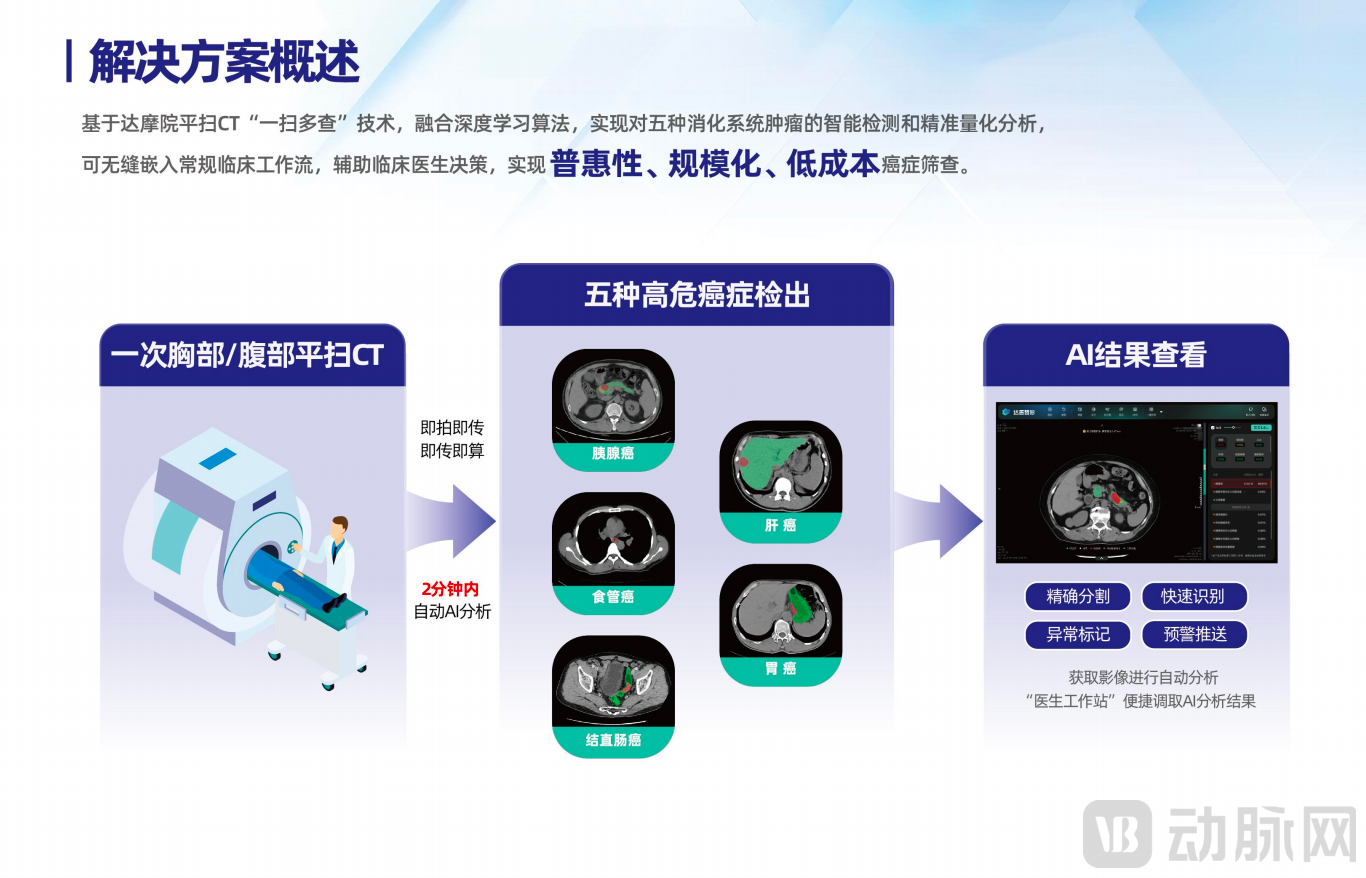
Acute Aortic Syndrome Risk Warning Solution: Automated AAS Alert within 2 Minutes from a Single Non-Contrast CT ScanValidated by over 100,000 large-scale real-world cases across one provincial medical center and two municipal medical centers, the model has achieved a sensitivity of 92.6% and a specificity of 99.2%. Furthermore, with this solution, the missed diagnosis rate for acute aortic syndrome among physicians has decreased to 4.8%, and the examination time has been significantly reduced to 1.6 hours, thereby leading to a substantial reduction in mortality.
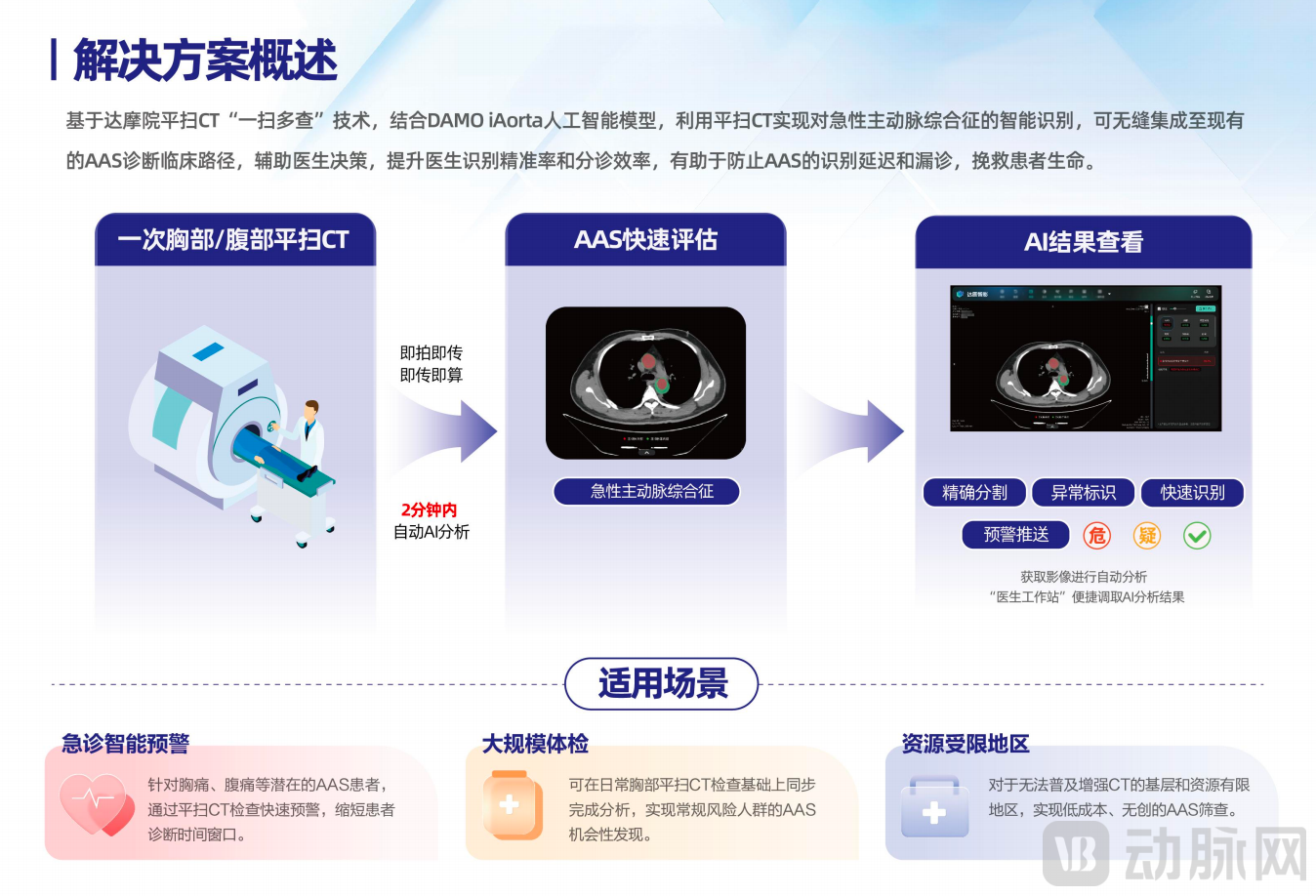
Providing risk alerts to prevent disease progression before obvious symptoms appear, and shortening diagnosis time, improving diagnostic efficiency, and reducing mortality during the acute phase of disease onset—this is the significance for patients of DAMO Academy’s AI + Non-Contrast CT Solutions for Digestive System Tumor Risk Assessment and Acute Aortic Syndrome Risk Warning.
For hospitals, primary care institutions can leverage this suite of solutions to enhance their screening and diagnostic capabilities for conditions such as digestive system tumors and acute aortic syndromes, thereby facilitating the implementation of the “tiered diagnosis and treatment” system and alleviating the shortage of high-quality medical resources at the grassroots level. Meanwhile, large tertiary Grade A hospitals can optimize their diagnostic and therapeutic workflows and systems to further improve efficiency and save more lives.
Wang Tong also emphasized in the interview:“The mission of the DAMO Academy Medical AI Team is not merely to provide technical support, but to leverage cutting-edge technologies and collaborate with medical institutions to optimize disease diagnosis and treatment systems.”
How to Understand This Statement? During the interview, Wang Tong also introduced to VCBeat the model of his cooperation with hospitals—For large tertiary Grade A hospitals, in addition to providing product support, the DAMO Academy Medical AI team will also collaborate with hospitals to explore the iterative upgrading of disease diagnosis and treatment systems.For instance, for patients with abnormal pancreatic cancer screening results, some hospitals implement interventions through a combination of recall outpatient clinics and expedited inpatient admission channels; others directly adopt a multi-disciplinary co-construction model to provide joint diagnosis and treatment. All these explorations of innovative pathways have been supported and participated in by the DAMO Academy Medical AI Team.
As for primary healthcare institutions, given their role as the “foundation” of China’s healthcare system, in addition to empowering them to enhance their diagnostic and treatment capabilities, the DAMO Academy Medical AI team is also committed to helping them optimize referral systems and remote consultation platforms, thereby further improving diagnostic and treatment efficiency, saving lives, and facilitating the rational allocation of high-quality medical resources.Moreover, the team simultaneously launched public welfare projects for multi-cancer early screening in Lishui, Jingning, and other regions of Zhejiang Province. These initiatives not only fulfilled corporate social responsibility but also laid the groundwork and validated the business model for long-term penetration into grassroots markets.
andBeyond hospital settings, the team has also partnered with Meinian Onehealth to actively expand the penetration and application of AI-powered non-contrast CT in health checkup scenarios.Furthermore, VCBeat also noted thatThe DAMO Academy Medical AI team is also engaging in deep collaboration with medical imaging software vendors and medical device manufacturers.For example, its collaboration with GE Healthcare aims to integrate “single-scan, multi-assessment” medical AI technology into GE Healthcare’s advanced imaging equipment, creating an integrated software-hardware solution for intelligent and precise diagnosis and treatment, and accelerating its implementation and promotion.
It is foreseeable that,The goal of the DAMO Academy Medical AI Team is to build the entire ecosystem.Among these, hardware manufacturers, in-hospital information system integrators, and deep operators of clinical application scenarios are all indispensable ecosystem players. It is reported thatThe team is actively exploring innovative business models with insurance, pharmaceutical, and medical device companies, aiming to accelerate the widespread adoption of AI-powered non-contrast CT technology in China through new paradigms.
“In the domestic market, the team’s next priority is to promote the deployment of these solutions across a wider range of clinical scenarios, thereby benefiting more patients while further validating and iterating our models and product capabilities in real-world settings.” In the interview, Wang Tong stated, “We welcome interested healthcare institutions and enterprises to join us in accelerating the advent of the era of precision medicine, so that more patients can benefit.”
In overseas markets, the AI + non-contrast CT and “one-scan, multiple-screening” technologies developed by the DAMO Academy Medical AI Team are also being rapidly deployed. According to the latest updates from the team, DAMO Academy has recently entered into a collaboration with the Government of Pakistan to jointly promote the application of AI + non-contrast CT and “one-scan, multiple-screening” technologies in multiple hospitals across Pakistan, thereby helping enhance the country’s capabilities in cancer diagnosis and treatment as well as chronic disease management.
It is reported that,To date, the relevant solutions have covered 10 countries and regions, serving a total of 50 million people.Meanwhile, the DAMO Academy Medical AI Team has entered into a strategic partnership with the WHO Collaborating Centre for Digital Health, launching pilot programs in countries such as Singapore and Saudi Arabia to help maximize the value of AI-enhanced non-contrast CT technology in global healthcare.
“As for the more distant future, will AI-powered non-contrast CT expand to cover more disease types? Can it maintain high accuracy even in cases of organ morphological defects?” At the end of the interview, Wang Tong left a suspenseful note with a tone of certainty and confidence: “Everyone can look forward to the answers to these questions.”