

Why Top Executives Are Gathering to Discuss Women's Health
Please enjoy the summit highlights in this video.
On March 8, 65 senior executives gathered at The Portman Ritz-Carlton, Shanghai, for the Corporate Roundtable of the 2026 Women’s Health Summit. Also in attendance were trade commissioners from Belgium (hub.brussels) and Italy, the Belgian Consul for Economic Affairs, and representatives of the Shanghai Federation of Industry and Commerce’s Women Entrepreneurs Association. This high-caliber lineup underscores the significant attention that both the corporate sector and government leaders are now paying to this issue.
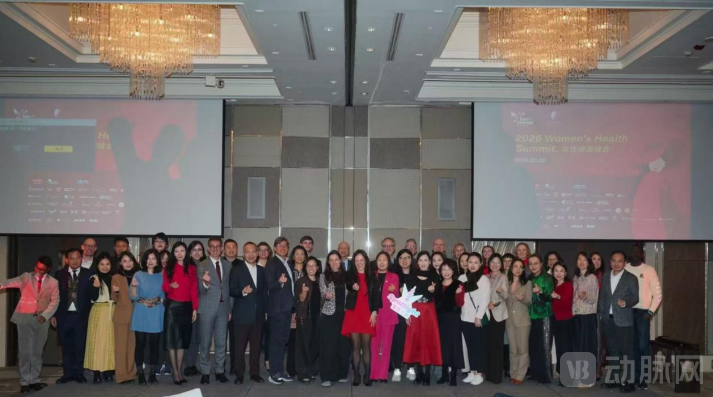
Opening
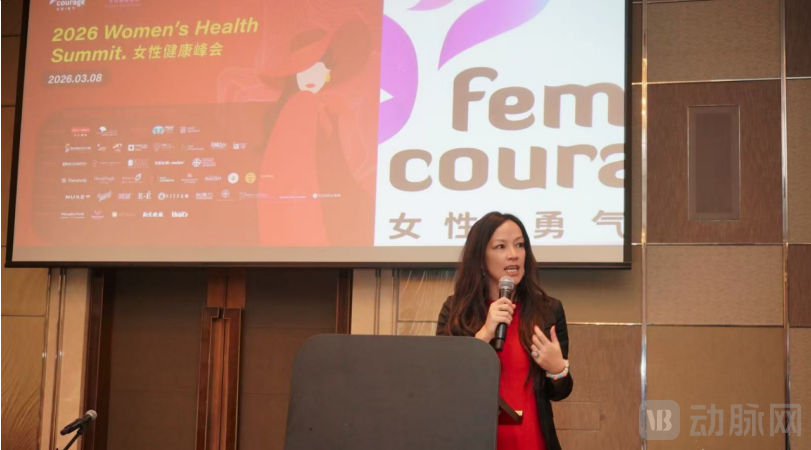
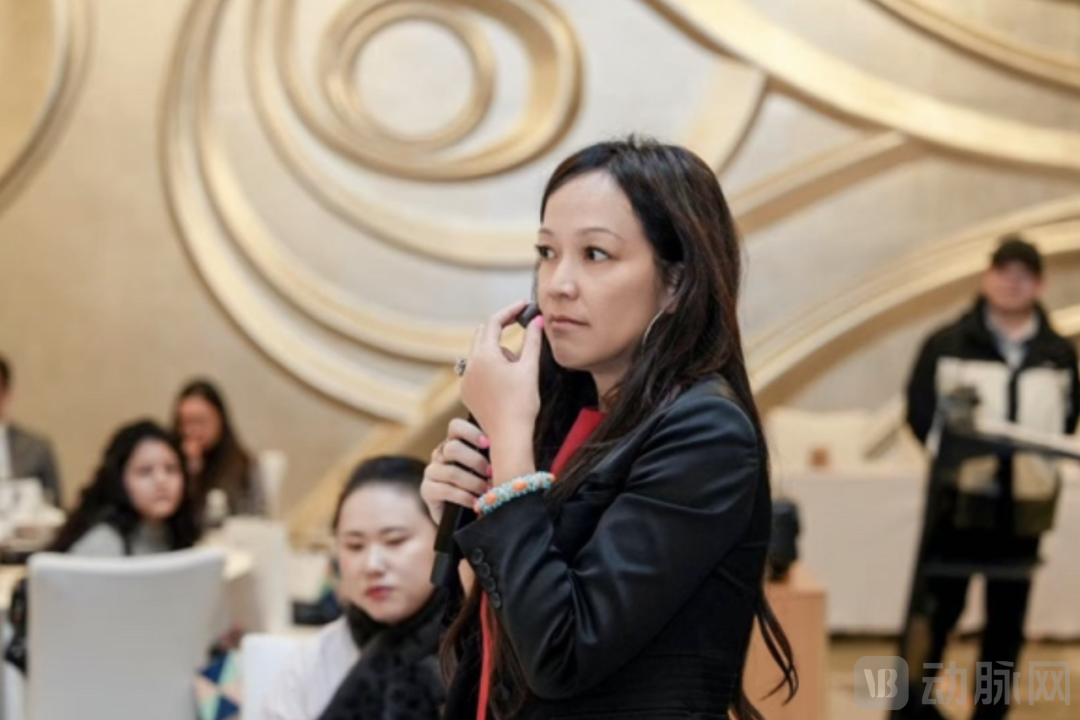
FemCourage Founder, NeuroscientistLaimei YeungIn her opening remarks, she issued a personalized and resolute call to action. She encouraged the attendees not to view women’s health merely as a topic in a white paper or a marketing opportunity. “Women’s health concerns our mothers, sisters, and daughters, as well as ourselves and our employees,” she stated. “This is a systemic issue that requires interdisciplinary collaboration to ensure every woman enjoys a good quality of life. Women hold up half the sky; therefore, addressing this issue will have a profound impact on society as a whole.”
Data shows that 72% of women in China’s first-tier cities report that health issues have affected their job performance. Among women experiencing menopause, only 12% proactively seek help, largely due to the persistent social stigma surrounding the condition. For businesses, this silence incurs direct costs, such as missed deadlines, increased sick leave, and experienced talent being forced to slow down during the prime years of their career development. However, most management teams remain unaware of these costs because they lack a framework that links women’s health to corporate operational performance. This roundtable is designed precisely to provide such a framework.
Constructing a China-EU Cooperation Framework with a Tripartite Welcome Stance Aligns with the Views of Shanghai’s Business Community
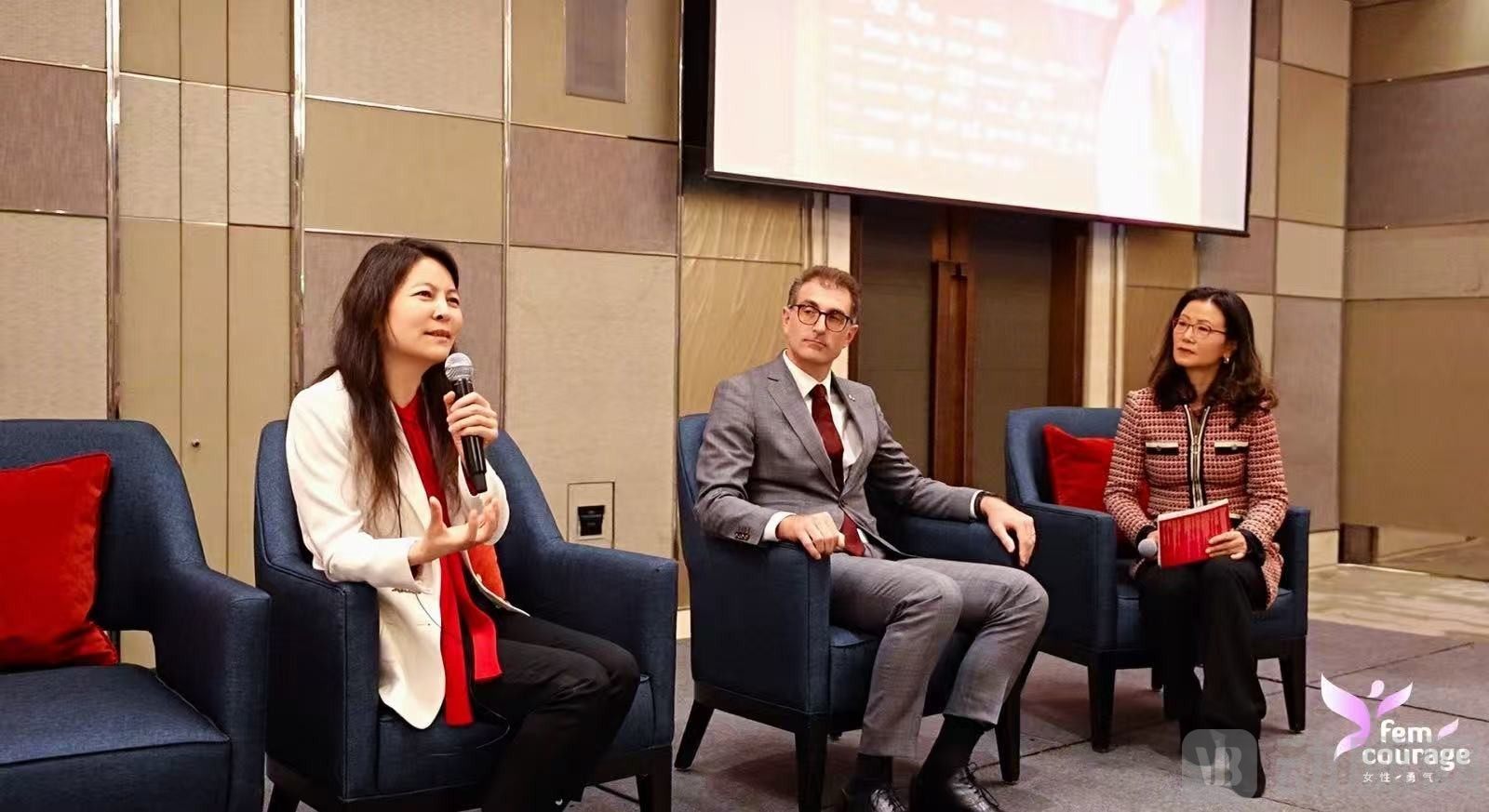
Director, Benelux Chamber of CommerceLei Min, four guests were invited, each representing a key sector within the women’s health ecosystem: science, government, innovation, and economic empowerment.
YangBin, President-designate of the Shanghai Federation of Women Entrepreneurs (Preparatory Committee), discussed the topic from the perspective of the power of female entrepreneurship. Her insights remind us that solutions to many women’s health issues are often proposed and driven by women themselves. Therefore, building a bridge between women entrepreneurs and the corporate ecosystem is crucial.
From the Brussels Agency for Foreign Investment and Trade PromotionMa HanIt emphasized the immense potential of cross-border cooperation. Health tech products under development in China already have market demand in Europe, and Brussels serves as a crucial gateway for companies entering the European single market.
Chairman of PSAF (a scientific research institute recognized by the Italian Ministry of Health and the European Parliament) and Medical Doctor,Raffaele ZinnoHighlighting a structural issue that many HR teams have yet to recognize: menopause and reproductive health remain excluded from most corporate insurance policies. This means that many benefits promised by companies to their employees do not truly exist in practice. As corporate policies gradually progress, the insurance industry and risk assessment systems also need to adjust accordingly.
Neuroscientist, Forensic Expert, Vice President of PSAF FranceDr. Hamida Ouled SlimaneDiscussing from a biological perspective, she explored the hidden impacts of high-pressure, cross-cultural work environments on women’s long-term neurological health and posed a critical question to corporations: What overlooked long-term effects does sustained workplace stress have on women’s nervous systems? Why do most organizations only begin to address these issues when they become severe?
The Science of Stress and Brain Structure
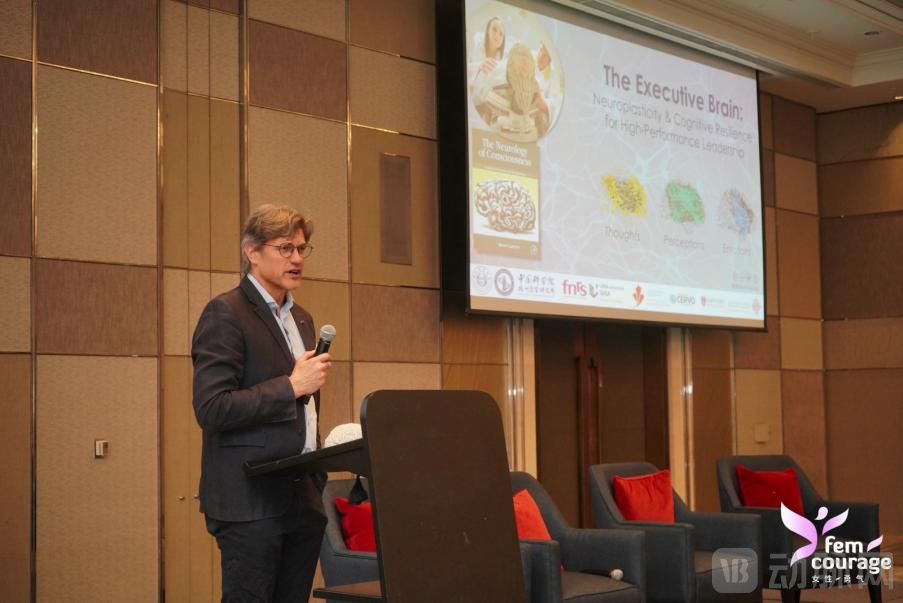
Steven LaureysPh.D. (M.D., Ph.D.)——A world-leading neuroscientist and expert in the field of consciousness studies (with over 90,000 academic citations). Currently holds professorships at Hangzhou Normal University, the Hangzhou Institute for Advanced Study (Chinese Academy of Sciences), Laval University (Canada), the University of Liège (Belgium), and Harvard Medical School, and serves as Chair of the “Frontiers of Innovation in Disability” program at the King Salman Center for Disability Research, King Saud University (Saudi Arabia).
Professor Laureys reminds us that the brain possesses remarkable adaptive capabilities. “The brain is an organ of adaptation and transformation,” he says. His research on neuroplasticity conveys a hopeful message: the human brain continues to change and develop throughout life. However, chronic workplace stress can negatively affect brain structure, thereby impairing decision-making abilities. Women often bear greater cognitive and emotional burdens in both work and daily life than are acknowledged in professional settings, causing them to experience these adverse effects earlier and more intensely. Supporting women’s health through education, leadership opportunities, and stress management effectively creates better conditions for brain development among half of the global population.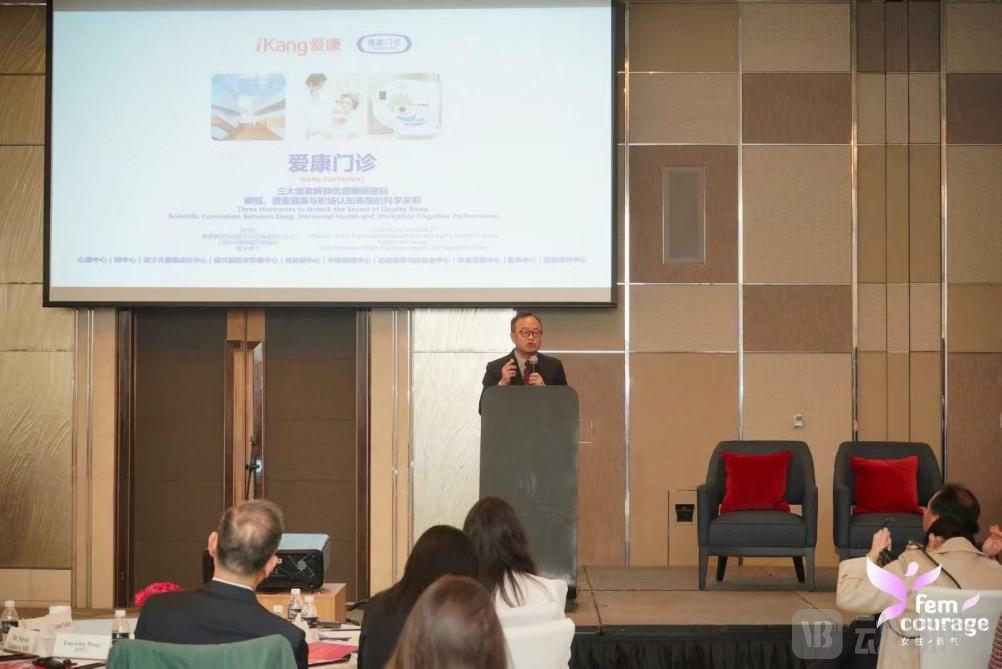
Dr. Hong Zuo-Xing — Neurologist, National Taiwan University; Dean, WA Zhenjing Medical Services
Dr. Hong issued a serious warning about sleep issues, pointing out the direct link between sleep deprivation and dementia, chronic diseases, and weight gain. He emphasized that sleep problems are not a personal failure but a systemic risk, and businesses should also participate in addressing this issue.
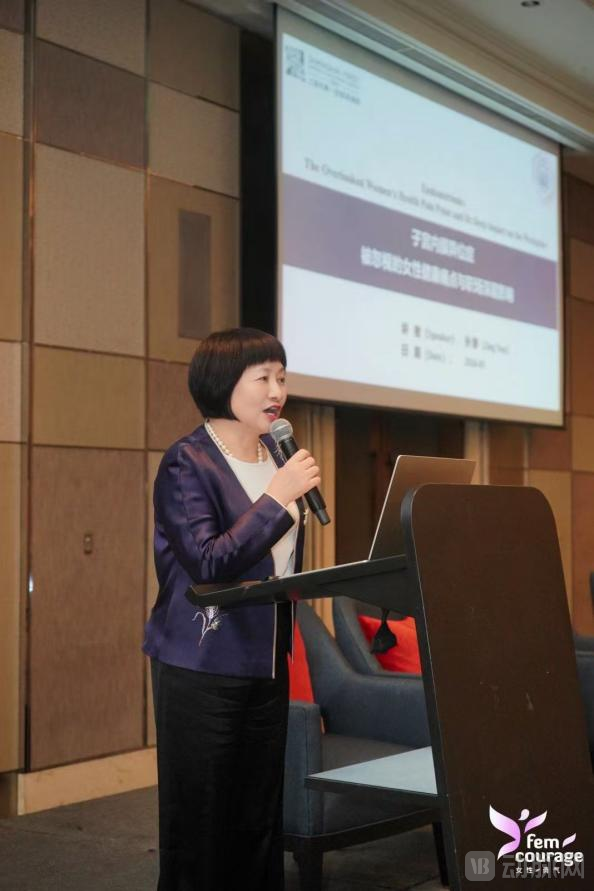
Prof. Sun Jing — President of the Asia-Pacific Society for Gynecologic Endoscopy, Tongji University; Former Vice President of Shanghai First Maternity and Infant Hospital
Professor Sun links lifestyle factors to specific diseases. She points out that one in ten women suffers from endometriosis, with the majority silently enduring the condition during workplace meetings. Chronic stress, sleep deprivation, and hormonal changes cumulatively impact women’s health, yet these issues are rarely discussed openly in most companies. Her advice to corporate leaders is clear: if companies are willing to invest in stress management, sleep improvement, and nutritional support, they can enhance not only individual employee health but also overall organizational performance.Roundtable Discussion 2 – A Corporate Perspective: From Risk to Resilience
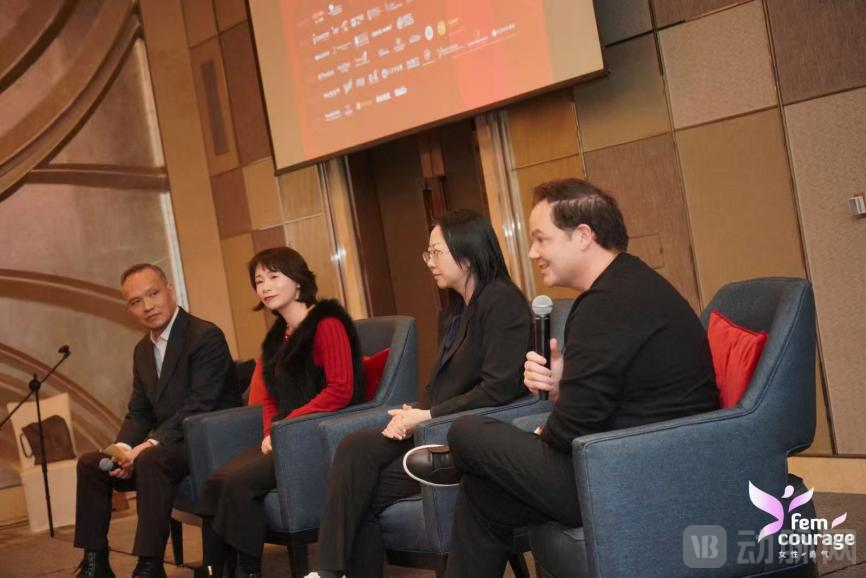
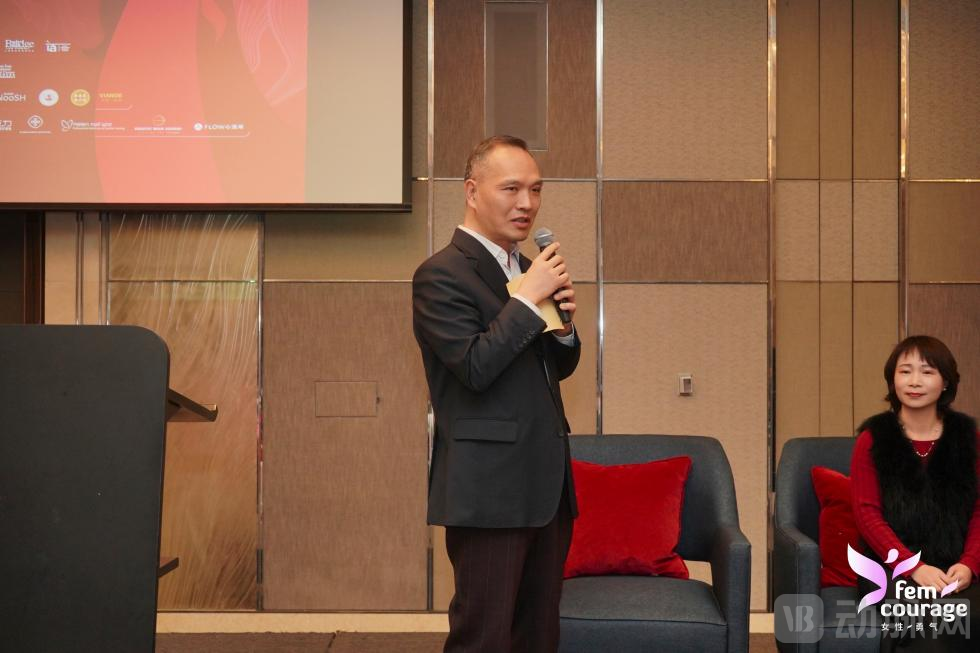
If physicians address the “why” questions, business leaders present the “how-to” solutions. A panel discussion moderated by Xu Jianguo, a director of the Cheung Kong Development Promotion Association, put this economic theory to the test.
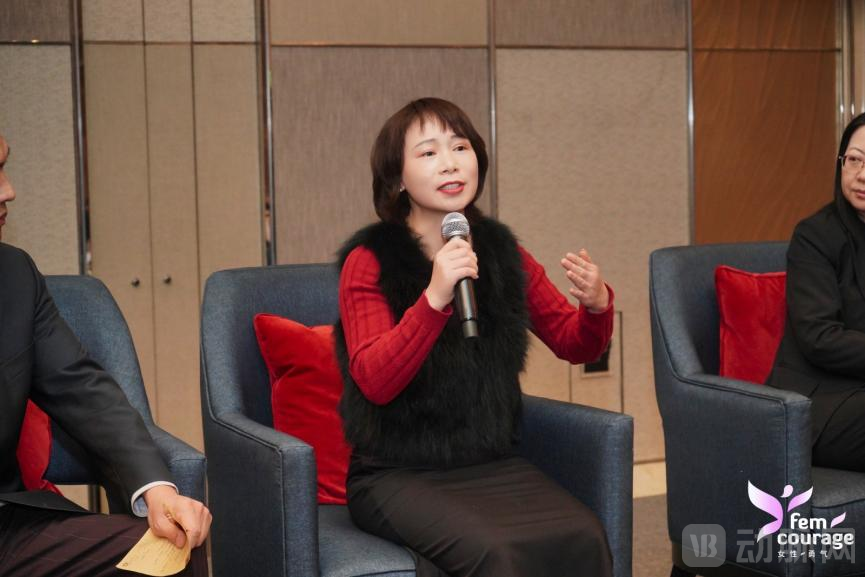
Managing Director and Partner, Healthcare Practice, Boston Consulting GroupXia XiaoyanIt was pointed out that closing the global gender health gap could unlock approximately $1 trillion in GDP growth opportunities. She further stated that femtech has long been undervalued because it is often categorized as a niche sector. In reality, women’s health spans multiple medical disciplines, including cardiology, neurology, and immunology. If companies view it merely as an HR benefit program, they are only seeing a small fraction of the issue.
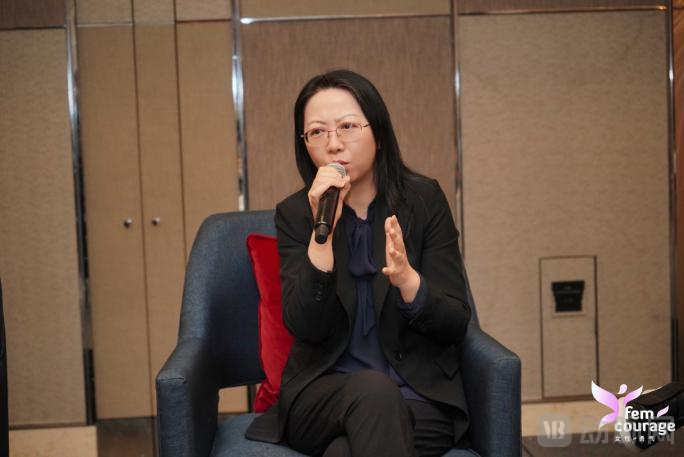
Head of Inclusion and Employee Experience, Dow Asia PacificCurtis BakerHe shared Dow’s practical experience. In formulating its women’s health policies, the company collaborated closely with its Women’s Employee Resource Group, co-developing policies through candid discussions on menopause, mental health, and financial well-being. He emphasized that the policy-making process is as important as the policies themselves. Only when those directly affected are involved in shaping policies can those policies truly reflect their lived realities.
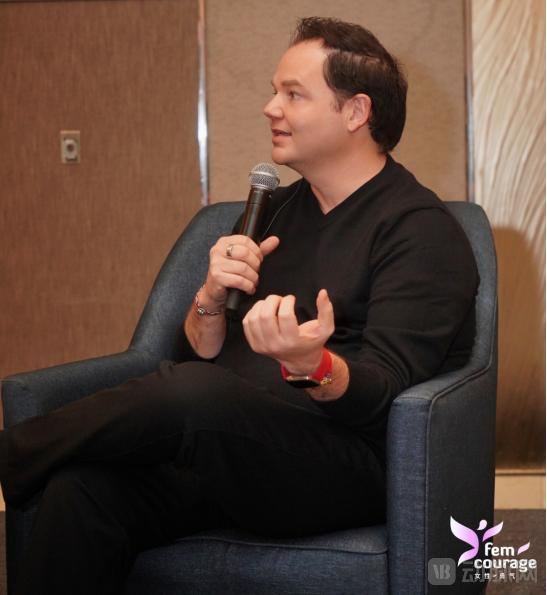
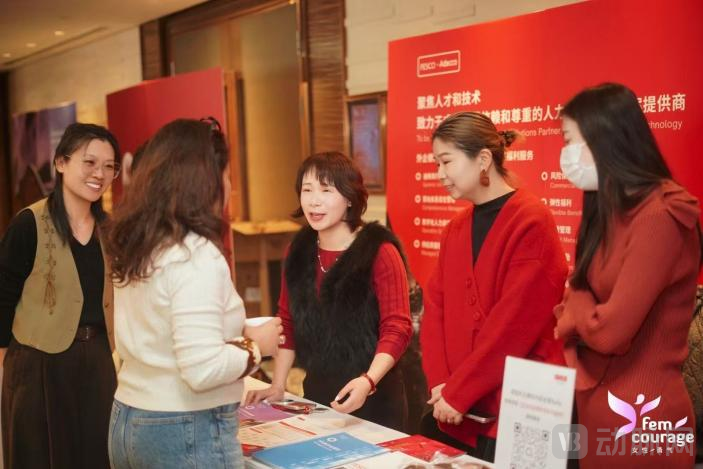
Sales and Marketing Director, FESCO AdeccoXiao JialanDrawing on her 18 years of experience in talent management, she shared her observations on market shifts. Today, high-potential female talents in China generally believe that support for childbirth, menopause, and mental health should be standard benefits. If companies continue to treat these as perks rather than foundational offerings, it signals their failure to keep pace with changes in the talent market.
The Final Prescription
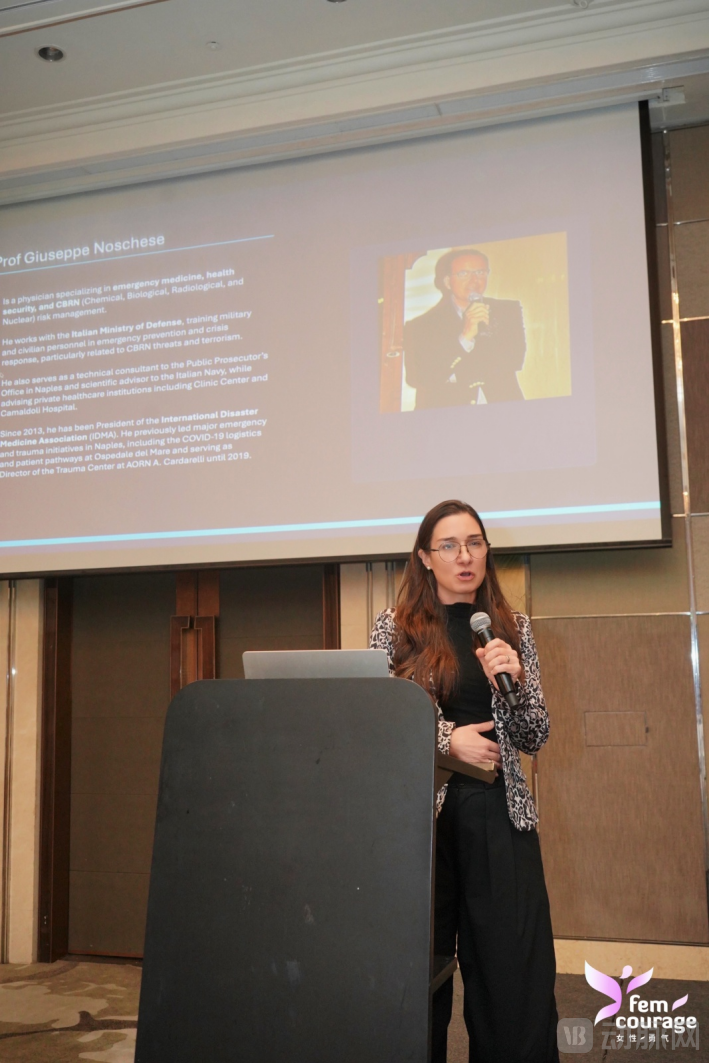
Chairman of the Human Resources Working Group, European Union Chamber of Commerce in China; Former Partner, Mercer ChinaIoana KraftThe physician shared the summary insights of Dr. Giuseppe Noschese, Chief of Staff of the Italian Navy, President of IDMA, and an expert in NBCR (Nuclear, Biological, Chemical, and Radiological) risks. In his view, the rising stress, chronic fatigue, and talent attrition observed among women in their mid-career stages are akin to clinical symptoms pointing to deeper underlying issues. When high-performing women leave the workforce due to burnout, companies should reflect not on the employees, but on the organizations themselves.
His message serves as both a diagnosis and a prescription. Women’s health is a critical pillar of societal infrastructure. This is a systemic issue that demands interdisciplinary collaboration, bold corporate action, and a fundamental shift in how organizations measure value.
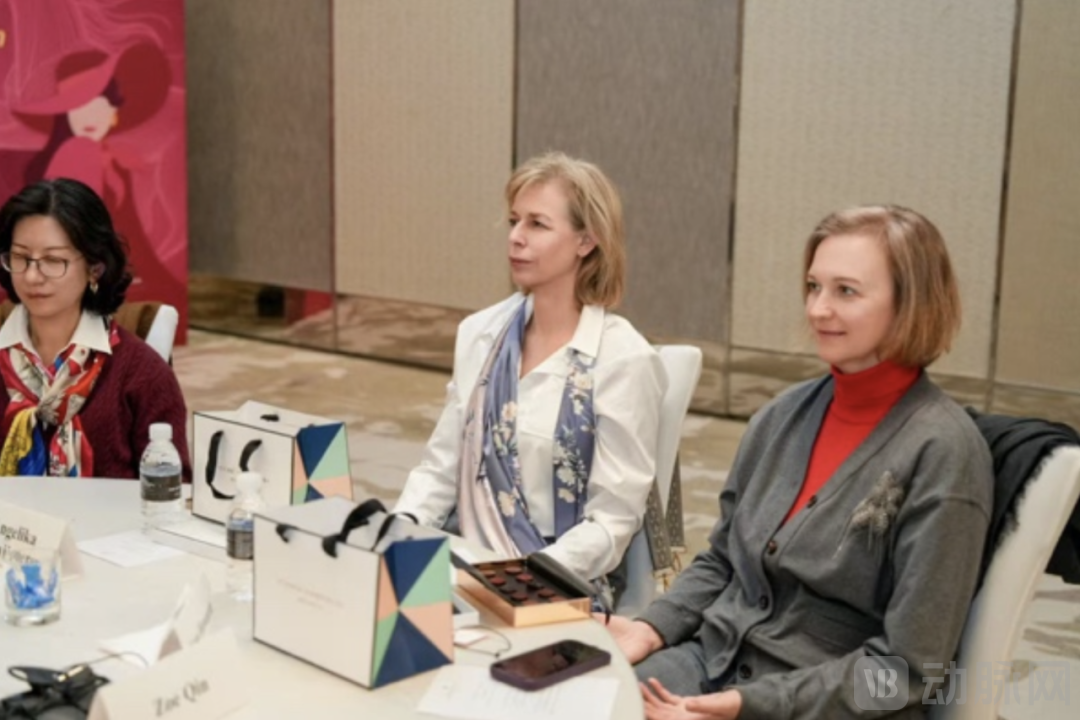
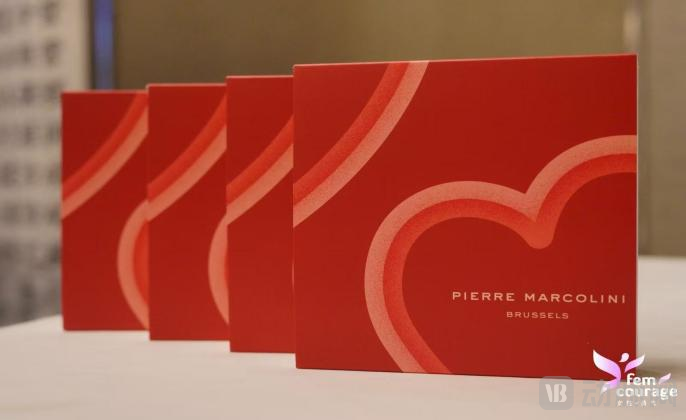
We concluded the corporate roundtable with an enjoyable lunch, featuring a neurosensory chocolate tasting led by Isa Li from Pierre Marcolini and Laimei Yeung from the host organization, Femcourage. This session served as an experiment in “mindful eating,” reminding us that taking timely pauses to truly engage with the present moment is not only part of enjoying life but also a vital practice for sustaining high-quality work performance.
Action Decision
Most enterprises already possess the relevant data. What is truly lacking is the resolve to take action.
“Companies that begin to prioritize women’s health today are building a workforce of the future that will be envied by all businesses.”
——Laimei Yeung
We spent an afternoon preparing for the future, starting by focusing on the present.
55 Women Explore Together:
Family Health, Physical Strength, and How Breathing Guides Us Forward
From the stables to the healing table, from cacao ceremonies to letters written to your 95-year-old self...
This is precisely how we step into the new year.
Acknowledgments
Sincere Appreciation:
Mr. General Representative and Consul for Economic Affairs of the Brussels Agency for Foreign Investment and Trade Promotion, the Italian Trade Commissioner, the Women Entrepreneurs Association of the Shanghai Federation of Industry and Commerce, the Benelux Chamber of Commerce, the British Chamber of Commerce Shanghai, the Swiss Chamber of Commerce in China, the Indian Chamber of Commerce, Shanghai Junyi Law Firm, and all 65 guests who participated in the discussion. Thank you all for your professional insights and candid exchanges this morning, which have sparked profound reflection and yielded commitments capable of driving real change.
Special thanks to our key partners:
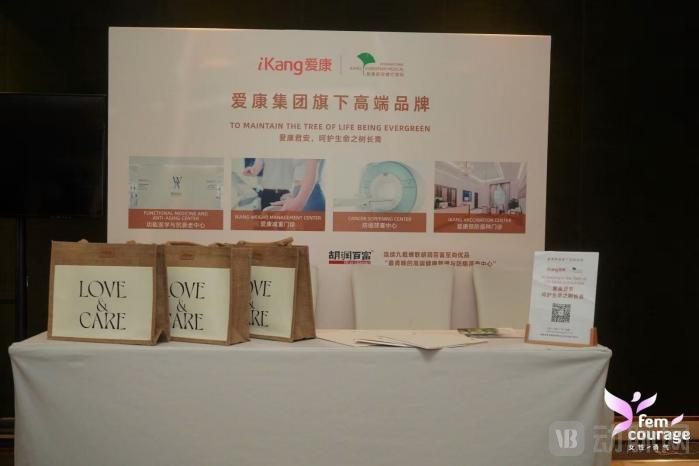
FESCO Adecco、iKang JunAn Health International、PSAF INTERNATIONAL
and Sponsoring Organizations:
Helevated、Pierre Marcolini、Routi European and American Style Medical Aesthetics、Baimudi, Shanghai OrientalJointHospital
We look forward to seeing you at the next summit.

About Yang Laimei and FemCourage

Since arriving in Shanghai in 2005, Laimei has been a pioneering trailblazer and community builder. She founded the award-winning restaurant Bella Napoli and participated in the establishment of the Belgian-Luxembourg Chamber of Commerce for Shanghai. Holding three master’s degrees in Linguistics, Business, and Neuroscience from King’s College London, she integrates her multidisciplinary expertise into a force that empowers others.
As a cognitive neuroscientist and certified hypnotherapist and IFS therapist, she specializes in anxiety, addiction, and neurological health. In 2024, she founded FemCourage, an initiative dedicated to optimizing brain health for adolescent girls and women through social confidence, community connection, and innovative technology. FemCourage is a movement honoring the memory of her late sister, Yongyong.
Follow the FemCourage WeChat Official Account to continuously explore the mysteries of brain function, identify obstacles, and master strategies for moving forward with clarity.