

Over 2,500 Experts Gather in Wuhan as ERT Neuroscience Launches IPO and Unveils New Era for Brain-Computer Interface Development
From the emergence of the first enterprise to file for an IPO, aiming to become the first listed brain-computer interface (BCI) company in China, to the occurrence of multiple rounds of substantial financing—including single angel rounds reaching hundreds of millions of yuan; from the inclusion of BCI development in the Government Work Report for the first time, to the approval of the first Class III medical device certificate for a BCI product... The fervor surrounding brain-computer interfaces has persisted from before the Lunar New Year into the period after, and it is predictable that this momentum will continue for a considerable time.
From a recent high-level forum that attracted over 2,500 industry professionals, we can also “see the big picture from small details” and gauge the surging popularity of brain-computer interfaces (BCIs). On March 21–22, 2026, the 7th China Summit Forum on Brain Science and Neuromodulation Technology Development was successfully held in Wuhan. The event was organized by the Organizing Committee of the World Health Expo and the Hubei Brain-Computer Interface Industry Innovation and Development Alliance, and co-organized by the Institute of Brain-Computer Interfaces at Huazhong University of Science and Technology, the Institute of Brain-Computer Interfaces at Tongji Hospital, the Hubei Provincial Engineering Research Center for Neuromodulation Technology, the Law and Technology Research Center at Wuhan University, the College of Mathematics and Computer Science at Shantou University, the Wuhan Biopharmaceutical Industry Association, and Wuhan Yiruide Medical Equipment New Technologies Co., Ltd. (hereinafter referred to as “Yiruide”).
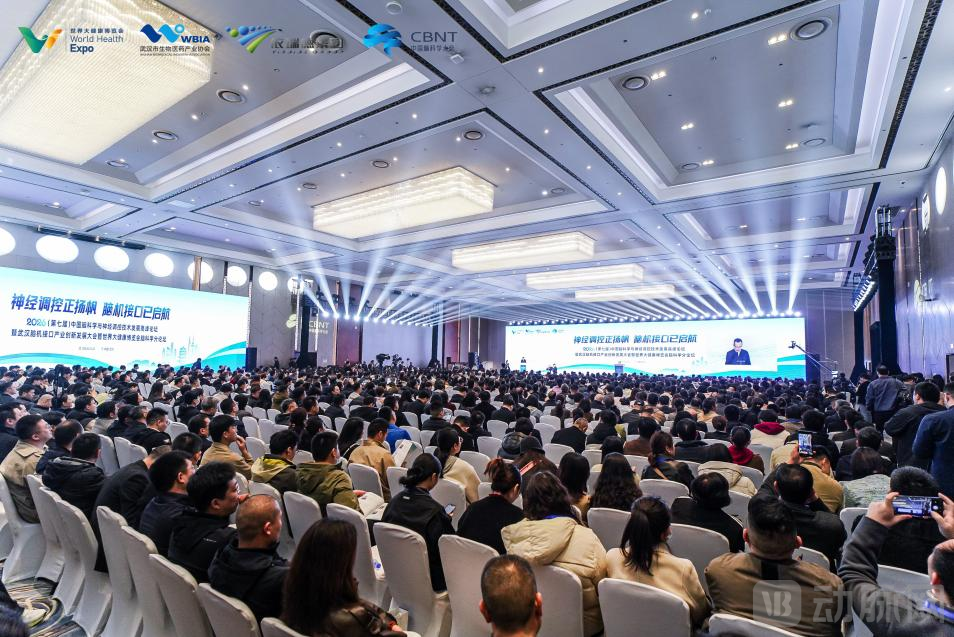
Under the theme “Neuromodulation Sets Sail, Brain-Computer Interfaces Embark,” this conference invited nearly 200 participants, including government officials, academicians and experts, as well as representatives from clinical institutions, academia, industry, and the legal sector, to discuss the next decade of brain-computer interfaces from the perspectives of policy framework, industrial planning, scientific innovation, and corporate development.
Academicians Lead the Way: 10 Forums Discuss the Future of Brain-Computer Interfaces and Neuromodulation
Discussion of Key Issues in Industry Development is an Important Component of This Conference.
To ensure the breadth and depth of academic discourse, this year’s conference features four main forums, one Academician Forum, and five sub-forums. The agenda not only covers cutting-edge technologies and applications in brain-computer interfaces (BCI) with neuro-modulation, BCI for psychiatric treatment, and BCI in rehabilitation medicine, but also includes discussions on the ethics of implantable BCI technology, thereby addressing both the frontier applications and compliant development of BCI.
Furthermore, the conference featured a distinguished lineup of guests. In addition to Academician Zhao Jizong from the Chinese Academy of Sciences and Beijing Tiantan Hospital, Capital Medical University, who delivered a keynote presentation, the event also invited experts from top-tier hospitals in China, such as Beijing Tiantan Hospital, Capital Medical University, and Tongji Hospital, Tongji Medical College, Huazhong University of Science and Technology. Representatives from academic institutions including Shantou University, Tsinghua University, and Wuhan University, as well as corporate representatives from companies like Jieti Medical and Yiruide, shared their practical experiences and industry insights.
Academician Zhao Jizong of the Chinese Academy of Sciences, affiliated with Beijing Tiantan Hospital, Capital Medical University, provided a detailed introduction to the “Beijing Model” and “Beijing Experience” in the development of brain-computer interfaces (BCIs). Currently, Beijing has established a complete “government-industry-academia-research-clinical” chain for BCI research. In 2022, Beijing Tiantan Hospital established the Center for Translational Research on Brain-Computer Interfaces; in 2023, the Brain-Computer Interface Industry Alliance was founded; in 2025, the first outpatient clinic in China dedicated to BCI assessment for neurological disorders officially opened at Beijing Tiantan Hospital; in the same month, the hospital successfully performed the nation’s first intelligent BCI implantation surgery using “BeiNao No. 1” in a patient with post-stroke hemiplegia. BCIs hold significant application potential in the treatment of neurological diseases. However, Academician Zhao emphasized that “BCIs serve only as an adjunctive therapy for neurological disorders, not a curative solution.”
Professor Zhang Jianguo, Director of the Department of Functional Neurosurgery at Beijing Tiantan Hospital, Capital Medical University, pointed out that neuromodulation and brain-computer interface (BCI) technologies share common origins and have complementary functions, with the ultimate goal of improving function through intervention. Meanwhile, Professor Zhang emphasized, “The deep integration of brain-computer interfaces and neuromodulation is undoubtedly the future trend.”
Professor Tang Zhouping, Party Secretary of Tongji Hospital Affiliated to Huazhong University of Science and Technology, delivered a presentation titled “From Strategic Planning to Frontier Breakthroughs: Innovative Practices in Brain-Computer Interfaces at Huazhong University of Science and Technology,” sharing the university’s top-level design and innovative achievements in the field of brain-computer interfaces (BCI). Professor Tang noted that medical-engineering integration in the BCI sector remains insufficient at the current stage. Leveraging its profound foundation and experience in interdisciplinary medicine and engineering, Huazhong University of Science and Technology aims to establish a national-level BCI innovation platform with distinct institutional characteristics. This platform will pursue an integrated, end-to-end approach, with the ultimate goal of realizing clinical value.
Professor Hao Zhifeng, President of Shantou University and a representative of academic institutions, stated that the industry is transitioning from Foundation Models to Foundation Agents. To achieve this goal, it is necessary to build a closed-loop ecosystem of “data–knowledge–models–intelligence” and realize the shift from “comprehensive data” to “comprehensive intelligence.”
New Product Launch: IRIDE’s Domestic “First-of-Its-Kind” Draws Significant Attention
In-depth discussions on hot industry topics, packed with valuable insights, while technological breakthroughs also bring pleasant surprises.
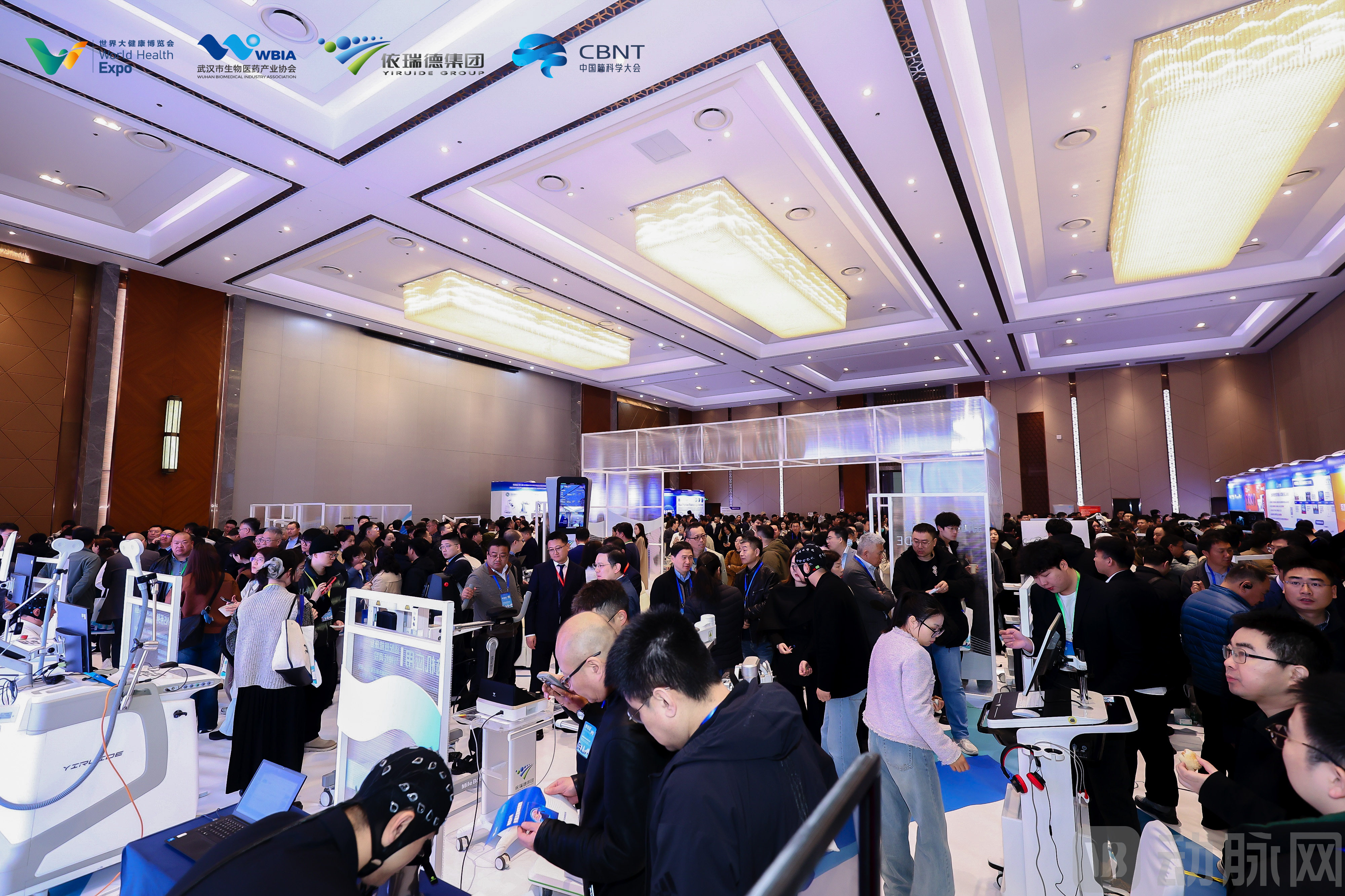
Product Display Area
During the conference, IRID released three major new products: the TD-fNIRS (Time-Domain Functional Near-Infrared Spectroscopy) system, the temporal interference electrical stimulator, and China’s first brain-controlled rehabilitation training system utilizing “opto-electronic dual-modal” decoding technology.
Among them, the TD-fNIRS (time-domain functional near-infrared spectroscopy) system is China’s first lightweight optical brain-computer interface system. By integrating dual technologies—TD (time-domain) and DOT (diffuse optical tomography)—this product overcomes the challenges of quantifying cerebral hemodynamics, marking a critical step forward for domestically produced brain-computer interface technologies in the field of quantitative detection.
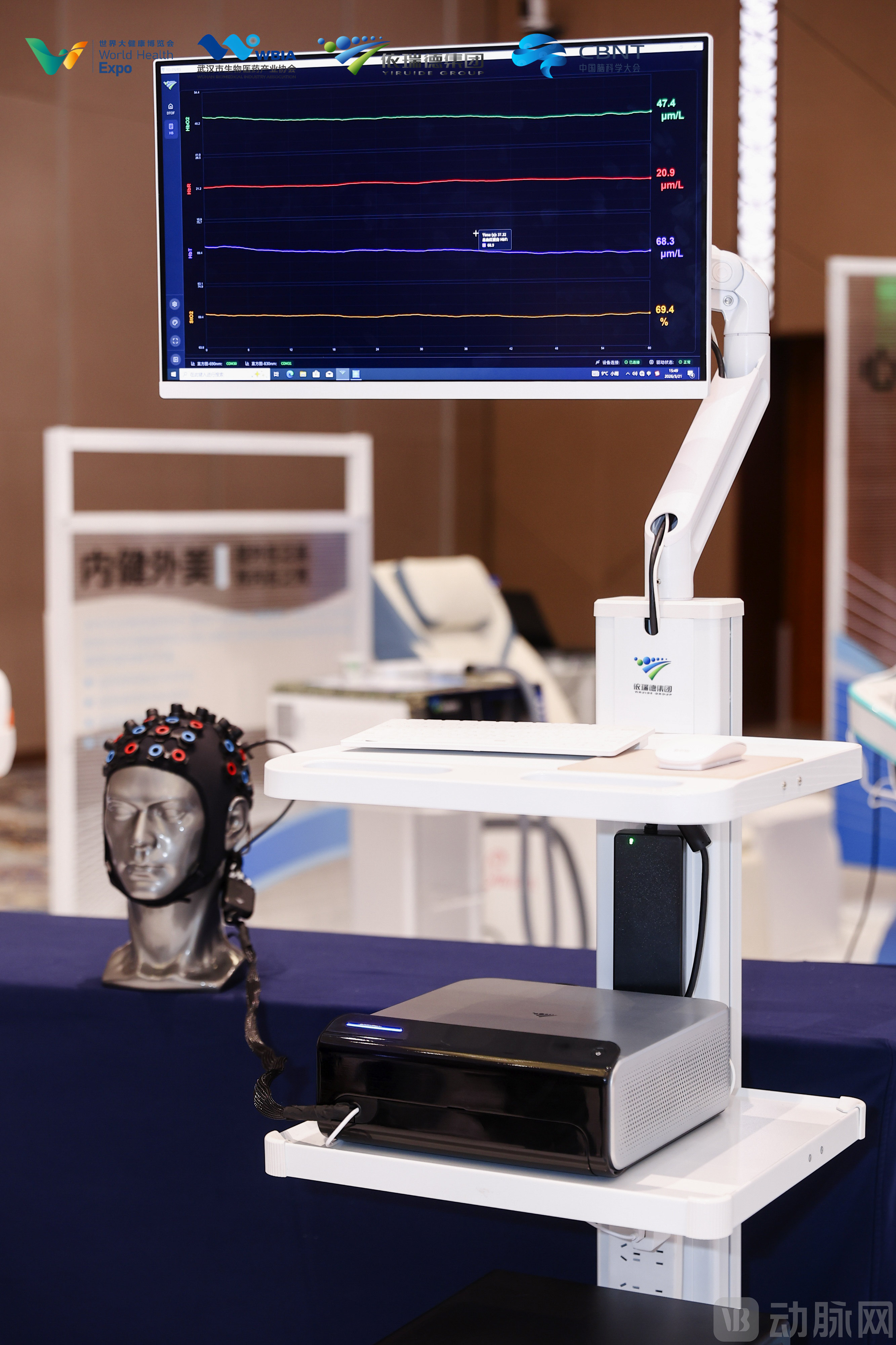
It is reported that while traditional near-infrared optical brain functional imaging technology can indicate whether brain activity increases or decreases, it cannot precisely measure the exact amount of oxygen-carrying hemoglobin in the blood. In contrast, the TD-fNIRS system recently released by Iruid directly calculates the “absolute concentration” of blood oxygen in specific brain regions by emitting ultra-short near-infrared light pulses and detecting how long the light takes to travel through brain tissue and the extent of its attenuation. This achieves a leap from “measuring changes” to “measuring absolute values.”
In addition to quantitative detection, the TD-fNIRS (Time-Domain Functional Near-Infrared Spectroscopy) system recently launched by Iride employs a unique algorithm to effectively eliminate interference from superficial tissues such as the scalp, thereby focusing on acquiring authentic hemodynamic signals from deep brain regions and enabling more precise three-dimensional functional brain imaging. Furthermore, the system features an integrated, lightweight design that lowers the barrier to use while allowing flexible application in hospital wards, operating rooms, laboratories, and even mobile settings, thus enhancing product adoption.
The iRead Temporal Interference Electrical Stimulator, based on cutting-edge temporal interference (TI) technology, has overcome the technical challenge of precisely stimulating deep brain regions. VCBeat has learned that by applying two sets of high-frequency currents with slightly different frequencies to the head, TI technology leverages the principle of interference in physics to generate low-frequency interference envelope signals within brain tissue. Since neurons exhibit a weak response to high-frequency electric fields in the kHz range but are more sensitive to low-frequency modulation, the stimulatory effect can be precisely focused on the deep regions where the electric fields intersect. This approach bypasses strong stimulation of the cortex and directly targets deep brain areas that are difficult to reach with conventional electrical stimulation.
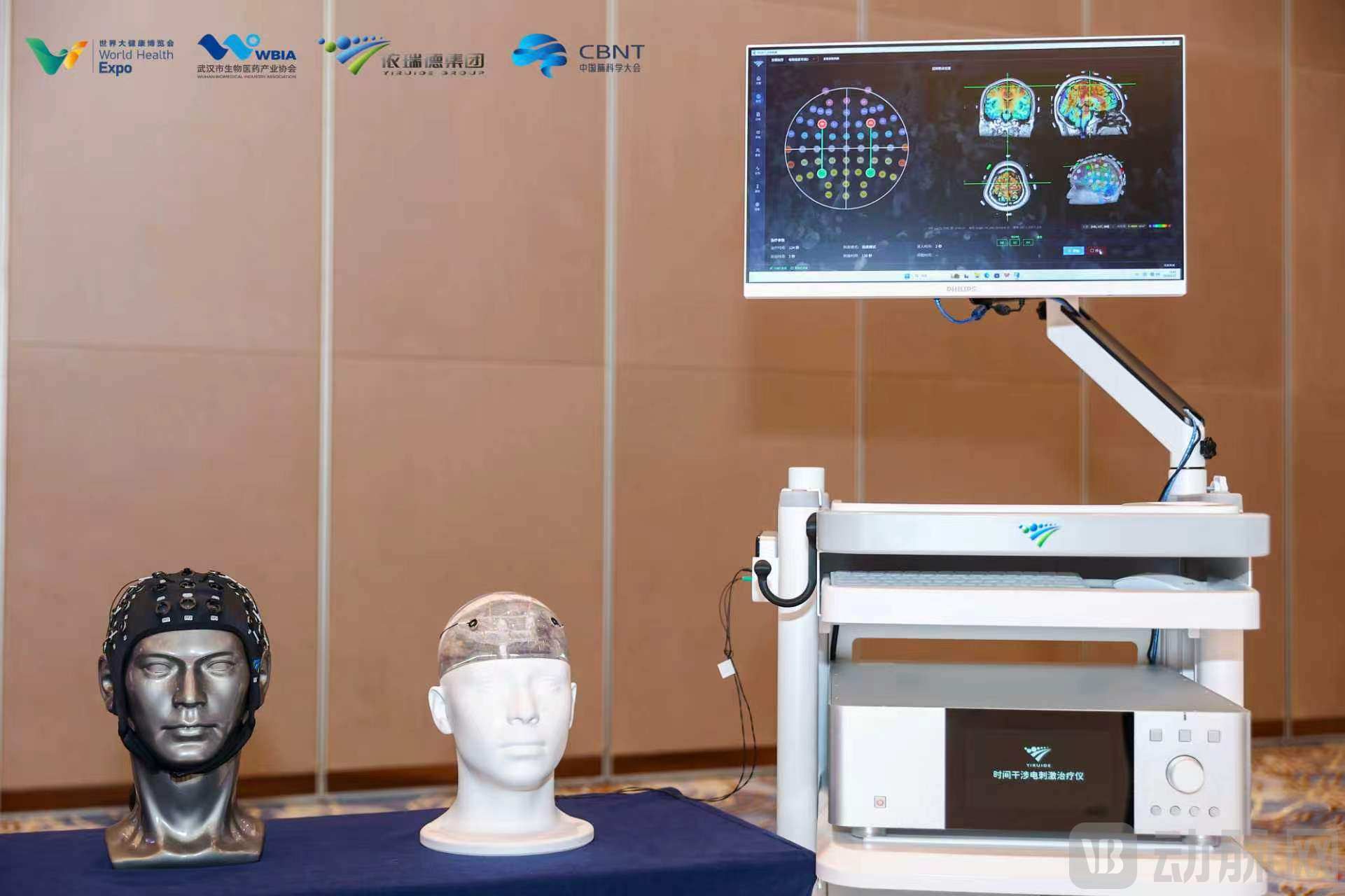
According to iRhythm, TI technology can increase the penetration depth of traditional electrical stimulation to over 10 centimeters, thereby enabling precise, safe, and effective modulation of the deep hippocampal region. This provides a novel non-invasive therapeutic solution for neurological disorders such as Parkinson’s disease, Alzheimer’s disease, and depression.
In addition to enabling precise modulation of deep brain regions, the temporal interference electrical stimulator released by Yiruide has also achieved a major breakthrough in clinical operational efficiency. As demonstrated at the launch event, the device is equipped with Yiruide’s proprietary intelligent neuronavigation system. The entire process—from the physician selecting a target point on the patient’s head to the automatic positioning and alignment of the electrodes with the corresponding brain region—takes only 20 seconds. This speed far exceeds that of traditional manual localization methods, significantly enhancing clinical diagnostic and treatment efficiency, and placing the product in the forefront of domestic counterparts in terms of operational intelligence and convenience.
As for the brain-controlled rehabilitation training system released by Yiruide, it breaks through the limitations of traditional brain-computer interfaces that rely on a single signal. By acquiring and decoding both optical and electrical signals from the brain, it has achieved, for the first time, high-precision “mind-based” differentiation and control of upper and lower limb movements as well as swallowing functions without the need for craniotomy. This makes it China’s first brain-controlled rehabilitation training system to adopt “optoelectronic bimodal” decoding technology.
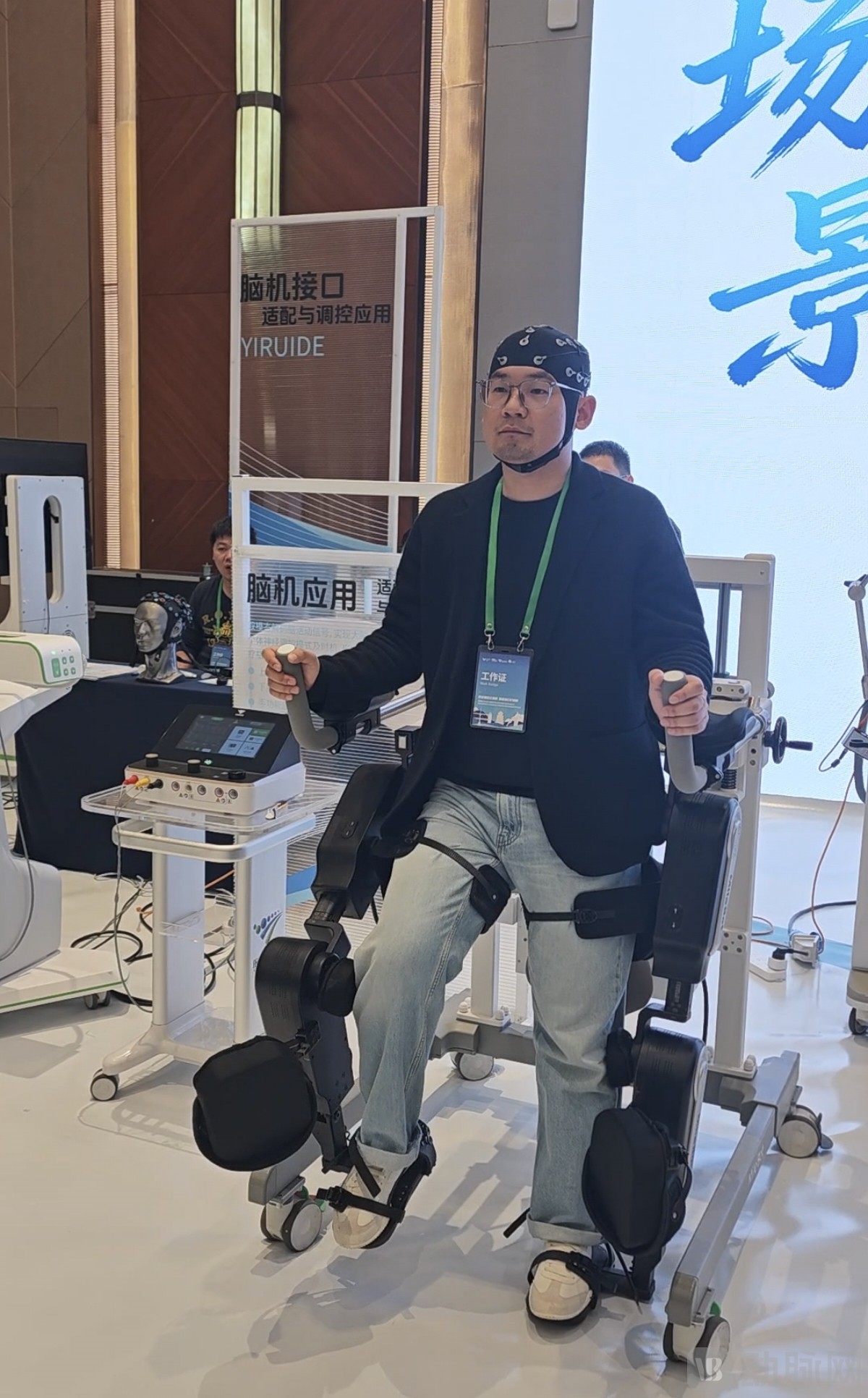
This system can be directly applied to the rehabilitation of patients with motor impairments caused by stroke, spinal cord injury, and other conditions, while also demonstrating significant application potential in cutting-edge fields such as special operations and exoskeleton robot control. Currently, the system has completed laboratory validation of its core technologies and has initiated early-stage clinical studies at several affiliated Grade A tertiary hospitals. After only short-term training, patients can successfully use the system to control an external robotic arm for grasping tasks or drive a lower-limb exoskeleton for stepping movements. Compared with traditional brain-computer interface (BCI) rehabilitation devices that rely on single-signal processing, Yiruide’s device significantly enhances rehabilitation efficiency and outcomes through its high-accuracy multi-command decoding capability.
Ecosystem Building: From Opening Up the Collaboration Platform to Project Onboarding and Contract Signing
Beyond Technological Breakthroughs, the Industrial Ecosystem Continues to Improve.
During the conference, Iride Group officially launched the “Baize Initiative.” This is China’s first open scientific research collaboration program in the fields of brain-computer interfaces (BCI) and neuromodulation. Named after Baize, a mythical beast from ancient Chinese lore, the initiative symbolizes the convergence of wisdom from multiple sources. Over the next three years, the Baize Initiative will invest RMB 100 million and open collaborations to medical institutions and research institutes across China, focusing on three key areas: “Research on Clinically High-Usability BCI Paradigms and Decoding Methods,” “Clinical Application Research on Bidirectional Closed-Loop BCI Read-Write Systems,” and “Clinical Application Research on Advanced Neuromodulation Technologies.”
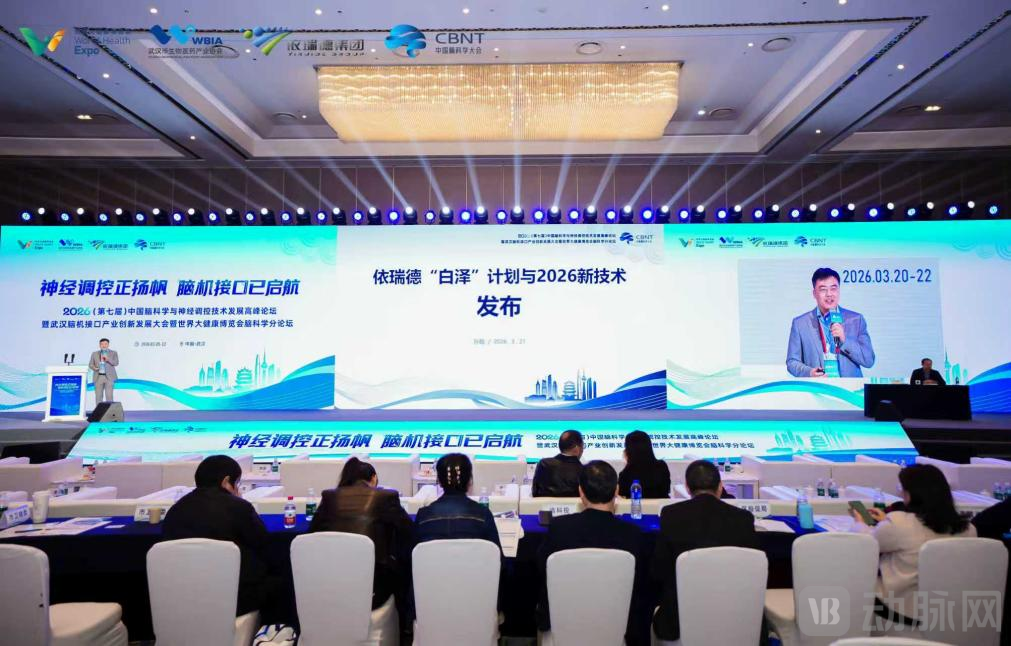
Sun Cong, Vice President of iRay Group, stated that brain science and neuromodulation technologies are at a critical stage of transitioning from basic research to clinical application. This process often involves addressing challenges related to data integration, control synchronization, and timing alignment across multiple manufacturers and diverse devices. For brain-computer interface (BCI) research, assembling research equipment and constructing BCI systems is not merely a medical issue but also an engineering challenge. “Through the ‘Baize Initiative,’ we aim to provide systematic support for building non-invasive BCI research platforms, establish a high-speed pathway from the laboratory to clinical application, and ensure that technological innovations benefit patients more rapidly.”
Currently, the “Baize Initiative” has opened for project applications. Yiruide will establish a special fund to support selected projects and provide equipment, data, and technical support to collaborating teams. This initiative will serve as a key platform for advancing brain science in China and contribute to the Healthy China strategy.
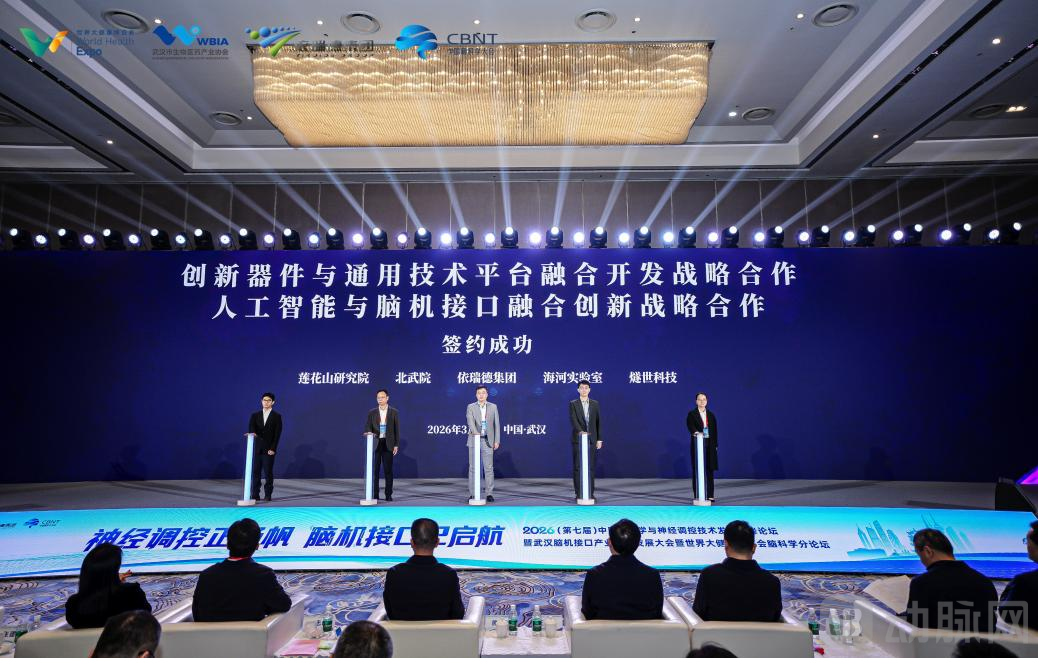
While establishing an open cooperation platform, cross-disciplinary collaboration is also advancing in tandem. At the conference, two strategic partnerships were successively reached: Tianjin Haihe Laboratory and Yiruide Group entered into a collaboration focused on the “integrated development of innovative devices and general-purpose technology platforms”; Peking University Wuhan Institute for Artificial Intelligence, Hubei Ezhou Lianhuashan Institute for Artificial Intelligence, and Yiruide Group jointly signed a strategic cooperation agreement on “integrated innovation in artificial intelligence and brain-computer interfaces.” These two collaborations address the underlying hardware and upper-layer algorithms, respectively, aiming to provide a more comprehensive support system for technological innovation in brain-computer interfaces.
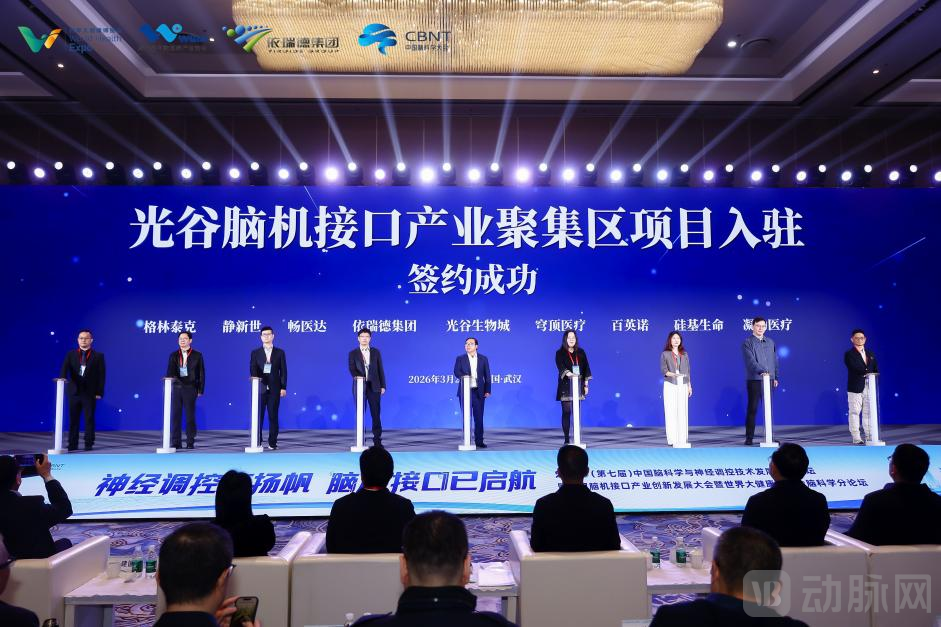
Meanwhile, representatives from Optics Valley Bio-city and companies such as Iridium Group, Dome Medical, Shenchang Medical, Baiyingnuo, GreenTech, Ningdong Medical, Jingxinshi, and Silicon Life jointly signed agreements to settle in the Optics Valley Brain-Computer Interface (BCI) Industry Agglomeration Zone. This not only marks a significant step forward in the development of Wuhan’s BCI industrial cluster but also serves as another important manifestation of China’s clustered development of the BCI industry.
From heated discussions and profound insights into key developmental issues, to intuitive demonstrations of breakthroughs in innovative technologies, and the opening of collaborative platforms that led to the formalization of several partnership projects, this conference held in Jiangcheng has become a “microcosm” of the booming development of brain-computer interfaces (BCIs) in China. Although the conference has concluded, as its theme—“Neuromodulation Is Setting Sail, Brain-Computer Interfaces Have Embarked”—suggests, BCIs are still in their early stages of development. Buoyed by the various innovative achievements attained at this stage, BCIs will continue to set sail toward broader horizons.