

Chinese Gene Therapy GS1191-0445 Advances with Low-Dose Strategy as International Competitor Roctavian Exits Market at $2.9M Price Point
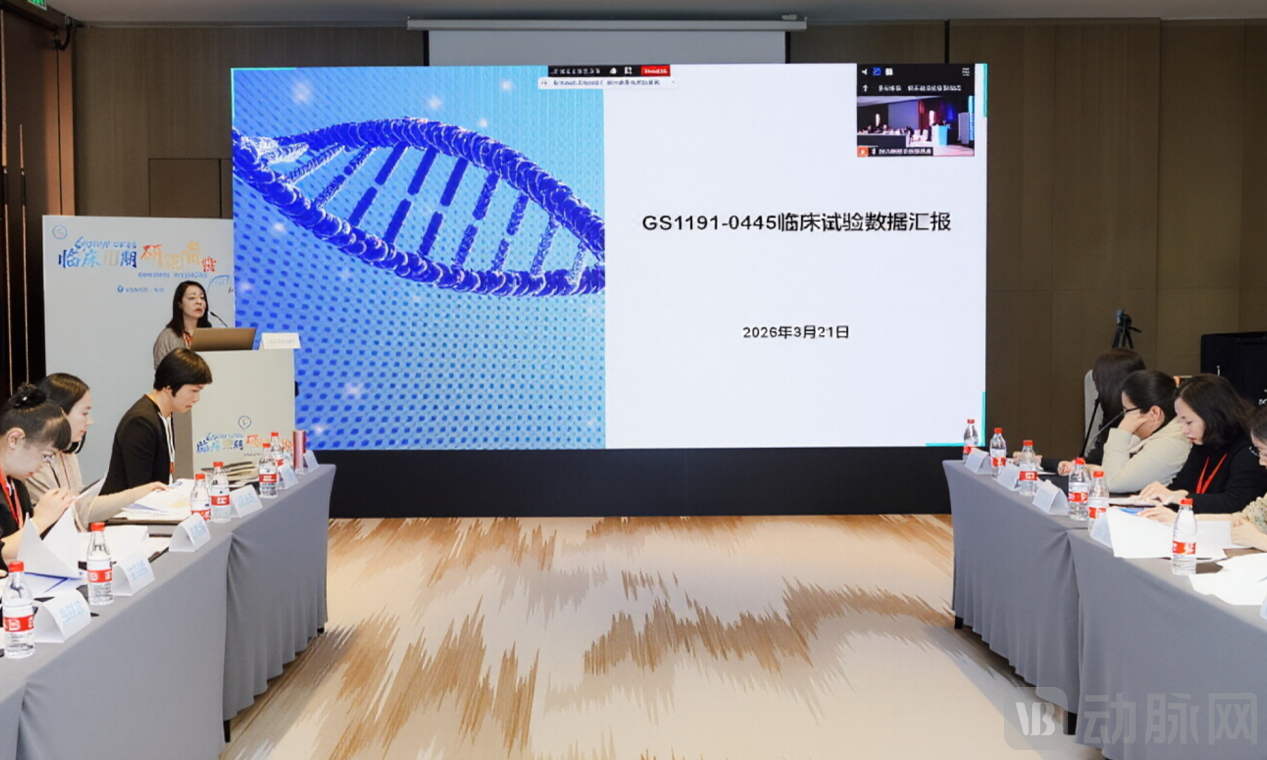
In early spring in Tianjin, a clinical investigator meeting on gene therapy drugs for hemophilia A is being held. This meeting set a one-year appointment,To examine the future trajectory of a domestically originated gene therapy in China, jointly driven by clinical experts and research teams, with the potential to become a best-in-class therapy in its field.

Professor Zhang Lei of the Institute of Hematology & Blood Diseases Hospital, Chinese Academy of Medical Sciences, was the central figure at the conference. He announced to more than ten participating research institutions present that all 57 subjects in the Phase III clinical trial of GS1191-0445 injection, a gene therapy drug for hemophilia A under his leadership, had been enrolled, officially marking the start of the critical 52-week follow-up period.
This means that the gene therapy product, independently developed and collaboratively advanced by Chinese clinical experts and research teams, has moved one step closer to completing its final efficacy validation. The goal of this conference is to accumulate robust and reliable data over the next year to support the product’s marketing authorization application.
Just a month ago, news that shook the industry came from across the ocean: BioMarin Pharmaceutical, the developer of Roctavian, the world’s first approved gene therapy for hemophilia A, announced that it would withdraw the product from the global market.
Admittedly, this drug suffers from the drawback of insufficient durability of efficacy. However, the fundamental reason for its market withdrawal may not exclude the factor of prohibitive cost—with a single treatment priced at $2.9 million, healthcare payment systems worldwide are unable to bear the burden. Amid poor sales, BioMarin Pharmaceutical attempted to divest its pipeline and seek buyers, but no party was willing to take over, ultimately forcing this once highly anticipated product to make a disheartening exit from the market.
The same scientific dream is being accelerated in the East, while it is reluctantly retreating in the West. This is not merely a tale of two companies’ divergent fates; it also reflects an increasingly acute core contradiction in the global gene therapy field: when one-time “curative” therapies become possible, who will pay for them?
The answer provided by GS1191-0445 may lie within one of its core clinical data points: in early studies, the clinical dosage required to achieve equivalent or even superior efficacy,Only about 1/20 of that of similar international products。
A lower dosage is far more than just a scientific metric. It signifies greater safety, reduced costs, and a fundamental reshaping of the “pricing–payment–accessibility” equation. While their Western counterparts remain caught in a dilemma between “exorbitant prices” and “market viability,” Chinese pharmaceutical companies aim to explore a new balance between “efficacy” and “accessibility.”
The “Dilemma” of Sky-High-Priced Therapies
The withdrawal of Roctavian from the market was not entirely unexpected within the industry.
Cell and Gene Therapy (CGT), particularly in vivo gene therapy using adeno-associated virus (AAV) vectors, was once hailed with great expectations for conquering numerous monogenic hereditary diseases. By administering a single treatment, it aims to restore the normal function of defective cells within the patient’s body as much as possible, thereby correcting the underlying defect at its source and achieving long-term or even lifelong therapeutic effects.
Yet, a vast chasm separates scientific progress from commercial reality: cost and pricing.
The research and development process for cell and gene therapies is lengthy and complex, involving substantial investment across multiple stages, including viral vector design, manufacturing process development, and clinical validation. More critically, unlike traditional pharmaceuticals, gene therapies are theoretically administered as a one-time treatment. This implies an extremely short revenue window for companies, precluding the ability to amortize R&D costs and generate sustained profits through long-term sales.
This business model has forced the emergence of a pricing logic: spreading the astronomical costs of research and development, production, and commercialization across each patient, while seeking investment returns on this basis.
Consequently, we have seen the prices of globally marketed gene therapies repeatedly reach new highs: Novartis’s Zolgensma, for the treatment of spinal muscular atrophy, is priced at $2.125 million; Bluebird Bio’s Zynteglo, for the treatment of beta-thalassemia, is priced at $2.8 million; and BioMarin’s Roctavian carries a price tag of $2.9 million.
However, the reality is that the patient population for rare diseases is inherently limited, and price tags in the millions of dollars far exceed the financial capacity of most healthcare systems worldwide and individual patients. Even in Europe and the United States, where medical payment systems are most developed, insurers and public health insurance programs are deterred by such substantial upfront costs, giving rise to innovative payment models such as outcome-based pricing and installment plans. Despite these measures, sales of such therapies continue to fall short of expectations.
The delisting of Roctavian is regarded by the industry as a landmark event: it signifies that even if a technology proves successful, failure to overcome the “payment” hurdle will prevent the product from realizing its intended social value and render its commercial viability unsustainable.
Cell and Gene Therapies Trapped in a “Dilemma” of “Technical Success, Commercial Collapse”
China's Solution: "Cost Reduction and Efficiency Enhancement" at the Source
As the delisting of Roctavian sparks industry-wide reflection, Chinese pharmaceutical companies offer an alternative solution.
GS1191-0445, independently developed by Huayi Lejian Biotechnology Co., Ltd. (hereinafter referred to as “Huayi Lejian”), also targets hemophilia A. This is a hereditary bleeding disorder caused by a deficiency of coagulation factor VIII. Patients require lifelong, frequent infusions of exogenous coagulation factors to prevent bleeding, resulting in a substantial economic burden, reduced quality of life, and progressive accumulation of joint damage.
The design goal of GS1191-0445 is to deliver the gene encoding coagulation factor VIII to patients’ hepatocytes via a single treatment, thereby restoring the body’s ability to autonomously produce coagulation factor and eliminating dependence on exogenous infusions.
However, its trajectory differs significantly from that of its international counterparts, representing a distinct Chinese path forged through the synergistic advancement of clinical medicine, basic scientific research, and industrialization capabilities. This distinction stems from fundamental scientific design.
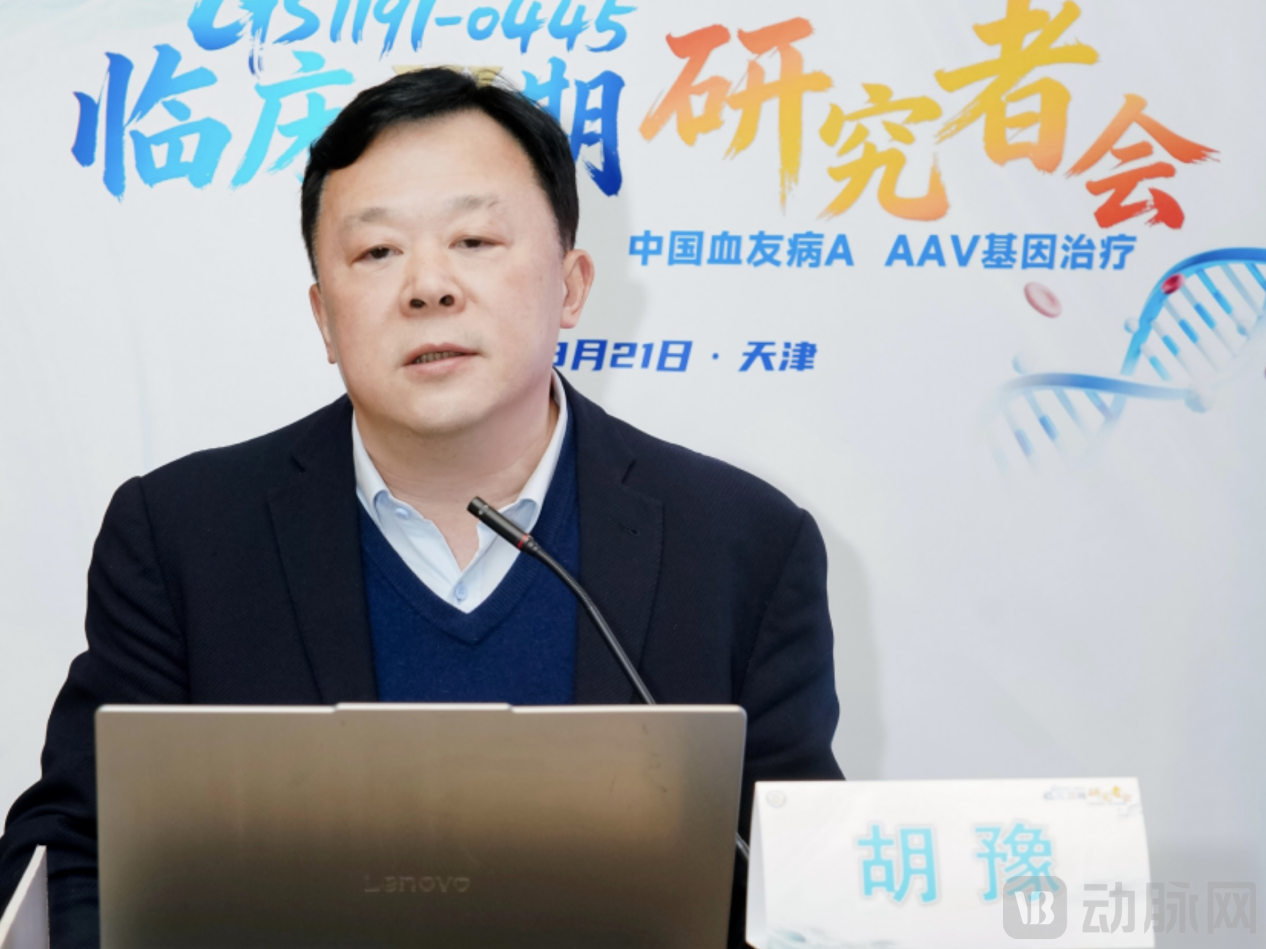
“This gene therapy drug, independently developed by a Chinese team, utilizes an optimized adeno-associated virus (AAV) vector to encapsulate DNA sequences. With optimized promoter and enhancer designs, it achieves higher Factor VIII expression at one-twentieth the dose of Roctavian.”Professor Hu Yu, Chairman of the Hematology Branch of the Chinese Medical Association,This was introduced at the investigator meeting held in Tianjin.
In layman’s terms, it is akin to optimizing both the delivery trucks and the assembly instructions within the cargo boxes, thereby enhancing delivery efficiency and clarifying instructional guidance. As a result, a significantly smaller amount of “cargo” (viral vectors) is sufficient to initiate an efficient production line (expression of clotting factors) within the body.
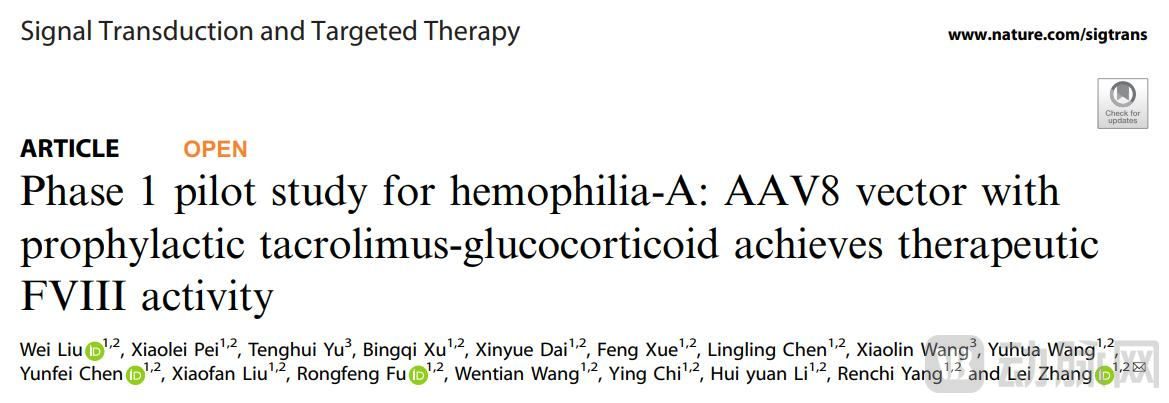
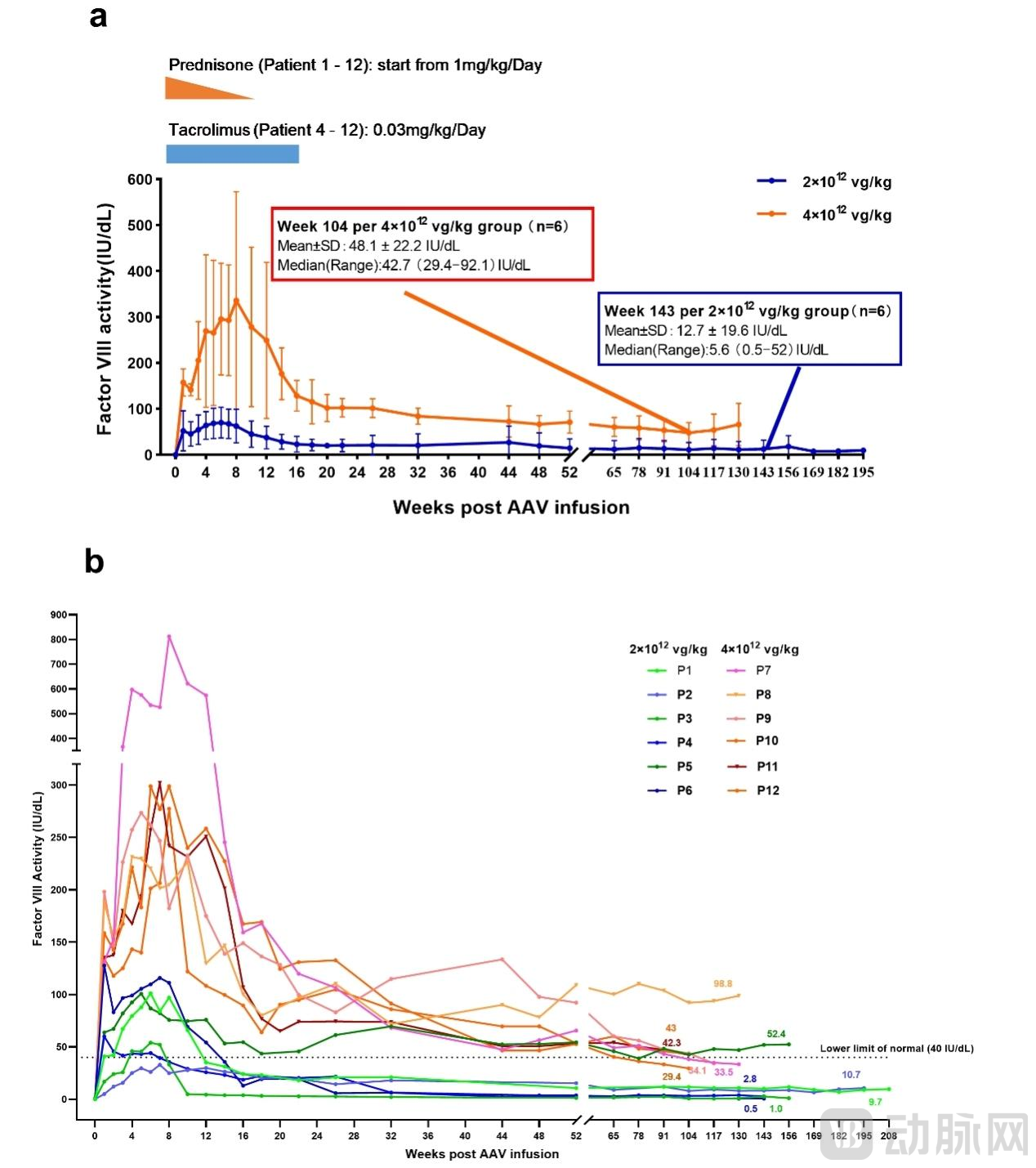
Clinical data support this innovative technological approach. According to research findings presented at the 2025 American Society of Hematology (ASH) Annual Meeting and subsequently published in the journal Signal Transduction and Targeted Therapy (STTT), among Chinese adult patients with severe hemophilia A treated with GS1191-0445:
In the high-dose group (4×10¹² vg/kg), the mean factor VIII activity reached 48.1 IU/dL at a median follow-up of 123.5 weeks (normal range in healthy individuals: approximately 50–150 IU/dL), successfully eliminating the “hemophilic state.” In the low-dose group (2×10¹² vg/kg), factor VIII activity was sustained long-term above 5%, achieving a clinical “bleed-free” status. The annualized bleeding rate was reduced by up to 99.4%, with a substantial decrease in the use of factor replacement therapy.
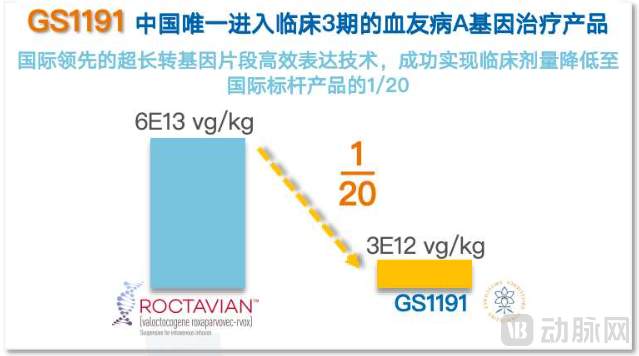
The most important point—achieving equivalent or even superior therapeutic efficacy, the GS1191-0445 clinicalThe administered dose is only approximately 1/20 that of similar international products.。
This is not only proof of efficacy, but alsoProof of Cost StructureIn gene therapy, the production of viral vectors is one of the core costs. A significant reduction in dosage would similarly lead to substantial compression in production scale, purification complexity, and material costs.
Furthermore, the Huayi Lejian team has also developed a complementary short-term immunomodulatory regimen involving the prophylactic use of glucocorticoids and tacrolimus. This regimen is designed to gently modulate the patient’s immune system during the critical window period following administration, thereby reducing the clearance response against the viral vector and protecting the newly established gene expression. This further enhances the feasibility and durability of the low-dose strategy.
Professor Zhang Lei explained, “This innovative approach has gained recognition from experts in other countries and is currently being applied in clinical practice.” The combination of low-dose administration and immunomodulation jointly constitutes the differentiated technological moat of GS1191-0445.
From “Patient Accessibility” to “Commercial Sustainability”
The technical “cost reduction” is essentially about answering a fundamental question: Once a drug has been developed, how can patients actually access it?
The $2.9 million price tag is, without doubt, a figure of despair for the vast majority of hemophilia A patients and their families worldwide. It effectively places this therapy out of reach in the real world.
The “China pathway” represented by GS1191-0445 is attempting to change this landscape. Although the product has not yet been priced, industry consensus expects its price to be significantly lower than that of comparable international products, based on its technical characteristics. Previously, another domestic biopharmaceutical innovator reduced the price of its gene therapy for hemophilia B to approximately RMB 2.79 million, which is regarded as an important market signal.
“(The cost is only 1/20th of that abroad.) This paves the way for future drug accessibility,” Professor Hu Yu stated clearly at a researchers’ conference in Tianjin.
A substantial reduction in price means that the possibility of treatment has moved from “absolutely impossible” to the realm of “open for discussion.” For patients in China, although treatment costs at the million-yuan level remain high, it is now possible to share the financial burden through a multi-tiered security system, including basic medical insurance, commercial health insurance (such as “Huiminbao”), patient assistance programs sponsored by pharmaceutical companies, and innovative payment methods such as installment plans.
The paradox inherent in the Western “sky-high-priced therapy” model is that high unit prices inevitably lead to extremely low market penetration, ultimately capping the total market size and rendering the business model unsustainable. In contrast, the “affordable pricing” strategy aims to reach a larger proportion of the patient population through more reasonable pricing, thereby unlocking a more substantial and genuine market.
Hemophilia is indeed a rare disease, but given China’s vast population, the number of patients remains significant (with an estimated 124,000–144,000 individuals with hemophilia A), providing a potential foundation for the “volume-for-price” model.
Once the product is launched, it is more likely to be included in the coverage of local inclusive commercial health insurance or to reach value-based payment agreements with payers. A virtuous cycle between sales volume and reimbursement is expected to form, thereby avoiding the fate of similar foreign products that remained “unsold.”
“The innovation we pursue should not be high-priced drugs that are ‘self-indulgent,’ but rather ‘national genetic medicines’ that benchmark against international technological frontiers while aligning with China’s national conditions in terms of R&D costs and pricing logic, thereby remaining within the affordability limits of the medical insurance system,” summarized a researcher involved in this clinical study.
Commercial sustainability is not only vital to a company’s survival, but also determines whether cutting-edge therapies can be truly implemented and benefit the patients who stand to gain from them.
The next 52 weeks will be the most critical period, as these follow-up data will ultimately validate the long-term efficacy and safety of GS1191-0445, representing the final step in bringing this “Chinese solution” to patients and to market.
China's Power in the Global CGT Landscape
The phased achievements of GS1191-0445 signify that China’s engagement in the field of cell and gene therapy is rapidly increasing.
A noteworthy phenomenon is that the proportion of candidate drugs from Chinese R&D pipelines has significantly increased in the competitive landscape of the world’s most expensive gene therapies. This trend is underpinned by China’s gradually forming systemic advantages in the cell and gene therapy (CGT) sector, spanning upstream process development and chemistry, manufacturing, and controls (CMC), midstream contract development and manufacturing organization (CDMO) capabilities, and downstream efficient and cost-controllable clinical development systems.
Notably, GS1191-0445 has also received preliminary recognition from international regulatory systems. It has been granted Orphan Drug Designation (ODD) by both the U.S. Food and Drug Administration (FDA) and the Saudi Food and Drug Authority (SFDA), and has also been included as a Breakthrough Therapy by the Center for Drug Evaluation (CDE) of China’s National Medical Products Administration.
Although orphan drug designation does not in itself imply approval, it signifies regulatory recognition of the drug’s focus on rare diseases and its preliminary clinical data, thereby facilitating the conduct of future international multicenter clinical trials and even marketing applications.
“This reflects the recognition by the international academic community and regulatory authorities of the quality of China’s original scientific research,” commented Professor Zhang Lei. “This is no longer a simple case of ‘domestic substitution,’ but rather true ‘competition on a level playing field.’”
The Rise of Gene Therapy in China: Its current core value may lie not in producing the “first” drug, but in demonstrating that gene therapy need not remain an “exorbitantly priced myth” beyond the reach of ordinary people. Chinese scientists are leveraging foundational scientific innovations to optimize costs as much as possible while ensuring therapeutic efficacy, thereby expanding access to treatment for a broader patient population.
This may be quietly changing the rules of the game in the global gene therapy field. The ultimate value of a therapy should not merely be reflected in the breakthroughs of scientific papers or the price figures on drug labels, but more importantly in the number of lives it can actually save and improve.
The Global Race in Gene Therapy: The First Half Competes on “Can It Be Made,” While the Second Half Tests “Who Can Afford It.” After Crossing the Threshold of Scientific Feasibility, How to Bridge the Gap in Commercial Viability and Social Accessibility Has Become a Question That All Participants Must Answer.
GS1191-0445, along with the Chinese innovation pathway it represents, is providing its own answer. It points to a more fundamental goal: making breakthrough technologies an affordable hope for patients. Behind this progress lies not only technological advancement but also a testament to the collaborative efforts of clinicians who have long remained on the front lines, working alongside research and industry forces to drive medical progress.