Boya Life Files IPO Prospectus: Pioneering the Future of Cell and Exosome Therapies Amid China's Aging Society
In 2009, China’s cell technology industry was still a “barren wasteland” characterized by the “three nos”: no standards, no trust, and no industrial chain. That same year, with the support of the Wuxi Municipal Government, the International Network of Cell Therapy (INCOSC) was quietly established. In 2010, an industrialization project incubated from INCOSC gradually evolved into what is now Boyalife Group. Starting with newborn stem cell storage services, Boyalife has step by step built a comprehensive industrial ecosystem covering “automated cell processing equipment, cell therapy technologies, and regenerative medicine.”
In 2026, as the “silver economy” rises to a national strategic priority and exosomes are incorporated into the 14th Five-Year Plan for Bioeconomy Development, how can a technology-driven enterprise uphold “pharmaceutical-grade” quality standards while unlocking access to inclusive healthcare and consumer-level demand? Furthermore, amidst the historic opportunities presented by an aging society, how can it bring its products to the vast consumer healthcare market and continue to define the commercial landscape for the next phase of cell technology?
With the spring sunshine at its finest and all things renewing, VCBeat had the honor of interviewing Dr. Li Yishu, Founder and Chairman of Boya Life. She said, “Currently, cell technology stands at the intersection of cutting-edge biotechnology and an aging society, while Boya will continue to harness the power of innovation to swim against the current in the river of time.“The interview has been edited for the benefit of our readers.”

Dr. Yishu Li, Founder and Chairman of Boya Life
Ph.D. in Applied Finance from the University of Geneva; GFD (Global Financial Scholar) from PBC School of Finance, Tsinghua University; Executive MBA from Guanghua School of Management, Peking University; M.S. in Clinical Statistics from North Dakota State University, USA. Dr. Li Yishu is an expert in clinical medical statistics and a member of the American Statistical Association. With many years of experience in management roles at Fortune 500 companies, he possesses advanced business philosophies and exceptional managerial expertise. Since founding Boya in 2009, he has rapidly developed it into a group enterprise centered on stem cell technology and new drug R&D, earning numerous honors such as the International Cooperation Base designation awarded by the Ministry of Science and Technology.
The Second Half of Commercial Strategy: Pointing to the Frontier of "Cell-Free Therapies"Exosomes
1VCBeat: Boya Life’s “Mesenchymal Stem Cell Exosomes” received the “Best Biotechnology Innovation Product Award” from VCBeat. Please introduce this product.
Li Yishu:With 17 years of deep expertise in cell technology, this award-winning mesenchymal stem cell exosome (MSC-Exo) product represents a strategic step into the “cell-free therapy” domain, built upon our foundational technological accumulation.
From a scientific perspective, exosomes are nanoscale messengers for intercellular communication, with a small diameter of approximately 30–150 nanometers. They encapsulate core biological information, including proteins and nucleic acids, and precisely deliver instructions for repair and regeneration to target cells. The mesenchymal stem cell-derived exosomes we extract perfectly inherit the core biological efficacy of their parent stem cells, such as promoting tissue repair, modulating the immune microenvironment, and exerting potent anti-inflammatory effects.
More importantly, it overcomes the dual physical and commercial limitations of live stem cells. Exosomes exhibit high physical stability, low immunogenicity, and the ability to readily cross the blood-brain barrier. This not only demonstrates their significant potential in serious medical fields such as neurodegenerative diseases and respiratory system repair, but their ease of storage and transport also enables scalable, consumer-grade medical translation. Therefore, I believe they are not a simple substitute for stem cells, but rather an extension of cell technology into broader application scenarios.
2VCBeat: Why has Boya Life made a significant investment in exosome technology?
Li Yishu:First, this is an inevitable choice in embracing the national strategies of the “Silver Economy” and “Healthy China.” As China accelerates into an aging society, addressing the burden of chronic diseases and physiological decline has become a systemic challenge for the entire society. The 14th Five-Year Plan for Bioeconomy Development has explicitly identified exosomes as a key area for development. The broad potential of exosomes in aging intervention and chronic disease management represents one of the optimal solutions for leveraging biotechnology to support an aging society.
Secondly, this represents a deep excavation of Boya’s core assets. The upper limit of exosome quality depends on the purity and viability of the source stem cells. Furthermore, particularly in the pathway to drug development, clear traceability is crucial. Boya possesses a top-tier clinical-grade stem cell bank in China, having thoroughly resolved the issue of “high-quality stem cell sources” that has long plagued both the scientific research community and the industry.“Chokehold” challenges.
Boya continues its R&D efforts from the vantage point of a peak it has already scaled.Leveraging 16 years of accumulated technological barriers, we have rapidly established a high-standard quality control system for exosomes. Our significant investment in exosomes represents another strategic push into the new frontier of life sciences, capitalizing on our core resource endowments.
3VCBeat: What are the core competencies of Boya Life’s exosome products and technologies?
Li Yishu: Our core competitiveness can be summarized as “unreplicable” across three dimensions:
First, the “ceiling” barrier of source quality control.As mentioned aboveExosomes are derived from stem cells, which serve as the "seed cells" for exosomes.。As a stem cell technology company with IND filings,BoyaWe have achieved full closed-loop management across the entire value chain, from “seed cells” to “final exosomes.” Leveraging our long-standing adherence to top-tier international quality systems such as AABB, our exosomes are imbued with “pharmaceutical-grade” quality from their inception. In early 2025, our exosome raw materials simultaneously obtained a US FDA Drug Master File (DMF) reference.Type IIDual filing with domestic authorities and the international INCI registry signifies that quality and safety have received the seal of approval from the world’s most stringent standards.
Second, the “Industry-Academia-Research-Medicine” clinical matrix in serious healthcare. For 17 years, Boya has eschewed low-end conceptual hype, remaining steadfastly committed to a path grounded in clinical evidence. Currently, Boya has partnered with national medical centers of excellence, including Beijing Hospital (for female intrauterine injury) and the Eye & ENT Hospital of Fudan University (for macular degeneration), to progressively expand its exosome clinical pipeline. Boya’s long-term vision is firmly rooted in defining the clinical value of exosome technology through the rigorous logic of pharmaceutical drug development.
Third, multidimensional delivery innovation of “exosomes+”.Meanwhile,Our R&D team is also breaking through traditional routes of administration by deeply developing non-invasive, high-efficiency delivery modalities such as intranasal administration (targeting the central nervous system), nebulized inhalation (targeting the respiratory tract), and ocular instillation/nebulization, thereby significantly expanding the application scenarios for biotherapeutics.
4VCBeat: Compared with stem cells, exosomes are easier to scale up for production, transport, and storage. Does this mean that cell technology will shift from “high-end customization” to “mass-market consumption”?
Li Yishu:Yes, I believe that in the cell technology industry, the reason why exosomes are so popular is because of the consensus among everyone——Exosomes are emerging as the golden key to unlocking the door to “inclusive biomedical healthcare.” Their physicochemical properties and high safety profile—such as suitability for nasal spray and topical application—enable them to reach, with lower barriers to entry, the vast consumer base of hundreds of millions who are in a suboptimal health state or seeking anti-aging benefits, relief from sleep disturbances, or emotional well-being support.
However, my unwavering view is that “going mass-market” certainly does not mean “lowering standards.” What Boya must adhere to is:Applying the rigorous standards of pharmaceutical manufacturing to explore consumer-grade biological products.
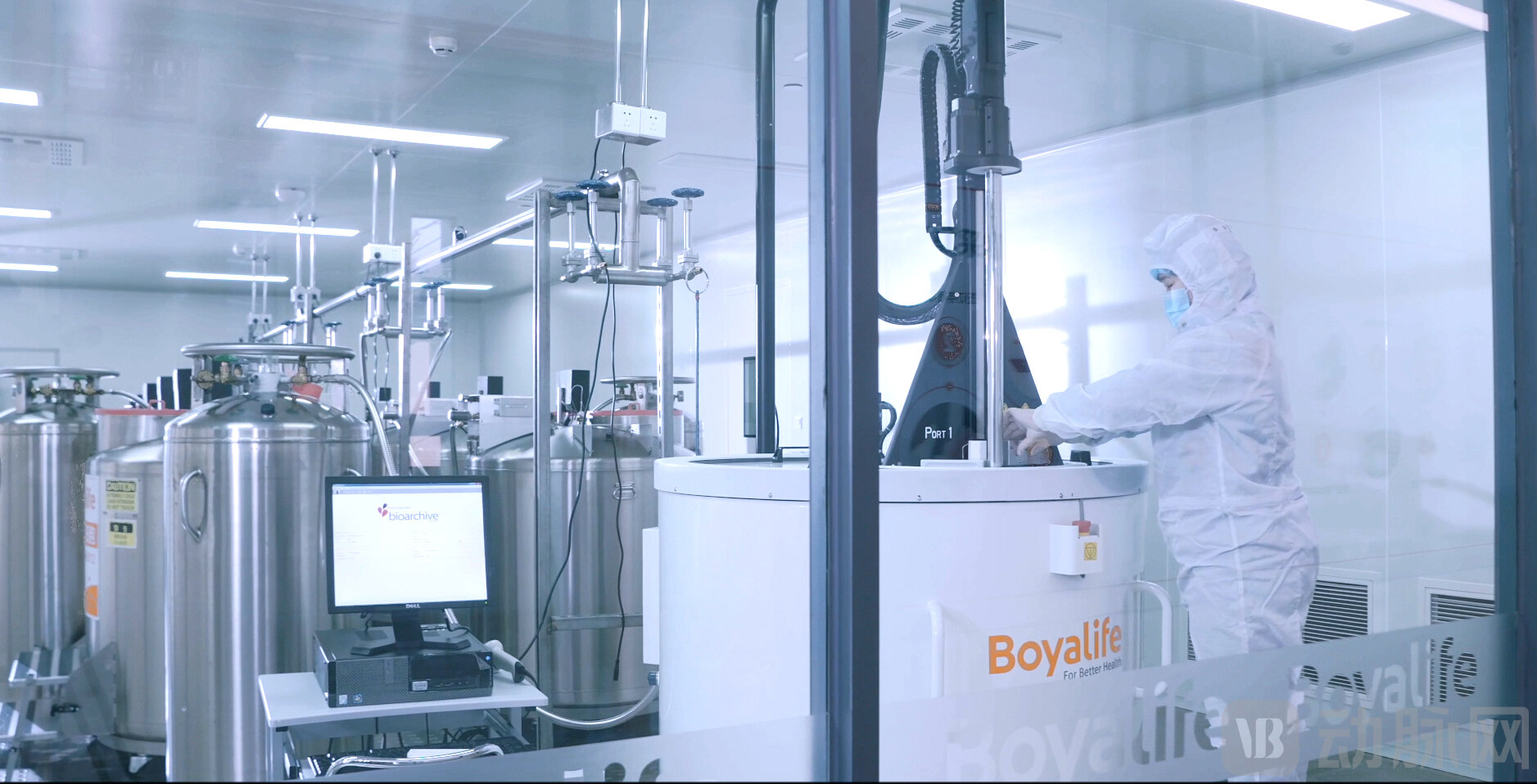
We have made significant investments in developing a serum-free hypoxic culture system, a 3D culture system, and a dual ultrafiltration-ultracentrifugation system. We employ internationally recognized gold-standard extraction processes and state-of-the-art exosome lyophilization technology, and have conducted long-term stability studies on our exosome products for 36 months. Furthermore, every batch of Boya’s exosomes undergoes up to 24 rigorous quality control tests to ensure the consistent quality of the final product.
Through continuous optimization of underlying manufacturing processes, Boya has reduced production costs.However, when it comes to safety concerning risks to life and health, those familiar with Boya know that since we began our work in cell therapy 17 years ago, our baseline has always been to align with—and even lead—the highest domestic and international standards.
17 Years of Deep Expertise in Cell Technology, Firmly Centered on Quality Systems
5VCBeat: In 2009, there were only a handful of cell banks in China. How did Boya Life gain the trust of its first batch of families and gradually establish its industry position in the newborn stem cell storage business?
Li Yishu: In the nascent stage of the industry, characterized by a “triple absence” (no standards, no trust, and no industrial chain), we have earned the trust of numerous high-net-worth and elite depositors because Boya has never treated “cell storage” as a business peddling concepts, but rather as a long-term endeavor dedicated to safeguarding families’ biological assets.
From the outset, we anchored our strategy to “neonatal mesenchymal stem cells (MSCs),” a biological resource with significant clinical potential—a decision that has proven to be highly forward-looking over time. I often say that we should return to common sense, which tells us that younger stem cells possess greater vitality and vigor. This has indeed been borne out by years of clinical validation. As I just mentioned,, Boya has been committed to leading the international community since its inception,In China, even before the national standards were issued in 2012, Boya took the lead in introducing the American AABB standards and has successfully passed re-accreditation for 12 consecutive years to this day.
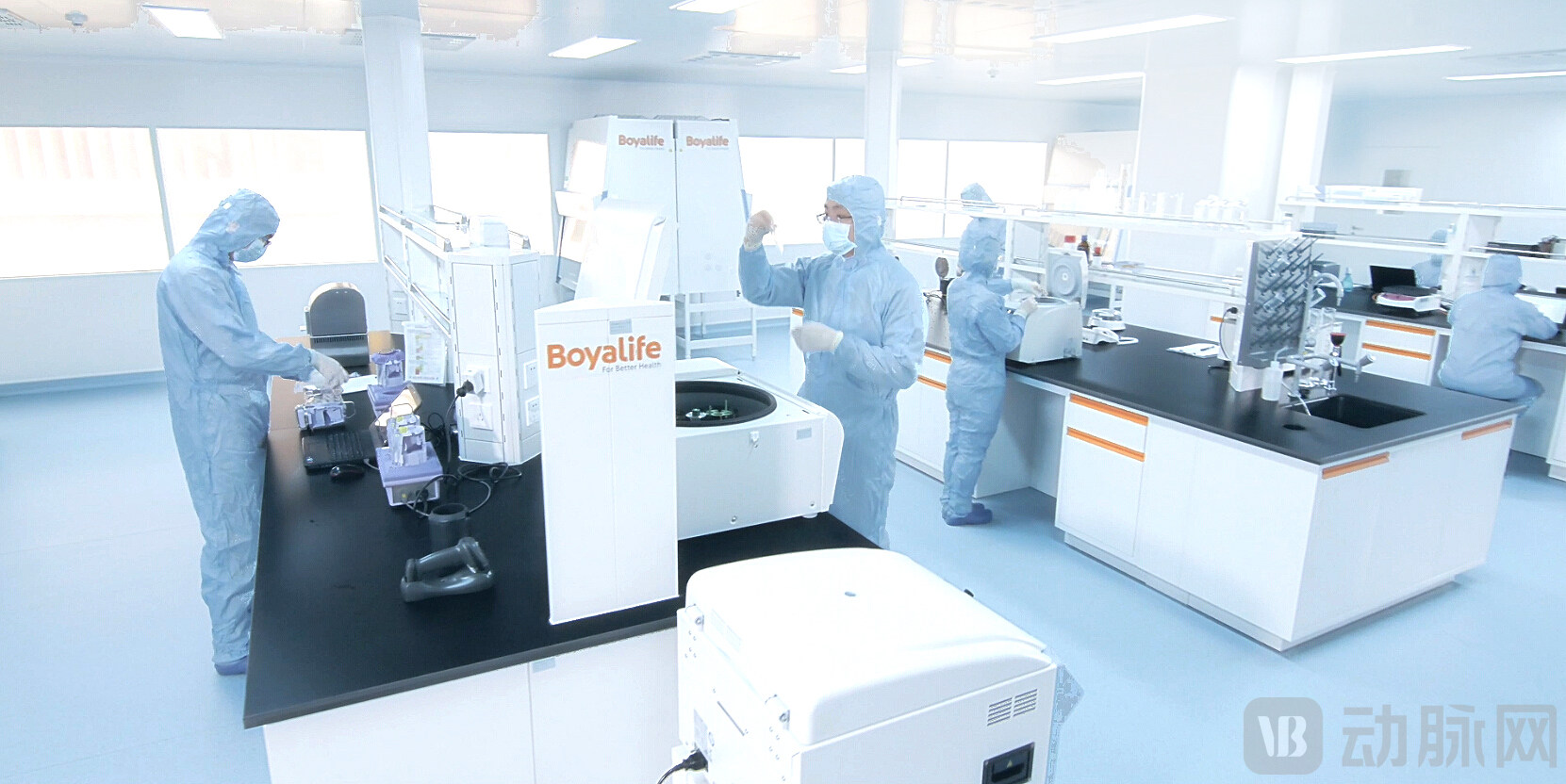
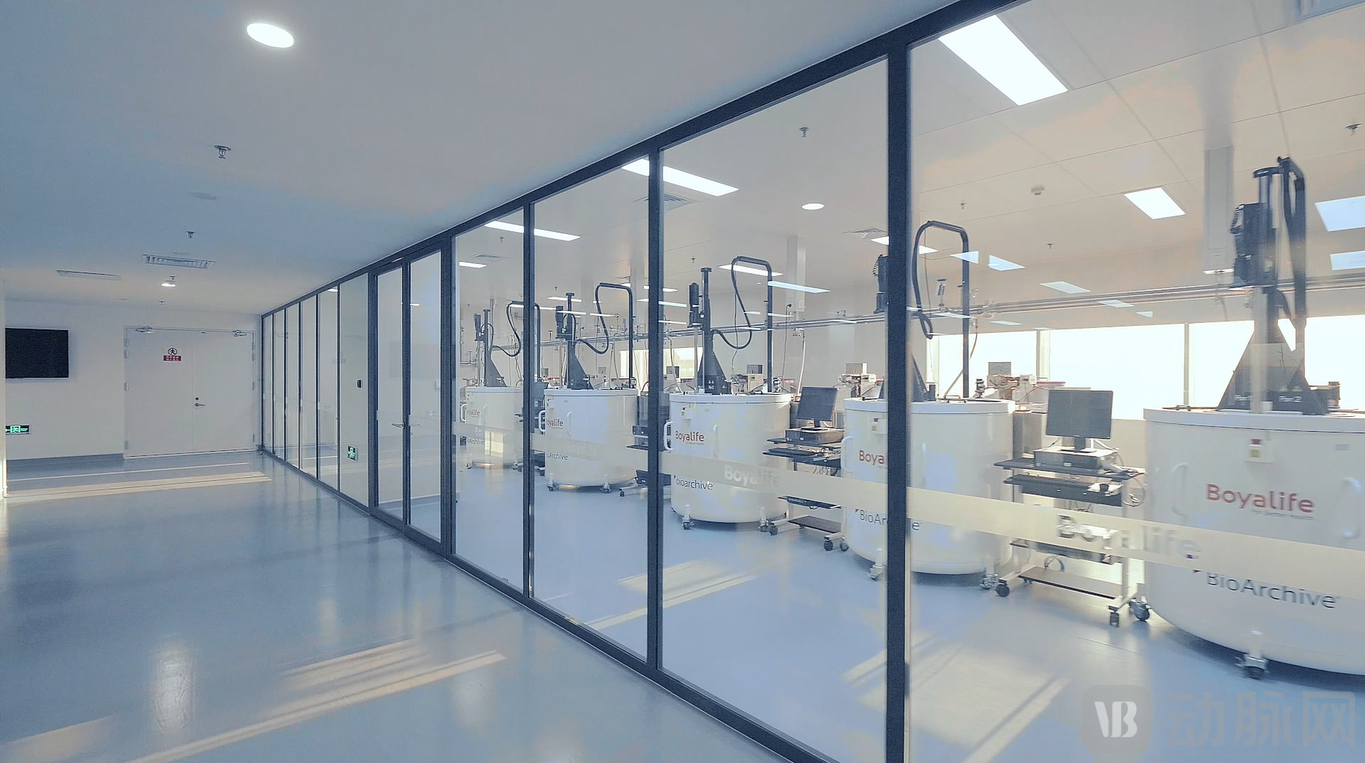
We have self-built over 10,000 square metersGMP-compliant laboratory, while simultaneously holding triple international accreditations from AABB, NRL, and CAP, we have always confidently stated, we haveThe world’s most stringent quality system has earned us industry credibility and customer trust. Meanwhile, we have built a technological moat with over 100 core patents and are conducting cutting-edge clinical research in collaboration with more than 40 Grade A tertiary hospitals across China. WeAlwaysWith “the highest standards of quality” and “tangible clinical outcomes,” Boya has steadily built the foundation of trust with 150,000 families today.
6VCBeat: With 17 years since its establishment, how has Boya Life built “competitive barriers” through its business layout? What management logic lies behind it?
Li Yishu:To me, I have always believed that“Single-point breakthroughs are easily replicated; only an ecosystem is unshakable.”Therefore, Boya has been striving to build a “closed-loop ecosystem spanning the entire industry chain.” Over the past 16 years, Boya’s strategic layout in the field of cell technology has encompassed three major segments extending across the full cell industry chain: “automated cell-based medical devices,” “life banks (cell storage),” and “R&D and industrialization of novel cell therapies.”
On the device side, we jointly developed an automated cell processing system;On the resource side, we have obtained AABB certification for Cell Starting Material (CSM), and we are leveraging our quality advantages to seize upstream opportunities in “raw materials”;On the application side, Boya’s stem cell injection IND has been approved for the indication of osteoarthritis, while we are simultaneously advancing more than 20 innovative pipelines. For Boya, both temporal and technological barriers represent worthwhile investments. I hope we can become a technology-driven enterprise that withstands cyclical fluctuations, delivers tangible value to the industry and end customers, and ultimately earns respect and esteem.
7VCBeat: Boya Life has consistently emphasized the establishment of a cell quality system. What is a cell quality system, and why is it core?
Li Yishu: Cells are “living” drugs, which fundamentally distinguishes them from traditional small-molecule chemical drugs. In this field,Stability and quality consistency during the manufacturing process remain perennial hot topics of discussion and exploration within the industry. Quality does not rely on individuals or any single-dimensional factor, but rather on a comprehensive system. This quality system is far more than a mere collection of documents; it constitutes the critical “lifeline” that determines whether cell products possess the requisite attributes for drug development and, ultimately, whether they can be used to save lives.
Boya’s quality system can be distilled into three words:Safe, Experienced, Transparent. Our end-to-end proprietary technologies and stringent GMP-level controls serve as the guarantee of “safety”; 16 years of deep industry engagement have endowed us with “seasoned” expertise in handling various complex samples; and our industry-first digital traceability system (Boya Time Machine) has shattered the information black box through a transparent laboratory.
Since the beginning of our conversation, I have found it difficult to stray from the theme of “high standards,”Quality management and quality systems are the soil for survival under high standards.“A phrase I often repeat is that we must hold life in awe; I believe that quality management and quality systems represent Boya’s most solid commitment.”
8VCBeat: Has the business philosophy centered on quality systems brought positive impacts to Boya Life?
Li Yishu: Yes, Boya’s cell storage business is a pure B2C operation. I often say that our clients are fully aware of what they are doing and clearly understand the rationale behind their choices, as their purchasing power defines them as a highly elite demographic. In this sector, Boya has achieved one of the highest market shares in the industry:According to Deloitte’s research report, our market share in placental mesenchymal stem cell storage is 32%.
I have always believed that it is precisely because of our unshakable quality foundation that we are qualified to collaborate with China’s top-tier Grade 3A hospitals on new drug clinical development, and that we can pass the rigorous quality assessments required in clinical trials.Therefore, building a robust quality system is a principle I constantly remind myself to uphold, maintaining unwavering focus regardless of the competitive market landscape.
9VCBeat: As a vice-chairman unit of the China Stem Cell Industry Alliance, what role has Boyalife played in the formulation of industry standards? What are your thoughts on promoting standardized development?
Li Yishu: “Go fast alone, go far together.”In the industry’s nascent stage, companies competed on speed; but in the current phase of industrialization, the competition hinges on standardization and ecosystem.
Boya not only spearheaded the initiative to establish the “Cell Valley” industrial cluster in Tianjin but also played a deep role in formulating multiple group standards, including the General Guidelines for Human-Derived Mesenchymal Stem Cells in Clinical Research. Our perspective is that technological breakthroughs must be safeguarded by sound regulations and effective governance.
We call forWe should also actively promote the establishment of a dynamic regulatory framework based on clinical evidence, encouraging pilot initiatives to create room for growth and development for R&D-driven enterprises. Meanwhile, it is essential to strengthen quality control at the source; only by operating transparently and in strict adherence to standards can China’s cell therapy industry truly take center stage on the global platform.
10VCBeat: What are your plans and expectations for Boya Life over the next 5–10 years?
Li Yishu:Over the next decade, I hope Boya will achieve breakthroughs along two paths. The first isIn the field of serious healthcare,We must continue to focus on degenerative diseases associated with aging, promote the clinical translation of stem cell and exosome technologies, and complete their development via the pharmaceutical regulatory pathway for conditions such as osteoarthritis and Alzheimer’s disease., and other indications such as refractory eye diseases. Taking our Wharton’s jelly-derived mesenchymal stem cell injection for knee osteoarthritis, which has just entered Phase I clinical trials, as an example, our focus extends beyond tackling refractory diseases to the frontiers of “preventive treatment” and “delaying degenerative changes in the body.”
Facing a silver-haired population of over 400 million, Boya expects to provide systematic biological solutions in the fields of anti-aging, nervous system protection, and female functional rejuvenation through cell and exosome technologies. We hope that Boya’s technologies can substantially enhance the healthspan of the national population, rather than merely extending lifespan.
It is often joked within the industry that,Even R&D enterprises cannot truly “run on passion alone”; they need to survive and grow. Hence, the second pointBreakthroughs in Commercial Growth Pathways, which Boya continues to explore. With 17 years of experience in the field of neonatal stem cell storage, Boya has amassed a large base of high-net-worth clients who possess strong purchasing power, place full trust in Boya, and have significant health needs. Therefore, our upcoming mission is to better serve these clients’ health needs by extending and deepening the duration, depth, and breadth of our services, thereby becoming a true partner in their family’s health.
At the same time, we are also exploringCommercial Translation Pathway of Exosome Technology, which is within our capability to grasp while also possessing the ability for large-scale consumer-grade medical translation, our layout work needs to be done in advance.
11VCBeat: How will cell therapy reshape the healthcare system in the next decade? What opportunities and challenges lie ahead?
Li Yishu:Over the past few centuries, modern medicine has essentially been “repair-shop” style healthcare—removing damaged organs and suppressing pathological changes with medication. I believe the significance of the rise of cell therapy lies inPropelling the Healthcare System into a New Era of “Regeneration and Repair”. It empowers us to block or even reverse the progression of disease at its earliest stages by activating the body’s own endogenous repair mechanisms.
Second, future healthcare will undoubtedly be personalized. The combination of cell therapy and gene-editing technologies willTruly Delivering on the Promise of “Personalized Precision Medicine”Meanwhile, the vast unmet clinical needs (such as those for chronic and degenerative diseases) present opportunities bestowed by our times; whereas cost control in scaled-up manufacturing and the delineation of ethical regulatory boundaries constitute significant challenges that the entire industry must overcome.
12VCBeat: What role does Boya Life aspire to play over the next decade? What are its plans for promoting exosomes as “consumer-grade medical” products?
Li Yishu: On one hand, Boya remains unwavering in its role as the “spokesperson” for clinical-grade and pharmaceutical-grade cell quality. We will continue to fortify ourselves with a high-standard quality system while simultaneously accelerating the IND applications and market approval processes for novel cell therapies.
On the other hand, in the blue ocean of consumer-grade exosome-based healthcare, we will leverage “Exosome+” technological innovations to explore the infinite possibilities of future health consumption scenarios. We are committed to paving the way with technology and advancing product development proactively, ensuring thorough preparation for successful translation. We believe that exosome technology will eventually transform cutting-edge biotechnology from an elite domain into everyday health protection accessible to millions of households. Boya is fully dedicated to realizing this future chapter.
In recent years, Boya Life has implemented a multi-dimensional, long-term, and in-depth strategic layout in the field of mesenchymal stem cell-derived exosomes:Human-Derived Stem Cell ExosomesObtained dual filings for pharmaceutical raw materials with the U.S. FDA Drug Master File (DMF) and cosmetic raw materials with the International Nomenclature of Cosmetic Ingredients (INCI);Established comprehensive manufacturing processes for extracellular vesicles (exosomes) and cytokines, along with exosome quality control standards and associated testing systems. Developed multiple core technologies to ensure high-quality exosomes, including a premium master cell bank, serum-free hypoxic culture systems, extraction processes aligned with international gold standards, optimized lyophilization techniques, and above-standard quality control assurance. These advancements enable Boya’s “mesenchymal stem cell-derived exosomes” to achieve advantages such as high purity, high activity, and pharmaceutical-grade quality.
Meanwhile, Boya has partnered with multiple Grade A tertiary hospitals in China to promote the clinical translation and development of stem cell-derived exosomes. In 2025, Boya concurrently launched several collaborative projects, including an exosome-based therapy for female intrauterine injury with Beijing Hospital, and an exosome-based treatment for macular degeneration with the Eye, Ear, Nose, and Throat Hospital of Fudan University. The company is also actively pioneering innovative “exosome-plus” models, exploring and implementing applications such as exosome nebulization for respiratory diseases, intranasal exosome delivery for neurodegenerative disorders, and exosome therapies for ocular conditions, thereby striving to uncover broader possibilities for exosomes in healthcare and medicine.