

FDA Approves Kresladi (marnetegragene autotemcel), the World’s First Gene Therapy for Severe Leukocyte Adhesion Deficiency Type I (LAD-I)
Rocket Pharmaceuticals
Gene Therapy Developer
Recently, the FDA announced the formal approval of Kresladi (marnetegragene autotemcel), developed by Rocket Pharmaceuticals (NASDAQ: RCKT), for the treatment of pediatric patients with severe leukocyte adhesion deficiency type I (LAD-I) caused by biallelic variants in the ITGB2 gene, who do not have access to a suitable human leukocyte antigen (HLA)-matched allogeneic hematopoietic stem cell transplant. This is the first gene therapy approved globally for the treatment of LAD-I and represents the first new treatment option for LAD-I in nearly 20 years.
The path to market approval for Kresladi was far from smooth. Since the initial submission of its Biologics License Application (BLA) in October 2023, the product has experienced multiple setbacks, including review delays, a Complete Response Letter (CRL) requesting additional Chemistry, Manufacturing, and Controls (CMC) information, and resubmission. It ultimately gained approval two and a half years after the initial submission. The FDA approved the product via the Accelerated Approval pathway, using increased expression levels of CD18 and CD11a on the surface of neutrophils as surrogate endpoints. As a condition of accelerated approval, Rocket Pharmaceuticals is required to conduct post-marketing studies to further confirm clinical benefit.
Autologous Stem Cell Gene Modification: Lentiviral Vector Delivery of the ITGB2 Gene
Leukocyte Adhesion Deficiency Type I (LAD-I) is an extremely rare primary immunodeficiency disorder caused by mutations in the ITGB2 gene. The ITGB2 gene encodes the CD18 protein, which combines with CD11 proteins to form β2 integrins, a critical adhesion molecule complex on the surface of leukocytes. This complex is an essential functional unit required for leukocytes to transmigrate from blood vessels into infected tissues.
During a normal immune response, after pathogens invade tissues, white blood cells in the bloodstream must first adhere to vascular endothelial cells and then transmigrate across the vessel wall into the tissues to eliminate the pathogens. This series of events relies on the interaction between β2 integrins on the surface of white blood cells and adhesion molecules on the surface of vascular endothelial cells. When mutations in the ITGB2 gene lead to loss of function of the CD18 protein, β2 integrins fail to assemble properly, resulting in the inability of white blood cells to transmigrate across the vessel wall.
For patients with severe LAD-I, this means that the body’s defense mechanisms against bacterial and fungal infections are severely compromised. From the neonatal period onward, patients experience recurrent severe infections of the skin, respiratory tract, and deep tissues, accompanied by significantly impaired wound healing. Infections are difficult to control and prone to recurrence. Without effective intervention, most affected children do not survive into childhood. Epidemiological data indicate that the incidence of LAD-I is approximately 1 per million live births, with about two-thirds of cases being the severe form.
Currently, allogeneic hematopoietic stem cell transplantation (bone marrow transplantation) is a treatment option for some patients with severe LAD-I. However, this approach has two major limitations: first, the need to find an HLA-matched sibling donor, which has a low success rate in clinical practice; and second, the transplant process carries risks of serious complications such as myeloablative chemotherapy and graft-versus-host disease (GVHD), resulting in a high treatment-related mortality rate. For patients without suitable donors, effective treatment options have long been lacking.
Kresladi is an ex vivo gene-modified autologous hematopoietic stem cell therapy. Its technical approach can be summarized as follows: The patient’s own hematopoietic stem cells are collected, and a functional copy of the ITGB2 gene is introduced into the cells ex vivo using a lentiviral vector, enabling the stem cells to express functional CD18 protein. After myeloablative chemotherapy preconditioning is administered to eliminate the patient’s existing defective hematopoietic stem cells, the genetically modified cells are infused back into the patient. The infused stem cells engraft in the bone marrow and continuously differentiate into functionally normal white blood cells, thereby correcting the immune deficiency at its root cause.
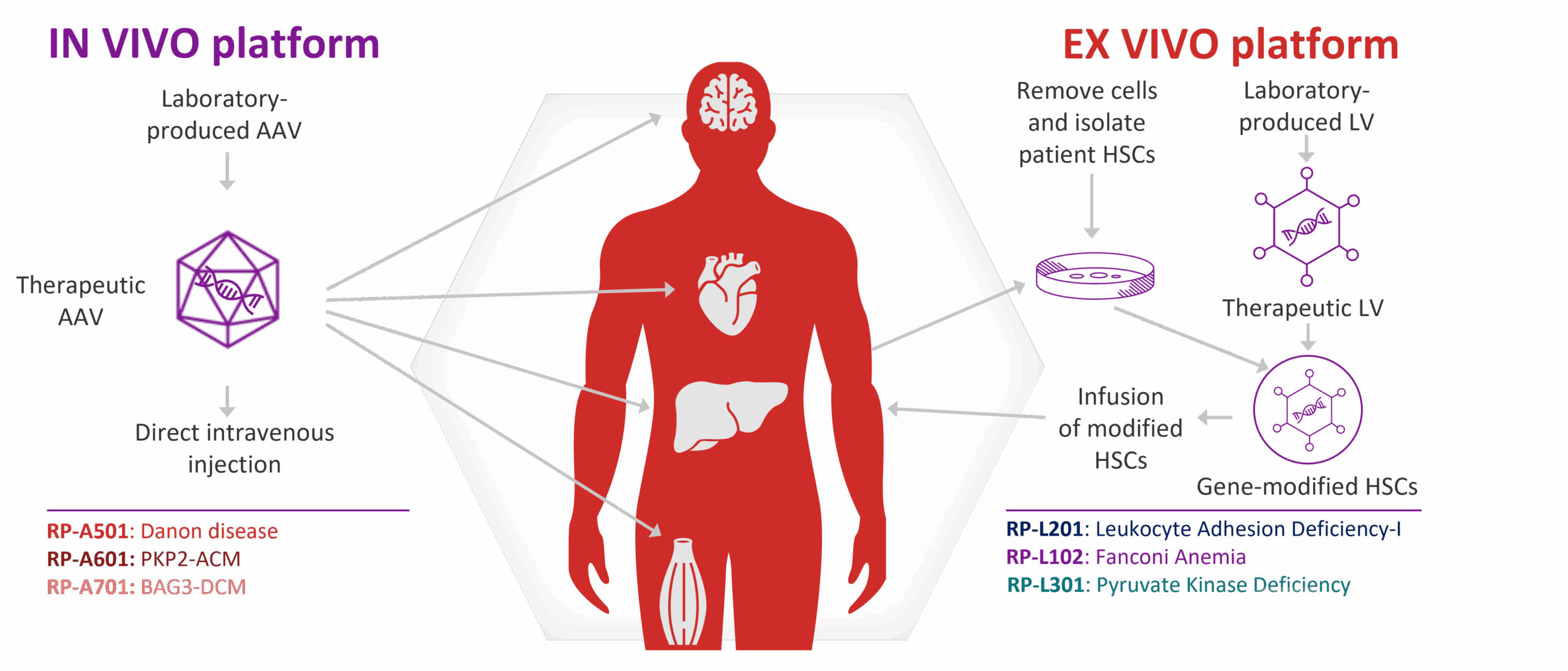
The core research and development of this therapy was jointly conducted by Spain’s CIEMAT (Center for Energy, Environmental and Technological Research) and the Fundación Jiménez Díaz University Hospital Research Institute, in collaboration with University College London (UCL) in the United Kingdom to develop the lentiviral vector. In 2019, Rocket Pharmaceuticals obtained global licensing rights for this therapy from these institutions and advanced its clinical development in the United States. Dr. Donald Kohn of UCLA, a senior researcher in this field, led the clinical trials in North America.
By utilizing the patient’s own autologous cells, this therapy theoretically circumvents the risks of immune rejection and graft-versus-host disease commonly associated with allogeneic transplantation.
100% Survival Rate in 9 Patients, with a Significant Reduction in Infection Rate
The marketing application for Kresladi is primarily based on a global, multicenter Phase I/II clinical trial (NCT03812263). This open-label, single-arm study enrolled nine pediatric patients with severe leukocyte adhesion deficiency type I (LAD-I), aged 5 months to 9 years. All patients had severe disease caused by biallelic variants in the ITGB2 gene and lacked suitable HLA-matched sibling donors. Patients were treated at three centers: UCLA (6 cases), London, UK (2 cases), and Spain (1 case).
The primary endpoints of the study were survival rate at 12 months post-infusion, as well as the expression levels of CD18 and CD11a on the surface of neutrophils. Secondary endpoints included the incidence of severe infections, improvement in skin lesions, and wound healing capacity.
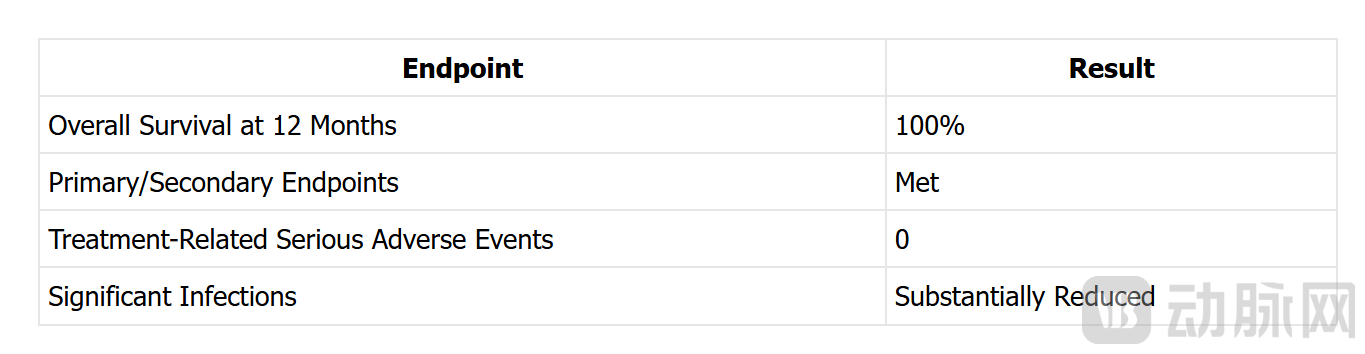
KRESLADI data show a 100% survival rate in LAD-I patients, with significant therapeutic efficacy.
The study results showed that all 9 patients survived at 12 months post-infusion and throughout the entire follow-up period (18 to 42 months), with a survival rate of 100%. No patient required allogeneic hematopoietic stem cell transplantation during treatment, and no cases of graft failure or immune rejection occurred.
Following treatment, the expression levels of CD18 and CD11a on the surface of patient neutrophils were significantly increased. As a biomarker for the restoration of functional β2 integrins, this metric was accepted by the FDA as a surrogate endpoint to support accelerated approval.
In terms of clinical outcomes, compared with the pre-treatment baseline, patients exhibited a significant reduction in the incidence of severe infections, improvement in skin lesions, and restoration of wound healing capacity. Some patients were gradually able to discontinue long-term antibiotic prophylaxis following treatment.
In terms of safety, Kresladi was generally well tolerated. No treatment-related serious adverse events were reported during the study. Adverse reactions associated with myeloablative conditioning chemotherapy were manageable, and no allograft-specific complications, such as graft-versus-host disease, were observed. Compared with conventional allogeneic hematopoietic stem cell transplantation regimens, this therapy demonstrates a more favorable short- and long-term toxicity profile.
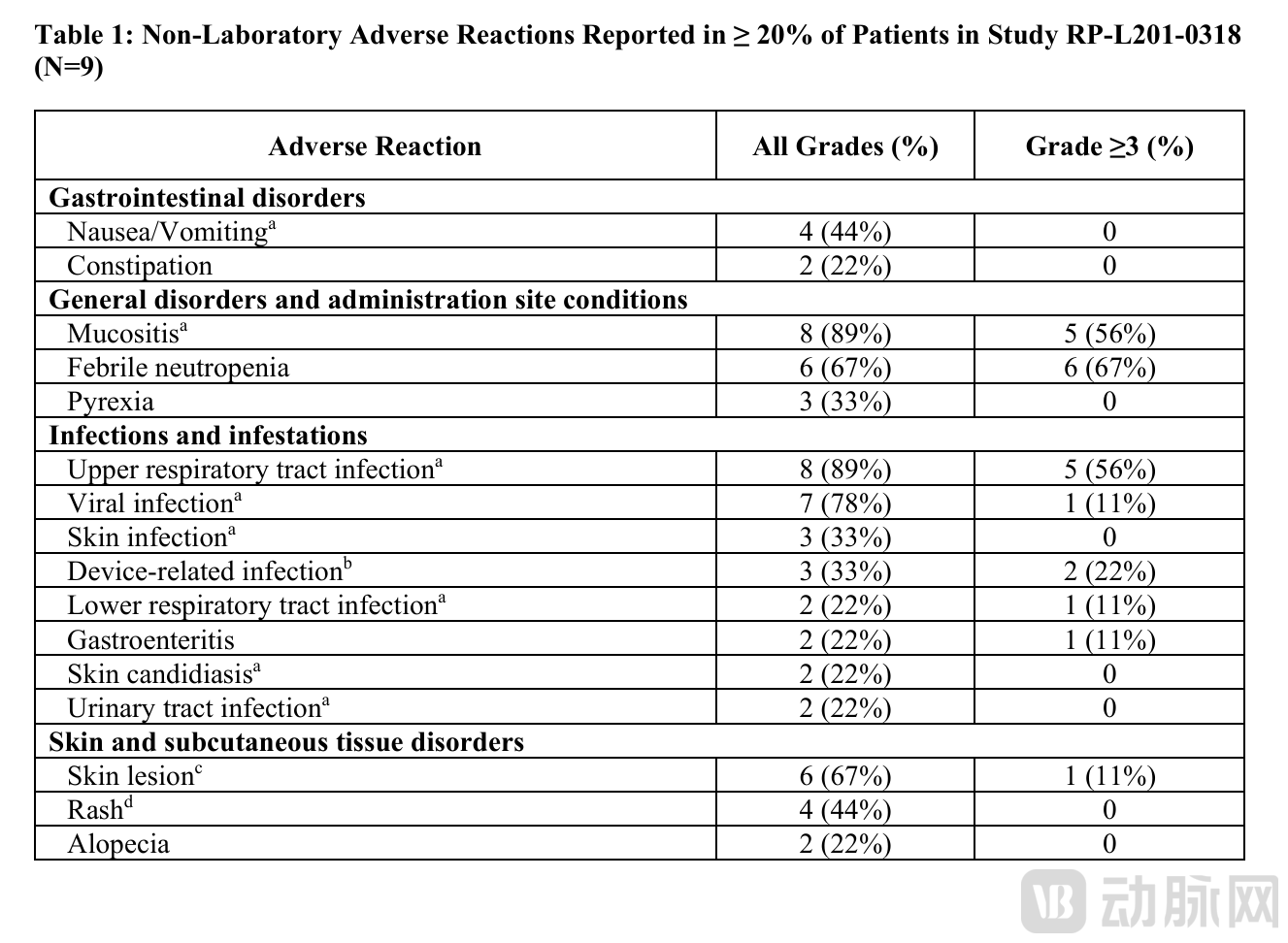 Report on Common Adverse Reactions
Two Review Delays, Accelerated Approval with Post-Marketing Study Requirements
Despite clear clinical data, Kresladi’s market approval review process was not smooth.
In October 2023, Rocket submitted a Biologics License Application (BLA) to the FDA and was granted Priority Review designation, with the PDUFA date set for March 31, 2024. Prior to this, Kresladi had received multiple designations, including Regenerative Medicine Advanced Therapy (RMAT), Rare Pediatric Disease, and Fast Track.
In February 2024, the FDA extended the PDUFA date to June 30, 2024, as it required additional time to review CMC information due to a change in review staff.
On June 28, 2024, the FDA issued a Complete Response Letter (CRL) to Rocket, requesting “limited additional CMC information.” This marked the second time the FDA had requested supplementary information regarding CMC issues, causing Rocket’s stock price to drop more than 11% in a single day following the announcement. However, in subsequent communications with the FDA, Rocket confirmed that the scope of the required additional information was limited and did not involve a re-evaluation of clinical efficacy or safety data.
Following more than a year of CMC data supplementation and remediation, Rocket resubmitted its BLA on October 14, 2025, with the FDA setting the new PDUFA date for March 28, 2026.
On March 26, 2026, the FDA officially approved Kresladi for marketing, two days ahead of the scheduled PDUFA date.
The FDA’s approval was granted via the Accelerated Approval pathway, using neutrophil surface expression levels of CD18 and CD11a as surrogate endpoints. This biomarker is closely associated with the restoration of immune function in patients with LAD-I and is considered reasonably likely to predict clinical benefit. The selection of this surrogate endpoint aligns with the outcomes of communications between the regulatory agency and the sponsor during the RMAT designation process.
As a condition of accelerated approval, Rocket Pharmaceuticals is required to conduct post-marketing studies to continue collecting long-term follow-up data and further validate the clinical benefits of Kresladi in real-world settings. If the post-marketing study data fail to support clinical benefit, the FDA reserves the right to withdraw approval.
In addition, the FDA has also granted Rocket a Priority Review Voucher (PRV) for rare pediatric diseases. This voucher is transferable or saleable and is currently valued at approximately $200 million in the market, providing Rocket with non-dilutive funding support.
Exploring New Regulatory Pathways for Gene Therapies Targeting Ultra-Rare Diseases
The approval of Kresladi holds multiple implications for the field of ex vivo gene-modified cell therapies.
First, the product received FDA approval based on clinical data from nine patients, further validating that regulators are placing greater weight on “adequately addressing unmet medical needs” in the field of ultra-rare diseases. When clinical evidence is sufficiently clear and surrogate endpoints are appropriately selected, data from small single-arm trials can support marketing approval. This signal offers valuable reference for the development of gene therapies for other ultra-rare genetic immunodeficiency disorders.
Second, the regulatory review journey of Kresladi highlights the critical importance of Chemistry, Manufacturing, and Controls (CMC) in the development of cell and gene therapies. While the clinical efficacy data for this product has remained uncontroversial, CMC-related issues delayed its marketing application by more than two years. For autologous hematopoietic stem cell gene-modified therapies, starting cells vary from patient to patient, and the gene modification process involves lentiviral vector production and cell transduction, imposing stringent requirements on process stability, batch consistency, and quality control systems. Consequently, for biotechnology companies, CMC capabilities have shifted from being a “supportive element that can be considered later” to a “critical foundation that must be advanced in parallel with clinical development.”
As for the commercialization prospects of Kresladi, the global annual incidence of severe LAD-I is only in the tens, resulting in an extremely small patient population and limited market size for this product. According to estimates by William Blair analysts, the peak annual sales of Kresladi are projected to be approximately $294 million. Rocket Pharmaceuticals will need to achieve sustainable commercial operations through pricing strategies, insurance coverage, and the establishment of a network of specialized treatment centers. Meanwhile, the post-marketing study requirements associated with accelerated approval mean that the company must continue to invest resources to maintain its marketing authorization.