

Philips Unveils Practical AI-Driven Healthcare Solutions at CMEF 2026, Emphasizing Clinical Integration and Ecosystem Collaboration
At this year’s CMEF, AI remains the undisputed centerpiece. However, after several years of hype, the industry is beginning to take a sober look at a practical question: What kind of medical AI can truly be implemented, gain clinical acceptance, and earn recognition from payers?
Spanning over 1,000 square meters, Philips’ exhibition booth placed AI at its core. Among more than 50 innovative products and solutions showcased, nearly half were deeply integrated with AI. Its digital-intelligence solutions are precisely tailored to vertical specialties and closely aligned with clinical practice, enabling seamless integration into workflow scenarios, while their pathways to value creation vary.
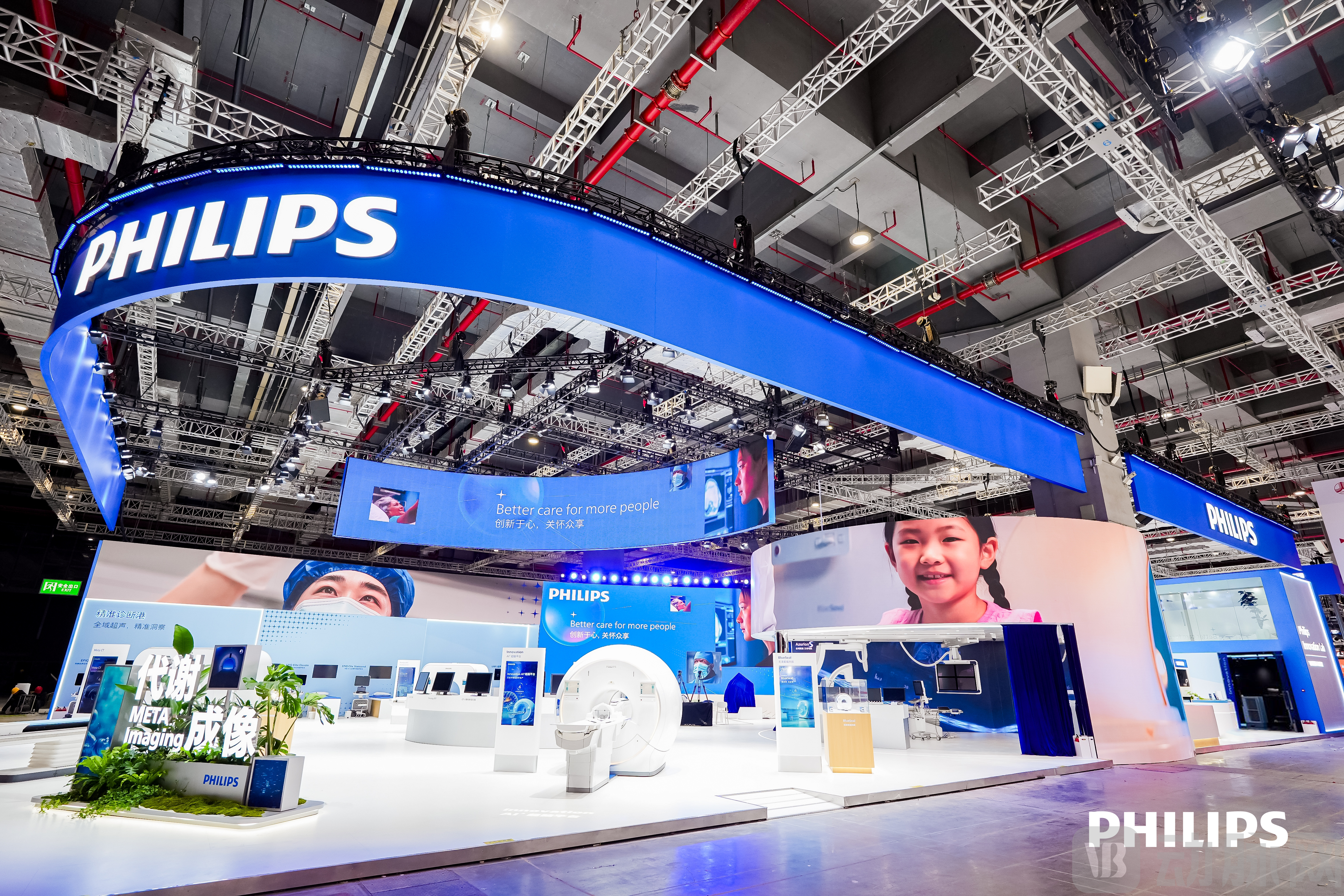
For instance, Philips China premiered multiple products at this conference, Innovation AI³Azurion S AI-powered universal catheterization lab, the premium EPIQ CVx Transcend cardiac ultrasound system, and Deep CT all feature built-in native AI. Notably, the premium EPIQ CVx Transcend cardiac ultrasound system is equipped with eight specialized AI tools for cardiovascular applications, enabling standardized and automated completion of complex assessments. Furthermore, Philips’ multi-core MRI systems also incorporate the SmartSpeed AI platform, which leverages AI for computation during the raw data stage of image reconstruction, resulting in clearer images and faster processing speeds.
Behind its comprehensive AI strategy, Philips is betting on the new logic of medical devices in this era: as the potential of physical architectures approaches its limits, pragmatic strategic focus and the outcome of competition in software intelligence will determine who can chart a new course.
01
What Kind of Medical AI Can Meet Current Needs?
Examining Philips’ AI healthcare product portfolio, it serves both as the underlying technology for devices and as tailored solutions for specific clinical scenarios. In this regard, Philips believes that AI truly meeting physicians’ needs must balance “empowering integrated diagnosis and treatment” with “seamless workflow integration.”
In the view of Dai Ying, Vice President of Philips Greater China and Head of Innovation, for AI to fully realize its clinical value, it must first possess the capability to address complete problems. He stated, “China’s existing healthcare security system dictates that AI serving only diagnostic purposes does not deliver sufficient incremental value. To persuade clinicians and health insurance payers, AI must be capable of both identifying and resolving problems.”
This is precisely a major pain point in the current industry. A large number of AI products stop at lesion detection, requiring physicians to switch to another system for surgical planning or treatment decision-making after reviewing the AI results. Furthermore, the value chain between isolated innovations remains fragmented during intraoperative procedures, forcing clinicians to frequently toggle between different systems. Consequently, Philips’ current AI product development is moving towards integrated diagnostic and therapeutic scenarios. This implies that to enable true integration of diagnosis and treatment, companies must drive the deep integration of AI into physicians’ clinical workflows.
This is also a core differentiator for Philips. Dai Ying emphasized,All of Philips’ future AI must be highly integrated with workflows。
Taking the catheterization laboratory as an example, interventional surgeons face complex and practical challenges: they are exposed to ionizing radiation during procedures, and even wearing lead aprons weighing dozens of pounds cannot provide complete protection. Conventional digital subtraction angiography (DSA) offers only 2D fluoroscopy, requiring physicians to mentally reconstruct three-dimensional structures to assess vessel course, plaque morphology, and perforation risks. If a single-point AI approach were adopted, it would necessitate the addition of multiple workstations in an already crowded operating room, thereby increasing operational complexity.
The Azurion S, an AI-powered hybrid operating room with comprehensive capabilities, made its China debut during CMEF, addressing the aforementioned pain points. This solution integrates preoperative assistance for surgical planning, intraoperative dynamic catheter posture adjustment at a 0.1-millisecond level, and up to an 83% reduction in radiation dose. All functionalities operate within a single user interface, enabling physicians to complete entire procedures without switching screens, thereby improving surgical efficiency by 17%.
Dai Ying stated, “During surgery, surgeons require intense concentration of their hands, eyes, and mind; switching back and forth between screens inevitably distracts them. To truly empower physicians, AI should not introduce additional independent screens. Therefore, we aim to seamlessly integrate AI into the clinical workflow from the physician’s perspective, without disrupting their established routines. This is not merely about enhancing the user experience for doctors, but more importantly, it ensures the stability and safety of the surgical procedure itself.”
By partnering with China’s leading AI companies, Philips integrates third-party artificial intelligence applications into its “Angio App Store,” delivering comprehensive solutions tailored to clinical pain points across diverse procedural specialties, such as structural heart, coronary, and neurovascular interventions.
02
Cutting-Edge Technology and Inclusive Value Are Not Mutually Exclusive Choices
In addition to innovating the development logic of AI applications, Philips also emphasizes the universality of their applicability.
In the R&D logic of medical devices, the mere accumulation of parameters is never the end goal.Whether an innovative technology can ultimately improve clinical practice depends not on pushing a single metric to its “maximum,” but on finding the most difficult yet pragmatic balance between value and cost.
As a staunch pragmatist, Philips’ innovation and R&D strategy in recent years has shown clear differentiation. Dai Ying stated: “Undoubtedly, Philips also pursues cutting-edge technology, but places greater emphasis on whether innovative technologies can be widely applied in clinical practice.“As our peers focused on advancing 7T MRI research, we concentrated on multinuclear MRI, securing China’s first regulatory approval and balancing quality, efficiency, and equity. After all, 7T MRI systems are not suitable for widespread adoption, whereas breakthroughs in 3T multinuclear MRI can enhance the clinical diagnostic capabilities of thousands of hospitals, thereby serving more patients.”
Similarly, Philips’ pioneering helium-free technology eliminates the need for liquid helium replenishment, significantly lowering operational and maintenance barriers. This enables MRI, the gold-standard imaging modality, to achieve true “scanning freedom” while enhancing the resilience of healthcare systems. The Deep CT, first launched in China, leverages AI to deliver high-resolution, low-dose, low-noise thin-slice images while controlling hardware costs, helping primary healthcare institutions improve diagnostic and therapeutic capabilities within limited budgets.
03
Innovation Strategy Upgrade: Philips Accelerates AI Ecosystem Development
Compared with Europe and the United States, China exhibits orders-of-magnitude differences in daily patient volume and health data generation. Consequently, the clinical validation cycle for medical AI can be significantly shortened, enabling rapid iteration of intelligent applications. However, given the inherent complexity of the healthcare industry and the diversity of diseases, it is difficult for any single enterprise to fully leverage these data resources and usher in a true era of intelligent diagnosis and treatment.
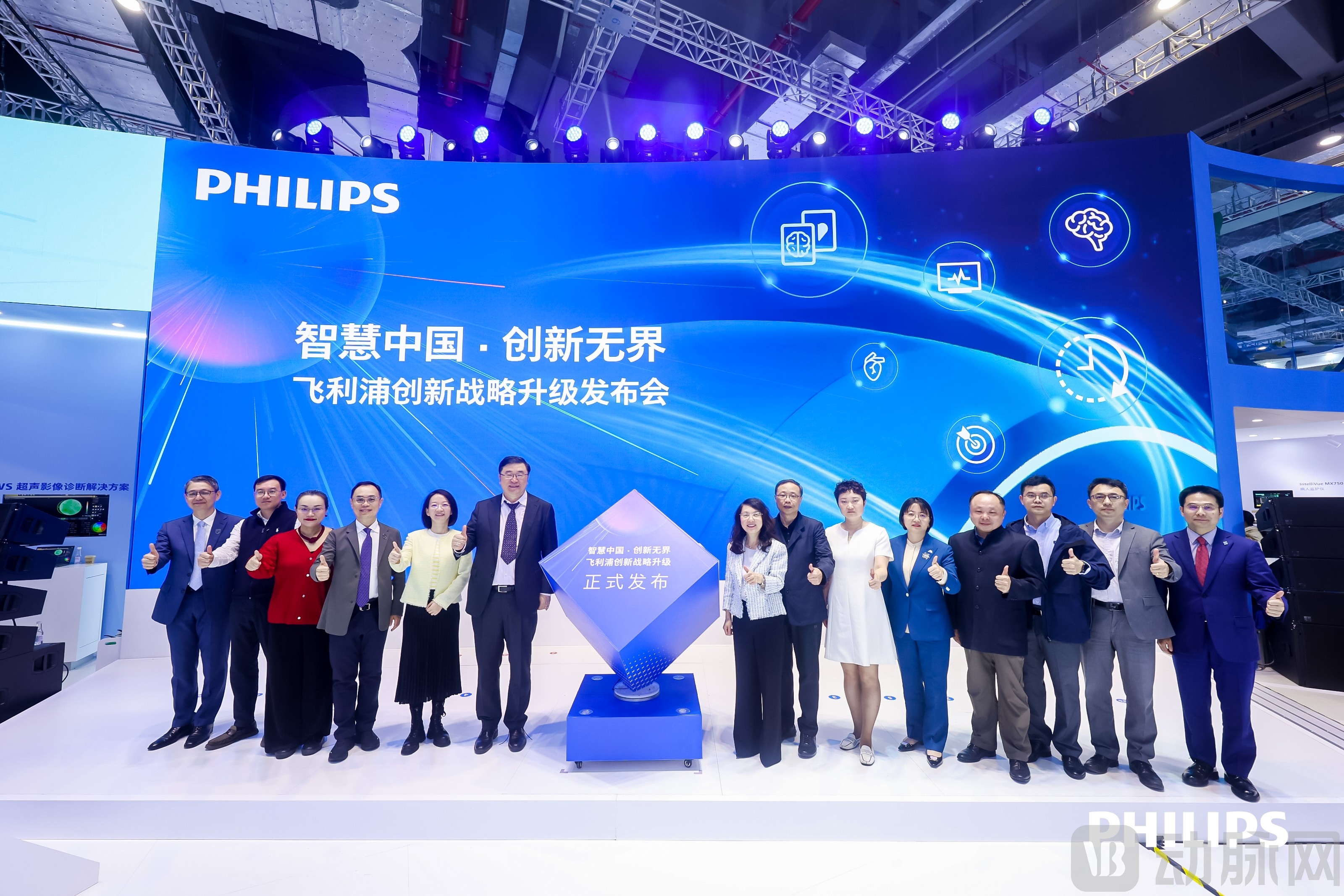
At this year’s CMEF, Philips not only showcased its AI capabilities but also upgraded its innovation strategy around the theme of “Advancing Clinical Care, Building Platforms, and Benefiting Society,” accelerating the establishment of a new healthcare ecosystem and working with the entire industry to promote the development of digital and intelligent healthcare.
Compared to other medical AI ecosystems,One of Philips' distinguishing features lies in its clinical insights and co-creation capabilities.Of Philips’ annual R&D investment of approximately €1.7 billion, nearly half is allocated to the fields of AI and data science. In 2025, Philips filed 1,289 patent applications with the European Patent Office (EPO), ranking first in the number of patent applications in the medical technology sector. According to Dai Ying, Philips boasts a clinical scientist team whose size ranks among the industry’s largest. The team integrates expertise from biomedical engineering, clinical medicine, and frontline physicians. Philips has established in-depth clinical collaborations with over one hundred hospitals, enabling it to identify pain points and needs at an early stage, initiate clinical research explorations proactively, and validate the clinical value of its technologies.
“Many members of our clinical scientist team remain deeply engaged in frontline clinical practice, identifying unmet needs and validating value to provide clear direction for our R&D teams, ensuring that product development is precisely targeted.” For instance, Philips has collaborated with leading hospitals in Shanghai to explore metabolic disorders—such as those affecting the pancreas and liver, as well as Alzheimer’s and Parkinson’s diseases—using multi-nuclear phosphorus magnetic resonance spectroscopy (MRS), with findings published in Radiology. Unlike conventional proton MRS, phosphorus MRS can directly capture signals related to ATP and glucose metabolism. This approach involves first validating the technical value through clinical verification, which then guides the development of multi-nuclear MRI systems and dedicated coils. Dai Ying stated, “This model has transformed the traditional dilemma in medical AI development, where products were developed based on empirical assumptions only to reveal issues upon clinical deployment.”
China’s vast patient population and data volume, the diversity of Chinese clinicians’ experience, and their readiness to embrace innovative technologies provide Philips with an opportunity to accelerate validation, speed up iteration, and lead in the global market.
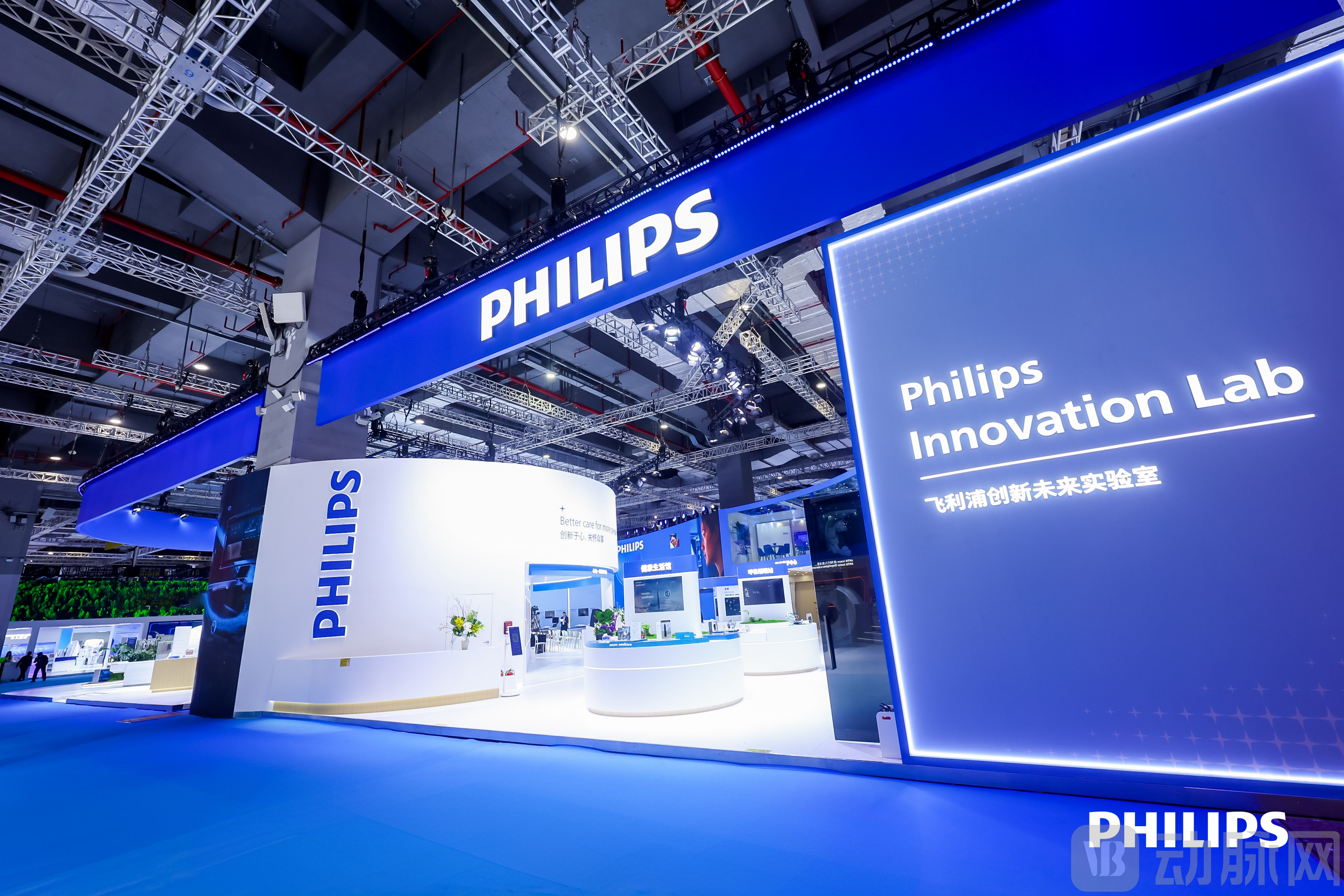
Secondly, Philips’ advantage also lies in its openness.“Every individual and every company has its own areas of expertise. Only by building a platform can the industry’s most advanced artificial intelligence truly serve patients,” said Dai Ying. In the newly established Innovation Lab at this year’s exhibition area, the Future Innovation Lab showcased Philips’ forward-looking solutions for the next three years. Expressing strong confidence in the AI ecosystem, Dai Ying stated, “We hope to integrate more AI applications into our broad ecosystem, achieving a high level of workflow integration. Ideally, users should not even notice the presence of artificial intelligence.”
Finally, Philips’ ecosystem features a relatively standardized division of labor, enabling the stable and efficient development of smart applications. These innovations must, on one hand, have a clear value proposition to address genuine clinical challenges; on the other hand, they must be supported by a well-defined business model that ensures practical implementation.Dai Ying told VCBeat, “Philips adopts a dual-track approach in its AI development strategy. Our core AI team addresses common challenges within the healthcare industry, such as developing AI solutions starting from raw data to enhance image quality, improve the detection of subtle lesions, and increase scanning efficiency. Meanwhile, ecosystem partners are responsible for implementing specific applications, creating AI solutions with specialized capabilities that closely align with clinical needs and integrate seamlessly into Philips’ workflows.”
This is a win-win collaboration. For Philips, the addition of ecosystem partners enables rapid coverage across various fields, allowing successful cases with its angiography systems to be quickly replicated in cardiovascular, neurological, metabolic, and oncology applications, thereby building a new moat around “smart applications + hardware.” For ecosystem partners, they can not only advance along genuine clinical needs—avoiding detours—but also leverage Philips’ “AI App Store” to achieve rapid commercialization and effectively validate real-world clinical scenarios.
Philips’ innovation philosophy in China is “in China for China first.” While implementing this strategy locally, Philips leverages its mature global resources to help partners expand overseas, achieving economies of scale in the global market.
Amid China’s intensely competitive market, Philips’ current AI strategy may be the most pragmatic choice at present.
After all, the pain points of China’s healthcare system—such as high patient volumes and uneven distribution of medical resources—may recur in other countries with similar challenges. Having empowered the Chinese market, Philips is well-positioned to rapidly deliver mature medical AI solutions in collaboration with its ecosystem partners when overseas demand surges.