

Smart Medical Devices Lead the Way, Cities Rise with Momentum: Shenzhen National Innovation Center Unveils '2026 China High-End Medical Device Industry City Competitiveness Index Report' at CMEF
Smart Medical Devices Leading the Way, Cities Rising with Momentum | Shenzhen National Innovation Center Unveils “2026 China Urban Competitiveness Index Report for the High-End Medical Device Industry” at CMEF
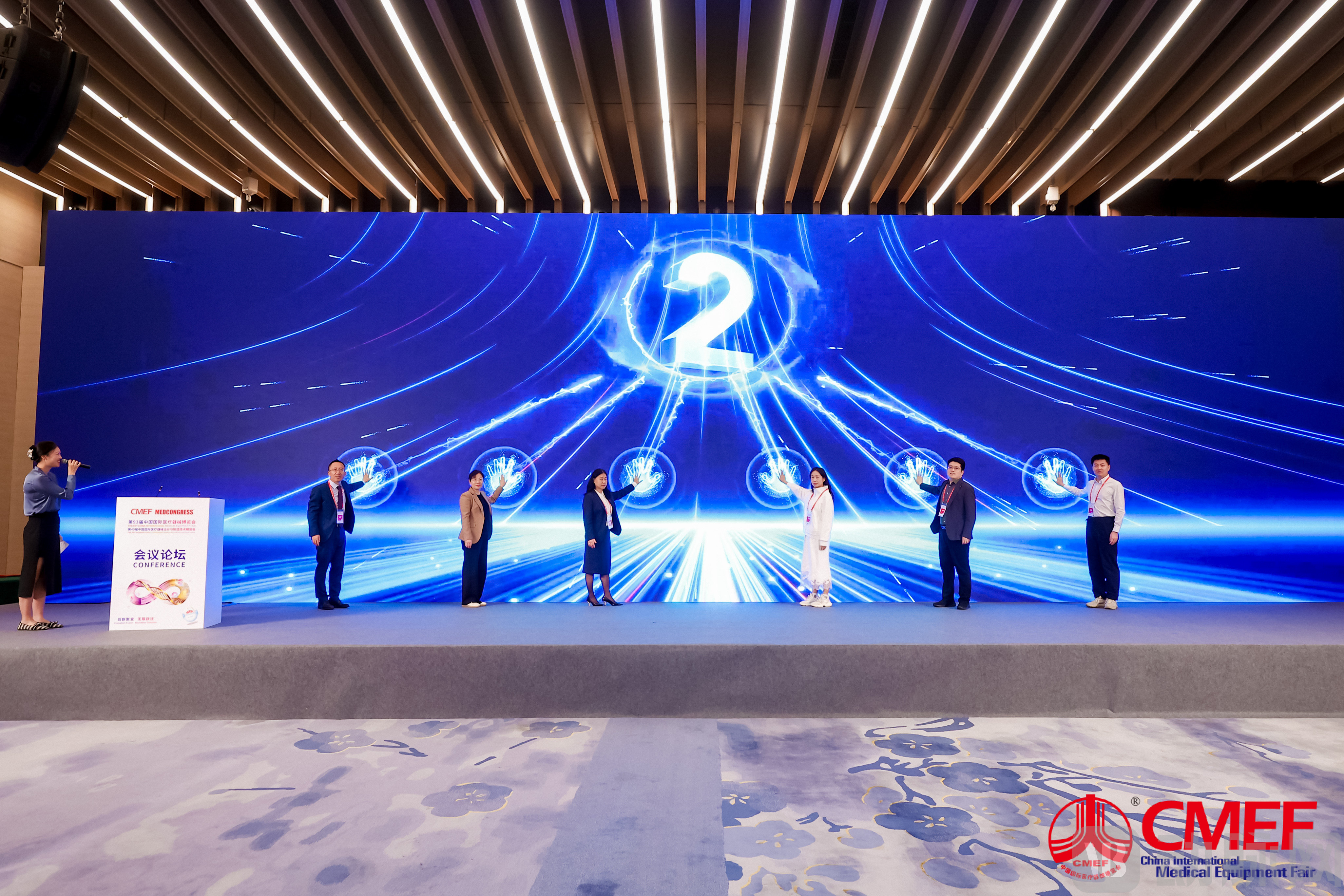
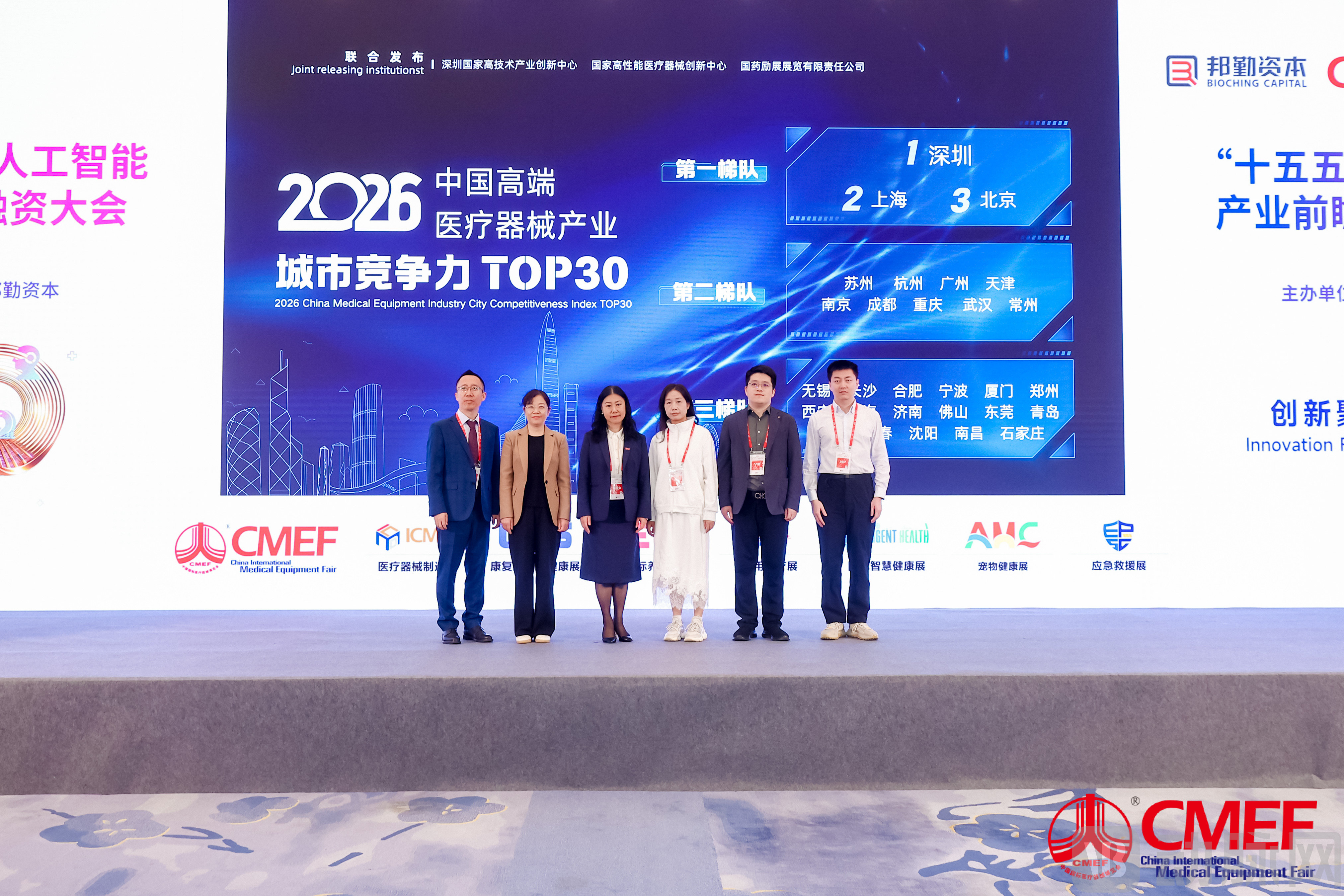
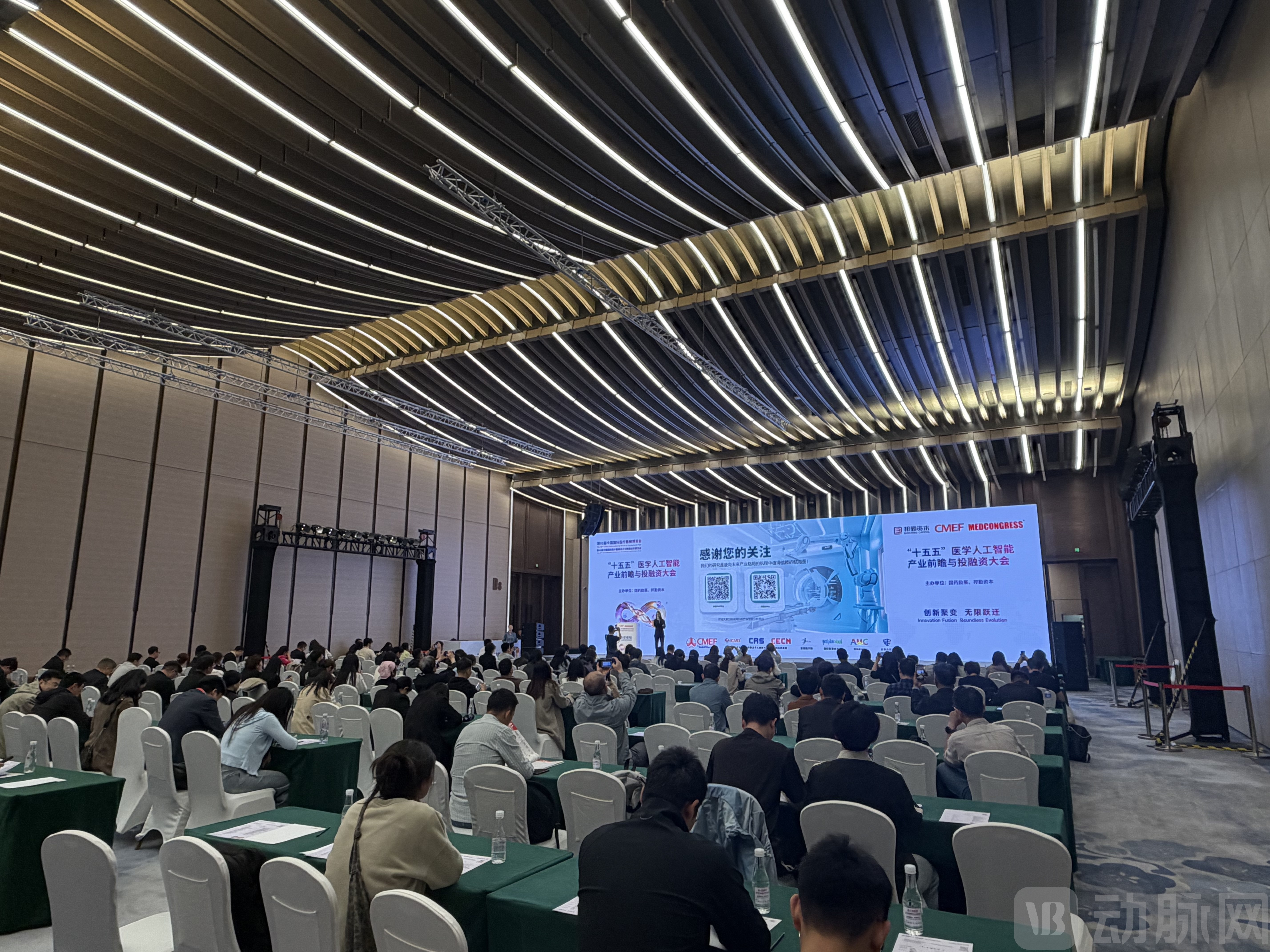
On April 10, 2026, as the 93rd China International Medical Equipment Fair (CMEF) was held in grand style,Shenzhen National High-Tech Industry Innovation Center(hereinafter referred to as the "Shenzhen International Innovation Center")JointNational Innovation Center for High-Performance Medical Devices,Grandly Unveiled at the National Exhibition and Convention Center (Shanghai)《2026 China High-End Medical Device Industry City Competitiveness Index Report》。
Hailed as the global healthcare “barometer,” this year’s CMEF, themed “Innovation Fusion, Infinite Leap,” brought together nearly 5,000 companies from more than 30 countries and regions worldwide, showcasing tens of thousands of cutting-edge new products. At this grand global feast of medical technology, the index report—compiling frontier insights from VBInsight—systematically mapped out the competitive landscape among Chinese cities in the high-end medical device industry, emerging as one of the most watched highlights of this year’s CMEF.
01
China's Steadfastness Amidst a Changing Landscape
New Industrial Coordinates in the Context of Global Strategic Competition
High-End Medical DevicesIt is a national cornerstone critical to the people’s lives and health and to national medical security. Currently, the global industrial landscape is undergoing profound transformation, and global supply chains are facing multiple challenges. However, new opportunities are emerging amidst this change. Over the past year, China’s medical device exports have grown steadily, with exported products advancing toward high-end “intelligent manufacturing” and achieving breakthroughs in both European and American markets and emerging markets. Leading enterprises represented by Mindray Medical and United Imaging Healthcare are accelerating their overseas localization strategies.China’s high-end medical devices are integrating into the global innovation network with greater resilience.
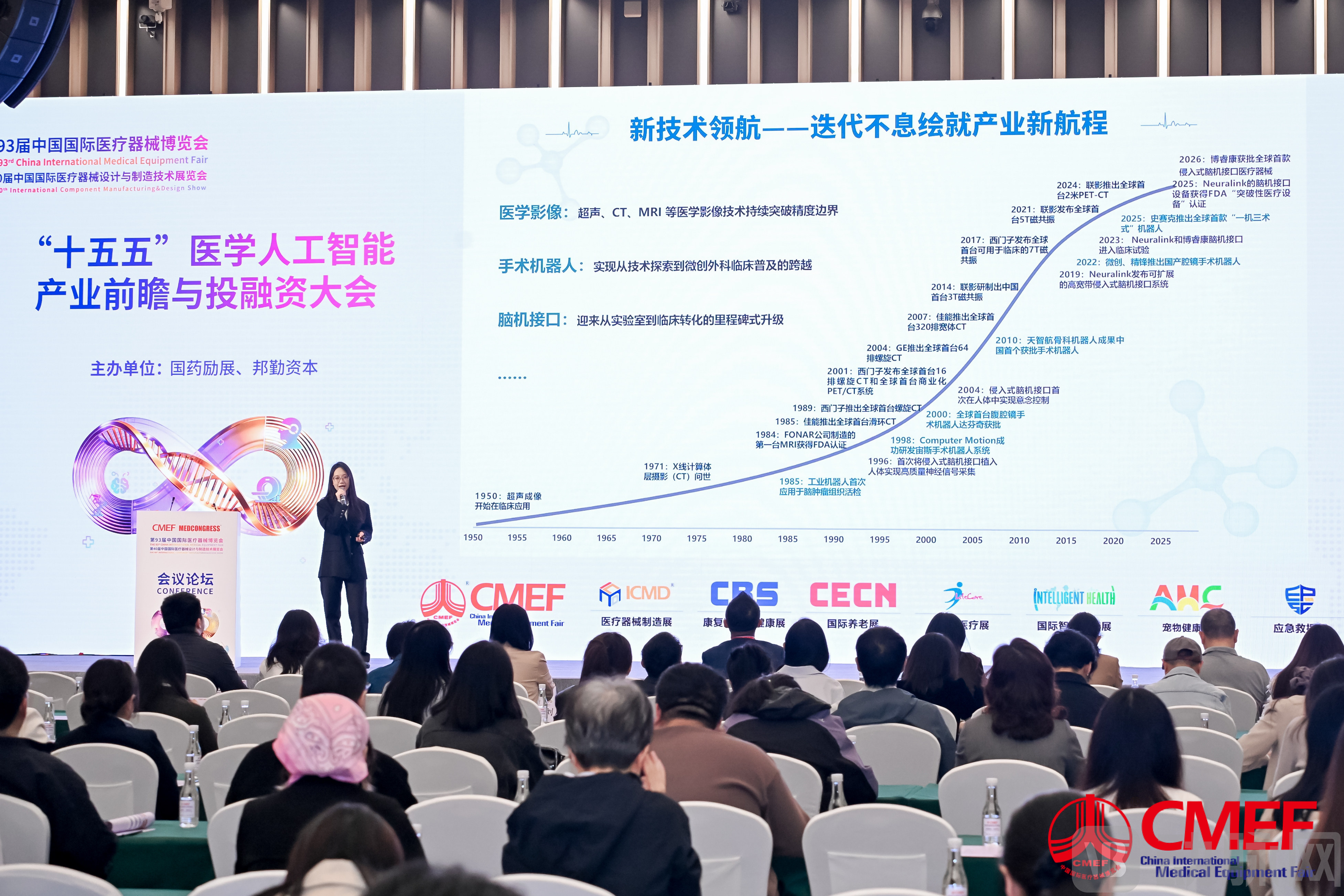
Meanwhile, innovative disruption is leading new industry trends—domestic substitution is accelerating, with significantly increased localization rates in fields such as surgical robots, CT, and MRI; the integration of AI is unstoppable, with the compound annual growth rate (CAGR) of China’s AI medical imaging, surgical robot, and brain-computer interface markets reaching 62.4% over the past four years, transitioning from proof-of-concept to large-scale clinical implementation...
As the inaugural year of the 15th Five-Year Plan, it is particularly necessary to have an index report that systematically evaluates the industrial competitiveness of key cities across China within this temporal context.
This release《2026 China High-End Medical Device Industry City Competitiveness Index Report》By integrating the strengths of think tank research, technological innovation, and industrial platforms, this initiative aims to systematically map the comprehensive landscape of inter-city competition in China’s high-end medical device industry. It provides scientific assessments of regional development potential and breakthrough pathways, offering authoritative data support and professional decision-making guidance for national-level strategic planning, precise local policy implementation, and efficient industrial collaboration.Supporting the High-Quality Development of China's High-End Medical Device Industry.
02
Four Major Dimensions
A Panoramic Assessment of Urban Competitiveness
This report was independently developed by the Shenzhen International Innovation Center.C-TECH INDEX SeriesOne of the achievements, centered onFour Major Dimensions: Industrial Agglomeration, Industrial Innovation, Industrial Growth, and Industrial Characteristics, established a scientific and systematic evaluation index system.
The assessment covers 333 prefecture-level administrative divisions and four municipalities directly under the Central Government in mainland China, aiming to comprehensively depict the current development status and evolutionary trends of each city in the field of high-end medical devices, thereby providing an authoritative and objective benchmark for industry competitiveness.
Industrial Agglomeration
One Superpower, Multiple Strong Players: Diverse Models Compete for the Spotlight
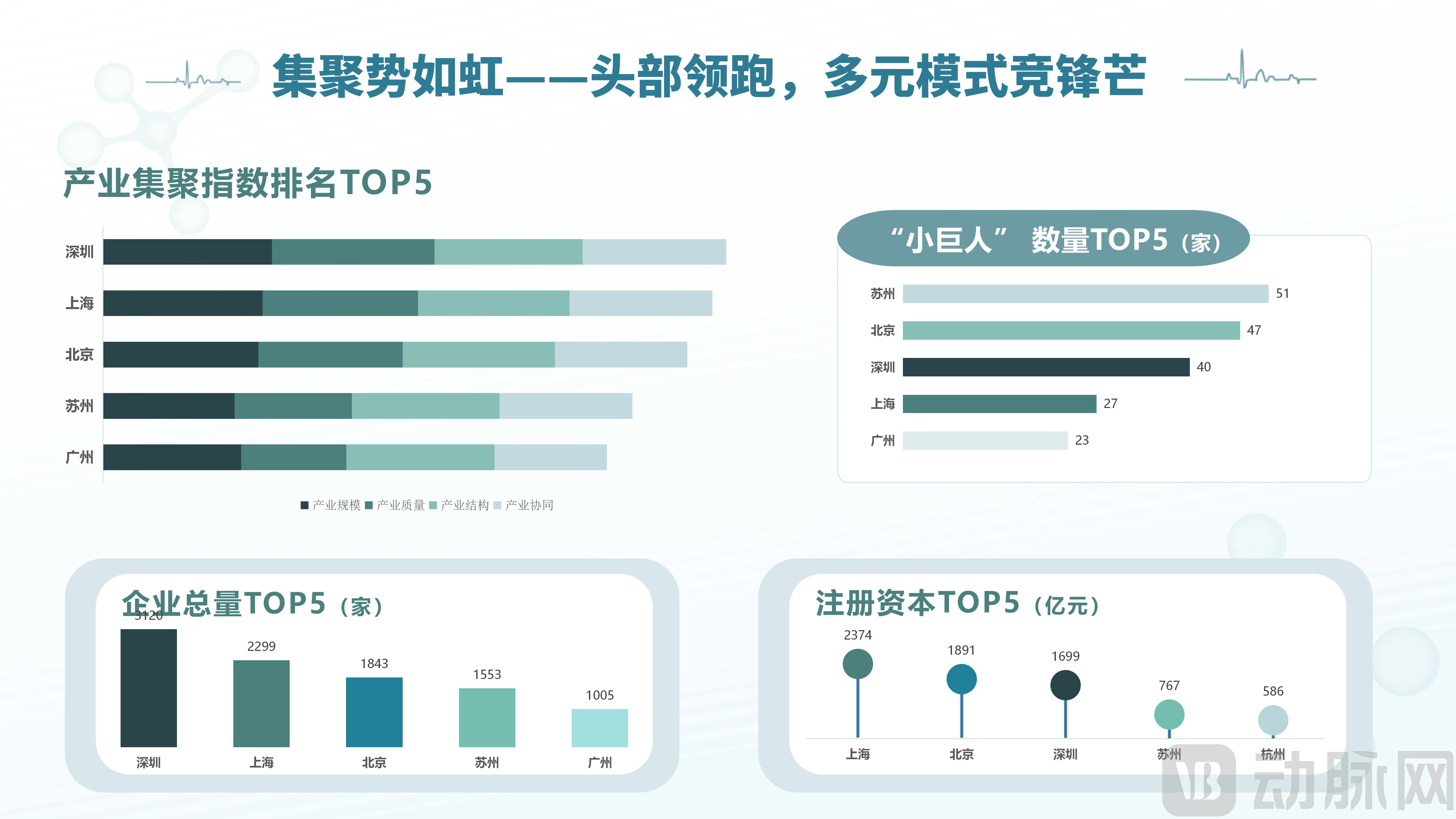
From the perspective of industrial agglomeration, China's high-end medical device industry has formed"One Superpower, Multiple Great Powers"of agglomeration patterns. Shenzhen has established a comprehensive leading advantage in industrial scale and quality, leveragingHighly Concentrated “BT+IT” Industrial Ecosystem and Robust Supply Chain System, achieving full-chain coverage from R&D to commercialization and maintaining a commanding lead with an exceptionally high density of enterprises.
Cities such as Shanghai, Beijing, Suzhou, and Guangzhou each possess distinct advantages in dimensions including industrial quality, industrial synergy, and industrial structure, collectively forming a rich and diversified ecosystem of industrial clusters. Leveraging its strength as an international financial center, Shanghai boasts the most active capital flows, demonstrating robust hub-type cluster characteristics. Beijing capitalizes on its endowments in science, education, and policy resources to establish a comprehensive layout in the high-value-added segments of the industrial chain. Meanwhile, Suzhou has built a cluster ecosystem with sustained competitiveness in niche sectors, thanks to its well-developed industrial supporting facilities and targeted policy support.
Industrial Innovation
Blossoming Across Multiple Fronts: Beijing, Shanghai, and Shenzhen Forge Their Own Distinctive Paths
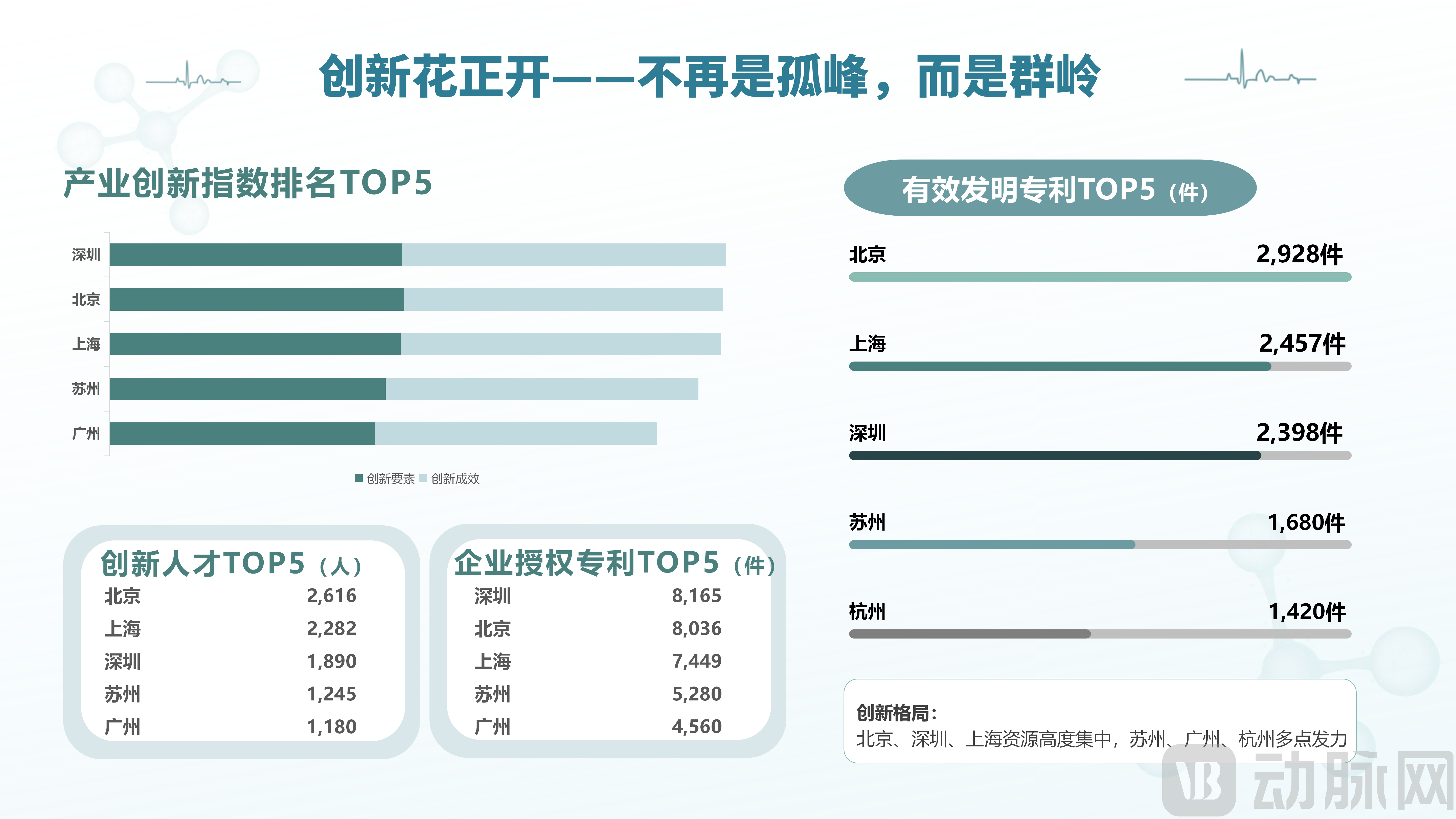
Dimensions of Industrial Innovation“Blossoming in Multiple Areas”In this landscape, Beijing, Shenzhen, and Shanghai have gathered the nation’s most core R&D talent and patent achievements, becoming the central resource pool for innovation. On this basis, each city has pursued a differentiated innovation path based on its own endowments: Beijing leverages its role as an origin hub, excelling in basic research and technology transfer; Shenzhen drives R&D through market forces, with strong corporate innovation vitality; Shanghai focuses on niche sectors while emphasizing international alignment; and cities such as Suzhou, Guangzhou, and Hangzhou have achieved breakthroughs across multiple fronts, demonstrating efficient models for translating scientific and educational resources into industrial applications driven by industry demand.
From talent reserves to patent output, and from the agglomeration of innovation elements to the conversion of innovation outcomes, China’s high-end medical device industry is transitioning from “isolated peaks” to “mountain ranges,” formingA Multi-Tiered and Diverse National Innovation Network.
Industry Growth
Dual-Core Drive: Capital and Innovation Jointly Build the Growth Curve
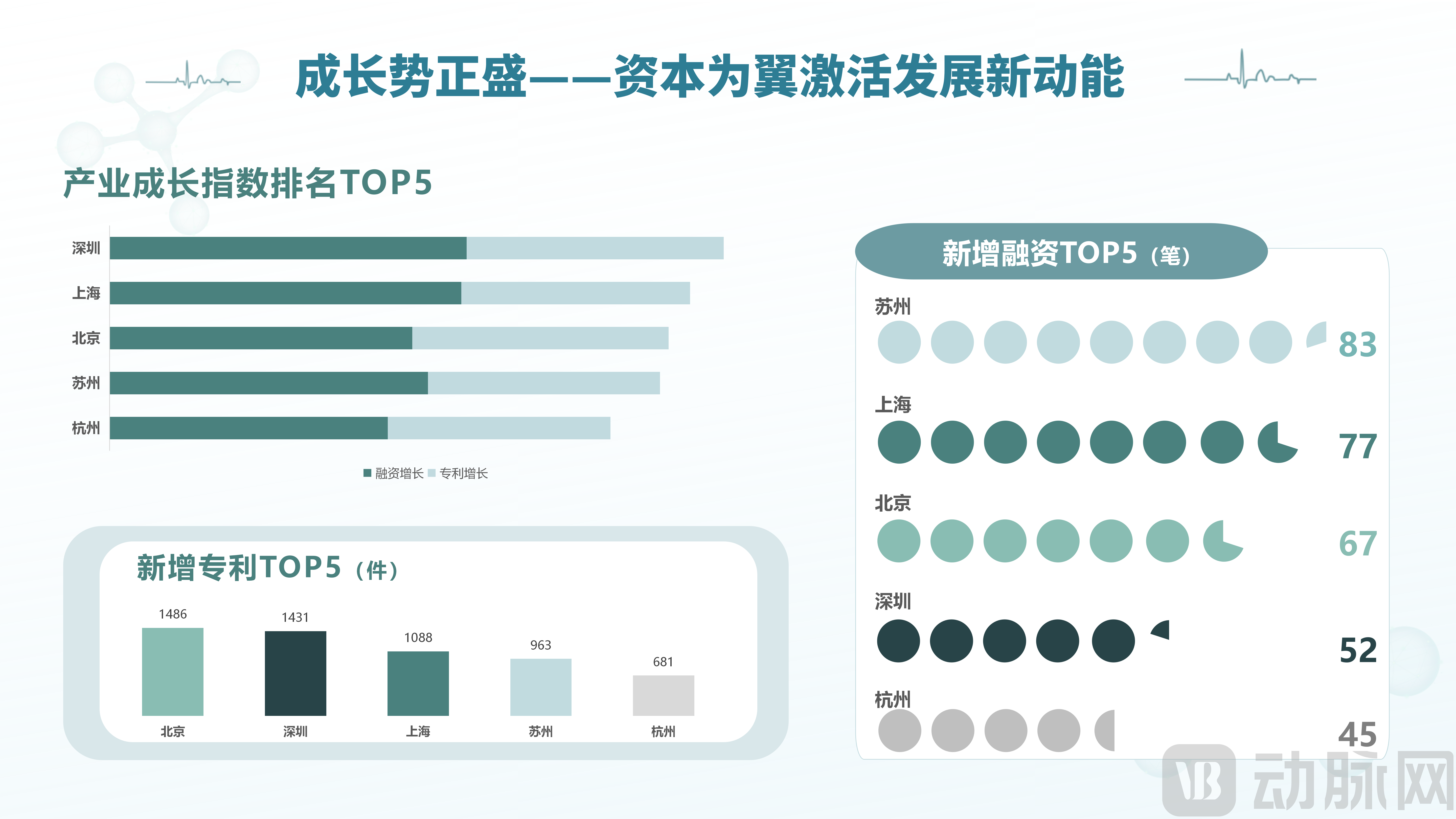
Dimensions of Industry Growth“Dual-Core Drive”Features: Shenzhen and Shanghai lead comprehensively in growth potential, with Beijing, Suzhou, Hangzhou, and other cities following closely behind, forming diverse growth trajectories.
Notably, Suzhou stands out in capital attraction, leveraging its efficient and comprehensive industrial support system, systematic policy guidance, and a vibrant venture capital environment to build“Capital–Policy–Support” Trinity Industrial Growth Ecosystem,A typical model of the deep integration of capital and innovation in China's high-end medical device industry.
Industry Characteristics
Long-Term Accumulation: Systemic Advantages Build Competitive Moats
The industrial characteristics dimension systematically evaluatesThe academic and industry resources that cities have accumulated over the long term in the field of high-end medical devices, with a focus on “asset-heavy” investments that require long-term commitment, such as regulatory approval and manufacturing facilities.
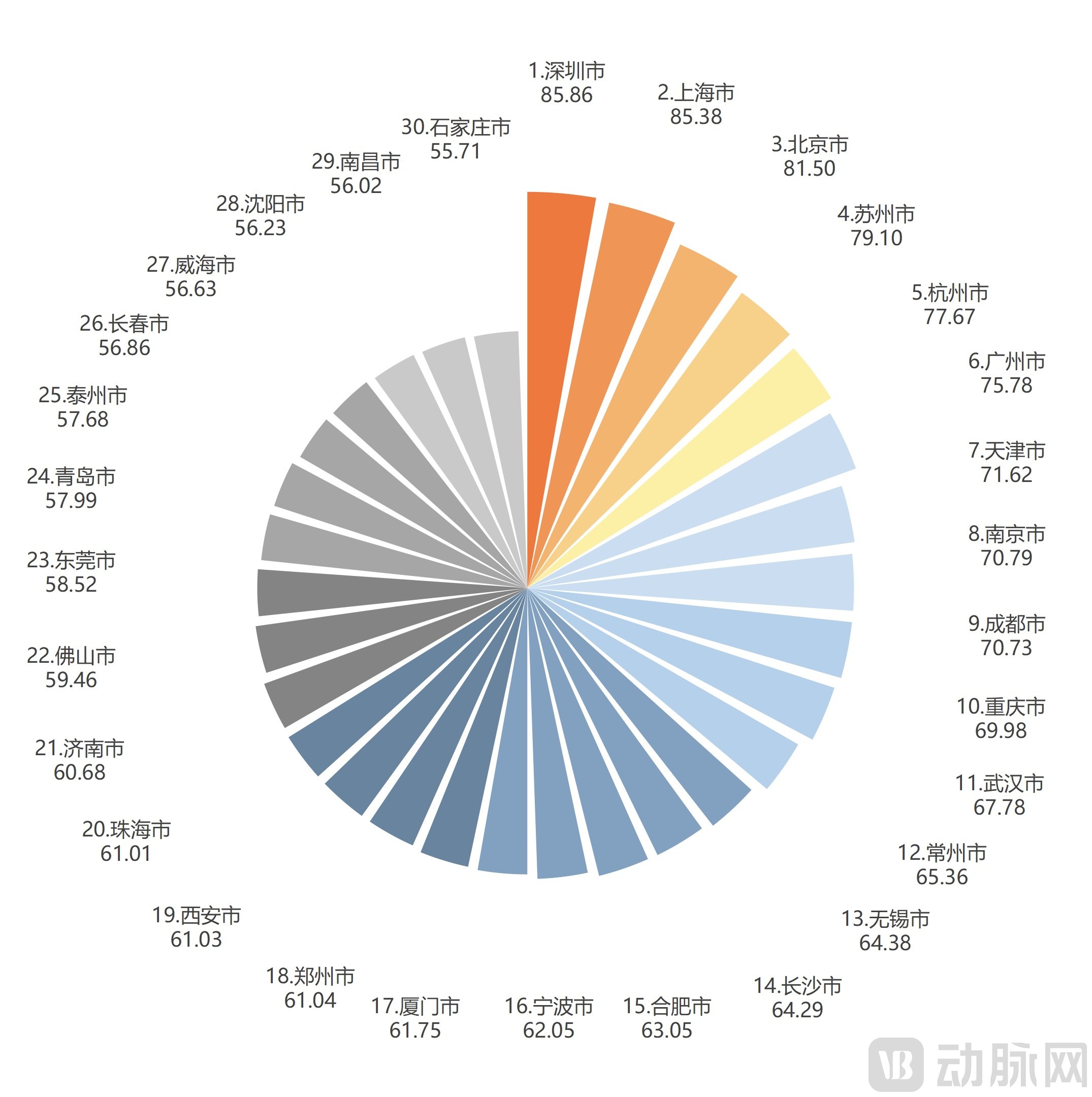
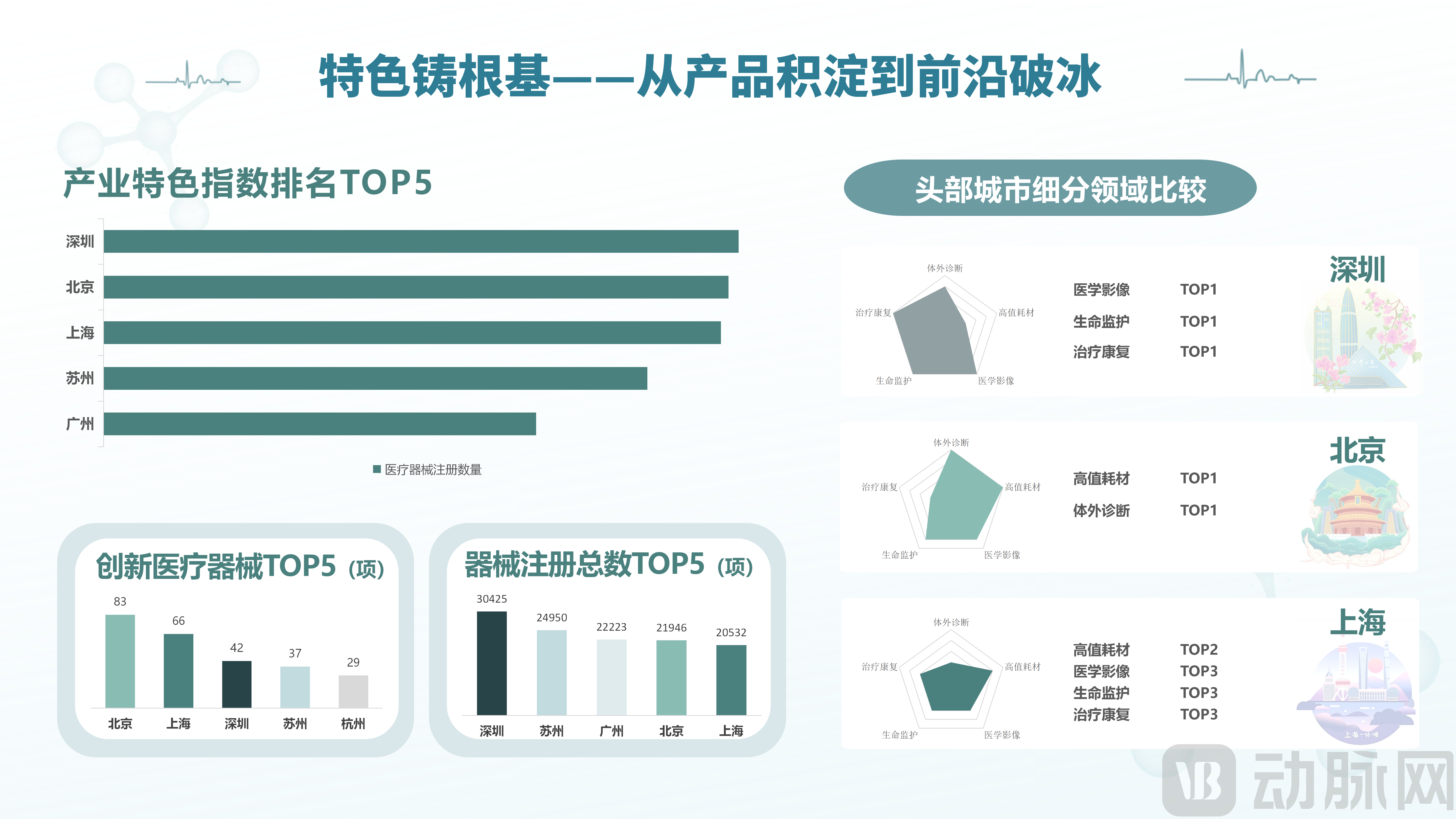
Shenzhen, Beijing, and Shanghai Firmly Hold the Top Three Spots, the three cities have established systematic advantages in “hard power” indicators such as the number of Class II and Class III medical device registrations. Shenzhen ranks first, leveraging its deep foundation in the electronic information industry and the first-mover advantage gained from early strategic layout, while Beijing and Shanghai follow closely, relying on their abundant scientific research institute resources and the agglomeration effect of high-end talent. Cities such as Suzhou and Guangzhou constitute a distinct second tier, reflecting that industrial characteristic resources have formed a clearly stratified distribution pattern across China.
Providing a Scientific Benchmark for Precise Industrial Decision-Making
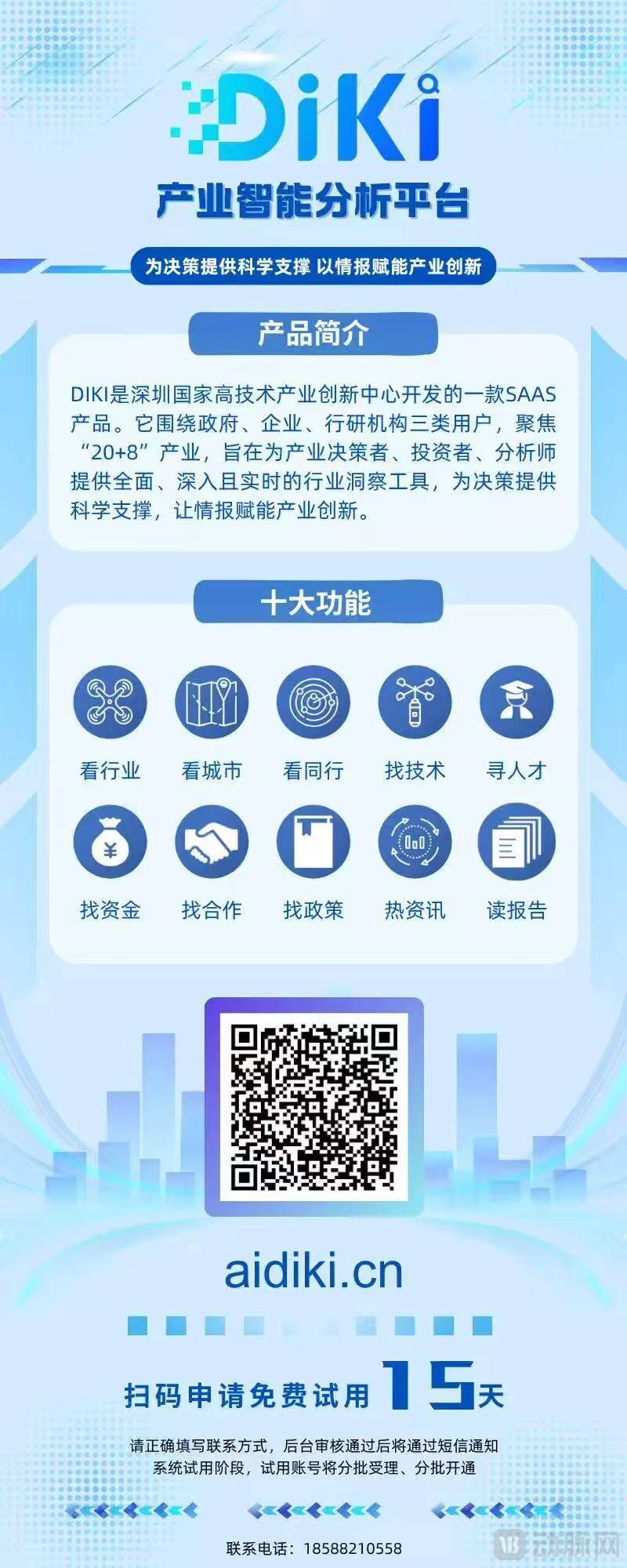
As the first city competitiveness index report in China to focus on the high-end medical device sector, the C-TECH INDEX is built upon the foundation established by the Shenzhen International Innovation Center for Medical DevicesInternational Innovative Industry Information Service PlatformTaiyuDIKI Industrial Intelligence Analysis PlatformBy deeply integrating multi-dimensional data—including enterprise scale, patent output, investment and financing activity, and scientific research and innovation resources—a scientifically rigorous, objective, neutral, systematic, and comprehensive industrial competitiveness assessment system has been established. The release of the “2026 China High-End Medical Device Industry City Competitiveness Index Report” provides quantifiable, comparable, and actionable decision-making support and professional guidance for government agencies to scientifically plan industrial layouts and precisely formulate supportive policies; for investment institutions to efficiently identify high-quality sectors and promising targets; and for enterprises to optimize regional layouts and expand market opportunities.
In the future, the Shenzhen International Innovation Center for Medical Devices will continue to iteratively refine the C-TECH INDEX, dynamically track industrial development trends, and strengthen think tank support and data empowerment. This will help China’s high-end medical device industry stride forward on the new journey of the 15th Five-Year Plan toward higher quality, greater agglomeration effects, and deeper internationalization.
Shenzhen National High-Tech Industry Innovation Center (Shenzhen Development and Reform Research Institute) is a non-profit public technical service institution jointly established by the National Development and Reform Commission and the Shenzhen Municipal People’s Government. It operates as a public institution under enterprise-style management, serves as a pilot statutory body in Shenzhen, and is designated as a key enterprise and public institution in Shenzhen, falling under the administration of the Shenzhen Municipal Development and Reform Commission. With the vision of becoming “the leader in collaborative technological and industrial innovation within the Guangdong-Hong Kong-Macao Greater Bay Area,” and leveraging the development of think tank platforms as its primary approach, the Center is committed to building “an internationally influential and domestically first-class new-type think tank.”
The Institute of Bioeconomy is dedicated to advancing transformative innovation in biotechnology, demonstrating the application and commercialization of research outcomes, and fostering leapfrog development in the bioeconomy. It focuses deeply on key areas within the “20+8” industrial clusters, including biopharmaceuticals, high-end medical devices, general health, synthetic biology, cell and gene therapy, brain science, and brain-computer interfaces. The Institute strives to build a comprehensive, end-to-end industrial service system encompassing major industrial policy research, project evaluation and inspection, project planning and management, and investment promotion for major projects. By establishing itself as a premier professional service institution for the biopharmaceutical and health industries, it provides scientific evidence and strategic guidance to drive innovative industrial development.