

Med-Fine 2026 China Pharma CEO & Investor Forum Concludes: Chinese Biopharma Enters the Deep Waters of Globalization

Leads Biolabs
Innovative Therapy Developer
Skye Medicine
Cellular Immunotherapy Product Developer
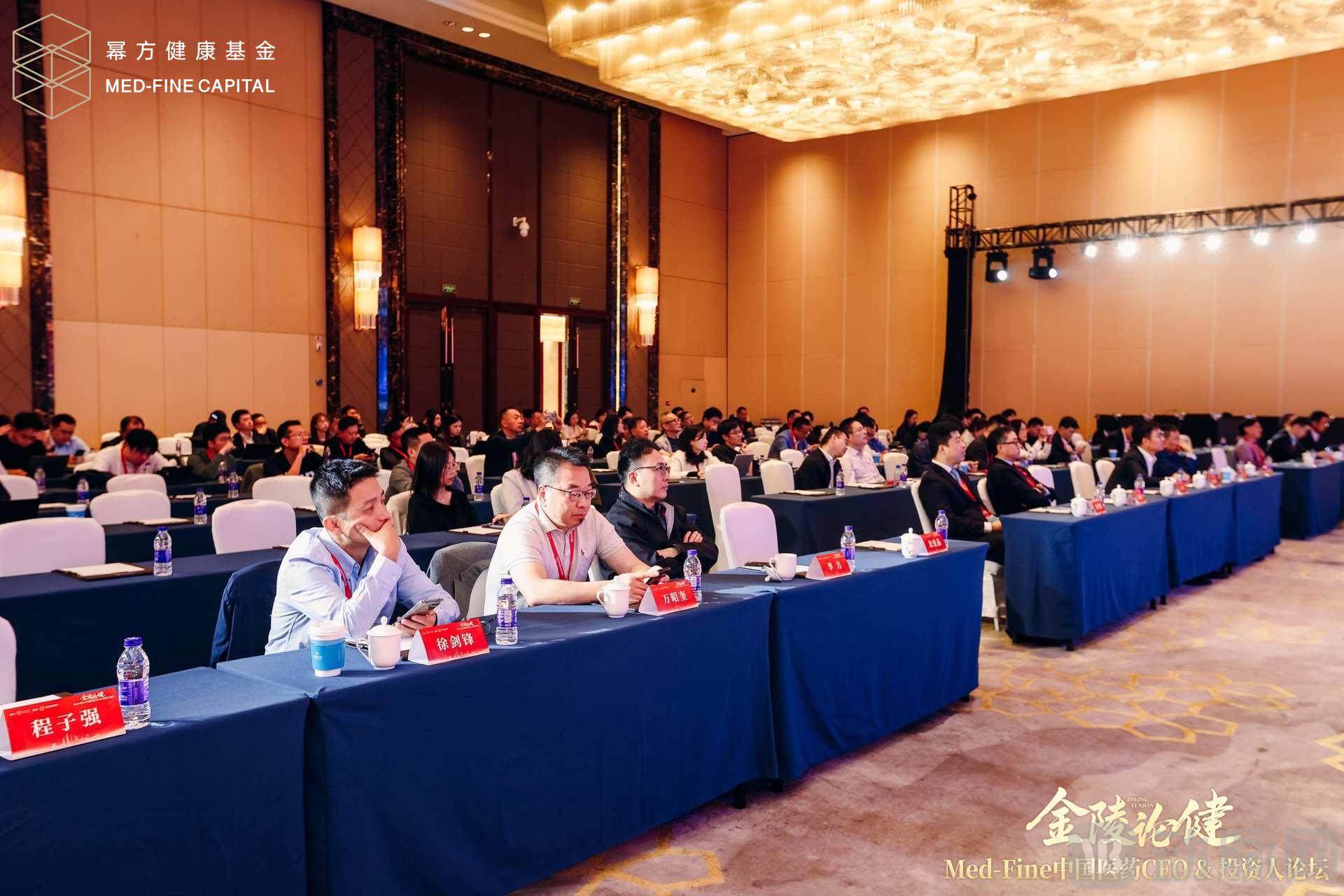
April 10, 2026, byMifang Health FundThe “Jinling Health Talk · Med-Fine 2026 China Pharmaceutical CEO & Investor Forum,” hosted by [Host Name] and co-organized by Nanjing Innovation Investment Group, concluded successfully in Nanjing. This year’s forum brought together over 100 distinguished guests from the investment, industry, and academic sectors, who engaged in in-depth discussions on core topics including global trends in pharmaceutical innovation, the international expansion of China’s biopharmaceutical industry, and the investment closed loop for innovative drugs and medical devices.
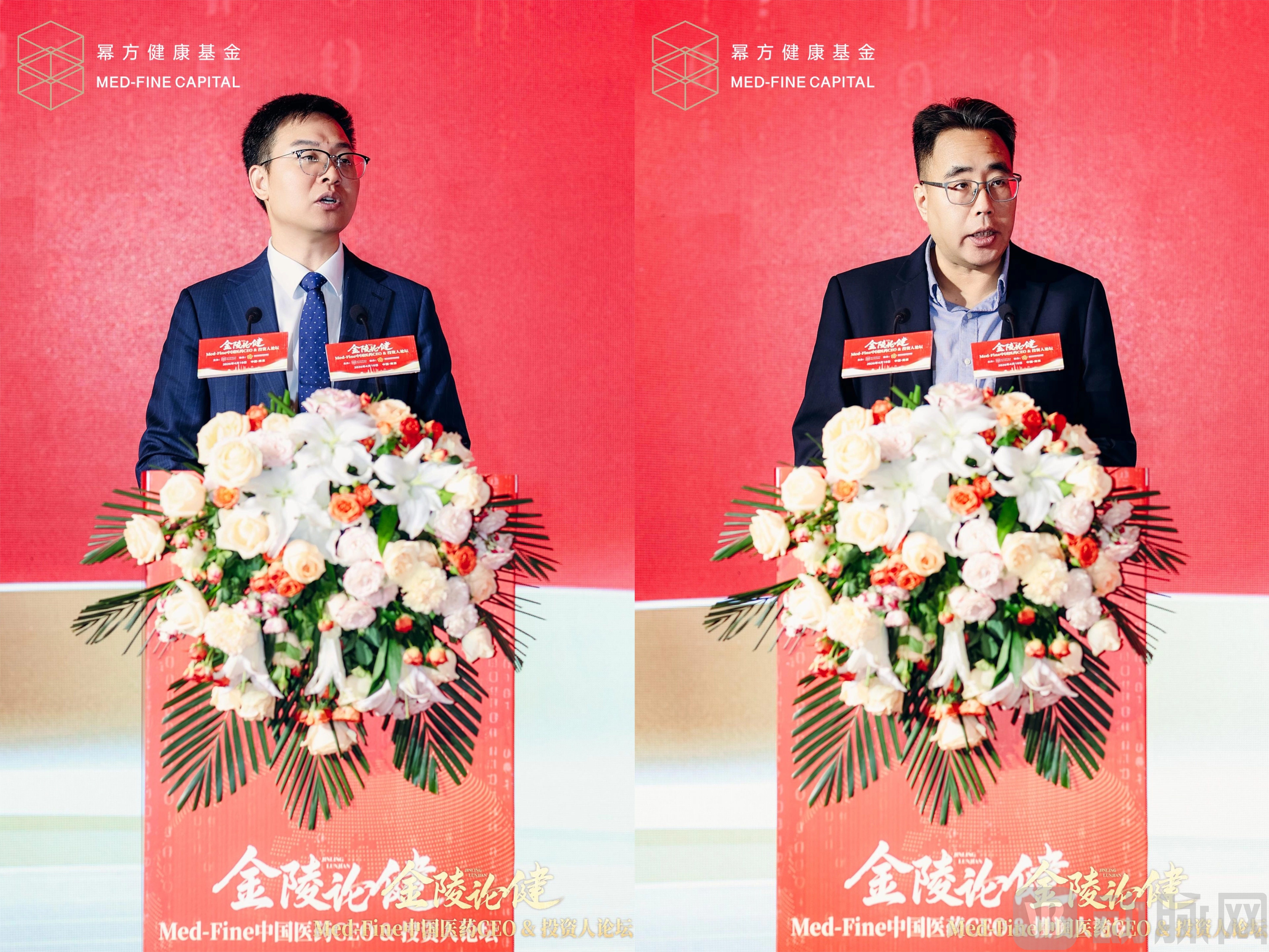
Zhou Yujian, Managing Partner of Mifang Health Fund, and Xu Bo, Deputy General Manager of Nanjing Innovation Investment Group, delivered opening remarks on behalf of the organizer and co-organizer, respectively, setting the tone for a day of high-quality exchanges. Professor Lv Ling from Xuzhou Medical University, Professor Song Yong from Jinling Hospital, Nanjing University School of Medicine, and Dr. Wang Jinsong, Chairman of Harbour BioMed, subsequently delivered insightful keynote speeches focusing on the digital health transformation, frontiers in clinical research on lung cancer, and the innovative ecosystem of China’s biopharmaceutical industry, respectively.
01
Industry Landscape: China’s Biopharmaceutical Sector Enters an Era of Global Value Creation
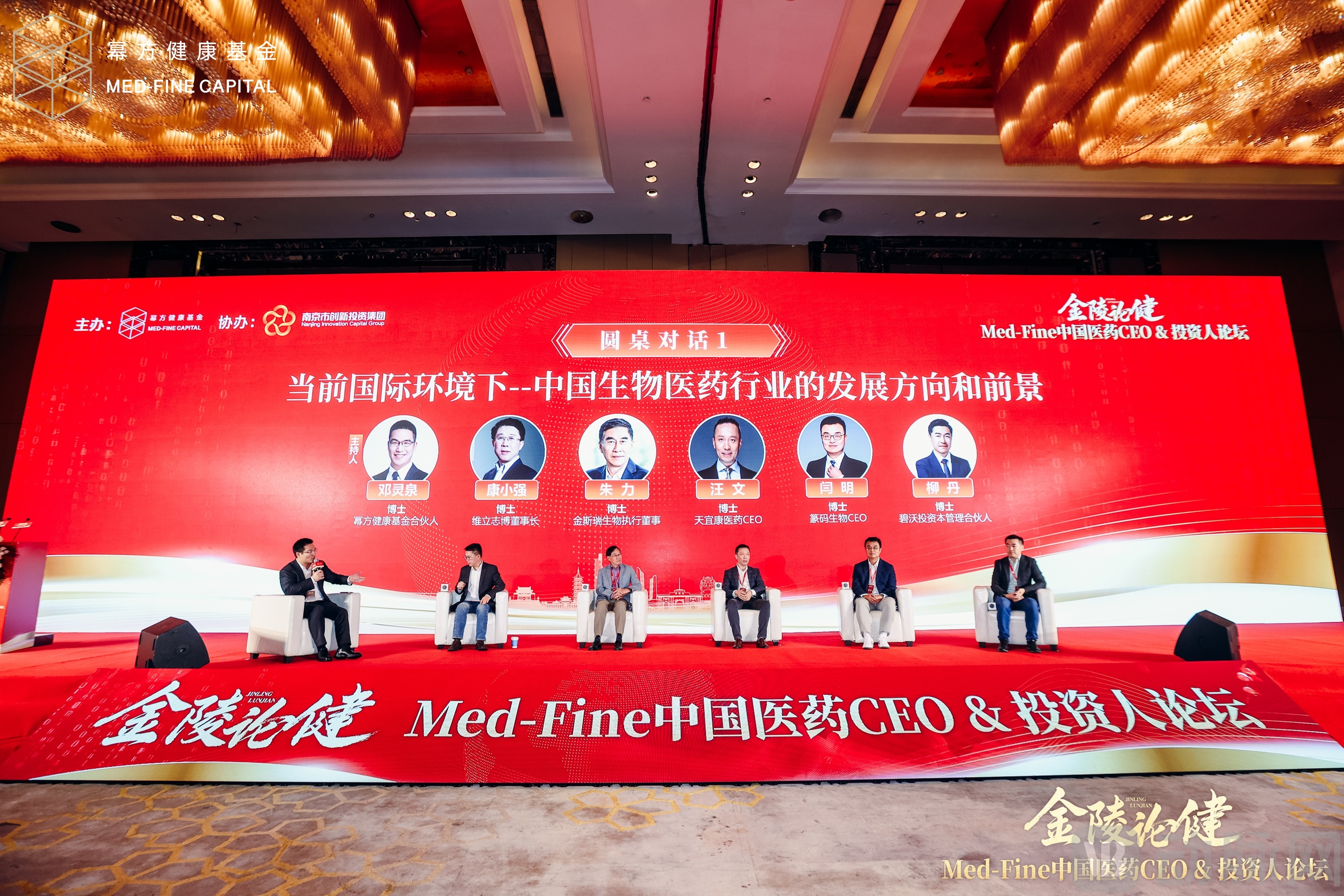
Currently, China’s biopharmaceutical industry is undergoing a critical transition from “quantity-driven growth” to “innovation-led development.” Data shows that in 2025, China approved 76 innovative drugs for market launch, setting a new historical record; its pipeline of investigational new drugs accounts for approximately 30% of the global total, firmly securing the second position worldwide. The number of novel molecular entities entering clinical trials in China now represents nearly half of the global total. Meanwhile, business development (BD) and overseas expansion of innovative drugs continue to thrive—in the first quarter of 2026, the total value of BD deals involving Chinese innovative drugs exceeded USD 60 billion, approaching half of the full-year total for 2025. From a global perspective, since the beginning of this year, Chinese innovative drug BD projects have accounted for 20% of the global number of deals and 75% of the disclosed transaction values.Dr. Deng Lingquan, Partner at Mifang Health Fund, summarized in the roundtable discussion that the industry’s development hinges on the synergistic resonance of five key elements: policy, capital, talent, technology, and market. China’s biopharmaceutical sector is now at a critical juncture for elevating its global competitiveness.
02
Talent Siphoning and Endogenous Iteration: The Dual-Engine Drive of China’s Pharmaceutical Innovation
A virtuous cycle of “returnee leadership–intergenerational inheritance–endogenous growth” has taken shape in China’s talent ecosystem. Dr. Kang Xiaoqiang, Chairman of Leads Biolabs, pointed out that R&D professionals trained domestically are becoming increasingly effective in their roles, stating, “We have an employee-owned team, which constitutes the company’s core competitiveness.” Dr. Zhu Li, Executive Director of GenScript Biotech, reviewed the historical trajectory from overseas researchers returning to China to start businesses to the current rise of innovative drugs in China, noting that “the United States has trained so many people for China, making an indispensable contribution.” Dr. Wang Wen, CEO of Skye Medicine, emphasized that the vision and professional capabilities of PhD holders trained in China now rival those of their overseas counterparts. As a recent returnee entrepreneur, Dr. Yan Ming of Zhuanma Biology stated that a cohort of ambitious and capable overseas Chinese scientists continues to return to China for development, with himself serving as one example. These returnees are working closely and synergistically with the rapidly growing domestic R&D workforce, jointly laying a solid foundation for innovation in China’s biopharmaceutical industry, with promising prospects ahead. Dr. Liu Dan, Partner at Biowin Investment Management, added that the first wave of returnee scientists has nurtured a new generation of locally grown talent, who are now engaging in global project transactions and collaborations on a more equal footing, forming a robust talent base for innovation in China’s biopharmaceutical sector.
03
Policy Dividends and Capital Synergy: Building a Full-Chain Support Ecosystem
In recent years, the Chinese government has continuously unleashed policy dividends, ranging from regulatory approval and industrial planning to capital guidance. The 2025 Government Work Report listed biopharmaceuticals as an “emerging pillar industry” for the first time, marking a strategic leap in the industry’s development tier. Local entities, such as Nanjing Innovation Investment Group and Nanjing Jiangbei New Area, have also established an increasingly robust innovation ecosystem, encompassing fund establishment, infrastructure development, and industrial support services.
From a capital perspective, exit pathways for Chinese innovative pharmaceutical companies are showing a trend toward diversification. In his keynote address, Dr. Hou Xuchao, Founding Partner of CIC Consulting, pointed out that the Chapter 18A segment of the Hong Kong Stock Exchange has become a crucial platform for initial public offerings (IPOs) by Chinese biotechnology enterprises. In 2025, the Hang Seng Healthcare Index rose by 58%, while the Biotechnology Index surged by 65%, with continued increased investment from mainland investors through the Stock Connect program. During the roundtable discussion titled “Pharmaceutical Investment from a Diversified Capital Perspective,” investment representatives including Li Ming, Managing Partner at Lichen Investment Management; Zhou Hui, Partner at Jiangyuan Investment; Fei Fei, General Manager of Futeng Capital; Liu Senlin, Managing Director at CICC Capital; and Dr. Liang Shuang, Partner at Huaxi Yuanyou Fund, engaged in in-depth discussions on asset valuation, strategies for navigating investment cycles, and the design of exit pathways.
04
BD Global Expansion and the Ecosystem Closed Loop: From “Product Licensing” to “Deep Co-Creation”
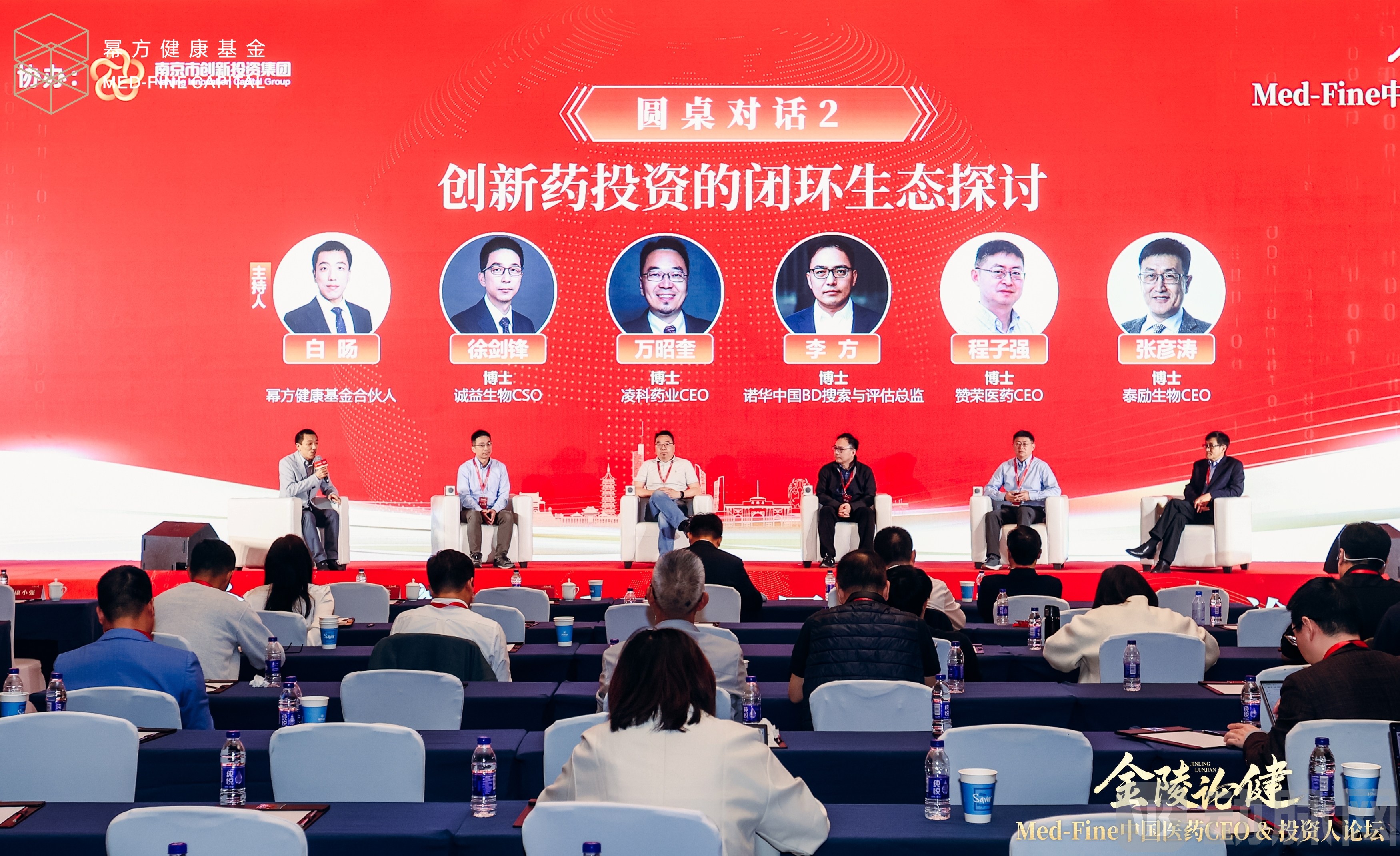
China’s business development (BD) and global expansion of innovative drugs have evolved from sporadic events into a systematic trend. During the roundtable discussion titled “Exploring the Closed-Loop Ecosystem of Innovative Drug Investment,” Dr. Xu Jianfeng, CSO of Allist Pharmaceuticals, shared his company’s collaboration experience with AstraZeneca in the small-molecule field, highlighting how their partnership model has deepened from early-stage product licensing to advancing into global multi-center Phase III clinical trials. Dr. Wan Zhaokui, CEO of LinkMed Pharmaceuticals, reviewed the complete journey of its core pipeline from preclinical development to New Drug Application (NDA) submission, emphasizing that differentiated molecular design and strong execution are the cornerstones of success. Dr. Li Fang, Director of BD Search and Evaluation at Novartis China, introduced the key therapeutic areas of interest to multinational pharmaceutical companies—oncology, immunology, cardiovascular and metabolic diseases, and central nervous system disorders—noting the trend toward engaging in collaborations at increasingly earlier stages. Dr. Cheng Ziqiang, CEO of ZaiRong Medicine, shared a case study of its collaboration with Roche, where Roche took the lead in advancing global Phase III clinical trials. Dr. Zhang Yantao, CEO of Tyligent Bioscience, elaborated on strategies for achieving differentiated breakthroughs in competitive fields, covering target selection, molecular design, and combination therapy approaches.
05
Medical Devices: Light at the Front, Heavy at the Back—Challenges and Opportunities Coexist
During the afternoon roundtable discussion titled “Challenges and Opportunities in Medical Device Innovation,” Liang Zhanchao, Partner at Mifang Health Fund, engaged in an in-depth dialogue with guests including Cao Hongguang, Chief Scientist at NanoVision; Dr. Ren Dongni, Founder of Mingche Biotech; Xu Tianrui, CEO of Lingchuang MedValley; Liu Zhen, Co-founder of Shuimu Medical; and Wang Jinghua, Managing Partner at Medtronic China Fund Management. The panel focused on domestic substitution and original innovation. Cao Hongguang shared his successful entrepreneurial experiences, emphasizing the importance of “beginning with the end in mind” and wholehearted commitment. Wang Jinghua pointed out that China’s innovation capability in core upstream components of the medical device sector is rapidly catching up with global leaders. With the continuous improvement of supply chain systems and the ongoing release of the “engineer dividend,” the medical device industry is poised to replicate the overseas expansion path taken by Chinese pharmaceutical companies. Liu Zhen, offering the perspective of a full-lifecycle service provider, advised entrepreneurs to prioritize upfront planning for pricing and commercialization strategies to avoid the predicament of “obtaining regulatory approval for a product but failing to sell it.”
06
Mifang Ecosystem Enterprises Showcase Hard-Core Innovation Strength
At the summit, portfolio companies of Mifang Health Fund collectively showcased their development achievements, highlighting the fund’s deep strategic layout and empowering impact in the healthcare sector. Aikelian Bio focused on the R&D of T-cell engager trispecific antibodies, securing $68.7 million in financing within six months; Yisi Bio, deeply engaged in the central nervous system field, obtained domestic approval for two new drugs and advanced its IPO process. Multiple companies achieved key breakthroughs in areas such as metabolic diseases, small-molecule drugs, antibody-drug conjugates (ADCs), KRAS inhibitors, neuromodulation, ophthalmic devices, brain-computer interfaces, and photon-counting CT, with several products entering the New Drug Application (NDA) submission phase or global multi-center Phase III clinical trials.
At the conclusion of the forum, a partner at Mifang Health Fund stated in their summary remarks, despite the cyclical ups and downs experienced by China’s innovative drug industry, capital continues to provide steadfast support, companies remain committed to delivering clinical value through differentiated products, and policies continue to optimize the industrial ecosystem. In the spring of 2026, China’s biopharmaceutical sector is advancing with greater confidence, making the leap from “following” and “keeping pace” to “global leadership.”
The successful holding of this forum has not only established an efficient dialogue platform for stakeholders from government, industry, academia, research, clinical application, and investment sectors, but also sent a clear signal: the globalization journey of China’s biopharmaceutical industry is ushering in a new chapter defined by certainty.
In the future, Mifang Health Fund will continue to leverage capital as a bridge to connect global innovative resources, support the growth of outstanding healthcare enterprises, and promote the clinical translation of cutting-edge technologies. It aims to help China’s medical innovation achieve breakthroughs at the source and attain global leadership, work with all industry partners to build a new ecosystem for healthcare, and contribute to the construction of a Healthy China.