

NutrigeneAI Biotech Files IPO Prospectus: Pioneering iPSC-Derived Vascular Regeneration Therapy for Critical Limb Ischemia
Critical Limb Ischemia (CLI)In simple terms, it is the most dangerous stage of peripheral artery disease, characterized by severe stenosis or occlusion of the lower extremity arteries. The limbs remain severely ischemic even at rest, with symptoms such as pain, ulcers, and even necrosis. It is a vascular emergency, and without timely treatment, amputation is highly likely.
Millions of patients facing the sentence of “amputation” find themselves with no way out. The loss of a limb signifies a complete loss of mobility and a plummeting quality of life, while long-term rehabilitation, prosthetic fitting, and family caregiving impose heavy economic and psychological burdens.
Moreover, post-amputation infections, thrombosis, and cardiopulmonary complications further elevate the risk of mortality. A set of stark data reveals the harsh reality of therapeutic gaps in this field: China sees approximately 220,000 new cases of critical limb ischemia (CLI) annually, while the global annual incidence reaches as high as 1.3 million; the amputation rate within six months of diagnosis is 40%, and the one-year mortality rate exceeds 20%.20%–40%patients will ultimately be labeled as"No Therapeutic Options"label.
Currently, mainstream clinical treatment modalities all exhibit significant limitations.Interventional Therapy in Traditional SurgeryDifficult to manage severe calcification and small distal vessels;MedicationIt can only alleviate pain and improve symptoms, but cannot repair necrotic tissue and the blood supply system;Traditional Mesenchymal Stem Cell TherapyPrimarily modulates the local microenvironment and cannot directly form a neovascular network with perfusion capability.
Not all patients are candidates for interventional or surgical procedures. For a large number of patients with end-stage disease, the current treatment system offers few truly effective options.
Professor Huang YongdeHis scientific career has revolved almost entirely around vascular biology and regeneration. After earning his Ph.D. from The Chinese University of Hong Kong, he conducted postdoctoral research and served as an assistant professor at Stanford University and Cornell University. In 2016, he returned to CUHK as a faculty member, dedicating himself to in-depth research in vascular biology and the directed differentiation of stem cells.The Past 20 Years。
His long-term basic research has led him to a clear judgment: merely improving microcirculation and alleviating symptoms is far from sufficient to truly change the outcomes for patients with critical limb ischemia (CLI),Functional blood vessels must be regenerated in situ.
andThe Maturation of iPSC Technology, providing a viable path toward this goal—It can provide a stable and unlimited source of cells and efficiently differentiate into high-purity endothelial cells., which are the core functional cells that constitute the inner lining of blood vessels and facilitate blood flow, as well as the indispensable "building blocks" for achieving vascular regeneration.
When key laboratory breakthroughs demonstrated the potential to save patients, Professor Huang Yongde decided to step out of the ivory tower. At the end of 2023, he and his elementary school classmate, Mr. Wu Guangji, establishedNutrigeneAI Maiyuan Chuangke Biotechnology Co., Ltd., with the aim of commercializing these achievements to explore a new therapeutic option for patients with critical limb ischemia.
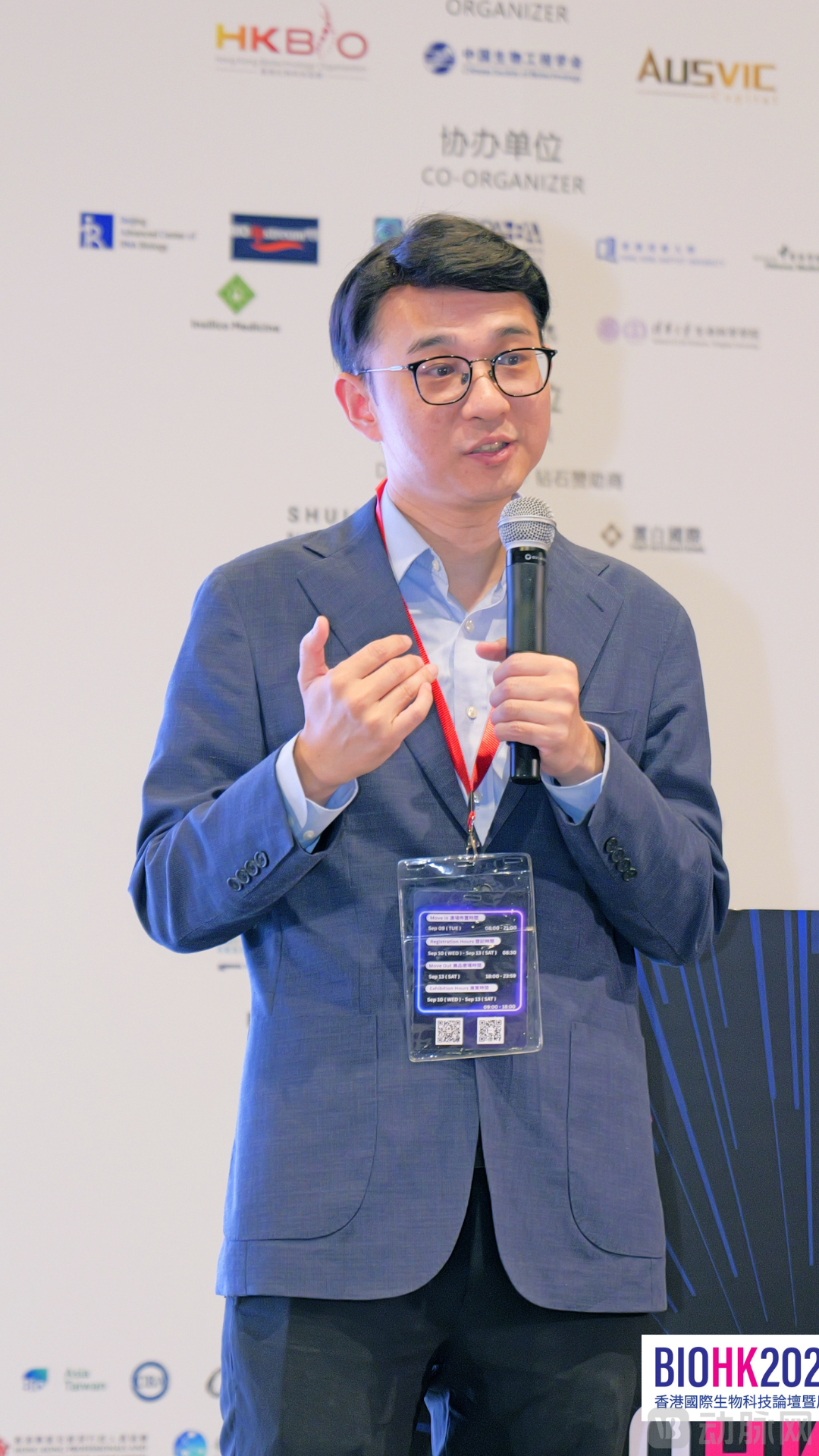
Figure: Prof. Jack Wong, Founder of NutrigeneAI
In his view, the ultimate value of scientific research lies not only in papers and experimental data but also in its ability to truly address clinical challenges and save patients’ lives: “I do not want our research to remain confined to publications and laboratories; I want to offer genuine hope to those who have been told there is no cure.”
Compared with traditional treatment approaches, Professor Huang Yongde has chosen a technical route that more closely aligns with the fundamental nature of the disease. TargetingCLI Patients with Severe Vascular Occlusion and Calcification: Inability to Reconstruct Distal Blood Flowclinical pain points, the team has focused its research efforts oniPSC-Directed Differentiation into Endothelial CellsIn this core direction, key cells constituting blood vessels are obtained through stem cell technology, and then functionally optimized to enable the stable formation of new vascular structures under ischemic conditions.
In his interview, Professor Huang Yongde offered a vivid analogy to elucidate this core technology. The limbs are akin to farmland requiring irrigation, with blood vessels serving as the rivers that permeate the tissue, responsible for delivering blood and nutrients to sustain its vitality and vigor. Critical limb ischemia, in essence, represents the complete cessation of flow in these vital channels due to severe calcification and occlusion. This results in the thorough desiccation of the “farmland” and necrosis of the “crops,” ultimately leaving amputation as the only recourse.
Traditional therapies remain trapped in the logic of “repairing an old river,” making breakthroughs difficult: Conventional medications are akin to sprinkling water and fertilizer on parched farmland, offering only temporary symptom relief without restoring the river’s continuous water supply. Surgical interventions resemble forcibly excavating and dredging a silted-up channel; they are not only highly invasive and risky but also often prove unfeasible for small vessels that are completely occluded and severely calcified, failing to address the root cause of the problem.
Maiyuan Chuangke has broken free from the mindset of “repairing old rivers,” opting instead for an entirely new path of “digging new rivers.” The team, withiPSCas the source, directionally differentiating intoHigh-Purity Vascular Endothelial Cells—This is the core “building material” that constitutes the inner lining of blood vessels, the true “bricks and mortar” for constructing blood vessels.
More importantly, the team has developed a proprietarySynergistic Activation Patented Technology, by administering a “specialized training” regimen using endogenous cytokines, these cells achieved a leapfrog improvement in their proliferation, migration, and tube-forming capabilities, all through natural induction without genetic editing.
These enhanced endothelial cells, subjected to “intensive training,” function like an intelligent engineering corps equipped with their own blueprints: they precisely migrate to ischemic lesion sites, join forces to construct new, functional vascular channels, clear local inflammatory debris, mobilize the body’s intrinsic repair mechanisms, and reinforce surrounding muscle tissue.
Ultimately, a complete neovascular network is reconstructed within limbs that had previously suffered total occlusion, restoring smooth blood flow and fundamentally reversing the progression of ischemic necrosis. This provides core support for reperfusion, tissue repair, and limb-salvage therapy.
Meanwhile, the team leverages its self-developedNBL iPSC-EC AI System, gradually establish fromCell Differentiation Prediction, Imaging Analysis, and End-to-End Quality Controlof intelligent control, enabling stable preparation of high-purity>98%endothelial cells, supporting automated 3D culture and large-scale expansion, with a single-batch production capacity reaching the tens of billions, thereby laying a solid foundation for subsequent standardized, industrialized mass production and global commercialization.
Bringing Scientific Research Outcomes Truly to Patients
Drugs cannot be developed by scientists alone; industrial expertise alone cannot capture source innovation; and a focus solely on capital lacks long-term patience. The core competitiveness of Maiyuan Chuangke stems fromThe Golden Complementarity of Research, Industry, and Capital。
Wu GuangjiA long-standing close friend of Professor Huang Yongde. As the company’s Chief Financial Officer (CFO), Mr. Wu Guangji brings extensive experience from leading financial institutions such as Guotai Junan Securities and Dingpei Capital, with a long-term focus on investment, financing, and corporate management in the biopharmaceutical sector. He has also been elected as a Director of the Tung Wah Group of Hospitals for the 2026–2027 term. As a longtime friend of Professor Huang Yongde, he possesses deep insights into both industry dynamics and long-term value creation. He is responsible for establishing a robust capital structure, governance framework, and sustainable development pace for the company, thereby freeing R&D teams from short-term funding concerns and enabling them to concentrate on tackling the most challenging clinical hurdles.
Dr. Wang BiaoRecipient of the 2025 National Qiming Talent Selection (formerly the Thousand Talents Program), he possesses a top-tier international academic background and comprehensive industry experience spanning multinational pharmaceutical companies and leading domestic innovative drug enterprises. He has overseen R&D, regulatory registration, and industrialization at platforms such as Bristol Myers Squibb, Johnson & Johnson, and Simcere Pharmaceutical. With profound expertise in translating laboratory achievements into marketable drugs, he is dedicated to transforming technologies into mass-producible, registrable, and commercially viable products, thereby bridging the critical “last mile” of clinical translation.
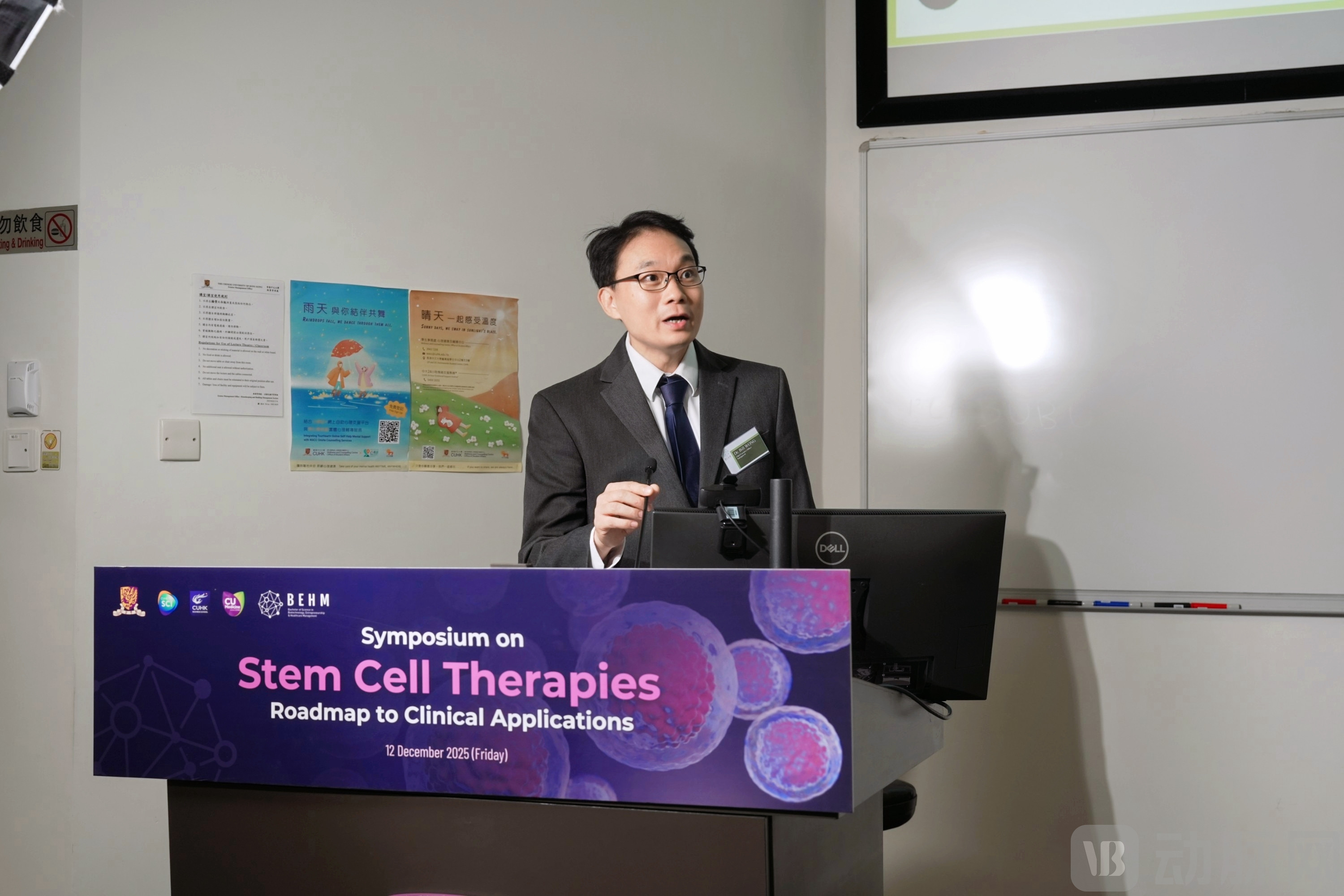
Figure: Dr. Bill Wong, CEO of NutrigeneAI
Former friends because“United by the common goal of addressing the lack of therapeutic options for patients with severe ischemia”, with no unfamiliar adjustment period, forming a mature golden triangle upon joining forces.
Our patents have been filed in multiple countries. Professor Huang Yongde has been honored with the Hong Kong Innovative Entrepreneur Award, as well as the Bronze Award and the “Most Investor-Favored Award” at the Qianhai Hong Kong, Macao, and Taiwan Competition, fully validating the originality and commercialization potential of our technology.
Accelerate implementation to make it more affordable for a broader population.
In response to the urgent treatment needs of patients with critical limb ischemia, Maiyuan Chuangke has formulated“Prioritize speed, balance breadth, and implement in phases”product and clinical strategies, ensuring rigorous R&D while shortening the translation cycle as much as possible to bring innovative therapies to patients sooner.
The team adopts a progressive R&D path across two product generations, balancing short-term clinical implementation with long-term commercial value.The first-generation product is off-the-shelf HLA-matched cells.Leveraging established clinical-grade iPSC cell lines to rapidly initiate R&D, eliminating the need to build cell resources from scratch and significantly shortening the preparatory phase. Two core cell lines can cover approximately 15% of the population in Southern China, enabling the fastest possible progression through preclinical validation and trial initiation, thereby prioritizing benefits for the first cohort of patients with no existing treatment options.
The second-generation product consists of gene-edited universal cells.By leveraging immunogenicity optimization and gene editing technologies, the risk of cellular rejection is further reduced, ultimately enabling universal applicability across all patient populations and off-the-shelf availability. Despite facing more stringent clinical and regulatory requirements, the team remains committed to this long-term core strategy, aiming to develop next-generation cell therapies that are truly scalable and accessible.
To ensure the smooth entry of the product into clinical trials, the team has implemented full-process compliance spanning cell culture, manufacturing, and quality control, thereby guaranteeing that the cell therapy products are stable, safe, and reproducible to meet the stringent requirements for human clinical trials and future regulatory submissions.
In accordance with the plan, the company is making every effort to advanceGMP Standardized Production System Development, and actively preparing to launch investigator-initiatedEarly-Stage Clinical Research (IIT), prioritize collaboration with the vascular surgery and interventional radiology departments of top-tier Grade 3A hospitals in China, to validate the safety and efficacy of the therapy in the Chinese patient population, thereby laying the foundation for subsequent Investigational New Drug (IND) applications and multicenter clinical trials.
Meanwhile, the team fully leverages the policy advantages of the Hainan Boao Lecheng International Medical Tourism Pilot Zone. By relying on supportive policies such as special permissions for medical services, clinical research, and international exchanges, it initiates the clinical application of cutting-edge therapies and accumulates real-world data in advance. The relevant data can be used to support domestic registration filings, effectively shortening the overall R&D and marketing authorization timeline, thereby enabling patients to benefit before the product is formally approved.
Throughout the continuous advancement of research and development, the team has remained steadfast in its original commitment to accessibility, ensuring that treatments are both available and affordable for patients.
One of the core advantages of iPSC technology is its ability to enable standardized, automated, and large-scale production.PulseSource Innovations adoptsAutomated 3D Culture System, achieving high-yield production in single batches, reducing production costs at the source, and overcoming the industry challenge of personalized cell therapies being “prohibitively expensive and inaccessible to the general public.”
The team has alwaysAffordable for PatientsAs a core objective, we are committed to keeping the cost of a single course of treatment within an affordable range for ordinary households, ensuring that limb-salvage therapy is no longer an unattainable luxury due to price.
In terms of global expansion, the company is simultaneously advancing clinical and partnership preparations in international markets such as the United States and Japan, exploring overseas licensing models to reinvest international revenues into domestic R&D and patient accessibility, ultimately forming“Accessible in China, Valued Globally”sustainable development model.
In Professor Huang Yongde’s vision, the mission of Maiyuan Chuangke extends far beyond developing a single cell-based drug or addressing one indication.but also in forging a replicable and scalable pathway for the translation of original Chinese scientific research.
The team hopes toCritical Limb IschemiaAddressing this global gap, we aim to establish a translational benchmark in the field of iPSC-based vascular regeneration, providing a reference for China’s innovative stem cell therapeutics industry and facilitating the market entry and global expansion of more source-innovative achievements.
Looking ahead, Maiyuan Chuangke will continue to deepen its focus on the vascular regeneration sector. While steadily advancing clinical development and commercialization in the field of critical limb ischemia (CLI), the company will gradually expand its technology platform to address a broader range of unmet clinical needs, including ischemic heart disease, cerebral ischemia, chronic wound healing, and peripheral vascular disease.Build a global technology and product platform centered on vascular regeneration with coverage of multiple indications.
“Our ultimate goal is to consign incurable vascular diseases to history.”He stated that for every patient in a dire situation, saving a leg means preserving the right to walk, the dignity of life, the integrity of the family, and future possibilities.
For the team, this exploration of vascular regeneration, which began in the laboratory, is ultimately driven by a long-term mission: to help more people regain their health and rekindle their love for life.
Expert Commentary:
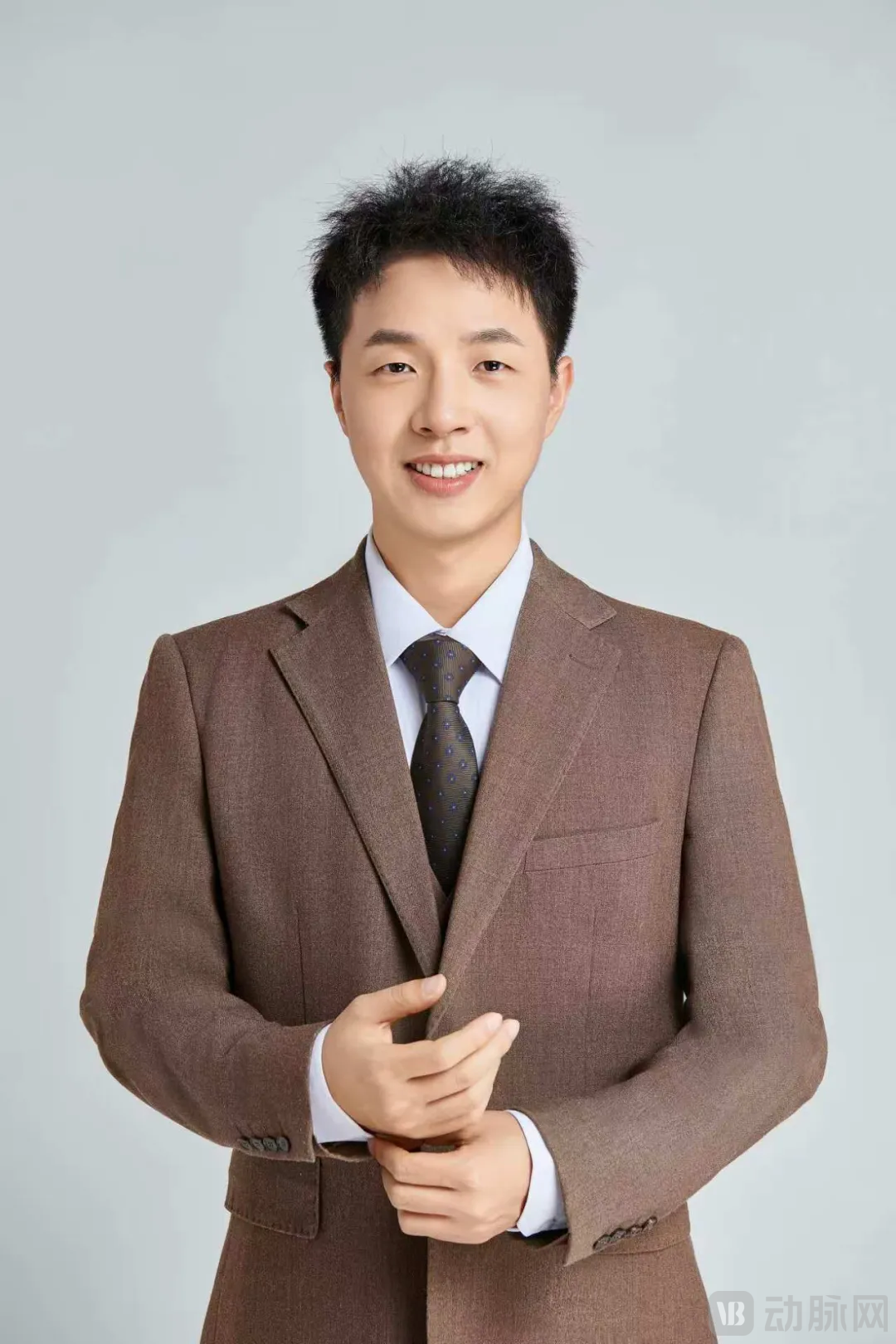
Chen Yiqun, General Manager of Shangjun Investment
From an investment perspective, Maiyuan Chuangke possesses the following key characteristics:
First, the patient population with critical limb ischemia (CLI) is large (with 220,000 new cases annually in China and 1.3 million globally), and 20%-40% of patients lack effective treatment options. The high amputation rate, strong patient desire for limb salvage, and clear payment support further underscore this need.
Second, the proprietary technology of iPSC-directed differentiation into endothelial cells combined with an enhancement initiation platform shifts the paradigm from “repairing old rivers” to “building new ones.” Coupled with AI-driven automated large-scale manufacturing, this approach achieves a per-batch production capacity in the tens of billions, thereby addressing cost challenges.
Third, from the team perspective, Professor Huang Yongde (nearly 20 years of research in vascular regeneration) + Wu Guangji (capital background) + Dr. Wang Biao (industrialization experience) form a "golden triangle" configuration with strong complementarity and a solid foundation of trust.
This is an early-stage cell therapy company worthy of in-depth due diligence. If its investigator-initiated trial (IIT) clinical data are favorable and its investigational new drug (IND) application proceeds smoothly, it has the potential to become a leader in the niche sector of vascular regeneration.