

Innovator Chen Liyang, Peking University PhD, Breaks Foreign Monopoly with Domestic Flexible Sensing Film for Medical and Smart Manufacturing Applications
Chen Liyang’s journey with thin-film pressure sensing technology began fourteen years ago.
During his undergraduate studies, Chen Liyang, as a core member of the Robot Intelligent Vehicle Team at the University of Science and Technology Beijing, led his team in spearheading multiple sensing application projects in the military and aerospace sectors, such as ergonomic and comfort assessments for helmets. “At that time, we had to purchase foreign sensors at high prices, disassemble them to extract key materials, and then redevelop them into products tailored to our project requirements,” he recalled in an interview. At that time, the domestic mid-to-high-end thin-film pressure sensing market was completely monopolized by overseas manufacturers, resulting not only in high procurement costs but also in core technologies being firmly controlled by foreign companies.
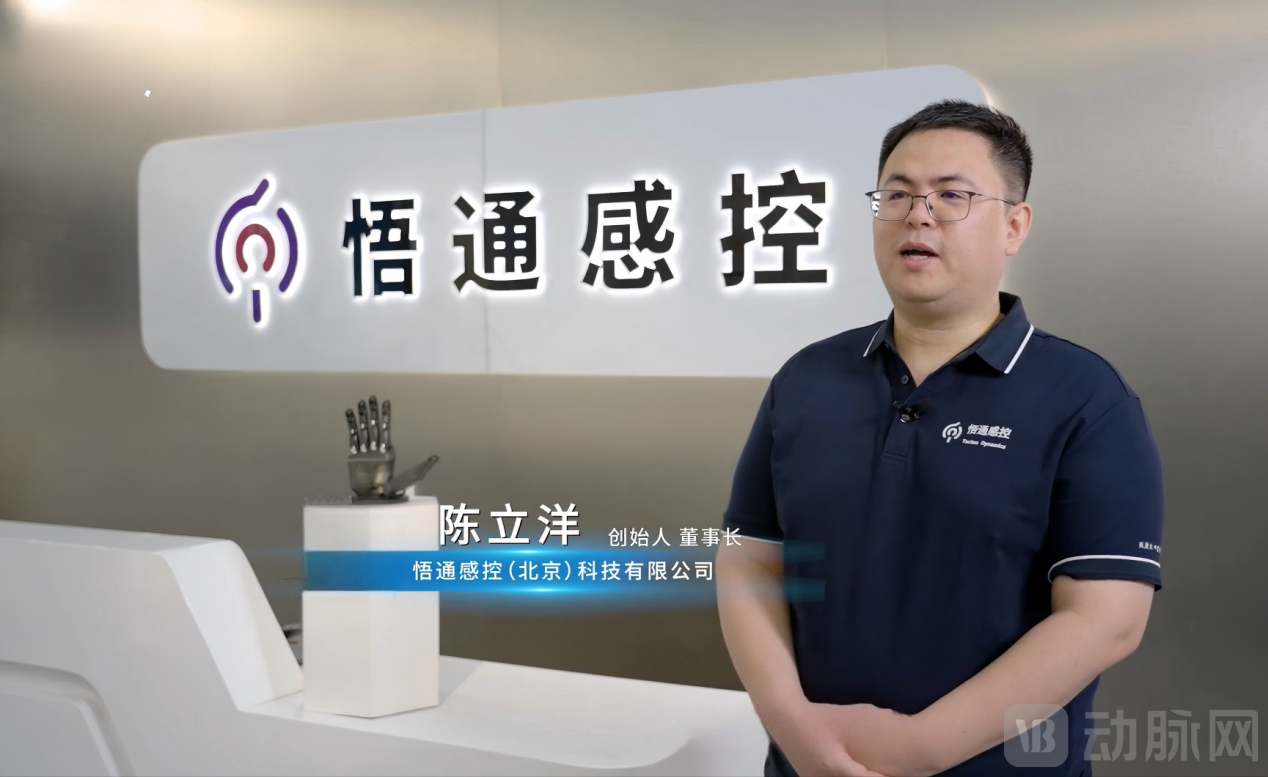
This monopoly is not confined to the military-industrial and aerospace sectors. In the rehabilitation and healthcare sectors, overseas products have long held absolute dominance. Complete plantar pressure assessment systems based on thin-film pressure sensors are priced as high as RMB 300,000–400,000, making them virtually unaffordable for primary healthcare institutions and research institutes. Although domestic alternatives have reduced prices to the range of several thousand to ten thousand yuan, they exhibit significant performance shortcomings. Issues such as signal drift and structural damage often arise after only a few uses, rendering these devices essentially akin to consumables and precluding their large-scale clinical application.“At that time, the most common phrase within our team was, ‘When will we be able to use truly independent and controllable domestically produced sensors?’”This idea became the core anchor of Chen Liyang’s deep technical dedication over the following decade.
The turning point occurred in the past 5–10 years. Rapid breakthroughs in domestic materials science research, coupled with the addition of several young materials scientists from two academician teams to Wutong Sensing’s core R&D team, have enabled the company to catch up with and even surpass international advanced levels in key performance indicators for thin-film pressure sensors, including sensitivity, stability, and mass-production scale.Technological Self-Reliance and Controllability, thereby creating the core prerequisites for industrial implementation.
What truly led to the establishment of Wutong Infection Control was, in Chen Liyang’s words,“Two-Way Convergence of Technological Accumulation and Clinical Demand”. On the one hand, the teamOn Off-Power Flexible Sensing MaterialsAchieved breakthroughs in core underlying technologies, establishing a technical foundation for industrialization; on the other hand, Professor Wang from the School of Advanced Manufacturing and Robotics at Peking University, who was Chen Liyang’s master’s supervisor, and Director Cao from the Department of Orthopedics at Peking University Hospital precisely identifiedQuantitative Sensing: An Essential Need in Total Knee Arthroplasty. Through scientific research exchanges, both parties discovered that it is entirely feasible to develop a domestic solution based on China’s new generation of off-electrode thin-film sensing technology, with performance surpassing that of comparable U.S. products.“This is the spark generated from the intersection of medicine and engineering, and it also marks the initial starting point of our entrepreneurial journey.”“Chen Liyang said.”
Meanwhile, the Wutong Sensing and Control team has also uncovered broader application prospects for this technology:Ultra-high-precision sensing of mechanical physical quantities has enabled its expansion from clinical healthcare into multiple sectors, including embodied intelligence and new energy.“We can perform ‘tactile pulse-taking’ on human joints; similarly, this technology can be adapted for robotic electronic skin and mechanical monitoring of lithium battery swelling. At its core, it involves precise detection of mechanical changes and diagnostic assessment of their status.”
In the sensor industry, there has long been an industry challenge known as the “impossible triangle”:Sensitivity, Stability, and Mass Production CostIt is difficult to achieve all three simultaneously, which has long been the core bottleneck constraining the development of mid-to-high-end flexible sensing technology in China.
The root cause of this challenge lies inTraditional thin-film sensors exhibit low sensitivity and are commonly plagued by signal drift., which is also the core reason why overseas manufacturers have been able to maintain a long-term monopoly in the Chinese market. Wutong Sensing Control adoptsFourth-Generation Iontronic Flexible Sensing Technology, achieving performance breakthroughs at the root level of materials science. From a materials perspective,
The first generation of conductive polymers is dominated by organic semiconductors., exposure to air leads to performance degradation; moreover, the complex synthesis process and high costs currently preclude large-scale commercial development;
Second-generation sensors rely on conductive ink materials, conductive materials and binders enhance the water and oxygen stability of the material; however, the pressure sensitivity of the material is often low, and issues such as creep and dynamic drift are present;
Third-generation sensors utilize polymer nanocomposite materials., by directly processing conductive carbon materials into carbon-based piezoresistive films, the stability of the sensor has been significantly improved; however, its sensitivity remains largely unchanged. Conventional methods for enhancing sensitivity often involve microstructured templates, which are costly and not suitable for large-scale industrial production.
Fourth-generation sensors utilize ionic conductive materials., fundamentally overturning the three aforementioned categories of traditional flexible sensing technologies. Its electric double-layer principle significantly enhances sensor sensitivity, providing substantial design flexibility for the subsequent development of ionic-electronic thin-film pressure sensors.
Its core principle involves replacing the dielectric layer in a traditional capacitive structure with an ionogel featuring a special spatial network structure. When external pressure is applied to the sensor surface, the ionogel deforms, causing internal charged ions to migrate along the spatial network to the electrode interface, where they form an electric double layer (EDL) of nanometer-scale thickness with the electrons on the electrodes. According to the principles of capacitance, capacitance is inversely proportional to the thickness of the dielectric layer. The nanometer-scale thickness of the EDL enhances sensitivity by nearly 1,000 times compared to traditional parallel-plate capacitors, enabling significant capacitance changes even in response to minimal pressure variations.
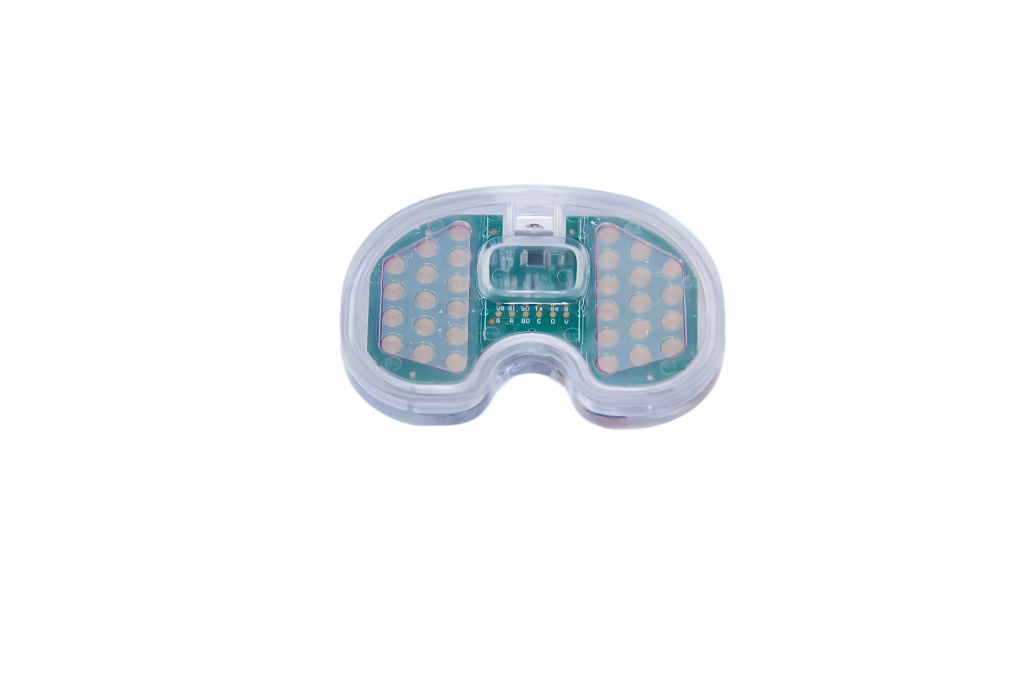
This innovation in base materials has led to an order-of-magnitude leap in core performance metrics:Sensitivity is 120 times higher than that of traditional flexible sensors, with long-term creep under 1 MPa being less than 1.43% FS. In over a thousand repeated pressure tests at 1 MPa, the sensor signal drift was only 3.34% FS. The improvement in sensitivity and stability reduces the performance requirements for backend circuits and systems, significantly lowering signal acquisition costs and enabling Wutong to achieve system-level cost optimization and control.
Having resolved the core challenge of balancing sensitivity and stability, the team simultaneously addressed the industry pain point of high mass-production costs for materials.Most advanced flexible sensors rely heavily on high-end processes such as photolithography and electron-beam etching, resulting in low yields and persistently high costs, which hinders large-scale clinical implementation. The R&D team at Wutong Sensing Control has developedSurface Microstructure Fabrication Technology Based on Proprietary “Crystallization-Promotion Method”, completely bypassing the high-cost etching and mold-based process routes, thereby achieving mold-free continuous thin-film production. Currently, the company's product yield rateBreakthrough of 90%, with monthly production capacity steadily ramping up to100,000 tablets, truly achieving a balance between high performance and low cost, and fundamentally breaking the long-standing monopoly held by overseas manufacturers.
Through continuous R&D iteration and scenario expansion, this technology has established a diversified portfolio of sensing material formulations, including ionic and electronic types. It pioneered large-scale commercial application under real-world operating conditions and was selected for multiple accolades, including the “2025 Demonstration Case for Technological Innovation in New Quality Productive Forces Industrial Practices,” the “Top 100 Emerging Enterprises in the Medical Device Industry,” and the “Top Ten Innovative Products and Technologies in Embodied Intelligence.” Receiving prominent coverage from China Central Television (CCTV) and provincial media, it has become a benchmark case for the breakthrough of domestically produced flexible sensing technology.
Chen Liyang summarizes Wutong Sense Control’s core methodology in the healthcare sector into a single sentence:“Data that doctors rely on entirely through tactile feedback during surgery or diagnosis—data that cannot be quantitatively monitored—we help them capture with precision and present intuitively.”And this is precisely the core, pressing demand driving the current digital transformation and shift toward clinical precision in orthopedics.
Taking total knee arthroplasty (TKA) as an example, the population of patients with knee osteoarthritis in China has exceeded 100 million. In recent years, the annual number of TKA procedures has surpassed one million and continues to rise. The mechanical environment of the knee joint involves forces in three directions and torques in three axes. Surgeons must optimize the mechanical balance between the prosthesis and the insert to ensure the long-term durability of the implant and reduce the risk of postoperative revision. For a long time, this critical step has relied almost entirely on the surgeon’s tactile feedback and accumulated experience, often requiring hundreds of procedures to develop stable and reliable judgment. Even when the surgery is performed successfully, approximately 20% of patients still experience postoperative pain, discomfort, or low subjective satisfaction. For elderly patients, whose average age is in their sixties or seventies, revision surgery entails re-osteotomy and removal of hardened bone cement, resulting in significant trauma and a heavy physical and psychological burden.
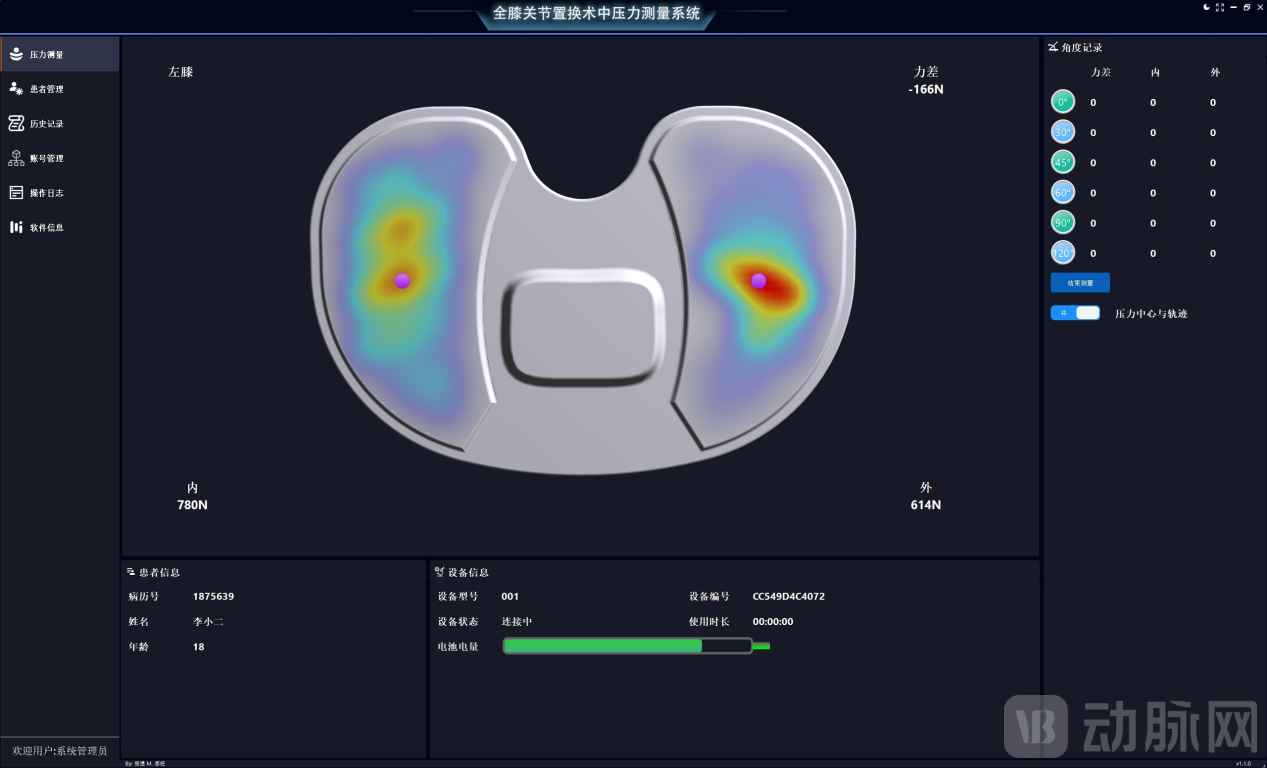
Today,After a thin-film spacer embedded with a flexible sensor array is inserted into the knee joint space, it can provide real-time intraoperative quantitative visualization of pressure distribution and stress concentration data on the medial and lateral sides of the prosthesis.Early representative products in the industry include the VERASENSE system from US-based OrthoSensor (acquired by Stryker in 2021), which employs piezoelectric ceramic sensors with capacitance at the picofarad (pF) level. It features only three measurement points on each of the medial and lateral sides of the prosthesis, thereby providing limited pressure comparison data. In contrast, Wutong Sensing Control adoptsIonic Capacitive Sensing Technology, with capacitance reaching the nanofarad (nF) level, sensitivity achieving an order-of-magnitude improvement, and the ability to present a complete pressure distribution map via thin-film arrays, thereby comprehensively surpassing previous standards in data dimensionality and monitoring precision. “During procedures, physicians receive real-time, sensitive force feedback; a gentle touch or slide allows them to intuitively observe the effects of mechanical balance adjustments, completely overcoming the limitations of purely experience-based judgment,” introduced Chen Liyang.
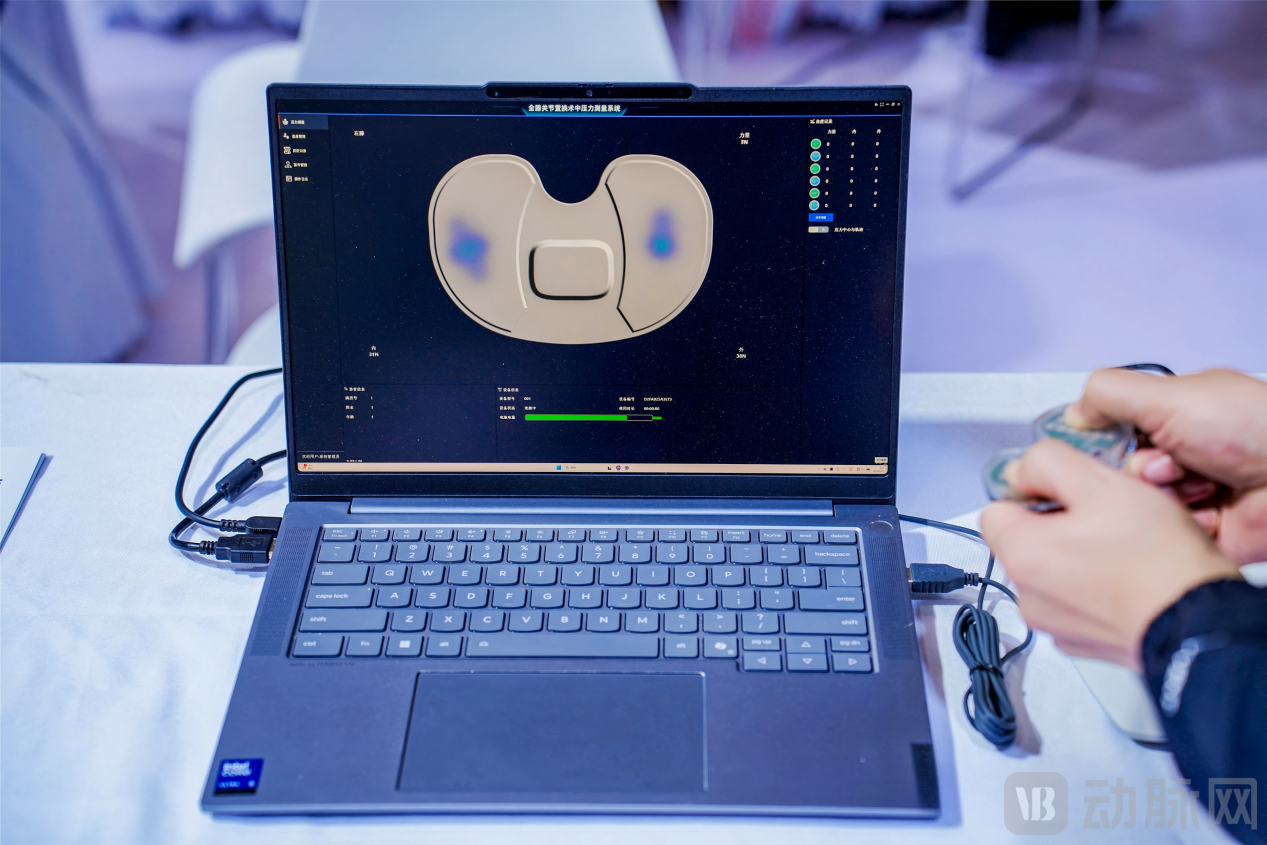
The expert team at West China Hospital of Sichuan University has verified the product's precise identification capability for stress concentration points through macroscopic experiments.Researchers can clearly observe the precise locations of stress concentration through the system, allowing for timely adjustments to osteotomy and soft-tissue balancing plans. “When pressure is evenly distributed across both sides of the joint and mechanical alignment is balanced, it indicates that the surgery has achieved an ideal outcome. Our pressure-sensing inserts accurately inform surgeons of issues in the current biomechanical environment—identifying where stress concentrations occur and where the center of pressure deviates—thereby providing clear criteria for determining the optimal surgical endpoint.” Clinical experts involved in the preliminary validation evaluated this tool“It provides visualized, quantitative criteria for assessing intraoperative mechanical balance, offering physicians a more evidence-based basis for surgical maneuvers and ensuring favorable long-term postoperative outcomes for patients.”Chen Liyang stated that this product was classified underScope of Surgical Navigation Instruments。
In terms of its commercialization path, Wutong Sense Control choosesODM Model in Collaboration with Leading Listed Companies in the Joint Sector, rather than engaging in asset-heavy operations by building proprietary channels. “The global joint market is highly concentrated, with leading overseas manufacturers such as Johnson & Johnson, Zimmer Biomet, Stryker, and Smith & Nephew, while China also has five or six leading listed companies. We focus on being a supplier of core upstream technologies and components, forming a collaborative model with downstream manufacturers that features complementary advantages and profit sharing.” Currently, Wutong Sensing Control has established in-depth cooperation with leading domestic orthopedic companies, and the product registration and approval process is proceeding in an orderly and compliant manner.
Beyond its core knee joint products, Wutong Sensing has simultaneously developed multiple medical product pipelines, continuously exploring the value of tactile sensing in clinical scenarios:
Obstetrics and Gynecology,The team is developing a pelvic floor force imaging, monitoring, and assessment system, filling a gap in this field within China. In clinical practice, MRI can only visualize the structural anatomy of the pelvic floor, while electromyography (EMG) can merely determine whether muscles are contracting; neither method can capture data on the actual mechanical environment of the pelvic floor. In contrast, Wutong SenseControl’s flexible sensor film can directly measure pressure distribution and mechanical changes in the pelvic floor, providing objective, quantitative standards for the diagnosis of pelvic floor disorders, surgical assessment, and postpartum rehabilitation.
Rehabilitation Medicine,The team collaborated with the Department of Sports Medicine at Peking University Third Hospital to develop a plantar pressure detection and gait rehabilitation system, covering multiple scenarios such as prevention and control of sports injuries in athletes, correction of pediatric flatfoot, and postoperative gait rehabilitation in orthopedics.
Minimally Invasive Surgery,The team is simultaneously exploring the practical implementation of haptic feedback staplers, attempting to integrate sensor modules into gastrointestinal surgical staplers to achieve quantitative assessment of anastomotic force during surgery, thereby helping to reduce the risk of postoperative complications. “Our company’s core value lies in continuously exploring the practical applications of tactile sensing in clinical scenarios,” said Chen Liyang. “Some products are standalone devices, while others serve as core components for collaborative products. However, the central focus remains on extending and implementing clinical value, leveraging domestically produced technology to provide more precise and safer solutions for clinical diagnosis and treatment.”
Chen Liyang’s growth and entrepreneurial journey is, in itself, a“Interdisciplinary Collaboration Between Medicine and Engineering: A Two-Way Commitment”of his journey. After completing the Gaokao (National College Entrance Examination) in Shandong Province, he faced a choice between two core directions: his first-choice major was Mechanical Engineering (with a focus on robotics), while his second choice was Medicine. Coming from a family with a long-standing medical heritage, he has always harbored a deep interest in and sense of mission toward medicine. He completed his undergraduate studies at the University of Science and Technology Beijing, pursued his master’s degree at Peking University’s College of Engineering under the supervision of Professor Wang Qining, and then transitioned to Peking University’s Guanghua School of Management for his doctoral studies, specializing in Management Science and Engineering.
This academic trajectory, spanning mechanics, robotics, and management science, has shaped Chen Liyang’s entrepreneurial journey.“A Unique Cognitive Framework Driven by the Dual Engines of ‘Technology + Industry’”. His first entrepreneurial venture began during his doctoral studies, when his team developed one of the world’s first smart blood oxygen rings. Featuring an ultra-lightweight design, the device enables continuous monitoring of blood oxygen levels and cardiovascular events during sleep, earning high recognition from post-cardiac surgery patients.
When discussing his original aspiration to transition from a family of medical practitioners to entrepreneurship in engineering, Chen Liyang cited the words of his mentor at Guanghua School of Management: “As a physician, no matter how excellent you are, you are merely one node among thousands within the healthcare system. However, by introducing breakthrough technologies into the medical industry, you can drive progress across the entire sector.”You are not adding weight to the lever, but providing a fulcrum for the entire industry to leverage transformative change.”
In Chen Liyang’s view, this is precisely what Wutong Infection Control is doing:Rather than directly treating a specific disease, it provides the entire healthcare industry with a previously unavailable foundational capability for mechanical sensing, offering a novel, domestically developed technological cornerstone for the precise and digital transformation of clinical practice.“In many clinical scenarios in the past, mechanical changes were neither measurable nor quantifiable. Now, with our independently developed and controllable technology, we have made them measurable, controllable, and traceable.”
The name “Wutong Sensing” originated from an in-depth discussion between Chen Liyang and his master’s supervisor, Professor Wang. In Chen Liyang’s interpretation, viewing the company solely through the lens of “sensing” would narrow its scope. The four characters of the company’s name form a complete closed loop from technology to clinical value:“Gan”Corresponding to high-precision data acquisition at the sensor technology level;"Control"Corresponding to feedback and implementation in clinical diagnosis and treatment, as well as at the device execution level;"Unobstructed"represents the complete chain from data acquisition to clinical application; whereas"Insight", is a higher-dimensional expression than “intelligence,” representing technology’s deep understanding of and adaptation to clinical needs.
From a business vision perspective,Chen Liyang has set clear goals for Wutong Infection Control:Over the next 5–10 years, to become a leading innovative enterprise in the field of mechanosensing, driving international technological innovation and spearheading the industrial upgrading of domestically produced high-end medical devices through breakthroughs in core technologies.
Meanwhile,Wutong Infection Control has always maintained a fully open attitude towards clinical collaboration and industrial synergy.“We possess a platform-based foundational technology that now provides implementable solutions for countless clinical scenarios where mechanical forces were previously unmeasurable. We also hope to collaborate with more clinical experts and medical device manufacturers to continuously explore new application scenarios for tactile sensing, jointly driving the precision-oriented upgrade of the healthcare industry.” In Chen Liyang’s view, the application of mechanical force sensing in the medical field remains far from fully explored; significant clinical value still awaits discovery, validation, and implementation together with industry partners.
Upholding academic heritage while pioneering new trends, achieving breadth while mastering subtleties. Wutong Sensing Control has built a sensory bridge connecting clinical diagnosis and treatment with digital intelligence through a nanoscale flexible thin film. By leveraging independently developed and controllable core technologies, it injects a new “tactile” power into the transformation and upgrading of China’s high-end medical devices.