

Zhongshan University's Hu Wenhao Team Pioneers a China-Originated Solution in Cancer Immunotherapy Targeting Adenosine A2A Receptor with Proprietary Chiral Technology
The Pursuit of Innovative Mechanisms Has Brought About a New Landscape in the Global Market.
As the global oncology drug market has entered a vast red ocean,Tumor Immunotherapy Centered on Activating the Body's Own Immune System, is becoming the core engine driving market growth, accounting for approximately one-third of the share. However, focusing on the Chinese market, although the oncology drug market size has reached approximately $50 billion, the penetration rate of immunotherapy is only one-fifth.
This significant gap not only reveals the enormous growth potential of the Chinese market, but also heralds a profound transformation in the future healthcare landscape that is currently brewing.
As the second leading cause of death worldwide, cancer continues to see rising incidence and mortality rates. An article published in CA: A Cancer Journal for Clinicians predicted that by 2040, the number of new global cancer cases will surge to 28.4 million, representing a substantial 47% increase compared with 2020. Developing countries will bear an even heavier disease burden.
Behind these cold figures lies the profound longing of countless patients for more effective treatment options, posing a defining question of our time to global pharmaceutical research and development:How Can We More Effectively Contain and Even Conquer Cancer?
Tumor immunotherapy is widely recognized as the most promising breakthrough poised to reshape the landscape of cancer treatment.However,The industry still faces a critical bottleneck:Mainstream immunotherapies, represented by PD-1/PD-L1 inhibitors, yield objective response rates in less than 30% of patients. This means that more than 70% of patients fail to benefit from current regimens. Immunosuppression within the tumor microenvironment, homogenization of therapeutic targets, and the increasingly prominent issue of drug resistance collectively constitute a “ceiling” that limits breakthroughs in efficacy. Breaking this impasse has become a focal point of competition among the world’s leading research institutions.
At the recently concluded 2026 Annual Meeting of the American Association for Cancer Research (AACR), combination therapies ranging from bispecific antibodies to antibody-drug conjugates (ADCs) once again underscored the industry’s urgent exploration of next-generation immunotherapy regimens.
To explore new directions and breakthroughs in tumor immunotherapy, the Orange Bureau team conducted an exclusive interview withProfessors Hu Wenhao and Zhang Xiaolei of Sun Yat-sen University. Leveraging its profound expertise in the field of original chiral technologies, the team has successfully overcomeR&D Barriers for Adenosine A2A Receptor Antagonists, a candidate drug developed has demonstrated superior performance across all key metrics compared to benchmark products from leading international pharmaceutical companies in preclinical studies.
This breakthrough not only demonstrates the formidable strength of “Intelligent Manufacturing in China” in source innovation, but also opens up an entirely new technological pathway to address industry-wide challenges in tumor immunotherapy.
Through this in-depth dialogue, we aim to elucidate how this premier team addresses industry pain points through pioneering innovation, thereby unveiling the critical pathway for the clinical translation of China’s original small-molecule anti-tumor drugs from basic research.
Professor Hu Wenhao is the head of this “all-star team.”His career path is itself a condensed history of the journey from the laboratory to industrialization. From studying chemistry at Sichuan University to pursuing his Ph.D. in organic chemistry at The Hong Kong Polytechnic University, and later serving as a senior researcher at Genesoft and Bristol-Myers Squibb in the United States, Professor Hu Wenhao’s professional trajectory spans the entire value chain, encompassing molecular design, drug discovery, and pharmaceutical process development.
In 2006, he chose to return to China, bringing with him an international, cutting-edge perspective on industrialization. He subsequently served as the head of the Engineering Technology Research Center for Molecular Therapy and New Drug Creation at East China Normal University and the School of Pharmaceutical Sciences at Sun Yat-sen University. He is not only a leading academic figure deeply engaged in small-molecule drug discovery but also a pioneering leader in new drug development who applies an industrial mindset.
Complementing Professor Hu Wenhao perfectly is Professor Zhang Xiaolei, who has long been deeply engaged in the field of pharmacology.In 2017, Professor Zhang Xiaolei joined the School of Pharmaceutical Sciences at Sun Yat-sen University. He currently serves as Deputy Director of the State Key Laboratory for Research and Development of Novel Anti-infective Drugs (Sun Yat-sen University) and Deputy Director of the National-Local Joint Engineering Laboratory for Druggability Assessment and Evaluation of New Drugs. His research focuses on innovative drug development and pharmacotoxicology, providing robust support for the systematic druggability evaluation of new drug molecules.
But the team’s “all-star” lineup goes far beyond this. It also brings together key medicinal chemistry R&D personnel, clinical medical experts, and drug registration specialists from leading domestic pharmaceutical companies,Established a complete closed-loop system spanning medicinal chemistry, pharmacology and toxicology, regulatory submission, and clinical trials.This deep integration of “industry, academia, research, and application” has provided the team with a clear pathway for industrialization from the early stages of R&D.
Team is the foundation of R&D.Professor Hu Wenhao told us that the establishment and growth of such a team would not have been possible without government funding and policy support. After joining Sun Yat-sen University, Professor Hu successfully secured approval for the Guangdong Provincial Innovative Research Team Project, receiving RMB 20 million in special fund support. This “timely rain” laid a solid foundation for the team to recruit top-tier talent, purchase advanced equipment, and conduct cutting-edge research.
On another front, the pharmaceutical sciences discipline at Sun Yat-sen University has been selected as a Class A discipline in China’s “Double First-Class” initiative, providing a robust research environment for the team’s innovative work. Leveraging this platform, team members have established natural and close collaborative ties, achieving complementary advantages across multiple fields, including medicinal chemistry, pharmacology, and clinical practice.
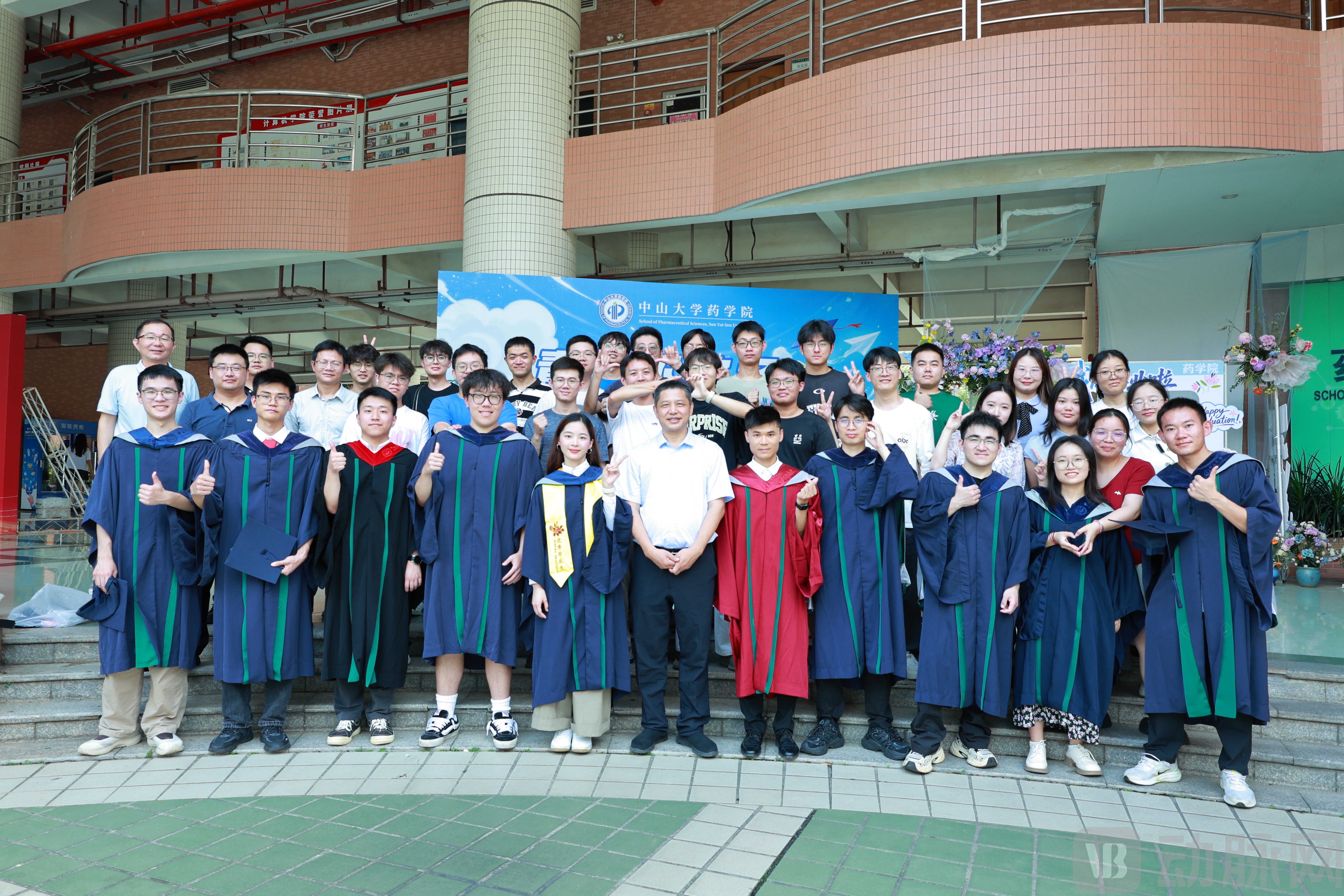
With the overall response rate to cancer immunotherapy stagnating at around 30%, identifying new breakthroughs has become a global consensus. Professor Hu Wenhao and Professor Zhang Xiaolei reveal their team’s strategy for breaking through this impasse:Leveraging proprietary chiral technology to precisely target the core mechanisms of tumor immune suppression, offering a novel approach to reactivating the body’s innate anti-cancer defenses.
They are targeting the clinically urgent field of tumor immunotherapy, focusing their efforts on developing A2AR chiral small-molecule antagonists that can enhance the efficacy of tumor immunotherapy—(S)-E8。
The “cunning” nature of tumors lies in their high heterogeneity and potent immune evasion capabilities. They can create a highly immunosuppressive microenvironment within the body, effectively placing “shackles” on immune cells and rendering them unable to recognize and attack cancer cells. Consequently, reversing this immunosuppression has become the next frontier in global cancer immunotherapy, following the advent of PD-1/PD-L1 inhibitors.
Professor Hu Wenhao’s team tackled the challenge by targeting the root cause of immunosuppression. They focused on a key “brake” molecule in the tumor microenvironment—Adenosine. Studies have found that the adenosine concentration in tumor tissues can be higher than that in normal tissues byNearly 1,000-foldOnce these excess adenosine molecules bind to adenosine A2A receptors (A2AR) on the surface of immune cells, they trigger inhibitory signals, plunging the immune system into a “dormant” state.
To block this process, a molecular “key” capable of precisely fitting into the “keyhole” of A2AR is required. This represents the core innovation of Professor Hu Wenhao’s team. Professor Hu used a vivid analogy to explain the intricacies of “chirality”: like left and right hands, chiral molecules are mirror images of each other but cannot be superimposed. Biological targets in the human body, such as proteins and receptors, also exhibit chirality; only molecules with matching configurations can bind to them with precision.
The team abandoned the internationally mainstream achiral molecular route,Adherence to Chiral Design. They developedA2AR Chiral Small-Molecule Antagonist—(S)-E8, just as for A2AR’s “lock-and-key” tailored “right-hand key” can block adenosine binding with high selectivity and high affinity, thereby reversing immunosuppression at its source and reawakening dormant immune cells to regain their tumor-killing potency.
The advantages conferred by chiral design are decisive.It signifies not only enhanced potency but also a superior safety profile. In preclinical studies, (S)-E8 demonstrated comprehensive superiority over international benchmark drugs. Head-to-head comparative experiments revealed that, owing to its precise target-binding capability, (S)-E8 exhibited significantly lower acute toxicity and fewer adverse effects on major organs—including the heart, liver, and kidneys—during long-term administration, while maintaining potent antitumor efficacy compared to the control drug.
More encouragingly, this candidate drug demonstrated particularly prominent inhibitory effects in tumor models characteristic of China’s high-incidence cancers, such as esophageal cancer. Its efficacy was consistently reproducible across multiple independent laboratories and diverse animal models, laying a solid foundation for subsequent translational research.
“New drug development is a complex systems engineering endeavor,” emphasized Professor Zhang Xiaolei in the interview,“From molecular screening and synthesis optimization to efficacy validation and safety evaluation, the deep integration of medicinal chemistry and pharmacology serves as the lifeline throughout the entire process.”
It is precisely this industrialization mindset and multidisciplinary collaboration model, embedded from the early stages of basic research, that have enabled the team to overcome numerous challenges and advance (S)-E8 step by step from a laboratory concept to the threshold of clinical translation.
In the arena of innovative drug development, daring to engage in “head-to-head” competition with international giants is the most direct demonstration of strength.
Professor Hu Wenhao’s team adopted a bold “benchmarking” strategy—Use a molecule from AstraZeneca as a direct reference.As one of the fastest-advancing drug candidates globally, AstraZeneca’s molecule has successfully completed Phase II clinical trials and is poised to enter Phase III. The team’s (S)-E8 targets this industry benchmark, aiming to achieve comprehensive superiority from molecular design to efficacy validation.
It must be emphasized that the adenosine receptor therapeutic area remains an “unexplored territory,” with no related drugs approved for marketing worldwide, leaving a substantial market void. On this strategic high ground,(S)-E8 demonstrates remarkable data:Within the existing evaluation framework, (S)-E8 has achieved comprehensive superiority over AstraZeneca’s benchmark molecule, both in terms of tumor suppression efficacy and safety window control. This represents not only a triumph of data but also signifies that (S)-E8 possesses the core potential to become a Best-in-Class drug.
More critically,(S)-E8 breaks through the limitations of traditional anti-tumor drugs, which follow the “one drug for one cancer” paradigm.Unlike traditional targeted therapies, which are often limited to specific cancer types or pathological stages, the mechanism of action of (S)-E8 directly targets the “universal switch” of the tumor immune microenvironment. By reversing immunosuppression and reshaping the microenvironment surrounding tumors, this modulation exhibits “broad-spectrum” characteristics. This means that as long as a tumor relies on the adenosine pathway for immune evasion, (S)-E8 holds promise for therapeutic efficacy. Spanning lung cancer, gastric cancer, and esophageal cancer to a broader range of solid tumors, its extensive indications not only offer new hope for patient survival but also open up a novel dimension of “treating different diseases with the same therapy” in tumor immunotherapy.
But new drug development is also a race against time.
Professor Hu Wenhao’s team is deeply versed in“Leave it to the professionals.”This is an ironclad rule of the industry. To accelerate the translation from laboratory to clinical practice, the team has constructed“University-Led Original Innovation + Professional Institution Empowerment” High-Efficiency Model:Leveraging the foundational advantages of universities in molecular discovery and feasibility validation, while engaging third-party professional institutions such as Medicilon for pilot-scale process development, toxicology, and pharmacodynamic evaluation, we ensure the impartiality, standardization, and traceability of data. While establishing a technological stronghold, the team has completed comprehensive global patent landscaping and secured backup molecules, thereby building robust technical barriers.
Currently, the team is making every effort to submit the Investigational New Drug (IND) application, aiming to complete Phase II clinical trials within two to four years and striving to achieve market approval through the expedited review pathway within six years.
Behind this grand vision lies the strong impetus of capital. The project plans to raise RMB 50 million, which will be precisely allocated toPreclinical studies, dual filing in China and the United States, and Phase Ia clinical trials.This funding serves not only as fuel to advance R&D but also as a litmus test for druggability. Should Phase I clinical data prove outstanding, the team will flexibly choose between independently advancing late-stage development or pursuing technology transfer as its commercialization path, based on investor preferences and data performance.
From source innovation to capital support, and then to a clear commercialization blueprint, this chiral small molecule with “best-in-class” potential is advancing rapidly onto the global stage, poised to break international monopolies and bring about a true therapeutic revolution for cancer patients in China.
Edited by: Zhou Mengya, Xu Yingqi, Feng Yuanyuan
Expert Commentary:
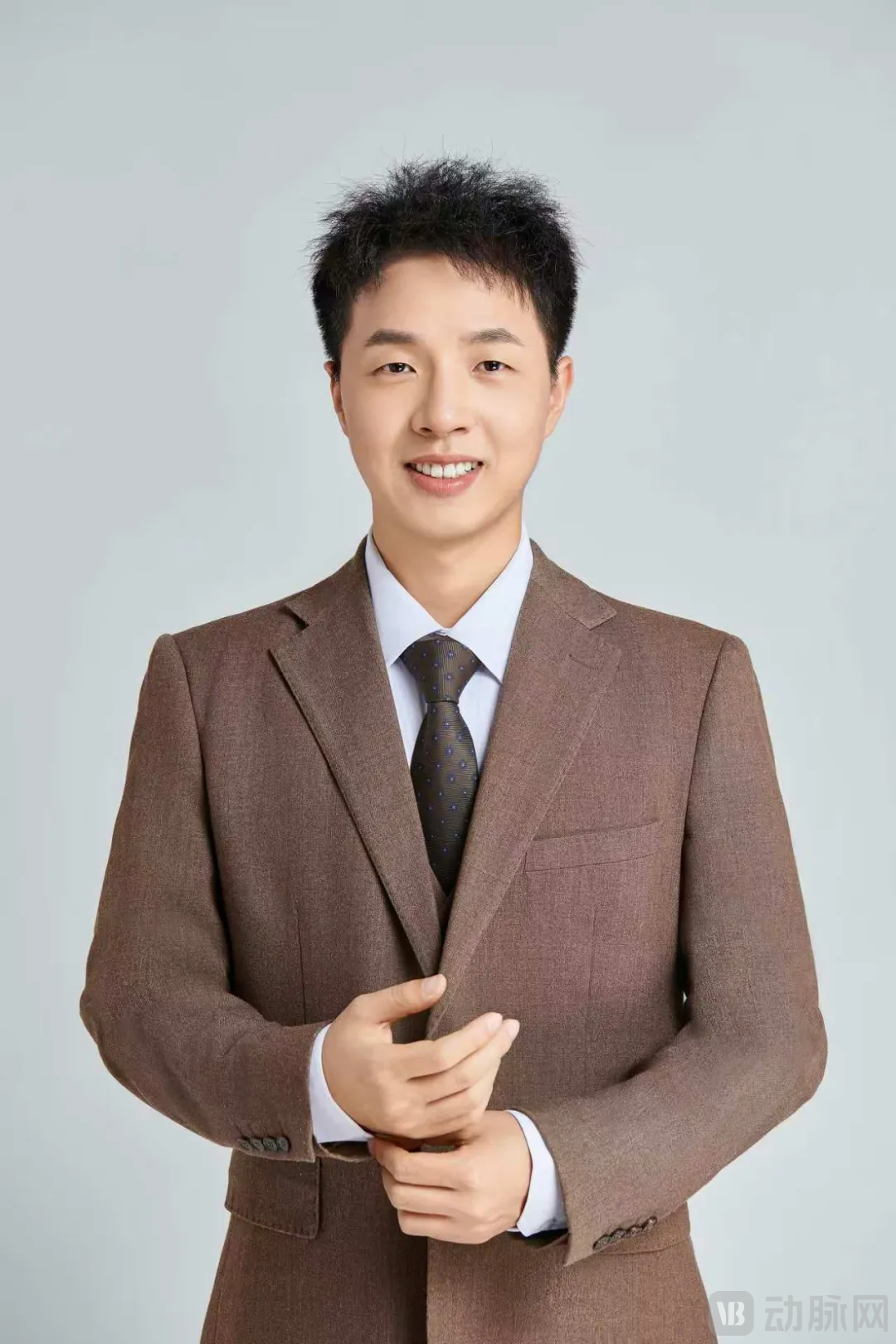
Chen Yiqun, General Manager of Shangjun Investment