

National Chips Empower Smart Cities: JiuXianQiao Forum Unlocks New AI-Driven Urban Development Paradigm for China's 15th Five-Year Plan
4On May 15, the 2026 Jiuxianqiao Forum kicked off simultaneously at the Beijing International Convention Center and the Beijing Digital Economy Computing Power Center. Themed “National Chips and AI Steering the Future,” the forum focused on key issues such as AI empowering local development, driving industrial innovation, and leading technological breakthroughs. Participants explored practical pathways for new forms of intelligent economy and built industry consensus on the high-quality development of China’s AI sector.
20262026 marks the inaugural year of China’s 15th Five-Year Plan. The Outline of the 15th Five-Year Plan explicitly proposes the comprehensive implementation of the “AI+” initiative, while this year’s Government Work Report introduces for the first time the concept of “forging a new paradigm of intelligent economy.” This signifies that AI development has entered a new stage, shifting from technological breakthroughs to industrial implementation, and from partial empowerment to systemic transformation. As cities serve as the core platforms for the large-scale deployment of AI applications, how to leverage AI capabilities to foster this new paradigm of intelligent economy has become a pivotal challenge facing all sectors of society.
This forum aims to establish a development foundation based on China’s domestic AI technology system, with the ultimate goal of “AI for Better Cities.” It advocates for new benchmarks, strengthens new infrastructure, launches joint initiatives, and creates new highlands, thereby constructing a new paradigm for integrated industrial and urban development:
New Benchmark:Release the "China Urban Artificial Intelligence Index Report" to clarify the direction of urban AI development through a scientifically standardized urban AI evaluation system;
New Foundation:Launch the next-generation AI production system “Spark·AI Cloud 2.0,” providing comprehensive support for the large-scale deployment of AI and its deep integration with industry and urban development;
New Initiative: Launch the "AI China Tour" initiative to promote the nationwide adoption of a new paradigm for industry-city integrated development, ensuring that AI technology takes root in industries and serves public welfare;
New Heights:Establish an Industrial Co-construction Alliance for the AI Innovation District to Support Beijing in Building the “World’s Leading City for Artificial Intelligence.”
This edition of the Jiuxianqiao Forum was guided by the China Computer Federation, hosted by Beidian Digital Intelligence, and received special support from the Administrative Committee of Zhongguancun Science Park Chaoyang District (Beijing Chaoyang District Bureau of Science, Technology and Informatization), the Beijing Chaoyang District Development and Reform Commission, Shanghai Securities News, and the Zhan Tianyou Science and Technology Development Foundation.Chen Zhaohui, Deputy Director of the Beijing Municipal Bureau of Economy and Information Technology,Ma Fuhai, Member of the 10th National Committee of the China Association for Science and Technology, Vice Chairman and Secretary-General of the Zhan Tianyou Science and Technology Development Foundation,Ye Guobiao, Secretary of the Party Committee and Chairman of Shanghai Securities NewsZhang Jinsong, Secretary of the Party Committee and Chairman of Beijing Electronics Holding Co., Ltd.Attended and delivered remarks. Zheng Weimin, Former Chairman of the China Computer Federation (CCF) and Academician of the Chinese Academy of Engineering; Li Haizhou, Academician of the Academy of Engineering Singapore and Dean of the School of Artificial Intelligence at The Chinese University of Hong Kong, Shenzhen; Gao Yuning, Deputy Dean of the School of Public Policy and Management at Tsinghua University and Deputy Dean of the Institute for Service Economy and Digital Governance; and Xie Dong, Chief Technology Officer of Beijing Electronics Data Intelligence, delivered keynote speeches. More than 1,000 guests, including representatives from provinces and municipalities across China, partners from upstream and downstream enterprises in the industrial chain, and experts from research institutions, gathered at the event to discuss new benchmarks for AI-empowered urban development.
# Anchoring on the Core Trends of Global AI Innovation
Strengthening the Foundation for the Development of China’s Domestic AI Chips
The generational evolution of artificial intelligence has always been underpinned by paradigm shifts in underlying infrastructure, with deep implementation in industrial scenarios serving as its core value proposition. At the forum, two academicians, drawing on global trends in AI transformation, provided forward-looking and pioneering industry insights.
“With the advent of the Agent era, tokens have become the unit of measurement for intelligence in the intelligent age.CCFZheng Weimin, Former Chairman and Academician of the Chinese Academy of EngineeringIn his speech, he pointed out that the core of AI industry competition has shifted from “competing on the scale of computing power clusters” to “competing on token production efficiency per watt,” with the industry’s development paradigm transitioning from MaaS (Model-as-a-Service) to TaaS (Token-as-a-Service). “In the future, as a new industrial-grade service system for producing intelligence in the era of AI agents, TaaS will not only unleash innovative vitality across industries and revitalize existing resources within China’s integrated national computing power network, but also promote the widespread accessibility of high-quality intelligent services. It will enable stable scheduling and supply of generative intelligence, much like utilities such as water and electricity, truly ushering in an era of inclusive intelligence.”
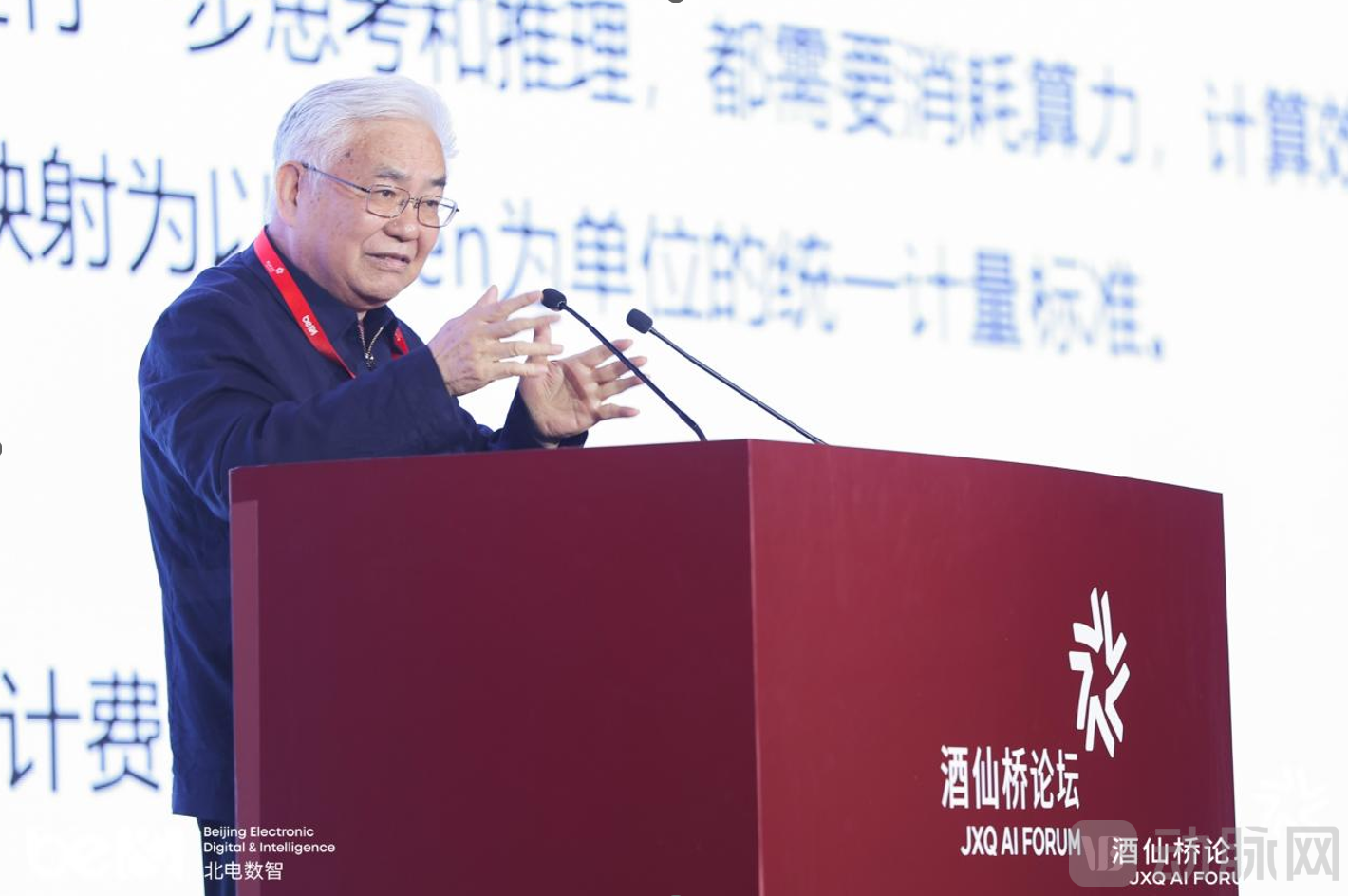
CCFFormer Chairman, Academician of the Chinese Academy of Engineering Zheng Weimin
““The global AI industry is at a critical inflection point marked by technological iteration and industrial implementation, with Chinese AI forces achieving leapfrog breakthroughs to join the first tier of global frontier competition,” emphasized Professor Li Haizhou, Academician of the Singapore Academy of Engineering and Dean of the School of Artificial Intelligence at The Chinese University of Hong Kong, Shenzhen. He highlighted that the performance gap between China’s and the United States’ cutting-edge large models has narrowed to its lowest level in history, while China leads globally in open-source models, making Chinese the second-largest language for AI interaction worldwide. “China has now formed a complete industrial ecosystem featuring synergistic development among tech giants and innovative AI enterprises. Sound computing infrastructure, a comprehensive industrial ecosystem, and a continuously growing talent pool are driving the Chinese AI industry to unleash strong momentum.”
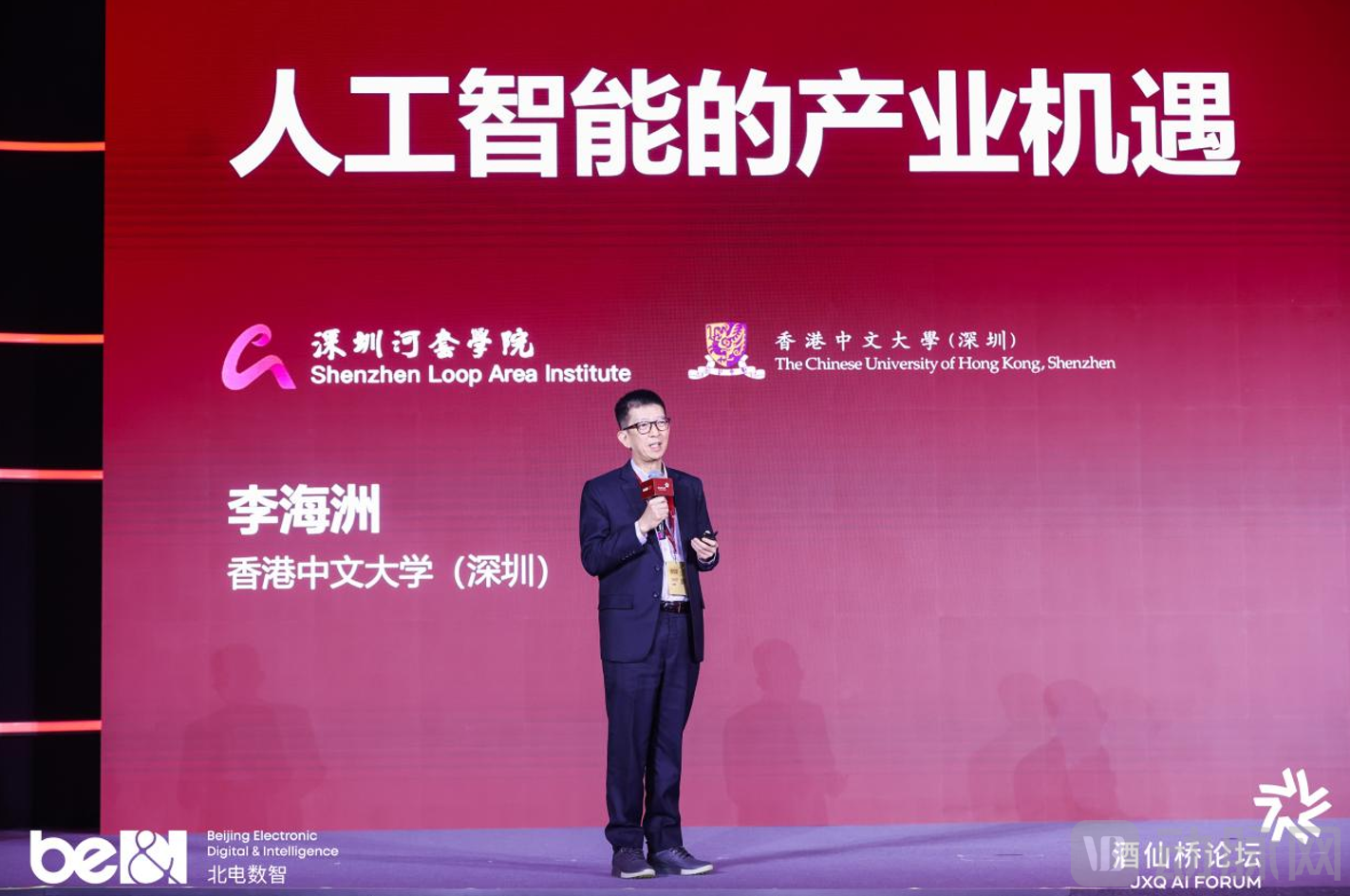
Academician of the Singapore Academy of Engineering
Li Haizhou, Dean of the School of Artificial Intelligence, The Chinese University of Hong Kong, Shenzhen
New Benchmarks, New Foundations, New Actions, New Heights
Co-creating a New Paradigm for Integrated Industry-City Development
First Report"China Urban Artificial Intelligence Index Report"Release, Establishing a "New Benchmark" for Industry-City Development
As artificial intelligence accelerates its penetration into various sectors of the economy and society, the development of AI in China’s cities has entered a new stage characterized by both gradient diffusion and structural transition, moving beyond the earlier phase dominated by leading hubs. There is an urgent need to provide targeted guidance through a scientific and unified evaluation system that accounts for differences in urban endowments. Against this backdrop, the “China City Artificial Intelligence Index Report” was officially released at this forum. The report was jointly developed by the Institute for Contemporary China Studies at Tsinghua University, Shanghai Securities News, Outlook Think Tank, and Beidian Digital Intelligence Research Institute, with significant contributions from expert teams including those from the University of Science and Technology of China and CICC Institute.
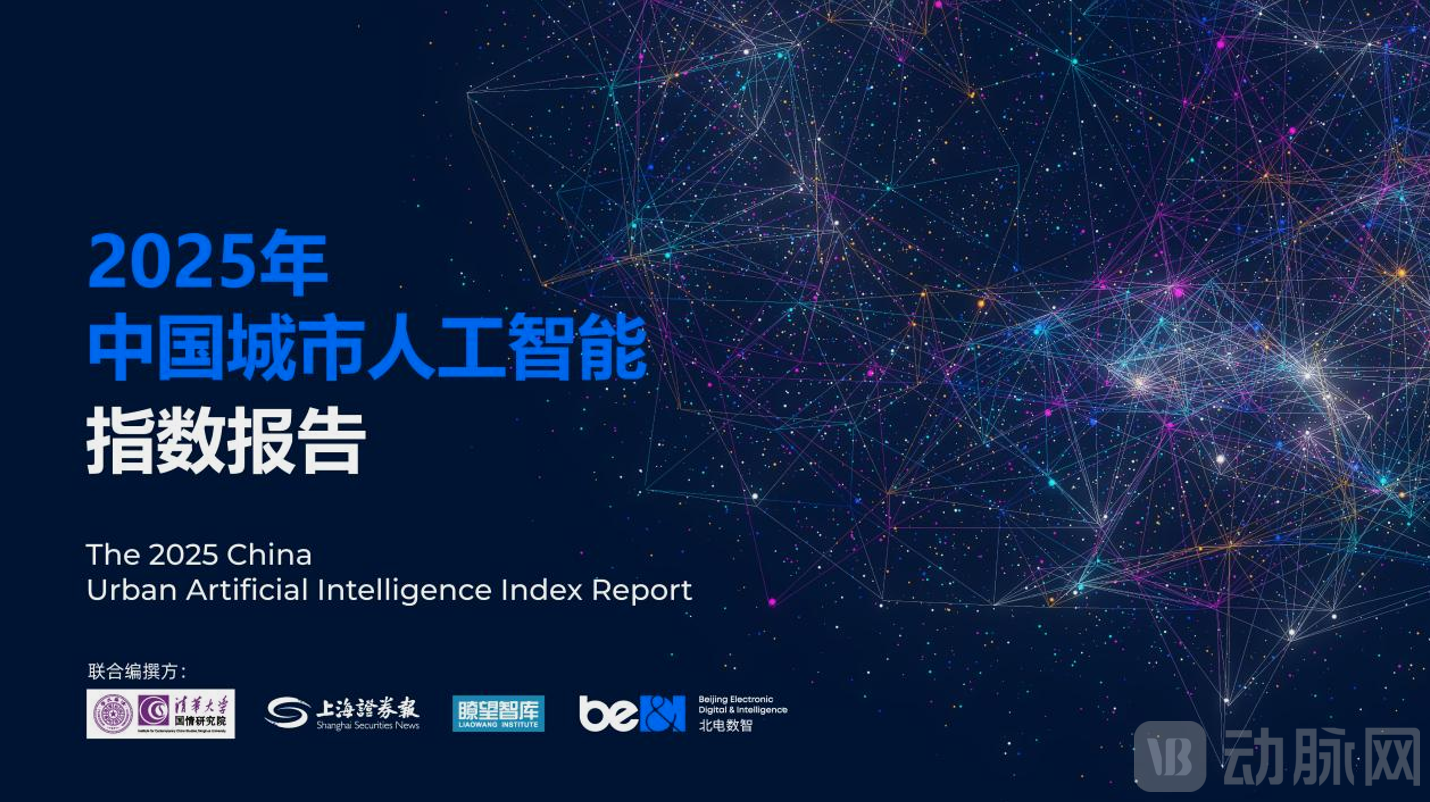
Anchored in the State Council’s “Opinions on Deepening the Implementation of the ‘AI+’ Action,” this report aims to establish a scientific and standardized evaluation system for urban AI development, precisely delineating gradient differences among cities, identifying regional strengths and weaknesses, and providing critical references for local governments to optimize industrial layouts, enterprises to seize market opportunities, and the national government to improve regional coordination policies. The report constructs an evaluation framework across four dimensions: “industrial development, technological innovation, public welfare services, and governance environment.” It posits that China’s urban AI development has formed a three-tier gradient structure comprising “leading, dynamic, and potential” cities, while also distilling practical experiences from benchmark cities.Provide Clear and Actionable Development Pathways for Different Types of Cities。
Gao Yuning, Deputy Dean of the School of Public Policy and Management at Tsinghua University, and Deputy Dean of the Institute for Service Economy and Digital Governancestated: “The report aims not only to delineate development disparities among cities, but also to help each city accurately define its positioning, identify its strengths and weaknesses, and pursue a differentiated path of AI development tailored to local endowments, thereby advancing artificial intelligence from technology supply to practical scenario implementation and broad-based public benefit.”
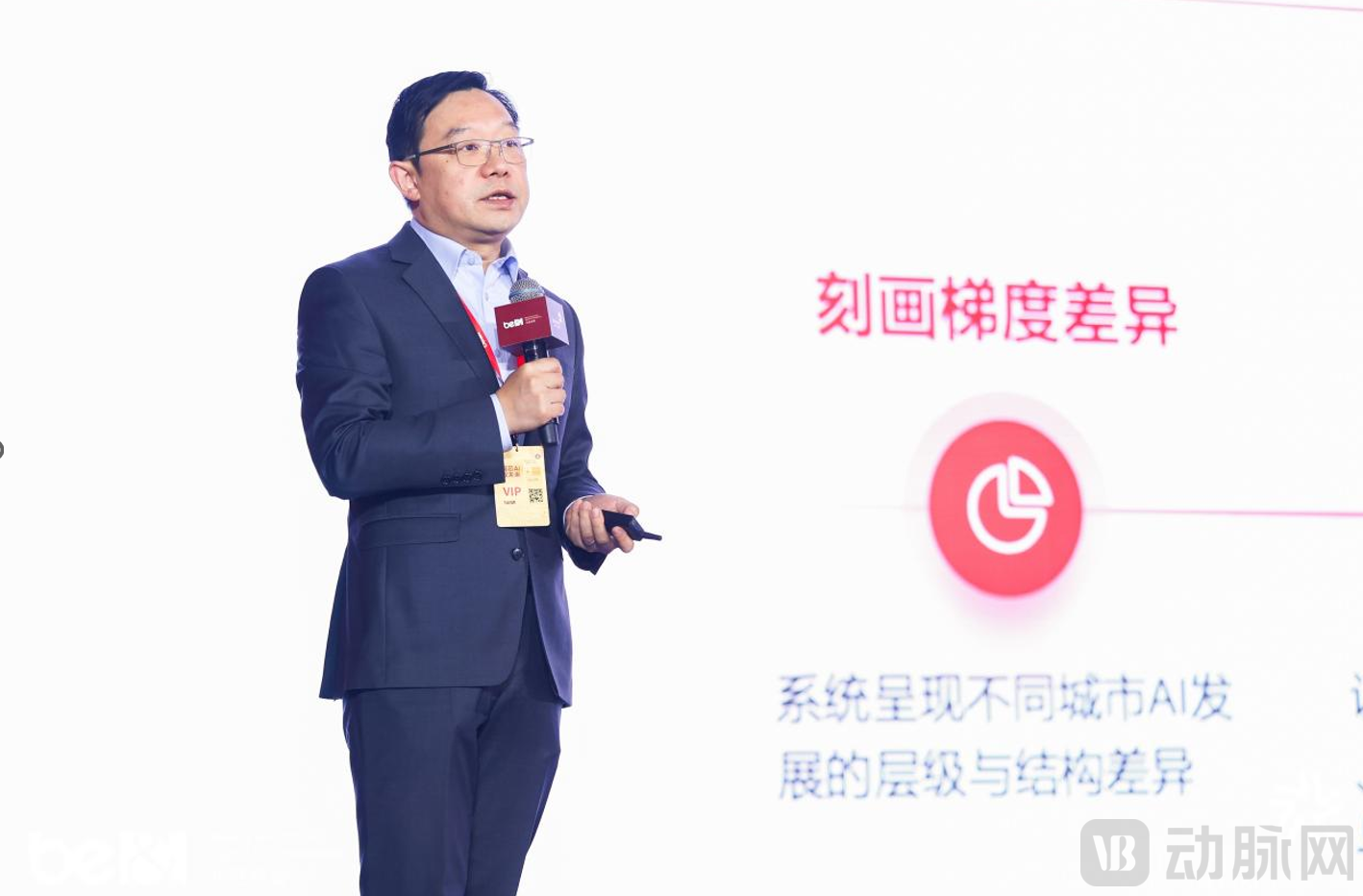
Vice Dean, School of Public Policy and Management, Tsinghua University
Gao Yuning, Deputy Dean of the Institute of Service Economy and Digital Governance
““Spark·AI Cloud” Upgraded to Version 2.0, Building a New AI Computing Foundation for Industry-City Development
Based on the regional disparities and synergy needs revealed in the “China Urban AI Index Report,” Beidian Digital Intelligence believes that the key to AI development lies not in isolated technological breakthroughs, but in building scalable, replicable infrastructure and an industry-wide collaborative ecosystem.Xie Dong, Chief Technology Officer of Beidian Digital Intelligencestated: “The hallmark of AI entering the stage of large-scale adoption is the lowering of usage barriers—enabling enterprises to leverage AI more cost-effectively and easily, thereby continuously transforming data into productivity.”
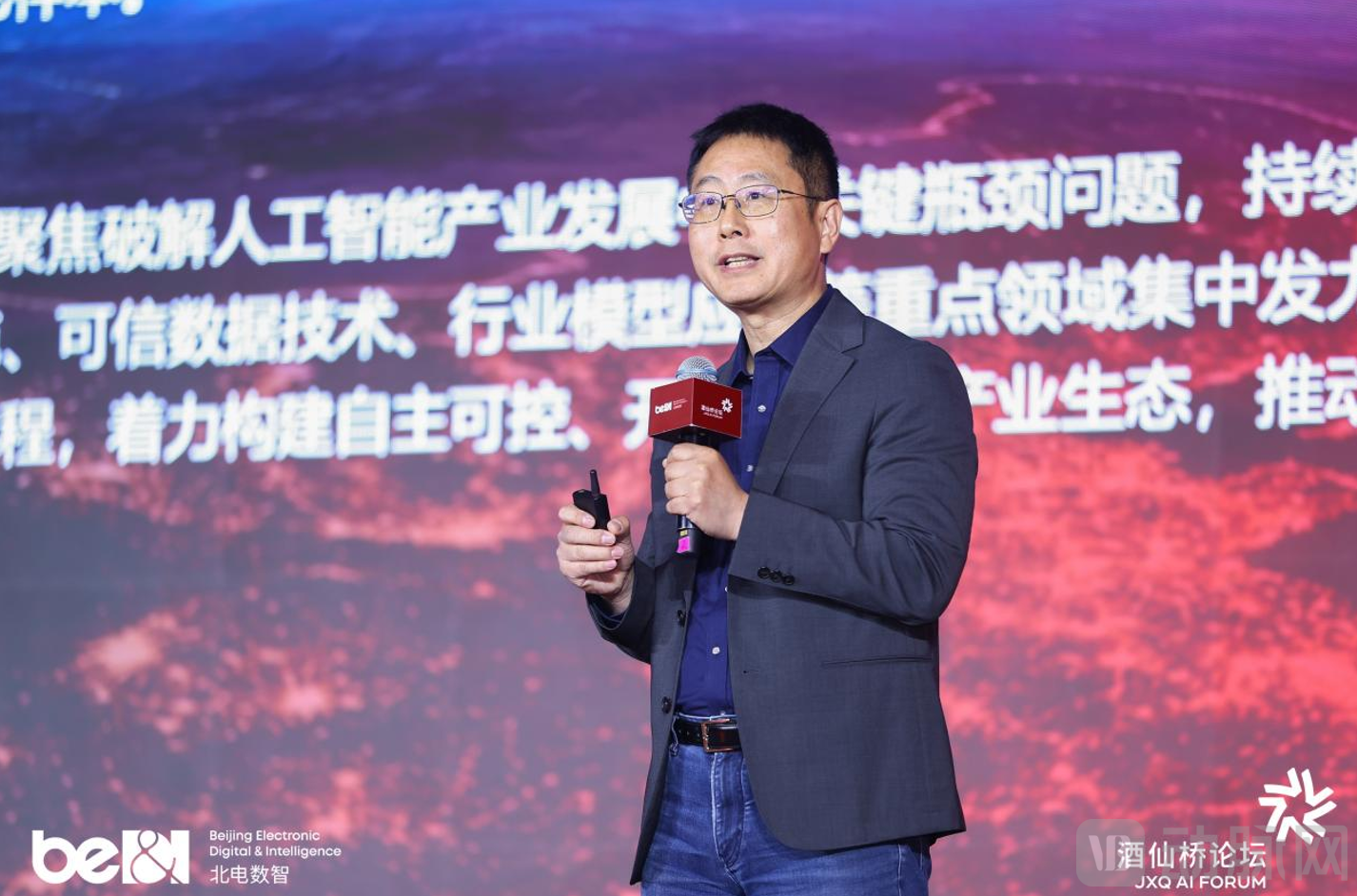
Xie Dong, Chief Technology Officer of Beidian Digital Intelligence
In this context, Beidian Shuzhi officially unveiled its next-generation AI production system—Xinghuo·AI Cloud 2.0—at the forum, marking an upgrade from a computing power platform to a comprehensive AI production system. Centered on “Qianjin·AIOS” and “Xintian·AgentOS,” Xinghuo·AI Cloud 2.0 integrates computing power, models, and application capabilities, providing an end-to-end encapsulation of the “data–computing–model–application” pipeline to deliver standardized, business-scenario-oriented solutions. The system aims to address three key challenges in AI implementation—complex deployment, high costs, and limited replicability—thereby facilitating the transition of AI from pilot applications to large-scale production.
At the application level, Beidian Digital Intelligence has proposed a development path of “One Foundation, Two Breakthroughs”: on one hand, it empowers industrial scenarios such as manufacturing, cultural tourism, and consumption to establish growth models; on the other hand, it serves public sectors including healthcare, government affairs, and education to enhance governance and service capabilities. Through continuous local operations and scenario accumulation, Beidian Digital Intelligence is driving AI capabilities from pilot applications to large-scale replication, accelerating the cultivation of new-quality productive forces.
“AI"China Tour" Initiative Launched: New "Action" to Radiate the New Paradigm of Industry-City Integration Nationwide
To accelerate the nationwide implementation and effectiveness of the new paradigm for industry-city growth, the “AI China Tour” initiative was officially launched at the forum. Jointly initiated by the Shanghai Securities News and Beidian Digital Intelligence, the initiative will collaborate with a high-caliber expert team from academia, research, and industry. Guided by the core philosophy of “influencing key stakeholders to leverage the future of industry,” it will draw on the survey findings and research accumulation of the “China City Artificial Intelligence Index Report.” Adhering to the empowerment strategy of “tailored policies for each locality and each industry,” the initiative will engage in discussions with local governments to diagnose and guide AI industrial planning, thereby continuously empowering more cities to upgrade their AI industries through a series of key measures.
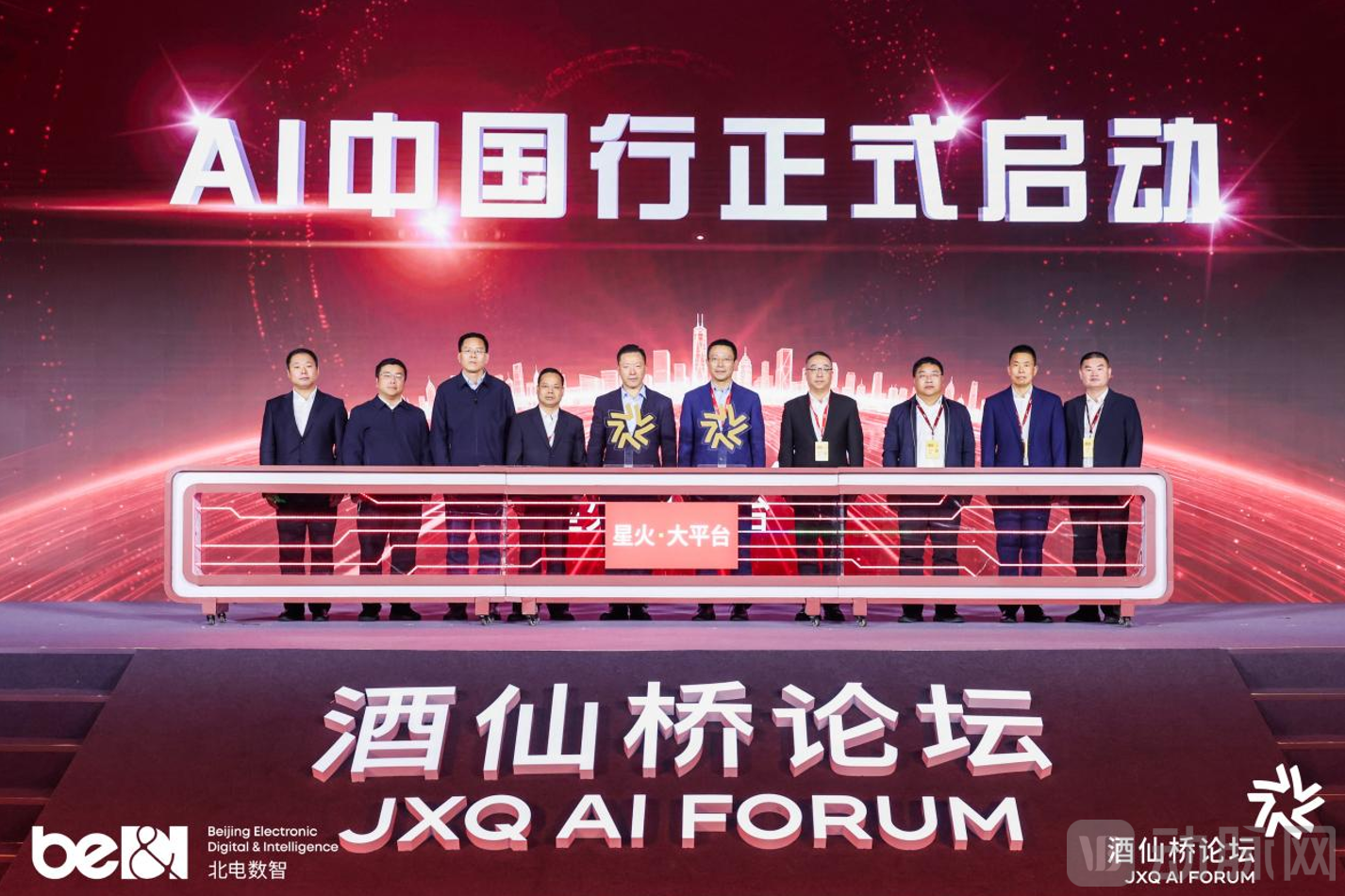
“AI China Tour” Launches
Establishment of the AI Innovation District Industry Co-Creation Alliance to Help Build a New Regional AI "Highland"
As a key vehicle for Beijing’s initiative to build itself into the “Global Leading City in Artificial Intelligence,” Beijing announced the first batch of four AI innovation districts this year, including Guangzhi Space in Chaoyang District. Positioned with the vision of “Integrating Photonics and Computing, Unlocking New Frontiers in Intelligence,” Guangzhi Space focuses on next-generation computing paradigms and the deep application of the AI industry. It aims to establish a comprehensive AI technology innovation service system, promote the deep empowerment of AI in various application scenarios, and cultivate new business formats and models. At the Jiuxianqiao Forum, Chaoyang District officially launched the global call for proposals to select the urban planning guideline drafting team, district LOGO, and digital cartoon mascot for the AI innovation districts. It also formally established the Industry Co-Building Alliance for AI Innovation Districts and initiated three major key projects, including the integration of quantum and optical computing. Moving forward, Beidian Digital Intelligence will deeply participate in the construction of the innovation districts, providing full-cycle support from technological innovation to industrial implementation, thereby helping the region establish a new highland for AI industry development.
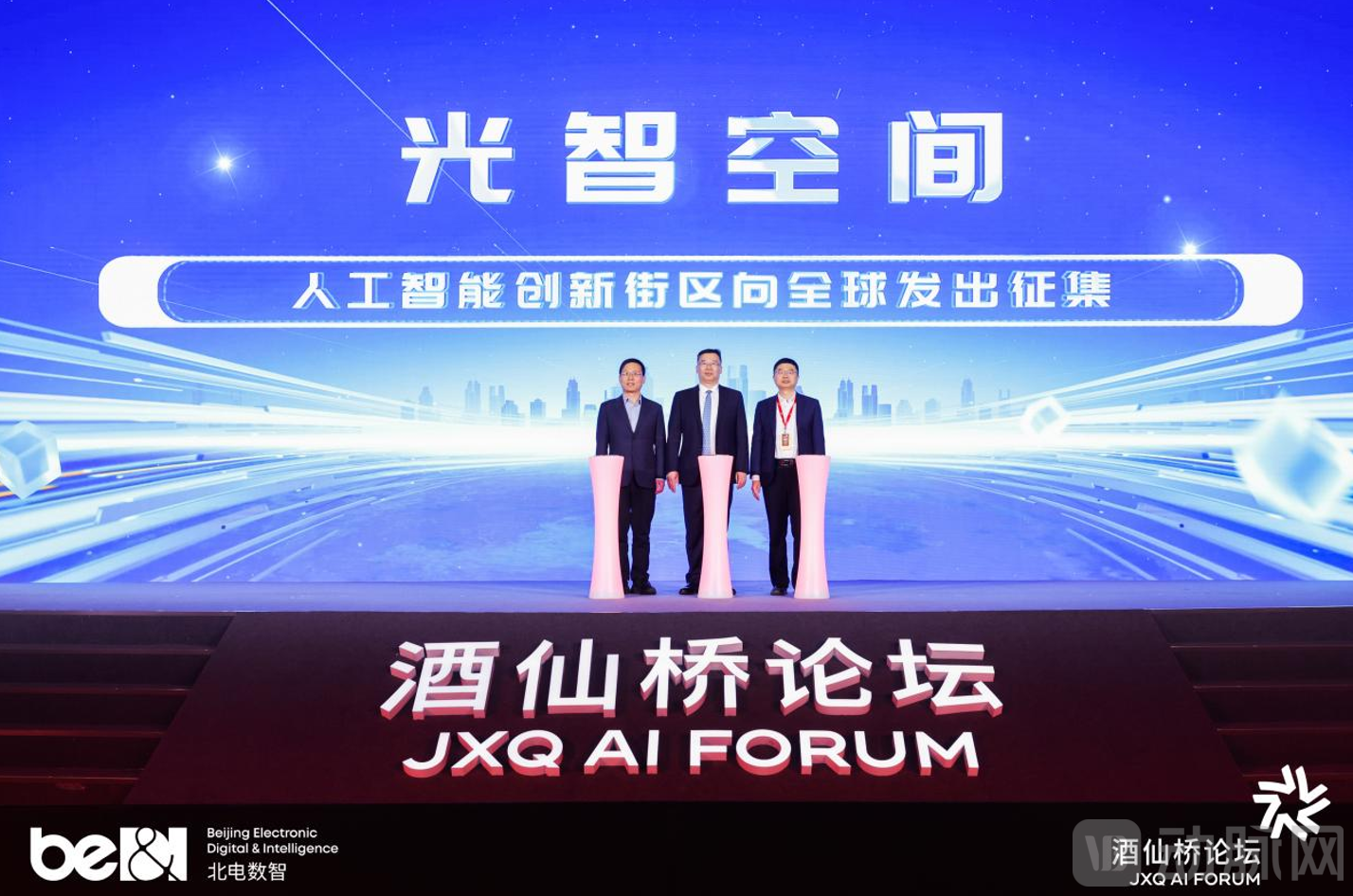
Global Call for Entries Launched by Guangzhi Space
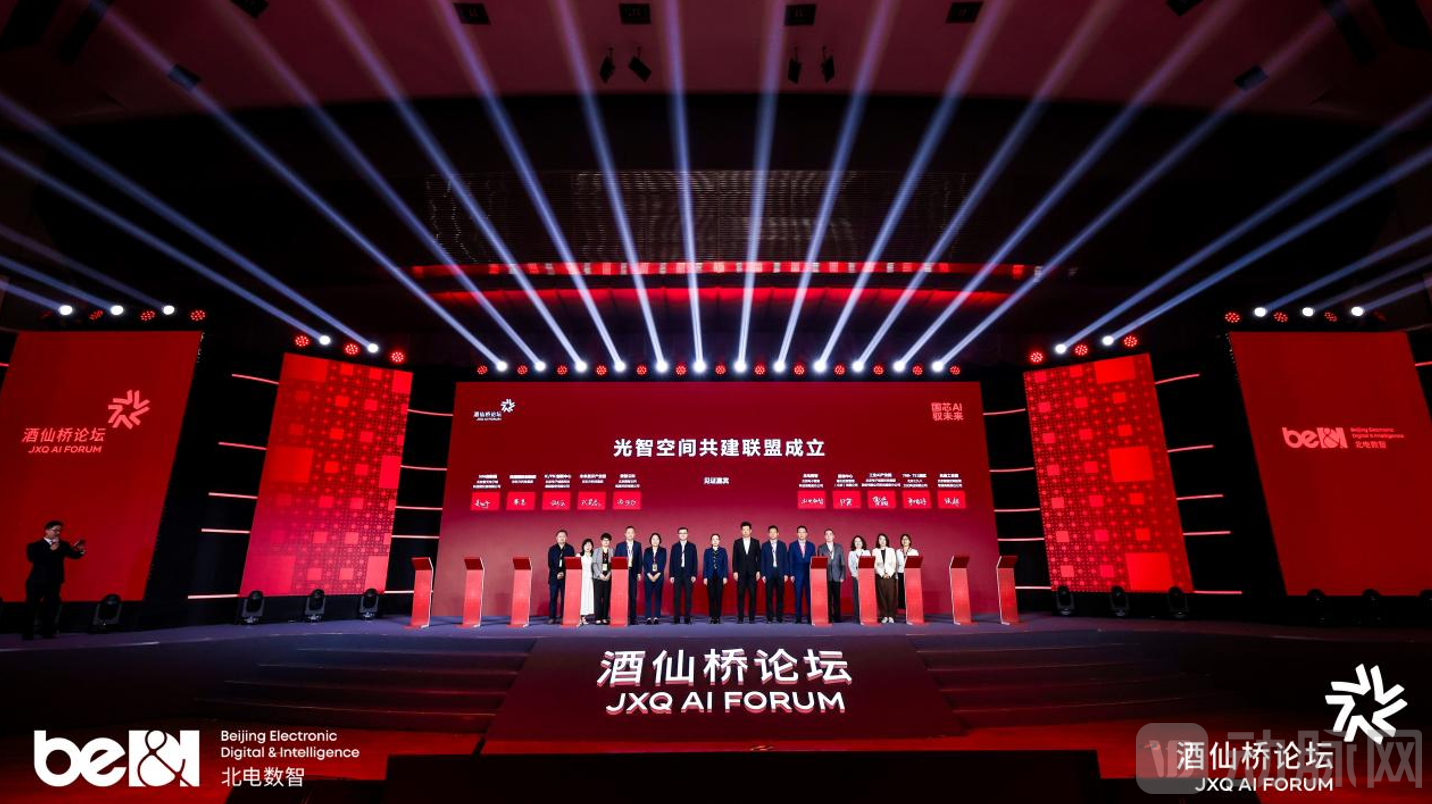
Establishment of the Guangzhi Space Co-Building Alliance
In-Depth Reflections by Industry-Academia-Research Experts
Pulse Check: Differentiated AI Development Paths in Chinese Cities
Based on"China Urban Artificial Intelligence Index Report"'s forward-looking insights, at the on-site roundtable forum themed "Exploring Differentiated Paths for Artificial Intelligence Development in Chinese Cities,"Chair Professor Ye Qiang of the University of Science and Technology of China, Dou Dejing, Chief Scientist at Beijing Digital Intelligence and a national-level leading talent, Gao Yuning, Deputy Dean of the School of Public Policy and Management at Tsinghua University and Deputy Dean of the Institute for Service Economy and Digital Governance, and Yang Zhen, CMO of Beijing Digital Intelligence, among other experts, engaged in in-depth deliberations on issues such as the AI development positioning of cities at different tiers, pathways for opening up application scenarios, and models for ecosystem cultivation.
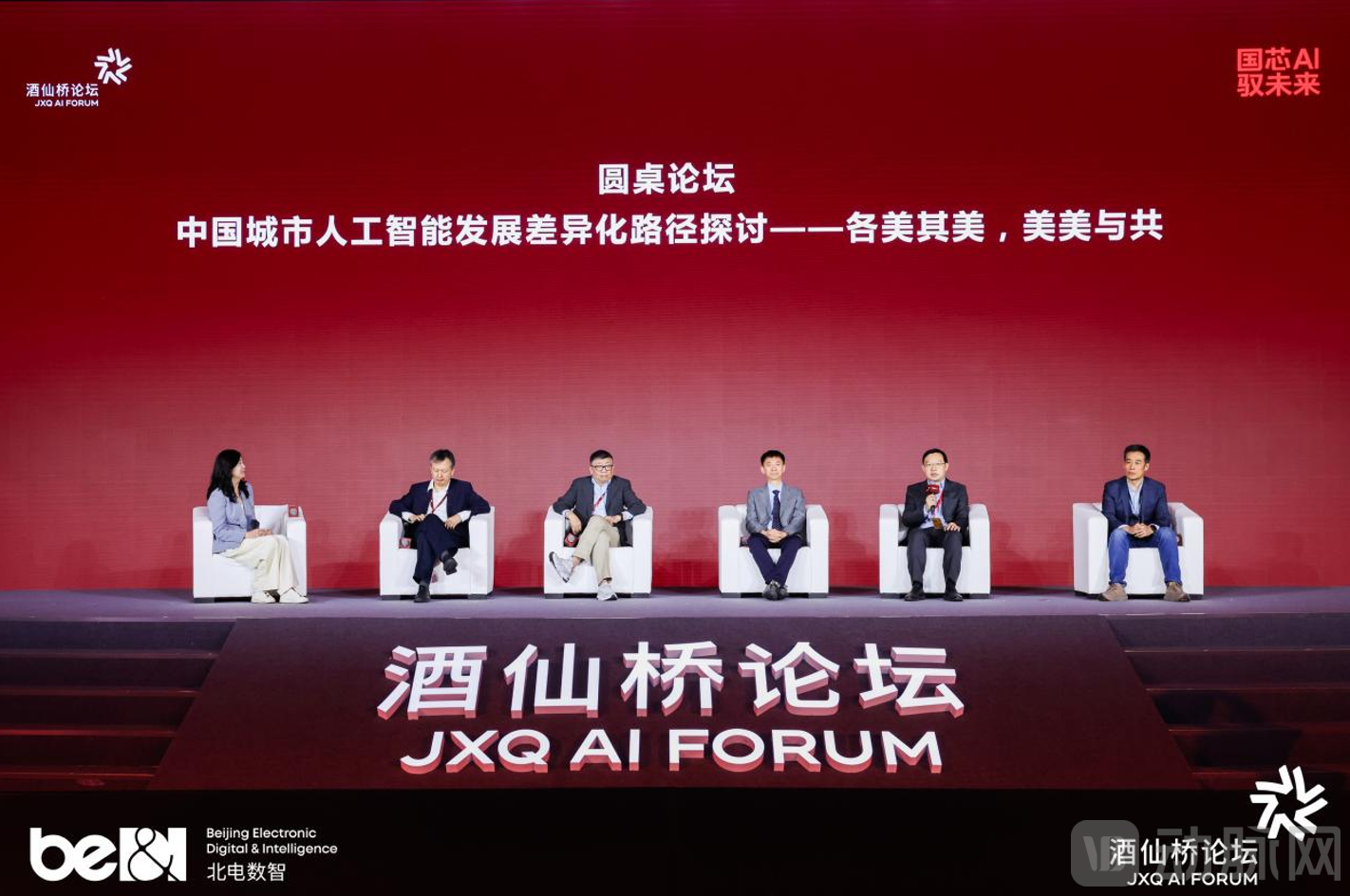
Roundtable Forum
Experts believe that the core of urban AI development during the 15th Five-Year Plan period has shifted from redundant construction of computing centers and a “technology race” to attract similar enterprises, toward competing on practical implementation effectiveness grounded in local scenarios. Localities should break away from the standardized path of “a thousand cities with one face,” avoiding the pitfalls of prioritizing hardware over operations and scale over efficiency. Instead, they should focus on the token economy and data governance, leveraging their own industrial endowments and public livelihood needs to drive large language models from R&D to scaled deployment through scenario-driven approaches. Meanwhile, by improving the policy toolkit and cross-regional AI ecosystem networks, AI can be truly transformed into an endogenous driving force for high-quality urban development.
As a professional forum platform focusing on frontier issues in the artificial intelligence industry, this year’s Jiuxianqiao Forum centered on four key themes: “Empowering Foundations · New Infrastructure,” “Empowering Cities · New Economy,” “Empowering Industries · New Upgrades,” and “Empowering Trends · New Future.” It featured 14 thematic sessions covering more than 100 topics, including computing power infrastructure, trusted data, smart cities, industrial applications, talent ecosystems, and investment and financing, thereby promoting experience sharing and ecological collaboration.
Standing at the outset of the 15th Five-Year Plan, the Jiuxianqiao Forum will continue to leverage its platform value, bringing together stakeholders from government, industry, academia, and research to drive the precise integration of AI into every facet of society, enabling each city to discover its own tailored pathway for growth.