

From 'Made in China' to 'China Solution': AI-Driven Innovation and Industry-Academia-Research Collaboration Reshaping the Sleep Respiratory Sector
Against the backdrop of the continued deepening of the “Healthy China 2030” strategy and the accelerated deployment of new-quality productive forces under the 15th Five-Year Plan, the sleep health industry is entering a critical window of development. Currently, over 300 million people in China suffer from sleep disorders of varying severity, with approximately 150 million requiring active medical intervention. The National Health Commission has included “sleep clinic services” among the eight key public-service initiatives for the entire health system in 2025, explicitly requiring that at least one hospital in each prefecture-level city provide sleep clinic services.
It was precisely under the dual drive of policy and demand that, on May 8, 2026, byThe “Research Project on Industry-Academia-Research Collaborative Innovation Leading High-Quality Development—Shenzhen Visit to the Sleep and Breathing Industry,” initiated by the Beijing Ziwei Chen Public Welfare FoundationThe event was held in Shenzhen. Leading domestic experts in sleep medicine and respiratory medicine gathered with representatives from clinical practice, scientific research, industry, and distribution channels to engage in in-depth discussions on core topics, including high-quality industry development, discipline construction, talent cultivation, AI technological innovation, and empowerment of primary healthcare.
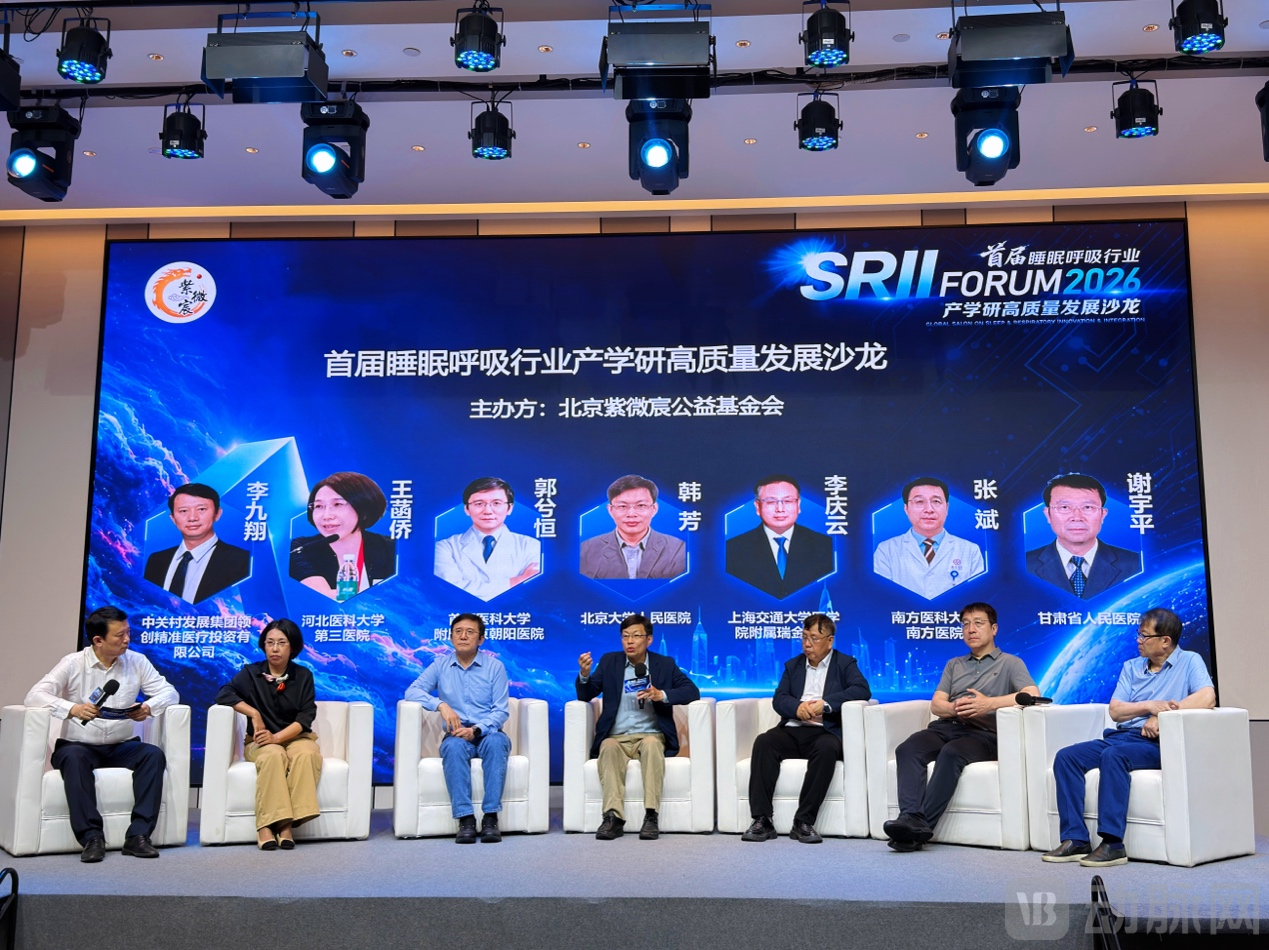
1System Upgrade: Deep Industry-Medical Collaboration and AI-Empowered Proactive Health
“Only by achieving true synergy among technology, clinical practice, and the market can the industry enter a new stage of high-quality development.” At the outset of the conference,Jiang Yunan, CEO of Shenzhen Weiqing Big Health Technology Co., Ltd.In his welcome address, he stated that against the backdrop of the “Healthy China 2030” strategy, the industry must focus not only on the products themselves but also on clinical value and long-term service capabilities. He proposed that future efforts should foster genuine synergy among clinical experts, research institutions, industry partners, and channel ecosystems, jointly driving the Chinese sleep and respiratory industry from “isolated breakthroughs” to “systematic upgrades.”
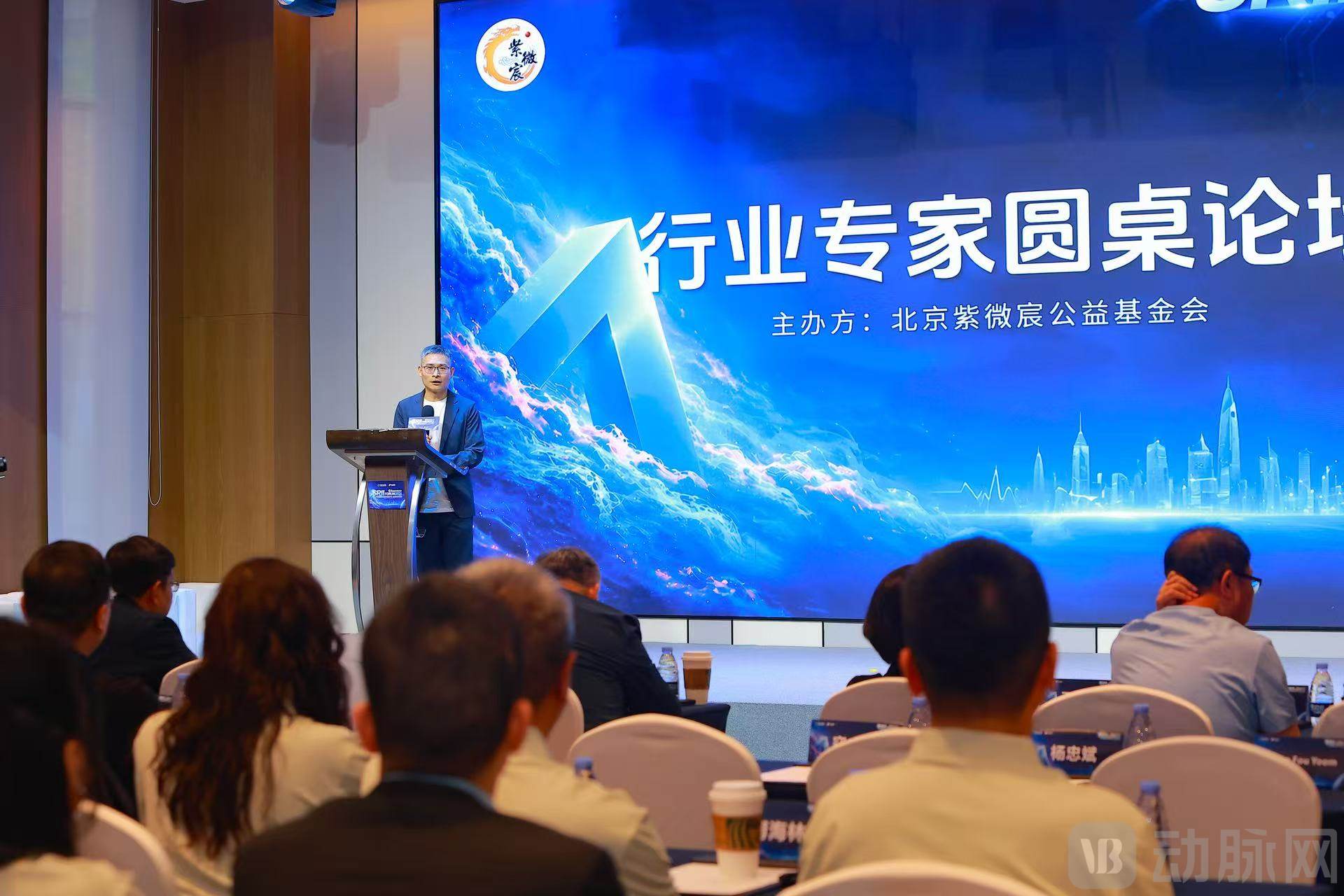
Jiang Yunan, CEO of Shenzhen Weiqing Big Health Technology Co., Ltd.
Professor Han Fang, Director of the Department of Sleep Medicine at Peking University People’s Hospital, Director of the Peking University Sleep Medicine Research Center, and Secretary-General of the World Association of Sleep MedicineHe responded from the perspective of medical-engineering collaboration, pointing directly to the core contradiction in the industry: “Without deep integration of medical-engineering collaboration, there can be no core competitiveness for the industry.” He noted that problems such as “working in isolation” and “disconnection between medicine and engineering” remain widespread in the current landscape. Truly excellent medical devices must be built upon a closed loop of “clinical validation–user feedback–iterative optimization.” To break through current bottlenecks, the industry should focus on five key areas: leadership in sleep disorder management, talent development, discipline construction, home-based care models, and health economics. He emphasized that “cultivating true disciplinary backbone professionals and industry elites” is fundamental to long-term development.
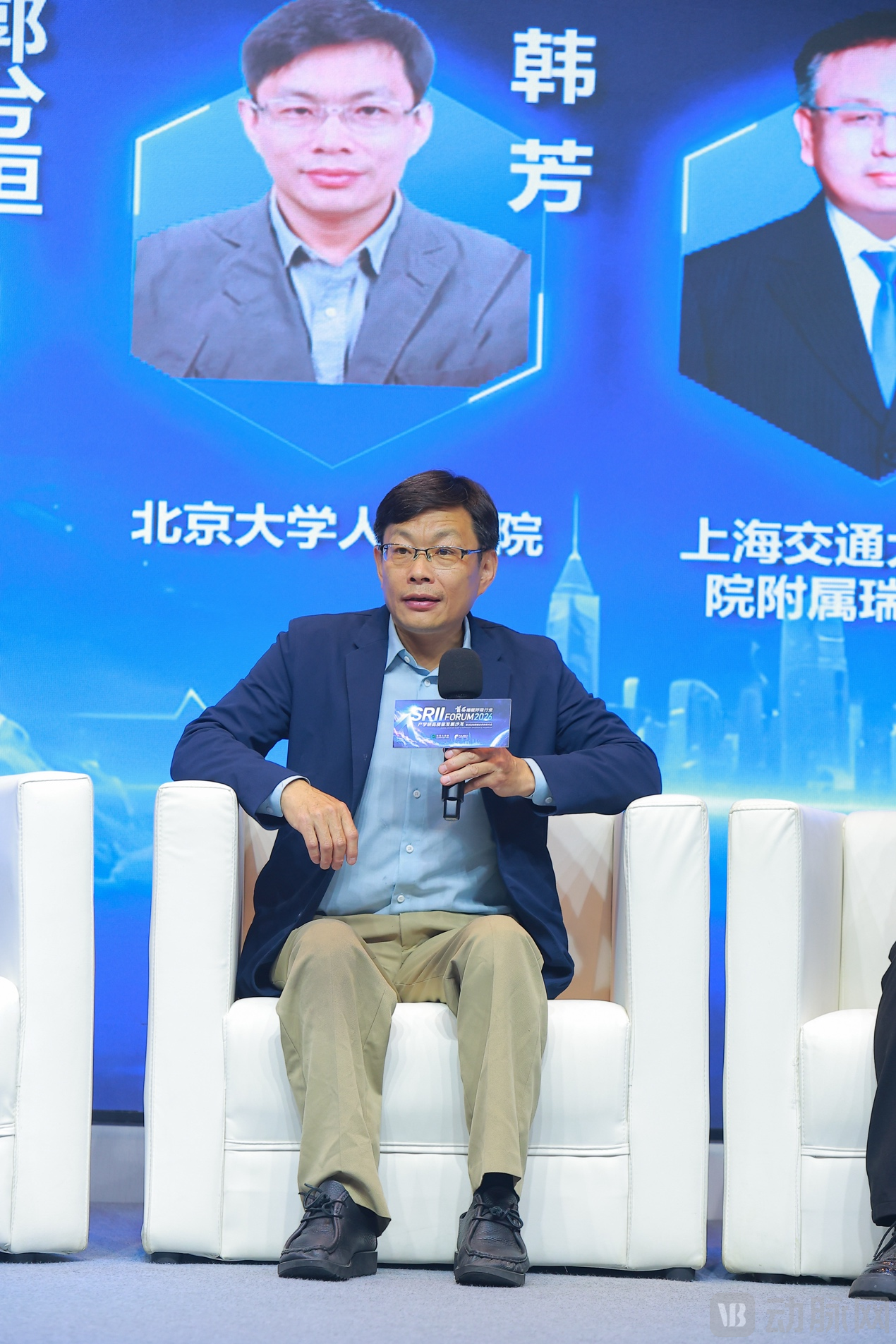
Professor Han Fang, Director of the Department of Sleep Medicine at Peking University People's Hospital, Director of the Peking University Sleep Medicine Research Center, and Secretary-General of the World Association of Sleep Medicine
Professor Li Qingyun, Director of the Department of Respiratory and Critical Care Medicine at Ruijin Hospital, Shanghai Jiao Tong University School of Medicine, and Chairman of the Sleep Medicine Professional Committee of the Chinese Medical Doctor AssociationHe proposed the concept of “Proactive Sleep Health,” advocating for a tripartite model integrating “Awareness, Action, and Intelligence.” In this framework, “Awareness” refers to enhancing public understanding, “Action” entails strengthening clinical interventions, and “Intelligence” leverages the empowerment of AI and big data. He believes that while AI and data intelligence will profoundly transform sleep medicine, technology must serve clinical practice and prioritize data security. “We are not only focusing on immediate sleep and breathing issues but also addressing long-term respiratory support challenges associated with chronic respiratory failure, aging populations, neuromuscular diseases, and chronic airway diseases.”

Professor Li Qingyun, Director of the Department of Respiratory and Critical Care Medicine at Ruijin Hospital, Shanghai Jiao Tong University School of Medicine, and Chairman of the Sleep Medicine Professional Committee of the Chinese Medical Doctor Association
2Breaking Through the Triple Barriers of Cognition, Service, and Discipline: Exploring New Business Models in Sleep Respiratory Medicine
The direction is clear, but the industry still faces specific implementation obstacles in bridging the gap between concept and reality.
Professor Guo Xiheng, Chief Physician in the Department of Respiratory and Critical Care Medicine at Beijing Chaoyang Hospital, Capital Medical University, and Chief Expert in Sleep Respiratory Science Communication under the China Association for Science and TechnologyHe pointed out that the primary obstacle is insufficient awareness. China has a large population of patients with sleep-disordered breathing, yet the awareness rate remains far lower than that for chronic conditions such as hypertension and diabetes. A significant number of individuals remain in a prolonged state of “sub-health,” characterized by drowsiness, somnolence, and fatigue, without being properly identified. “Physicians typically see only 20 to 30 patients per day, while a vast number of patients remain unrecognized. Enhanced public health education and science popularization can address many issues that are difficult to resolve through clinical practice alone.” He believes that AI technologies and remote management systems are becoming key levers for improving patient awareness and adherence.
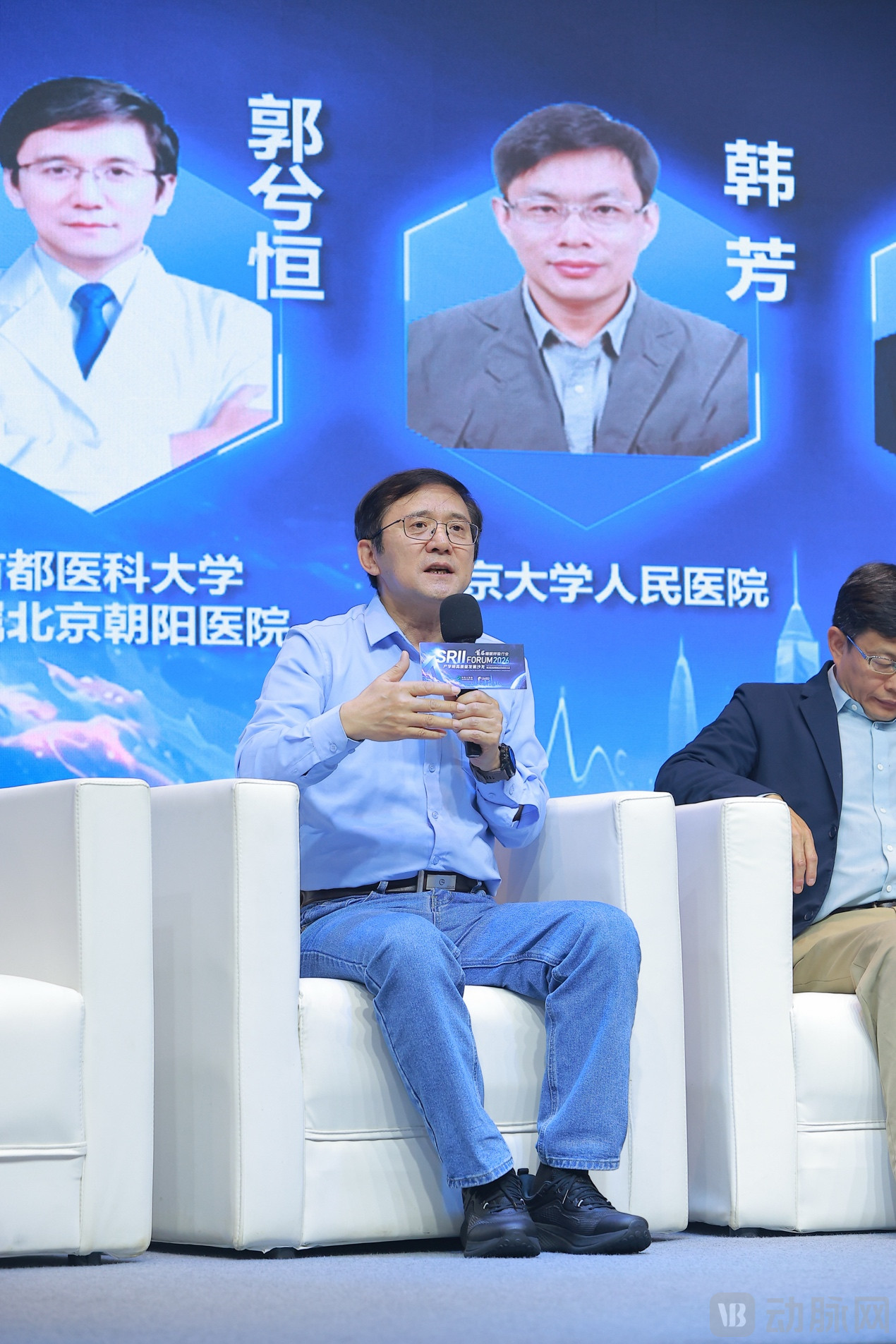
Professor Guo Xiheng, Chief Physician of the Department of Respiratory and Critical Care Medicine at Beijing Chaoyang Hospital, Capital Medical University, and Chief Expert in Sleep Respiratory Science Communication of the China Association for Science and Technology
Professor Wang Hanqiao, Director of the Department of Respiratory and Sleep Medicine at the Third Hospital of Hebei Medical University, and Executive Director of the Chinese Sleep Research SocietyThe focus then shifts to the second barrier—the service system. She directly points out the current “hollowing-out” dilemma facing sleep centers: many rely on part-time staff and lack professional sleep health managers, resulting in insufficient standardization of diagnosis and treatment and low patient adherence, with only about 25% of patients currently maintaining long-term treatment. She proposes that the industry must establish a tiered diagnosis and treatment system, build a workforce of professional sleep health managers, and create a complete closed-loop process ranging from screening to rehabilitation management.
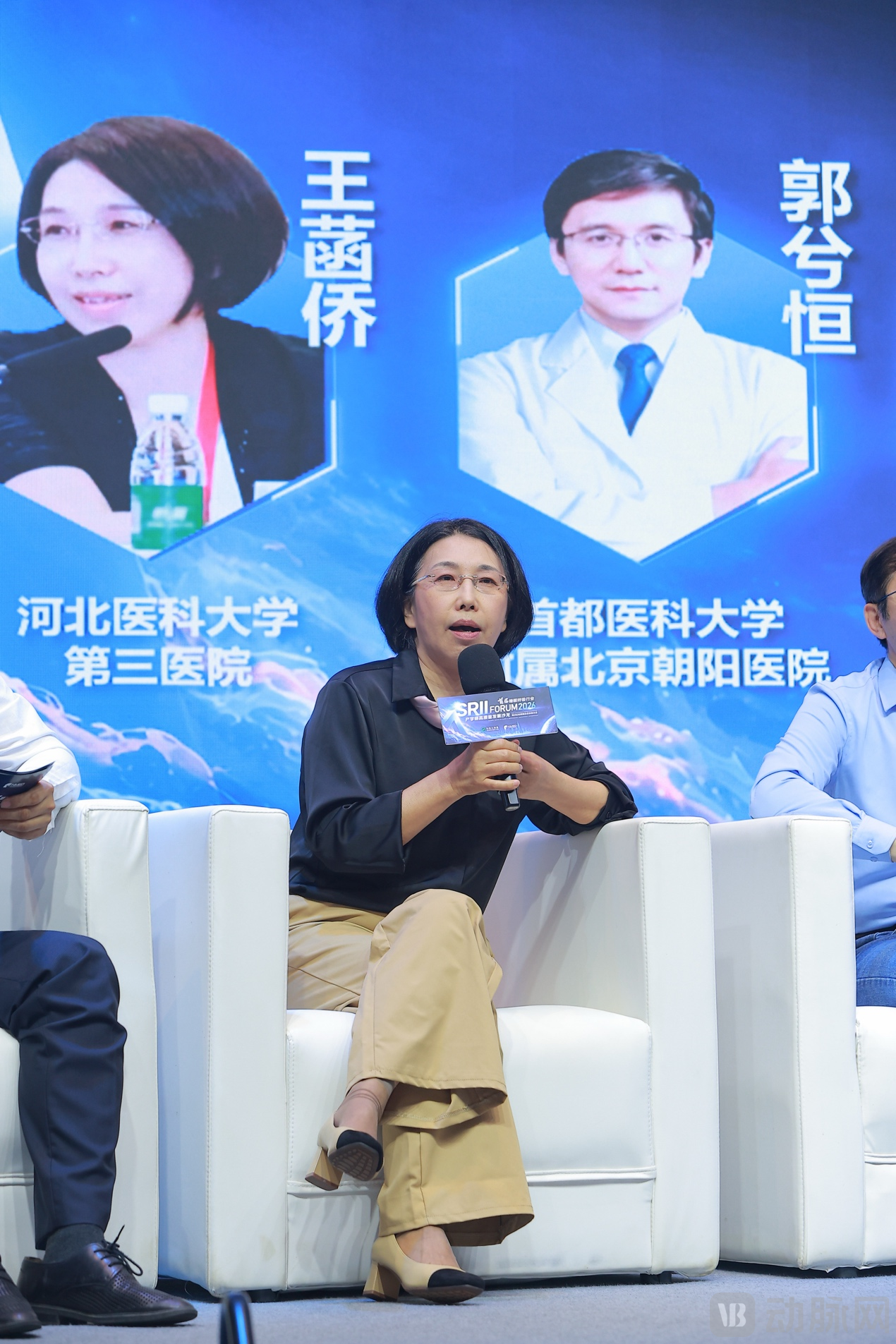
Professor Wang Hanqiao, Director of the Department of Respiratory and Sleep Medicine at the Third Hospital of Hebei Medical University, and Executive Director of the Chinese Sleep Research Society
The “hollowing out” of the service system is fundamentally rooted in the absence of talent education.Director, Department of Psychiatry and Psychology (Department of Sleep Medicine), Nanfang Hospital, Southern Medical University,Vice President of the Chinese Sleep Research SocietyProfessor Zhang BinFrom the perspective of discipline development, it is pointed out that obstructive sleep apnea is essentially a multisystem systemic disease requiring multidisciplinary collaboration among respiratory medicine, otolaryngology, cardiology, neurology, and psychiatry. However, sleep medicine is not yet an independent discipline, and the lack of systematic education represents the most significant shortfall. He recommended strengthening continuing medical education for physicians and establishing a systematic training framework.

Professor Zhang Bin, Director of the Department of Psychiatry and Psychology (Department of Sleep Medicine) at Nanfang Hospital of Southern Medical University, and Vice Chairman of the Chinese Sleep Research Society
Faced with triple barriers, an extended question arises: As the service system is gradually established, does the industry’s business model need to undergo synchronous transformation?Director of the Sleep Medicine Center, Gansu Provincial HospitalStanding Director of the Chinese Sleep Research SocietyProfessor Xie YupingHe shared a set of observations from western China. He noted that over 30,000 people in Gansu Province alone are using ventilators, yet patient adherence remains a significant challenge after purchase. He posed an open-ended question: “Can the industry draw on the sharing economy model to shift from selling products to providing services?” This perspective is closely aligned with AI-enabled remote management and long-term chronic disease management models, offering new insights for the industry’s business model transformation.

Professor Xie Yuping, Director of the Sleep Medicine Center at Gansu Provincial Hospital and Standing Director of the Chinese Sleep Research Society
3Visiting Frontline R&D Bases: Examining AI Practices in the Sleep Respiratory Industry from Three Perspectives
During the event, participating experts conducted on-site visits to the industrial practice unit of this initiative—the R&D and production base of Weiqing Big Health—focusing on AI-enabled smart sleep apnea ventilators, automated production lines, and an AI-powered remote data management platform. During the visit, the experts focused on three key areas:
First, collaborative closed-loop R&D between medicine and engineering.Weiqing deeply integrates clinical feedback and patient needs with product R&D, establishing a closed-loop system of “clinical validation–user feedback–continuous iteration.” In her research, Professor Han Fang stated, “This R&D model is highly consistent with the medical-engineering collaboration advocated by the current academic community.”
Second, the clinical value of AI remote management platforms.The remote management platform developed by Weiqing enables patient adherence tracking, risk early warning, intelligent intervention, and long-term chronic disease management. Professor Li Qingyun considers this a significant engineering implementation of the “proactive sleep health” concept.
Third, innovation exploration driven by intelligent technologies.During the research visit, the company showcased multiple explorations in areas such as artificial intelligence, big data, and remote management platforms, covering scenarios including patient management, clinical decision support, and long-term follow-up. Experts noted that with the deeper integration of AI technology and sleep medicine, the industry is evolving from traditional device-based therapy toward an intelligent, proactive, and full-cycle health management model, creating new opportunities for the upgrading of China’s domestic sleep apnea industry.
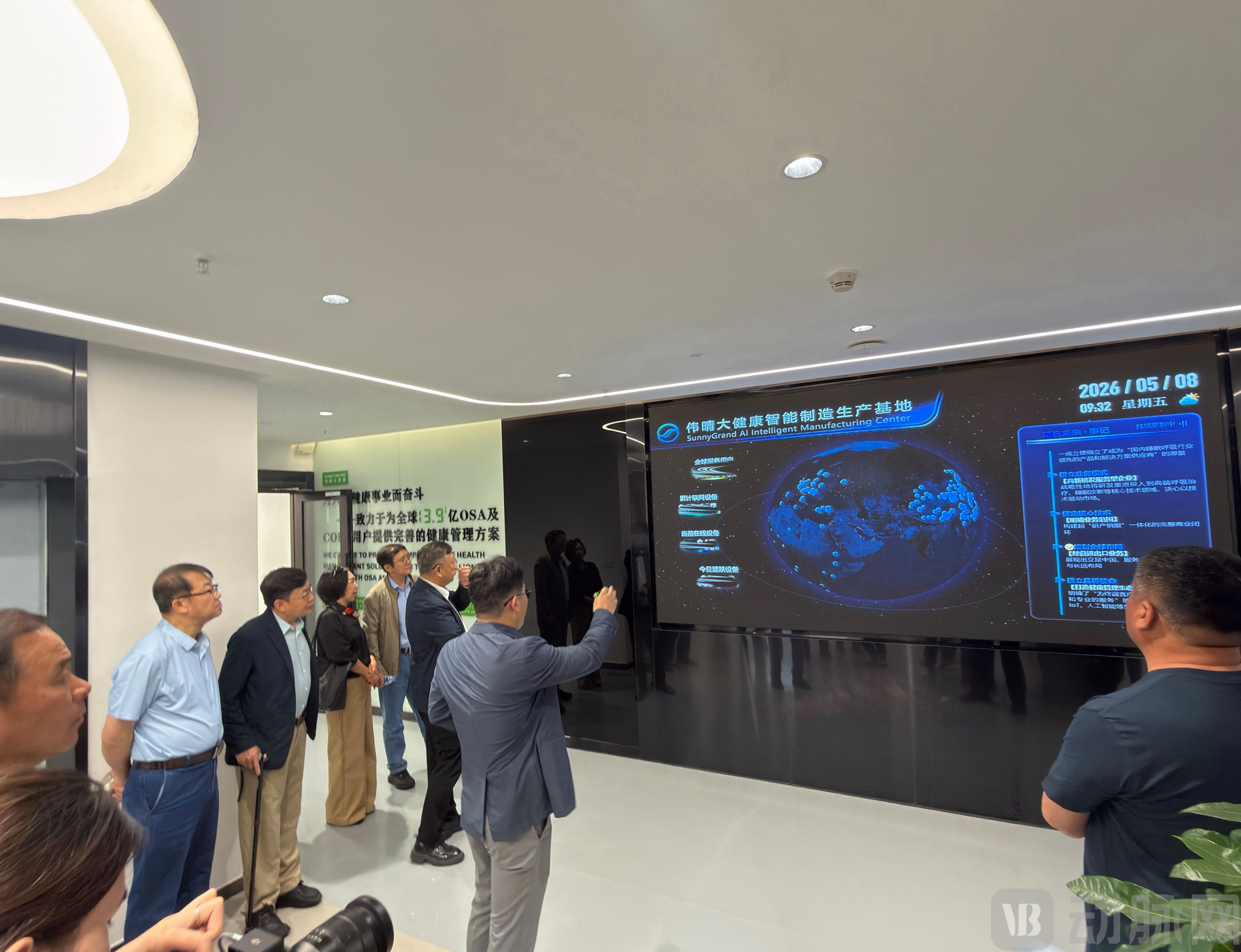
Expert Team Conducts On-Site Survey of Weiqing Big Health’s R&D and Production Base
4From “Made in China” to the “China Solution”: The Next Chapter for the Sleep and Respiratory Industry
A relevant official from the Beijing Ziwei Chen Public Welfare Foundation summarized that, looking ahead to the 15th Five-Year Plan period, China will continue to promote the deep integration of artificial intelligence, brain-computer interfaces, and other technologies with medical equipment, while adhering to medical-engineering collaboration and the translation of research achievements. As a significant independent risk factor for chronic diseases such as hypertension, coronary heart disease, and stroke, sleep-disordered breathing is seeing its domestic innovation and intelligent upgrading become an integral component of the Healthy China strategy.
Moving from competition based on single devices to systemic competition encompassing “medicine + AI + services + ecosystem,” shifting from traditional manufacturing logic to innovation driven by medical-engineering collaboration, and transitioning from a treatment-oriented approach to proactive health management—this trip to Shenzhen not only consolidated industry consensus but also demonstrated to the outside world that, with the continued integration of AI, telemedicine, and chronic disease management systems, new-generation Chinese sleep and respiratory companies represented by Weiqing Health are advancing from “Made in China” to “Chinese Solutions,” gradually participating in a new round of global competition in the sleep health industry.