

2026 Report on Early Commercialization of Brain-Computer Interfaces: Four Key Factors Shape Commercial Pathways, Non-Invasive Solutions Already Deployed
In 2026, the brain-computer interface (BCI) sector is regarded as entering a critical window for scaled application—marked by the opening of policy windows, sustained capital inflow, and significantly accelerated collaboration across the industrial chain—making early-stage commercialization of BCI a central theme in industry development.Jointly Initiated by VBInsight and the Brain-Computer Interface Community“Report on Early Commercialization Exploration of Brain-Computer Interfaces,” through in-depth research and interviewsNearly 20Innovative enterprises and leading investment institutions in the brain-computer interface (BCI) sector are conducting research and seeking answers, focusing on three key questions:(1) Why is now the right time to explore the commercialization of brain-computer interfaces? (2) What are the potential commercialization pathways for different technological approaches, and what are the core variables influencing pathway selection? (3) How can bottlenecks in commercial implementation be overcome?Key Conclusions:
I. The industrial ecosystem is becoming increasingly mature, laying the foundation for commercial implementation.With continuous policy support, ongoing technological breakthroughs, full-cycle capital investment, the industry entering mass production, and initial formation of industrial clusters, China has become a core participant and key driver in the global brain-computer interface (BCI) industrial ecosystem.
II. Diversified Commercialization Paths, but “Clinical Device Approval” Remains the Mainstream.“Clinical device registration + hospital procurement” remains the mainstream choice with the greatest current commercialization value; non-invasive brain-computer interfaces have achieved implementation in B2B customized scenarios within the consumer healthcare sector, and are accelerating market penetration and fostering broader market awareness through consumer-grade product innovation and ecosystem development.
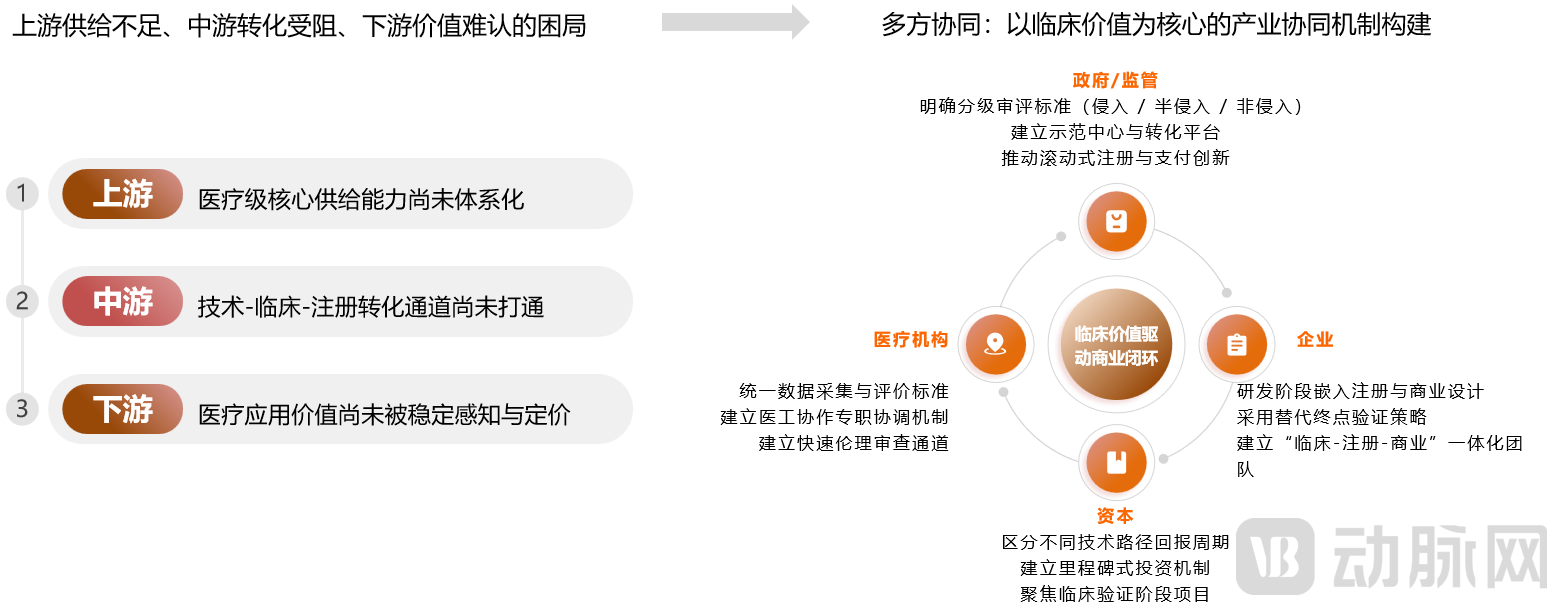
III. Systemic Dilemmas Require Collaborative Efforts Across the Industry Chain to Resolve.Commercialization challenges stem from a systemic, end-to-end bottleneck across the entire industry chain: insufficient supply of core upstream components, impediments in converting midstream technologies into marketable products, and misaligned perceptions of market value downstream. To break this deadlock and accelerate commercial deployment, all stakeholders across the industry chain must establish collaborative mechanisms centered on “value creation.” The key conclusions are as follows:
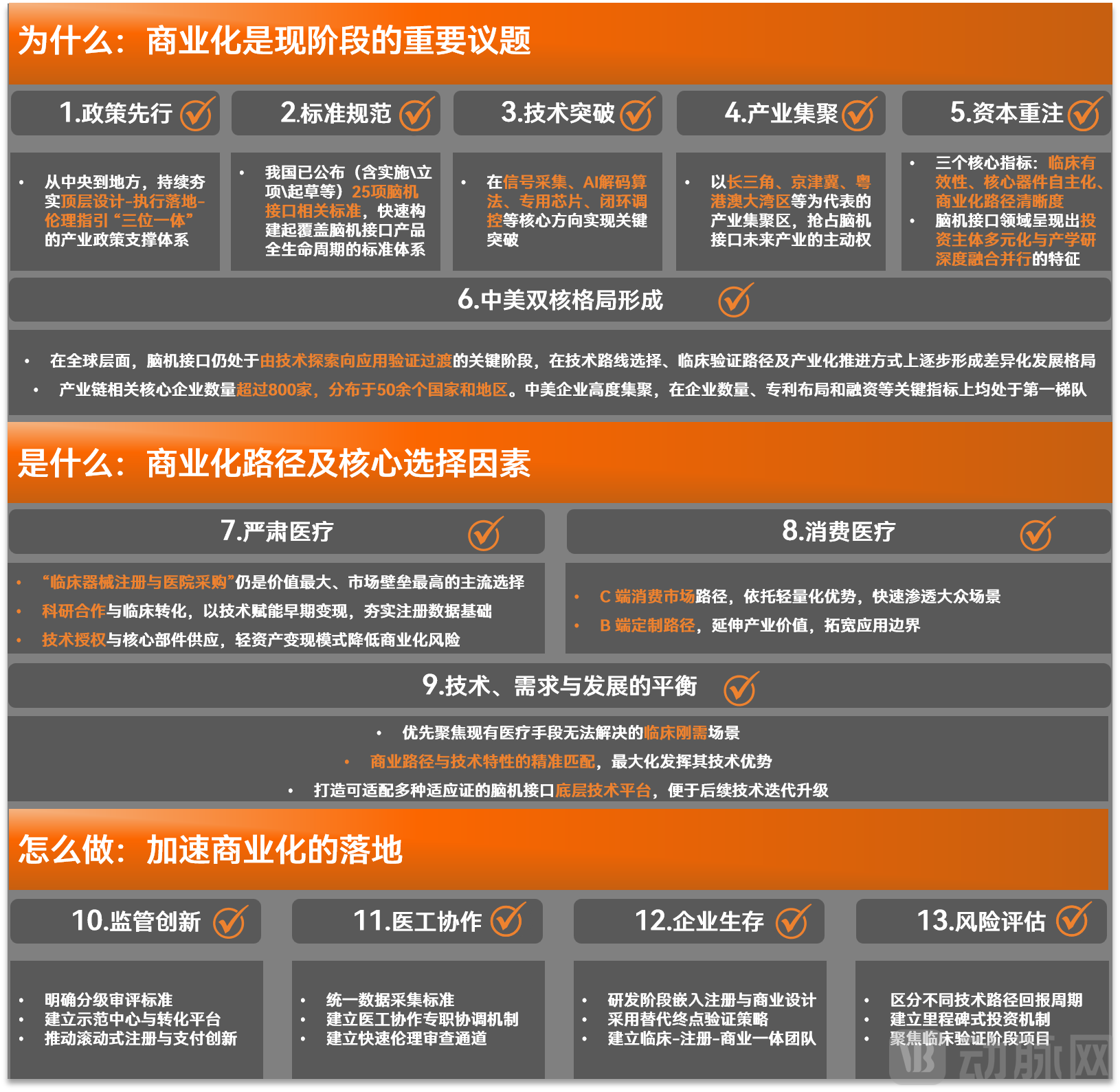
The brain-computer interface (BCI) industry ecosystem is maturing, laying the foundation for commercial deployment.With continuous policy support, ongoing technological breakthroughs, comprehensive lifecycle capital investment, the industry entering mass production, and initial formation of industrial clusters, China has become a core participant and key driver in the global brain-computer interface (BCI) ecosystem.
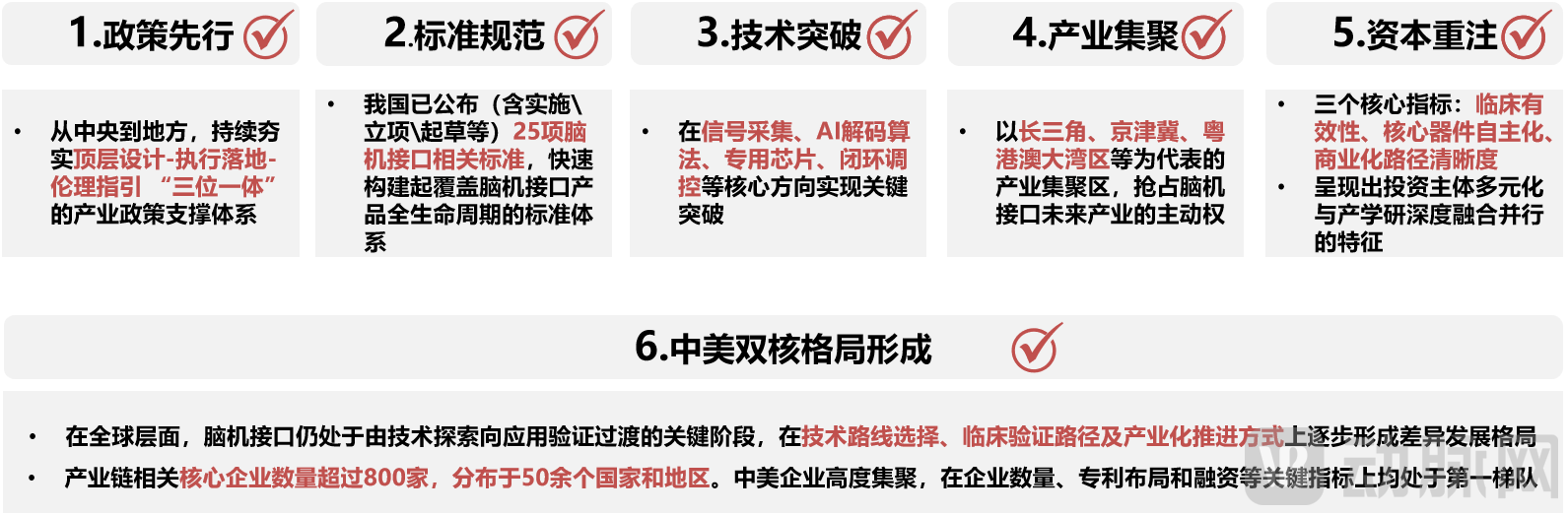
In light of the differing clinical needs and application scenarios associated with various types of brain-computer interface (BCI) technologies, VCBeat will conduct an in-depth analysis of the commercialization pathways for both invasive and non-invasive BCIs. Specifically, in accordance with the “Guiding Principles for the Generic Naming of Medical Devices Utilizing Brain-Computer Interface Technology,” VBInsight categorizes invasive BCI products into two major groups: rehabilitation and compensation devices, and neuromodulation devices. The classification of BCIs adopted in this report is as follows:
1Invasive Rehabilitative Compensatory Brain-Computer Interface
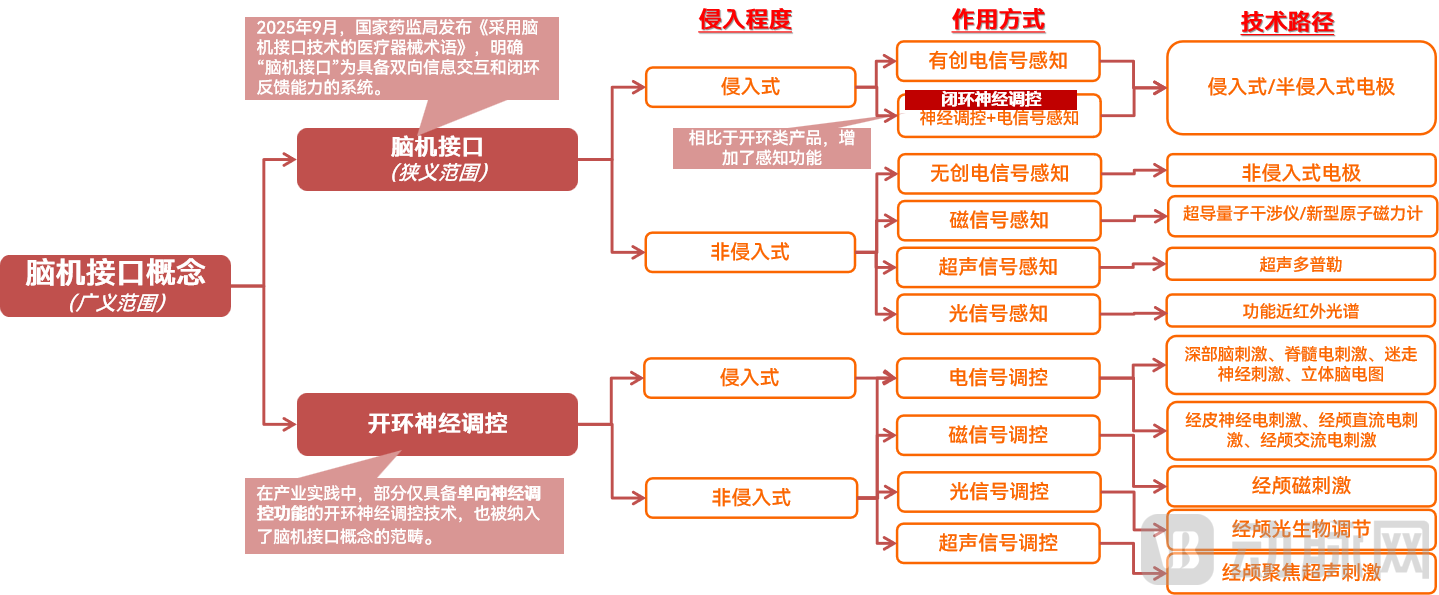
Invasive brain-computer interfaces (BCIs) represent the core pathway of BCI technology, with signal acquisition quality, long-term stability, and implantation safety remaining central focal points for industry development. Currently, the industry is driving innovation in key areas—including electrode fabrication, decoding algorithms, specialized chips, and foundational intelligent platforms—to accelerate the clinical translation of invasive BCIs.
As of the end of 2025, the overall number of clinical trials remained limited, with most companies conducting only single-digit trials and planning to initiate large-scale clinical trials in 2026. Below are selected brain-computer interface (BCI) clinical trials conducted in 2025, as compiled by VBInsight.
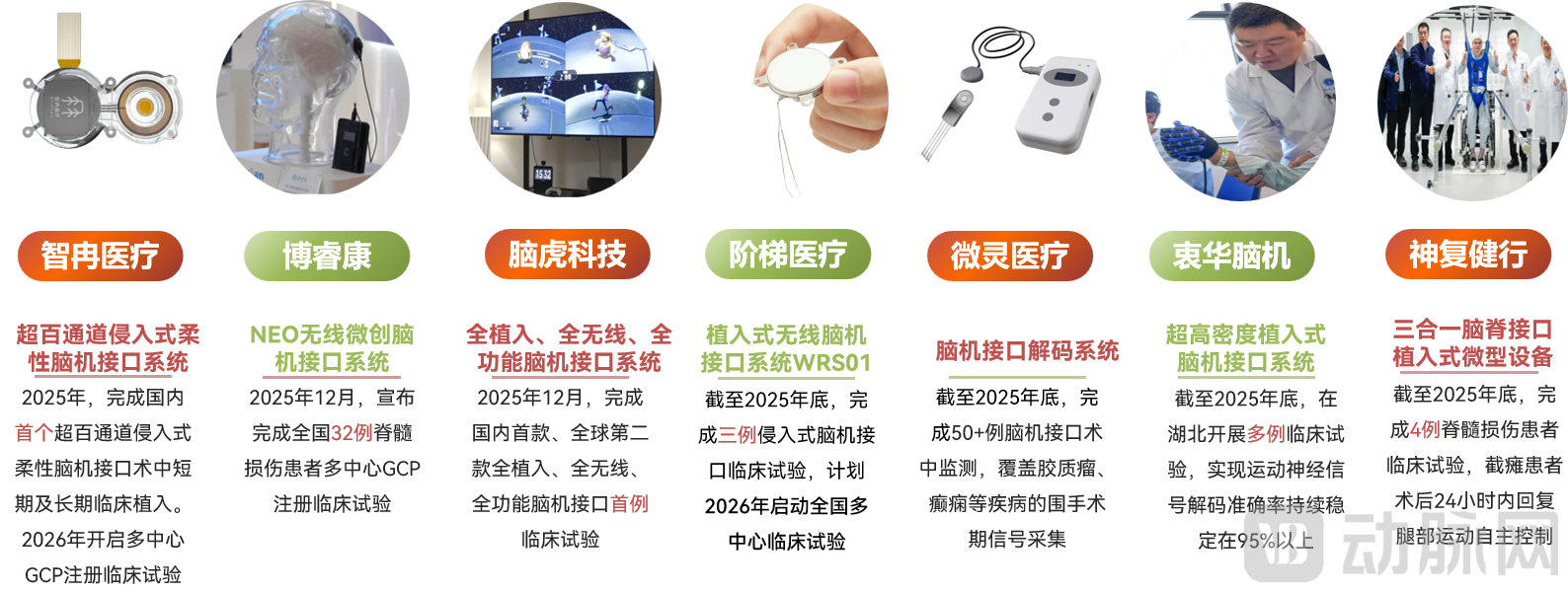
Currently, Neuracle, Zhiran Medical, Jieti Medical, NeuroXess, Shenfu Jianxing, and Zhonghua BCI have each conducted varying numbers of clinical validations and registered clinical trials targeting patients with paraplegia, thereby preliminarily verifying the clinical safety and efficacy of their products.
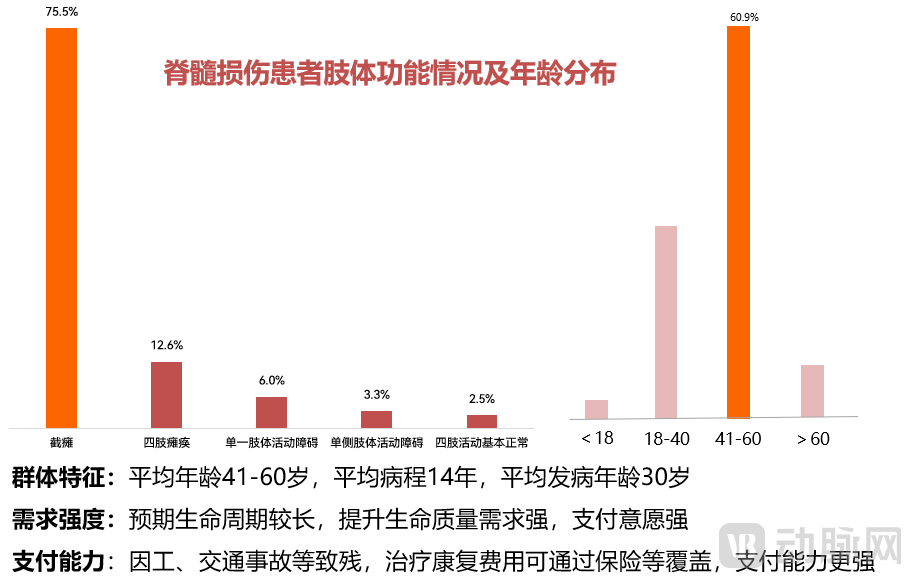
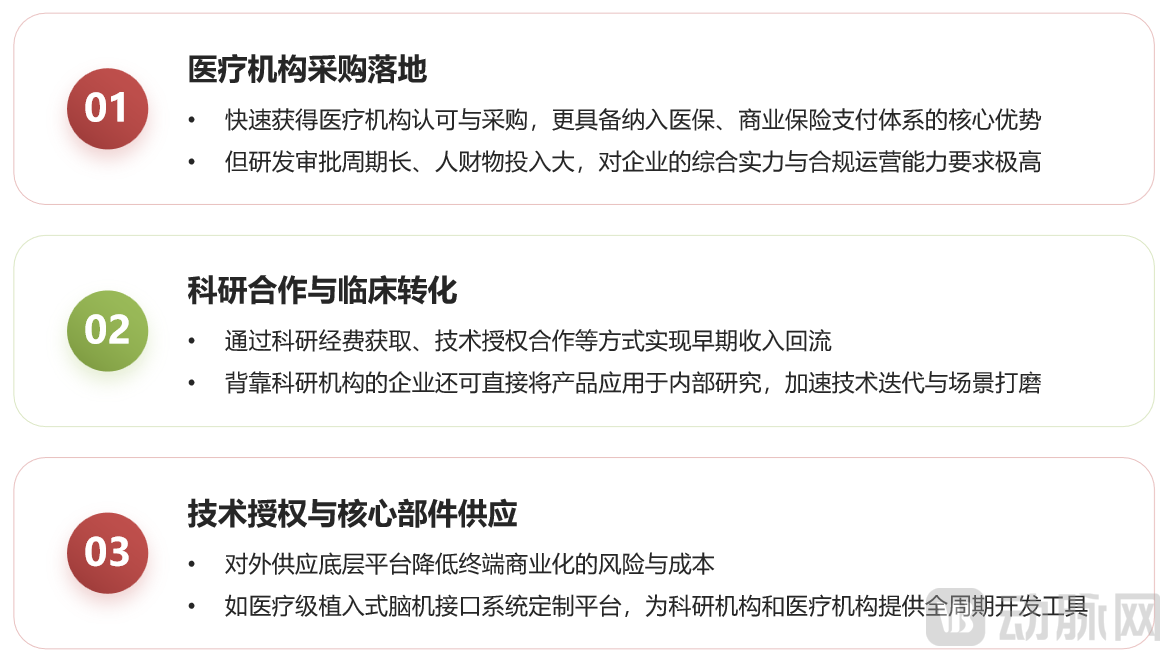
The commercialization of invasive brain-computer interfaces is not a linear process; rather, it is driven by four core logics—clinical compliance, technology translation, market entry, and value monetization. By targeting medical institutions, research organizations, and industry enterprises, diverse services are leveraged to achieve early-stage revenue generation and technological iteration.
2Invasive Neuromodulation Brain-Computer Interfaces
According to the definition provided in *Medical Devices Utilizing Brain-Computer Interface Technology—Terminology*, neuromodulation with closed-loop feedback functionality also falls within the scope of brain-computer interfaces (BCIs). Closed-loop feedback is a technical approach applied in the field of neuromodulation, primarily used in medical devices such as implantable neurostimulators equipped with closed-loop capabilities. By leveraging implanted or external sensors to continuously acquire electroencephalographic (EEG) and other physiological signals, and relying on algorithms to automatically identify changes in patient symptoms or premonitory signs of episodes, this technology adjusts stimulation parameters in real time and on demand, thereby achieving more precise and adaptive neuromodulatory interventions. Based on the scope of closed-loop neuromodulation defined in the aforementioned document, VBInsight has selected closed-loop Deep Brain Stimulation (DBS), closed-loop Spinal Cord Stimulation (SCS), and Responsive Neurostimulation (RNS) as the key subjects of study in this section.
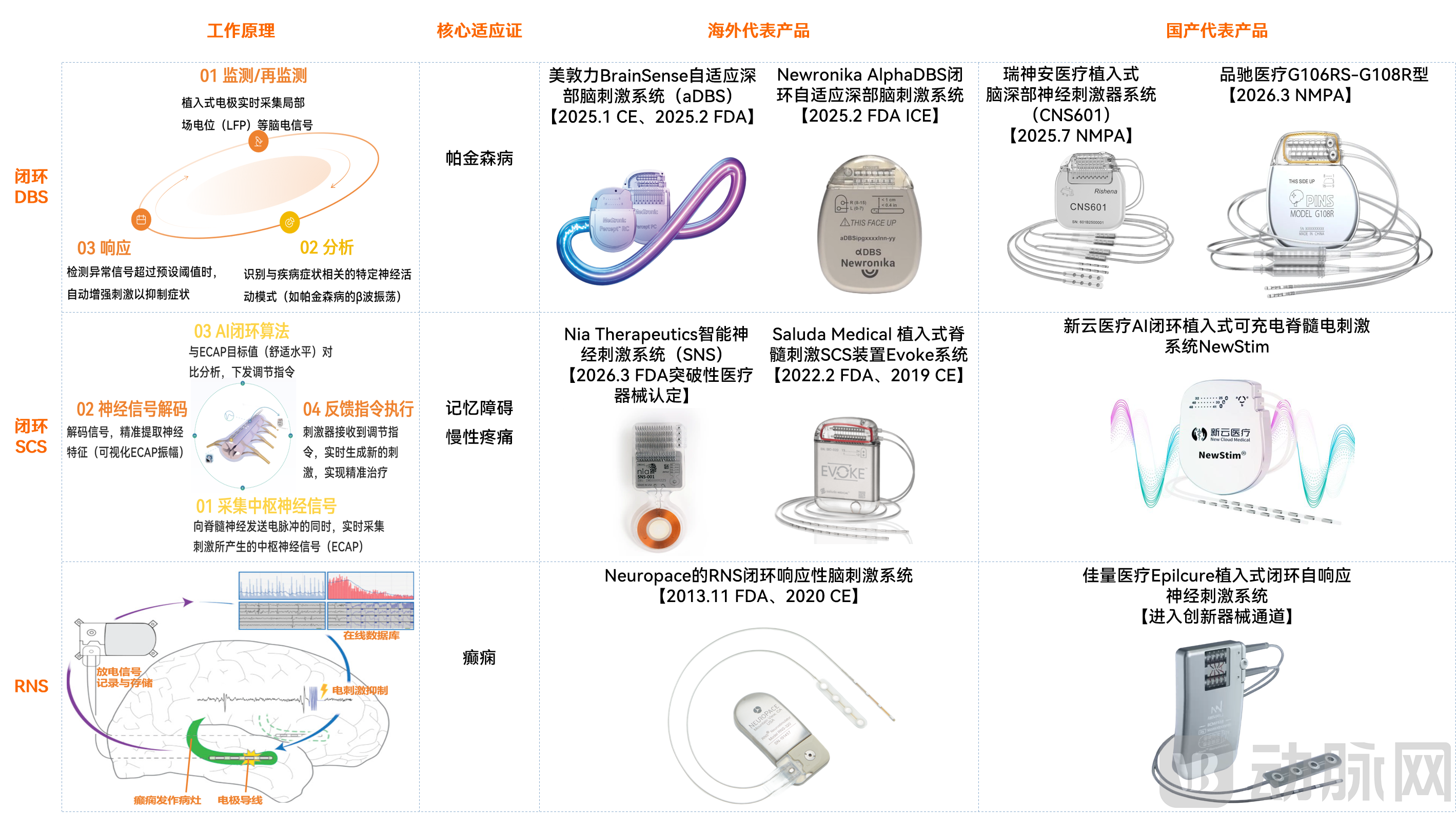
Multiple closed-loop neuromodulation products have been approved and launched overseas, such as those from Medtronic, Saluda, and Neuropace abroad, as well as Ruishen’an and PINS Medical in China, validating the clinical value and feasibility of closed-loop neuromodulation technology. Regarding clinical data support, although large-scale, long-term follow-up data remain limited globally, numerous clinical trials have confirmed the clinical value of closed-loop neuromodulation. In the field of chronic pain, Saluda published 36-month clinical follow-up data for its Evoke system. This dataset represents the longest follow-up evidence among Investigational Device Exemption (IDE) trials in the U.S. spinal cord stimulation (SCS) field. The results showed that over 90% of patients were highly satisfied with the treatment outcomes, and 78% achieved more than 50% pain relief. Furthermore, no implants were removed due to loss of efficacy after 36 months of closed-loop therapy, demonstrating overall performance superior to traditional open-loop treatments.
Traditional open-loop neuromodulation primarily targets moderate-to-severe disorders associated with focal brain network abnormalities, including mid-to-late stage Parkinson’s disease, refractory tremor, dystonia, and obsessive-compulsive disorder, achieving significant pathological modulation through direct stimulation of deep brain nuclei. In contrast, closed-loop neuromodulation is more suitable for conditions characterized by strong symptom fluctuations and uncertain responses to continuous stimulation. Currently, the three major indications for closed-loop neuromodulation are Parkinson’s disease, chronic pain, and epilepsy.
Several overseas research teams are also focusing on disease areas such as memory impairment, bipolar disorder, and obsessive-compulsive disorder. For instance, Nia Therapeutics’ Smart Neurostimulation System (SNS) was developed for the treatment of memory impairment; its closed-loop stimulation targeting key nodes within neural networks can significantly improve memory performance. Furthermore, its multi-channel and broad-spectrum modulation capabilities allow its applications to be extended to various neurological conditions characterized by dynamic symptom fluctuations, including depression, chronic pain, and attention deficit disorders.
Currently, many regions in China have included neuromodulation in their medical insurance coverage, significantly reducing the financial burden on patients. For instance, while establishing a benchmark guide price of RMB 10,000, Beijing’s latest policy explicitly raised the reimbursement rate to 80% without mandating product price reductions. This approach both safeguards enterprises’ profit margins for innovation and greatly improves patient accessibility. Benefiting from these favorable policies, domestically developed technologies are being implemented at an accelerated pace. In February 2026, the Sixth External Department of Guangdong Sanjiu Brain Hospital successfully performed the first implantation surgery in South China using a closed-loop neurostimulator (CNS) with brain-computer interface technology that possesses independent intellectual property rights in China. This device has broken the foreign monopoly on technology; its core indicators, such as signal capture sensitivity and modulation precision, are comparable to those of imported products, while its price is only 50% of that of similar imported devices. The product has also been included in medical insurance settlement, further reducing out-of-pocket costs for patients.
3Non-invasive Brain-Computer Interface
Non-invasive brain-computer interfaces primarily rely on external detection devices to record brain activity through signals such as electroencephalography (EEG), functional near-infrared spectroscopy (fNIRS), functional magnetic resonance imaging (fMRI), magnetoencephalography (MEG), and ultrasound. Among these acquisition methods, EEG offers higher temporal resolution than fMRI and fNIRS—with higher temporal resolution correlating with a higher signal-to-noise ratio—and its spatial resolution can be improved by increasing the number of electrodes. Furthermore, EEG systems are portable and do not require the large-scale imaging and detection equipment needed for fMRI, fNIRS, or MEG. Consequently, EEG has become the most widely used method for non-invasive brain signal acquisition.
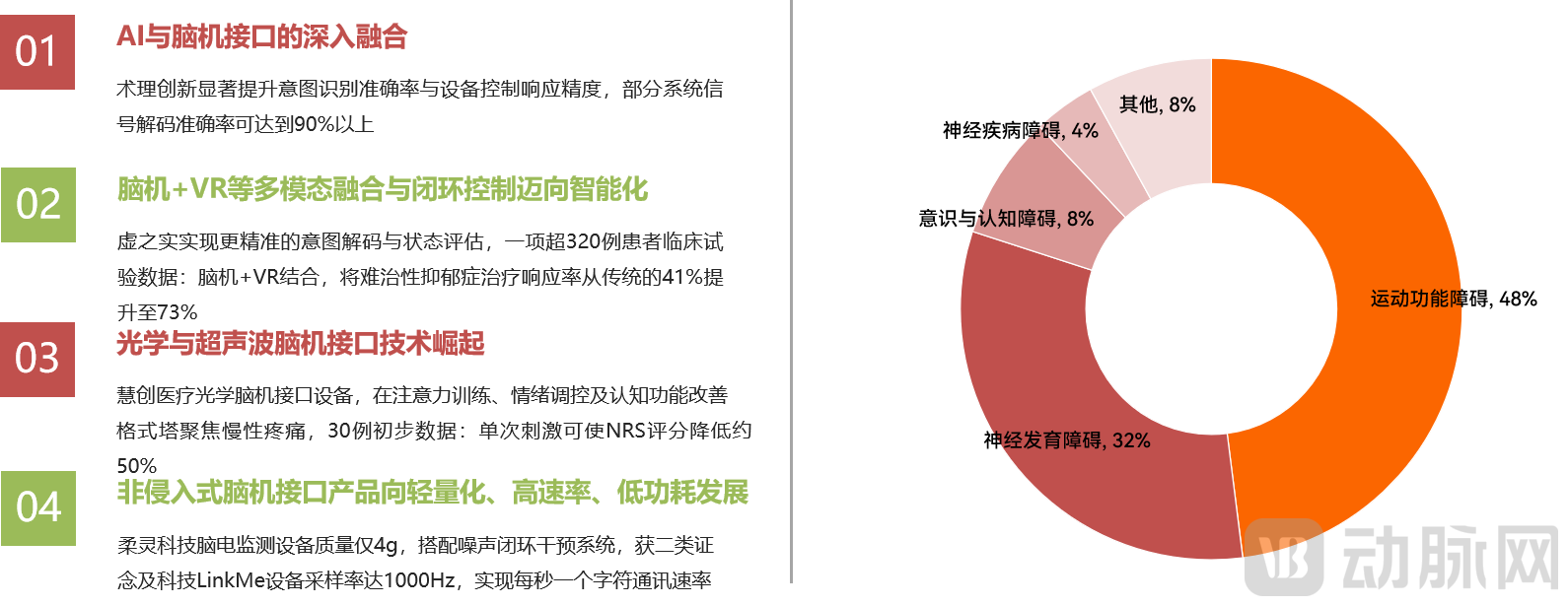
Data from VBInsight indicates that the clinical applications of non-invasive brain-computer interface (BCI) products are primarily concentrated in the rehabilitation of motor function impairments (48%) and neurodevelopmental disorders (32%). Rehabilitation for motor function impairments mainly targets patient populations suffering from movement disorders caused by conditions such as stroke, spinal cord injury, and Parkinson’s disease. Within the 32% share attributed to neurodevelopmental disorders, sleep disorders and attention-deficit/hyperactivity disorder (ADHD) are also indications where non-invasive BCIs are widely applied. Furthermore, anesthesia control represents a significant area of exploration for non-invasive BCI technology. For instance, the BMP-10 Anesthesia Depth Monitor, jointly developed by Xinyuan Brain Science and the Department of Anesthesiology at West China Hospital, has become the first Class III medical device for anesthesia depth monitoring in China to pass clinical trials.
Compared to invasive approaches, non-invasive brain-computer interfaces (BCIs) have established a commercial ecosystem characterized by dual-domain resonance in both serious healthcare and consumer healthcare, leveraging their advantages in safety and convenience. This has given rise to four distinct commercialization pathways. Non-invasive BCIs build technical barriers and earn trust through research and clinical achievements in the serious healthcare sector, while simultaneously capturing the mass market with lightweight products in the consumer healthcare domain. These two sectors work synergistically to drive the industry’s scaled development.
In the realm of serious healthcare, we focus on the essential needs of clinical rehabilitation and basic scientific research, leveraging core technologies to build differentiated competitive advantages. We also prioritize key scenarios such as disability assistance, fulfilling our social responsibilities and achieving multi-dimensional value realization. In the consumer healthcare sector, we adopt an experience-oriented approach, utilizing lightweight, low-threshold product advantages to penetrate everyday life scenarios for the general public. Simultaneously, we extend the technological value to the industrial end, thereby broadening the boundaries of commercialization.
The release of the commercial value of brain-computer interfaces (BCIs) is hindered not by a single link, but by a systemic dilemma characterized by insufficient upstream supply, bottlenecks in midstream translation, and difficulties in recognizing downstream value. Isolated breakthroughs by any single entity are unlikely to succeed; only by establishing stable collaborative mechanisms among all parties in the industry chain, centered on the core objective of “creating clinical value,” can the current stalemate be resolved.
Special thanks to the following experts for their strong support of this report (in order of interviews):
Song LinFounder and CEO of Zhiran Medical
Jin HuiVice President, Shuli Innovation
Xu JijunMD, PhD, Partner at New Cloud Medical
Wu JiazhenCEO of Xinyuan Bio
Wang ShoudongFounder of Shenluo Medical
Kang ChengFounder and CEO of Xu Zhi Shi
Liu BingFounder of Mingshi Brain-Computer Interface
Huang DongCEO of Ximang Medical
Sun YuFounder of Rouling Technology
Yang ZhiwenFounding Partner, Nuoyu Capital
Lai YanCEO of Nianji Technology
Zhang YutaoInvestment Director, Heying Capital
Yang XunInvestment Director, Investment Management Department, Sanbo Brain Hospital Group
Wang JianfeiManaging Director, Legend Capital
Hai PengfeiVice President, Investment, Legend Capital
Zhang JunqiPartner at Qifeng Capital
Du WenliExecutive Director, Qifeng Capital
Sun JunfengFounder of Brain Gamma Technology
Fan Fangfang, CEO of Maidong Shukang
Scan the QR code below to access the full report.

Table of Contents
I. Multi-Dimensional Breakthroughs Accelerate the Commercialization of Brain-Computer Interfaces
1.1 Scope of the Report: Conceptual Boundaries of Brain-Computer Interfaces
1.2 Multi-factor Synergy Accelerates Commercialization, Global Brain-Computer Interface Market Landscape Begins to Take Shape
1.2.1 Full-Chain Empowerment: Brain-Computer Interfaces Enter the Early Stage of Commercialization Exploration
1.2.2 From Technological Exploration to Clinical Drive: The Global Landscape of Brain-Computer Interfaces Is Accelerating Its Restructuring
II. Analysis of the Pathways and Models for Realizing the Commercial Value of Brain-Computer Interfaces
2.1 Construction of a Commercialization Potential Assessment Framework
2.2 Analysis of the Degree of Commercialization Across Different Technological Pathways
2.2.1 Analysis of the Commercialization Path for Invasive Brain-Computer Interfaces
2.2.2 Analysis of the Commercialization Path for Non-Invasive Brain-Computer Interfaces
2.3 Commercialization Path Selection: The Art of Balancing Technical Characteristics, Market Demand, and Long-Term Development Strategy
2.4 List of Brain-Computer Interface Products with the Greatest Commercialization Potential
III. Analysis of Key Factors Yet to Be Addressed in the Commercialization of Brain-Computer Interfaces
3.1 Upstream Segment: Medical-Grade Core Supply Capabilities Have Not Yet Been Systematized
3.2 Midstream Segment: The Translation Pathway from Technology to Clinical Application and Regulatory Approval Remains Unestablished
3.3 Downstream Segment: The Medical Application Value Has Not Yet Been Consistently Recognized or Priced
3.4 Pathways to Breakthroughs Through Multi-Party Collaboration: Building an Industry Synergy Mechanism Centered on Clinical Value
IV. Case Studies of Outstanding Enterprises