

ZAODX Early Screening Conference 2026 Successfully Held in Hefei Under the Theme 'Foreseeing Disease Before Onset, Screening for Universal Health'
As tumor prevention and control shifts from “treating disease” to “preventing disease before it occurs,” early screening technologies are becoming a key variable in rewriting cancer outcomes. With the rapid maturation of cutting-edge technologies such as artificial intelligence, liquid biopsy, and multi-omics, cancer early screening has moved from the laboratory to clinical practice and expanded from single-cancer to multi-cancer detection, while also facing practical challenges related to equitable access, payment innovation, and implementation at the primary care level. In this context, from May 16 to 17, 2026,2026 ZAODX Early Screening ConferenceGrandly held in Hefei.
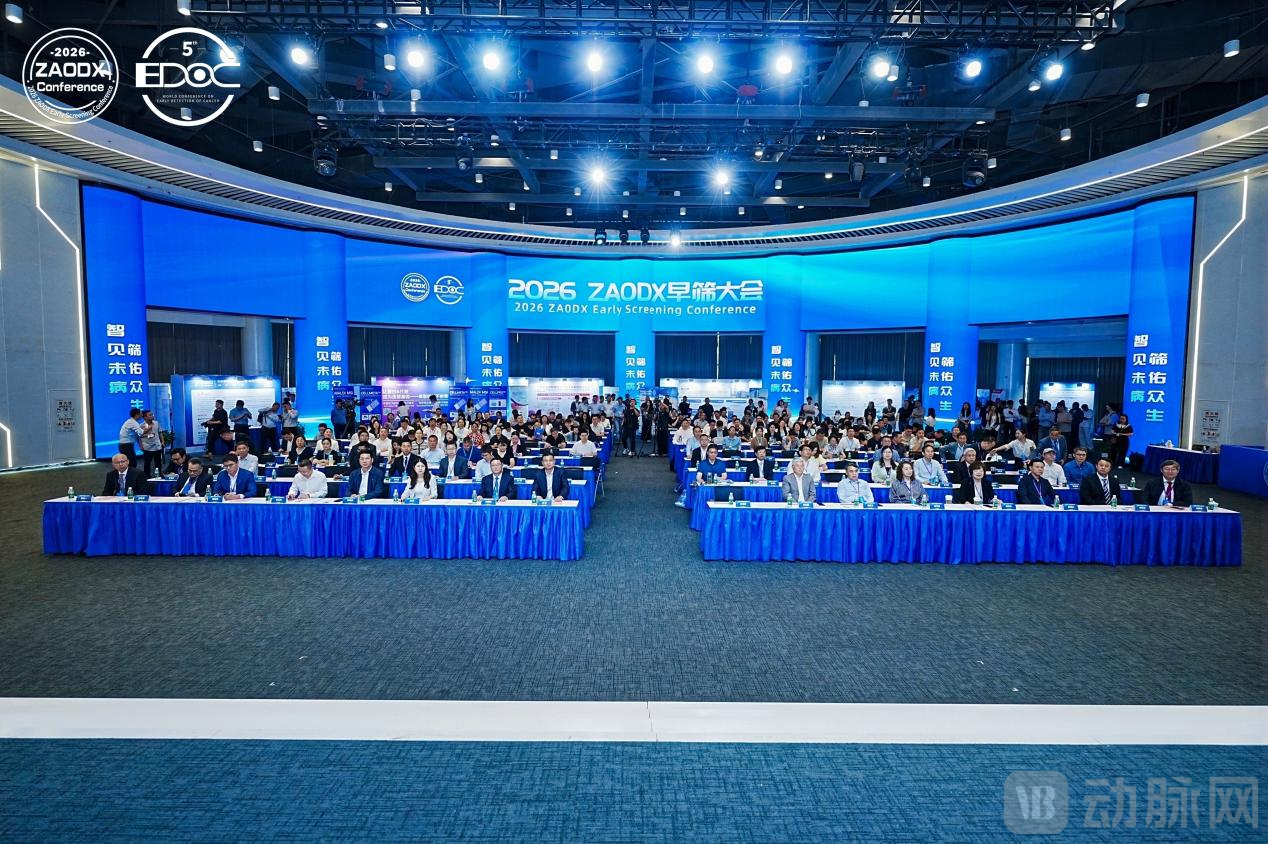
This conference, themed“Wisdom Sees Disease Before It Arises, Screening Safeguards All Lives”Centered on this theme, the event brings together Nobel Laureates in Physiology or Medicine, academicians of the Chinese Academy of Sciences and the Chinese Academy of Engineering, leading clinical experts, pioneering researchers, industry leaders, and representatives from investment institutions. By fostering deep collaboration across government, industry, academia, research, healthcare, and capital sectors, it covers the entire value chain—from R&D and clinical translation to cancer screening, industrial implementation, and public health services. The initiative aims to establish a high-caliber, specialized, and comprehensive global platform for early screening, injecting strong momentum into the popularization, intelligent advancement, and standardization of early tumor screening, thereby supporting the implementation of the Healthy China strategy.
The conference was hosted by the Hefei Institute of Innovative Technologies for Early Cancer Screening, Shanghai Jiao Tong University; the Zhong Nanshan Medical Foundation of Guangdong Province; and Anhui Zhongan Chuanggu Science Park Co., Ltd. It was organized by Zaoshai Wang (Early Screening Network), and co-organized by *Cancer Screening and Prevention* / Huayu Publishing House, Hefei Life and Health Industry Development Co., Ltd., the Marshall Laboratory of Biomedical Engineering, the Western Digital Intelligence Research Institute, the Shenzhen Weilan Biological Small Molecule Technology Translation Research Institute (in preparation), and Blue Rainbow. The event was supported by the Artificial Intelligence and Early Screening, Diagnosis, and Treatment Special Fund of the Zhong Nanshan Medical Foundation of Guangdong Province.
1From Consensus to Action: Government, Industry, Academia, and Research Discuss the Future of Early Screening
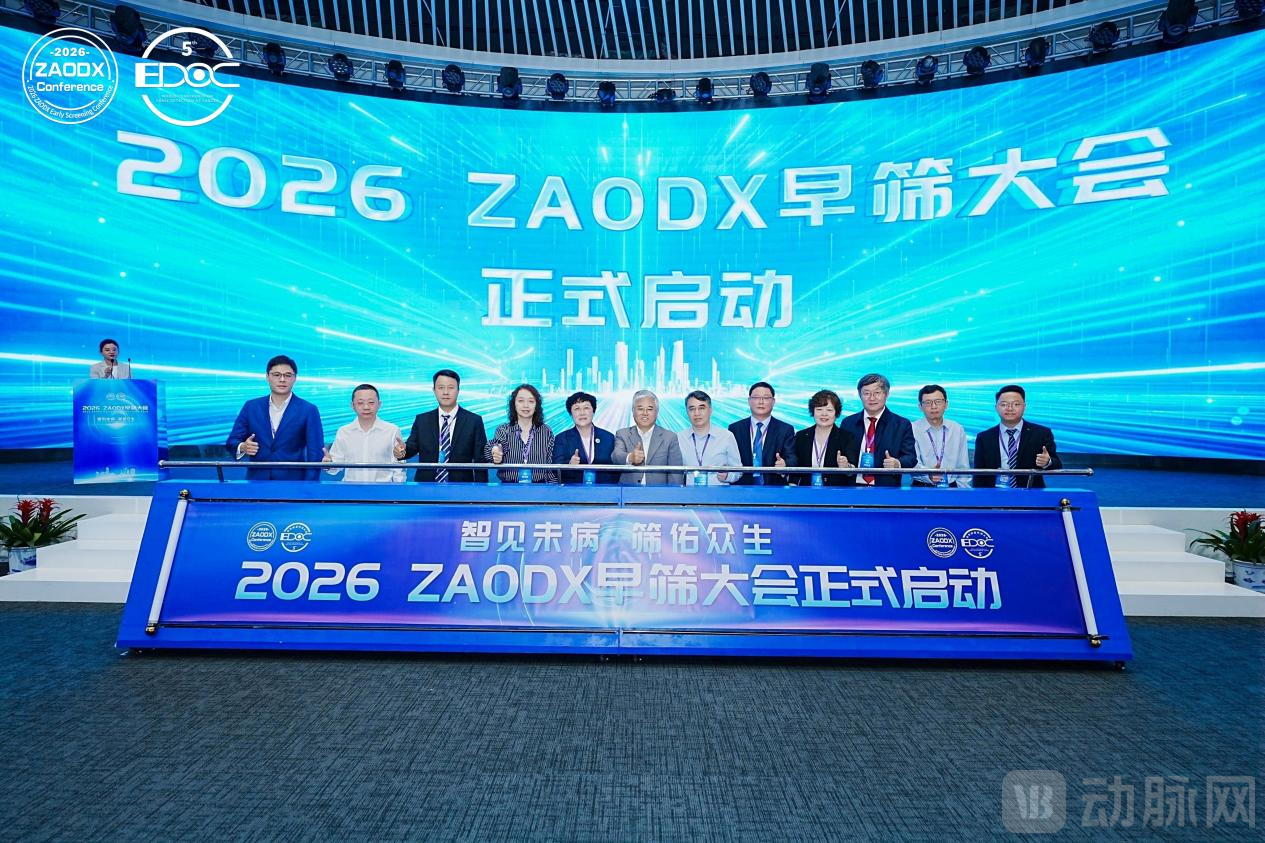
The importance of early cancer screening has gradually become a consensus, but moving from consensus to implementation still requires joint efforts from policy, technology, and clinical sectors. At the opening ceremony of the conference, guests from various fields conducted in-depth discussions around this core proposition. A series of major initiatives and signing ceremonies were also launched, outlining a clear roadmap for translating the concept of early screening into practice.
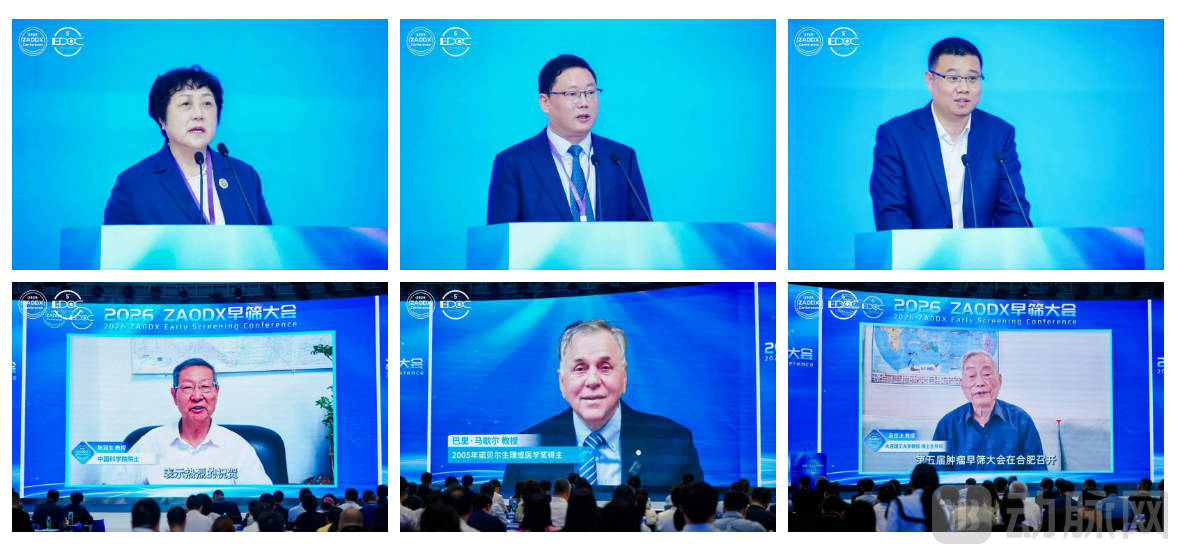
Professor Tang Shiqi, Chairman of the Health Management Branch of the Chinese Nutrition SocietyFrom the perspective of health management, she pointed out that early screening, early diagnosis, and early treatment are the core pathways to achieving the cancer prevention and control goals of Healthy China 2030. She shared Hubei Province’s practical experience in taking the lead nationwide by issuing provincial standards for establishing early cancer screening clinics and developing a standardized model through four years of pilot programs. She emphasized that early cancer screening should serve as the starting point for systematic health management and expressed hope that these experiences would benefit a broader population at the grassroots level.
If Hubei’s exploration focuses on the standardization of screening services, then at the clinical frontline, it is equally urgent to determine how to truly integrate early screening into the diagnosis and treatment pathway.Professor He Xinyang, Deputy Secretary of the Party Committee and Vice President of Anhui Provincial Cancer HospitalIt was emphasized that the key to achieving the goal of raising the overall five-year cancer survival rate to 46.6% by 2030 lies in shifting prevention and control efforts upstream. Hefei boasts significant advantages in artificial intelligence and multi-omics testing. The industry-academia-research-medicine integration platform established by the conference will accelerate the clinical translation of cutting-edge technologies. All parties were called upon to improve the tumor prevention and treatment network, promote the decentralization of medical resources, and strengthen public science education.
Beyond service systems and clinical pathways, top-level policy design is equally indispensable.Zhao Bin, Deputy Director of the Anhui Provincial Health CommissionHe stated that cancer prevention and control are a crucial component of building a Healthy China. Anhui Province is accelerating its efforts to establish a globally influential hub for the biopharmaceutical industry, adhering to the principle of “mutual learning between traditional Chinese and Western medicine, and digital integration.” It will leverage the distinctive advantages of artificial intelligence and traditional Chinese medicine (TCM) while continuously optimizing the policy environment. He also warmly welcomed stakeholders from all sectors to use Anhui as a base for technology transfer and industrial development, thereby contributing Chinese solutions to global oncology prevention and treatment.
Policy implementation requires technological support.Academician Chen Runsheng, Chinese Academy of SciencesReviewing the conference’s five-year development journey, he emphasized that healthcare is accelerating its transition toward a “health-centric” model, with early cancer screening serving as a core breakthrough. Addressing the pain points of traditional high-end diagnostics—namely, their high costs and limited accessibility—he proposed a new AI-enabled tiered early-screening model. This approach leverages routine medical data, such as blood tests, urine analyses, and low-dose imaging, to build low-cost population risk stratification models through algorithms. It aims to first conduct broad initial screenings to identify high-risk groups, followed by precise, in-depth diagnostic testing. He expressed hope that Hefei’s strengths in scientific and technological innovation would help implement this inclusive model.
Professor Barry Marshall, 2005 Nobel Laureate in Physiology or MedicineHe pointed out that the global cancer burden continues to intensify, and early screening and diagnosis represent the most effective strategies for reducing mortality rates and alleviating the public health burden. He highly commended the ZAODX Conference for having become a core platform for intellectual exchange, cross-sector collaboration, and the translation of research outcomes in the field of early screening worldwide. He praised China’s achievements in AI-driven healthcare and inclusive public health services, expressing his expectation that this conference will serve as a bridge to strengthen international cooperation, accelerate the large-scale implementation of early screening technologies, and jointly advance toward a cancer-free future.
Professor Wu Shifa, Professor and Doctoral Supervisor at Dalian University of TechnologyDrawing on his personal experience participating in the development of China’s first atomic bomb, he pointed out that science and technology are fundamental to safeguarding national security and public well-being, and that early cancer screening today serves as a robust shield for protecting lives. He emphasized that early screening benefits both the nation and its people by significantly reducing the societal burden of medical care, ensuring that cancer no longer strikes without warning. He specifically highlighted that the deep integration of Raman spectroscopy with artificial intelligence holds promise for delivering new solutions in the field of early screening, and called on all sectors of society to join hands in leveraging technological power to fortify the national health defense line.
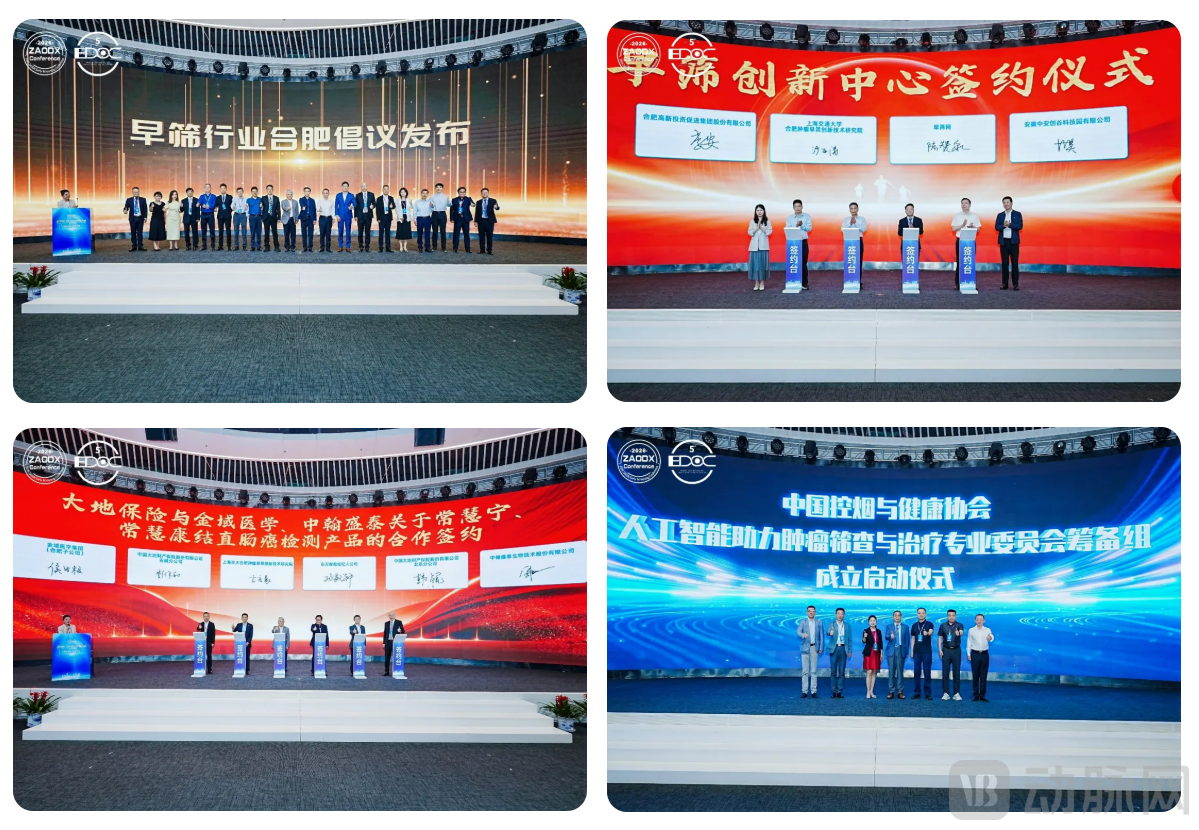
Building on consensus, the conference swiftly moved to action,“Hefei Initiative for the Early Screening Industry”Officially released as one of the core outcomes of this conference, the initiative closely aligns with national cancer prevention and control strategies. With the goal of achieving an overall five-year cancer survival rate of 46.6% by 2030, it promotes industry development that balances clinical value with social value. It clearly defines the responsibilities of all stakeholders—including government, industry, academia, research institutions, healthcare providers, investors, and end-users—advocates for the improvement of a four-tier cancer prevention and control network, and drives the standardization, normalization, and accessibility of early screening services. This approach aims to forge a development path tailored to China’s national conditions, combining scientific rigor with a commitment to public welfare.
Meanwhile, multiple industry-academia-research-application collaborative projects were signed on-site, further translating consensus into actionable cooperation frameworks. The signings includedEstablishment of the Early Screening Innovation Center, Joint Construction of the Joint Laboratory for Innovative Technologies in Early Cancer Screening, and Signing of the Cooperation Agreement among China Continent Insurance, KingMed Diagnostics, and Zhonghan Shengtai on the Changhuining and Changhuikang Colorectal Cancer Detection Products. In addition,Preparatory Committee for the Artificial Intelligence-Assisted Cancer Screening and Treatment Professional Committee of the China Association on Tobacco Control and HealthConcurrently launched, all parties will collaborate on technology translation, payment optimization, and AI integration to jointly build an early screening industry ecosystem.
2Main Forum: High-Level Dialogue to Unlock New Pathways for Industry Development
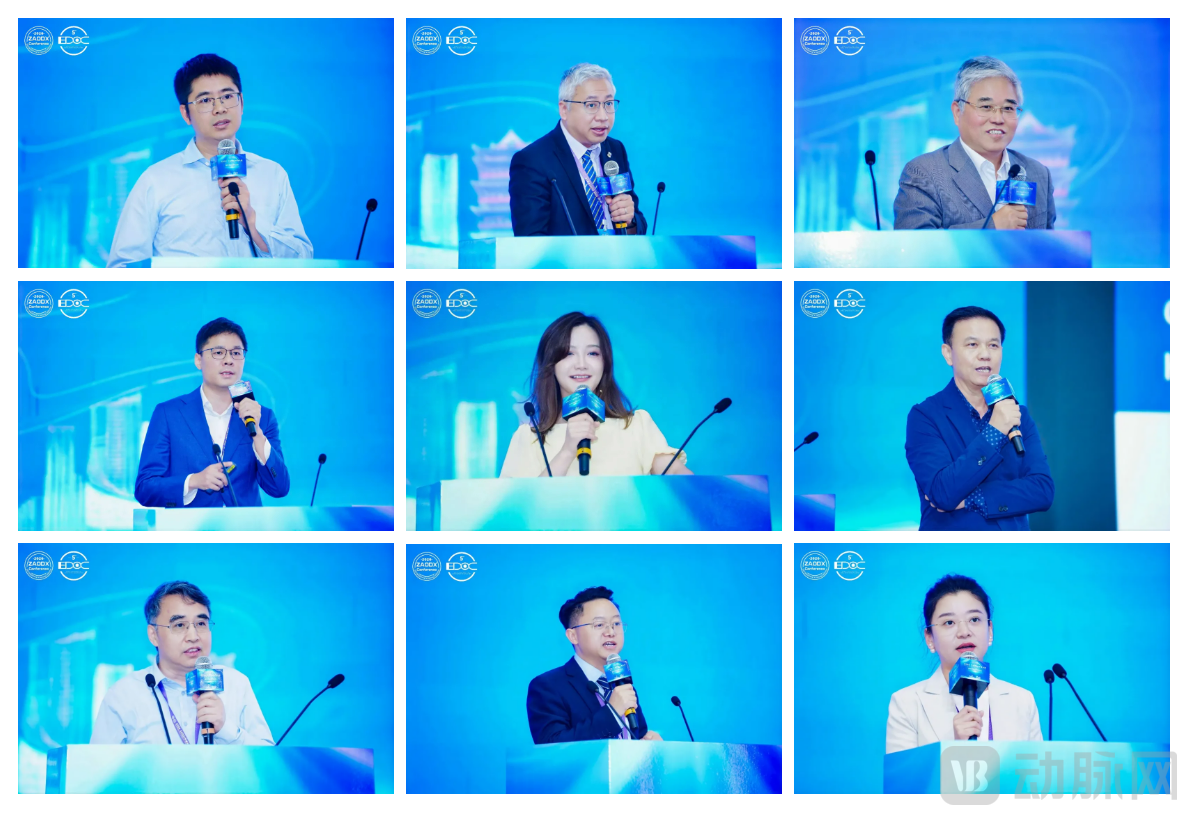
As single-cancer screening becomes increasingly mature and multi-cancer early detection moves from concept to validation, a question arises: with increasingly diverse technological pathways, how should the industry focus its direction? How can AI truly break down the barriers between data and clinical practice? At the main forum,Mr. Chen Zanquan, Founder & CEO of Zaoshai.com and Deputy Director of the Artificial Intelligence and Early Screening, Early Diagnosis, and Early Treatment Special Fund under the Guangdong Zhong Nanshan Medical Foundation; and Ms. Yao Peichun, Deputy Secretary-General of the Beijing Digital Health Research InstituteUnder the moderation of experts from various sectors, in-depth discussions were held on hot topics such as AI empowerment, Asia-specific early screening, technology translation, and health management, offering forward-looking insights into industry trends and collaboratively exploring development pathways.
Mr. Liao Guangyou, General Manager of Hefei Life and Health Industry Development Co., Ltd.This section introduces local industrial policy support and development plans, showcasing Hefei’s industrial ecosystem as a source of innovation in early screening.Professor Zheng Jingyuan, Head of the Helicobacter pylori Laboratory at the Marshall Centre for Infectious Diseases Research and Training, The University of Western Australia, and Co-founder of Shenzhen Hongmei Diagnostic Technology Co., Ltd.Shared the team’s latest research advances in the precise detection of Helicobacter pylori, its resistance mechanisms, and personalized eradication regimens, providing new insights for the precise prevention and control of gastric cancer in high-incidence areas.
Professor Gu Hongchen, Dean of the Shanghai Jiao Tong University Hefei Institute for Innovative Technologies in Early Cancer Screening, Distinguished Professor at Shanghai Jiao Tong University, and Deputy Director of the Med-X Research InstituteIt was pointed out that the current early screening industry serves less than 10% of the public demand. Relying on the research institute, the team has completed early screening for colorectal cancer in nearly 50,000 people in Hefei, and the original digital colloid-enhanced Raman spectroscopy technology results were published in top international journals.Dr. Zou Ruiyang, Co-founder, Chief Technology Officer, and President of China Region at MiRXESFocusing on the Cancer Spectrum in Asian Populations: Exploring New Pathways for Early Screening from Single to Multiple Cancers.
Ms. Wang Qi, General Manager of the Market Operations Center at Easy Health GroupProposed that early screening is transitioning from the stage of "accurate detection" to "effective management," and shared the integrated service model of "screening, management, and insurance."Academician Xiao Guishan, Foreign Member of the Russian National Academy of Engineering, Doctoral Supervisor at Shenzhen University of Advanced Technology and the Shenzhen Weilan Institute for Translational Research of Small Molecule Technologies (Preparatory), and Professor Hu Kaiwen from Beijing University of Chinese Medicinepresenting cutting-edge perspectives on biomarker discovery and eco-friendly cancer prevention and treatment, thereby providing robust support for the high-quality development of the industry.
3Comprehensive Coverage of Multiple Thematic Forums, Connecting the Entire Early Screening Industry Chain
In addition to the main forum, this year’s conference features multiple specialized sub-forums that delve into core issues shaping the early screening industry from various perspectives, including technological innovation, clinical translation, primary prevention and control, and payment coverage.
On the afternoon of the 16th, three thematic forums on “AI+” were held concurrently. As AI begins to play a deeper role in early screening, a critical question has emerged: Can algorithms withstand clinical validation, and can the technology align with real-world scenarios? The three forums focused on lung cancer, gastrointestinal tumors, and multi-cancer screening, respectively, showcasing the latest practical advancements in AI technology.
“Artificial Intelligence and Lung Cancer Screening Forum”Focusing on the application of AI-integrated multi-omics and methylation detection technologies across the entire continuum of early screening and diagnosis for lung cancer, a strategic partnership ceremony was held to establish full-chain collaboration between Anlong Gene, Sunshine Insurance, and China Continent Insurance."Artificial Intelligence and Gastrointestinal Tract Screening Forum"Showcased cutting-edge achievements including AI-assisted endoscopic diagnosis, chemical-free conversion methylation detection, and multi-omics-based identification of high-risk populations for gastric cancer.“Forum on Artificial Intelligence and Multi-Cancer Screening”Focusing on topics such as the establishment of upper gastrointestinal cancer screening cohorts and AI-driven targeted methylation strategies, this work provides academic guidance to promote the standardization and large-scale application of multi-cancer early detection technologies.
The sub-forum on the 17th will shift its focus to “How Technology Can Be Implemented,” placing greater emphasis on practical implementation and industrial ecosystem development. It will progressively deepen the practice of early screening, covering aspects from clinical translation and diversified pathways to grassroots accessibility.
“Smart Insights for Pre-Disease Detection, Screening to Protect All” Themed ForumFocusing on cutting-edge concepts and technological innovations in the field of early screening, the forum invited industry experts to share the latest breakthroughs and application cases of early screening technologies. The strategic cooperation signing ceremony between Zaoshai Wang (Early Screening Network) and Cancer Screening and Prevention was held at this forum."Ethnic Medicine Oncology Forum"It presents another pathway—exploring collaborative innovations between traditional Chinese and Western medicine, such as digital TCM and AI-assisted “preventive treatment” of gastric cancer—to examine the unique value of Traditional Chinese Medicine (TCM) and ethnic medicine in tumor prevention and intervention for precancerous lesions.“Forum on Cancer Prevention Checkups and Early Screening Clinics”Addressing the “last mile” challenge in implementing early screening for public benefit, discussing the standardized construction of early screening clinics, and enhancing the accessibility and standardization of early screening services.
As screening technologies and service models are gradually rolled out, more pragmatic questions arise: Can primary care facilities handle the demand? Can the public afford the costs? Can research achievements be effectively translated into practice? The afternoon session on the 17th addressed these issues, further extending the discussion to primary care infrastructure development and ecosystem support.
"Forum on Early Cancer Screening Centers and Capacity Building for Primary-Level Cancer Prevention and Control"Shared practical experiences in cancer prevention and control from multiple provinces, and conducted in-depth discussions on grassroots screening models and pathways for decentralizing resources for high-incidence cancers such as lung, liver, and colorectal cancer.“Medical Security and Diversified Payment Forum”Focusing on Innovations in Payment Systems for Early Screening: Exploring the Integration of “Early Screening + Insurance,” DIP Payment Reform Practices, and Local Hui Min Bao Project Experiences to Provide References for Building a Multi-Tiered Payment Protection System for Early Screening“Forum on Clinical Research and Translation & The 1st Forum on Smart Laboratory Omics”Focusing on key topics such as the translation of core liquid biopsy technologies, smart laboratory omics driving precision medicine, and the construction of an integrated system for Helicobacter pylori prevention and control, this discussion systematically examined the translational pathway from biomarker discovery to product registration and filing.
Concurrently held"The 5th International Conference on Prevention and Control of Hereditary Tumors"Focusing on the frontier of hereditary tumor prevention and control, discussions centered on regenerative medicine applications, AI-driven genetic decision-making, exosome-based interventions, and the diagnosis and treatment of pediatric hereditary tumors. The event systematically presented the latest research findings and clinical advances in hereditary breast cancer, gynecologic cancers, lung cancer, and pediatric liver cancer.
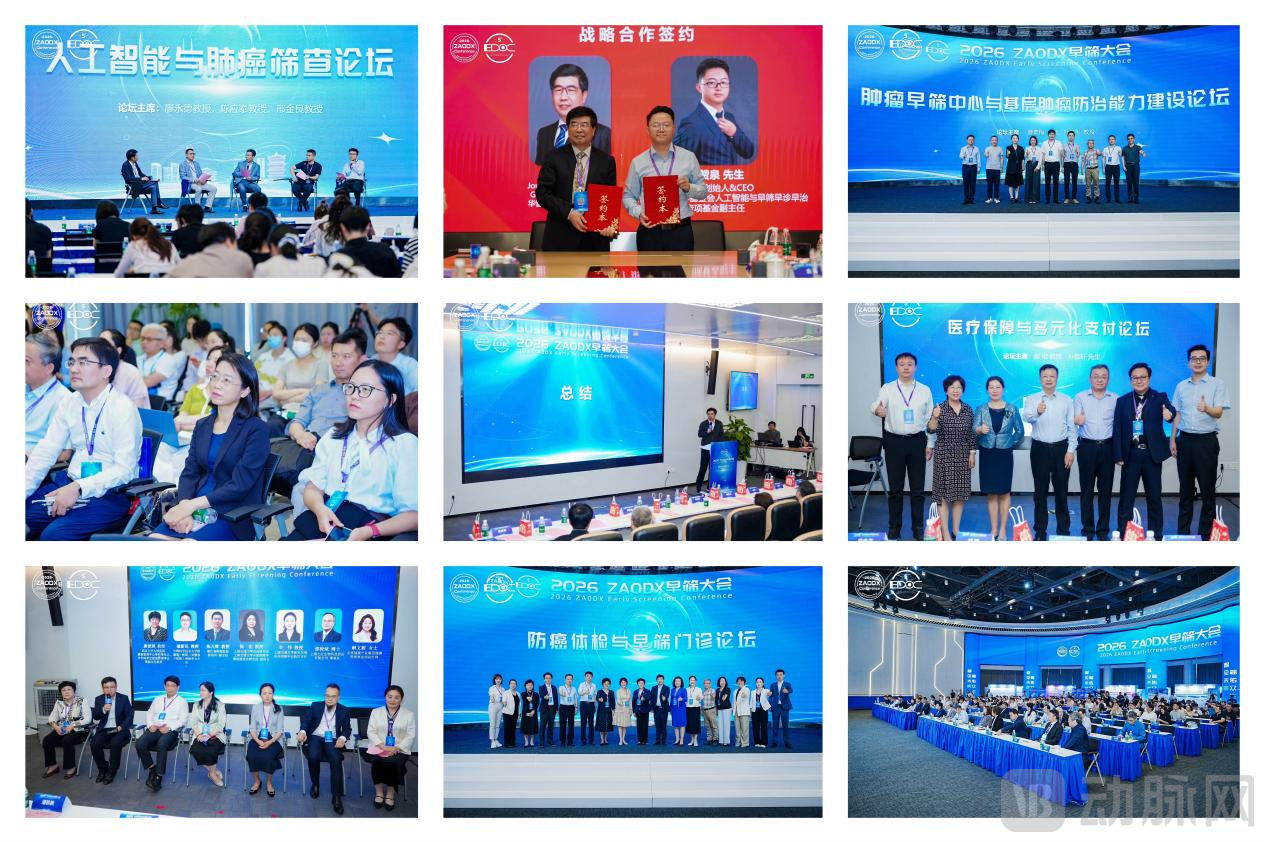 On-site at Major Sub-Forums
During the conference, multiple concurrent events will further translate the consensus into concrete actions.Marshall Laboratory and Hefei Institute for Early Cancer Screening Closed-Door Symposium & World No Helicobacter Day Themed EventConducted discussions on Helicobacter pylori prevention and control and early gastric cancer screening, and released the Chinese version of the relevant implementation guidelines for the first time;Standardized and Precision Management Training Conference on Pulmonary NodulesFocusing on the Construction of a Multidisciplinary Collaborative Diagnosis and Treatment System;Early Screening Innovation Project Roadshow ForumIt establishes a matchmaking platform for sci-tech startups and capital, accelerating the translation and commercialization of cutting-edge technologies.
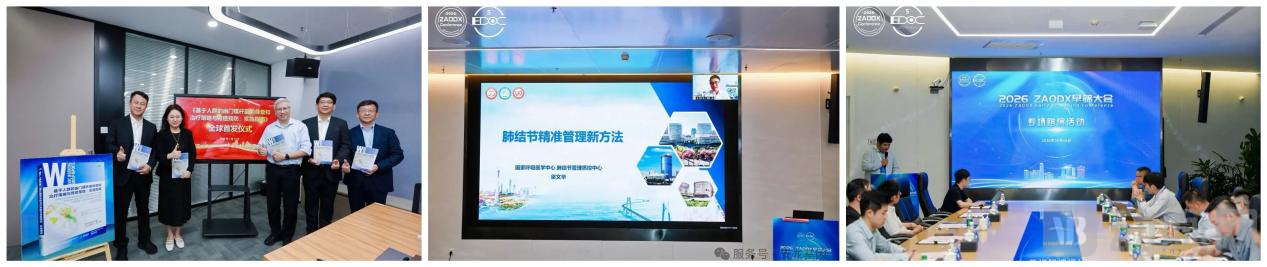
On-Site Coverage of Multiple Concurrent Events
From a Conference to an Ecosystem: As the annual flagship event in the field of early cancer screening, the conference is leveraging early detection as a fulcrum to drive profound transformations in the cancer prevention and control system. As technological breakthroughs, industrial collaboration, and payment innovations converge here, the path toward inclusive early screening becomes increasingly clear—bringing cutting-edge technologies out of the laboratory, extending screening services to grassroots levels, and making “early detection, early diagnosis, and early intervention” a routine defense line for safeguarding public health, thereby advancing the vision of “preventive treatment.”