

ZhenShi Bio Enters the High-Barrier Radiopharmaceutical Space with PRC Platform Amid ADC Saturation
In the 2025 landscape of innovative oncology drugs, antibody-drug conjugates (ADCs) remain one of the most crowded and capital-intensive sectors.
HER2, TROP2, Nectin-4, CLDN18.2, B7-H3… Popular targets are being repeatedly exploited. Even with more refined linker designs, superior DAR control, or more potent payloads, latecomers are finding it increasingly difficult to capture the window of opportunity seen in previous years. The ADC industry is transitioning from a phase of rapid expansion to one of differentiation, with greater emphasis on clinical differentiation and product quality.
Yet beyond the hype surrounding ADCs, another precision delivery track is gradually taking shape—PRC, or Peptide Radionuclide Conjugate.
The fundamental logic of PRC is to use peptides as targeting ligands to precisely deliver radionuclides to tumor sites, achieving “visualizability and precision.” When conjugated with diagnostic radionuclides, it can be used for PET/SPECT imaging and patient screening; when conjugated with therapeutic radionuclides, it can deliver β or α radiation to tumor tissues, achieving localized radiocytotoxicity.
According to data disclosed by Novartis for 2025, Pluvicto achieved annual sales of $1.994 billion, representing a 43% year-over-year increase. Strictly speaking, Pluvicto is not a typical peptide-based PRC; rather, it is a small-molecule/peptidomimetic radioligand therapeutic agent targeting PSMA. Nevertheless, it has demonstrated the clinical and commercial viability of broadly defined targeted radiopharmaceuticals, namely radioligand therapy/radiopharmaceutical therapy.
More importantly, in March 2025, the FDA further expanded the indications for Pluvicto to include adult patients with PSMA-positive metastatic castration-resistant prostate cancer (mCRPC) who have previously received androgen receptor pathway inhibitors (ARPIs) and are suitable for delaying taxane-based chemotherapy. This signifies that radioligand therapy is shifting from traditional later-line treatment to earlier stages of intervention.
Meanwhile, China’s regulatory framework and industrial infrastructure are being progressively strengthened. In 2023, the Center for Drug Evaluation (CDE) issued the Technical Guidelines for Clinical Evaluation of Radiopharmaceuticals for Systemic Administration, providing an evaluation framework for the clinical development of systemically administered radiopharmaceuticals. In 2025, it further released the Technical Guidelines for Clinical Risk Management Plans for Marketing Applications of Radiopharmaceuticals, placing greater emphasis on risk management requirements during the marketing application stage. Positive developments have also emerged on the radionuclide supply side. In June 2025, lutetium-177 (Lu-177) produced by commercial reactors at the Qinshan Nuclear Power Base of China National Nuclear Corporation (CNNC) officially entered the market, with an annual irradiation capacity exceeding 10,000 curies, thereby providing significant support for the localization of China’s radiopharmaceutical industry.
Against this backdrop, PRC is entering a new stage of development. However, within China, there are still few enterprises that truly possess comprehensive development capabilities.
Unlike ADCs, PRC is not a natural extension of the traditional biopharmaceutical industry chain. It simultaneously involves peptide ligands, chelators, radionuclides, radiochemistry, nuclear medicine imaging, dosimetry, hospital-based nuclear medicine infrastructure, as well as isotope production, transportation, and supply chain systems.
Essentially, this is a complex system spanning drug development, imaging diagnosis, and radiotherapy.
“ADCs are more akin to a natural extension of the traditional biopharmaceutical industry chain, whereas PRC represents a novel precision therapy platform that integrates drug development, nuclear medicine, diagnostic imaging, and radiotherapy,” Dr. Guo Changyue, Senior Vice President and General Manager of Shenzhen at Zhenshi Biologics, told VCBeat. “The initial market education cycle may be longer, but once the model is proven, the barriers to entry will be significantly higher.”
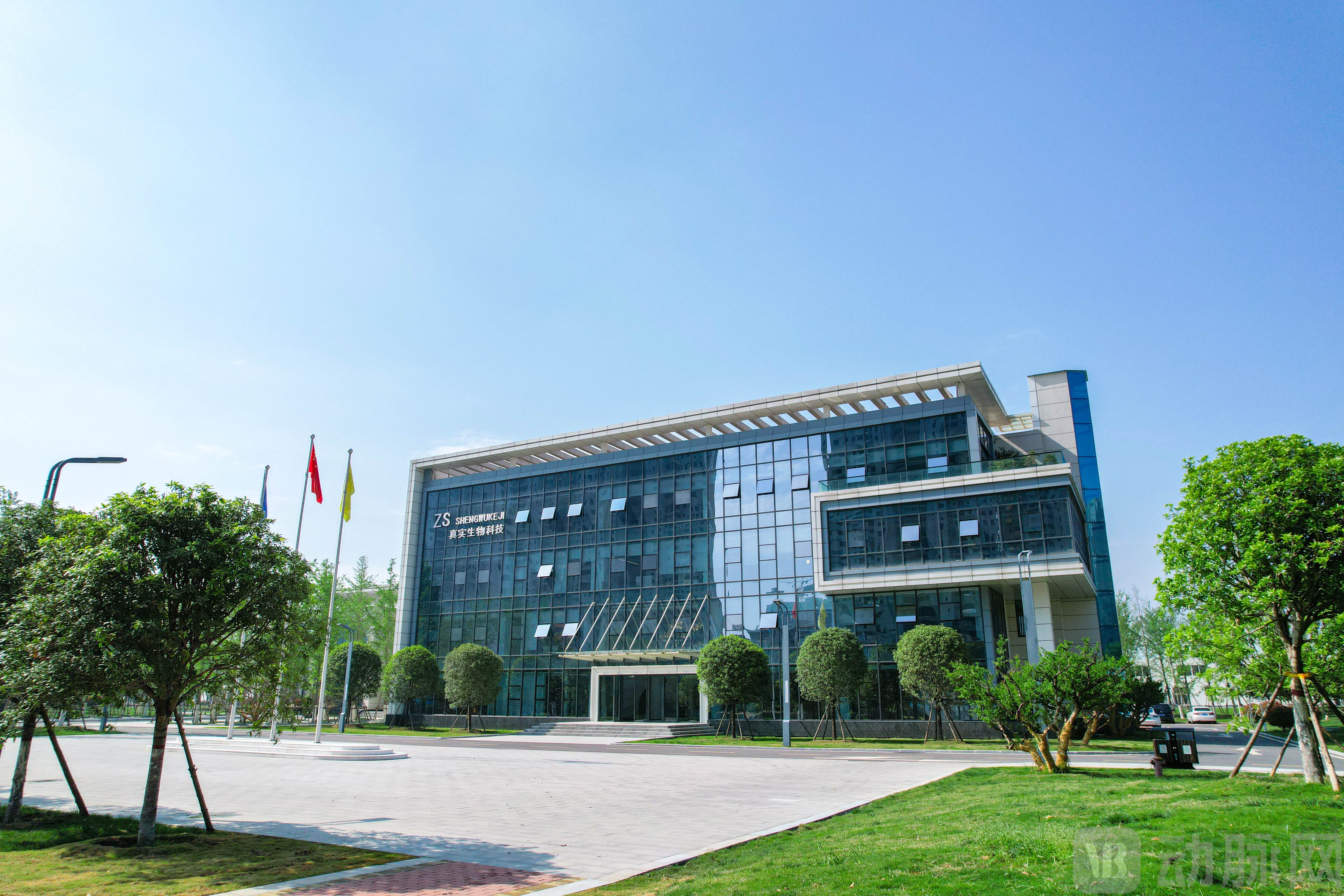
True Biologics has chosen precisely this window of opportunity: global commercial validation has already emerged, China’s regulatory framework and radionuclide supply chain are gradually maturing, and the domestic competitive landscape is not yet fully saturated.
Why Has PRC Long Been “Acclaimed but Not Commercially Successful” in China?
To understand the choices made by real-world companies, one must first grasp why PRC has long failed to generate genuine industrial momentum in China.
“It is not due to a lack of clinical value, but rather because the barriers to understanding and development are both high,” stated Dr. Guo Changyue.
Dr. Changyue Guo holds a Ph.D. in Pharmacology from Peking Union Medical College and an M.D. from Ross University School of Medicine. With over 30 years of experience in medical research and clinical translation across China and the United States, he has been extensively involved in the entire process of bringing innovative drugs from the laboratory to industrialization.
In his view, the most prominent feature of PRC is its inherent interdisciplinary nature.
The industrial logic of ADCs is relatively straightforward: antibodies, linkers, and payloads are essentially extensions of the traditional biopharmaceutical framework. Consequently, pharmaceutical companies, capital markets, and clinicians can more readily establish a clear understanding.
The PRC, by contrast, is entirely different.
It requires not only drug development capabilities but also simultaneous expertise in radiochemistry, nuclear medicine imaging, dosimetry assessment, and radionuclide supply chain coordination. Meanwhile, hospitals need supporting infrastructure including nuclear medicine wards, radiation protection measures, standardized operational procedures, and multidisciplinary collaboration systems.
More importantly, every link in the PRC system directly affects final clinical translation.
For instance, peptide ligands must not only precisely recognize tumor targets but also balance in vivo stability and tissue distribution; chelators must stably bind radionuclides without significantly compromising pharmacokinetics; linkers are not merely connectors but may also determine tumor uptake, renal uptake, pancreatic background, and blood clearance; radionuclide selection must match the ligand’s in vivo half-life, tumor retention time, and therapeutic window.
In addition, the development of nuclear medicine capabilities in hospitals, as well as the isotope transportation and supply system, also determine whether products can be successfully implemented.
But on the other hand, complexity also means barriers.
First, global clinical and commercial validation has been successfully achieved. With Pluvicto’s 2025 sales approaching $2 billion, it has demonstrated that targeted radiopharmaceuticals can achieve substantial commercial scale. More importantly, the indication for Pluvicto has been expanded to include patients with metastatic castration-resistant prostate cancer (mCRPC) who have progressed after androgen receptor pathway inhibitor (ARPI) therapy but are prior to chemotherapy, indicating that radioligand therapy is shifting from later-line to earlier-line treatment.
Second, China’s regulatory and industrial foundations are gradually improving. The Center for Drug Evaluation (CDE) has issued relevant guidelines on the clinical evaluation and post-marketing risk management of radiopharmaceuticals for internal use, while the domestic supply of radionuclides and hospitals’ nuclear medicine capabilities are also enhancing.
Third, homogeneous competition in ADCs is driving differentiation. Competition for hot targets and payloads has become intensely fierce, whereas PRC remains in a relatively blue-ocean stage in China. There is still substantial room for source innovation, particularly in peptide ligands, linker/chelator design, radionuclide selection, and theranostic integration.
Dr. Guo Changyue assesses that for companies with capabilities in peptide discovery, linker/chelator design, in vivo distribution evaluation, and collaborative resources in radiopharmaceuticals, the current period represents a critical window to establish first-mover advantages and platform barriers.
True Biotech’s goal is not merely to develop a single PRC product. More accurately, the company aims to establish a PRC platform capable of continuously delivering “diagnostics + therapeutics + α/β radionuclide switching + multi-indication expansion.” In Dr. Guo Changyue’s blueprint, True Biotech seeks to become one of the pioneers in China’s PRC field.
GRPR: A Target That Naturally Aligns with the Underlying Logic of PRC
True Biopharma’s PRC pipeline has selected GRPR, or gastrin-releasing peptide receptor, as its target. This decision is underpinned by a target evaluation logic that is not entirely identical to that used for ADCs.
Why GRPR?
It is not because it is a popular target, but because it aligns closely with the underlying logic of PRC drug development.
Dr. Guo Changyue first clarified a concept: the requirements for targets in PRC are not entirely the same as those in ADC.
ADCs typically place greater emphasis on high target expression, internalization capacity, and low expression in normal tissues; whereas PRCs, in addition to these factors, prioritize the feasibility of developing high-affinity peptide ligands, patient stratification via PET/SPECT imaging, predictability of in vivo distribution, and the establishment of a therapeutic window through dosimetry.
GRPR possesses precisely these characteristics.
GRPR is a G protein-coupled receptor (GPCR), representing a typical membrane-localized peptide receptor target with a seven-transmembrane structure. “This class of targets is inherently suitable for the development of peptides or radioligands,” stated Dr. Guo Changyue. “The well-defined endogenous peptide ligands and established foundation in peptide-based radioligands make it suitable not only for radioligand development but also for theranostic applications.”
More importantly, GRPR has a well-established expression basis in multiple solid tumors.
Public studies have shown that among 1,432 primary breast cancer samples, the GRPR overexpression rate was 75.8%, which was significantly associated with ER positivity; the proportions of high GRPR expression in luminal A-like, luminal B-like/HER2-negative, and luminal B-like/HER2-positive subtypes were approximately 86.2%, 70.5%, and 82.8%, respectively.
This means that GRPR is not only a complementary target in prostate cancer but also holds potential for expansion into solid tumors such as ER-positive breast cancer.
Meanwhile, GRPR exhibits a certain degree of complementarity with the classic target PSMA. PSMA has already established highly mature diagnostic and therapeutic pathways in prostate cancer, particularly in metastatic castration-resistant prostate cancer (mCRPC); whereas the potential value of GRPR lies in addressing subsets of patients with low PSMA expression, early-stage disease, or tumor heterogeneity, and in providing a foundational target for expanding applications to solid tumors beyond prostate cancer.
Of course, ZhenShi Bio did not shy away from the development challenges associated with GRPR itself.
Dr. Guo Changyue stated that for GRPR PRC, pancreatic uptake is an on-target/off-tumor risk that must be addressed with utmost seriousness. Therefore, Zhenshi Bio has prioritized the tumor-to-pancreas ratio, tumor-to-kidney ratio, and dosimetric safety window as core screening criteria since the early stages of the project, aiming to enable engineering-based management of risks to normal tissues rather than pursuing in vitro affinity alone.
During the target validation phase, ZhenShi Bio completed five key tasks: expression profile validation, including analyses of public databases, literature, and internal samples; normal tissue window validation, with a focus on the pancreas, kidneys, bone marrow, liver, and gastrointestinal tract; ligand pharmacological validation, covering affinity, selectivity, antagonist characteristics, and blocking studies; linker/chelator structure-activity relationship (SAR) optimization to enhance tumor uptake and reduce pancreatic and renal background signals; and PET/SPECT imaging, biodistribution, and dosimetry studies.
“Our goal is not merely to demonstrate that GRPR can bind, but to prove that it can serve as a PRC target capable of patient stratification, dose prediction, and therapeutic window optimization,” summarized Dr. Changyue Guo.
In his view, GRPR simultaneously meets the three core criteria required for PRC: it can be precisely recognized by high-affinity peptides, enables imaging-based screening of positive patients, and allows for the establishment of a therapeutic window through molecular engineering and dosimetry management.
ZS-2004, the First Candidate Pipeline, on the Eve of Its IIT
ZS-2004 is the first PRC candidate drug developed by ZhenShi Biologics targeting GRPR, and it is about to enter the IIT phase, namely investigator-initiated trials.
Regarding preclinical data, Dr. Guo Changyue shared several directional conclusions.
First, ZS-2004 demonstrates specific targeted uptake in GRPR-positive tumors. In GRPR-positive models, the team observed clear tumor uptake signals; blocking studies confirmed that this uptake is primarily mediated by GRPR, rather than being due to nonspecific distribution alone.
Second, ZS-2004 demonstrated dose-dependent antitumor activity in animal models. The treatment groups exhibited a trend of delayed or inhibited tumor growth compared to the control group, and this efficacy trend correlated with tumor uptake and systemic exposure.
Third, no significant safety signals hindering entry into IIT have been observed to date. For PRC-class drugs, the focus is not on single toxicity markers in the conventional small-molecule sense, but rather on comprehensive exposure and dosing windows across key organs, including the kidneys, bone marrow, pancreas, liver, and gastrointestinal tract.
“To date, the preclinical safety and in vivo distribution results of ZS-2004 support further exploration in humans,” said Dr. Changyue Guo.
Upon initiation of the Investigator-Initiated Trial (IIT), ZhenShi Biopharma’s primary objective is to confirm the GRPR-targeted distribution, safety, tolerability, and dosimetry in key organs within the human body, while simultaneously exploring the translational relationship between diagnostic imaging screening and therapeutic radionuclide administration.
“The IIT phase is not only about assessing preliminary efficacy, but more importantly, validating the targeted delivery mechanism and therapeutic window of ZS-2004 in humans.” This statement highlights the core rationale of PRC (Pretheranostics) drugs: first using diagnostic radionuclides to screen patients, then delivering radiation with therapeutic radionuclides—see first, treat later.
From PRC to XDC: The “Four-Layer Architecture” of a Nuclear Medicine Platform
If ZS-2004 were merely a standalone project, its significance might remain largely at the level of an early-stage asset.
However, according to Dr. Guo Changyue, what Real Biotech truly aims to build is a comprehensive suite of scalable and reusable platform capabilities.
Within the company, this system can be broadly divided into four core levels.
The first layer isPeptide Screening and Druggability Optimization Platform, which also constitutes a foundational capability. Unlike traditional peptide library screening, RealBio’s screening criteria are aligned with clinical translation requirements from the outset: rather than focusing solely on in vitro affinity (Ki), it simultaneously evaluates serum stability, tissue distribution, tumor uptake, background signal in normal tissues, radiolabeling stability, and CMC feasibility.
This approach aligns more closely with the “beginning with the end in mind” development logic, namely establishing a screening system centered on clinical translation from the outset.
The second layer isPRC/RDC Integrated Diagnosis and Treatment Platform, which is also the current core direction for productization. Its core logic is “diagnostic radionuclides for patient screening, therapeutic radionuclides for radiation delivery”: first, diagnostic radionuclides such as Ga-68 or F-18 are used to determine whether patients are positive for the target; then, therapeutic radionuclides such as Lu-177 or alpha-emitting radionuclides are employed for precise delivery.
The value of this model lies not only in the precise screening of patients but also in its ability to observe drug distribution within the human body and conduct dosimetric assessments, thereby enabling dynamic optimization of treatment regimens.
The third layer isLinker, Chelator, and Payload Middle-Platform CapabilitiesThe success or failure of conjugated drugs often depends not only on their ability to bind to the target, but more critically on whether their in vivo distribution is reasonable, whether the therapeutic window is sufficiently wide, and whether production and quality control are scalable after conjugation with a payload or radionuclide. ZhenShi Bio defines this layer as the “middle platform,” implying that it serves not only Peptide–Radionuclide Conjugates (PRC) but can also be extended to Antibody–Drug Conjugates (ADC), Peptide–Drug Conjugates (PDC), Radionuclide–Drug Conjugates (RDC), and other XDC formats.
Regarding the selection of therapeutic radionuclides, the therapeutic version of ZS-2004 plans to prioritize Lu-177 for early clinical validation. The half-life and beta-ray characteristics of Lu-177 are relatively well-matched with the in vivo pharmacokinetics of peptide-based PRCs. Meanwhile, its accompanying low-energy gamma emission facilitates post-treatment imaging and dosimetry assessment. Furthermore, Lu-177 has accumulated relatively mature clinical, CMC, and supply chain experience through multiple approved radioligand drugs. The specific radionuclide selection and clinical protocols shall remain subject to the company’s official disclosures.
The fourth layer isXDC Platform, namely cross-modal expansion. The same targeting ligand can be paired with different radionuclides to form diagnostic versions, Lu-177 therapeutic versions, and alpha-emitting radionuclide therapeutic versions; it can also be further extended to PDCs, ADCs, or other conjugated drug formats.
As an illustration of platform extensibility, ZhenShi Bio has also made strategic investments in the field of antibody-drug conjugates (ADCs). The company’s pipeline candidate, ZS-1005, is a dual-payload ADC targeting prostate-specific membrane antigen (PSMA). While pharmaceutical radioconjugates (PRCs) focus on delivering radionuclides and ADCs on delivering cytotoxic payloads, both modalities rely on shared foundational capabilities, including target selection, linker design, payload matching, in vivo distribution profiling, and therapeutic window optimization.
“The peptide platform addresses ‘where to target,’ the PRC/RDC platform addresses ‘how to diagnose and deliver radiotherapy,’ the linker/chelator/payload platform addresses ‘how the drug distributes and releases in vivo and how to broaden the therapeutic window,’ and the XDC platform addresses ‘how to develop a single target into a portfolio of sustainably scalable products.’” Dr. Guo Changyue summarized the long-term platform logic in this way.
The significance of this platform-based layout lies in its ability to mitigate the risks associated with the failure of a single technological route, while simultaneously enhancing the flexibility of the company’s asset portfolio.
In the future, whether through license-out deals, NewCo structures, or other business development (BD) models, ZhenShi Bio is poised to unlock greater possibilities.
Epilogue
Returning to the question posed at the beginning of this article: As the ADC landscape turns into a red ocean, what is the way forward for Chinese innovative pharmaceutical companies?
In Dr. Guo Changyue’s view: “ADCs remain a highly important modality in oncology treatment, but late entrants without clear differentiation in targets, payloads, safety profiles, or clinical positioning will find it difficult to capture the window of opportunity seen in recent years. PRC remains a blue ocean market in China, and we hope our company can become one of the pioneers in this field.”
For ZhenShi Bio, ZS-2004 is merely the starting point.
More importantly, the company aims to leverage the GRPR project to validate a comprehensive suite of capabilities on its PRC/XDC platform and establish a first-mover advantage before China’s radiopharmaceutical industry truly enters an accelerated growth phase.
The upcoming IIT study will also serve as the first key milestone for the market to assess its platform value.
If ZS-2004 can validate GRPR-targeted distribution, safety, tolerability, and the dosimetric window in humans, ZhenShi Bio will not only secure an early-stage clinical asset with differentiated potential but also preliminarily demonstrate its end-to-end capabilities spanning peptide screening, linker/chelator optimization, radionuclide selection, and translation into integrated theranostics.
In an era of innovative drugs marked by intensifying homogeneous competition, the products that truly secure a market foothold are not necessarily those that first chase hot trends, but rather those that are guided by clinical value, focus on unmet needs, and can establish clear technical barriers and differentiated positioning.
This is precisely the underlying logic behind Real Biotech’s entry into the PRC market at this juncture.