

"Qinglan Plan" Launched in Beijing: China Association of Social Welfare and Services for the Aged, Fudan Institute of Aging Studies, and Neusoft Ruixin Join Forces to Build China's Elder Care "Hope Project"
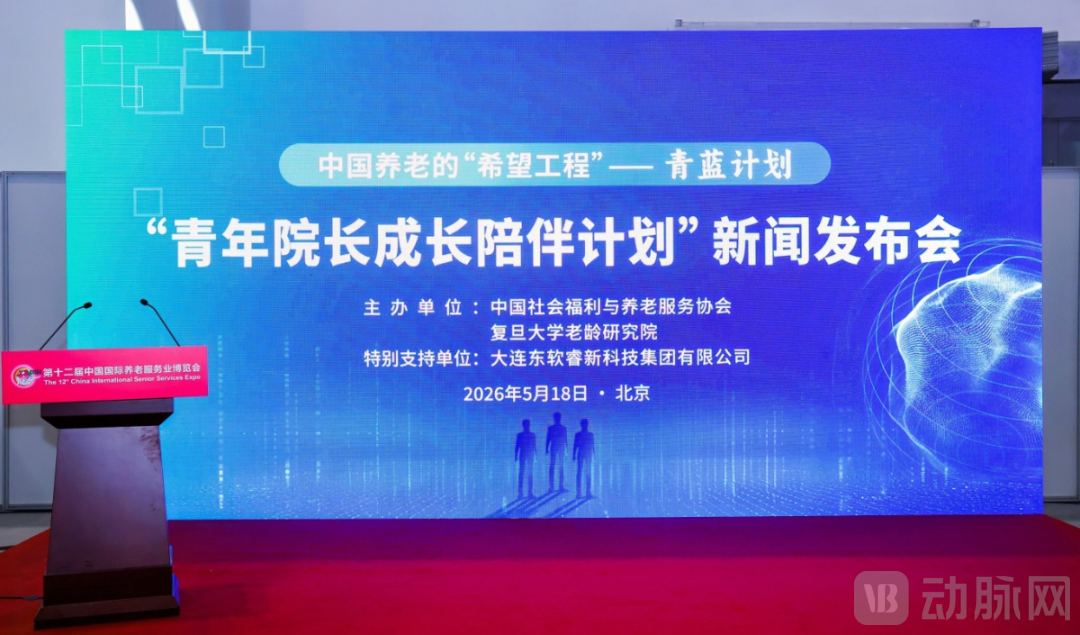
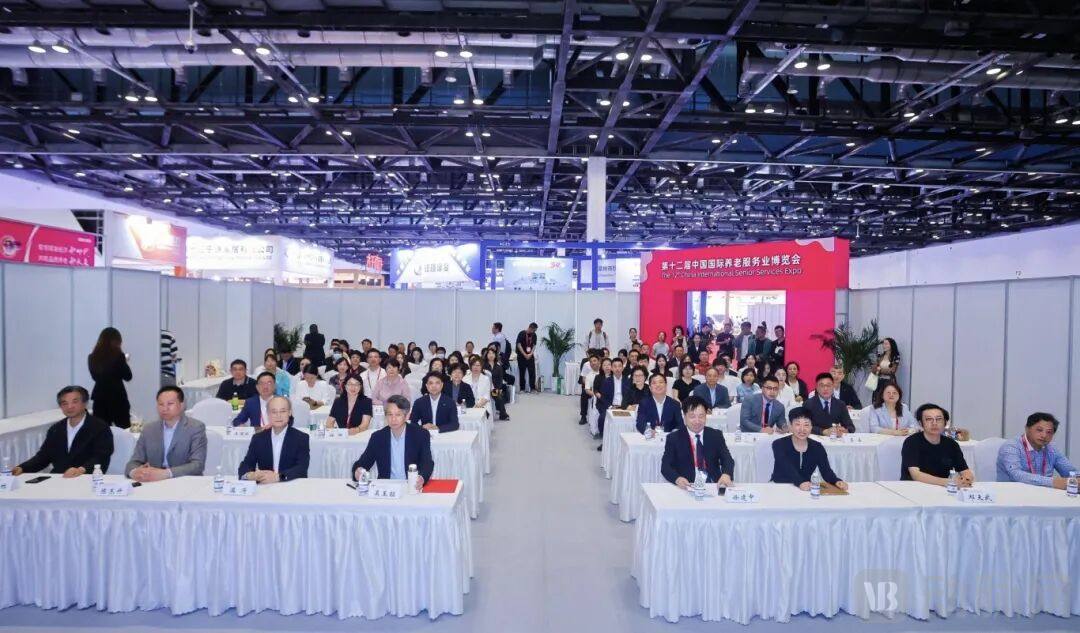
On the afternoon of May 18, 2026, the press conference for the “Young Directors’ Growth Mentorship Program” (abbreviated as the “Qinglan Plan”), jointly initiated by the China Association of Social Welfare and Elderly Care Services and Fudan University’s Institute of Aging Studies, with special support from Neusoft Ruixin Technology Group, was successfully held at the China National Convention Center in Beijing.
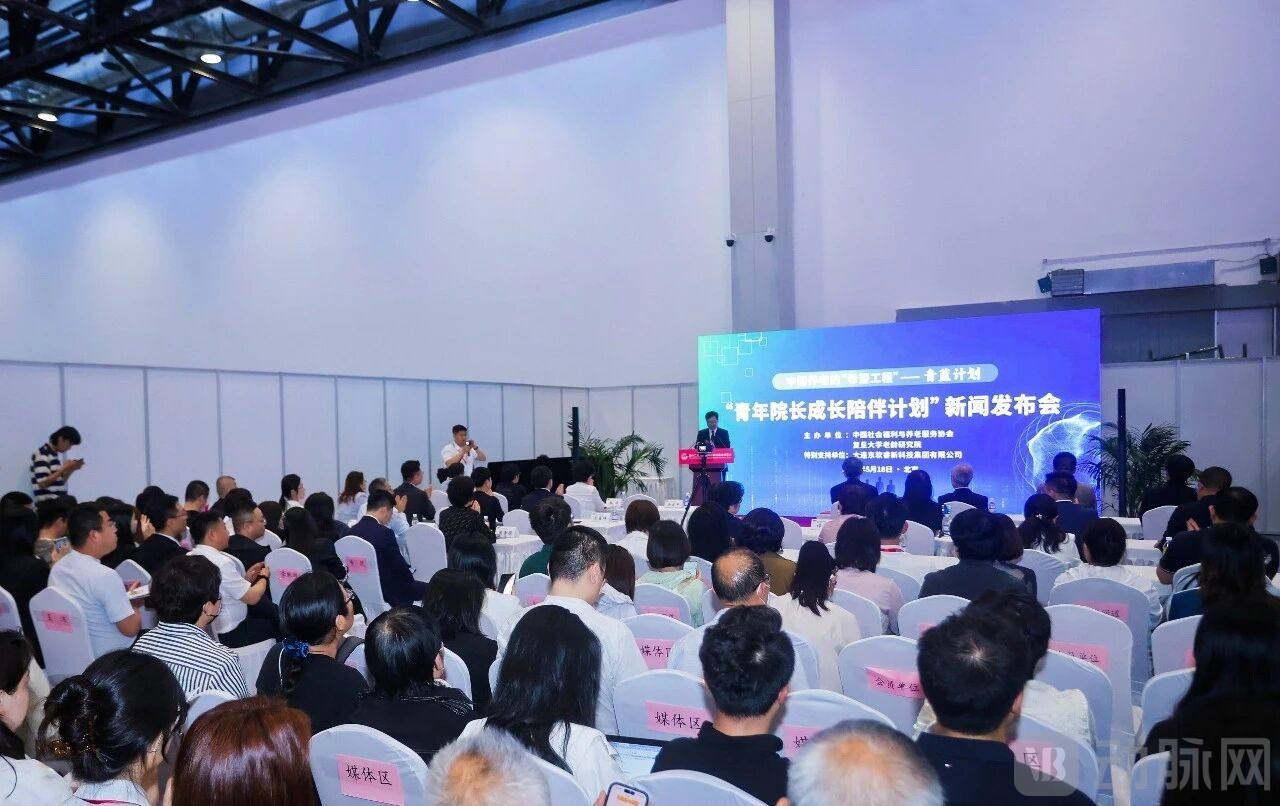
The meeting was presided over by Xu Jianzhong, Executive President of the China Association for Social Welfare and Elderly Care Services. Attendees included Wu Yushao, President of the China Association for Social Welfare and Elderly Care Services and Deputy Dean of the Fudan University Institute of Aging; Wen Tao, Executive Director, CEO, and President of Neusoft Ruixin Technology Group; Han Hua and Chen Dongsheng, Vice Presidents of the China Association for Social Welfare and Elderly Care Services; Deng Tianwu, Director of the Comprehensive Division for Aging Affairs at the Ningbo Civil Affairs Bureau; Zhao Hailin, President of the Liaoning Province Elderly Care Service Federation; Huang Yanbing, Executive Vice President of the Guangzhou Association for Social Welfare and Elderly Care Services; and other distinguished guests. During the meeting, an appointment ceremony for expert committee members was held, with nine senior industry experts—Liu Zeyang, Wang Xinghui, Yuan Zhi, Wang Guoquan, Zhuo Yongyue, Feng Sheng, Cao Sujuan, Zhou Sujuan, and Liu Xiaobing—appointed to oversee curriculum design, mentor selection, and quality assessment. Yang Lijun, Director of the Training Center at the Fudan University Institute of Aging, introduced the curriculum structure, and Li Jing, Deputy Secretary-General of the China Association for Social Welfare and Elderly Care Services, provided an overview of the registration system.
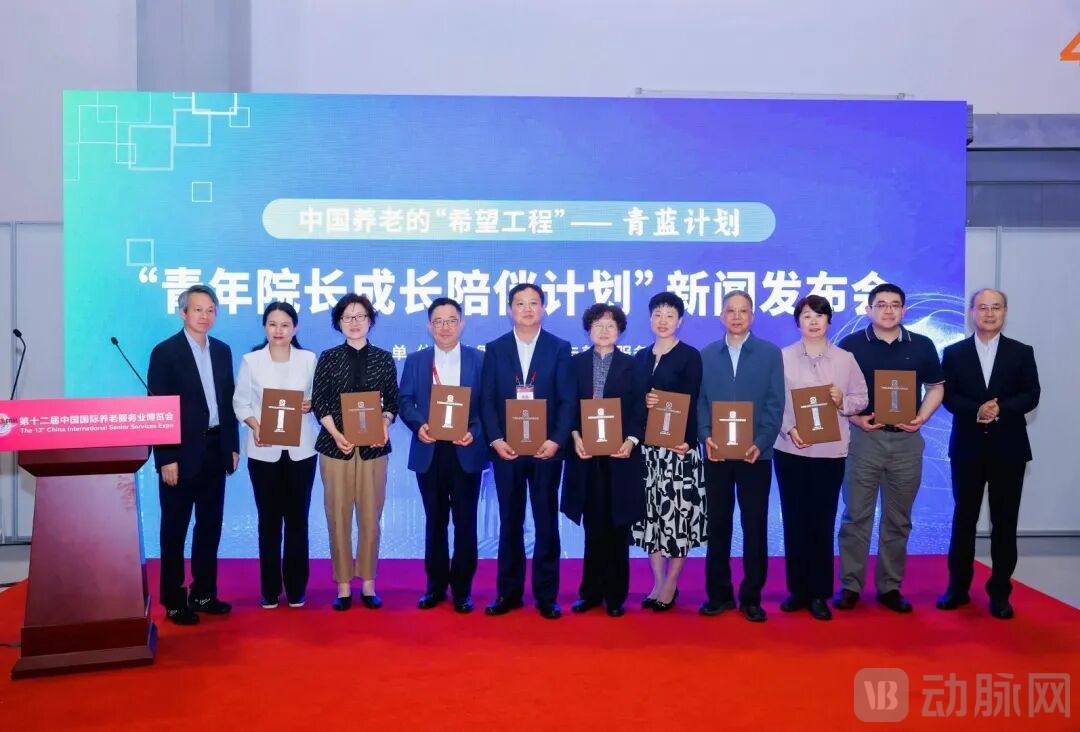
Figure Caption | From left to right: Wu Yushao, President of the China Social Welfare and Elderly Care Service Association and Dean of the Institute of Gerontology at Fudan University; Liu Xiaobing, Chairman of Beijing Fanghuali Health and Elderly Care Technology Co., Ltd.; Zhou Sujuan, General Manager of Beijing Guantai Liuhe Elderly Care Service Co., Ltd.; Wang Guoquan, Chairman of Deheng Renhou Medical and Elderly Care Industry Management Group; Wang Xinghui, Vice President of Dalian Neusoft Ruixin Technology Group Co., Ltd. and President of Dalian Neusoft Ruixin Health Technology Co., Ltd.; Liu Zeyang, Secretary-General of the Nursing Education Professional Committee of the Chinese Research Hospital Association; Yuan Zhi, Chairman of Hunan Kangle Nianhua Elderly Care Industry Group; Feng Sheng, Chairman of Changyou Elderly Care Service Group Co., Ltd.; Cao Sujuan, Chairman of Beijing Huijia Elderly Care Service Co., Ltd.; Wen Tao, Executive Director, CEO, and President of Dalian Neusoft Ruixin Technology Group Co., Ltd.
Currently, China’s elderly care service industry is at a critical juncture of transitioning from “availability” to “excellence” and from “quantity” to “quality.” There are currently 406,000 elderly care institutions and facilities nationwide, with approximately 39,000 registered elderly care institutions and hundreds of thousands of administrators. As the “anchor” of institutional operations, the director is the primary person responsible for service quality. However, the structural shortage of talent in the industry is becoming increasingly prominent; the scarcity extends beyond care workers to include high-level professionals who possess management expertise, professional competence, and innovative capabilities. To address this challenge, the China Social Welfare and Elderly Care Services Association, in collaboration with Fudan University’s Institute of Aging Research, has jointly launched“Blue and Green Plan”,Positioned as the "Hope Project" for elderly care in China,The name is derived from the idiom “Indigo comes from blue but surpasses it,” symbolizing young deans inheriting the experience of their predecessors and achieving self-transcendence.Neusoft Ruixin Technology Group as the Special Supporting Organization for the First Cohort of the “Qinglan Program · Neusoft Ruixin Class”, providing resources, technology, and financial support for the project.
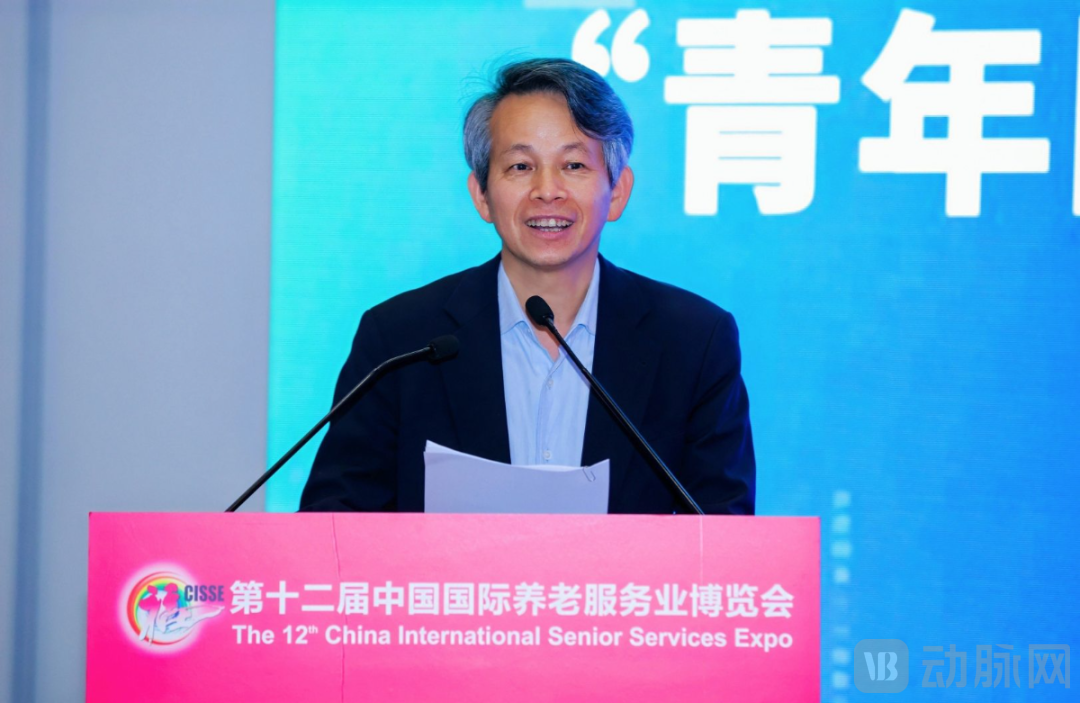
President Wu Yushao pointed out that since the “Year One of the Silver Economy” in 2024, the state has intensively rolled out policies and made specific arrangements for building the workforce in elderly care services.The core model of the “Qinglan Program” is “modularized systematic training + whole-process ‘one-on-one’ mentorship.”President Wu outlined the six key features of the project: First, it adheres to its original public-welfare mission by providing student training and mentorship services entirely free of charge, with a particular focus on western regions and private enterprises. Second, it emphasizes systematic cultivation, with courses designed in accordance with the Ministry of Civil Affairs’ “Training Outline for Nursing Home Directors (Trial),” following a three-stage progressive logic of “foundation building, principle clarification, and long-term development.” Third, it highlights the characteristic of “mentorship,” assigning a senior nursing home director as a mentor to each student. Fourth, it strengthens intergenerational inheritance, fostering an industry ecosystem that passes down knowledge and experience. Fifth, it integrates resources from multiple parties to ensure high-quality project implementation. Sixth, it maintains transparency throughout the entire process. Wu Yushao encouraged young directors to cherish this opportunity, cultivate their professional dedication, and play a demonstrative and leading role, while also expressing hope that more senior directors will join the mentor team.
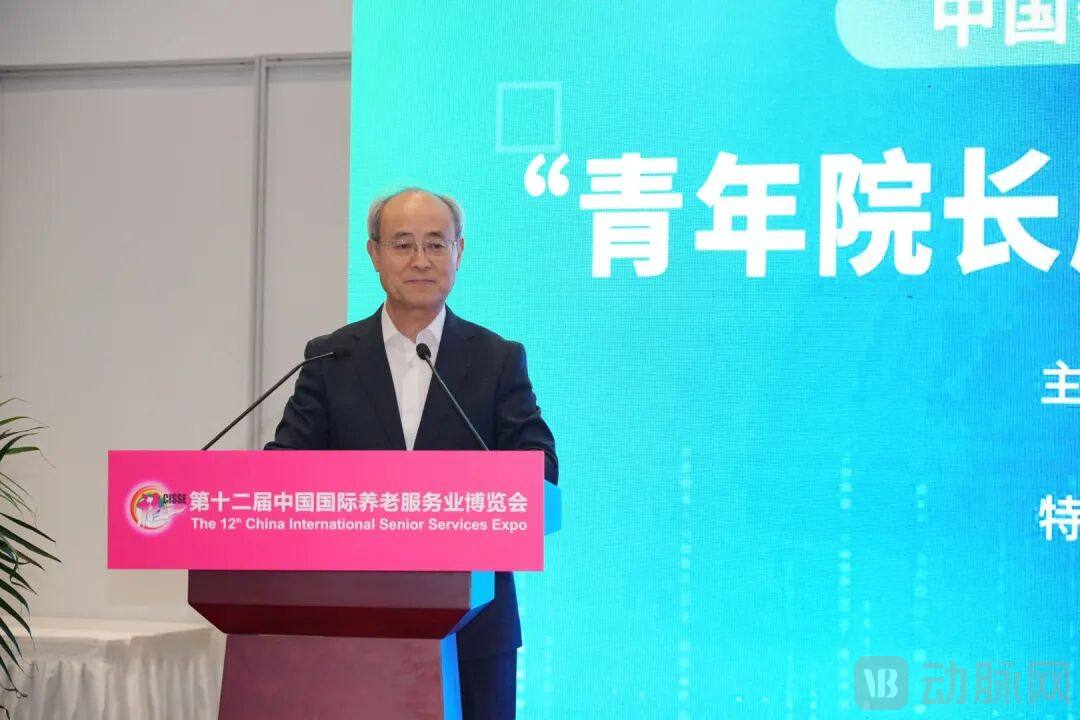
Wen Tao, CEO and President of Neusoft Ruixin Technology Group, stated,Fully support the “Qinglan Plan”—this is not merely a training program, but a talent infrastructure project oriented toward the future.He introduced that Neusoft Ruixin has long been deeply engaged in the field of digital talent education services, possessing abundant resources in the broader health sector. In 2024, the group officially launched its strategic transformation toward an integrated “education, medical care, and elderly care” model, leveraging its years of accumulated expertise to integrate into elderly care service scenarios and build a smart health and elderly care service system.Wen Tao shared Neusoft Ruixin’s philosophy on elderly care: “Elderly care begins with prevention, education drives prevention, and technology empowers elderly care.”"As a special supporting organization for the inaugural 'Qinglan Program · Neusoft Ruixin Class',"Neusoft Ruixin to Open Up Four Categories of ResourcesFirst, it opens its self-operated physical institutions, including the “Ruikang Home” Elderly Care Center, Ruikang Cardiovascular Hospital, Stomatological Hospital, and Neusoft Phoenix College, as on-site teaching bases for trainees. Second, it provides trial accounts for the “Integrated Smart Elderly Care System for Medical Treatment, Nursing, and Maintenance,” helping trainees master data-driven management methods. Third, it offers access to IoT training equipment for smart health and elderly care along with online courses, supporting trainees in continuously enhancing their professional competencies. Fourth, it opens up ecosystem resources and operational scenarios of the urban smart health and elderly care platform, assisting trainees in connecting supply and demand, providing traffic support and marketing empowerment, and achieving ecological synergy among institutional, community-based, and home-based elderly care services.“Talent development cannot be rushed, nor can it be delayed,” said Wen Tao. “The first cohort comprises 100 individuals—a modest number, but they serve as the spark. Neusoft Ruixin is committed to opening up its resources and capabilities, working hand in hand with industry associations and research institutes to sustain this initiative.”
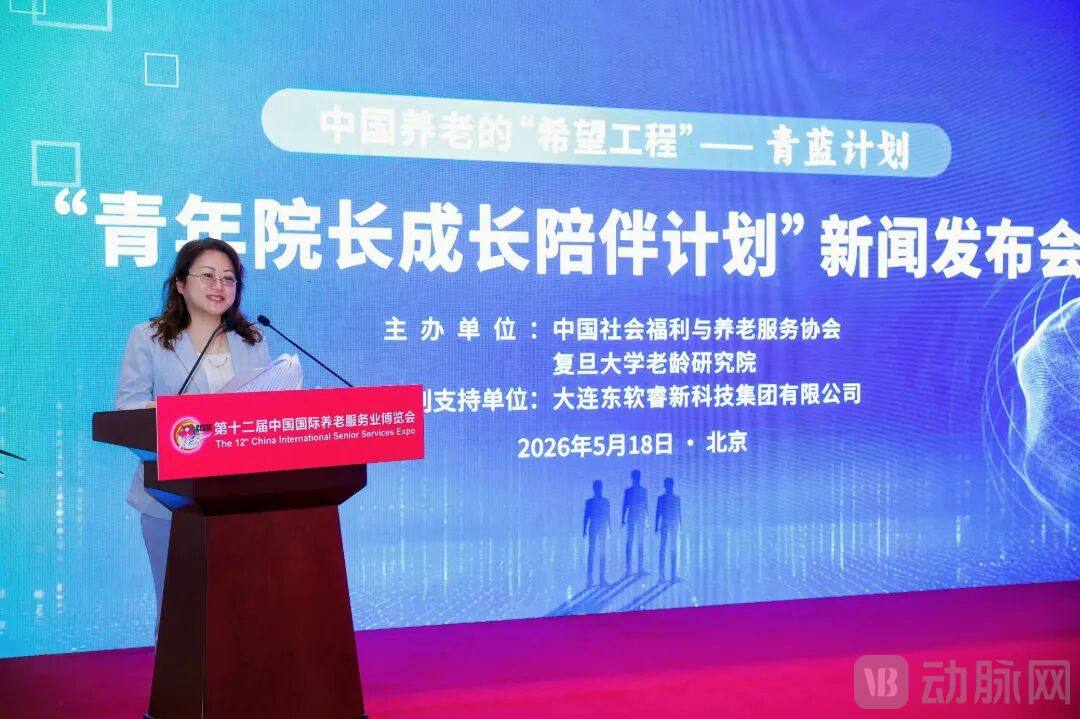
It is reported that the “Qinglan Program” curriculum is designed in accordance with the Ministry of Civil Affairs’ Outline for Training Directors of Nursing Homes (Trial). It covers four major modules: policies and development trends, service practices, management practices, and capacity building, comprising more than 20 courses. The training cycle spans three years, with one intensive offline teaching session per year (each lasting no less than four days), supplemented by online tutoring, case studies, and field visits. The curriculum follows a three-stage progressive logic: “Foundation Building – Understanding Principles – Achieving Long-term Goals.” Enrollment for the inaugural cohort is now open nationwide.Eligibility criteria for participants are as follows: aged 40 or below; holding an associate degree or higher; at least three years of experience in the elderly care industry; currently serving as director or deputy director of a legally registered elderly care institution; possessing certain management experience; and demonstrating enthusiasm and a sense of responsibility toward the industry.Eligibility criteria for mentors are as follows: aged above 40, and in principle no older than 60; at least five years of experience in the elderly care industry; currently serving as director of a legally registered elderly care institution; possessing extensive management experience and some teaching experience.
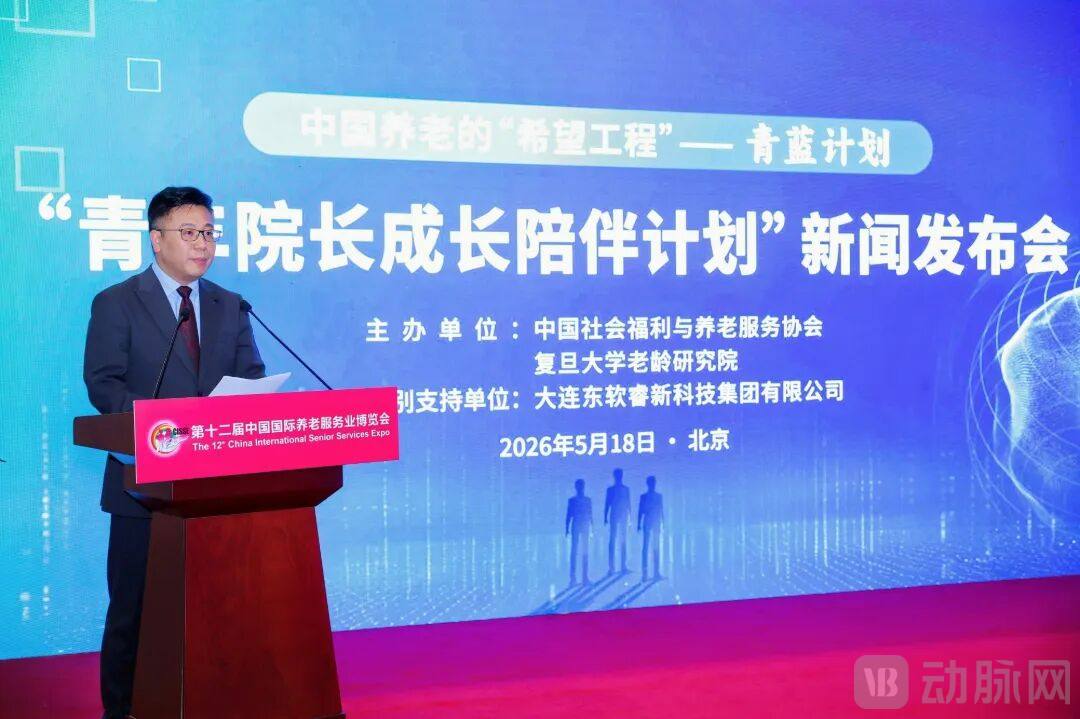
The official launch of the “Qinglan Plan” marks a significant step forward in building China’s elderly care workforce. As a special supporting partner, Neusoft Ruixin has always believed that the long-term development of an industry depends on whether it possesses a core group of truly professional talents. Supporting the growth of young nursing home directors is not a one-way provision of resources, but rather a “mutual empowerment” between Neusoft Ruixin and the industry. The real-world needs of these young leaders at the frontline will drive the continuous iteration of Neusoft Ruixin’s new integrated ecosystem of “education, medical care, and elderly care,” ensuring that corporate capabilities remain closely aligned with industry demands.
Looking ahead, Neusoft Ruixin will continue to uphold a long-termist approach, opening up its core capabilities and resources. By joining hands with associations, research institutes, and more ecosystem partners, we aim to jointly build an open and inclusive foundational platform. This platform will empower every young director of nursing homes and every elderly care institution to enhance their management capabilities and service differentiation, thereby collectively driving the high-quality development of China’s elderly care service industry.