

12th National Colposcopy and Cervical Pathology (CSCCP) Conference Concludes with Focus on 'Multidisciplinary Integration to Build a Unified HPV Defense'

PHASE Scientific
Developer of Liquid Biopsy Diagnostic Technology
From May 15 to 17, 2026, the 12th National Congress of the Chinese Society for Colposcopy and Cervical Pathology (CSCCP) was held at the Beichen International Conference Center in Changsha, Hunan Province. The conference was hosted by the Colposcopy and Cervical Pathology Branch of the China Association for Maternal and Child Health Studies (CSCCP) and the Chinese Journal of Clinical Obstetrics and Gynecology, and organized by the Department of Obstetrics and Gynecology of Peking University, Peking University People’s Hospital, and Xiangya Hospital of Central South University. Under the theme “Multidisciplinary Integration: Jointly Building the HPV Defense Line,” hundreds of experts and scholars from home and abroad in the field of cervical disease prevention and control gathered to engage in in-depth exchanges on cutting-edge topics, including cervical cancer prevention and control, advances in screening technologies, fertility preservation in HPV-related diseases, and multidisciplinary collaboration.

The conference featured one main forum and seven sub-forums. The main forum focused on the “prevention” and “control” of diseases, while the sub-forums covered topics such as advances in screening technologies, fertility preservation in HPV-related diseases, multidisciplinary collaboration, vaginal microecology, and multidisciplinary case consultations, thereby integrating the entire process of screening, treatment, and follow-up. Distinguished attendees who delivered academic reports included top domestic experts such as Academician Jinghe Lang (Honorary Conference Chair, Chinese Academy of Engineering), Professor Lihui Wei (Honorary Chairman of CSCCP and Conference Chair), and Academician Ding Ma (Chairman of CSCCP, Chinese Academy of Engineering), as well as international experts including Professor Michelle Khan (President of ASCCP) and Professor Jacob Bornstein (Chair of the IFCPC Terminology Committee).
Notably, during the conference, collaborative clinical institutions such as Peking University Shenzhen Hospital released the interim evaluation results of the study titled “Establishment and Promotion of an Innovative Model for Cervical Cancer Prevention and Control” (SCOCCAPS). As a technology partner, PHASE Scientific showcased a closed-loop pathway design centered on its patented PHASiFY® innovative sample processing technology—a proprietary technique that significantly enhances the concentration of target analytes in liquid samples, such as urine—integrated with AI-assisted diagnostic evaluation and outpatient treatment tools.
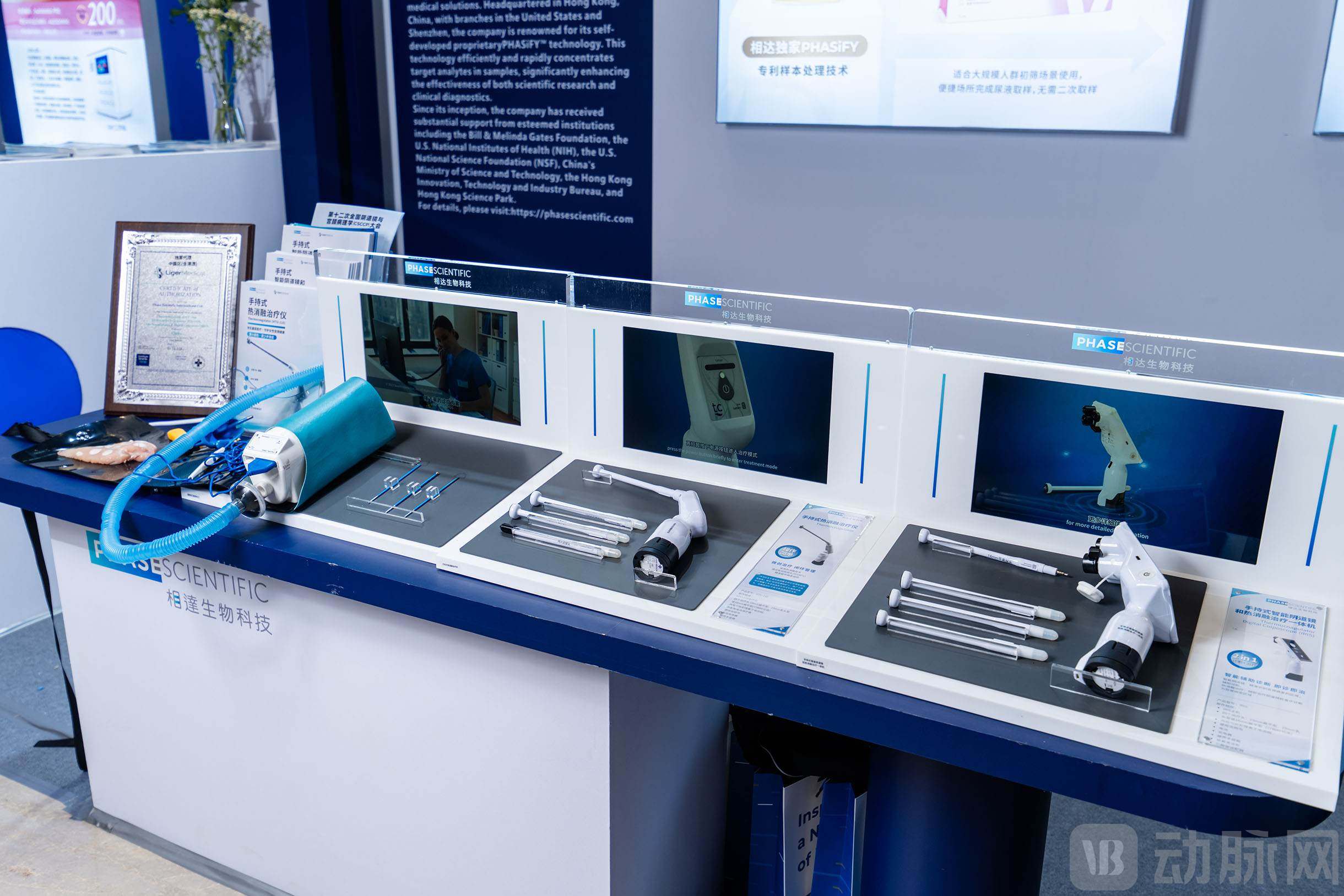
Cervical Cancer Prevention and Control Enters a New Phase, with “Screening-Diagnosis-Treatment” Integration Becoming the Key Breakthrough
Currently, China still faces severe challenges in cervical cancer prevention and control due to insufficient screening coverage. According to data disclosed at the conference, the cervical cancer screening rate among eligible women was only 51.5% in 2023–2024, dropping to 48.2% in rural areas, which remains significantly below the World Health Organization’s (WHO) target of 70% screening coverage. Meanwhile, the loss-to-follow-up rate among individuals with positive screening results exceeds 50%, and the average referral time from screening to completion of treatment for patients with high-grade lesions is approximately three months.
In his conference report, Academician Lang Jinghe pointed out that cervical cancer is the only malignant tumor to date that can be eliminated at the population level through primary prevention. China must focus on four key areas—public education, vaccine prevention, screening practices, and clinical management—to establish a comprehensive “vaccination–screening–treatment” prevention and control system. Academician Ma Ding emphasized that the quality control system must extend down to the county-level grassroots institutions, building a national digital diagnosis and treatment system for cervical cancer characterized by “AI empowerment and digital infrastructure.”
Against this backdrop, enhancing screening accessibility and reducing loss to follow-up have emerged as core topics across multiple sub-forums at the conference. In an interview with VCBeat, Professor Wu Ruifang, Director of the Institute of Obstetrics and Gynecology at Peking University Shenzhen Hospital, stated, “If a simple, rapid, and convenient screening method were available, enabling patients who test positive to seamlessly transition from screening into diagnostic and treatment pathways, it would represent the solution the World Health Organization (WHO) has been seeking for many years and constitute the most ideal approach for cervical cancer prevention and control.”

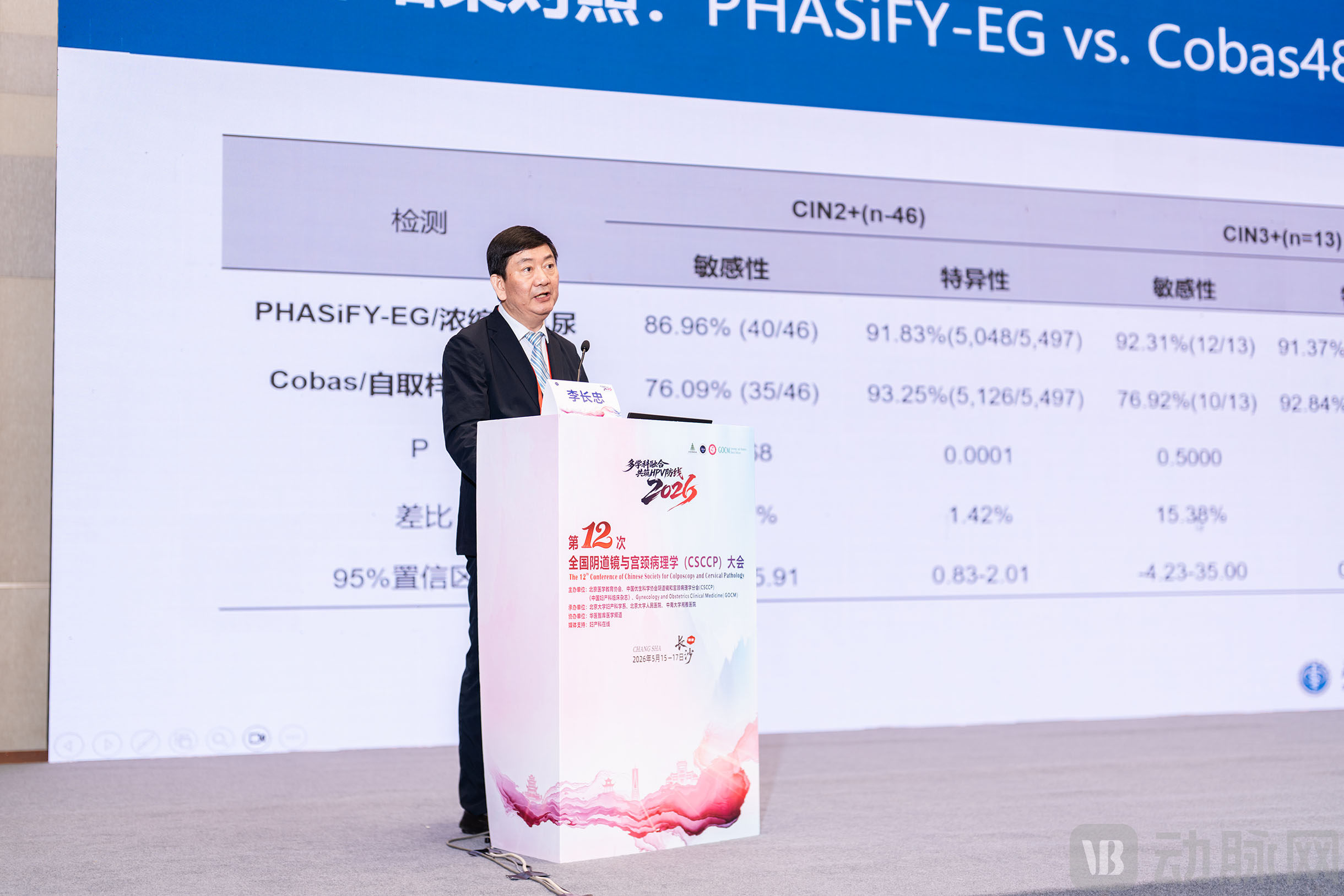
At the conference, interim data were presented for the “Establishment and Promotion of an Innovative Model for Cervical Cancer Prevention and Control” (SCOCCAPS) study, which was led by Peking University Shenzhen Hospital with technical support from PHASE Scientific. The project plans to enroll 17,000 eligible women and is currently the largest clinical validation study of urine-based HPV primary screening worldwide. Interim data showed that urine HPV testing based on the PHASiFY® technology achieved a sensitivity of 86.96% for detecting CIN2+, outperforming the control method’s 76.09%.
In his thematic report, Professor Li Changzhong stated, “The PHASiFY urinary DNA concentration technology enhances the sensitivity of urinary HPV testing, enabling random urine samples to achieve diagnostic performance comparable to that of cervical samples. In the future, urinary HPV testing is poised to become a vital tool for improving screening coverage.”
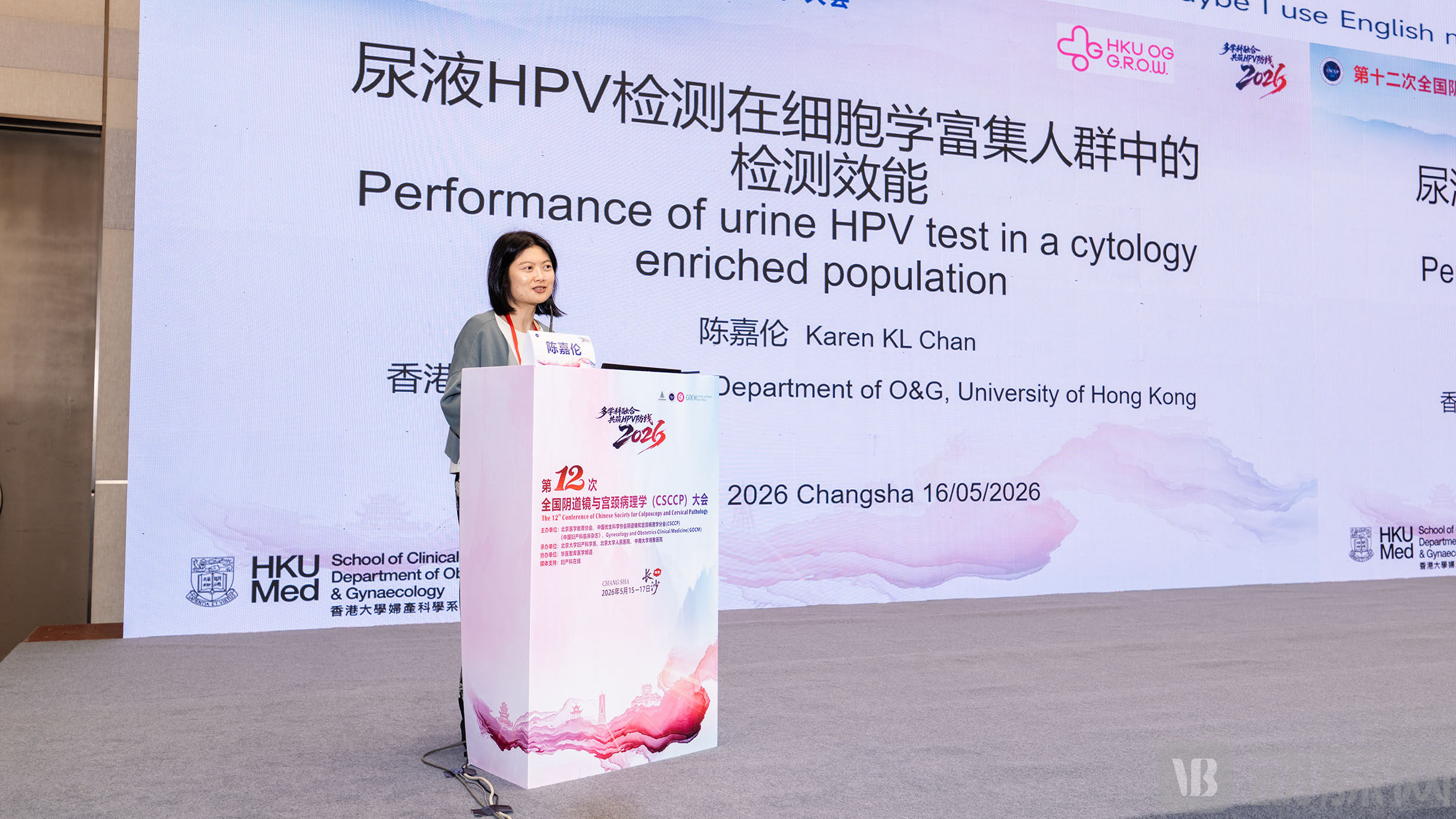
Professor Chen Jialun, Head of the Department of Obstetrics and Gynaecology at The University of Hong Kong, shared research progress from Hong Kong’s community settings. She pointed out that even in a region with abundant medical resources like Hong Kong, the screening rate is only around 50%. “People in Hong Kong have busy work schedules and need a more convenient screening method. Urine testing provides a new option for women who are unwilling or unable to perform self-collected vaginal samples.” She emphasized that the Hong Kong team and the team from Peking University Shenzhen Hospital, as two independent research groups, conducted validation studies in different populations. If similar conclusions are reached, it will significantly enhance the credibility of this technical approach.
From Screening to Treatment, the Closed-Loop System for Primary Prevention and Control Is Taking Shape
Beyond screening, the triage and treatment of positive cases were also key topics at this conference.
According to the SCOCCAPS study design, in addition to colposcopy and pathological biopsy, the research team concurrently performed urine methylation testing on HPV-positive participants to evaluate its value in secondary triage. Preliminary data indicate that a “primary screening + triage” strategy based on a single urine sample can effectively identify high-risk individuals requiring immediate referral for colposcopy, thereby reducing unnecessary referrals.
During the treatment session, Professor Zhang Wei from Peking University Shenzhen Hospital introduced the PAVE system—a high-risk HPV subtype combined with colposcopy artificial intelligence assessment system—validated through multi-center, large-sample studies. Grounded in the evidence-based risk stratification of HPV carcinogenicity outlined in the 2025 IARC Handbook, the system leverages AI-driven real-time image recognition and quality control technologies to achieve full-scenario adaptability, ranging from initial screening triage to preoperative assessment. It offers distinct application advantages, including offline operation, accessibility at primary care levels, and real-time efficiency.
Professor Du Hui from Peking University Shenzhen Hospital introduced thermal ablation therapy for high-grade cervical lesions. She pointed out that thermal ablation offers clinical advantages, including portability of equipment, ease of operation, and preservation of cervical integrity.
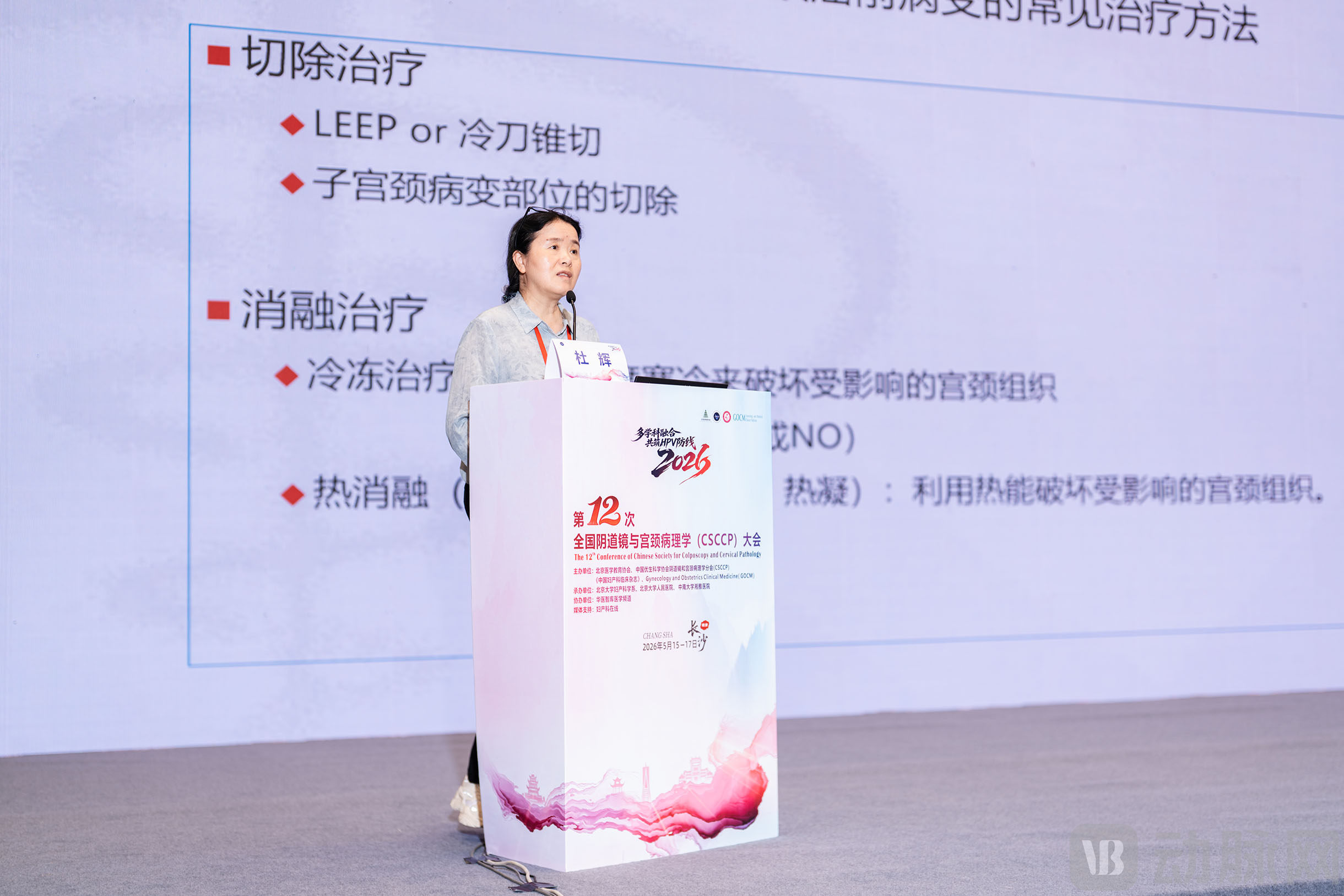
From initial HPV screening via urine testing, to methylation-based triage, and further to AI-assisted colposcopic diagnosis and portable thermal ablation therapy, a closed-loop “screening-diagnosis-treatment” pathway for cervical cancer is gradually taking shape for primary care settings.
The CSCCP Congress showcased the latest advancements and academic frontiers in cervical cancer prevention and control in China, clarifying a comprehensive prevention and control pathway spanning vaccine普及, enhanced screening quality, and standardized diagnosis and treatment. As clinical validation continues for technologies such as urinary HPV testing, methylation-based triage, AI-assisted diagnosis, and portable treatment devices, the shift in cervical cancer prevention and control from “hospital-centric” models to “grassroots accessibility” is transitioning from vision to reality.