

Qingdao High-tech Zone Unveils Four-Pronged Strategy to Accelerate 'China Health Bay' Development Amid Industry Challenges
Currently, the global rehabilitation industry is entering an unprecedented golden age of development, driven by the convergence of three powerful forces: the rigid demand stemming from population aging, the value reorientation brought about by healthcare insurance payment reforms, and the product revolution fueled by AI and robotics technologies. However, behind the industry’s “hot” exterior, companies are generally subject toLong review cycles, limited application scenarios, and a shortage of specialized talentThe harsh realities act as a constraint—slow regulatory approval, difficult implementation, and high promotion costs for innovative products have become common issues restricting the industry’s high-quality development.
To systematically address the aforementioned challenges, Qingdao High-Tech Zone has made precise efforts across four key dimensions—review and approval, application scenarios, talent support, and financial guarantees—to build a full-chain industrial ecosystem.On May 20, Qingdao High-Tech Zone and VCBeat held a closed-door investment promotion meeting for the rehabilitation industry in Shanghai., officials from multiple departments—including the Qingdao Municipal Health Commission, the Civil Affairs Bureau, the Science and Technology Bureau, the Municipal College Admissions Office, the Administrative Committee of Qingdao High-Tech Zone, and Rehabilitation University—attended the meeting, establishing a “pragmatic, efficient, and solution-oriented” government-enterprise dialogue platform for more than 20 companies in the rehabilitation sector.
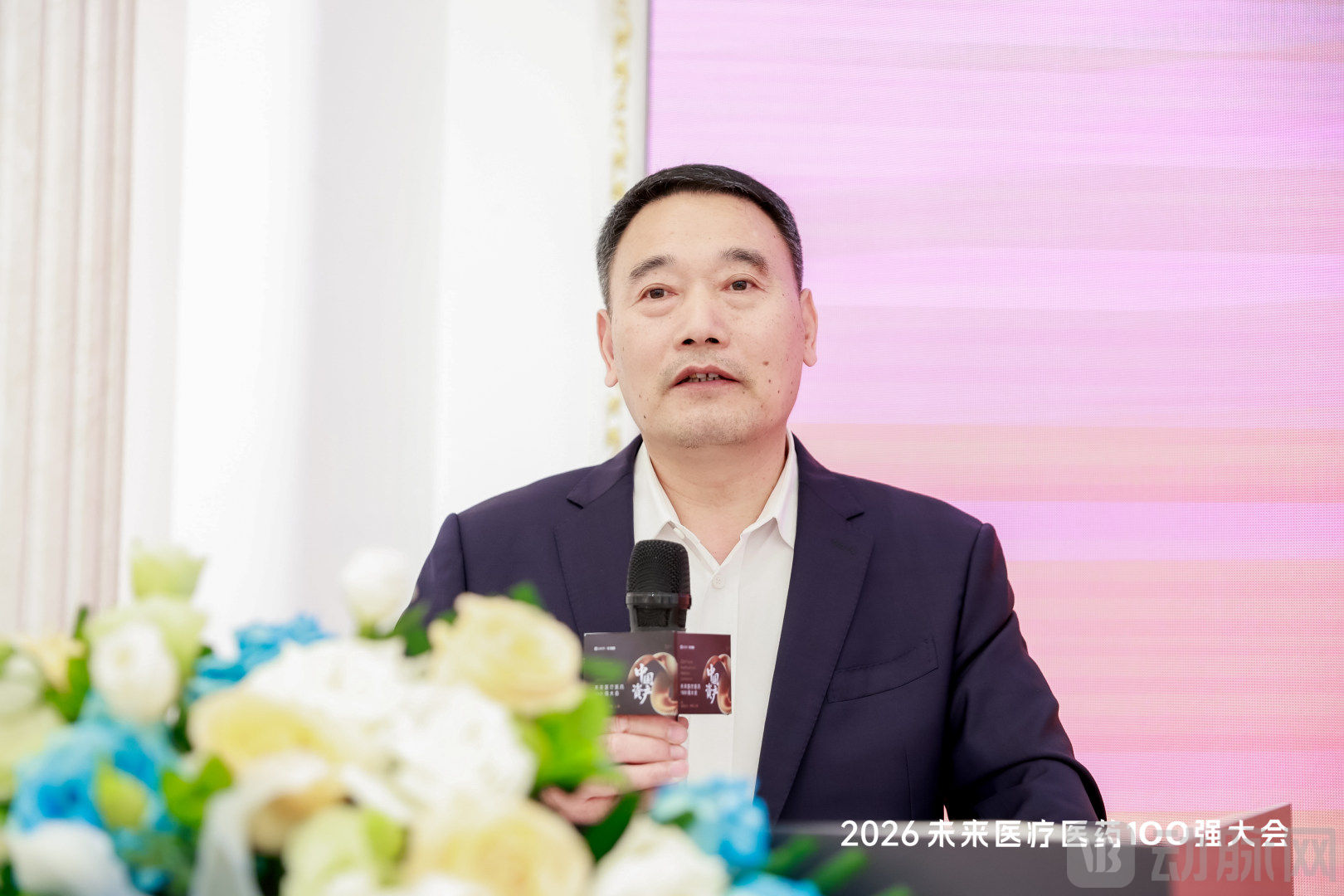
Wang Dayou, Official in Charge of Industry at the Qingdao Municipal Health Commission and Full-time Vice President of the Qingdao Family Planning AssociationDeliver the Opening Address
Wang Dayou, Leader in Charge of Industry at the Qingdao Municipal Health Commission and Full-time Vice President of the Qingdao Family Planning AssociationDelivering the opening remarks, he pointed out that Qingdao, as the central city of the Jiaodong Peninsula with a hinterland market of 100 million people in the province, has incorporated the life and health industry into the city’s “10+1” innovative industrial system, prioritizing four key sectors: synthetic biology, marine drugs and biologics, gene and cell diagnostics and therapeutics, and rehabilitation medical devices.
Leveraging the 12 special policies outlined in Shandong Province’s “Several Measures to Support the High-Quality Development of Qingdao’s Rehabilitation Industry” and the “Three-Year Action Plan for Accelerating the Construction of China’s Kangwan in Qingdao,” Qingdao isPowered by a robust industrial landscape, grounded in extensive clinical resources, honed through an open-scenario ecosystem, and supported by an efficient service system, and strive to create a fertile ground for industrial development. He emphasized that investing in Qingdao is investing in national strategy, and sincerely invited enterprises to take root in Qingdao and share the dividends.
1Targeting Pain Points with Precise Measures: Four Dimensions to Resolve Industrial Bottlenecks
For rehabilitation companies, product registration cycles and market access are often critical. As the core hub of “China’s Rehabilitation Bay,” Qingdao High-Tech Zone is addressing this challenge through a series of institutional innovations.
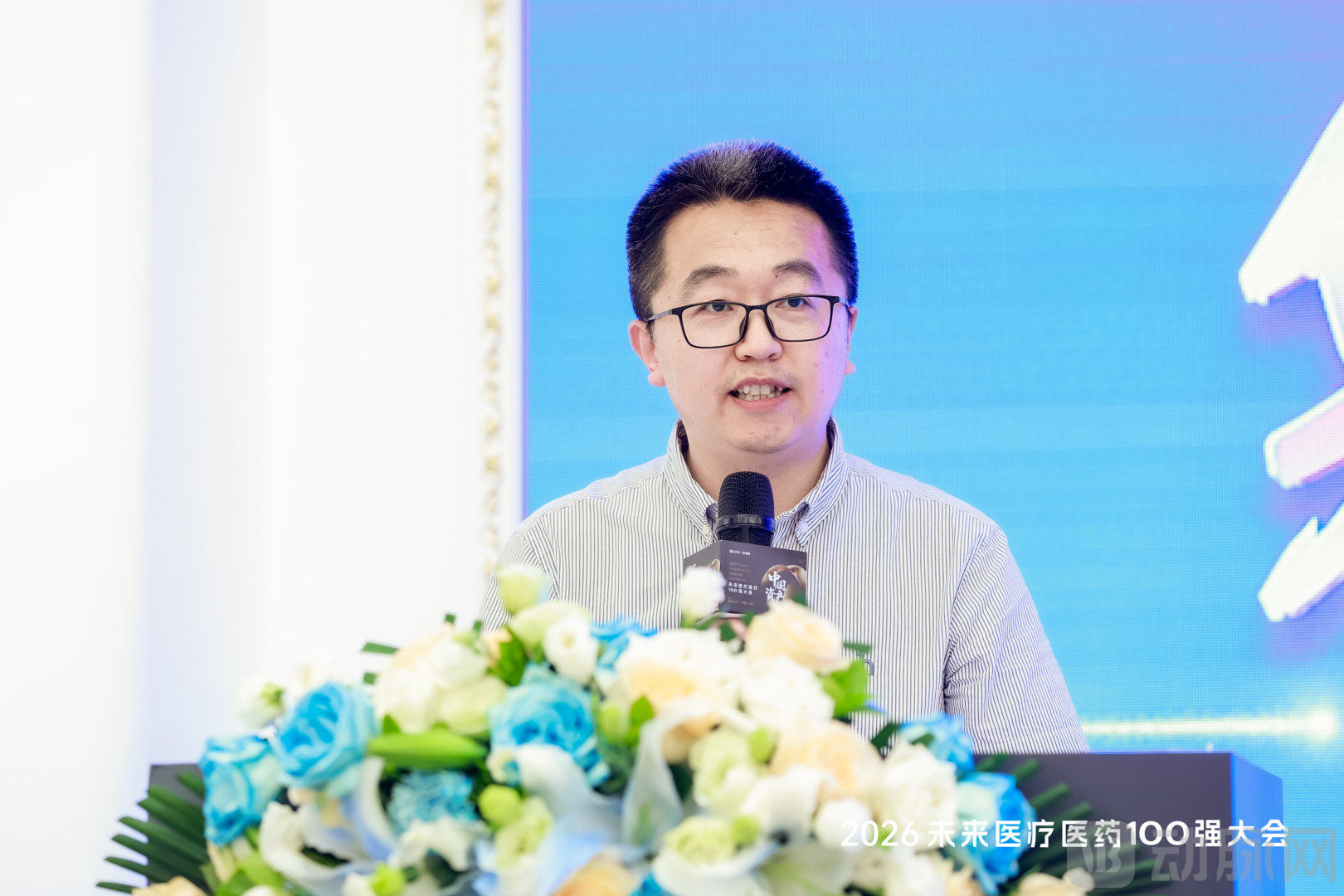 Zhou Xin, Deputy Director of the Qingdao High-Tech Zone Administrative Committee, Introduces the Overall Industrial Situation of the High-Tech Zone
Cracking the Slow Review and Approval Process: Localized Acceptance + Platform Empowerment to Accelerate Product Certification
The lengthy product registration cycle and cumbersome approval process are the primary pain points for rehabilitation enterprises.Zhou Xin, Deputy Director of the Administrative Committee of Qingdao High-Tech Industrial Development ZoneAt the conference, it was announced that Qingdao High-Tech Zone, as the core area of China Kangwan, has significantly shortened the review and inspection cycle through institutional innovation and platform development. The Qingdao Sub-center for Review and Inspection under the Shandong Provincial Medical Products Administration officially commenced operations in April 2026, having been granted 33 provincial-level delegated authorities. This enables local acceptance and nearby review of medical device registration applications, thereby efficiently reducing the time required for approval and inspection. Meanwhile, Qingdao High-Tech Zone, in collaboration with Beijing Shuimu Dongfang, is establishing a 15,000-square-meter CDMO (Contract Development and Manufacturing Organization) platform for rehabilitation medical devices. This platform provides enterprises with integrated, full-cycle services covering R&D, process optimization, compliant manufacturing, testing and certification, and product approval, facilitating rapid market entry of compliant products.
Overcoming the scarcity of application scenarios: Unlocking a market worth RMB 60 billion and establishing validation centers to facilitate product commercialization
The lack of testing scenarios and promotional channels for innovative products is the core bottleneck hindering their commercialization in the industry. Qingdao City has unlocked RMB 60 billion worth of application opportunities across five key sectors—clinical trials, gene and cell therapy, embodied robots for elderly care and rehabilitation products, medical big data, and high-end medical equipment—thereby providing extensive application spaces for enterprise products. China’s first validation center for elderly-care fitness robots and rehabilitation products has become operational, covering diverse scenarios including community-based elderly care, home-based elderly care, pediatric rehabilitation, and hospital-based rehabilitation. This center provides end-to-end support for testing, validation, and promotion, fundamentally addressing the challenges of difficult commercialization and slow market adoption of innovative products.
Addressing the Shortage of Specialized Professionals: Leveraging the University of Rehabilitation to Solidify the Foundation of Talent Supply
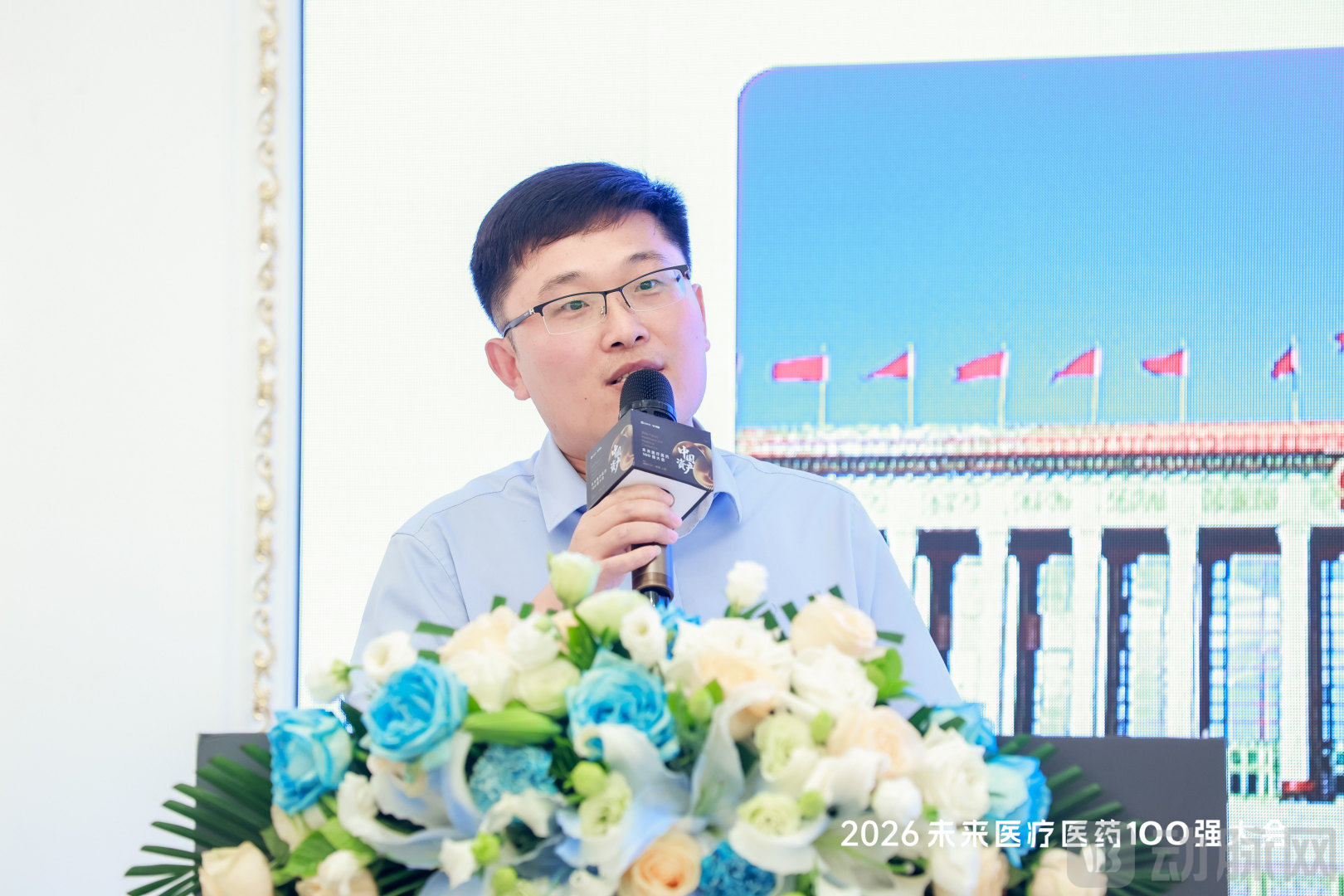 Yang Jinfei, Deputy Director of the Research and Technology Transfer Office at Rehabilitation University, Introduces an Overview of the University
Talent shortage is a key bottleneck constraining the long-term development of the rehabilitation industry.The Only University in the World to Develop Higher Education in Rehabilitation Medicine with a Systematic and Holistic Institutional Framework, providing irreplaceable talent and technical support to the industry.Yang Jinfei, Deputy Director of the Office of Scientific Research and Achievement Transformation, University of RehabilitationIntroduction: Rehabilitation University is the only university in China to have been included in the National Five-Year Plan for three consecutive terms. Positioned as a new type of research-oriented university, it has assembled academician teams led by Dong Erdan, Xie Shengquan, and Liu Jiankang, and offers seven undergraduate majors, including Clinical Medicine, Rehabilitation Occupational Therapy, Rehabilitation Physical Therapy, and Intelligent Medical Engineering. The university implements a “Three Systems, Three Modernizations, and Three Integrations” cultivation model to precisely align with the industry’s urgent demand for scarce talent. It plans to recruit top international scientists and continuously supply professional talents to the industry. In terms of scientific research, the university has secured approval for 11 provincial-ministerial level or higher research platforms, including the Key Laboratory of Cardiopulmonary Rehabilitation and Functional Reconstruction under the National Health Commission. Its teams have achieved fruitful results in areas such as rehabilitation robotics and brain-computer interfaces. Furthermore, the university has established joint laboratories and engineering centers with Haier and Hisense, building a platform for deep integration of industry, academia, and research to accelerate the translation of technological achievements.
Breaking the Weakness in Funding Assurance: Diversified Capital + Ample Carriers to Safeguard Enterprise Development
Significant financial pressure and insufficient physical space during the R&D and expansion phases are major obstacles to corporate growth. Qingdao High-Tech Zone has established a full-lifecycle financial support system, launching Version 2.0 of the “Gaoxin Loan,” an unsecured, pure-credit loan product that has provided over RMB 1 billion in loans to more than 290 enterprises. The zone currently manages government funds with a total scale of RMB 2.3 billion and holds stakes in 20 funds, with cumulative investments reaching approximately RMB 5 billion. Enterprises receiving investment from district-level funds can apply for matching funds from municipal-level funds at a maximum ratio of 4:6, creating a synergistic financial effort between the district and municipal levels. Regarding physical space, the High-Tech Zone has planned a municipal-level biomedical and medical device industrial park covering over 4,000 mu and has built more than 2 million square meters of specialized industrial facilities. The Shandong Rehabilitation Industrial Park Pilot Zone, with an investment of RMB 1 billion, is located adjacent to the University of Rehabilitation. It focuses on attracting companies specializing in rehabilitation robotics and brain-computer interfaces, offering complete hardware supporting facilities to rapidly meet enterprises’ R&D and production needs.
2Face-to-Face In-Depth Engagement Between Government and Enterprises to Precisely Address Diverse Corporate Needs
This closed-door session breaks away from the traditional one-way presentation model of investment promotion conferences, dedicating more than half of the time to corporate voices, thereby creating an efficient dialogue platform where participants “come with needs and leave with solutions.” Attending companies span various development stages, including listed, mature, and early-stage financing, and cover multiple fields such as brain-computer interfaces, rehabilitation medicine, and medical devices.On-site, over 40 specific needs and suggestions were raised, including financing matchmaking, coordination of clinical resources, and standardization of traditional Chinese medicine rehabilitation.To address common concerns, heads of various departments provided on-site interpretations of specialized policies; to meet individualized needs, the High-Tech Zone recorded each case and committed to follow-up one-on-one in-depth consultations. Furthermore,Zhang Dongning, Deputy General Manager of Beijing Shuimu Oriental Medical Robot Technology Innovation CenterAs a collaborative operator, it also introduced its full-lifecycle service capabilities, ranging from proof of concept to market launch, at the event.