Lingxi Biotech Honored as 'Most Valuable Investment Enterprise' Amid IPO Filing, Pioneering the $Trillion Chronic Disease Management Market with Medical-Grade AI Wearables

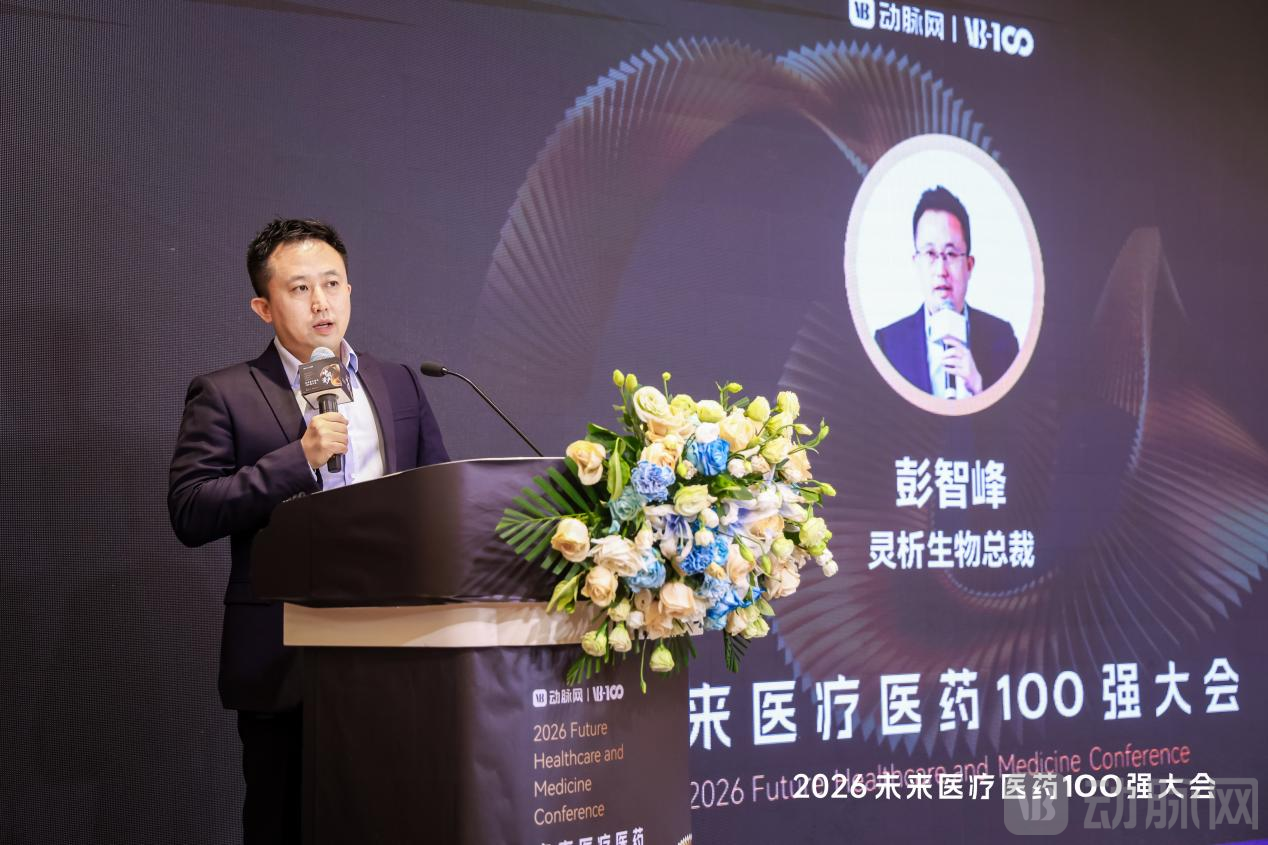
On May 21, at the highly anticipated “VCBeat 2026 Top 100 Future Healthcare Companies Conference,” Lingxi Biotechnology (Shenzhen) Co., Ltd. (hereinafter referred to as “Lingxi Bio”) won the prestigious award of “Most Investable Company” by virtue of its unique dual-engine strategy of “smart hardware + AI platform” and its broad market prospects. On the same day, Peng Zhifeng, President of Lingxi Bio, delivered a keynote speech titled “The Future Is Here: Redefining the Next Generation Paradigm of Health Monitoring with Medical-Grade AI Wearables,” revealing to the public how Lingxi Bio leverages “medical-grade AI wearables” as a fulcrum to unlock the business logic behind the trillion-yuan chronic disease management market.
China is rapidly transitioning into a society with profound population aging. By the end of 2025, the number of people aged 60 and above had exceeded 300 million, among whom nearly 300 million suffered from hypertension and over 140 million from diabetes. Chronic diseases have become the primary threat to national health and the core driver behind the continuous rise in healthcare expenditures.
The “14th Five-Year Plan” for National Health explicitly lists “strengthening comprehensive prevention and control of chronic diseases” as a key priority. Meanwhile, the newly launched “15th Five-Year Plan” elevates “prevention first” to the level of national strategy, proposing the establishment of an “active health” system and promoting a shift in health management from “passive treatment” to “active prevention.” At the same time, the silver economy, as a new growth pole supporting high-quality development, is generating substantial demand for intelligent, continuous, and personalized health management services.
However, chronic disease management in practice has long faced structural dilemmas: China lacks a family physician system, and doctors at tertiary hospitals see over 100 patients per day on average, making them unable to undertake long-term follow-up; traditional blood pressure monitors and glucometers only provide instantaneous “spot-check” data, failing to capture key risk indicators such as nocturnal hypertension and occult hyperglycemia; meanwhile, mainstream smart wearable devices on the market remain largely at the consumer electronics level, with insufficient data accuracy and a lack of clinical validation, rendering them inadequate for truly supporting medical decision-making.
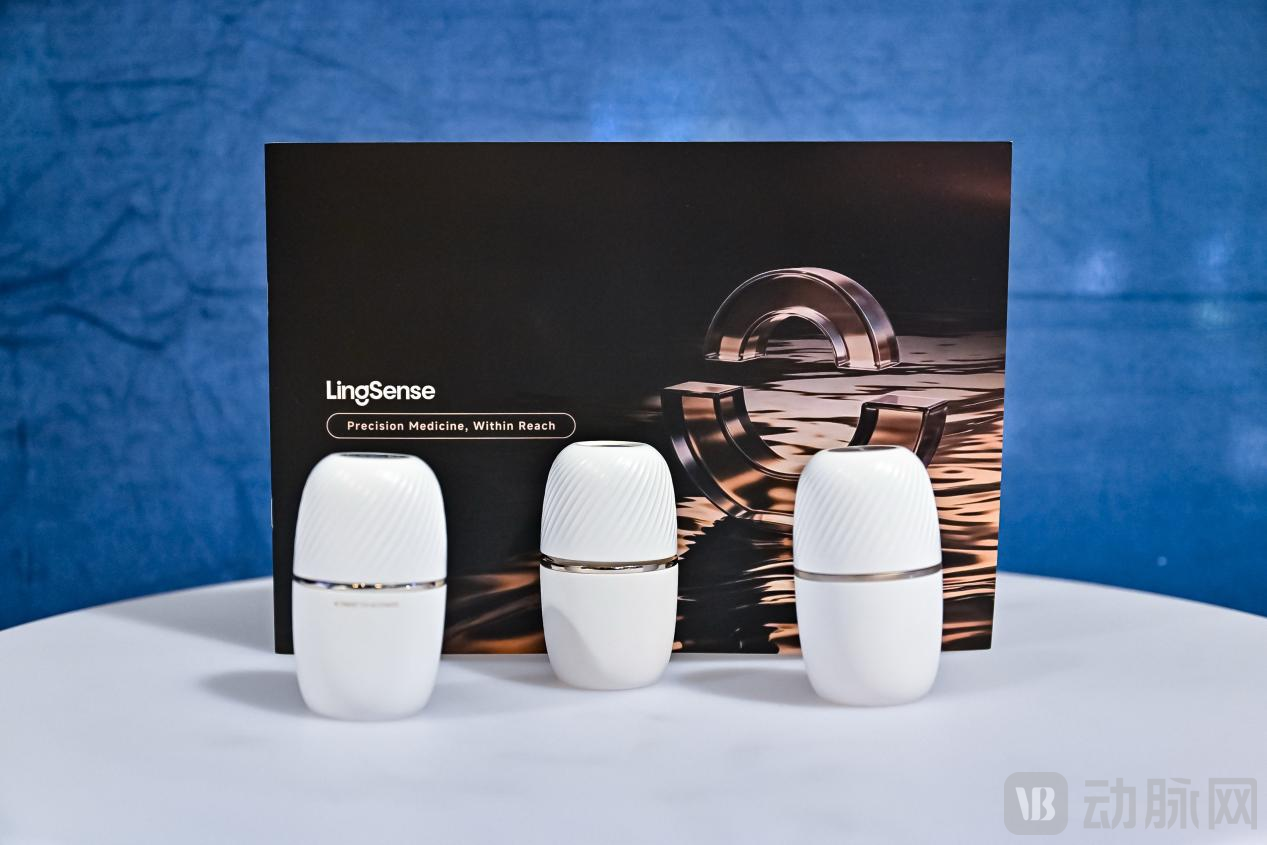
Lingxi Biotech's Upcoming Continuous Glucose Monitoring (CGM) System
The global market for home-use medical devices is in a phase of structural growth. Taking continuous glucose monitoring (CGM) systems as an example, the Chinese market has achieved a five-year compound annual growth rate (CAGR) of 34%, with penetration rates holding nearly fivefold growth potential. In response to this blue-ocean opportunity, Lingxi Biotechnology has opted not to engage in direct confrontation with traditional industry giants, but instead has carved out a differentiated path centered on “medical-grade continuous data + vertical-domain large language models.”
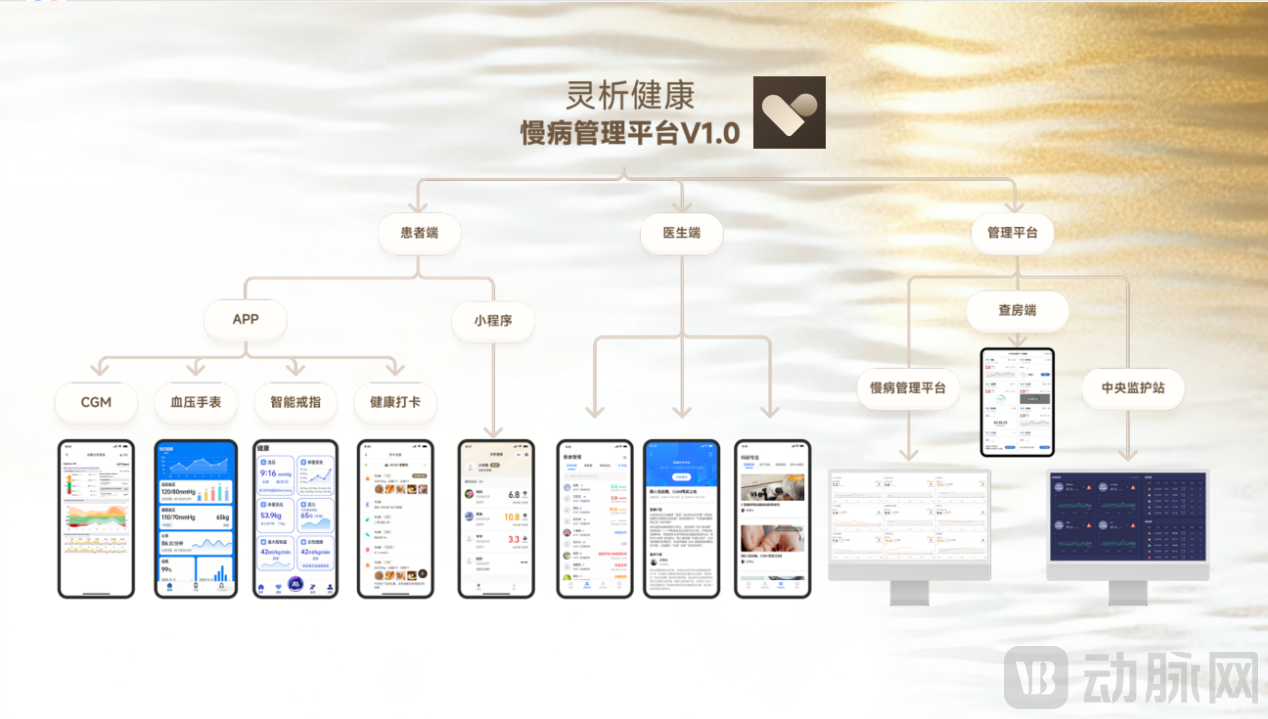
The Lingxi Bio team emphasizes: “Hardware is the entry point, data is the asset, and AI is the endgame.” The company’s business model has evolved from standalone hardware sales to a sustained value pathway of “hardware + software + AI services.” By integrating its marketed medical-grade hardware, such as the LingWatch Pro continuous blood pressure monitoring watch and the LingRing-Nexus-R1 smart ring, with its proprietary large AI models, the company is building a high-engagement user health management ecosystem called the “Lingxi Health Chronic Disease Management Platform.” Leveraging Lingxi’s self-developed medical-grade large AI model, the platform performs integrated analysis and risk identification on continuous, dynamic health data. Furthermore, by incorporating Dr. PAI (Personalized AI Doctor)—the world’s first intelligent hypertension management platform developed by Academician Zhang Yuanting’s team, which integrates wearable devices for continuous blood pressure monitoring, AI doctor avatars, and large language models—the platform delivers a closed-loop service encompassing AI consultations, health assessments, blood pressure identification, and personalized prescription recommendations, thereby effectively serving as each user’s “AI family doctor.”
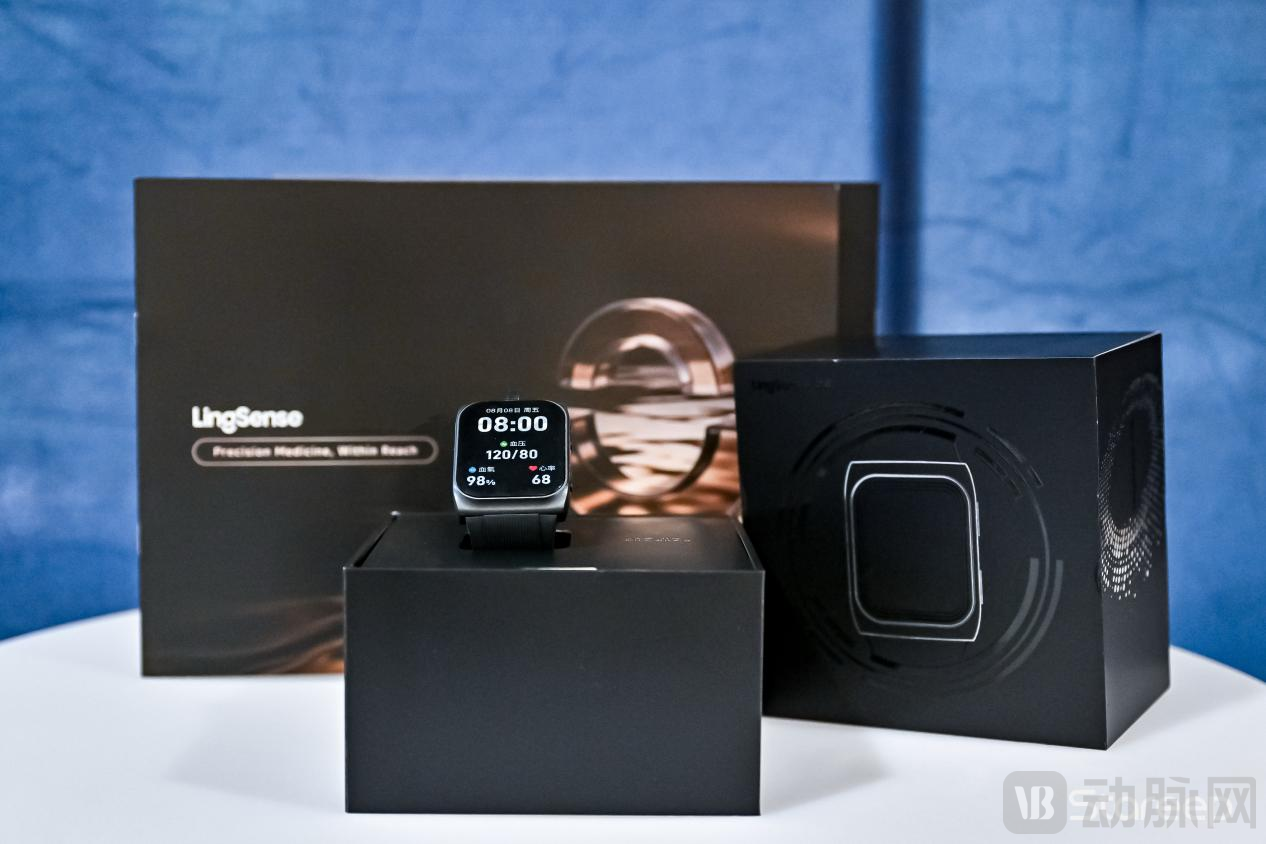
Lingxi Biotech LingWatch Pro Continuous Blood Pressure Watch
The “VCBeat 2026 Top 100 Future Healthcare and Pharmaceuticals Conference” centered on the “display, trading, and empowerment of innovative healthcare assets in China,” selecting the “Top 50 Most Investable Companies in China’s Healthcare Industry.” With a focus on full-cycle value anchoring, innovation benchmarking, and industrial ecosystem synergy, the initiative aims to provide high-quality investment targets for capital markets, guide the direction of innovation and upgrading within the industry, and promote the high-quality development of China’s healthcare sector. Lingxi Bio’s receipt of this honor fully demonstrates that its chosen track and its “dual-wheel drive” strategy of “smart hardware + AI platform” have gained widespread recognition across the industry.
That afternoon, at the “New Channels and New Business Growth Conference for the Out-of-Hospital Market,” Peng Zhifeng, President of Lingxi Bio, further elaborated on the company’s channel strategy for the out-of-hospital market. Using its upcoming CGM product as an example, he clearly outlined a complete business loop from “target population scenarios” to “key services.”
Peng Zhifeng pointed out that traditional out-of-hospital channels operate on a “shelf-space mindset,” whereas the company aims to build a “user full-lifecycle health management mindset.” The core logic of this strategy lies in precisely matching differentiated channel outreach methods and service models along the user’s trajectory from a state of health to disease management.
At the front end of health management, targeting healthy and sub-healthy populations, the company achieves early engagement and health education through lightweight channels such as e-commerce platforms and physical examination institutions. By adopting a flexible model that combines direct operations with new retail strategies, its core objectives are to lower the barrier to user acquisition and enhance health awareness. At the back end of disease management, targeting diagnosed patients and those undergoing treatment, the company provides in-depth services through professional channels such as hospitals and pharmacies. Leveraging its distributor network and in-hospital collaborations, it focuses on physician-patient education and continuous intervention.
The cornerstone of this omnichannel strategy is a robust suite of software and after-sales services. Regardless of the stage or channel through which users engage, they can access unified, continuous, and intelligent health management services provided by the “Lingxi Health Chronic Disease Management Platform,” thereby thoroughly addressing the pain points of “data silos” and “service fragmentation” that have long plagued the traditional out-of-hospital market.
As Lingxi Bio accelerates its layout in the Chinese market, the company has also taken a critical step in its global expansion. Recently, Lingxi Bio made its official overseas debut in Stanford, Silicon Valley, USA, launching two groundbreaking products that redefine industry standards. The first is a Continuous Glucose Monitoring (CGM) system with industry-leading precision, featuring a MARD value of less than 8.0%, which elevates the accuracy of Chinese-made CGMs in the field of biosensing to a world-class level. The second is the dBP, the world’s first wearable dynamic blood pressure monitor. Based on the cuffless arterial tonometry (TAG) technology developed by the team of Zhang Yuanting, an Academician of the International Academy of Medical and Biological Engineering, it achieves medical-grade continuous blood pressure tracking in an ultra-compact form factor. This innovation fills the clinical gap left by traditional cuff-based devices in diagnosing "masked hypertension" and "morning blood pressure surge." Peng Zhifeng stated, "Without robust hardware as an entry point, building a platform is like a castle in the air; without data, everything is illusory." The launch of these two new products marks Lingxi Bio’s evolution into a health management ecosystem enterprise driven by the dual engines of "medical-grade smart hardware + AI software platform" in the core chronic disease sector.
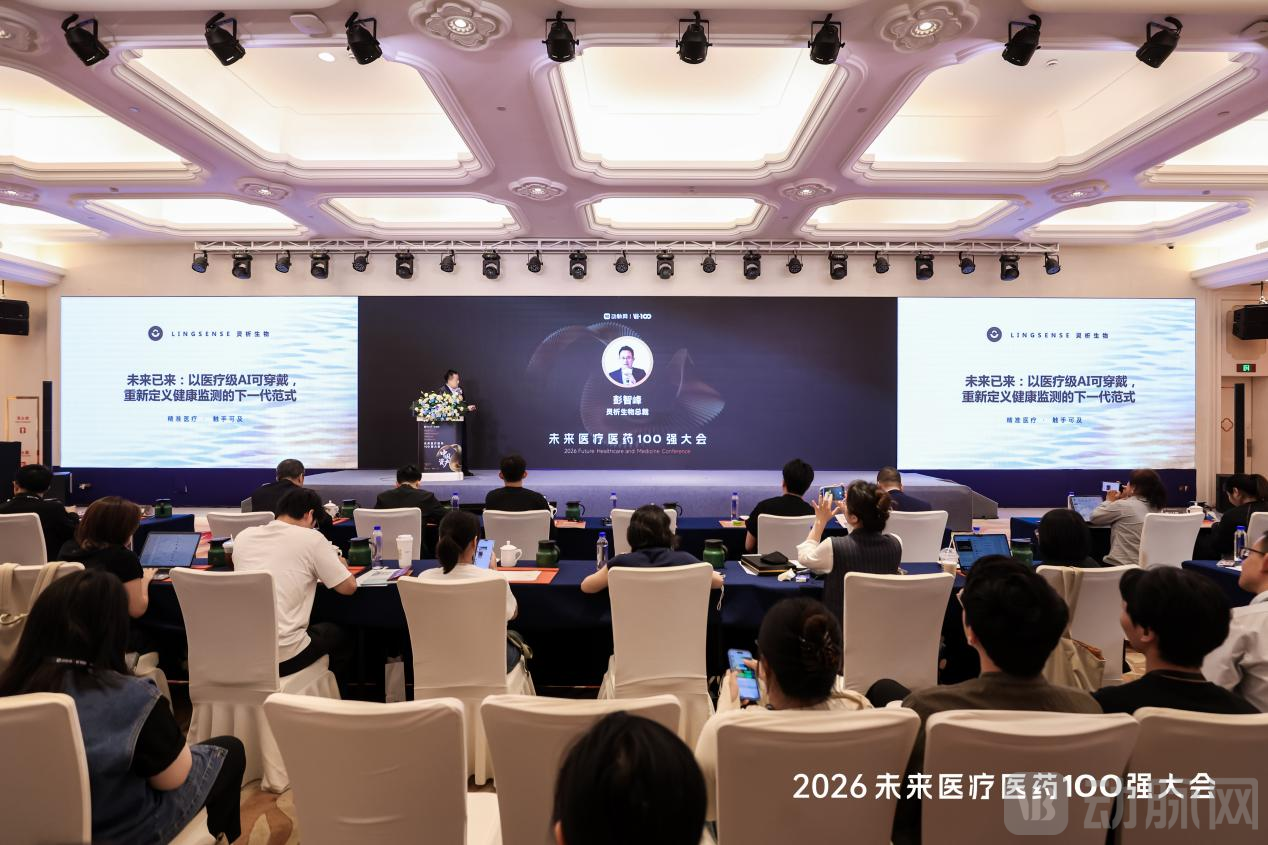
In terms of commercialization strategy, Lingxi Bio established a global strategic vision from its inception. As Peng Zhifeng, President of Lingxi Bio, stated at the conference, “Chinese enterprises should not limit themselves to competing in the domestic market; instead, they should target overseas expansion from the very beginning.” The company prioritizes market expansion in Eastern Europe, the Middle East, and countries participating in the Belt and Road Initiative, adhering to the philosophy of “Born in China, Growing Globally” to deliver Chinese-innovated, medical-grade AI health management solutions to the world. Peng Zhifeng remarked, “I believe that the convergence of three major dividends—national policy support, demographic shifts, and technological maturity—has created a historic window for ‘medical-grade wearables + AI chronic disease management.’ The time has come for AI to serve as an always-on family doctor. Lingxi does not aim to be a mere accumulator of parameters; rather, we strive to become the ultimate integrator of the chronic disease management ecosystem. The goal of this ‘Chinese Solution’ is to ensure that billions of potential chronic disease patients worldwide, regardless of their location, can access expert-level, portable medical care.”
From strong recognition in the capital markets, to precise deployment of new channels in the out-of-hospital market, and further to the global debut of its technology at its Silicon Valley premiere, Lingxi Bio is leveraging “continuous monitoring + large AI models” as its core strategy to upgrade medical-grade wearable devices from standalone “products” into an “ecosystem gateway” that connects governments, hospitals, physicians, patients, and channel partners. This represents not only a commercial triumph for Lingxi Bio, but also a vivid demonstration of China’s healthcare industry transitioning from “passive treatment” to “proactive prevention.” In the trillion-yuan blue ocean of chronic disease management, Lingxi Bio is defining the paradigm of health management for the next decade.