

Phase Scientific Unveils Urine-Based HPV Testing with Nearly 30% Higher Sensitivity Than Gold Standard at CSCCP 2026, Launching Integrated 'Screen-Diagnose-Treat' Solution for Cervical Cancer

PHASE Scientific
Developer of Liquid Biopsy Diagnostic Technology
From May 15 to 17, 2026, the 12th National Congress of the Chinese Society for Colposcopy and Cervical Pathology (CSCCP) was held at the Beichen International Conference Center in Changsha, Hunan Province. The conference was hosted by the Colposcopy and Cervical Pathology Branch of the China Association for Maternal and Child Health Studies (CSCCP) and the Chinese Journal of Clinical Obstetrics and Gynecology, and organized by the Department of Obstetrics and Gynecology of Peking University, Peking University People’s Hospital, and Xiangya Hospital of Central South University, under the theme “Multidisciplinary Integration: Jointly Building the HPV Defense Line.”
During the conference, PHASE Scientific presented for the first time a systematic, end-to-end solution for cervical cancer prevention and control, covering the three key stages of screening, diagnosis, and treatment. As a technology partner, PHASE Scientific showcased its patented PHASiFY®A closed-loop pathway design centered on innovative sample processing technology, integrating AI-assisted diagnostic evaluation and outpatient treatment tools. Collaborating clinical institutions, including Peking University Shenzhen Hospital, released the interim evaluation results of the study “Establishment and Promotion of an Innovative Model for Cervical Cancer Prevention and Control” (SCOCCAPS). This marks the first systematic clinical validation of this domestically developed innovative technology on a national academic platform, providing critical academic support to bridge the “last mile” from screening to treatment.
This pathway is based on PHASiFY®Using urine-based HPV primary screening as the entry point, this approach employs host methylation triage to support risk stratification among HPV-positive individuals, further integrating with colposcopic evaluation and subsequent management. It aims to provide a replicable and scalable reference model for the grassroots implementation of cervical cancer prevention and control in China.
Dr. Zhao Yantao, Founder and CEO of PHASE Scientific, stated during the conference: “To truly achieve the goals of cervical cancer prevention and control, relying solely on a single technology or product is far from sufficient. We need a complete closed-loop system spanning screening, diagnosis, and treatment, particularly one that aligns with the capabilities and resources of primary healthcare institutions. This is precisely the original intention behind PHASE Scientific’s launch of its end-to-end solution.”
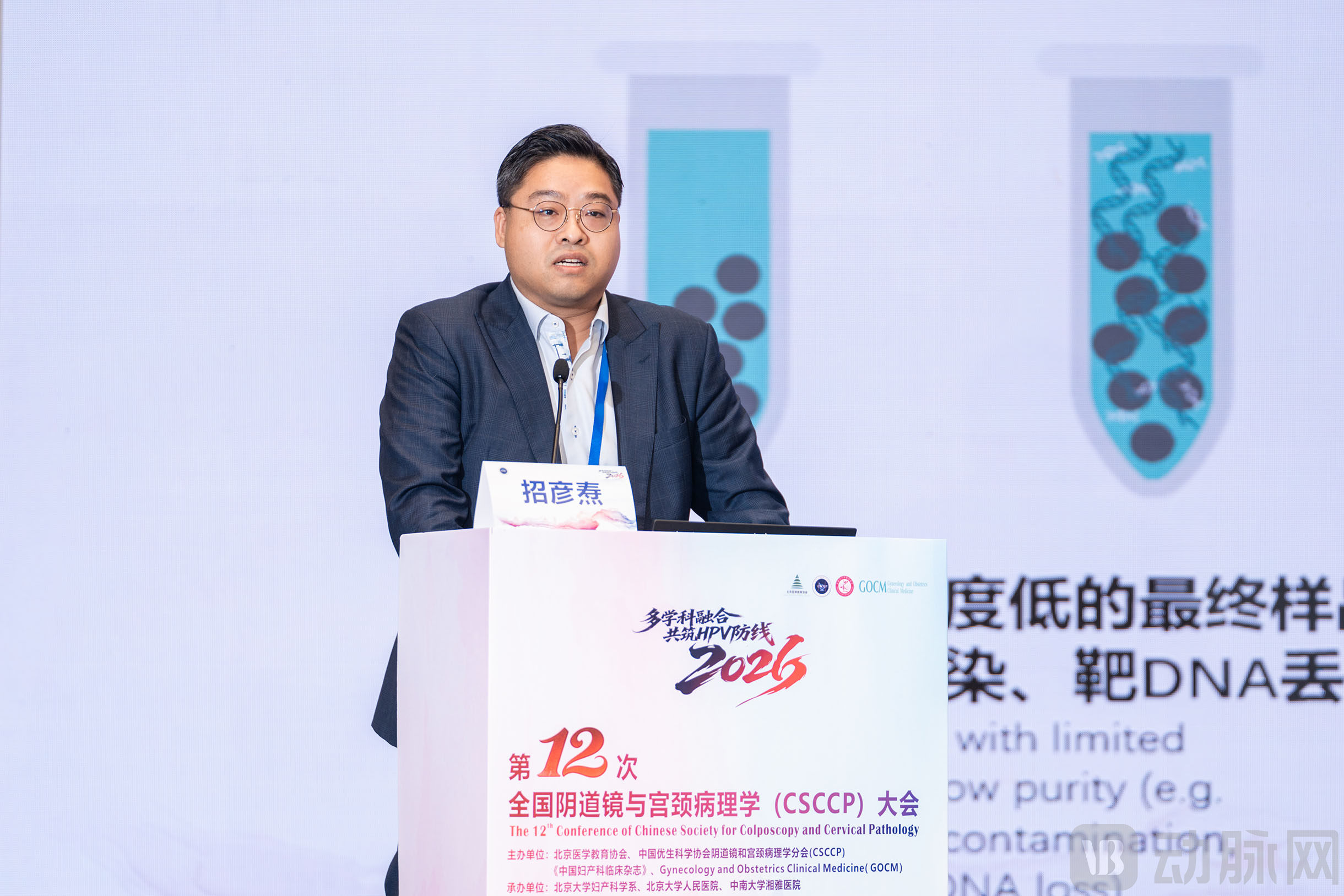
PHASiFY®Technology: Breaking Through the Long-Standing Bottleneck in Urine Testing to Lay the Foundation for Non-Invasive Screening
For a long time, the value of urine as a screening specimen has been severely underestimated. Urine collection is non-invasive, convenient, and can be performed at home, which theoretically could significantly increase screening participation rates among age-eligible women. However, due to the extremely low concentration of target DNA in urine, substantial inter-individual variability among samples, and the difficulty of traditional solid-phase extraction methods in processing large-volume samples, the sensitivity and stability of urinary HPV testing have long failed to meet clinical requirements. This has limited its large-scale application in cervical cancer screening.
PHASiFY, independently developed by PHASE Scientific®The technology is specifically designed to address this pain point. Unlike traditional solid-phase extraction methods, PHASiFY®By employing a liquid-phase extraction method, formulations can be tailored to the physical, chemical, and biological properties of target analytes, enabling efficient enrichment and concentration. This technology can process large-volume urine samples, breaking through the traditional limitation of handling only approximately 10 mL, thereby laying the foundation for molecular testing using random urine samples. Publicly available information indicates that PHASiFY®The technology demonstrates over a 10-fold higher target capture capability in urine samples compared to traditional solid-phase extraction methods, and its cell-free nucleic acid extraction efficiency in plasma samples is 3 to 4 times greater than that of conventional methods.
This technology has been granted more than 100 international patents worldwide and has received support from institutions such as the Bill & Melinda Gates Foundation, the U.S. National Institutes of Health (NIH), the U.S. National Science Foundation (NSF), China’s Ministry of Science and Technology, the Innovation, Technology and Industry Bureau of Hong Kong, and the Hong Kong Science Park. In a head-to-head study conducted in collaboration with the MD Anderson Cancer Center, PHASiFY®The technology demonstrates a 3- to 4-fold higher efficiency in extracting cell-free nucleic acids from plasma samples compared to traditional solid-phase extraction methods, with relevant findings presented at the 2020 American Association for Cancer Research (AACR) Annual Meeting.
Based on PHASiFY®Leveraging its proprietary technology, PHASE Scientific has developed a urine-based HPV testing product for cervical cancer screening, capable of detecting 23 HPV subtypes, including 13 high-risk, 5 intermediate-risk, and 5 low-risk types. The product employs real-time quantitative PCR (qPCR) technology to achieve genotyping by concentrating and purifying HPV DNA from random urine samples. In preliminary studies, the product demonstrated detection performance comparable to that of the FDA-approved Cobas test in a screening cohort of 7,000 women in Guangxi, laying the foundation for subsequent large-scale population screening. According to PHASE Scientific, PHASiFY®The technology has also been applied to product pipelines such as gene methylation detection for cervical cancer, endometrial cancer, and urothelial carcinoma, demonstrating the extensibility of this technology platform.
PHASiFY®The core value of the technology lies in “concentration”—enriching target molecules from low-concentration samples to detectable levels, thereby unlocking the potential of non-invasive specimens such as urine for early disease screening. PHASE Scientific stated that this technology is expected to enable urine to replace blood testing in certain scenarios, making cancer early screening more convenient and accessible.
On the international academic stage, based on PHASiFY®The technological achievements have received multiple accolades. In 2025, the team from Peking University Shenzhen Hospital won the “Thomas V. Sedlacek, M.D. Award for Best Clinical Research Abstract” at the Annual Scientific Meeting of the American Society for Colposcopy and Cervical Pathology (ASCCP) for their controlled clinical trial using this technology. This marks the first time the award has been presented to a Chinese team. Dr. Michelle Khan, President of ASCCP, highly praised the clinical significance of this technology, noting that it offers a new approach to improving the accessibility of cervical cancer screening and patient compliance. Professor Wei Lihui, Honorary Chairman of the Chinese Society for Colposcopy and Cervical Pathology (CSCCP) and affiliated with Peking University People’s Hospital, also acknowledged the scientific value of the study.
SCOCCAPS Interim Data Released: Urine HPV Testing Shows Nearly 30% Higher Sensitivity Than the Gold Standard
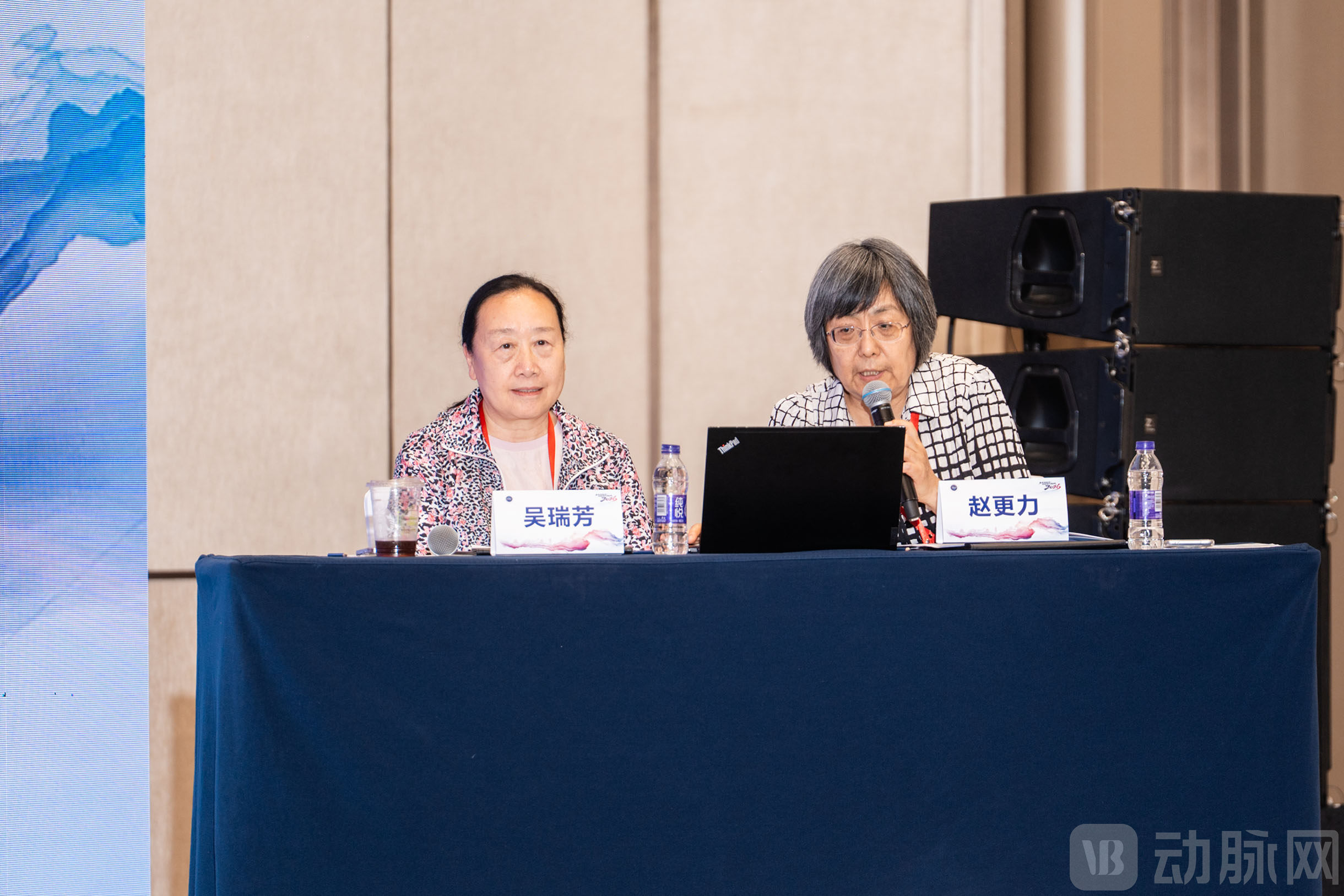
As a key component in supporting the research, development, and validation of domestic new technologies, the CSCCP 2026 Annual Conference will feature a special session on “Artificial Intelligence, Mechanisms of HPV-Induced Carcinogenesis, and New Detection Technologies,” during which interim data from the SCOCCAPS study will be released. The session will be co-chaired by Professor Wu Ruifang, Director of the Institute of Obstetrics and Gynecology at Peking University Shenzhen Hospital, and Professor Zhao Gengli from Peking University First Hospital.
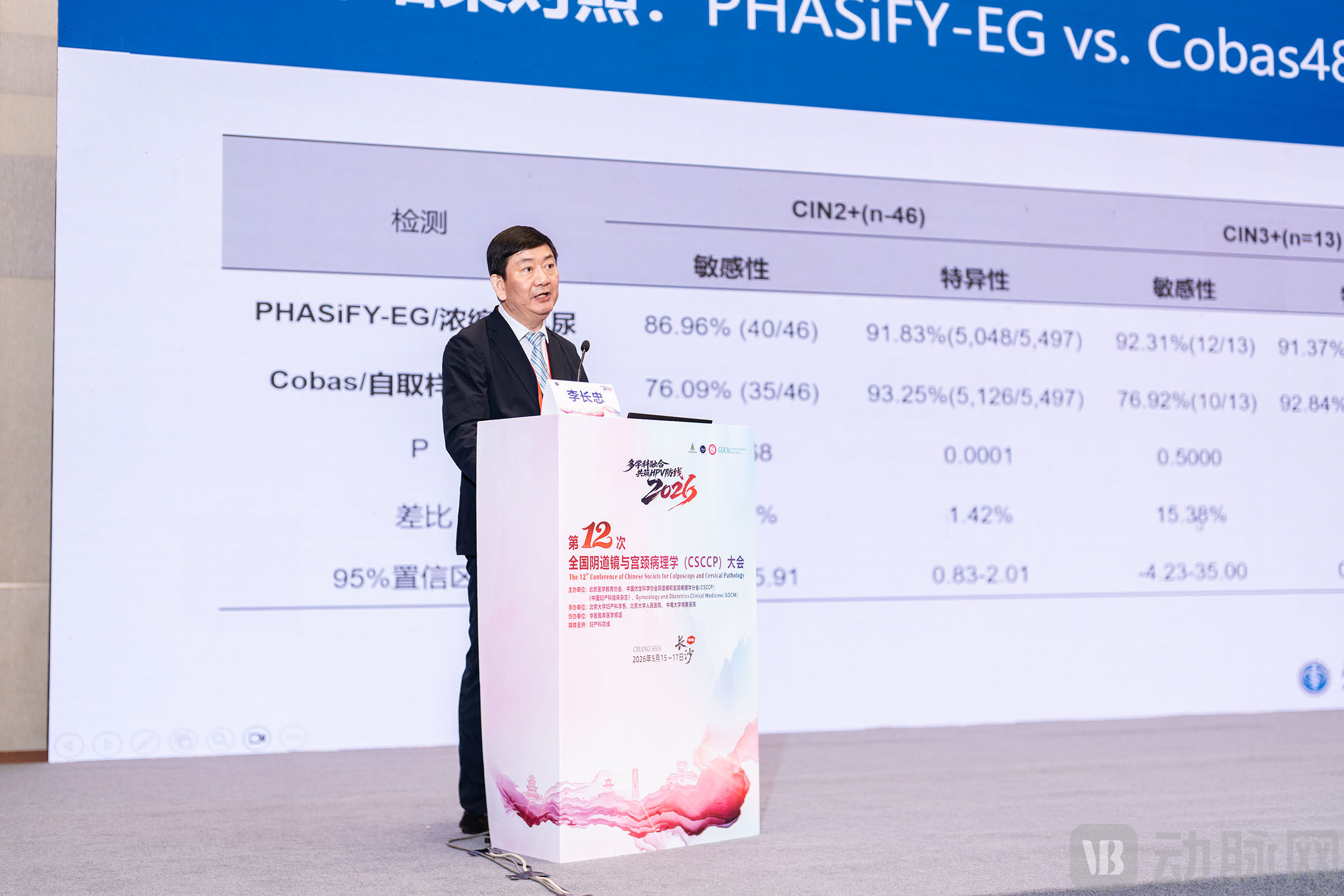
The SCOCCAPS study, led by Peking University Shenzhen Hospital, plans to enroll 17,000 eligible women and is currently the largest clinical validation project worldwide for primary urine-based HPV screening. This study aims to validate an internet-based community engagement model for cervical cancer prevention, evaluate triage strategies for HPV-positive cases, and assess the clinical performance of various urine-based HPV testing technologies in cervical cancer screening.
The interim data released herein are derived from 5,860 community-dwelling women aged 30–59 years who have completed enrollment and follow-up. The study design was rigorous: each participant provided both a random urine sample and a self-collected vaginal sample, which were analyzed using PHASE Scientific’s PHASiFY®Parallel testing was conducted using HPV assays on the technical platform, the Cobas HPV test, and next-generation sequencing. Individuals with a positive result in any of these tests were recalled for colposcopy and pathological biopsy. The biopsy protocol employed included lesion-targeted biopsy, four-quadrant random biopsy, and endocervical curettage (ECC), which is currently considered one of the most rigorous international standards for colposcopic pathological evaluation.
The study results show that, based on PHASiFY®The urinary HPV test demonstrated a sensitivity of 86.96% for detecting CIN2+, surpassing the 76.09% achieved by the control method. Among the 11 CIN2+ cases missed by the Cobas assay, 8 were detected by the urinary test, suggesting that urinary testing may identify lesions overlooked by conventional self-sampling methods. The urinary test also showed a trend toward superior performance compared to the control method in detecting CIN3+. However, its specificity was slightly lower than that of the control method, indicating the need for adjunctive triage strategies in screening protocols.
Building on this foundation, the SCOCCAPS project further validated the clinical value of the “single-urine, dual-test” strategy: high-risk HPV testing is performed first on the same urine sample, with positive results automatically triggering host methylation testing for secondary triage. Study data showed that this approach achieved sensitivity for detecting CIN2+ and CIN3+ lesions comparable to that of the control method (self-collected vaginal Cobas HPV testing combined with TCT cytology), thereby providing an accessible molecular testing pathway for resource-limited settings. In other words, starting from a single urine sample, both initial screening and triage can be completed, offering a more comprehensive chain of molecular evidence to inform decisions on whether colposcopic evaluation is warranted.
In his thematic report, Professor Li Changzhong provided a detailed interpretation of the data: “Through urinary HPV testing, we are able to detect certain lesions that conventional self-sampled HPV tests fail to identify. Our conclusion is that urinary HPV testing based on PHASiFY urine DNA concentration technology demonstrates performance suitable for clinical application. In the future, urinary HPV testing has the potential to significantly increase screening coverage.”
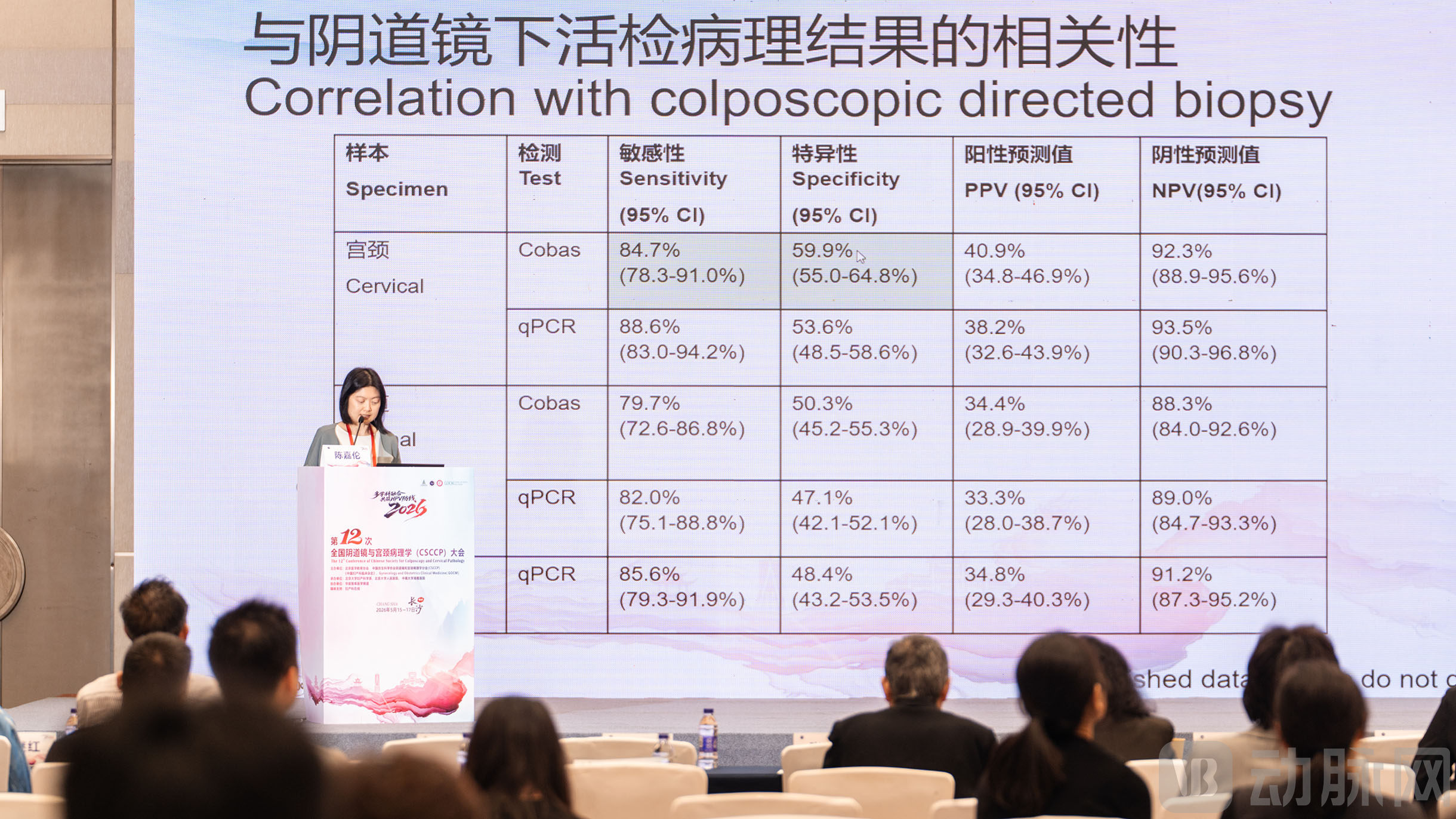
Professor Chen Jialun shared the research progress of the Hong Kong team. The Hong Kong team conducted a prospective study in an enriched population (clinically referred patients), enrolling approximately 500 women referred for colposcopy due to abnormal cytology. Urine samples, self-collected vaginal samples, and clinician-collected samples were obtained simultaneously and compared with colposcopic biopsy results. The results showed that the sensitivity of urine HPV testing was comparable to the gold standard, while its specificity was slightly lower. Professor Chen Jialun pointed out that two independent teams have conducted studies in general population screening in mainland China and validation in the enriched population in Hong Kong, respectively. If similar conclusions are drawn, it will greatly enhance the credibility of this technical approach.
PHASE Scientific Presents a Closed-Loop Screening-Diagnosis-Treatment Solution for Cervical Cancer Prevention and Control
Beyond screening, the triage and treatment of screen-positive individuals represent another critical component in reducing the incidence of cervical cancer. According to data presented at the conference, the loss-to-follow-up rate among screen-positive individuals in China currently exceeds 50%, and the average referral time from screening to completion of treatment for patients with high-grade lesions is approximately three months. Reducing the loss-to-follow-up rate and shortening the time window from screening to treatment constitute the core challenges facing primary-level cervical cancer prevention and control efforts.
Based on the interim data from the SCOCCAPS study, PHASE Scientific has established a closed-loop pathway spanning screening to treatment, encompassing four key stages: screening, triage, diagnosis, and treatment.
At the screening stage, self-sampling for urinary HPV testing eliminates the need for gynecological examinations and can be performed at home, thereby lowering the participation barrier for eligible women from the outset. According to the company, urine self-sampling significantly improves ease of collection and comfort for participants compared to traditional vaginal sampling.
At the triage stage, methylation testing based on the same urine sample enables risk stratification at the molecular level, thereby preventing a surge in medical resource demand that would result from referring all HPV-positive individuals directly for further evaluation. Professor Wu Ruifang pointed out, “If urinary HPV testing yields a positive result, we can trigger methylation testing as a secondary triage step. Individuals who test positive for methylation can proceed directly to colposcopic assessment and treatment pathways.” PHASE Scientific informed VCBeat that this approach demonstrates sensitivity for detecting cervical precancerous lesions comparable to reference methods, offering an accessible molecular testing pathway for resource-limited regions.

On the diagnostic front, PHASE Scientific has introduced the handheld intelligent colposcope (PAVE system). Supported by the U.S. National Institutes of Health (NIH), this system has been undergoing global multicenter studies since 2019. Its AI technology has been trained on data from over 50,000 cases, enabling assisted evaluation of cervical images. This reduces reliance on operator experience and makes it more suitable for use in primary healthcare institutions. Notably, the PAVE system incorporates HPV subtype information into the original intelligent colposcopy platform, further enhancing sensitivity.
On the treatment front, PHASE Scientific obtained exclusive distribution rights in China for Liger Medical’s portable cervical treatment devices in February 2026, including handheld thermal ablation instruments, the IRIS intelligent colposcopy and thermal ablation integrated system, and LEEP treatment equipment. These devices are compact and have a relatively low operational threshold, making them suitable for primary care settings or mobile screening scenarios.
Addressing the needs of primary healthcare settings, Guan Xin, General Manager of PHASE Scientific China, pointed out that both the Liger thermal ablation device and the PAVE intelligent colposcopy system are designed specifically for grassroots requirements, featuring compact size and a low operational threshold. Therefore, in terms of promotion strategy, the company will first seek endorsement from top-tier experts and higher-level hospitals. Guided by expert consensus, it will then drive recognition of its products and solutions among primary care physicians, local Health Commissions, and Centers for Disease Control and Prevention systems, while simultaneously launching recruitment efforts for distributors and partners.
In the *Global Strategy to Accelerate the Elimination of Cervical Cancer*, the World Health Organization (WHO) proposed the “90-70-90” targets, under which 70% of eligible women should undergo standardized screening by ages 35 and 45. Currently, the cervical cancer screening rate among eligible women in China is approximately 51.5%, dropping to 48.2% in rural areas, indicating a substantial gap from the target. From initial urinary HPV screening and methylation-based triage to AI-assisted colposcopy and portable thermal ablation therapy, this closed-loop “screen-diagnose-treat” model offers new technological options for increasing screening coverage and reducing loss to follow-up.
As the SCOCCAPS study continues to advance and more real-world data accumulate, whether urine HPV testing can truly reshape the current pathway for cervical cancer screening remains to be seen over time. However, the release of interim data has already provided key evidence supporting the clinical feasibility of this technical approach.
About PHASE Scientific
Phase Scientific International Limited (“Phase Scientific”) is dedicated to reshaping the new health ecosystem through innovative diagnostic and healthcare solutions. Headquartered in Hong Kong, China, the company maintains branches in the United States and the Greater Bay Area of China. Leveraging proprietary technologies, Phase Scientific provides innovative diagnostic tools and services for cancer and infectious diseases, facilitating disease detection, diagnosis, and management.
PHASE Scientific’s products and services have been certified by the U.S. Food and Drug Administration (FDA), the European CE marking, and regulatory authorities in multiple countries, with over 100 million test kits and related services provided in more than 30 countries worldwide.
PHASE Scientific recently completed a $34 million Series A financing round, marking the largest Series A funding in the Asian diagnostics technology sector since 2019. Since its inception, the company has received substantial support from the Bill & Melinda Gates Foundation, the U.S. National Institutes of Health (NIH), the U.S. National Science Foundation (NSF), China’s Ministry of Science and Technology, Hong Kong’s Innovation, Technology and Industry Bureau, and the Hong Kong Science and Technology Parks Corporation.
About PHASiFY®Concentration Technology
PHASiFY®PHASiFY is the world’s first concentration technology specifically designed for molecular diagnostics. Its ability to extract target analytes from various liquid samples, particularly urine, surpasses the industry gold standard by more than 10-fold, setting a new benchmark and significantly enhancing the sensitivity and accuracy of disease detection. This patented innovation has established PHASE Scientific as a pioneer in the field of urine-based liquid biopsy diagnostics, with clinical validation achieved in the detection of HPV and multiple other cancers.®It enables convenient sample collection in a non-invasive and painless manner, pioneering a new era for early disease screening, widespread diagnosis, and comprehensive testing.
About CSCCP
The National Conference on Colposcopy and Cervical Pathology (CSCCP) is one of the most influential academic platforms in China for cervical cancer prevention and control, dedicated to promoting academic exchange and technological advancements in cervical cancer screening, diagnosis, and treatment.
About the SCOCCAPS Study
The SCOCCAPS study (Self-collected Cervical Cancer Prevention Study: Establishment and Promotion of an Innovative Model for Cervical Cancer Prevention and Control—Evaluation of an Internet-Based Cervical Cancer Prevention and Control Model and Its Promotion and Application Based on Self-Sampled HPV Testing and Positive Triage Strategies), led by Peking University Shenzhen Hospital, aims to screen 50,000 community women for cervical precancerous lesions. The study seeks to validate a community-engaged, internet-based model for cervical cancer prevention, evaluate triage strategies for HPV-positive cases, and assess the clinical performance of several HPV testing techniques, primarily using urine samples, in cervical cancer screening. The project has been approved by the Ethics Committee of Peking University Shenzhen Hospital and has been implemented for two years in Baise, Guangxi, and Shenzhen.