

From Clinical to Commercial: Overcoming the Last Mile in Innovative Drug Value Realization Through Ecosystem Collaboration
On May 19, 2026, VCBeat hosted the “Top 100 Future Healthcare and Pharmaceuticals Conference,” which featured a forum titled “From Clinic to Market, from Valuation to Value: Tackling the ‘Last Mile’ of Innovative Drug Value Realization.” The event brought together diverse stakeholders, including national and local regulatory authorities, innovative pharmaceutical companies, AI-driven drug discovery firms, CROs, CDMOs, investment institutions, and legal experts, to focus on key bottlenecks in the journey of innovative drugs from R&D to commercialization.
China’s Innovative Drugs Are at a Historic Juncture of Realizing Their PotentialCurrently, innovative drugs in China are reaching a historic milestone where results are being realized. In 2025, 76 domestically produced innovative drugs received regulatory approval, setting a new record high. In the first quarter of 2026, outbound licensing deals exceeded $60 billion, accounting for over 70% of the global total. Nevertheless, significant challenges remain, including pressure from national medical insurance negotiations, inadequate integration with commercial health insurance, barriers to hospital formulary inclusion, patients’ financial burdens, and valuation volatility in the capital markets. The realization of value for innovative drugs is no longer a sprint focused on a single stage, but rather a complete ecological closed loop extending from pipeline potential to value delivery.
At the forum, the inaugural list of experts for the Pharmaceutical and Healthcare Innovation Think Tank was released. During the announcement, Qi Fei, Executive Director at Legend Capital, stated: “Whether through deep collaboration or diverse pathways such as business development (BD) for global expansion, NewCo formations, and cross-border M&A, all signs point to a clear trend: the era of going it alone is ending; the future lies in co-building ecosystems where each participant plays its distinct role. We launched the Pharmaceutical and Healthcare Innovation Think Tank to pool resources from all sectors, helping companies identify the most suitable partners at every stage of their development.”
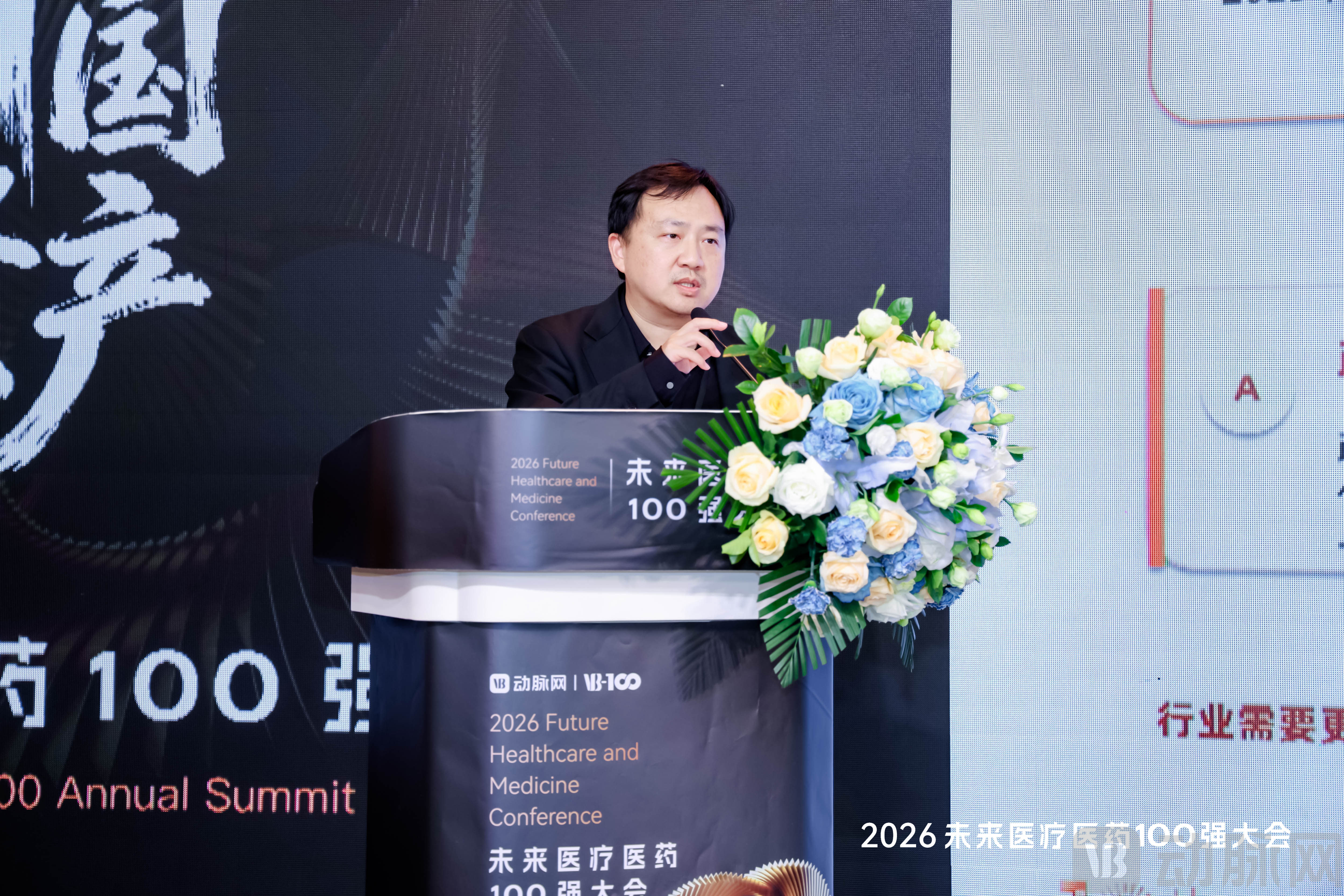
“The industry is currently undergoing four major shifts: from in-house development as the dominant model to outsourced collaboration for mutual benefit; from all-encompassing approaches to differentiated pathways; from pipeline storytelling to clinical value; and from reliance on single-payer medical insurance to multi-party payment models. This is not a sprint in any single segment, but rather a coordinated effort across the entire ecosystem.” During her address, Zhu Ping, Partner and Deputy Editor-in-Chief at VCBeat, emphasized that the “last mile” of realizing the value of innovative drugs is not narrowly defined as drug sales, but rather represents a complete closed loop from pipeline potential to value realization.
The Wind Has Shifted, and So Has the Logic
This forum brought together numerous leaders from the Development Research Center of the State Administration for Market Regulation, the Beijing Investment Promotion Service Center, the Beijing Medical Products Administration, and the Beijing Municipal Health Commission.
At the policy level, Jin Chunlin, Director of the Shanghai Health and Development Research Center, provided a systematic interpretation of the “Several Opinions on Improving the Drug Price Formation Mechanism” (also known as “Document No. 9”) issued by the State Council in 2026. He pointed out that Document No. 9 marks a shift in drug price management from government-led to market-driven approaches, with its core emphasis on highlighting clinical value and supporting genuine innovation. High-level innovative drugs will benefit from price protection, and it is imperative to establish a diversified payment mechanism in which basic medical insurance provides foundational coverage while commercial health insurance serves as a supplement.
Dr. Jia Jianmin, Deputy General Manager of R&D at Shanghai Zedeman Pharmaceutical Technology Co., Ltd., shared the breakthrough journey of benvitimod. As a China-originated first-in-class drug, it started from an obscure target long overlooked by global pharmaceutical giants and ultimately achieved the leap from scientific discovery to clinical value. Targeting the aryl hydrocarbon receptor (AhR), benvitimod for the treatment of pediatric atopic dermatitis was approved for marketing in China in November 2024, 20 days ahead of the U.S. approval. It is the world’s first non-steroidal pediatric eczema medication targeting AhR.
Zheng Weiling, Senior Vice President of PPD, Head of Corporate Strategy for Asia-Pacific, and Head of Greater China, stated that the key to enhancing the value of innovative drug pipelines is to plan for global multi-center clinical trials from day one, rather than conducting only Phase I trials in China. By leveraging the global CRO network and strategically expanding into European, American, and Belt and Road Initiative markets, Chinese innovations can truly go global and maximize their value.
Furthermore, AI-driven pharmaceutical companies will analyze how technological tools are driving industrial upgrading from dimensions such as AI-empowered drug R&D. Among them, Deep Intelligence will focus in depth on how AI-powered drug discovery facilitates the development of innovative drugs, exploring the practical value of AI in target identification, molecular optimization, clinical trials, and other stages.
Chen Ge, Managing Director of Depth Intelligence, stated at the conference: “AI is not intended to replace scientists; rather, it serves as a more precise scalpel in the hands of human experts. By leveraging AI to process vast volumes of literature and heterogeneous data, identify complex patterns, and perform predictive analytics, human experts can make better-informed judgments based on these insights. Only through human-AI collaboration can we truly break through the efficiency bottlenecks in innovative drug R&D and reduce the risk of clinical failure.”
Yang Song, Assistant Director of the Research Institute and Chief Analyst for the Pharmaceutical Sector at Tianfeng Securities, systematically reviewed the development trajectory of China’s innovative drug industry over the past decade from a secondary market perspective. The valuation logic for innovative drugs has shifted from pipeline narratives to commercial validation. Business development (BD) and global expansion are no longer optional but imperative. In the next three years, China will witness a turning point for biotech companies transitioning from marginal profitability to scaled profitability. Companies must prioritize competitive landscape analysis; having a superior drug alone is insufficient for success—what matters is who can endure and prevail in the long run.
A Case Study on the Commercialization Partnership of an Innovative Drug
“The Last Mile of Innovative Drug Commercialization” Roundtable Forum was one of the most anticipated practical dialogues at this conference.
Many biotech companies are grappling with a key question: Should they build their own commercialization capabilities or pursue partnerships? To answer this, we can start by examining a specific collaboration case.
Ascendis Pharma’s TransCon Growth Hormone (lonapegsomatropin) has been approved for marketing to treat growth hormone deficiency in children. Lonapegsomatropin is a next-generation long-acting growth hormone developed based on the “TransCon (Transient Conjugation)” technology platform. After injection, it slowly and continuously releases the unmodified prodrug, which is identical to natural human growth hormone. Results from two Phase 3 clinical trials conducted both in China and internationally have demonstrated that the treatment endpoints were superior to those of daily formulations.
In terms of the commercialization of Vitrosity, Ascendis Pharma has partnered with WuXi Biologics for localized commercial manufacturing and is jointly advancing the construction of China’s first dual-chamber lyophilized formulation filling line at WuXi Biologics’ commercial production base in Chengdu.
On the sales front, Ascendis Pharma has partnered with Anke Biotechnology, adopting a direct-operation model in core regions while jointly expanding into broader markets with partners. By April 2026, teams from both sides had completed comprehensive alignment on market strategy for Weizhengao, promotional messaging, medical education collaboration, and compliant operations.
Growth hormone represents a major market segment valued in the tens of billions. According to Frost & Sullivan data, the size of China’s growth hormone market has increased from RMB 5.6 billion in 2019 to RMB 12.6 billion in 2024. With the approval and launch of an increasing number of long-acting growth hormone products, these long-acting formulations are gradually becoming dominant in the future market, accelerating the replacement of traditional daily injections.
How Should Pharmaceutical Companies Respond to the Vast Market Opportunities Ahead? Generally, early-stage biotech startups and innovative pharmaceutical companies filing for commercialization for the first time are the two entities facing the greatest challenges in the industrialization of innovative drugs. Constrained by their stage of development, early-stage biotechs find it difficult to establish a comprehensive operational structure and a standardized, global-quality management system.
Lu Anbang, Executive Director and CEO of Ascendis Pharma, noted that China’s biopharmaceutical industry chain has become highly efficient and mature. With the deepening implementation of the Marketing Authorization Holder (MAH) system and alignment with International Council for Harmonisation (ICH) guidelines, domestic CDMOs and equipment manufacturers are fully capable of adopting the world’s most advanced technologies. Today, the challenge for biotech companies is no longer “whether they can find good partners,” but rather “how to effectively leverage this mature industrial ecosystem.” Meanwhile, biotech firms must clearly identify their core strengths, retain control over key technologies, and collaborate with top-tier partners by entrusting specialized tasks to professionals.
“We jointly established China’s first dual-chamber lyophilized formulation filling line with WuXi Biologics and Tofflon, and collaborated with Anke Bioengineering to expand academic promotion. We are not here to divide the pie, but to grow it together. By starting with the end in mind and forging strong alliances, we can deliver quality medicines to patients as quickly as possible, successfully bridging the last mile from R&D to commercialization,” pointed out Lu Anbang.
At the forum, as discussions deepened, the trajectory toward achieving collaborative synergy gradually became clear.
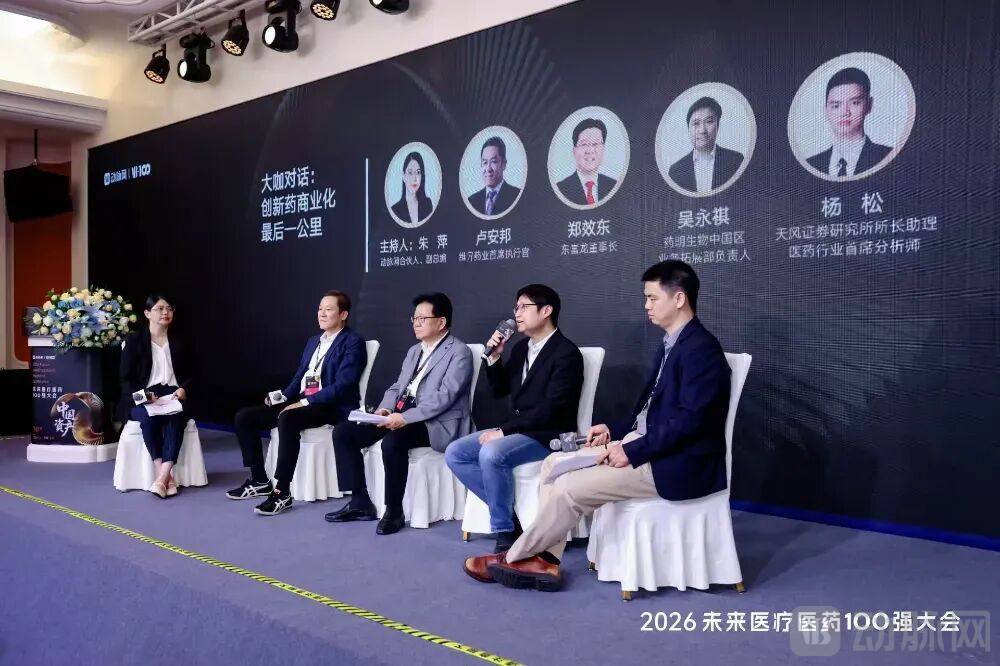
Jointly building China’s first dual-chamber lyophilized formulation filling line, which also serves as a benchmark case for multi-party collaboration among pharmaceutical companies, CDMOs, and equipment manufacturers.
Traditional lyophilized formulations use vials, requiring medical personnel to repeatedly withdraw and inject for reconstitution, a cumbersome process with risk of contamination. Zheng Xiaodong, Chairman of Tofflon, acknowledged that the implementation of China’s first dual-chamber lyophilized formulation filling line involved overcoming significant challenges in complex processes, entirely new packaging material development, and multi-party coordination.
Viseon Pharmaceuticals has introduced a dual-chamber prefilled cartridge that separates lyophilized powder and injection solution into two chambers, allowing for instant mixing with a single push for direct injection.
Wu Yongqi, Head of Business Development for Greater China at WuXi Biologics, stated, “Our collaboration with Ascendis Pharma to construct this dual-chamber formulation filling line stems not only from our strong recognition of the product’s potential and our full trust in the professional collaborative capabilities of the Ascendis team, but also represents a significant strategic layout for us in the field of formulations. Dual-chamber formulations impose extremely high requirements on process and quality systems; companies capable of commercial-scale production remain scarce globally, and this capability exemplifies the high-end standard of biologic manufacturing.”
The partners’ passion and seriousness in discussing technical details further strengthened everyone’s conviction that “the project is bound to succeed.”
Zheng Xiaodong revealed that the teams from Tofflon, Ascendis Pharma, and WuXi Biologics have long engaged in co-located operations. This collaboration has directly filled China’s technological gap in the field of dual-chamber delivery systems, with Tofflon also benefiting significantly. Following the project’s implementation, Tofflon has seen substantial growth in overseas orders for its injectable equipment, and an increasing number of customers are now proactively seeking partnerships.
Multiple Pathways: Who Does It, How Is It Done, and Who Pays?
From AI-assisted R&D, to CRO-enabled clinical trials, to CDMO-secured manufacturing, to the establishment of diversified payment systems through basic medical insurance and commercial health insurance, and finally to the actual delivery of medicines to patients. A weakness in any single link may hinder or destabilize the “last mile” of innovative drug commercialization.
The commercialization path has long since moved beyond the single route of self-marketing drugs. Diverse models such as business development (BD) licensing, contract sales organization (CSO) collaborations, NewCo structures, and cross-border mergers and acquisitions are on the rise, making choices more complex and underscoring the need for greater synergy among various stakeholders within the ecosystem.
Therefore, companies must also consider a question: How can good science be turned into a good business?
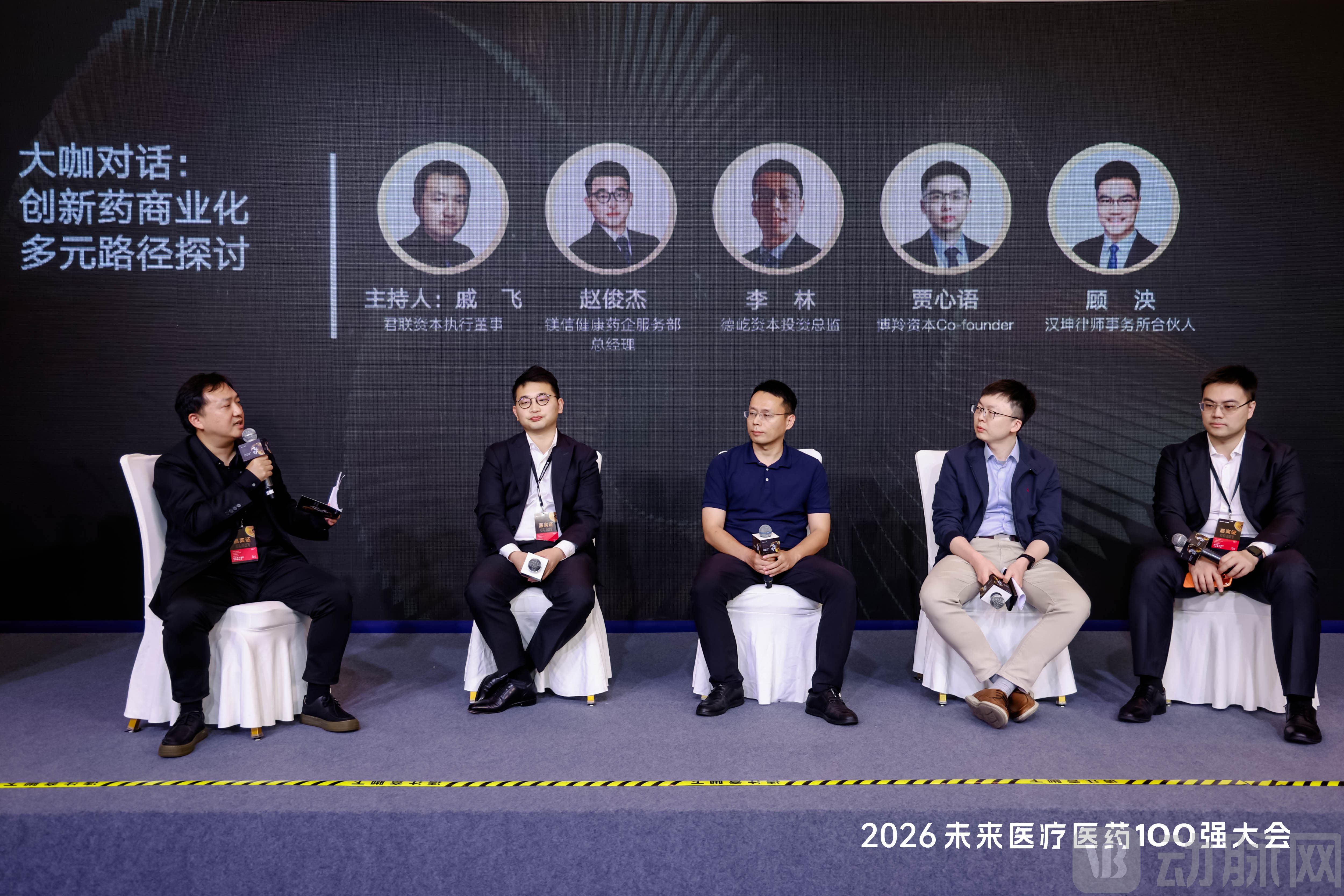
Li Lin, Investment Director at Deyi Capital, drew on his practical experience in innovative drug investment to note that when determining their commercialization pathways, most founders of innovative pharmaceutical companies initially prefer to build and operate their own commercial infrastructure, hoping to test the market firsthand. However, only a handful of companies have successfully established their own commercialization systems and achieved high-efficiency output; more than half were ultimately dissuaded by investors from pursuing in-house commercialization plans. Li Lin believes that only a few companies in the industry can evolve into mature biopharmaceutical enterprises (Biopharma), while the vast majority of innovative drug companies are better suited to partnering with high-quality collaborators to jointly advance the commercial launch of their products.
Regarding business development (BD), current BD transactions face severe information asymmetry. In the view of Ji Xinyu, co-founder of Boling Capital, investment institutions are deeply involved in the operations of their portfolio companies, becoming industrial co-builders that drive M&A integration and commercialization. Each project has its own suitable BD path. Boling’s platform is positioned to maximize transaction opportunities and value for each project by digitizing active deals and buyer demands, thereby breaking down the information silos and networking barriers inherent in traditional BD transaction models.
Gu Yang, a partner at Han Kun Law Offices, has observed that the bargaining power of Chinese sellers is on the rise. Having participated in more than 150 business development (BD) deals over the past four years, he has keenly felt that the global expansion of China’s innovative drugs has evolved from sporadic试探 to systematic explosion.
“In the past, a $50 million upfront payment was considered substantial; now, total deal values of $1 billion have become commonplace.” Gu Yang has observed that multinational corporations’ (MNCs) focus on Chinese assets has shifted from bargain-hunting to seeking true First-in-Class and Best-in-Class candidates.
From R&D and clinical development to commercialization, Chinese innovative drugs are going global. China is not only a source of innovation but is also becoming one of the core markets for global biopharmaceutical transactions.
In this context, innovative pharmaceutical companies should capitalize on the trend and select reimbursement pathways that align with their product characteristics.
Zhao Junjie, General Manager of the Pharmaceutical Enterprise Services Department at Magnesium Health, stated that diverse payment methods—such as Huiminbao (city-specific supplementary medical insurance), million-yuan medical insurance, and efficacy-based insurance—are becoming important supplements to basic medical insurance. In the realm of oncology drugs and cutting-edge therapies, including PD-1 inhibitors, antibody-drug conjugates (ADCs), and CAR-T cell therapy, commercial health insurance has become a cornerstone. Meanwhile, innovative drugs must tailor their commercial health insurance implementation strategies based on product-specific characteristics and integrate end-to-end pharmaceutical service systems. Only in this way can they reach patients more precisely and efficiently, thereby smoothing out the “last mile” of accessibility.