

Tezign and Unimind Announce Strategic Partnership to Redefine Digital Marketing in the Pharmaceutical Industry
Against the backdrop of the pharmaceutical industry’s deepening digital transformation and the accelerated restructuring of marketing models, digital and AI capabilities are evolving from mere “efficiency-enhancing tools” into critical infrastructure for enterprises to establish professional barriers and bridge clinical value with market growth.
On May 21, at a closed-door seminar themed “Digital Marketing Services for Pharmaceutical Companies in the New Wave,” held in West Bund, Xuhui District, Shanghai, Tezign and Unimind officially announced their strategic partnership. Tezign Technology is a leading enterprise-grade AI agent company in China, founded by Professor Fan Ling, a renowned scholar in the field of artificial intelligence, and is recognized as one of Shanghai’s “Big Dipper” key AI enterprises. Through its independently developed Generative Enterprise Agent (GEA) system, Tezign helps businesses achieve growth, innovation, and enhanced productivity. Unimind focuses on supporting the digital transformation of Chinese pharmaceutical companies, with long-term expertise in evidence-based medicine communication, academic content operations, and pharmaceutical digital marketing services. It is committed to helping pharmaceutical and medical device enterprises establish an intelligent academic marketing system that balances professional depth, communication efficiency, and regulatory compliance.
Both parties stated that they would explore new pathways for AI-empowered pharmaceutical digital marketing, addressing the pharmaceutical industry’s composite demands for professional communication, content creation, and digital operations.
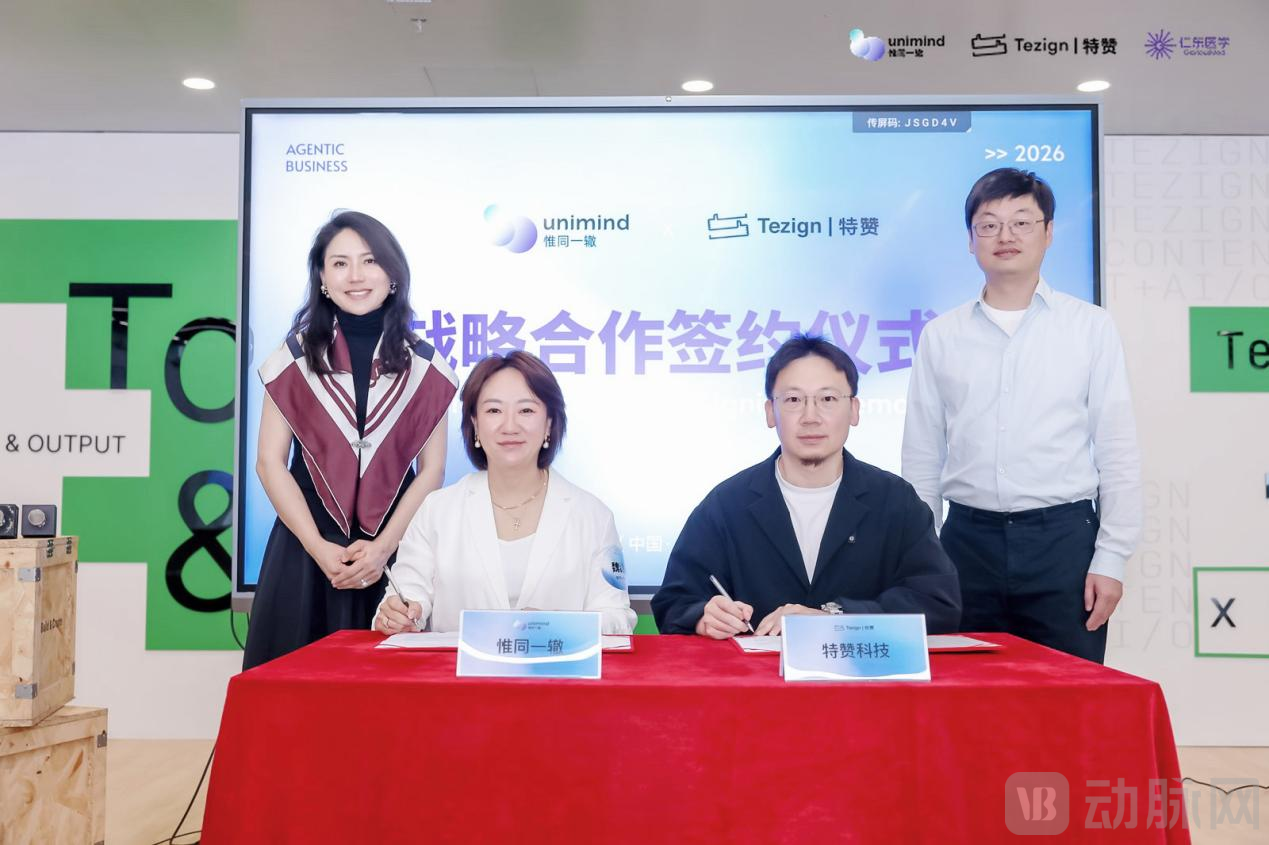
01
Synchronized Shift in Specialization and Growth Logic: Pharmaceutical Marketing Enters a Period of Restructuring
In recent years, as the industry landscape continues to evolve, pharmaceutical companies are moving away from the past growth model characterized by singular investment approaches and relationship-driven strategies, transitioning toward a development stage that places greater emphasis on professionalism, scientific evidence-based practices, and the accumulation of long-term value.
Amid these trends, pharmaceutical and medical device companies are reshaping their expectations for marketing systems. The traditional sales-outcome-driven approach to resource allocation is gradually giving way to a new paradigm centered on demonstrating clinical value, accumulating medical evidence, conducting professional dissemination, and executing precision operations. For enterprises, the critical challenge now lies in transforming marketing budgets from one-time expenditures into sustainable, reusable content assets, knowledge assets, and organizational capabilities.
Participants widely agreed that future competition among pharmaceutical companies will not only be reflected at the product level, but also increasingly depend on the ability to establish a digital marketing system that balances professional depth, communication efficiency, and organizational synergy. Especially as generative AI rapidly enters the phase of industrial application, standalone and fragmented tools are no longer sufficient to meet the healthcare sector’s demands for content quality and process efficiency.
02
A Cross-Industry Collaboration: Integrating Content Technology Capabilities with Pharmaceutical Professional Services
From the perspective of the division of labor between the two parties, the core of this strategic partnership lies in combining Tezign’s technological expertise in content technology, content asset management, creative generation, and generative AI with Weitong Yizhe’s professional service capabilities in the pharmaceutical and healthcare sector, its experience in evidence-based medical communication, and its understanding of digital operations for pharmaceutical companies.
It is reported that Tezign has long focused on the “Content + AI” sector, boasting a strong technological foundation in collaborative content production, asset management, creative generation, and scaled operations. Meanwhile, Weiyitongche has served the pharmaceutical and healthcare industry for an extended period, accumulating deep expertise in professional academic communication, digital medical services, and the implementation of industry-specific scenarios. This collaboration is, to some extent, regarded as a profound convergence between the “agile content production capabilities” characteristic of the consumer internet era and the healthcare industry’s demands for “high professionalism and high-quality content.”
From an industry perspective, such cross-sector collaborations have drawn attention because they directly address a long-standing pain point in pharmaceutical companies’ digital marketing: on the one hand, academic content must be sufficiently professional and accurate; on the other, companies need to enhance content production efficiency, expand their reach, and achieve multi-channel, multi-scenario engagement. Striking a balance between “reach” and “professionalism” has always been a key challenge in the digital transformation of pharmaceutical marketing.
03
System Debut: Extending the Value Chain of Academic Conference Content
The “Academic Marketing Communication System (ConfX System, also known as WeiTongYiZhe)” showcased at the seminar has emerged as one of the most notable implementation cases of this collaboration. Targeting the issue where content from traditional academic conferences becomes inaccessible shortly after the event concludes, the system leverages AI capabilities to extract, structure, and transform expert insights, discussion summaries, and key highlights in real time. This approach converts ephemeral conference content into reusable and disseminable digital academic assets.
In other words, the value of academic conferences in the past was more focused on in-person interactions during the event. However, with the support of digital systems, their value chain is expected to extend to pre-event engagement, content refinement during the event, and sustained post-event dissemination. This not only helps prolong the lifecycle of high-quality academic content but also provides new operational interfaces for collaboration among pharmaceutical companies’ medical affairs, marketing, and digital teams.
Meanwhile, related systems are also attempting to integrate enterprise knowledge bases, content production, channel distribution, and user insights. On one hand, for the professional sector, they can support more refined content operations centered on physicians’ academic interests and clinical concerns; on the other hand, for the public sector, they can leverage multimodal content generation capabilities to translate specialized medical terminology into more accessible health communication materials, thereby adapting to diverse media platforms and audience scenarios.
04
Competition in Pharmaceutical Content Is Entering a New Phase
Notably, as Generative Engine Optimization (GEO) gradually emerges as a new focal point for the industry, pharmaceutical companies are also adapting their content strategies. In contrast to the traditional search era, which emphasized keywords and page distribution, in the generative search environment, the authority, structural organization, citability, and comprehensibility of content will directly influence its visibility within AI systems.
This means that for pharmaceutical companies, future content development will no longer be just about “writing and publishing,” but must further consider how content can become a trusted information source that AI-powered search, Q&A, and recommendation systems are willing to invoke. Enhancing the standardized expression and citability of medical content will also open new avenues for enterprises to build professional influence.
05
The industry is seeking integrated services that truly understand medical scenarios.
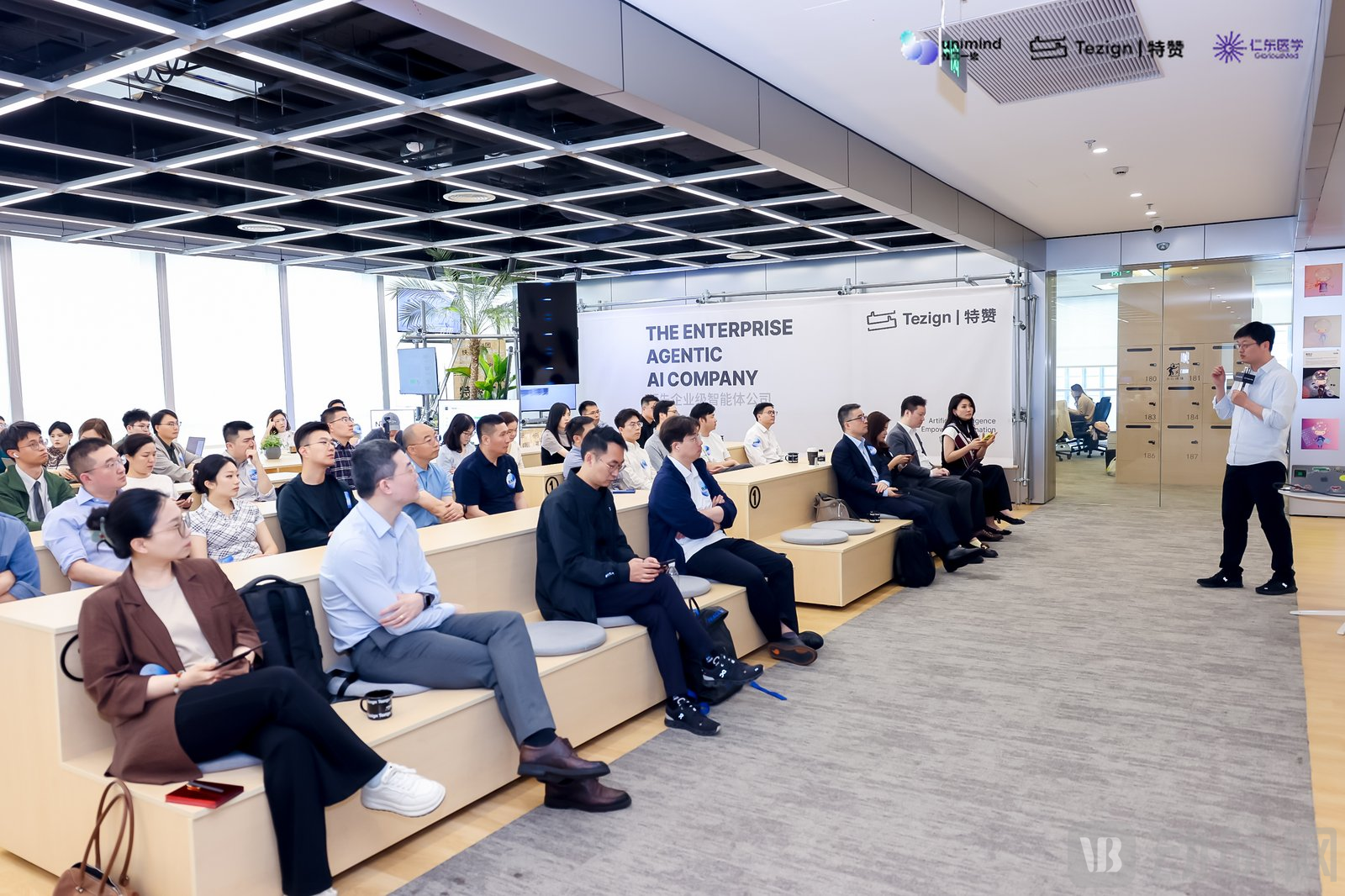
 Representatives from multiple participating pharmaceutical companies stated that, rather than merely stacking disparate tools, the industry currently needs integrated service solutions that understand medical business logic, balance professional prudence with operational efficiency, and can be truly embedded into business workflows. This judgment reflects the reality of pharmaceutical digitalization as it enters a more complex and mature phase: technology itself is no longer scarce; what is truly scarce is the ability to understand industry scenarios, grasp business boundaries, and translate tools into tangible business outcomes.
From this perspective, the collaboration between Tezign and Weitong is not merely a brand partnership, but a joint exploration of new infrastructure for digital marketing in the pharmaceutical industry. Its subsequent value lies in the ability of both parties to truly integrate AI, content technology, and professional pharmaceutical services, thereby forming solutions that are replicable, verifiable, and scalable.
It is foreseeable that as the relationship-driven model recedes and demands for professionalism continue to rise, the focal point of competition in pharmaceutical digital marketing is shifting from “who can acquire more traffic” to “who can sustainably create value in a more professional, credible, and efficient manner.” This shift will also become a key direction for industry reshaping in the next phase.