

2026VB100: Myopia Control Strategies Unveiled with 'Red Light + Alliance + AI' at Ophthalmic Innovation Forum
Amid the persistently rising myopia rates among children and adolescents and the accelerating aging of the population, the ophthalmology industry is ushering in a new round of technological iteration and industrial restructuring.
From red light therapy and defocus lenses to AI-assisted screening and digital therapeutics, and from phacoemulsification-vitrectomy devices to automated ophthalmic surgical systems, innovation in ophthalmology has gradually transcended the logic of single-product competition, entering a new phase characterized by technological integration, ecosystem synergy, and full lifecycle management.
Meanwhile, as the regulatory framework continues to improve, payment logic accelerates its adjustment, and competition among terminal institutions becomes increasingly fierce, the industry is rethinking several key propositions: Is myopia prevention and control still a significant growth track in the healthcare sector? How can clinical demand truly drive source innovation? Can cross-sector collaboration reshape the ecosystem of optometry and vision care services? And how will artificial intelligence reconstruct the models of ophthalmic diagnosis, treatment, and health management?
With these questions in mind, during the 2026 Future Healthcare and Pharma Top 100 Conference, multiple guests from the fields of clinical practice, scientific research, industry, and investment engaged in in-depth discussions on topics such as myopia prevention and control, digital eye health, the localization of ophthalmic devices, and the construction of industrial ecosystems at the “Ophthalmology Innovation and Investment Forum,” co-hosted by VCBeat and Shijing Medical.
The forum was moderated by Yu Bo, Partner at Ziniu Fund, and brought together clinical experts from institutions such as the Eye Hospital of Wenzhou Medical University, as well as industry and capital representatives from Sullivan Consulting, Danlu Capital, Hoya Optical, Shijing Medical, Nidek, Xiran Medical, and Mengying Eye Care.
Decoding the Underlying Logic of Innovation in Ophthalmology
Clinically Driven Innovation: Bridging the Gap from Clinic to Industry to Facilitate the Translation of Myopia Prevention and Control Technologies
Myopia prevention and control has become a public health issue of national priority in China. With over 100 million adolescents affected by myopia, the country faces a significant trend of early onset and high prevalence. The risk of blindness associated with high myopia continues to rise, making unmet clinical needs a core driver for source innovation.
Experts from China’s leading ophthalmic hospitals delivered a speech titled “Ophthalmic Innovation Driven by Clinical Needs: New Pathways for Technology Translation and Industry Integration,” pointing out the early onset and high prevalence of myopia among Chinese adolescents, as well as the rising risk of blindness associated with high myopia.Excessive Axial Elongation and Scleral Hypoxia Are the Core Mechanisms, his team was the first to discover that 650nm red light can prevent and control myopia, and conducted the world’s first multicenter, double-blind, controlled trial, confirming the significant efficacy of red light therapy, although further safety studies are needed. LED red light, with its potentially high safety profile, is expected to become a complementary measure for myopia prevention and control.
Liu Xinting, Deputy Director of Scientific Research at the Optometry Diagnosis and Treatment Center and Deputy Director of the Myopia Prevention and Control Specialty at the Eye Hospital of Wenzhou Medical University, delivered a presentation titled “From Research to Application: New Technologies for Myopia Prevention and Control and Ecological Synergy.” She systematically analyzed the signaling pathways and intervention targets involved in myopia onset, reviewed the clinical evidence and application rationale for technologies such as low-concentration atropine, orthokeratology (OK) lenses, defocus spectacle lenses, multifocal soft contact lenses, and red-light therapy, emphasizingMyopia Is Preventable and Controllable, but Not Curable: Early Prevention and Control Are Key, establishing refractive development records and adopting combined interventions are the core directions for future precision prevention and control.
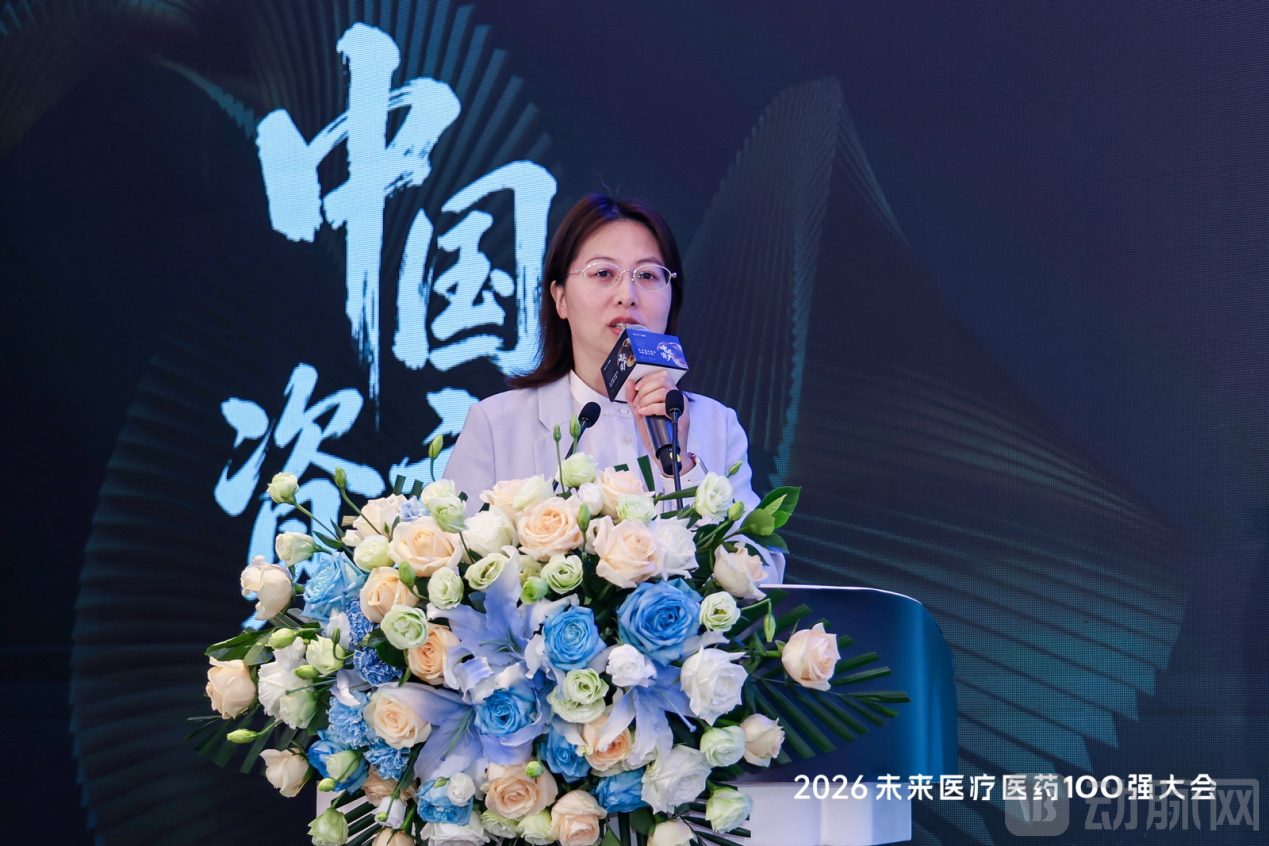
Liu Xinting, Deputy Director of Scientific Research at the Optometry Diagnosis and Treatment Center and Deputy Director of the Myopia Prevention and Control Specialty at the Eye Hospital of Wenzhou Medical University
Data Empowerment + Alliance Innovation: Breaking the Deadlock of Industry Involution
Mao Hua, Senior Partner and Managing Director at Frost & Sullivan, released the "Blue Book on the Current Status and Future Trends of Myopia Management in Children and Adolescents (2026)" on-site and interpreted its core data. The Blue Book reveals that the number of myopic children and adolescents in China exceeds 110 million, accounting for one-quarter of the global total. In 2024, China's market for medical devices related to myopia management surpassed RMB 40 billion, with projections indicating it will exceed RMB 90 billion by 2030.
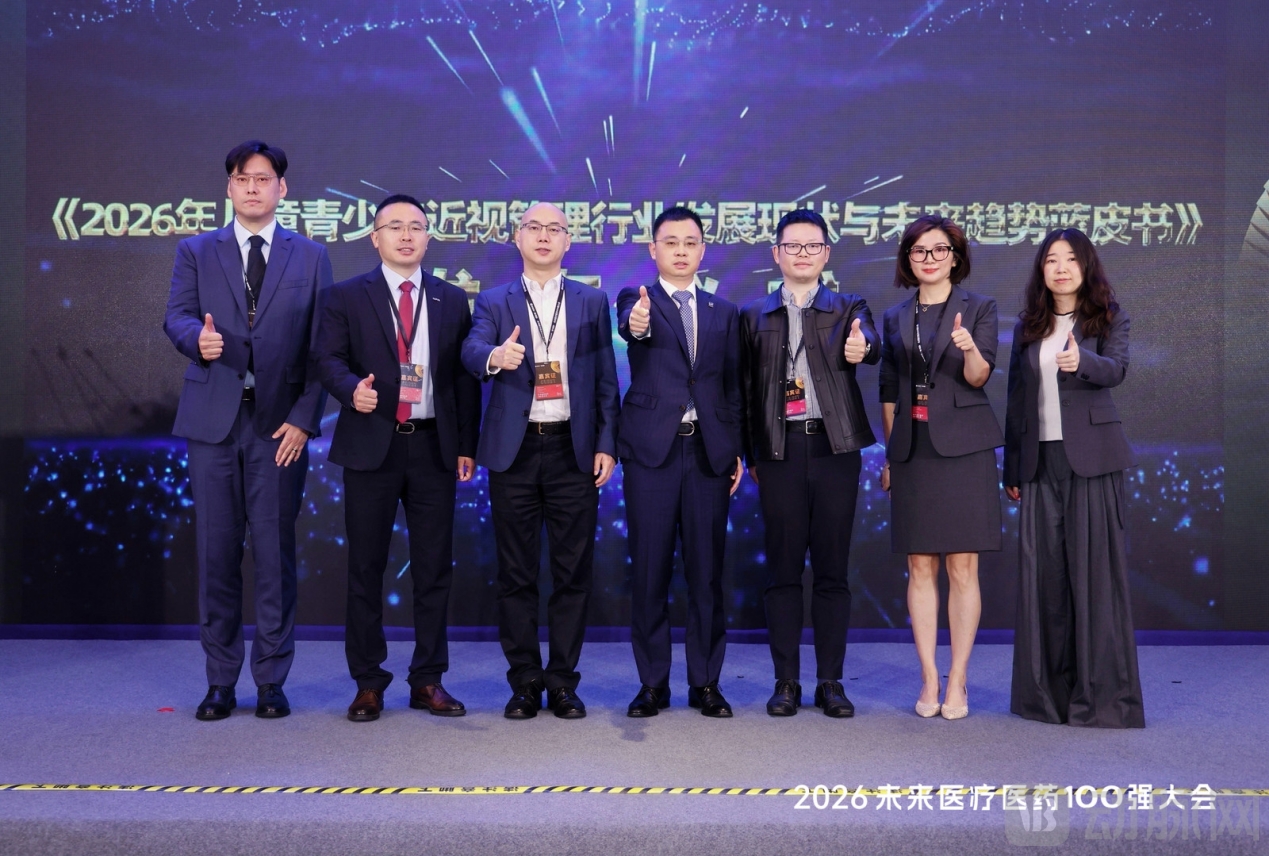
Launch Event of the “Blue Book on the Current Status and Future Trends of the Myopia Management Industry for Children and Adolescents in 2026: Blue Book on Myopia Management for Children and Adolescents”
Mao Hua pointed out that the myopia prevention and control industry is ushering in a triple dividend of policy support, technology implementation, and capital injection. With solid evidence-based medical data supporting red light therapy, its application scenarios are extending from myopia prevention to amblyopia and retinal diseases. Standardization, precision, and multidisciplinary integration have become inevitable trends for the industry.
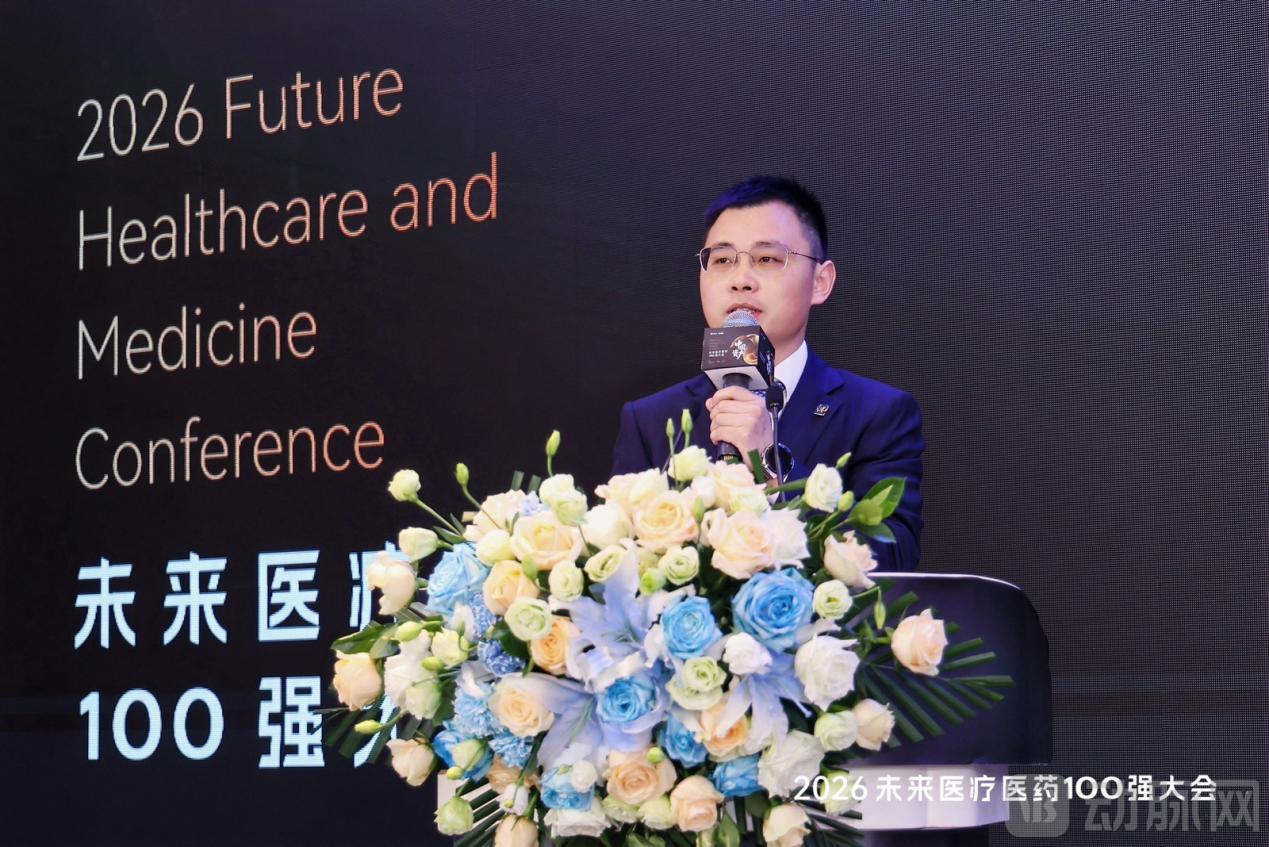
Mao Hua, Senior Partner & Managing Director at Frost & Sullivan
If the core of competition in the optometry and ophthalmic optics industry was once “products,” the sector is now entering a phase of competition based on “systemic capabilities.”
Hoya Optics, Vision Medical, and Nidek Form the Vision Strategic Alliance, breaking the industry’s involution through the “Iron Triangle” model and creating a full-lifecycle visual health solution.
From the perspective of industrial division of labor, the three companies represent different core segments of the optometry and ophthalmology industry: Hoya Optical focuses on optical lenses and myopia management products; Nidec specializes in ophthalmic examination and fitting equipment; while Shijing Medical has long been committed to digital therapeutics for vision training and photobiomodulation therapy. The three parties aim to leverage “Optics + Equipment + Healthcare” deep integration, and reconstruct the terminal service system for optometry and vision care.
Yang Jiawei, Deputy General Manager of the Business Department at HOYA Optical, shared insights on innovation in optometry services and strategic alliance practices. He noted that the industry is experiencing intense competition. Leveraging the patent advantages of its MiyoSmart defocus lens series, HOYA has joined forces with Shijing Medical and Nidec to establish a “Iron Triangle” strategic alliance. Together, they have launched the HOYA+ ecosystem and the HOYA Star Vision Experience Space, replacing single-product competition with comprehensive solutions. This approach aims to drive traffic to end-user outlets, alleviate parental anxiety, help the industry escape the trap of price wars, deliver greater value to consumers, and ensure sustainable long-term growth for enterprises.
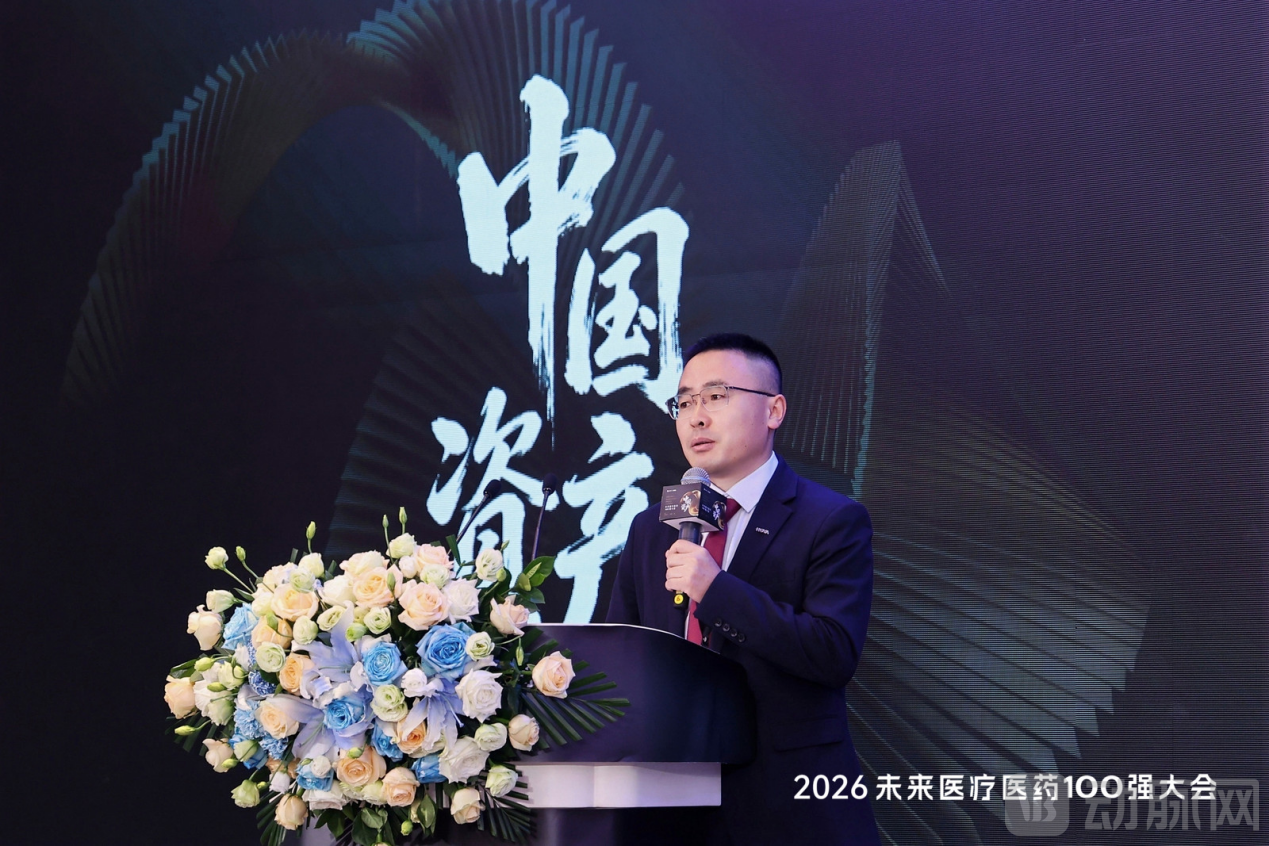
Yang Jiawei, Deputy General Manager of the Business Department, Hoya Optical Brand
Chen Xiaochen, General Manager of Nidek Sales Company (Shanghai Xinmou), introduced Nidek’s value and strategic layout within the alliance. As a global leader in ophthalmic equipment, Nidek serves 15,000 end-users and has launched a full-lifecycle AI optometer. This solution covers myopia control for adolescents, adult optometry, and screening for age-related eye diseases. By localizing equipment production to reduce store costs and providing comprehensive professional empowerment, Nidek helps stores establish service capabilities across all age groups, supporting a red-light therapy product market size at the billion-yuan level.
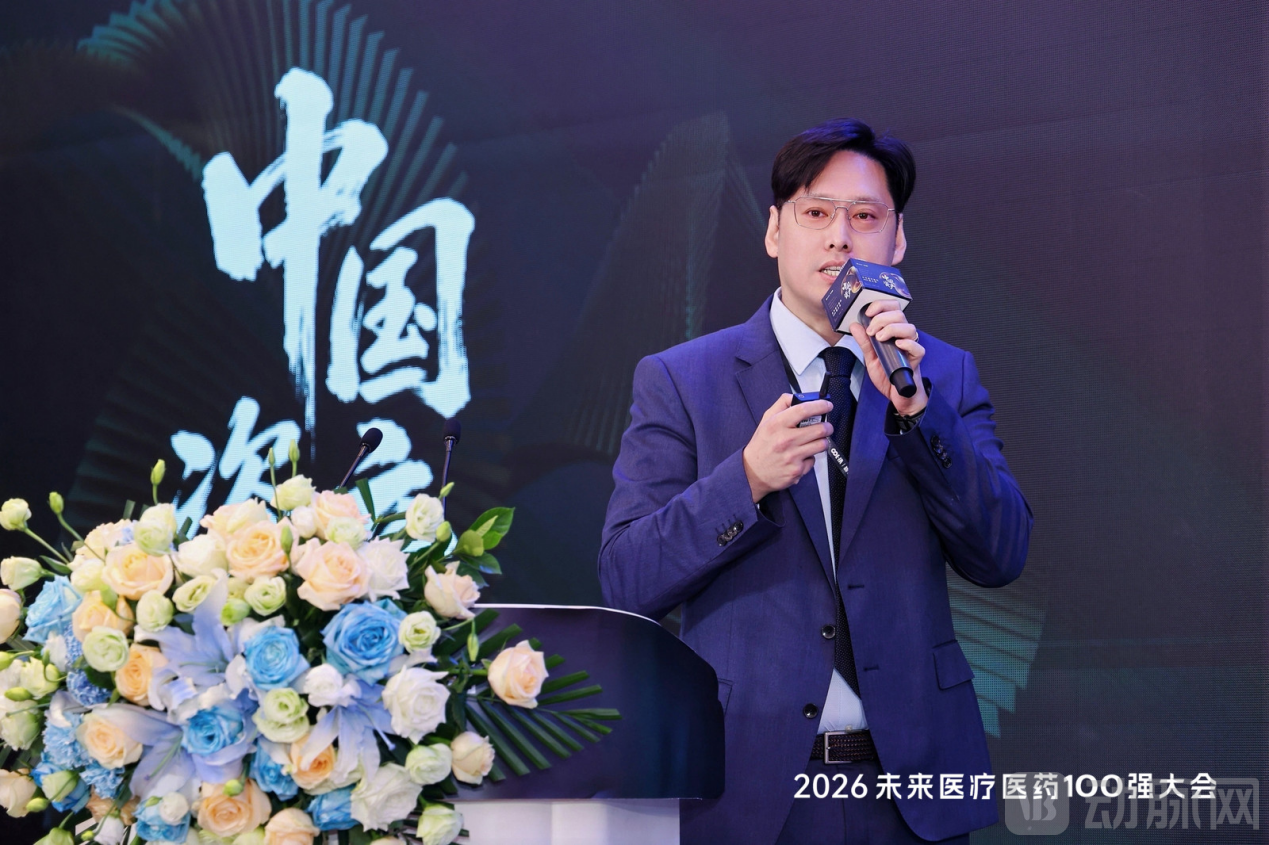
Chen Xiaochen, General Manager of Nidek Sales Company (Shanghai Xinmou)
As the digital platform representative within the alliance, Li Ni, National Sales Director at Guangzhou Shijing Medical Software Co., Ltd., focused on sharing Shijing Medical’s latest strategic initiatives in the fields of digital therapeutics and combined interventions.
She stated that the myopia prevention and control industry is currently undergoing a transition from “tool upgrades” to “ecosystem upgrades,” centered on children’s eye health., Shijing Medical has established a multi-dimensional product portfolio covering vision therapy, PBM-LED red light therapy, and digital management, while also promoting the development of group standards for VR-based vision therapy.
Among them, Shijing Medical’s Beibeile PBM-LED red light device was the first to obtain China’s inaugural certification for LED red light therapy under the new regulations. Meanwhile, by integrating gamified visual training with a digital management system, the company aims to improve long-term adherence among pediatric patients and lower the threshold for primary care institutions to deliver visual function training.
“In the past, the industry focused more on the product itself; now, stakeholders are increasingly concerned with whether children can maintain long-term adherence and whether institutions can provide sustained services,” said Li Ni.
Currently, Shijing Medical’s related products and solutions have been deployed in more than 3,000 public hospitals, cumulatively serving over 500,000 users.
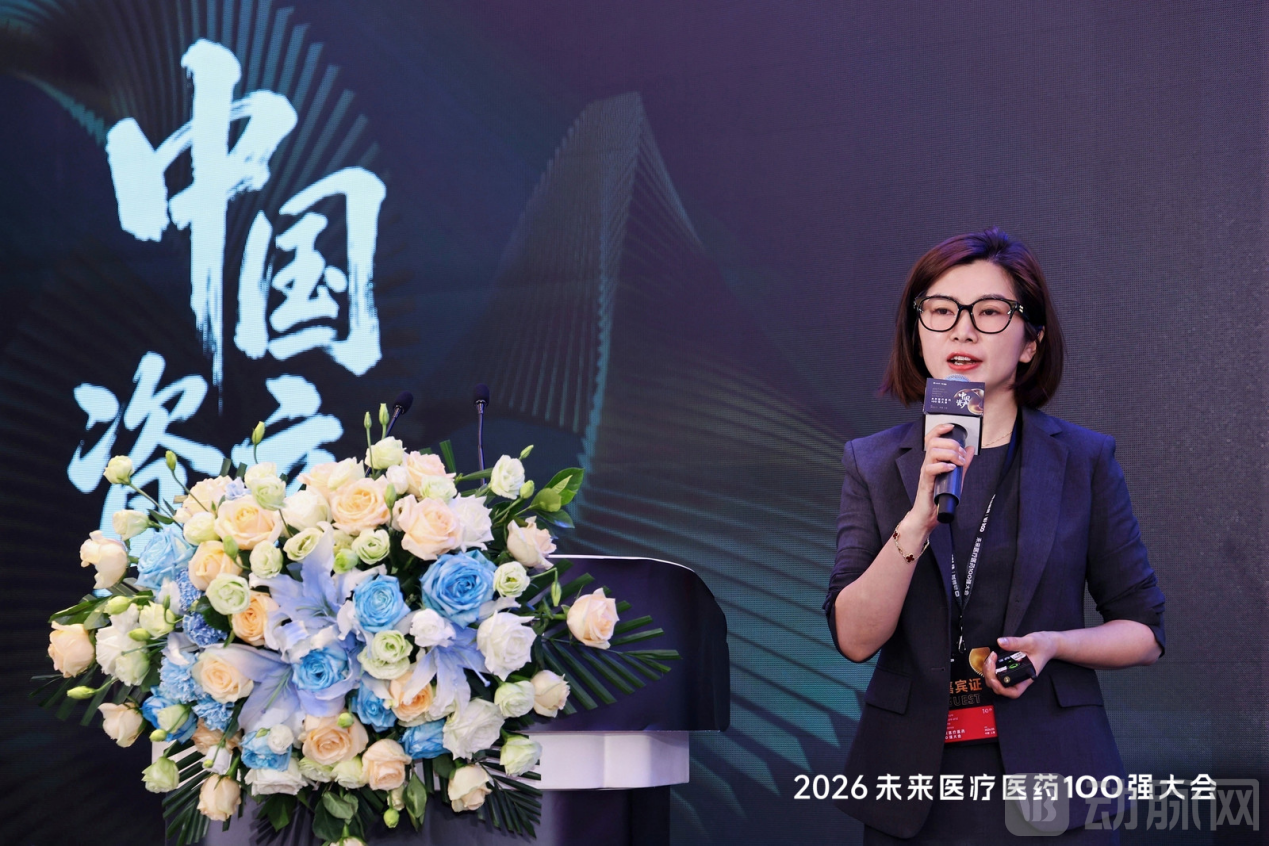
Li Ni, National Sales Director of Guangzhou Shijing Medical Software Co., Ltd.
From an industry perspective, the significance of this cross-sector collaborative model may lie not merely in adding a new business portfolio. More importantly, it is attempting to shift the optometry and vision care industry away from its traditional “product-selling” logic towardLong-Term User Operations, Digital Management, and Full-Lifecycle Service Capabilitiescompetition.
Liu Guofei, Director of Strategic Development at Xiran Medical, stated that China has over 200 million cataract patients. Surgical equipment for related procedures has long been monopolized by foreign companies, and the 10–15-year training cycle required for vitreoretinal surgeons constitutes a core bottleneck. In response, Xiran Medical will leverage cutting-edge technological innovations such as intelligent fluid flow control and real-time intraoperative panoramic monitoring to directly address existing pain points in clinical surgical scenarios. This approach aims to effectively simplify surgical operations, enhance the accessibility of medical services, and uphold its commitment to independent R&D. By deeply cultivating the sector of high-end domestically produced ophthalmic medical devices, the company is dedicated to creating ophthalmic surgical equipment owned by Chinese enterprises. It will progressively promote the implementation of intelligent assisted surgical systems, steadily advancing toward the long-term goal of fully automated ophthalmic surgical systems.
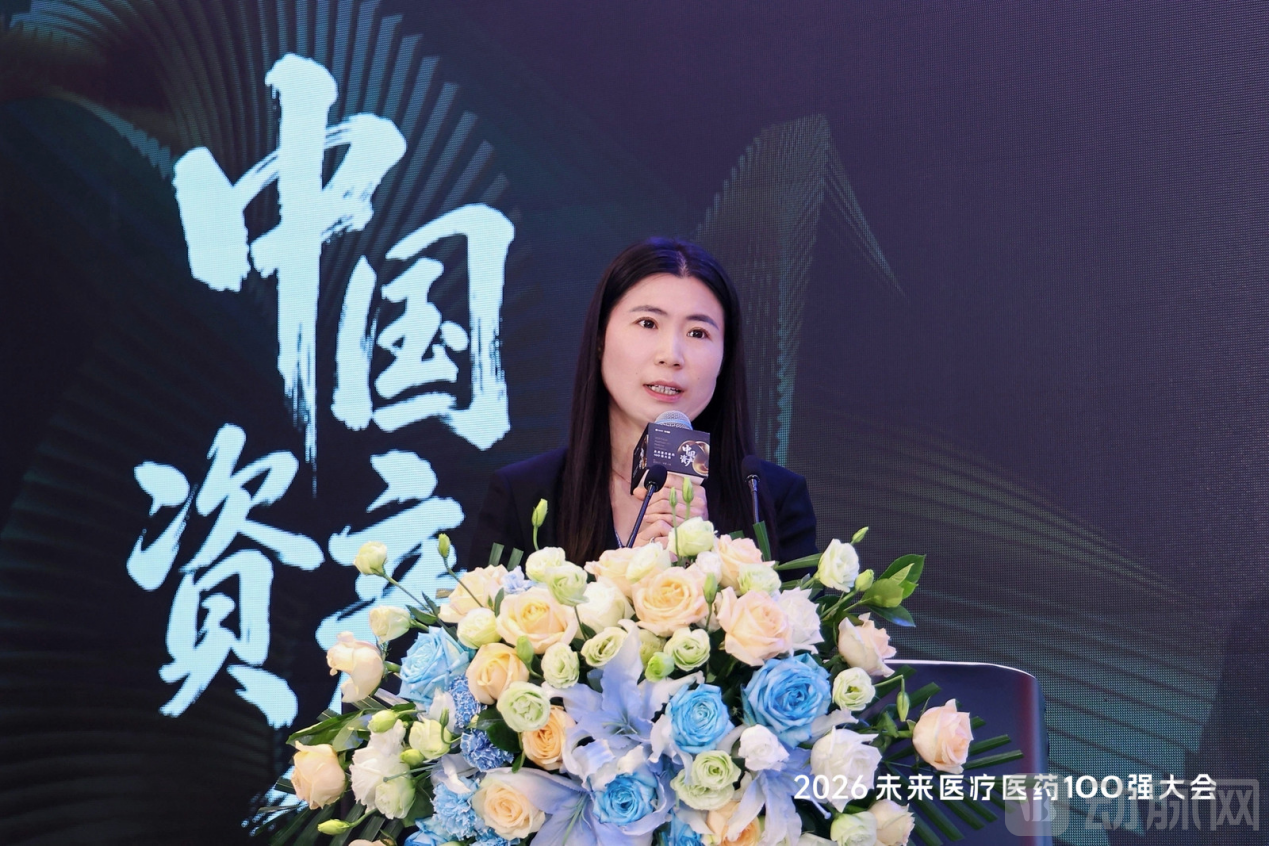
Liu Guofei, Director of Strategic Development at Xiran Medical
Ma Gang, Co-founder and CEO of Mengying Eye Hospital, shared “Reconstructing a New Paradigm for Specialized Ophthalmic Care with Human-Centric AI Intelligence.” He believes thatChina's optometry market has a potential size exceeding RMB 1 trillion; the industry must abandon the lesion-oriented approach that focuses solely on pathological data and the revenue-driven operational model.Guided by this philosophy, Mengying places human-centricity at its core, leveraging AI to drive four key upgrades: intelligent clinical care, intelligent operations, intelligent supply chain, and intelligent patient experience. It aims to transform the clinical care model from process-driven to emotion-centered, and from one-off transactions to long-term companionship, striving to evolve from an ophthalmic service provider into a lifelong partner in users’ eye health journeys.
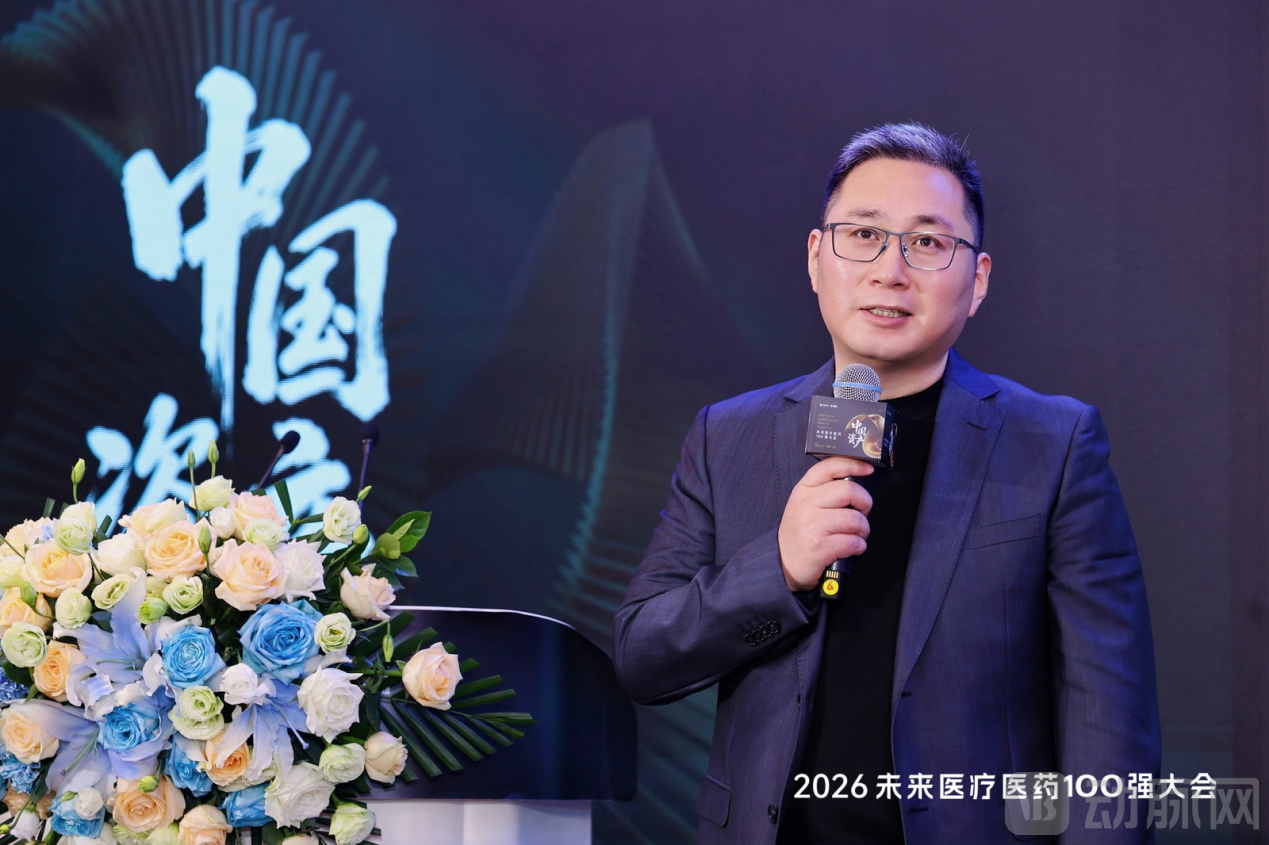
Ma Gang, Co-founder and CEO of Mengying Eye Hospital
Roundtable Discussion: Exploring Future Opportunities in Ophthalmology
The roundtable session was moderated by Hua Mao from Frost & Sullivan, with five guests—Li Ni, Yang Jiawei, Chen Xiaochen, Ma Jiahao, and Xu Qian—centering onNew Technologies, Opportunities, and Challenges in Myopia Prevention and ControlExpand the conversation.
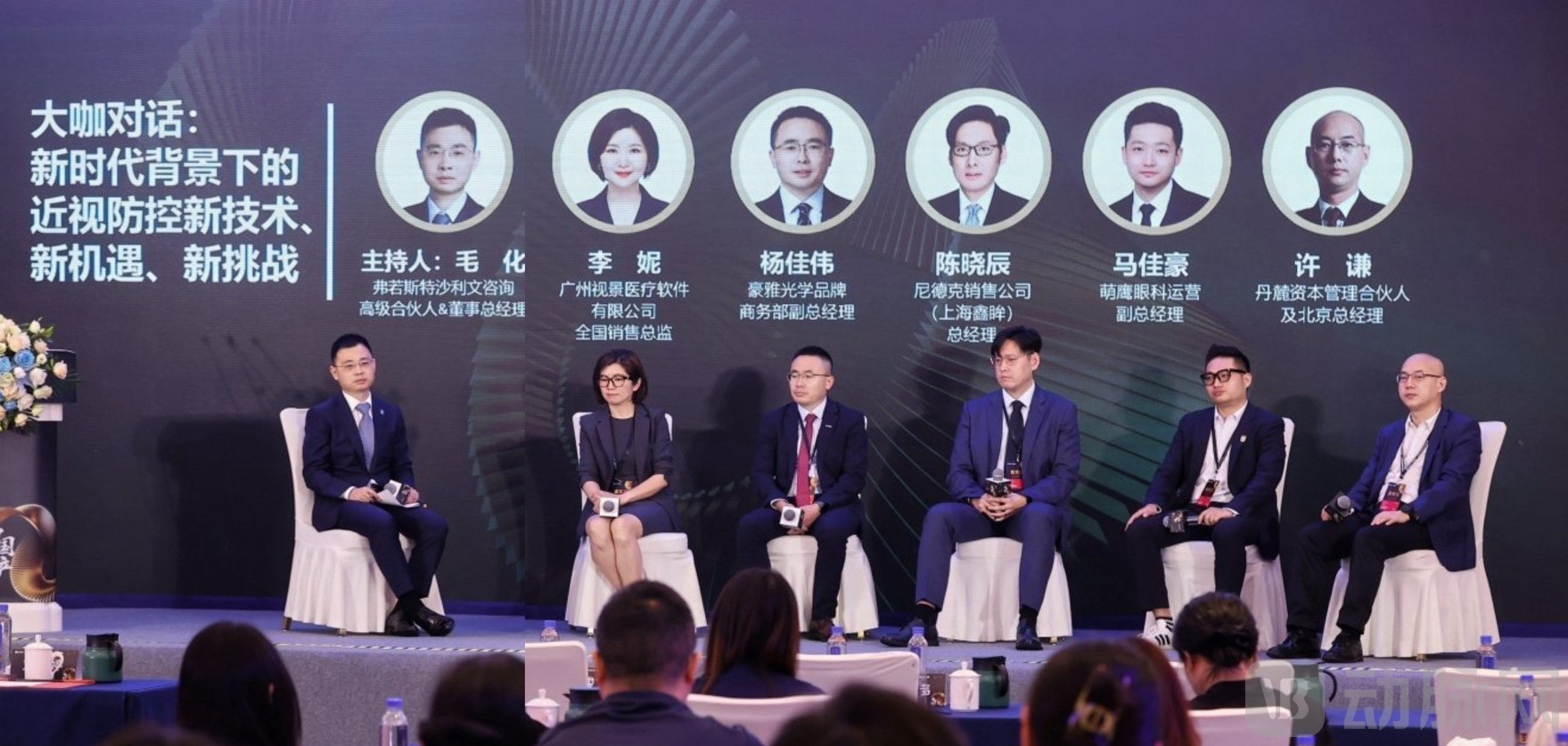
Expert Dialogue: New Technologies, Opportunities, and Challenges in Myopia Prevention and Control in the New Era
Li Ni pointed out,PBM-LED Photobiomodulation Technology: A Major Breakthrough in Myopia Prevention and Control, Shijing Medical’s Beibele leverages its status as the first Class II medical device certified under the new regulations, rigorous multicenter clinical data, and an ultra-safe design to achieve axial length stabilization or regression in patients with good compliance; regulatory compliance and clinical evidence constitute the product’s core competitive barriers.
Yang Jiawei believes that myopia prevention and control have entered the era of comprehensive solutions, where single products can no longer meet the demands,Multi-modal Combination Interventions Are the Industry TrendHoya will continue to build on its foundation in optical lenses, collaborating with Essilor and Nidek to develop data-driven, personalized combined intervention solutions. By providing professional empowerment and end-to-end monitoring, Hoya aims to deliver more stable myopia control outcomes for both healthcare providers and consumers.
Chen Xiaochen proposed from the perspective of equipment and services,Myopia Management Should Be Implemented Across the Entire Life CycleDiagnostic and testing equipment must cover diverse scenarios, including myopia control for adolescents, optometric services for adults, and screening for age-related eye diseases. Centered on full-lifecycle ophthalmic equipment, Nidek reduces store investment costs through localized production in China and supports eye health services for all age groups with AI-powered refraction and precise diagnostics, thereby helping partner stores establish a complete closed-loop system encompassing adolescent myopia control, adult optometry, and elderly eye disease screening.
Ma Jiahao, drawing on his practical experience in terminal services, remarked thatThe Core of Myopia Prevention and Control in Children and Adolescents Is to Improve ComplianceAs a smart ophthalmic medical chain that has deployed over 100 specialized eye clinics across 14 provinces, Mengying Eye Care is driving the upgrade of optometry terminals from single-purpose eyeglass dispensing to full-lifecycle services through digital refraction, gamified vision training, and long-term follow-up management, thereby effectively improving compliance among children.
Xu Qian, from an investment perspective, posits that the core driver of the myopia prevention and control sector is technological innovation, with a particular focus on precision prevention, intelligent intervention, and full-lifecycle management. Companies must possess technical barriers, compliant supply chains, and ecosystem synergy capabilities., red-light LED, optical correction, low-concentration atropine, and AI healthcare all possess long-term investment value。
This Ophthalmology Innovation and Investment Forum has established an efficient matchmaking platform for clinical practice, industry, and capital, clarifyingClinical Needs as the Core, Technological Innovation as the Driver, and Ecosystem Collaboration as the Support. the development path of ophthalmology.
From breakthroughs in cutting-edge technologies such as red light therapy, to innovations in industry models like the Vision Alliance, and further to the paradigm shift driven by AI-powered smart healthcare, China’s myopia prevention and control sector and ophthalmology industry are advancing into a new stage of high-quality development characterized by standardization, precision, and full-lifecycle care.
In the future, with collaborative efforts among government, industry, academia, research institutions, healthcare providers, and investors, more innovative technologies will be implemented in clinical practice, benefiting hundreds of millions of people with eye health needs and propelling China’s ophthalmology industry to the global forefront.