

2026 Global Artificial Intelligence Technology Conference Concludes with Major Medical AI Innovations Accelerating Large-Scale Clinical Deployment
May 23–24,2026 Global Artificial Intelligence Technology Conference (GAITC) Special Session on Medical AI & The 3rd Workshop on Large Language Models for Medicine (LLaMMs)Concluded successfully in Hangzhou.
This industry-academia-research exchange conference, hosted by the Chinese Association for Artificial Intelligence, organized by the School of Medicine, Zhejiang University and the Zhejiang Association for Artificial Intelligence, and supported by Quanzhentong, Huawei, Deshi, and other entities, centered on the theme of “Interdisciplinary Integration, Mutual Generation, and Win-Win Cooperation.” It brought together academicians, experts, hospital administrators, research scholars, and leading industry representatives to engage in in-depth discussions on cutting-edge topics such as medical large language models, medical AI agents, smart hospital development, healthcare quality management, and data governance.
Unlike previous years, this year’s conference sent a clear signal:Medical AI is bidding farewell to “showcase-style” single-point pilots and moving comprehensively into the deep-water zone characterized by the pursuit of “systematization, autonomy, and inclusiveness.”
1Main Forum Builds Industry Consensus; Three Major Innovative Achievements Bridge Key Gaps in Implementation
At the main forum, academicians and experts led discussions on cutting-edge achievements and clinical practices, providing an in-depth analysis of the technological iteration logic and industry development trends of current medical AI from multiple core dimensions, including innovations in precision medicine, upgrades in clinical diagnosis and treatment, foundational technical principles of large models, and the intelligent integration of traditional Chinese and Western medicine.
Academician Cai Xiujun, Academician of the Chinese Academy of Sciences and President of Sir Run Run Shaw Hospital, Zhejiang University School of MedicineShared practical applications such as the deployment of large language models for medical history taking in hospitals and the world’s first remote surgery, while calling for accelerated cultivation of interdisciplinary talent in medicine and engineering, and the improvement of ethical and legal safeguards;Academician of the Chinese Academy of Sciences, Huang Hefeng, Director of the School of Medicine at Zhejiang UniversitythenA Systematic Review of Innovative Applications of Artificial Intelligence in Polygenic Risk Scores, Showcasing China’s First Successful Case of Preventing Hereditary Breast Cancer Based on PRS
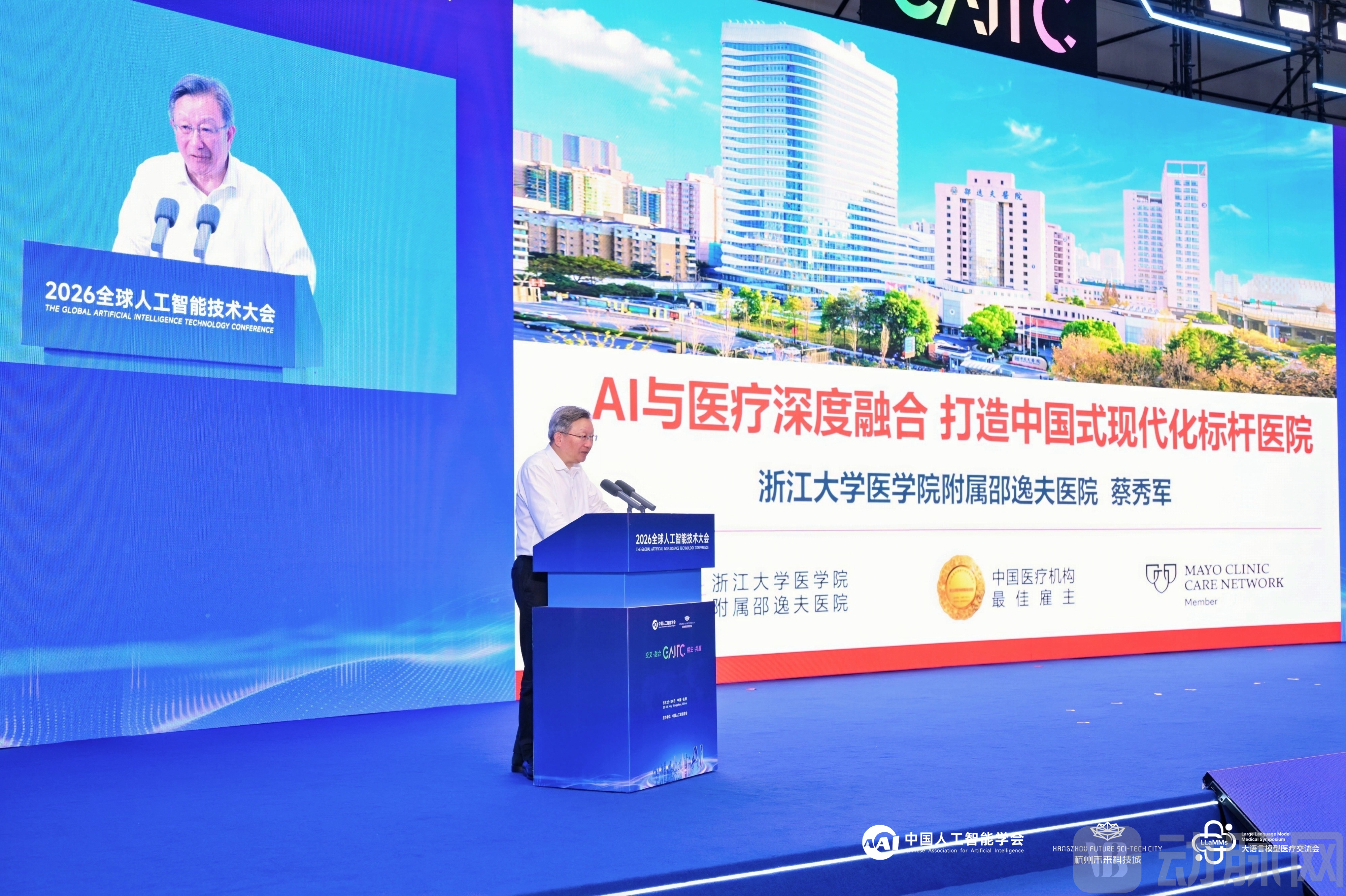
Academician Cai Xiujun's Speech
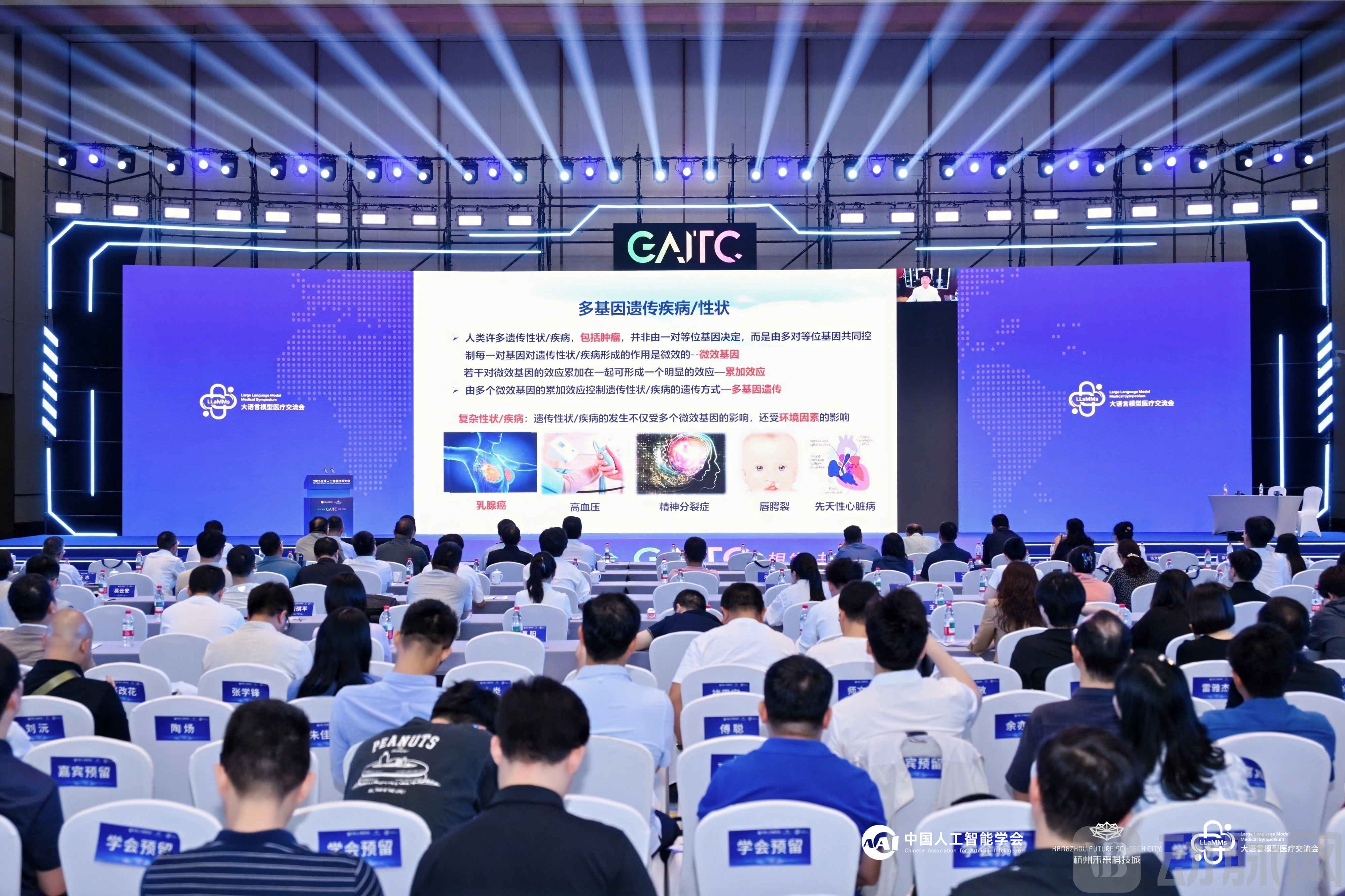
Academician Huang Hefeng’s Online Lecture
Liu Zhen, Party Secretary of Guang'anmen Hospital, China Academy of Chinese Medical SciencesShared “Guangyi·Qizhi,” China’s first locally deployed, end-to-end large AI model for Traditional Chinese Medicine, emphasizing that AI should liberate physicians, enabling them to shift from keyboarding back to pulse diagnosis and patient care;Zhou Jun, President of Changzhou No. 1 People's HospitalIt introduced eight major scenarios already implemented at the hospital, including digital human triage assistants, AI-generated medical documentation, intelligent pathology, and surgical robots, pointing out that human-AI collaboration is becoming a key pathway to improving healthcare quality and operational efficiency.
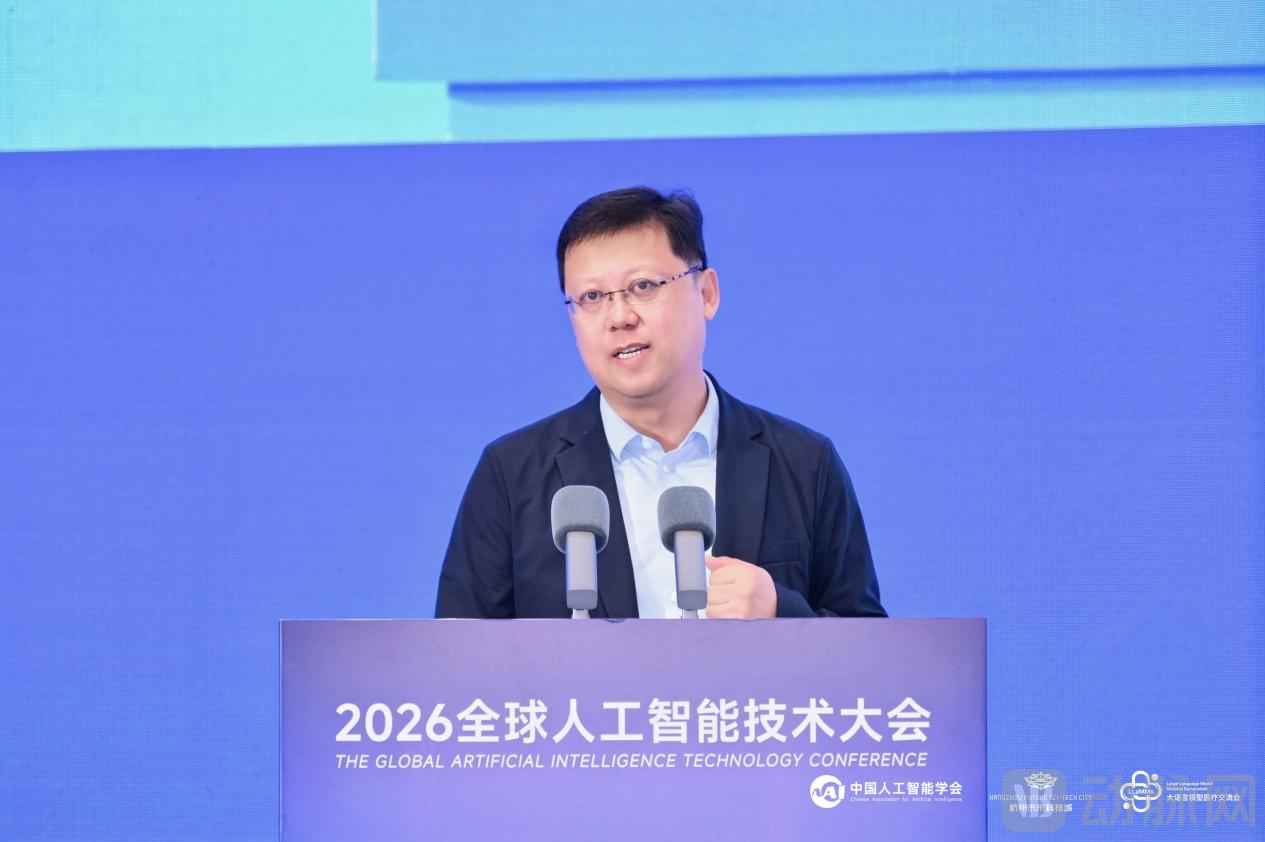
Speech by Liu Zhen, Secretary of the Party Committee of Guang'anmen Hospital, China Academy of Chinese Medical Sciences
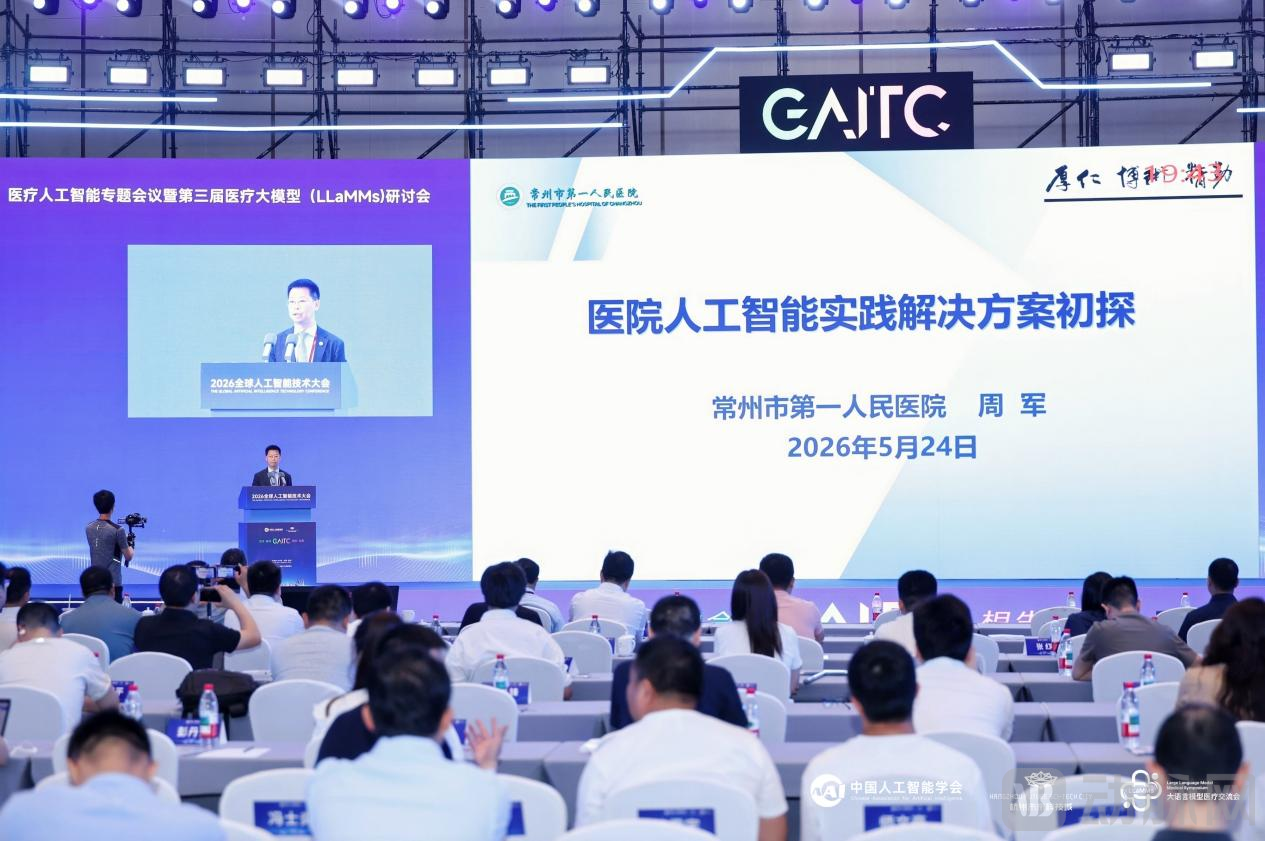
Speech by Zhou Jun, President of Changzhou No. 1 People's Hospital
On the industrial side,Xue Chong, Founder of Quanzhentong; Hu Qiumei, Chief Architect of Huawei’s Healthcare CorpsFrom the perspective of technical implementation, it deconstructs the practical pathways for integrating AI into clinical workflows. Furthermore, multiple hospital director roundtables directly addressed pain points in the deployment of medical AI, such as “fragmentation, lack of standards, and difficulties at the primary care level,” fostering broad consensus on the standardized and inclusive development of the industry.
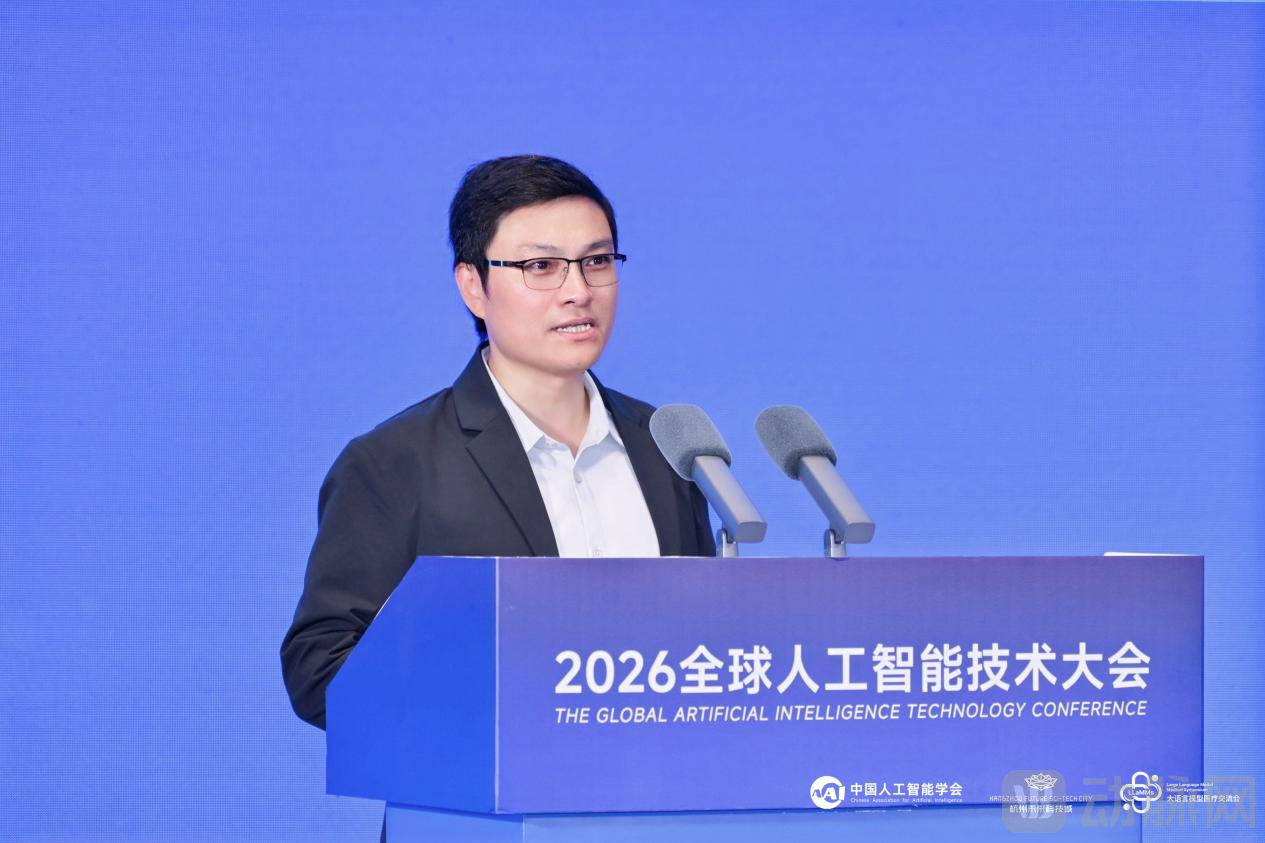
Speech by Xue Chong, Founder of Quan Zhentong
Frontline practices have jointly confirmed: The clinical value of medical AI has been validated across the entire industry, yet the transition from “single-point pilots” to “hospital-wide coverage,” and from “vendor delivery” to “hospital-led autonomous iteration,” remains the most urgent core challenge for the industry’s scalable development.
Against this backdrop, the conference saw the high-profile release of three annual innovative achievements in medical artificial intelligence, which aim to streamline industry standardization across three key dimensions: implementation pathways, quality evaluation, and technical platforms.
Among them,"White Paper on the Construction of Artificial Intelligence Applications in Smart Hospitals"Provide hospitals with replicable development pathways and scenario templates;"Quality Evaluation System for Unobtrusive Automated Chinese Medical Record Documentation"Fills the gap in AI-powered automated quantitative quality control of medical records; released by QuanZhentong《Medical Agents and Model Self-Evolution Platform》Supporting on-premises private deployment in hospitals and enabling autonomous iteration of AI capabilities—these three interconnected achievements lay a solid foundation for the standardized, systematic, and large-scale implementation of medical large language models in China.
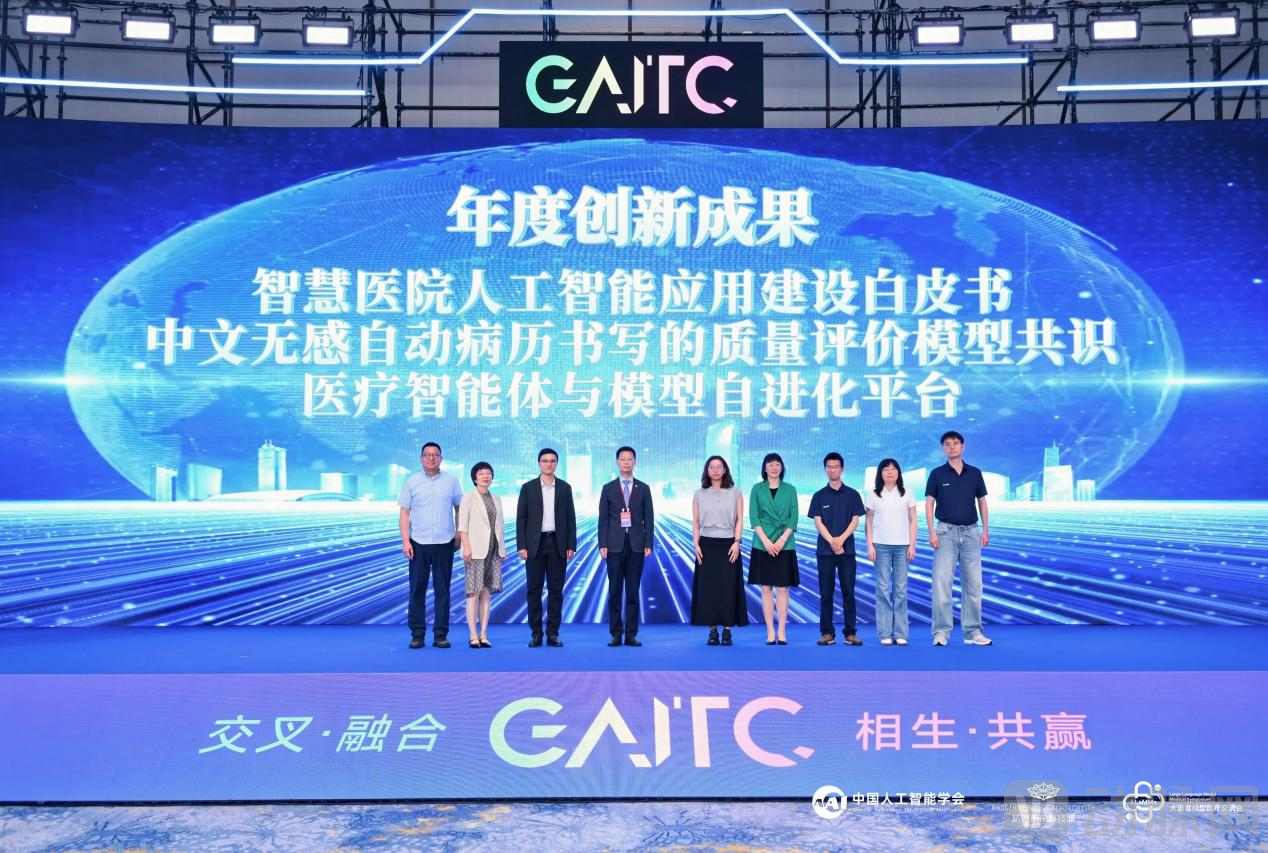
Release of the Top Three Annual Innovation Achievements
As a core achievement on the industry front, QuanZhentong’s “Medical AI Agents and Model Self-Evolution Platform” directly addresses the question of “how hospitals can achieve autonomous iteration.” How exactly does this platform operate? Can it be truly implemented in practice? After the conference, VCBeat conducted an exclusive interview with Xue Chong, Founder of QuanZhentong and Industry Chair of the conference.
3Quan Zhentong’s Answer: The Next Stop for Medical AI—Helping Hospitals Develop an “Autonomous Neural Network”
In Xue Chong’s view, the most fundamental change at this year’s conference is that the industry’s “infrastructure mindset” has shifted: “In 2024, people were still asking whether AI could be used; in 2025, scenarios such as medical records and follow-ups began to enrich; by 2026, the focus has turned toUnderlying computing power, rapid development, and autonomous iteration. “What hospital administrators are currently anxious about is ‘how to enable AI to systematically and safely take root in their institutions.’”
This is precisely the core philosophy behind Quanzhentong’s launch of the “Medical AI Agent and Model Self-Evolution Platform”—to provide hospitals with an autonomously operating AI neural network. Xue Chong explained, “Hospitals are no longer simply procuring AI tools, but ratherPossess an AI system capable of self-growth, optimization, and expansion, permeating all aspects of outpatient care, inpatient care, quality control, and medical education. Data remains within the institution, models do not rely on external vendors, and the system can continuously iterate independently.”
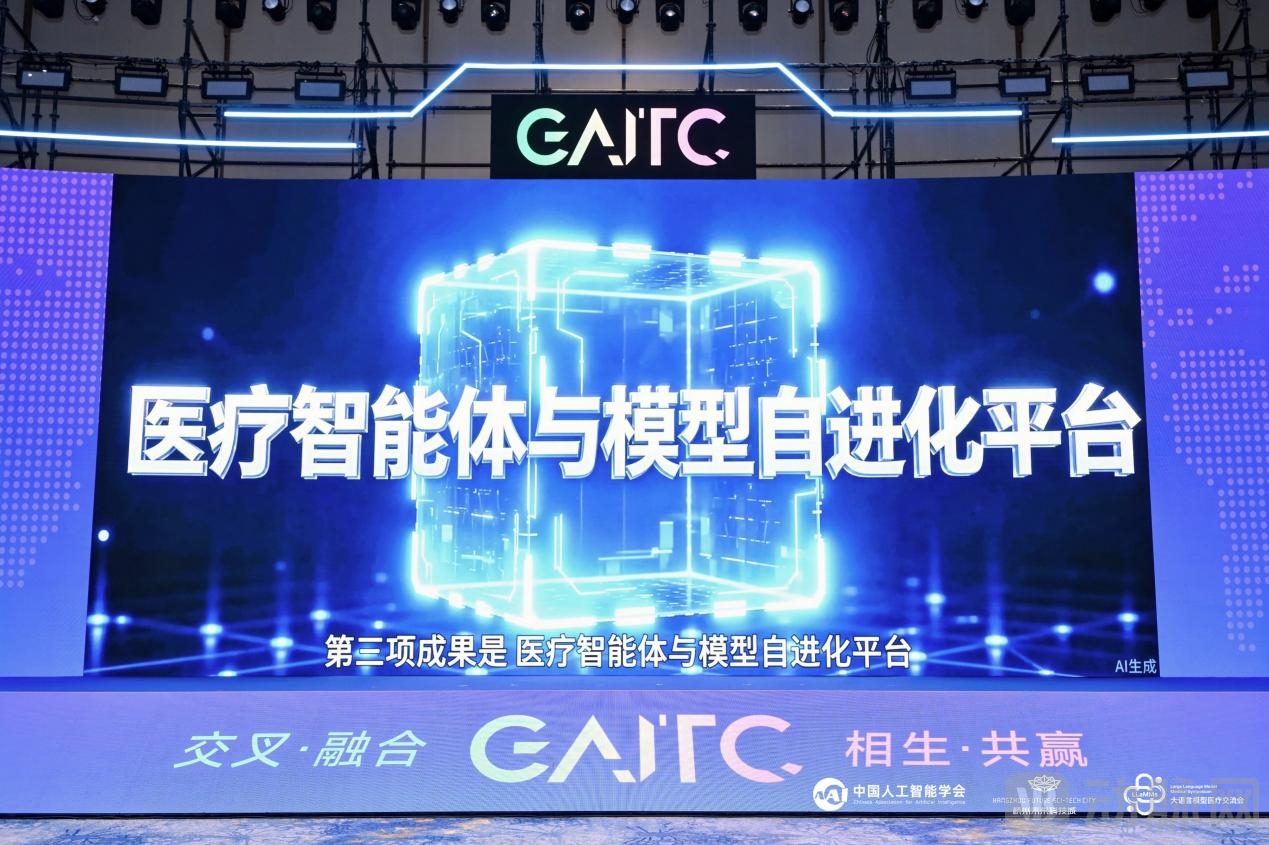 Medical AI Agents and Model Self-Evolution Platform
In response to the question, “Why continue to invest in platforms when mature applications already exist?” Xue Chong addressed the industry’s deep-seated bottlenecks: “The biggest problem with medical AI is not a lack of applications, but rather that they are too fragmented, disorganized, and overly reliant on vendors. Data silos and system incompatibilities have created numerous isolated islands. Coupled with a shortage of AI talent at primary care hospitals and the high costs of general-purpose large language models, this ultimately results in systems that can be built but are poorly utilized and cannot be iteratively improved.”
The self-evolving platform built on this foundation adopts“80% Self-Evolution + Manual Review”Model. Taking medical insurance codes and medical record quality control as examples, the platform mobilizes multiple agents to perform automatic verification, error correction, and data feedback. The entire process is overseen by hospital professionals, and core data is fully deployed on-premises, fundamentally addressing compliance and privacy concerns.
Currently, the platform has accumulated over 90 standardized scenario templates, covering the full spectrum of clinical practice, quality control, and medical education. Xue Chong revealed, “In these new scenarios, hospital staff can complete 90% of the functional setup within half a day without requiring professional AI skills, and refine the system to a clinically usable accuracy score of 98 within two weeks.” This efficiency is attributed to Quan Zhentong’s compression of hundred-billion-parameter large models into billion-parameter models, enabling stable operation on lightweight computing devices costing only tens of thousands of yuan.
Meanwhile, leveraging its self-developed “HIS Clow” technology, the platform enables secure AI integration with hospital information systems in as little as 2–4 days. Physicians can create customized AI agents through natural language conversations without any coding expertise. The platform has already been successfully deployed in projects such as AI-powered virtual patient training at Beijing Tiantan Hospital and disease-specific quality control at Sanya Central Hospital.
In response to the current challenges faced by prefecture-level and county-level hospitals—namely, limited computing power, insufficient funding, and a shortage of talent—Xue Chong has proposed a clear strategic pathway: “Tertiary Grade A hospitals are well-suited for distributed edge computing to ensure data security, while primary healthcare institutions should adopt a unified deployment model orchestrated by health commissions, featuring centralized computing resources and tiered access.” He believes that the universal adoption of medical AI should not involve redundant infrastructure development; rather, it should leverage lightweight platforms and standardized templates to enable high-quality AI capabilities to flow securely and cost-effectively to grassroots levels, much like utilities such as water and electricity.
3Benchmarking Visits + Hands-on Workshop Empowerment: Bridging the Last Mile from Awareness to Implementation
Concepts require validation in real-world scenarios, and technologies demand hands-on practice. To translate the conference consensus and technological achievements into clinical practice, the Organizing Committee has specially designed two featured segments: visits to benchmark hospitals and hands-on workshops.
At Sir Run Run Shaw Hospital, attendees explored its digital and intelligent transformation journey through the smart exhibition hall. AI-enabled smart consultation rooms capture doctor-patient conversations in real time to assist in generating standardized medical records, 3D digital human interactive guides provide intelligent navigation, and the smart pharmacy enhances medication dispensing efficiency through process optimization, collectively outlining an efficient and patient-friendly “Sir Run Run Shaw Service Model.”
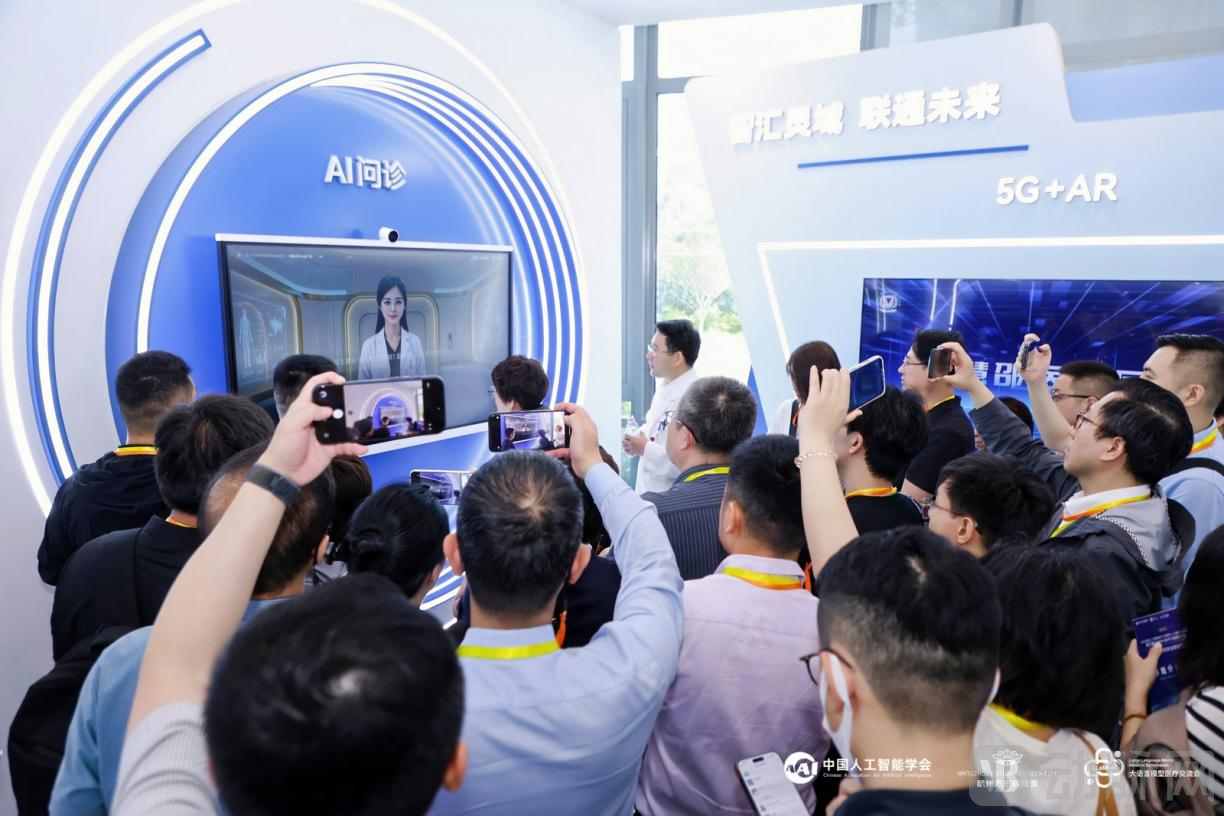
Visit to Sir Run Run Shaw Hospital, Zhejiang University School of Medicine
At Zhejiang Provincial People’s Hospital, the “Intelligent Full-Process Medical Record Documentation Platform” and the “Intelligent Teaching Ward Round Medical Record Documentation Platform,” both powered by QuanZhentong, cover documentation for admission, surgery, discharge, and other stages. These platforms have established a closed-loop workflow of “voice capture–automatic generation–physician review.” Meanwhile, AI has been integrated into pre-hospital emergency care, intelligent intravenous admixture services, and smart outpatient clinics, demonstrating the tangible value of AI’s evolution from “understanding speech” to “executing tasks.”
The concurrently held workshop on fine-tuning large medical models and building AI agents focused on another key issue: how to enable hospitals to master these capabilities independently.
Targeting hospital administrators, clinicians, and research and technical teams, this workshop deconstructs the complex implementation process of large language models into actionable methodological steps, including medical data preparation, model fine-tuning, agent construction, scenario application design, and safety evaluation. Unlike traditional forums, the workshop emphasizes“Practicality” and “Replicability”—Attendees will no longer merely listen to conceptual discussions; instead, under the guidance of mentors, they will engage in end-to-end exercises—from task definition to performance evaluation—centered on high-frequency scenarios such as medical record generation, clinical quality control, medical knowledge Q&A, and specialty-specific clinical decision support, all grounded in real-world operational pain points.
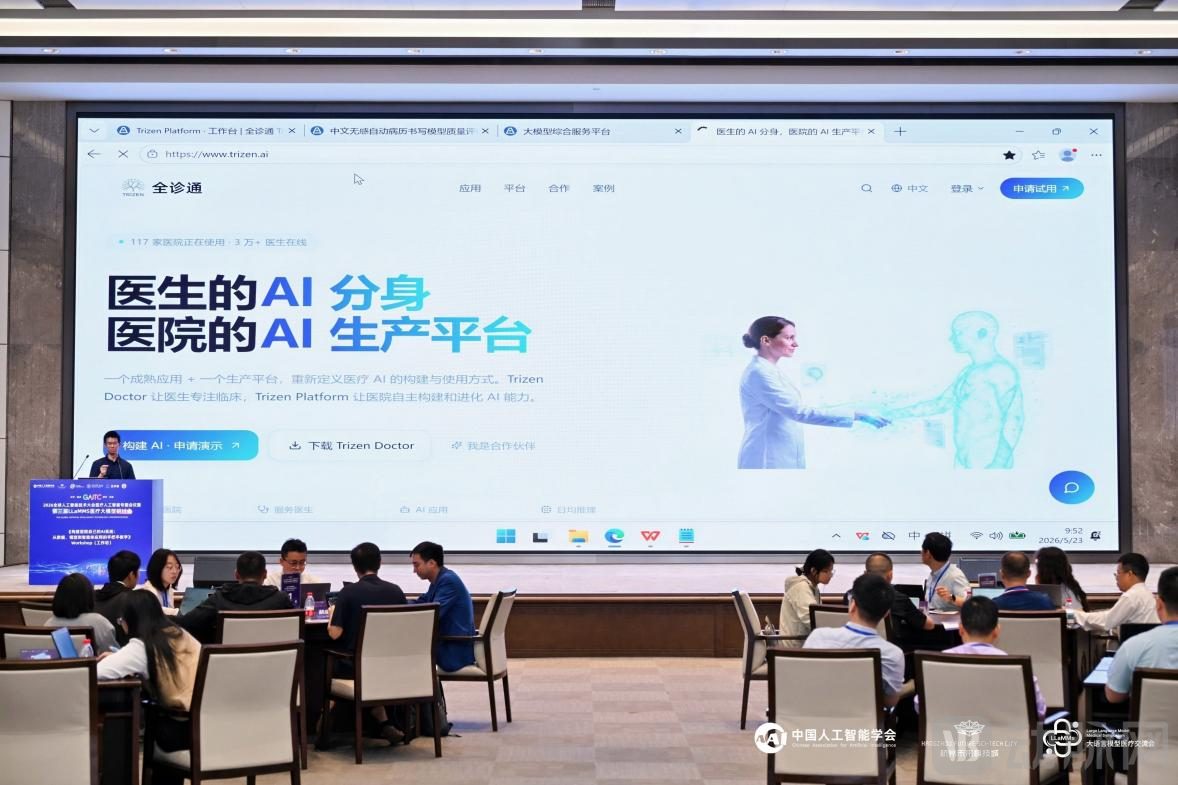
Workshop Hands-on Training
To address the widespread dilemma in hospitals today—where data exists but is too risky to use, computing power is available but underutilized, and a shortage of talent hinders implementation—this hands-on, practical training program is cultivating seed teams capable of “building their own AI.” This initiative promotes cross-departmental collaboration among information technology, medical affairs, clinical, and quality control units within a unified technical framework.
4Medical AI Has Reached Its Tipping Point: Large-Scale Deployment of Intelligent Agents Is Imminent
“Based on the transformative trends of this conference, Xue Chong offered his predictions: ‘Within the next two years, fully self-evolving models without human intervention will emerge; within three to five years, pure decision-making AI capabilities are expected to surpass those of most general practitioners, and AI-controlled surgical robots will enter clinical practice. The first area to achieve large-scale implementation will be the interaction between physicians and keyboard-and-mouse interfaces—alleviating the “fingertip burden” on doctors, such as medical record documentation, insurance coding, and quality control reviews.’”
Targeting these imminent breakout scenarios, QuanZhentong will focus on three core strategic pillars: first, collaborating with key universities and Grade A tertiary hospitals across China to deepen the research and development of specialized AI agents and establish a comprehensive safety evaluation system; second, iterating its personal AI assistant for physicians, launching multilingual versions for global expansion, and empowering doctors worldwide with intelligent tools; third, optimizing lightweight local deployment technology to expand into the global market by leveraging existing overseas orders. At the ecosystem level, QuanZhentong will continue to deepen its cooperation with the Chinese Association for Artificial Intelligence, host AI innovation competitions, and encourage medical professionals to independently create customized digital avatars, thereby building a new medical AI ecosystem based on co-creation and shared benefits.
Looking back on this conference, from the consensus reached by academicians and experts to the release of three major achievements; from on-site visits to benchmark hospitals to technological breakthroughs in self-evolving platforms—a new direction for medical AI has been clearly outlined: it is no longer a pilot tool that needs to be “persuaded,” but is becoming an indispensable core nervous system for the autonomous evolution of hospitals.
Represented by Quanzhentong, industry forces are standing at the forefront of this profound transformation, driving large medical models to take root in hospitals and benefit every doctor and patient.