

A Slow Business Centered on 'People': Neusoft Ruixin's Strategic Approach to Elder Care
China’s elderly care service industry is undergoing a profound, yet subtle, transformation.
Over the past decade, competition centered on who had more beds, better renovations, and prime locations—a logic of “hardware competition” that was simple, direct, and visible.
Nowadays, as industry growth slows and homogenization becomes increasingly pronounced, with most institutions having reached parity in hardware capabilities, people are beginning to realize that the true test has only just begun. The warmth of service, the quality of management, and team cohesion—these core elements determining an institution’s vitality cannot be traded nor achieved overnight. They can only be cultivated through people, accumulating gradually through day-to-day systematic operational practices.
And this is precisely what Neusoft Ruixin knows best.
01
The Future of Elderly Care: The True Watershed Is “People”
Having been engaged in education for 26 years, Neusoft Ruixin deeply understands one principle:Human growth is the root cause of all industrial progress.
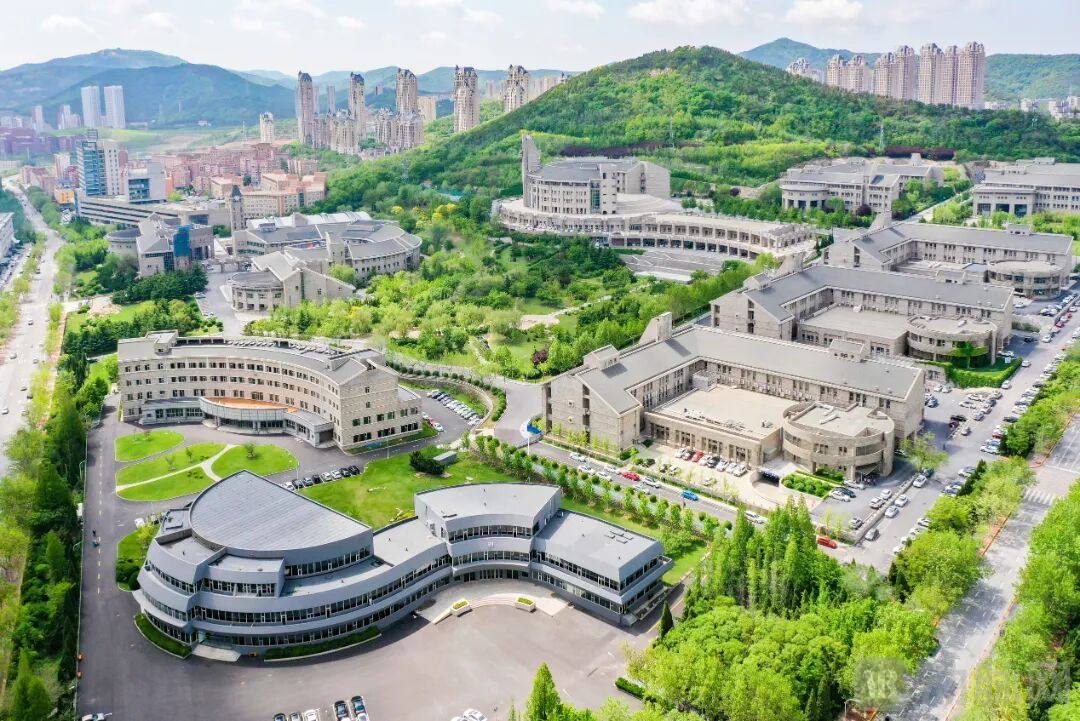
Since 2000, leveraging Neusoft’s industrial heritage and technological advantages, the Group has successively established three IT-focused applied undergraduate universities in Dalian, Chengdu, and Guangdong, cultivating more than 200,000 graduates. What has been accumulated is not merely a curriculum system and teaching experience, but also a conviction: talent development is a endeavor that allows for neither haste nor delay.
Now, this belief has been brought to the elderly care industry.
A consensus is emerging: By 2035, China will enter a phase of deep aging, with its elderly population surpassing 400 million. When that day arrives, just how vast will the market be? It will be so large that capital, hospital beds, and hardware will no longer constitute core competitive advantages, but merely serve as an “entry ticket.”
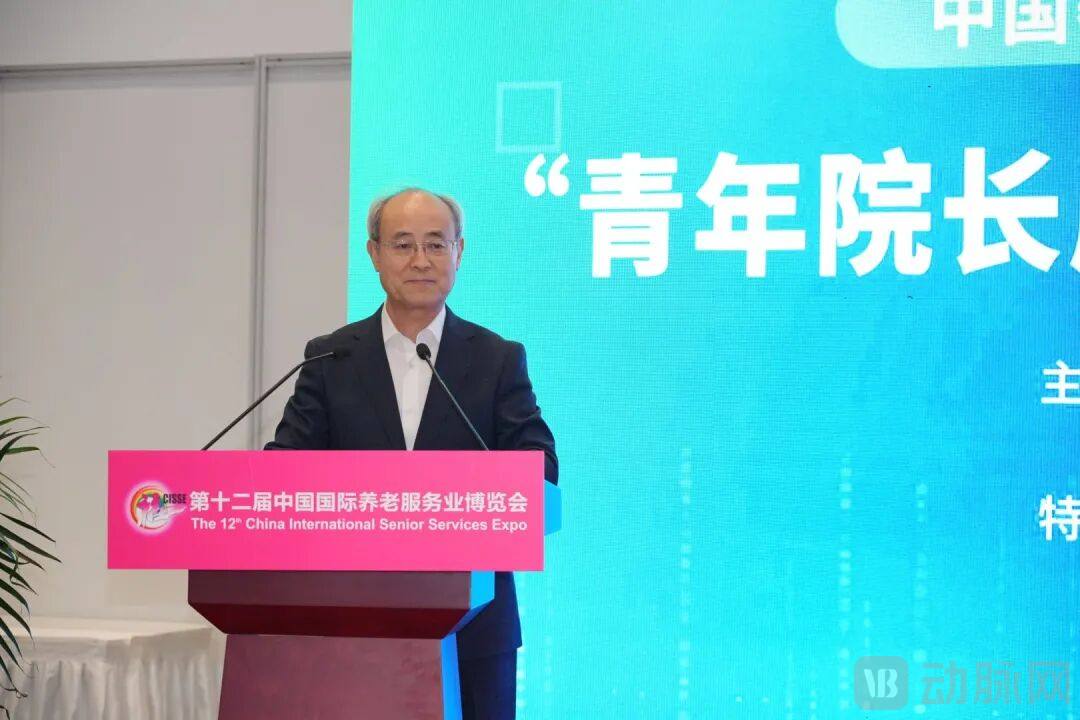
“The true watershed lies in who can deliver services that are more compassionate, higher in quality, and more sustainable—and this depends on the directors and their core management teams who can effectively manage, lead, and safeguard their institutions,” stated Wen Tao, Executive Director, CEO, and President of Neusoft Ruixin Technology Group. A director’s professional competence impacts not just a single position, but the quality of life for hundreds of elderly residents within an institution, as well as the long-term sustainability of service quality. In other words,Supporting one young hospital director is like lighting up one institution; lighting up hundreds of institutions has the potential to illuminate an entire industry.
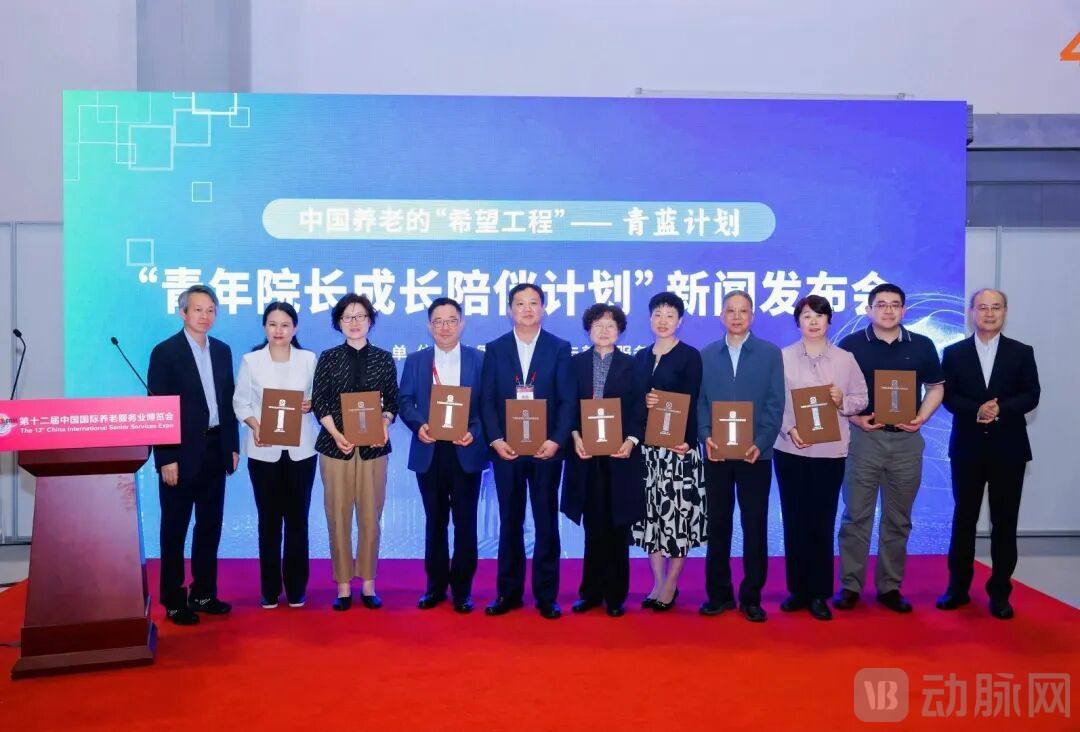
This is precisely the background against which the “Blue-Green Program” was launched, and Neusoft Ruixin, as a special supporting organization for the inaugural cohort, naturally became involved.
Why “natural”? Because this initiative aligns with the direction Neusoft Ruixin has consistently pursued. From cultivating university students to nurturing young hospital presidents—these are all long-term endeavors, yet entirely worthwhile.
02
A Slow Business Centered on “People”
Someone asked: Neusoft Ruixin has its own university, hospitals, elderly care facilities, and a smart health and wellness platform. Isn’t it enough to simply excel in its own business operations? Why support a public welfare project?
Wen Tao’s answer was simple:“A closed loop that can only be used by oneself is merely a bonsai; only when it can be reused by others does it become an ecosystem.”No matter how exquisite a bonsai may be, it remains merely a private spectacle; the true significance of an ecosystem lies in enabling every participant to derive benefit and cultivate new capabilities.
What Neusoft Ruixin aims to achieve is not to operate a large number of elderly care facilities itself, but to become an “enabler” and “ecosystem co-builder” for the industry. It packages its accumulated experience, courses, tools, and methodologies within the integrated “education–healthcare–elderly care” ecosystem into a replicable model, allowing young facility directors to validate and apply these resources during training. This approach not only helps address the structural shortage of talent in the elderly care sector, but also enables the real-world needs identified by young directors on the front lines to feed back into course iteration, system upgrades, and platform innovation. This is not a one-way output, but a process of mutual empowerment.
Not just driving the growth of a single enterprise, but also empowering the entire industry.
This is precisely the essence of a “slow business”: it does not pursue short-term commercial returns, but rather cultivates the backbone of the industry through corporate long-termism. Much like planting trees, no fruits are visible in the first few years; yet once the roots have taken hold deeply, the entire forest will grow on its own.
Some things are worth taking slowly, but you must start immediately.
03
From Support to Co-Creation: Neusoft Ruixin’s “Education-Medical Care-Elderly Care” Ecosystem Vision
In its support for the “Qinglan Initiative,” Neusoft Ruixin has opened up not only funding but also its full-scenario resources in the “education, healthcare, and elderly care” sector. These include: designating physical institutions as “experimental fields” for real-world teaching bases; providing a “digital cockpit” for experiencing smart elderly care systems; sharing an “educational resource library” comprising IoT training equipment and online courses; and opening up operational scenarios and ecosystem resources of its urban smart health and elderly care platform. These four “resource packages” are merely the tip of the iceberg. Underpinning them are Neusoft Ruixin’s core capabilities and ecosystem layout in the integrated “education, healthcare, and elderly care” model.
First, starting with "education" to take root downward.
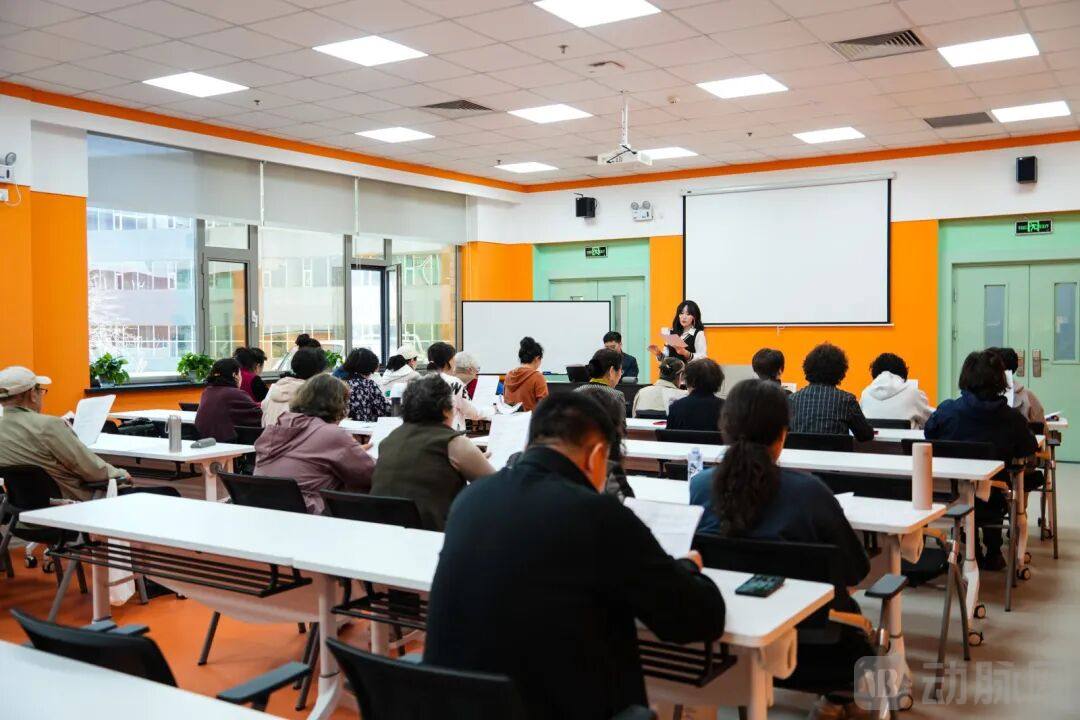
The deepest moat in the elderly care industry is not technology or capital, but people. Neusoft Ruixin’s confidence stems from its 26 years of accumulated expertise in education. From establishing three IT universities to founding the “Neusoft Phoenix Academy,” which extends educational services to the silver-haired demographic, its core logic has remained consistent: driving human growth through education, and supporting the future of the industry through that human development.
Second, build barriers with “medical care” as the core.
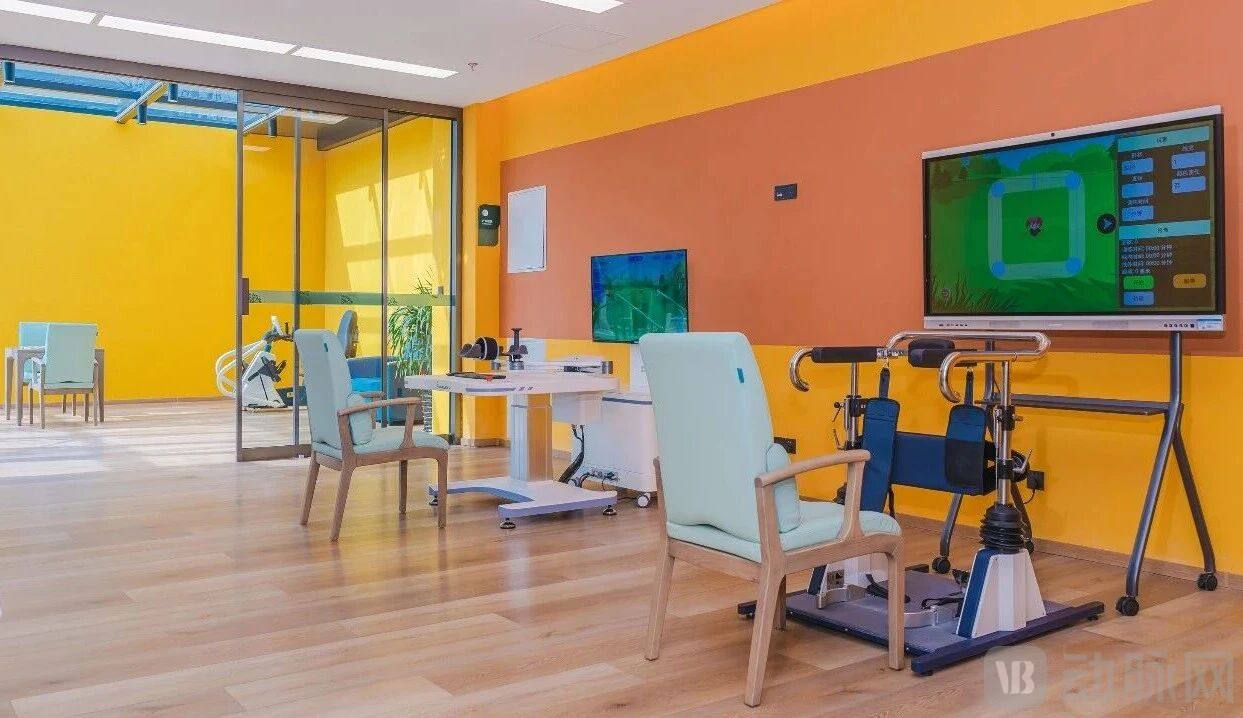
Integrating medical care with elderly services is a major challenge in the senior care sector, and it also constitutes Neusoft Ruixin’s core competitive barrier. By operating its own Ruikang Cardiovascular Hospital, Ruikang Stomatological Hospital, and “Ruikang Home” elderly care facilities, Neusoft Ruixin has refined practical operational expertise in an integrated model encompassing medical treatment, rehabilitation, nursing, and eldercare. This expertise was not devised on paper, but honed through day-to-day practice within real-world institutions.
Third, centering on “nurturing” to connect the ecosystem.
“Elderly care” is not a single service but a network. It requires linking diverse supply elements—such as institutional care, community services, in-home assistance, medical and health services, and age-friendly products—into an efficiently coordinated ecosystem. Neusoft Ruixin’s “City-Level Smart Elderly Care Platform,” serving as new digital infrastructure for urban elderly care, has been deployed in more than 20 cities, including Shenyang, Dalian, Nanning, and Fuzhou.
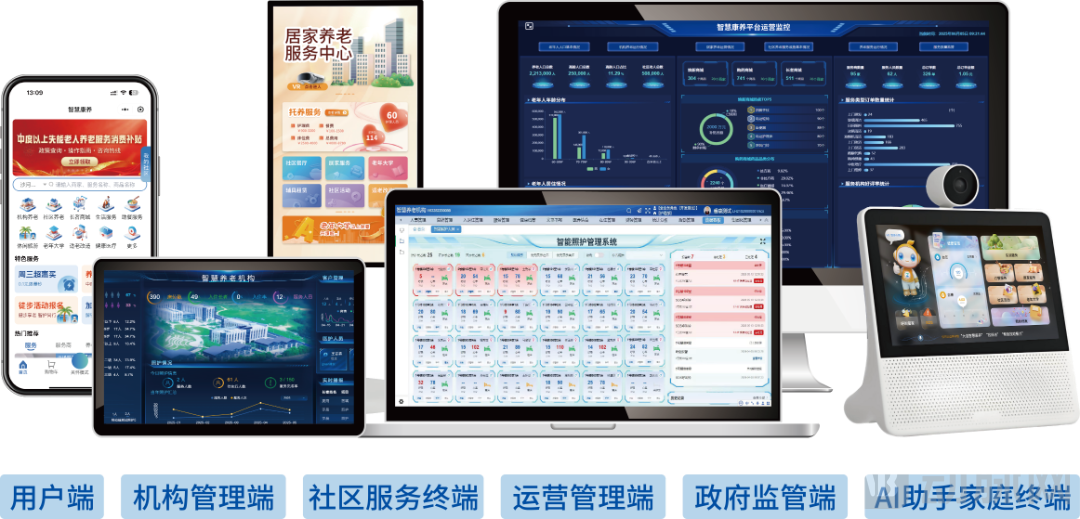
The “Shenyang Shengqing Kangyang,” “Dalian Smart Kangyang,” and “Nanning Kangyang” platforms, which have already been launched, cover 30 core elderly care scenarios, serve over 200,000 users, aggregate more than 3,700 high-quality service providers, and offer over 11,000 age-friendly products and services.
The platform’s value lies not only in providing a service gateway, but also in centering on “care” to connect government bodies, institutions, service providers, and families, bridging supply and demand through connectivity and co-building an ecosystem—this is the concentrated embodiment of Neusoft Ruixin’s “ecosystem philosophy.”
04
Postscript
The first half of China’s elderly care sector was a race in hardware and speed; the second half will be a contest of talent and service.
Neusoft Ruixin uses the “Qinglan Plan” as a strategic lever, focusing not only on the professional development of hundreds of young nursing home directors, but also on systematically building the foundational capabilities of the elderly care industry. As more and more young directors adopt a shared scientific, systematic, and compassionate approach to operating their facilities, the standards and quality of the entire industry may well be redefined.