

Pan Wenzhi | Off the Beaten Path: A Cardiovascular Doctor’s Journey of Innovation
On May 21, at the VCBeat 2026 Top 100 Future Healthcare and Pharmaceuticals Conference, we hosted a special forum titled “Seeing · Stories of Life,” featuring keynote speeches on medical humanities. This marked the first time in the ten-year history of the Top 100 Conference that a dedicated session on medical humanities was held. Over the course of a full day, twelve guests from research institutes, clinical frontlines, and the industry shared their most authentic stories on the path of medical innovation.
No funding figures, no technical specifications, no product roadshows. A scientist recounted his solitary twenty-year marathon to repair spinal cords; a surgeon described how surgical sketches he drew on an airplane evolved into a China-originated medical device; and a fighter against amyotrophic lateral sclerosis (ALS) delivered his entire speech as an AI digital human. These were the quietest yet most moving moments at the forum.
At the forum, Dr. Pan Wenzhi, Director of the Center for Structural Heart Disease and Director of the Heart Valve Center (Combined Medical-Surgical Ward) at Zhongshan Hospital, Fudan University, delivered a keynote speech titled “A Cardiovascular Physician’s Journey of Innovation.” He shared his personal evolution from pursuing traditional research grants to embracing an integrated approach combining industry, academia, and research. Inspired by Academician Ge Junbo in 2015, he embarked on product development through industrialization, focusing on mitral regurgitation—a common condition—and pioneered a globally first-of-its-kind innovative mitral valve device via a novel anterior cardiac approach. After rigorous validation in over 200 animal experiments, the device achieved success in its first-in-human procedure and completed large-scale clinical studies, leading to regulatory approval for market launch. The final product offers significant advantages, including a procedure time of only 20 minutes and zero radiation exposure. Dr. Pan also introduced subsequent original innovations, such as a puncturable occluder and intracavitary balloons, and showcased the team’s remarkable achievements in driving corporate growth through technology translation.
In Pan Wenzhi’s view, papers and awards are merely byproducts of innovation; real-world practice is the best teacher. Innovation must ultimately address clinical needs, with patents serving as the core vehicle for innovation. He emphasizes that medical-engineering collaboration should be initiated by clinicians, supported by robust platforms, a conducive environment, and favorable policies, while encouraging bold experimentation and a tolerance for failure.
Professor Pan Wenzhi shared his engaging experiences and insights in cardiovascular device innovation through a relatively relaxed and interactive approach.
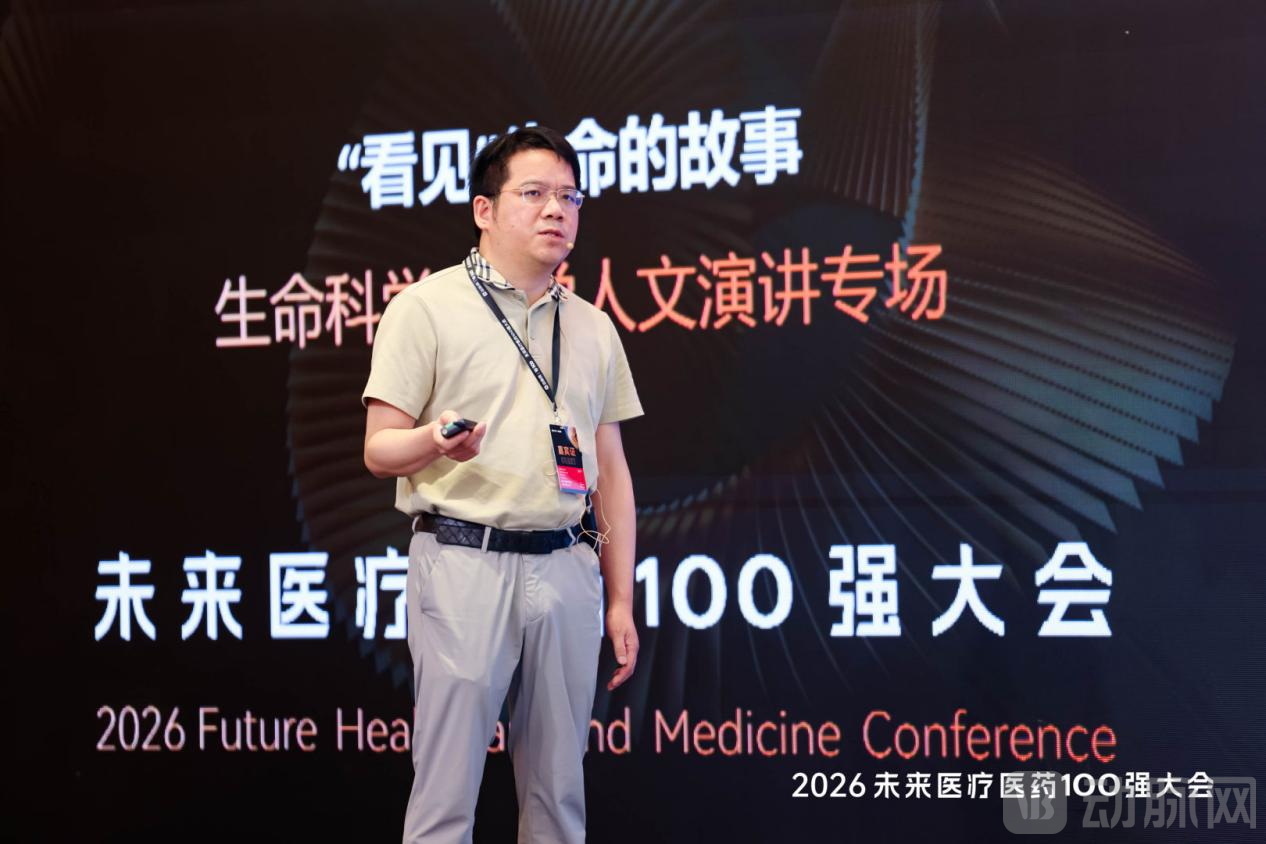
Photo of Pan Wenzhi's Speech
In 2016, Professor Pan had just graduated from Zhongshan Hospital Fudan University not long before and was full of interest in innovative inventions. As early as 2015, he and his team completed a patent and transferred it to a Hangzhou-based enterprise—this company later successfully went public. After the transfer, they applied for a research project following traditional approaches, attempting to advance R&D through academic channels. However, he soon discovered that this conventional method was slow-paced and its mindset was disconnected from industrial needs.
It was also in 2015 that his mentorAcademician Ge JunboEstablished aPhysician Innovation Club, calling on doctors to engage in innovation, which was highly forward-looking in China at the time. Inspired by Academician Ge, Professor Pan began to consider another model:Instead of following the traditional path of applying for research grants, we are truly pursuing a model that integrates industry, academia, and research. We are seeking angel investment, building new teams and companies, and directly driving product development.
Professor Pan's chosen focus is mitral regurgitation., this is a very common disease, with approximately 20 million patients in China. Many people discover mild mitral regurgitation during routine health check-ups. This field was considered highly promising at the time; the Cleveland Clinic Innovations, a world-leading medical innovation center, listed minimally invasive transcatheter mitral valve interventions among its Top 10 Medical Innovations for two consecutive years in 2019 and 2020, placing it alongside cutting-edge technologies such as CAR-T therapy and gene editing, which underscores its significance.
Traditional mitral valve surgery requires thoracotomy and cardiac arrest, resulting in significant trauma. In 2012, Academician Ge Junbo introduced Abbott’s mitral valve repair technology from abroad, with Professor Pan Wenzhi participating in the procedures. He was profoundly impressed, as conventional wisdom held that valve surgeries necessitated large incisions and a postoperative recovery period of two to three months. Suddenly, he realized that valve repair could be performed through a minimally invasive approach akin to an intravascular injection, requiring only a 3–5 mm incision. At the time, Academician Ge informed him that while this technology was highly advanced, it was not yet available in China. With only one such product existing worldwide, there was an urgent need for independent domestic development. Although the total market potential for this technology was substantial, the devices were expensive, with each set costing over RMB 300,000. Consequently, Professor Pan began to seriously consider how to undertake its research and development.
However, the R&D challenges were immense. Since its launch in 2003, this product had no global competitors for over a decade, with no one able to manufacture a second similar device. Moreover, it is extremely complex, comprising more than 100 components. At the time, domestic machining capabilities struggled to meet the requirements, and patent barriers proved difficult to overcome. Even many professional medical device companies in China failed to successfully replicate or surpass it. For individuals on the clinical side without industrial experience, the difficulty of developing such a product is imaginable.
However, during one surgical collaboration with cardiac surgeons, Professor Pan Wenzhi observed that instead of accessing the heart via the femoral vein, the surgeons made a small incision on the anterior surface of the heart. This incision, only about two fingers wide and in close proximity to the heart, also enabled certain minimally invasive procedures. This insight immediately broadened Professor Pan’s perspective:Rather than following the crowd, design new devices and novel solutions via an anterior cardiac approach.
With a broadened perspective, Professor Pan utilized his spare time during his medical support mission in Yunnan Province in 2015 to design new devices and conceptualize novel solutions. On-site, Professor Pan showed us the sketches he had drawn at that time. Armed with these new ideas, he engaged in repeated discussions with Academician Ge Junbo and, with the assistance of engineers, iteratively refined prototypes and conducted animal studies. At the outset of the R&D effort, the collaborative team established an independent company dedicated to operating this project, employing capitalization strategies for financing. The company successfully completed four to five rounds of funding, with the cumulative amount reaching over one billion yuan at its peak. Through concerted efforts, the team overcame numerous technical challenges and conducted extensive experiments.From concept inception to the completion of animal experiments, it took just over six months, yielding encouraging results.
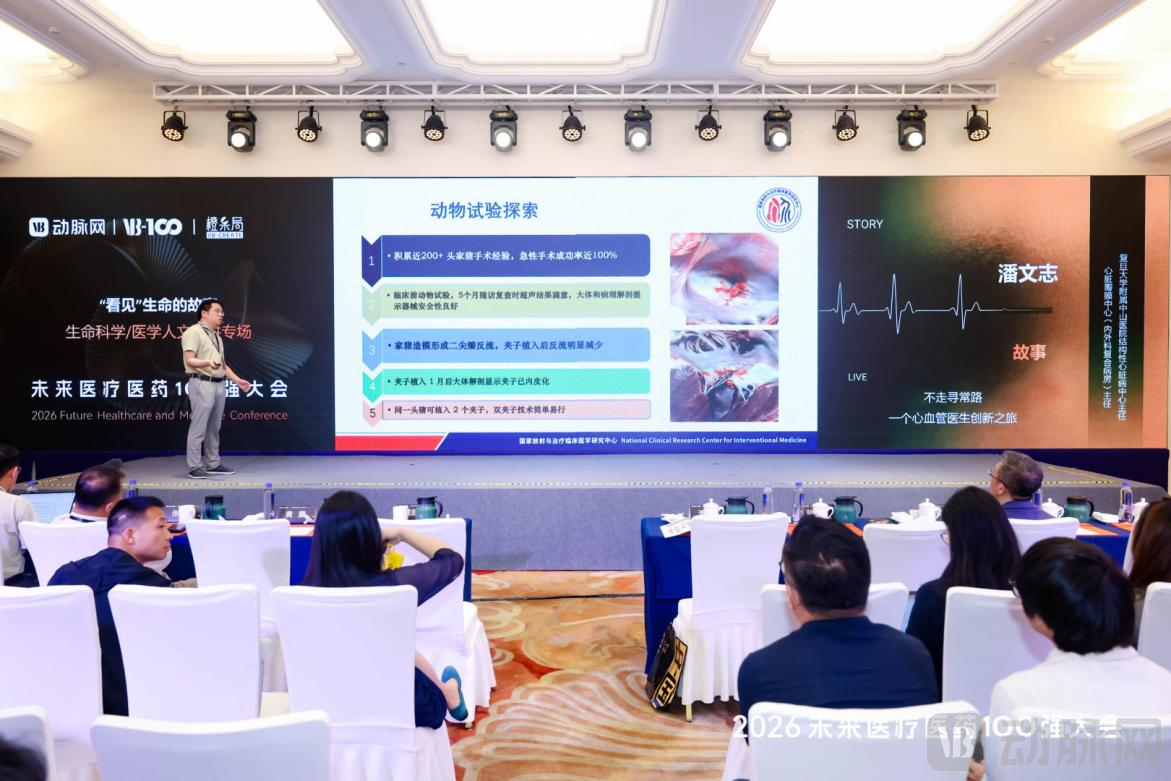
However, the transition from animal experiments to human clinical trials encountered some setbacks. Initially, progress was smooth, but after a period of housing, the clips became dislodged in the animals. Necropsy revealed that the outcomes were not as ideal as expected. Technical analysis suggested that the issue likely stemmed from the lack of a polymer membrane coating, which led to insufficient endothelialization and consequently increased the risk of detachment. Although the device appears simple, it actually contains numerous invisible micro-components within its sleeve. To ensure reliability, Professor Pan conducted preliminary validation at his own hospital before proceeding to further validation at Fuwai Hospital, where the results were encouraging. In 2017, he presented these findings in Israel, receiving favorable comments and significant attention.
As an innovator with a medical background, Professor Pan is well aware of the significant challenges that research faces before entering the human trial phase.He conducted validation experiments on more than 200 animals, proactively eliminating various potential risks, including those associated with disease modeling and other procedures. As a result, the subsequent clinical trials proceeded very smoothly, with virtually no further modifications required for the product. From the physician’s perspective, this approach enabled the anticipation of potential intraoperative issues and patient-related scenarios through extensive animal simulations, thereby nipping problems in the bud.China Cardiovascular Doctors Innovation Club (CCI)It also advocates for innovation originating from clinical applications. This model offers clear advantages: if development starts from the engineering side, it is difficult to anticipate all clinical issues; making modifications during the clinical phase is not only cumbersome but may also pose risks and cause harm.
In 2018, Professor Pan performed the first-ever human surgery., sparking significant repercussions within the industry. Media outlets such as People's Daily and China Central Television (CCTV) have reported on it, with both the surgical technique and instruments being global firsts.
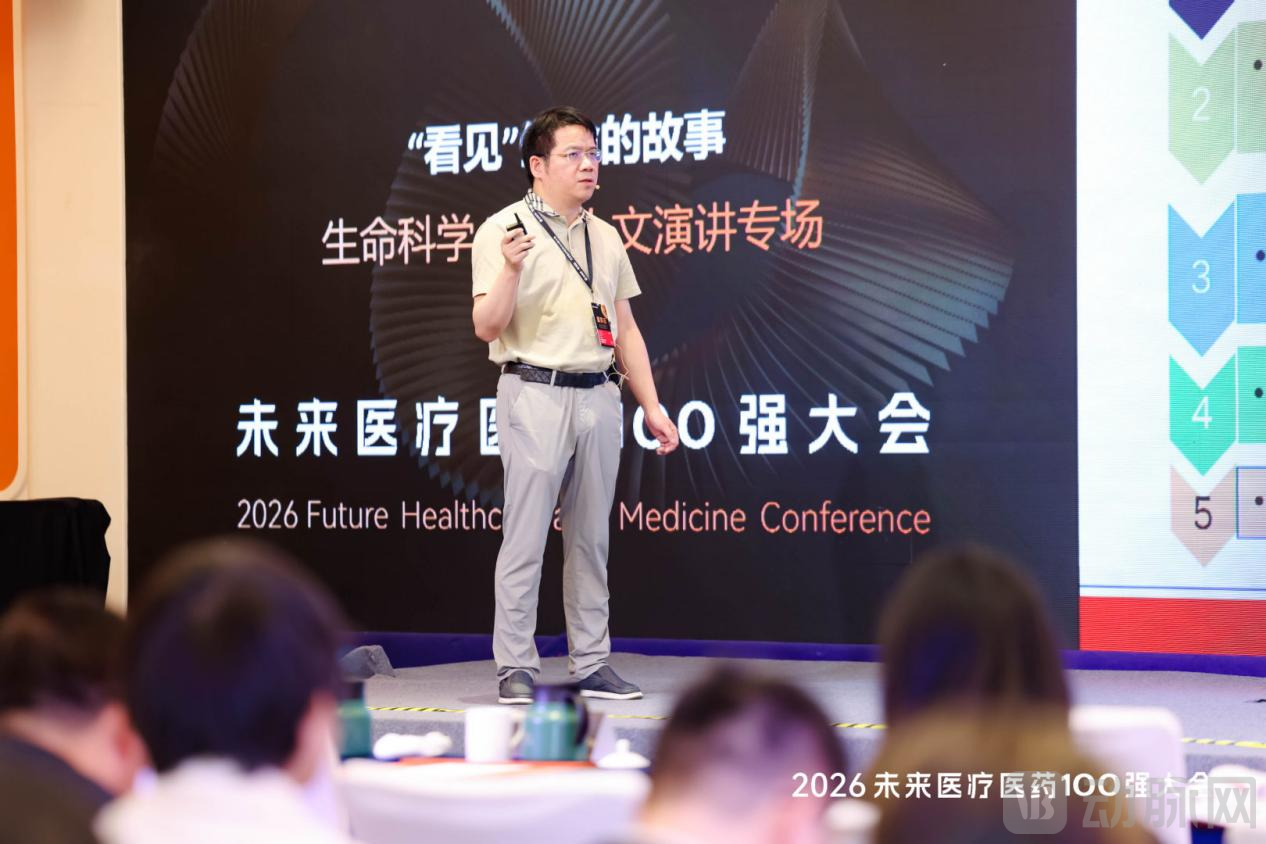
The initial goal of Professor Pan’s team was simply to develop a device comparable to foreign products, one that would adequately address clinical needs.However, during the R&D process, they discovered that they had developed unique features:First, the access route and device design differ from those of foreign products. Second, the procedure is simpler: while foreign products require operation under digital subtraction angiography (DSA), their product can be deployed using ultrasound guidance alone. It also provides more secure clamping, typically requiring only one clip to resolve the issue, whereas foreign products often necessitate two to three clips. The team’s related findings have been published in high-impact academic journals.
Two mitral valve devices subsequently launched abroad typically require two to three hours per procedure, whereas Professor Pan’s team can complete the surgery in just 30 minutes, or even as little as 20 minutes. This significantly reduces operative time and makes the technique easier to learn. Furthermore, while foreign products necessitate 30–40 minutes of radiation exposure, their technology achieves zero radiation exposure.Leveraging these advantages, the project won the Best Innovation Award at the 2018 Israel Innovation Forum and was ranked first among the Top 10 Innovations in Cardiovascular Disease in China in 2019.
Subsequently, supported by animal studies and preliminary case explorations, the team conducted large-scale clinical trials involving over 100 patients. From 2016 to 2023, within a span of six to seven years, the product received marketing approval from the National Medical Products Administration (NMPA). It has been applied in more than 2,000 cases nationwide and has received industry awards. At that time, Shanghai had only two channels for innovative medical devices, and this product was one of them; it was also showcased at the China International Import Expo (CIIE) in Shanghai. To date, the cumulative sales revenue of the product has approached RMB 200 million.
Furthermore, Professor Pan’s team discovered that mitral regurgitation is most prevalent in two species: humans and pets. In foreign countries, researching veterinary medicine represents a highly valuable direction. The incidence of mitral regurgitation in adult dogs is as high as 20%. They found that downsizing the clip enables mitral regurgitation treatment in dogs, thereby opening up the pet market. Currently, nearly 1,000 such procedures are performed annually abroad using this patented technology, and the product has achieved commercial application in multiple Southeast Asian countries.
Building on this foundation, Professor Pan’s team developed two additional products. The first isPunctureable OccluderTraditional occluders contain a significant amount of metal, which impedes passage and often leads to incomplete endothelialization. As a result, it is difficult for complete tissue coverage to form over the exterior of the device, causing patients to experience postoperative symptoms such as headaches and blurred vision. These adverse effects are quite common, occurring in more than 20% of patients. To address this clinical challenge, the team developed a puncturable occluder by hollowing out the central metal structure and retaining only a membrane layer, thereby transforming the traditional occluder into an innovative medical device. Collaborating with engineers, they adopted a commercial approach within a pure industry-academia-research framework to solve the problem, rather than relying on grant-funded research projects. Professor Pan believes that the traditional model is relatively slow and constrained by rigid evaluation criteria, whereas a commercial approach can accelerate product development, innovation, and industrialization.His message today about “taking the road less traveled” advocates for developing products through a more industrialized approach, rather than relying on the traditional model of securing research grants.Research on this device has been published in high-impact international journals, and subsequent clinical trials have demonstrated that it effectively addresses clinical challenges, resulting in a significant reduction in the incidence of postoperative migraines. The headache incidence rate was 18% in the control group, compared to only 5.6% in the product group. Additionally, side effects were markedly reduced, and endothelialization outcomes were superior. The product is expected to reach the market within a few months.
The third device is also dedicated to addressing clinical pain points. Balloons can obstruct the heart during use. Professor Pan’s team, through designCavity BalloonProblem-solving. On a personal level, he currently holds approximately 30 patents, with dozens more pending application. The total contract value from patent transfers has exceeded RMB 50 million, and the aforementioned three products have obtained First-in-Class certification.
Looking ahead, the team plans to develop five products over a 15-year period. Three have already been completed, while the remaining two are under development. All are geared toward original, world-first innovations rather than simple imitation of foreign products.
Furthermore, Professor Pan introduced us to the companies collaborating with his team, which have attracted significant attention from the capital and industrial sectors. At its peak, the company’s valuation reached RMB 7.5 billion, ranking fifth among privately held companies. Initially, United Imaging Healthcare ranked first, but it has since gone public. Thus, in the process of translating research into commercial products, the team has also driven the development of related enterprises and industries.
Finally, Professor Pan shared several insights on innovation from the perspective of a physician-scholar:
First, papers and awards are byproducts of innovation.Innovation is not about pursuing papers and awards, but rather about creating a product that can be used in clinical practice and society. In this regard, Professor Pan shared with the audience his experience of delivering a presentation as one of nine representatives at the Young Talent Special Session of the China Biotechnology Innovation Conference, hosted by the Ministry of Science and Technology, in 2021.
Second, hands-on practice is the best teacher.True innovation must be grounded in practical experience, which serves as the best teacher. Professor Pan mentioned that the CCI Club offers specialized innovation training for physicians, frequently featuring its flagship course, “Fundamental Principles of Medical Device Innovation.” Occasionally, the Secretary-General also delivers lectures, sharing hands-on experience in medical device innovation with attendees.
Third, innovation is ultimately driven by clinical needs.Physicians possess inherent advantages in identifying clinical needs and determining technological directions. Whether developing products based on clinical needs or seeking clinical applications for existing products, the focus must remain firmly on clinical needs. If clinical needs are not accurately identified, commercialization and industrialization will be difficult to achieve.
Fourth, Integration of Medicine and Engineering, most high-quality products are still initiated by physicians. A review of the history of cardiovascular innovation reveals that 95% of products originated from pain points and solutions identified by physicians, who collaborated with engineers and leveraged industrial resources to conduct in-depth medical-engineering integration.
Fifth, patents are the core vehicle of innovation.First, it is essential to draft high-quality patents; second, robust patent protection must be ensured. Without such protection, it becomes difficult to determine the ownership of achievements, and innovative ideas cannot be effectively safeguarded.
Sixth, platforms, atmosphere, and policies are the foundation of innovation.Innovation requires robust platforms, a supportive environment, and policy backing. Hospitals and institutions must provide corresponding policy conditions; otherwise, disputes and policy risks are likely to arise.
7. The ultimate secret to innovation is the courage to try and the fearlessness of failure.Innovation is a process that requires the courage to experiment and the resilience to withstand failure, underpinned by strong execution capabilities. As Jin Li, President of Fudan University, once stated:“Without execution, ideas are cheap.”Professor Pan also strongly agrees with this statement.