

2026VB100 | From Payment Breakthrough to Service Closure: Is the Answer in Chronic Disease Management + Health Insurance + AI?
Currently, chronic diseases in China are characterized by high prevalence, a trend toward affecting younger populations, and severe complications. Consequently, chronic disease management has become a core issue in ensuring national health and a key driver for the high-quality development of the healthcare industry. Meanwhile, as an essential component of the multi-tiered medical security system, health insurance is transitioning from traditional expense-reimbursement models to service-provision models. Its deep integration with chronic disease management has become an inevitable industry trend. However, the sector still faces significant challenges, including fragmented services, disconnection between insurers and service providers, inadequate product adaptability, and difficulties in technology implementation. There is an urgent need to establish cross-sector communication platforms that unite clinical experts, insurance companies, technology firms, and internet healthcare providers to overcome these barriers to integrated development.
In this context,On May 20, 2026, the 2026 Future Healthcare & Pharma Top 100 Conference • Forum on Chronic Disease Management and Health Insurance Innovation was successfully held in Shanghai.Moderated by Gong Mo, General Manager of Linglu Capital, the forum brought together distinguished guests from leading hospitals and enterprises, including Peking University Third Hospital, Yishu Health, Ailian Health, Zhuoshuniao Internet Hospital, Ping An Health (Testing) Center, JD Health, and Nuanwa Technology. Participants engaged in in-depth discussions on core topics such as the restructuring of integrated care systems, innovation in chronic disease medication insurance, service-indemnity long-term care insurance, electronic medical prescription rights and big data ownership, and AI-enabled chronic disease management and insurance risk control. The event comprehensively explored new pathways and opportunities for the synergistic development of chronic disease management and health insurance.
Breaking the Fragmentation Dilemma in Chronic Disease Management
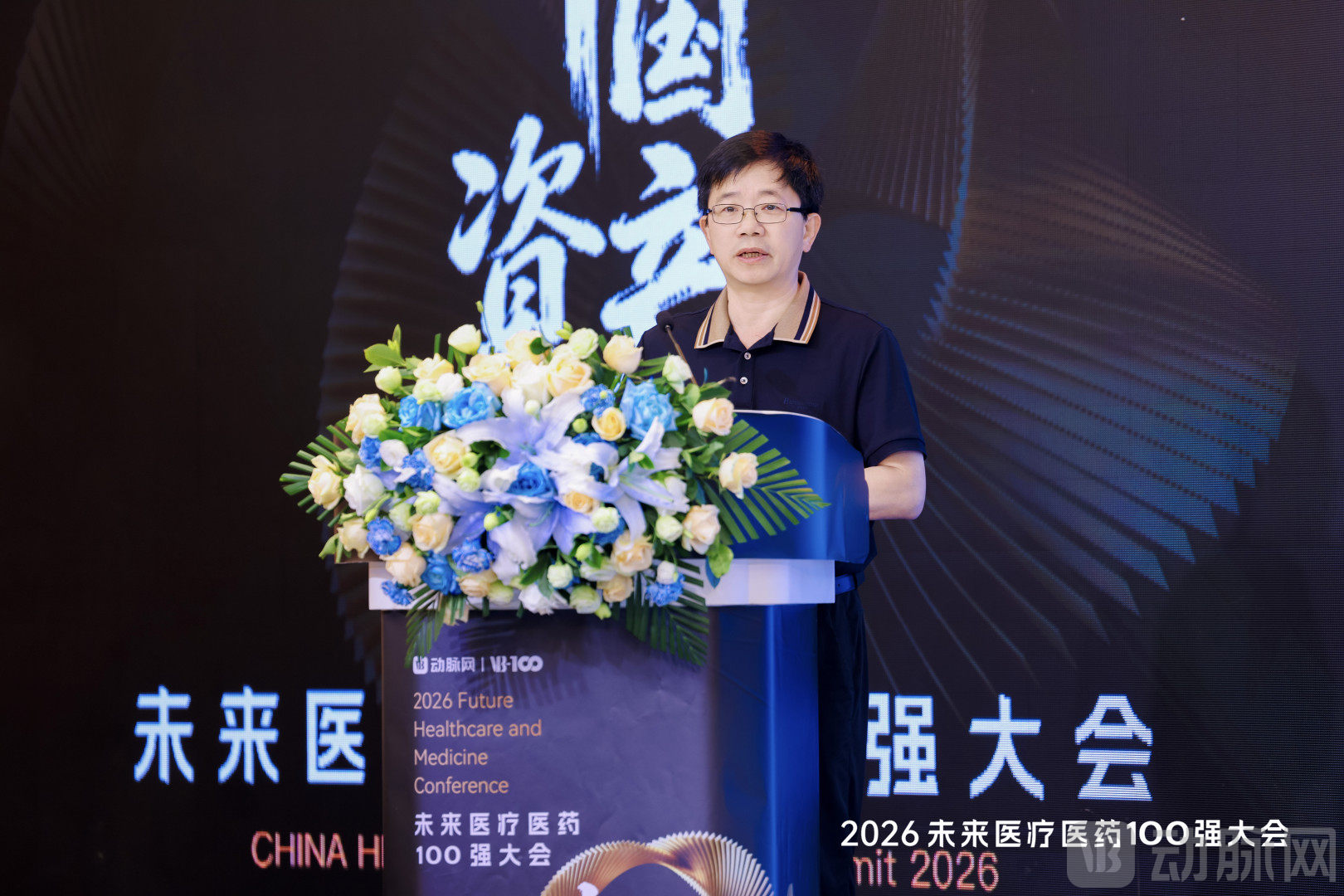
Professor (Level 2) / Doctoral Supervisor, Department of Nephrology, Peking University Third Hospital
Wang Tao, Jointly Appointed Professor at the Institute for Global Health and Development, Peking University
The health ecology of China’s population has undergone a fundamental shift, transforming from the traditional ideal triangular structure characterized by “a large healthy population and few patients” into an olive-shaped structure in which over 90% of individuals exhibit health abnormalities. The widespread adoption of nationwide health screenings has enabled the early detection of numerous latent health issues, directly undermining the foundations of the traditional insurance and healthcare systems.
Wang Tao, Level II Professor and Doctoral Supervisor, Department of Nephrology, Peking University Third Hospital; Jointly Appointed Professor, Institute for Global Health Development, Peking UniversityIt is pointed out that the traditional, fragmented diagnosis and treatment model based on acute diseases is completely ineffective for chronic disease intervention. In clinical practice, even if the optimal prescription is provided, adverse outcomes will still occur if patient behavior and lifestyle are not aligned. The high incidence of acute complications of chronic diseases, such as myocardial infarction and cerebral infarction, is a direct consequence of this model. Chronic disease management must break free from the limitations of the biomedical model and transition toward an integrated bio-psycho-social-environmental medical model, returning to the essence of patient-centered care.
The key breakthrough in chronic disease management lies in establishing a supervised self-management system, thoroughly bidding farewell to fragmented services characterized by "loss of contact after outpatient visits." It is essential to build a vertical medical collaboration system across all levels and horizontally integrate four major modules: public health, transitional care, social governance, and wellness tourism. By leveraging health as the focal point to achieve the integration of medical treatment and prevention, we can create an integrated healthcare service system that is comprehensive in both horizontal scope and vertical depth. This system is not merely about connecting information silos, but rather achieving deep integration at the logical level, transforming grassroots public health resources from "data fabrication and formalism" to "practical action and value creation," thereby revitalizing the annual hundreds of billions of yuan invested in public health.
Digitalization and AI technologies serve as the core support for implementing integrated care systems. By leveraging AI to intelligently replace redundant roles such as dietitians and clinical pharmacists, service costs can be significantly reduced, making large-scale promotion of integrated care systems feasible. However, successful implementation requires binding three core forces: relying on the social governance system of the Central Social Work Department to strengthen grassroots governance with health as the focal point; collaborating with the wellness and medical tourism industry to integrate medical and elderly care by utilizing its scenarios and traffic resources; and harnessing artificial intelligence technology to independently control digital tools for end-to-end management. Ultimately, adhering to the principle of government leadership, participation by social forces, and execution by medical institutions, healthcare services will penetrate the multi-trillion-dollar wellness industry, achieving a win-win outcome for patients, the state, hospitals, and healthcare professionals, thereby truly implementing tiered diagnosis and treatment.
New Commercial Opportunities Emerge for Chronic Disease Drug Insurance

Chen Xu, Vice President and Chief Product Officer of Yishu Health
Over the past decade, China’s health insurance sector has undergone three key iterations. The emergence of million-yuan medical insurance, Yaoshenbao, and Huiminbao are all direct outcomes of gaps in basic medical insurance coverage and changes in the healthcare reform landscape.
Chen Xu, Vice President and Chief Product Officer of Yishu HealthA review of industry development highlights that Million Medical Insurance has addressed the pain point of reimbursing high inpatient costs, while Drug God Insurance has filled the gap in reimbursement for specialized drugs purchased outside hospitals. Huiminbao (City-specific Supplemental Medical Insurance), leveraging government endorsement, low entry thresholds, and payment via personal medical insurance accounts, has achieved inclusive coverage. Together, these three products have established the foundational landscape of the health insurance sector. However, protection-oriented products have now hit a growth ceiling: policy volumes for Million Medical Insurance and Huiminbao have stagnated, and sales of critical illness insurance have declined sharply in tandem with the shrinking agent workforce. The industry is urgently seeking new breakthroughs for growth.
Comprehensive cost containment under the DRG/DIP payment systems and volume-based procurement (VBP) for pharmaceuticals has become a pivotal opportunity for the development of chronic disease insurance. Currently, VBP has advanced to its 11th round, causing numerous originator drugs to lose bids due to pricing issues. Policies such as medical insurance reimbursement prices, tiered price reductions, and multipliers have effectively excluded these non-winning originator drugs from the in-hospital market. This contraction in medical insurance coverage has created substantial room for commercial health insurance. Traditional commercial insurance is gradually becoming ineffective within areas covered by social security, while out-of-hospital payment demands for chronic disease medications that have lost VBP bids have emerged as a key strategic focus for insurers and healthcare service providers.
Currently, the ultimate development model for chronic disease medication insurance is to build a tripartite alliance of interests among pharmaceutical companies, patients, and insurance companies. Patients commit to long-term medication use by purchasing insurance policies; pharmaceutical companies offer exclusive discounts to patients who adhere to their medication commitments; and insurance companies deliver medication benefits through these policies, forming a closed contractual loop among the three parties. This model not only addresses the sales challenges faced by off-list originator drugs but also reduces patients’ medication costs. Meanwhile, insurance companies achieve risk control through discounts provided by pharmaceutical companies, thereby establishing a sustainable business logic for chronic disease medication insurance.
Unlocking a New Paradigm for Service-Benefit Long-Term Care Insurance
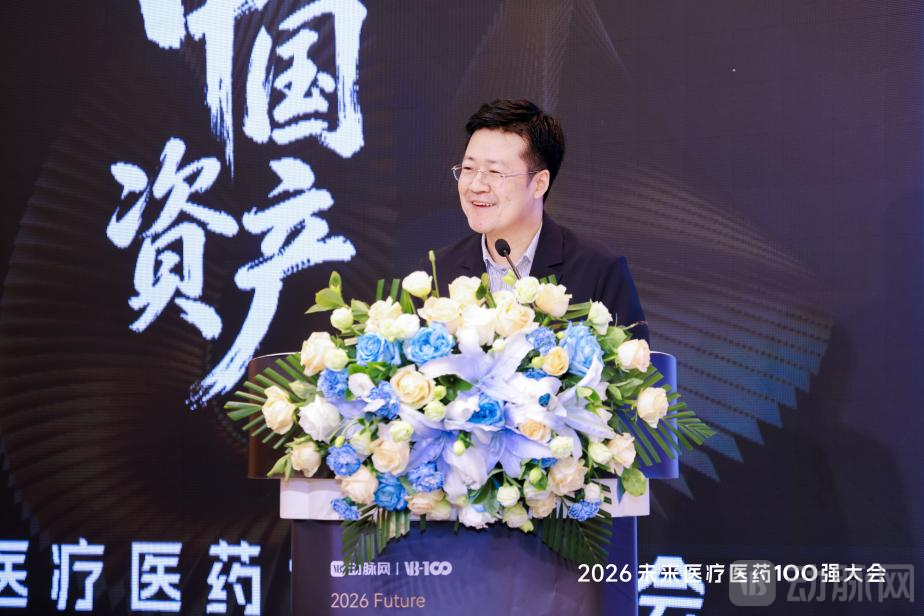
Guang Xinchen, Founder and CEO of Ailian Health
China's Commercial Health Insurance: "Emphasis on Claims, Neglect of Services"”Structural issues, product homogeneity, and multiple challenges in service and sales have stalled the development of health insurance.
Guang Xinchen, Founder and CEO of Ailian HealthAnalysis: The current stagnation in the development of commercial health insurance stems essentially from structural flaws—namely, the fragmentation and disconnection between payment and service systems, which fail to operate in synergy, thereby bottling up industry growth. Only by breaking down the barriers between these two domains and creating an integrated payment-and-service solution can we unlock the core driver for innovative development in health insurance.
The Outline of the 15th Five-Year Plan explicitly proposes the implementation of a long-term care insurance system, requiring the establishment of a service-based benefit model. The National Financial Regulatory Administration has also issued documents encouraging the integration of “insurance + services,” supporting a nursing care security system where cash benefits and service benefits operate in parallel. Consequently, market-oriented, service-benefit long-term care insurance is entering a golden period of development.
Guang Xinchen believes that the key to innovation in health insurance lies in the integration of payment and services, with insurance moving beyond a “pay-and-close” model.”Shifting to “Compensation + Service””Dual Delivery. Under this new paradigm, payment is no longer the endpoint but the starting point of service; service is no longer an add-on but the core of assurance. Only when insurance is truly integrated with the service chain encompassing medical care, nursing, and rehabilitation can we build a health protection system that covers the entire life cycle.
It is reported that Ailian Health has pioneered a fully closed-loop “integrated payment and service” model, making it one of the few cross-sector enterprises in China to integrate insurance, pharmaceuticals, nursing care, and technology. The company has partnered with 16 leading insurers to provide comprehensive solutions for long-term care insurance, including pricing, claims adjudication, loss adjusting, performance fulfillment, and quality control. These services cover diverse scenarios such as care for individuals with severe disability, the 40 million people living with disability or dementia, inpatient nursing, and outpatient nursing, thereby filling coverage gaps in government-sponsored long-term care insurance programs.
Guang Xinchen emphasized that the next three years constitute a critical window for health insurance to transition from “cash indemnity” to “service-based benefits.” Only by ensuring that coverage is not merely “payable” but also “practically usable” can the multi-trillion-yuan healthcare services market be truly unlocked. Furthermore, in response to industry demands, enterprises across the industrial chain should empower insurers throughout the sector, enabling all direct underwriting companies to deliver service-based benefits. By pursuing dual pathways—innovating protection-oriented insurance products and converting existing savings-type insurance policies—the industry can address long-term care challenges in an aging society, thereby achieving a genuine transformation of insurance from being “recognized” to being “user-friendly.”
Establishing Dual Benchmarks in Chronic Disease Management and Big Data Ownership
 Zhang Jingyao, Founder and Chairman of Xi'an Beilin Zhuoshuniao Internet Hospital Co., Ltd.
Xi’an Beilin Zhuoshuniao Internet Hospital, as the first enterprise-run internet hospital in Shaanxi Province, has established a province-wide chronic disease service network centered on the circulation of electronic prescriptions covered by medical insurance over the past four years since its establishment.
Zhang Jingyao, Founder and Chairman of Xi'an Beilin Zhuoshuniao Internet Hospital Co., Ltd.Introduction: The hospital has partnered with over 5,900 designated medical insurance pharmacies across the province, processing more than 20 million compliant prescriptions annually. It delivers end-to-end services encompassing online follow-up consultations, nearby medication pickup, and one-click medical insurance settlement. This initiative not only facilitates penetrative oversight of medical insurance funds and eliminates insurance fraud, but also breaks down temporal and spatial barriers in healthcare, extending high-quality chronic disease management to the grassroots level, thereby achieving a win-win outcome for the Medical Insurance Bureau, hospitals, pharmaceutical companies, and patients.
Focusing on core chronic diseases such as diabetes and hypertension, the hospital has moved beyond single-prescription services to establish a closed-loop management system featuring “Five-Professional Co-Management,” in-house pharmaceutical preparations, and an AI-powered platform. Through multidisciplinary collaboration among physicians, pharmacists, dietitians, health managers, and psychological counselors, the system integrates self-developed in-house preparations derived from proven Ming Dynasty formulas with low-GI nutritional supplements, while leveraging an AI-based chronic disease management platform to monitor patients’ blood glucose, medication adherence, and dietary data in real time.
At the level of data application, the hospital established Shaanxi Province’s first Internet Hospital Data Intellectual Property Protection Station and obtained an intellectual property registration certificate for big data in chronic disease diagnosis and treatment. By strictly adhering to the Data Security Law and the Personal Information Protection Law, the hospital completed data de-identification and cleaning, thereby transforming chronic disease data into compliant digital assets that are evaluable, tradable, pledgeable, and eligible for balance sheet recognition. These digital assets can provide real-world study support to pharmaceutical companies and offer precise risk control models to insurance companies, setting a compliant benchmark for the commercialization of medical big data.
Empowering Commercial Health Insurance with Medical-Grade Chronic Disease Management

Zhou Nannan, General Manager of Ping An Health (Testing) Center
Ping An Health (Check-up) Center, leveraging Ping An Group’s dual-engine strategy of integrated finance and healthcare-elderly care services, has become the flagship high-quality, self-operated offline medical entity within the Ping An ecosystem. From its inception, it has possessed hard-core advantages characterized by high entry barriers and strong competitive moats, with strategic investments in three core resources: scarce licensing qualifications, advanced imaging equipment, and a highly skilled medical and nursing team.
Zhou Nannan, General Manager of Ping An Health (Testing) CenterIntroduction: In terms of licensing resources, among tens of thousands of health checkup institutions across China, only 163 hold compliant third-party imaging licenses. Ping An Health (Testing) Center possesses 11 such scarce licenses, firmly establishing itself in the industry’s first tier. Leveraging these rare licensing assets, Ping An Health (Testing) Center has deeply developed a comprehensive diagnosis, treatment, and health management service system covering six major specialties, including cardiology, respiratory medicine, gastroenterology, and orthopedics. Regarding investment in high-end imaging equipment, Ping An Health (Testing) Center is the first third-party institution to obtain certification for PET/MR systems. The deployment of cutting-edge imaging equipment helps mitigate the risks of missed or misdiagnoses at the source, thereby enabling a transition from general, broad-based health management to in-depth, medical-grade health management. In terms of aggregating medical and nursing resources, Ping An Health (Testing) Center has not only built an in-house medical and nursing team of nearly 500 professionals but also collaborates with discipline leaders, clinical key personnel, and external experts to form specialized expert groups, ensuring timely service response and depth of service content.
In terms of implementing chronic disease management, the center focuses on five high-prevalence chronic conditions among commercial insurance clients—hypertension, diabetes, hyperlipidemia, hyperuricemia, and fatty liver disease—by establishing a comprehensive end-to-end system encompassing “in-depth health screening, risk stratification, population segmentation, and personalized intervention.” It has formed an in-house management team and an external panel of experts to develop tailored intervention plans based on dynamic health data. Leveraging Ping An’s global medical resources, the center provides high-net-worth and ultra-high-net-worth clients with scarce services such as overseas medical treatment and global pharmaceutical access, thereby achieving an upgrade from single-disease management to integrated multi-disease co-management.
As the core service carrier of the Ping An ecosystem, Ping An Health (Testing) Center incorporates four data dimensions: imaging, laboratory testing, functional assessment, and questionnaires. The integration of these four-dimensional data enables more comprehensive customer profiling and more precise risk assessment. In terms of data collection cycles, Ping An Health (Testing) Center has been serving commercial insurance clients for 11 consecutive years, thereby revealing long-term, continuous dynamic changes in user health. Due to its unique positioning, commercial health insurance clients constitute the core proportion of its customer base. This allows for the customized development of health management benefits and hook-type insurance products based on regional big data for chronic diseases. In the operations of a commercial insurance institution in a certain city, the partner selected 100 existing clients with abnormal indicators and records of deferred underwriting or premium loading. Leveraging Ping An Health’s chronic disease management system, specialized and refined interventions were implemented. After several months of cyclical, multi-dimensional care covering diet, exercise, and medication, 72 clients showed significant improvement in their abnormal indicators and a substantial reduction in health risks. This ultimately facilitated successful underwriting for these clients, achieving efficient revitalization and value conversion of the existing customer base.
In recent years, a new wave of artificial intelligence, represented by large language models and digital avatars, has swept across all sectors of healthcare. Ping An Health (Testing) Center is exploring the deep integration of AI technologies into its full-cycle chronic disease management system to enhance management outcomes and enable precise interventions. In terms of service content upgrades, the Center has infused functional medicine principles into the entire chronic disease management process, achieving a comprehensive transformation from “single-specialty treatment” to “co-management of multiple conditions,” and from “indicator-oriented” approaches to “holistic regulation.” This evolution makes chronic disease management more adherent by aligning it with human behavior rather than working against it, truly helping clients bridge the gap from mere improvement in clinical indicators to holistic health regulation.
AI Reconstructs End-to-End Services to Enhance Chronic Disease Adherence
 Zhang Yuan, Head of Patient Services, JD Health Pharmaceutical
The widespread adoption of AI technology has reshaped the healthcare journey for patients with chronic diseases, leading to a continuous expansion in the number of users engaging in self-diagnosis and self-management. Although these individuals do not seek offline hospital consultations, they urgently require standardized medication guidance and health management. Traditional patient management models, which focus solely on extending in-hospital medical advice, fail to cover this population.
Zhang Yuan, Head of Patient Services, JD Health PharmaceuticalIt is pointed out that the core pain points in current chronic disease management are patient attrition caused by irregular medication use, poor adherence, and fragmented services. Ensuring that patients take medications safely, correctly, at full doses, and for the full course of treatment to achieve therapeutic benefits constitutes the core commercial and social value of patient management.
JD Health leverages the CARE patient management model, integrating the e-commerce 4A segmentation framework with a comprehensive pharmaceutical disease-course management system. By shifting the focus of management to expectation setting during the initial phase of medication use, it addresses the often-overlooked issue of user churn. Utilizing its self-developed “Jingyi Qianxun” large language model, JD Health mines deep-seated patient behavioral and psychographic data to construct eight-dimensional, full-lifecycle health records. This enables precise user profiling and stratified interventions, allowing for proactive engagement during critical windows when patients are prone to discontinuing medication, thereby significantly reducing patient dropout rates.
To ensure effective service delivery, JD Health has established a comprehensive, end-to-end service team comprising 10,000 pharmacists and six specialized professional roles. Health Operations Managers, Professional Pharmacists, AI Health Managers, Clinicians, Dietitians, and Nurses form a closed-loop collaborative system. Pharmacists cover the entire process, including pre-sales consultation, treatment assessment, follow-up intervention, and adverse reaction management, providing 100% traceable and compliant pharmaceutical care services. The AI Health Manager “Xiao Ning” offers personalized services such as health checkup interpretation, dietary analysis, medication guidance, and proactive follow-ups, delivering tailored chronic disease management for each individual. Currently, through practical application across various conditions, JD Health has launched more than 50 single-disease Care Centers, cumulatively serving over 5 million users with chronic diseases.
AI Reconstructs the New Risk Control System for Chronic Disease Insurance

Partner at Nuanwa Technology, Yan Zhongzhi
Yan Zhongzhi, Partner at Nuanwa TechnologyIt points out that the traditional static risk control model adopts a “static snapshot” approach to underwriting assessment, judging risks solely based on instantaneous health data at the time of policy issuance. This model lacks continuous monitoring for post-underwriting risk assessment, and manual underwriting is heavily reliant on experience. Due to information asymmetry and adverse selection, payout risks are prominent. The lack of dynamic risk assessment capabilities and long-term risk assessment capabilities in health insurance results in low accessibility for individuals with chronic diseases to commercial health insurance products, which is also the core reason why the insurable scope for this population is difficult to expand.
To address this challenge, Nuanwa Technology has leveraged clinical medicine, big data science, and cutting-edge AI technologies to build a dynamic risk prediction model covering more than 2,000 types of chronic diseases—the Long-Term Health Risk Control Model. By analyzing the progression pathways of chronic diseases, the model accurately predicts patients’ medium- to long-term probabilities of seeking medical care, medical costs, and risks of complications. It further refines the model using insurance claims data, thereby upgrading from static risk identification to dynamic risk prediction and transforming the passive nature of traditional risk control. This dynamic risk control model has been successfully implemented in practice, bringing 40% of chronic disease patients previously declined for coverage back into the insurable pool, without a significant increase in the overall loss ratio. The risk control outcomes are both quantifiable and traceable.
In the future, the industry will enter a new era of risk control based on "pay-for-performance," where insurers and service providers are no longer siloed but instead aligned around final claims outcomes. By reducing risks through chronic disease management interventions, a closed loop of risk control and services can be achieved. Integrating wearable devices and digital therapeutics, along with incorporating user behavioral data and health intervention data, represents a key direction for further refining dynamic risk control systems. Meanwhile, the industry is leveraging health management services for individuals with chronic conditions as an entry point to drive the evolution of insurance from a "post-claim compensation" model to a "full-cycle protection + health management" model. This involves proactively establishing managed care frameworks and building a comprehensive chronic disease insurance ecosystem that ensures insurability, claimability, renewability, and manageability throughout the entire patient journey.
New Pathways for the Synergistic Development of Chronic Disease Management and Health Insurance
Following in-depth presentations by distinguished guests from the perspectives of clinical practice, product development, application scenarios, technology, and risk control, the industry has gained a clear understanding of the trends and directions for integrating chronic disease management with health insurance. However, practical challenges such as fragmented service coordination, inadequate product adaptation, difficulties in risk management, and weak value synergy remain to be addressed. With the continuous upgrading of demand for chronic disease management, health insurance has become the core payment support for chronic disease services. How to seize policy and market opportunities to achieve value resonance between chronic disease management and health insurance has emerged as a central issue for the entire industry. To this end, the forum features a special roundtable discussion focused on “Value Resonance: New Pathways for the Collaborative Development of Chronic Disease Management and Health Insurance,” inviting industry practitioners engaged in frontline operations to engage in in-depth deliberations.

This roundtable discussion was moderated by Gong Mo, General Manager of Linglu Capital. Four distinguished guests—Guang Xinchen, Founder and CEO of Ailian Health; Yin Hui, Founder and Chairman of Nanda Feite; Chen Xu, Vice President and Chief Product Officer of Yishu Health; and Li Jiaming, Deputy General Manager of Lejian Health Group—drew upon their respective corporate practices to share practical experience and strategic insights for breaking through industry bottlenecks. Focusing on core issues such as policy opportunities, product innovation, payment closed loops, and industrial synergy, they provided actionable solutions to facilitate the deep integration of chronic disease management and health insurance.
On How to Crack the Pricing and Implementation Challenges of Chronic Disease Insurance,Guang Xinchen, Founder and CEO of Ailian HealthIt was stated that the core challenge in developing chronic disease insurance lies in the extremely high incidence of chronic conditions, which contradicts the underlying logic of "accidental risk" inherent in traditional insurance models, directly leading to pricing imbalances and uncontrollable claim payouts. Ailian Health adopts a membership-based managed care service model, implementing differentiated strategies for healthy individuals and those with chronic diseases: for the healthy population, the focus is on chronic disease prevention to address their concerns about disease onset; for the chronic disease population, the approach shifts away from single-drug coverage toward the intervention and management of complications. By reducing the incidence of complications through chronic disease management, the insurer makes complications the core basis for insurance claims, thereby aligning with the probabilistic logic of insurance.
The ultimate form of chronic disease insurance is an integrated model combining pharmaceutical benefits with complication coverage. Guang Xinchen proposes using the gross margin from pharmaceutical benefits to cover the cost of insurance protection. By using designated chronic disease medications, users gain access to complication insurance coverage. This approach not only addresses the medication needs of individuals with chronic conditions but also balances insurance payout risks through revenue generated from pharmaceutical sales, achieving a win-win scenario for users, pharmaceutical companies, and insurers. Furthermore, market-based long-term care protection requires a dual-path strategy: first, launching commercial supplemental long-term care insurance as an effective complement to government-sponsored long-term care insurance, covering individuals with disabilities or dementia who fall outside the scope of government coverage; second, revitalizing existing savings-type insurance policies by converting annuity and life insurance payouts into long-term care services, thereby meeting care needs without requiring additional premium payments. These two prongs work in tandem to address the challenge of financing long-term care in an aging society.
The underlying logic of the win-win value proposition between chronic disease management and health insurance is that payers and service providers share responsibility for patients’ health outcomes.Yin Hui, Founder and Chairman of Nanjing FitAt the roundtable, it was emphasized that Nanda Fit has been deeply engaged in the chronic disease management of obesity and diabetes for 12 years, serving 100,000 patients from tertiary hospitals. With practical data showing a blood glucose improvement rate of over 80% and monthly weight loss of 4-5 kg, the company aims to serve as a health outcome delivery provider for insurance companies, offering core support for pricing and risk control based on medical-grade data.
At the core of product innovation is a focus on primary prevention of chronic diseases. Yin Hui stated that individuals with prediabetes and obesity represent high-quality target customer segments for insurance companies. Intervening with chronic disease management at this stage can achieve diabetes remission and prevent complications, eliminating the need for long-term medication and significantly reducing insurers’ claim risks. Dynamic data serves as the key lever for risk control. By leveraging patients’ daily dynamic behavioral data—such as diet, exercise, blood glucose levels, and body weight—health status can be monitored in real time and management plans adjusted accordingly. This approach not only improves patients’ health outcomes but also enables insurers to track risk changes in real time, creating a complete closed loop of “screening–management–coverage–payment” and reducing the risks of chronic disease complications and insurance claims at the source.
The core dilemma facing China’s commercial health insurance sector is that it “can only fill gaps left by basic medical insurance, but cannot compete with it.”Chen Xu, Vice President and Chief Product Officer of Yishu HealthAt the roundtable, it was pointed out that as a “giga-payer,” public health insurance leads comprehensively in network coverage, risk control, and pricing. Commercial health insurance can only find opportunities in areas where public insurance is retreating. The cost-containment measures driven by volume-based procurement (VBP) and DRG/DIP payment reforms represent core opportunities for chronic disease insurance. Commercial insurers should focus on out-of-hospital payment needs for off-formulary originator drugs used in chronic disease management, precisely addressing the pain points of hospital supply shortages and high out-of-hospital prices for these drugs. Product pricing should be accurately aligned with actual claims data to ensure a no-loss outcome for insurers, reinsurers, and patients alike.
Insurance data is a core scarce asset for pharmaceutical companies. Chen Xu emphasized that due to regulatory restrictions, pharmaceutical companies cannot directly reach patients or obtain precise medication usage data. However, real-name insurance claims data can accurately track patients’ medication cycles and adherence, providing critical support for pharmaceutical R&D and marketing. In the future, the industry needs to build a community of shared interests among healthcare providers, pharmaceutical companies, and insurers, allowing insurance to serve as a bridge between pharmaceutical companies and patients. This will achieve a win-win outcome by improving medication adherence, driving sales growth for pharmaceutical companies, and ensuring manageable risks for insurers.
The core pain point of chronic disease management is that it goes against human nature, making it difficult for users to adhere to dietary and exercise interventions over the long term. This is also the primary reason why implementing chronic disease management at the grassroots level is so challenging.Li Jiaming, Deputy General Manager of Lejian Health GroupAt the roundtable, it was stated that Lejian Health has addressed this pain point by launching "Le Xiaoban," a gamified AI health companion. By employing engaging approaches such as customized health tasks, check-in incentives, and dietary analysis, it replaces traditional mandatory management, significantly improving user adherence and resolving the industry-wide challenge of poor persistence in chronic disease management.
Li Jiaming further analyzed that the core bottleneck in implementing chronic disease management at the primary care level is payment. Current health insurance products fail to meet the cost requirements of primary care-based chronic disease management, placing significant pressure on insurers to control costs. In the future, policy support and product innovation are needed to enable health insurance to truly cover primary care chronic disease management scenarios, thereby achieving deep integration between chronic disease management and health insurance at the grassroots level.