

Professor Huang Zhen: Pioneer of Selenium Nucleic Acid Synthetic Biology—From Switzerland and the U.S. to China’s 'Selenium Hope'
On May 21, at the VCBeat 2026 Top 100 Future Healthcare and Pharmaceuticals Conference, we hosted a special forum titled “Seeing · Stories of Life,” featuring keynote speeches on medical humanities. This marked the first time in the conference’s ten-year history that a dedicated session on medical humanities was established. Over the course of a full day, twelve speakers from research institutes, clinical frontline practice, and the industry shared their most authentic stories on the path of medical innovation.
No funding figures, no technical parameters, no product roadshows. A scientist recounted his solitary twenty-year marathon to repair spinal cords; a surgeon described how surgical sketches drawn on an airplane evolved into original Chinese medical devices; and a fighter against amyotrophic lateral sclerosis (ALS) delivered his entire speech as an AI digital human. These were the quietest yet most moving moments at the forum.
At this forum, Huang Zhen, Dean of the International Institute for Innovative Research on Selenium Nucleic Acids and Professor at the School of Life Sciences, Hubei University, delivered a keynote speech titled “Selenium Nucleic Acids Reshaping Life’s Nucleic Acid Molecules and Precision Medicine: Precise Diagnosis and Treatment of Diseases Based on Nucleic Acid Molecules.” He reviewed his thirty-year academic journey, which spanned from East to West across the globe, before returning to his homeland and hometown to continue his in-depth scientific research. Professor Huang recounted his exploratory path—from curiosity about the origin of life to foundational innovations in nucleic acids, including the invention of selenium-specific nucleic acid molecules and the breakthrough of key technologies. He shared how he was the first internationally to introduce selenium atoms into nucleic acids at specific sites, thereby overcoming the limitations of traditional biological base pairing. He invented and named the more precise “Huang Base Pair,” which boasts higher accuracy than the Watson-Crick Base Pair, establishing a new paradigm in the field of nucleic acids—selenium nucleic acids—that rewrites the base-pairing rules of the Central Dogma.
Looking back, Professor Huang Zhen attributes his scientific research to curiosity about nature and, more profoundly, to an unrelenting quest into the essence of life: “Innovation never ceases; true breakthroughs often stem from bold hypotheses, deductions, and persistent long-term exploration.” With twenty-eight years of dedication to pioneering and deepening research in the field of selenium nucleic acids, he has advanced the practical application of the Six-Element Nucleic Acid Theory. Through a series of scientific achievements, he has fulfilled his original aspiration, philosophy, mission, and responsibility to “bring the benefits of selenium nucleic acids to the world.”
The following content has been compiled from the live speech transcript, with certain omissions and adjustments made without altering the original meaning.
Professor Huang Zhen began with a slide introducing himself: After receiving a comprehensive and rigorous higher education in his homeland, he traveled from east to west to pursue advanced studies, engage in scientific research and innovation, and dedicate himself to teaching and mentoring. His academic journey has spanned more than three decades, crossing Europe and the Americas, before ultimately returning to his homeland.
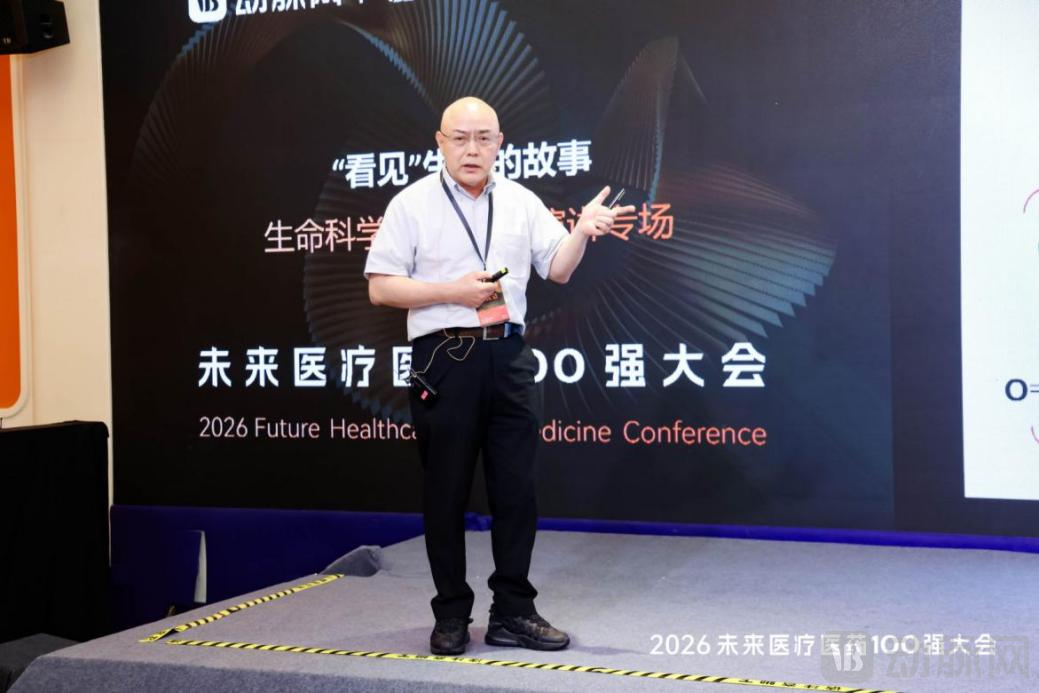
Prof. Huang Zhen Delivering a Speech
Professor Huang Zhen has traveled extensively around the world. After thirty-one years, he returned to his homeland. He pursued his academic studies at Sichuan University (Bachelor’s degree), Peking University (Master’s degree), ETH Zurich (Ph.D.), and Harvard University (Postdoctoral Fellow). He later engaged in scientific research and teaching at the City University of New York and Georgia State University, where he held two tenured professor positions in the United States. Subsequently, he joined Sichuan University and is currently extending his scientific exploration and educational endeavors to Hubei University.
Internationally, Professor Huang Zhen’s core scientific contribution is the invention of selenium nucleic acids:Since the establishment of his independent laboratory in 1998, he has led his team to achieve a groundbreaking international first by independently and originally introducing selenium atoms into nucleic acid molecules at specific sites, replacing oxygen atoms. Dedicated to exploring the molecular mechanisms of life’s nucleic acids using selenium-modified nucleic acids, he has developed selenium-nucleic acid technological tools for applications in precision medicine and general health, particularly for the precise diagnosis and treatment of tumors, respiratory diseases, and reproductive tract disorders.
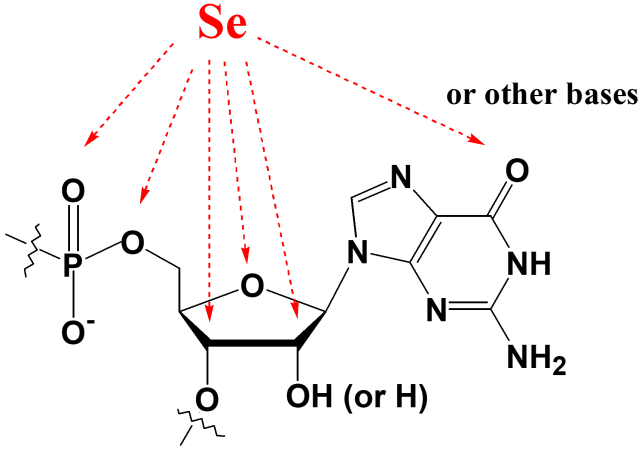
Chemical Structure of Selenium Nucleic Acid Molecules
Reflecting on the innate reasons and opportunities that led him into this field, Professor Huang recalls that he was filled with curiosity about natural science and his surroundings from a very young age. Many years ago, when his mother took him for evening walks in the countryside as a child, the absence of urban light pollution allowed him to gaze at the star-studded night sky, which he found fascinating and intriguing. Ideas naturally sprang to mind, often related to chemistry and biology: looking up at the cosmos, he naturally wondered how life originated. Why am I here? Why am I me, and not someone else? Professor Huang Zhen estimates that many friends likely had similar thoughts in their childhood. If everyone reflects on their own early years, they may well recall experiencing such curiosity.
Life emerged on Earth, and so far, no traces of life have been discovered on other planets. Why is this the case? Life grows incrementally, much like bean sprouts. What principles drive its gradual growth, expansion, and development? Professor Zhang Lei just discussed regulation at the cellular level. In the future, they will likely address a more fundamental question:What is the essence of life? What does it mean? How should one answer this question, particularly when considering it from a molecular perspective?
Certainly, the growth of life can also be observed in these lakes and forests. However, it was later, during middle and high school, when we began to learn about the Central Dogma, that we understood the core of life is essentially defined by the arrows of the Central Dogma. As a student at the time, he did not fully grasp the meaning of these arrows, but he had a general awareness of certain molecules, such as nucleic acids, bases, and enzymes. Subsequent study and research revealed that these nucleic acid pathways are far from simple; when linked together, they encompass a vast amount of scientific research and discovery. Since the 1950s, in less than 80 years, more than 50 Nobel Prizes have been awarded in the field of nucleic acid research. In some years, a prize was awarded every other year, and in some cases, even two Nobel Prizes in nucleic acid-related fields were awarded in a single year, with the number of laureates exceeding 120. For example, the three scientists who won the Nobel Prize for their discovery of telomeres and telomerase include Professor Jack Szostak, who served as the postdoctoral mentor to Professor Huang Zhen. Another laureate is Professor Jennifer Doudna, who also trained under Professor Szostak, indicating their shared academic lineage and overlapping contributions to nucleic acid research. The third laureate is Professor Gary Ruvkun, a former colleague of Professor Huang Zhen. They were in the same department at Harvard Medical School, where Professor Ruvkun was a junior faculty member and Professor Huang was a postdoctoral fellow, and they frequently communicated and collaborated on nucleic acid research.
Nucleic acid research is a core component of synthetic biology, the classical definition of which is “synthesizing nucleic acids to engineer organisms.”Professor Berner is regarded as the father of synthetic biology, having laid its foundations. As early as the 1980s, he performed the first chemical synthesis of nucleic acids encoding enzyme genes. In 1984, he chemically synthesized the first gene nucleic acid sequence encoding an enzyme and successfully expressed the active enzyme, thereby paving the way for “designing life.” The classical meaning of “synthesis” in synthetic biology refers to chemical synthesis—creating new biological entities by modifying nucleic acids through organic chemical synthesis, which constitutes the core of nucleic acid-based synthetic biology. Of course, the scope of synthetic biology has since expanded significantly, even to the point of overuse; nowadays, activities such as beer brewing, bread fermentation, and soy sauce production are all claimed to fall under the umbrella of synthetic biology.
From the perspectives of chemical composition and molecular structure, Professor Huang leads us to examine,What Are Nucleic Acids Like? From a Chemical Perspective, Nucleic Acids Are Simple:It comprises only four types of bases (treating T and U as the same category), which are linked by sugars and phosphodiester bonds. This molecule is simply very long. For instance, in human cells, the DNA nucleic acid in each cell contains 3 billion base pairs; if stretched into a single strand, it would consist of 6 billion bases. Although the molecular structure is simple, its length is remarkable: the double-stranded DNA molecule in a single human cell measures approximately 2 meters in length. Such an elongated molecule exhibits unique properties, such as information storage and accurate genetic inheritance, and can transmit information to proteins via its sister molecule, mRNA. Interestingly, DNA and RNA nucleic acid molecules can also be used to construct active enzyme molecules, a discovery that has surprised scientists. For a long time, scientists struggled to understand how an information-storage molecule could also possess catalytic functions. What makes nucleic acid molecules so special? Previously, scientists believed that catalysis was exclusive to proteins, assuming that nucleic acids should solely store information without any catalytic capability. They regarded information storage and reaction catalysis as mutually exclusive functions that could not coexist within the same class of biological macromolecules.
Additionally,Professor Huang also introduced to the audience molecular recognition of nucleic acids and its relationship with information storage and reaction catalysis:Nucleic acid molecular recognition can be extended to information storage and reaction catalysis; it represents a unified higher dimension encompassing these two aspects, as both information storage and reaction catalysis can be attributed to molecular recognition. Nucleic acid molecular recognition forms the core foundation of the DNA double helix theory. The most fundamental principle underlying nucleic acid information storage rules is base pairing, which was proposed by Watson and Crick, who were young researchers at the time and later became Nobel laureates: two types of base pairs exist, with T (or U) pairing with A, and C pairing with G. Professor Huang was greatly astonished when he learned this concept as an undergraduate student."The Molecular Essence of Life Is Base Pairing", so simple! Of course, while studying, Professor Huang Zhen was also pondering a question:What are the consequences if this pairing is not accurate (not precise)?Let us all envision and imagine: what would be the consequences if nucleotide base pairing in our bodies were not accurate? If base pairing were inaccurate, life could not be passed down from generation to generation. The transmission of genetic information from parents to children, and then from children to grandchildren, would fail to occur, making the continuation of life across generations impossible—or at least, impossible to achieve with accuracy. To put it humorously, if base pairing and the transmission of genetic information were inaccurate, a child might end up resembling the next-door neighbor, which would cause significant social confusion and chaos.
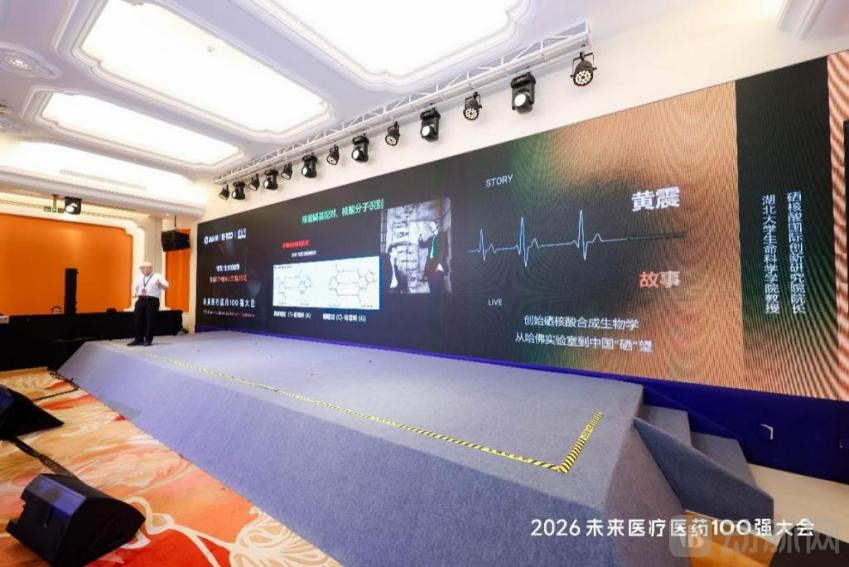
Professor Huang Zhen Delivers a Report
If we examine the composition and recognition of nucleic acid molecules from an elemental perspective, it becomes simpler: they are composed of five elements—nitrogen, carbon, hydrogen, oxygen, and phosphorus. Professor Huang Zhen found these five elements particularly intriguing, as they align remarkably well with the five elements (Wu Xing) in Chinese philosophy: nitrogen shares stability with metal; carbon is present in wood; hydrogen is a component of water; fire cannot burn without oxygen; and soil contains abundant phosphates. Jokingly speaking, ancient Chinese people were very wise, having known 3,000 years ago that nucleic acids are composed of five elements. Confronted with these five elements, Professor Huang Zhen boldly asked himself a question: “Can new elements be introduced into this five-element framework?” If a new element were added to the Five Elements theory, it would no longer be called the Five Elements theory but rather the Six Elements theory, fundamentally altering and elevating human understanding of the world by one dimension. Similarly, applying this line of thinking to nucleic acids, Professor Huang Zhen hypothesized thatCan a sixth element be introduced into nucleic acids?Certainly, it now appears feasible. After all, Professor Huang Zhen’s team has answered this question through twenty-eight years of scientific research and exploration, and based on these cutting-edge innovative studies,Professor Huang Zhen has proposed the Six-Element Theory.However, twenty-eight years ago, this was a very important scientific question in the field of synthetic biology:“Can new elements be introduced into nucleic acids?” This is what Professor Huang Zhen’s report title refers to: modifying life’s nucleic acid molecules with selenium atoms.
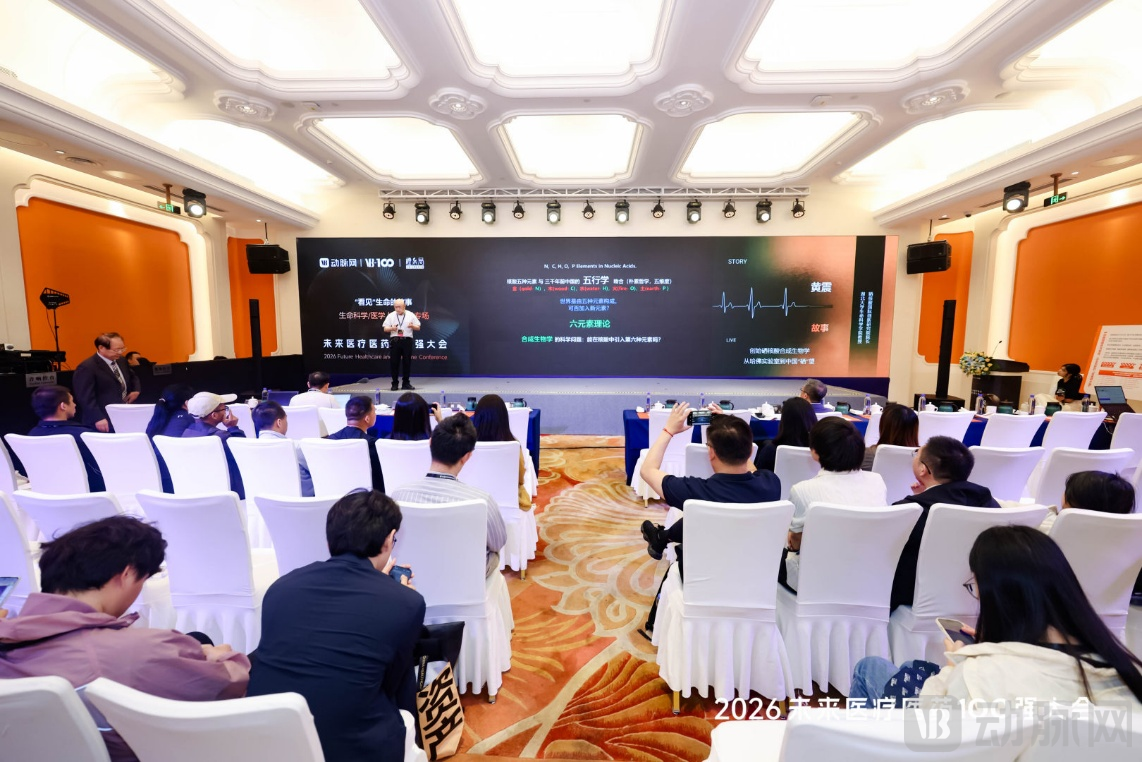
Professor Huang Zhen Delivers a Report
How can such modifications be achieved? Professor Huang, whose expertise lies in chemistry and organic synthesis, now applies techniques from what may be termed organic synthetic biology, synthetic biochemistry, or chemical biology to modify nucleic acid molecules. His team can site-specifically replace oxygen atoms in nucleic acids with selenium atoms, akin to replacing an obsolete component in a car. These substitutions can occur on the nucleobases, the sugar moieties, or the phosphodiester backbones, and can be accomplished through organic chemistry and synthetic biology approaches. Professor Huang Zhen’s current innovative research on selenium-containing nucleic acids initially stemmed largely from curiosity, driven by a desire to explore whether nucleic acid molecules could undergo organic chemical modification with selenium atoms. Of course,All things must begin with small steps.This work was a minor article published long ago. In retrospect, it holds milestone significance, at least in the context of Professor Huang’s own career. This small piece of work,Make Professor Huang clearly realize that this is a significant turning point, enabling him to recognize that selenium atoms can be stably introduced into nucleic acids at specific sites, thereby making it possible to engineer life’s nucleic acid molecules.
In the years that followed, Professor Huang Zhen’s research team published a series of pioneering and innovative studies, thereby establishing and laying the foundation for the field of selenium nucleic acids. They have now achieved efficient substitution of nearly any oxygen atom within nucleic acids. Through 28 years of arduous exploration, diligent work, rigorous effort, and unwavering perseverance, they have gradually built up the field of selenium nucleic acids—a new paradigm in nucleic acid science—encompassing systems for synthetic chemical biology and structural biology of selenium nucleic acids. Although Professor Huang’s exploratory research began 28 years ago, innovation has never ceased, and his groundbreaking work continues to advance.
Through organic chemical synthesis and chemobiological manufacturing, Professor Huang Zhen’s team has achieved the organic synthesis of more than 100 selenium nucleic acid monomers, as well as the chemobiological synthesis of a wide variety of selenium nucleic acid molecules with high stability and high specificity. This process has required continuous exploration, yielding ongoing surprises, innovative inventions, and unprecedented discoveries. As Mr. Lu Xun once said:“There was originally no path in the world; but as more people walked, a path came into being.”, similar to organically synthesized selenium-containing nucleic acids, selenium-containing nucleic acid molecules do not exist in nature and must be synthesized through organic chemical and biological methods. The organic synthesis process requires novel molecules, as well as the exploration of new chemical reactions, pathways, and reagents.
Therefore, through arduous efforts, Professor Huang Zhen was fortunate enough to invent these organic chemical reagents and organic chemical reactions, and had the honor of having these reagents and reactions named after him:Huang's Reagent and Huang's Reaction, that is how it is achieved. Through these organic chemical reactions, selenium atoms can be site-specifically delivered to fixed positions. Preliminary studies have shown that modification or substitution with selenium atoms does not significantly affect or alter the overall molecular structure.
Therefore, based on their own innovative scientific research and exploration, they proposed such aSelenium Nucleic Acid Theory: Selenium Nucleic Acids Are Both a Class of Technologies and a Class of Molecules, they achieve the modification of nucleic acid molecular properties by replacing oxygen atoms within the nucleic acids through site-specific positioning.By leveraging such technologies, they can comprehensively engineer nucleic acids across all dimensions and domains without blind spots, modifying not only the nucleic acids themselves but also nucleic acid–protein complexes, thereby gaining a thorough understanding of the recognition, structure, and function of nucleic acid molecules through extensive exploration and characterization.
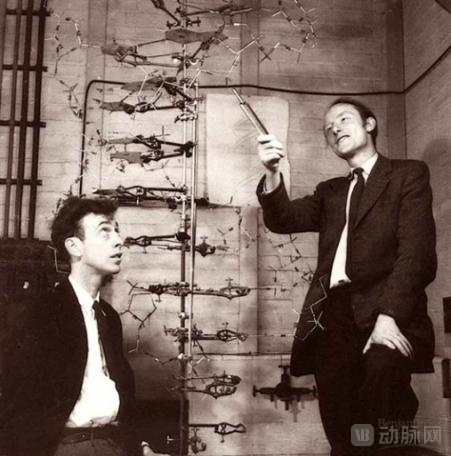
At the beginning of his lecture, Professor Huang introduced the two young scientists who proposed the double-helix structure of DNA—James Watson and Francis Crick, who later became Nobel laureates. In the 1950s, their concept of complementary base pairing in nucleic acids was regarded as highly accurate. However, this is not entirely correct; such pairing can be erroneous. Specifically, thymine (T) and uracil (U) can pair not only with adenine (A) but also with guanine (G), forming wobble mismatches (T/G and U/G mispairings), which have serious consequences. As you may recall, this relates to the question raised by Professor Huang earlier.“What happens if nucleic acid base pairing is inaccurate or imprecise?”
One phenomenon that inevitably occurs is tumorigenesis. Given the substantial number of mutations arising during genomic nucleic acid replication, the development of tumors from such mutations is only a matter of time. Several experts have just discussed tumor therapy, yet they did not address the question, “How do tumors originate?” The answer lies in mutations. How do these mutations arise? They are primarily caused by inaccurate base pairing, which is at least a major contributing factor.
Not long ago, while discussing oncology with the director of a specialized cancer hospital, Professor Huang Zhen was struck by a remark the director made. The director stated that if a person lives to the age of 80, they either already have cancer or are on the path to developing it. If humans live long enough, they will ultimately die from cancer, primarily due to genetic and nucleic acid mutations. Professor Huang had just mentioned that the DNA in each human cell contains 3 billion base pairs, and that the human body comprises approximately 30 trillion cells (with most cells turning over at least once every three months, meaning nearly all cells in the body are replaced at least once every seven years). Each instance of cell division gives rise to numerous mutational errors. Although the error rate for wobble mismatches and other types of mismatches is roughly one in ten thousand, and despite the presence of cellular nucleic acid repair mechanisms, significant errors and mutations occur during DNA replication in every cell. Consider the vast number of cells in our body—on the order of tens of trillions—and imagine how many errors and mutations are generated daily. If these mutations happen to activate oncogenes (for example, mutations in p53 or BRCA leading to uncontrolled cell proliferation), then “you’ve hit the jackpot.” Therefore,The accuracy of nucleic acid base pairing directly determines human health and lifespan. In other words, a person’s age is directly inscribed in the base pairing of chemical molecules.
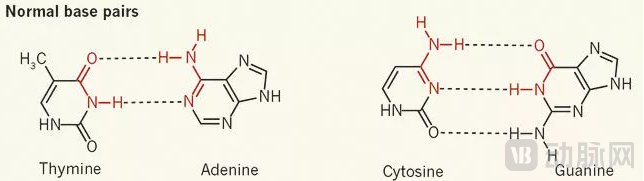

Huang Base Pairing (More Accurate with Selenium Nucleic Acid Pairing) vs. Watson-Crick Base Pairing
As previously mentioned, in the 1950s, two young scientists (Watson and Crick, who later became Nobel laureates) proposed the theory of base pairing. However, Watson-Crick base pairing is not entirely accurate (jokingly referred to as "Stone Age molecular recognition technology"), given that T/G and U/G wobble mismatches are indeed prevalent forms of mismatch. Analysis of T/G and U/G wobble base pair mismatches reveals that the 2-oxygen atoms of T and U participate in hydrogen bond formation. How can this wobble mismatch be eliminated? Could replacing oxygen with selenium atoms resolve this issue? Based on this theoretical analysis and brainstorming, Professor Huang Zhen embarked on a bold and innovative scientific exploration:Substituting the 2-oxygen atom with a selenium atom eliminates wobble mispairing and enhances the precision of base pairing.Initially, this was merely a hypothesis, and its validity—the hypothesis of precise base pairing—required extensive experimental verification. Subsequently, experiments in organic chemical synthetic biology, structural biology, thermodynamics, kinetics, and polymerase-catalyzed reactions all confirmed Professor Huang Zhen’s judgment: selenium atom substitution yields more precisely paired 2-Se-T/G and 2-Se-U/G selenonucleic acid base pairs (also known as Huang Base Pairs), which are even more precise than Watson-Crick base pairs! Selenonucleic acid bases indeed achieve precise pairing; the selenium atom eliminates wobble mispairing. Once the selenium atom replaces the oxygen atom in the nucleic acid, wobble mispairing no longer occurs, allowing for precise base pairing. This is a typical example of artificial intelligence demonstrating its efficacy, which Professor Huang Zhen humorously referred to as"Molecular Recognition Technology in the AI Era". They found that Huang base pairing is more precise than Watson-Crick base pairing; in other words, selenium nucleic acid base pairing is even more accurate than the natural DNA and RNA nucleic acid base pairing within the cells of every individual present at this report. This demonstrates the unique functions and efficacy achieved by selenium atoms!You may wonder: what is the purpose of this feature?Professor Huang Zhen informed everyone that Huang-style base pairing is a tangible reality with immense utility. First, it will rewrite the central dogma of life. Second, through selenium-based nucleic acid precise molecular detection, precision medicines (including nucleic acid therapeutics), and precise gene editing, it will bring precise diagnosis and treatment to the Chinese people and indeed people worldwide, thereby advancing precision medicine and precision health.
Professor Huang Zhen believes that the vast majority of people aspire to a long and healthy life. He asserts that if individuals can achieve selenium-based base modification within their bodies, he can guarantee not only longevity but also healthy aging. This is because precise molecular pairing ensures accurate replication of DNA information, leading to more precise mRNA transcription and more accurate protein translation and expression. Consequently, protein molecules in the body can function with greater precision and efficiency. Furthermore, this precise base pairing can be utilized to eliminate off-target effects of nucleic acid drugs, thereby enhancing the efficacy of molecular therapeutics and the accuracy of molecular diagnostics.The utility and significance of selenium atoms are profound; fundamentally, they can remodel nucleic acid molecules, elevating life and quality of living to a higher dimension.
Indeed, Professor Huang’s team has conducted extensive research on selenium-modified nucleic acids, including studies on eliminating off-target effects, precise disease detection using selenium-modified nucleic acid molecules, aptamer screening, more accurate gene editing, cancer research and therapy, nuclease studies, as well as structural chemistry and synthetic biology investigations. As previously mentioned, selenium-modified nucleic acid molecules can enhance the accuracy of information storage and catalytic functions of nucleic acids. They can also be utilized to fabricate nucleic acid nanomaterials, serve as precision therapeutics, and facilitate the growth of larger and higher-quality nucleic acid crystals at a faster rate. Furthermore, selenium-modified nucleic acids can further advance explorations in structural biology, drug target identification, drug design, and molecular diagnostics.
Based on his innovative research, Professor Huang Zhen proposed one hypothesis and three theories. The hypothesis posits that selenium atoms can reshape life’s nucleic acid molecules; more importantly, selenium atoms can reconstruct, rewrite, and refine the central dogma of life’s nucleic acid molecules.
Three Theories:
1. Theory of Minimal Atomic Perturbation:Because selenium and oxygen atoms belong to the same group, introducing an element from the same group causes minimal perturbation to the overall molecular structure, yet it can significantly enhance the biochemical functions of nucleic acids and nucleic acid–protein complexes.
2. Theory of Ultra-High-Precision Pairing of Selenium-Atom Nucleobases:Selenium nucleobase pairing (Huang base pairing) is more precise than Watson-Crick base pairing, surpassing the accuracy of natural base pairing.
3. Theory of Molecular Hydrophobicity-Promoted Accurate Recognition:Hydrophobic Selenium Atoms Enhance Molecular Precision Recognition in Nucleic Acid–Protein Complexes, Including Nucleic Acid Polymerases, Ligases, Hydrolases, and More.
This is Professor Jack Szostak, who served as Professor Huang Zhen’s postdoctoral supervisor at Harvard Medical School. The connection just mentioned refers to his affiliation with Harvard University: he conducted his postdoctoral research there from 1994 to 1998, over thirty years ago. Professor Szostak was awarded the Nobel Prize in Physiology or Medicine in 2009 for his discovery of telomeres and telomerase.
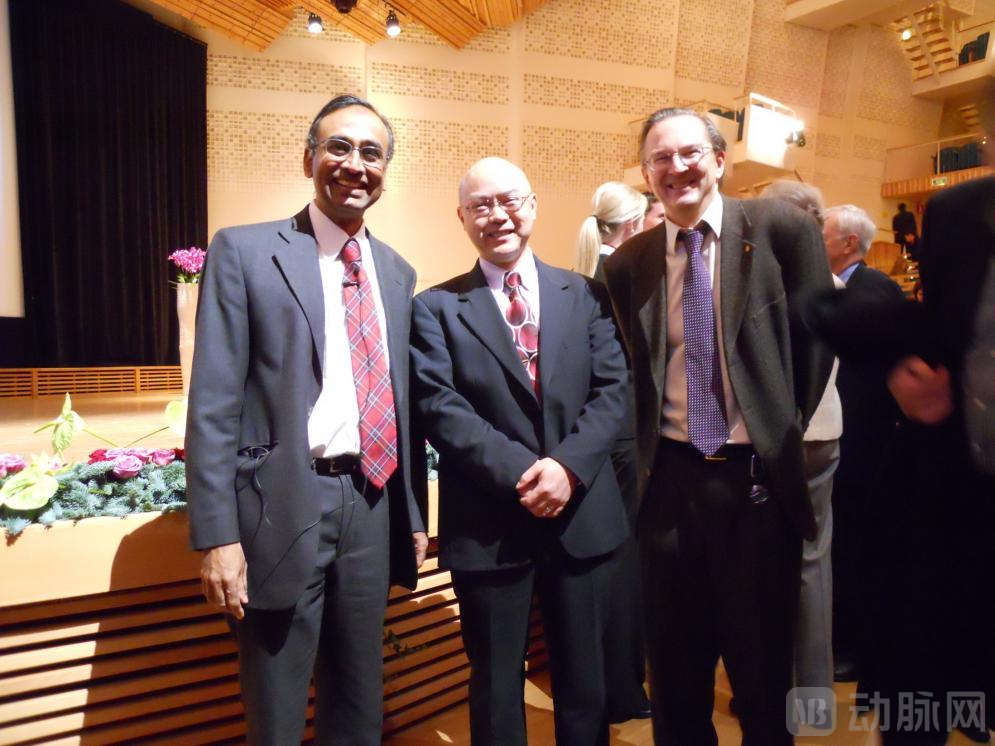
"Standing Among Giants"
After embarking on his independent research career, Professor Huang Zhen conducted numerous pioneering studies, earning him considerable admiration from his mentor. He was honored with an invitation to attend the Nobel Prize Award Ceremony. The gentleman in the photograph is Professor Venkatraman Ramakrishnan, who also received the Nobel Prize in Chemistry in 2009. A structural biologist and a former colleague and close friend of Professor Huang, Professor Ramakrishnan determined the three-dimensional structure of ribosomal crystal diffraction and later became President of the Royal Society, succeeding to the position once held by Isaac Newton. The photo captures the moment when Professor Huang Zhen was posing with his mentor, while his old friend, Professor Ramakrishnan, was passing by. Professor Ramakrishnan voluntarily offered to take the picture, saying, “Zhen, Please Stand between Us!” Thus, this photograph was created. Who took this picture? It was taken by an elderly gentleman who was a Nobel laureate that year. Professor Huang Zhen refers to this photograph as:"Standing Among Giants"。
Later, during Professor Szostak’s visit to Chengdu and the reciprocal visits by the Mayor of Chengdu and the Secretary of the High-Tech Zone to the United States, the Chengdu Municipal Government proposed the joint establishment of a Nobel Laureate Institute in collaboration with Sichuan University and Professor Szostak himself (a tripartite partnership involving the Nobel Laureate, Sichuan University, and the Chengdu Municipal Government). Consequently, the Szostak Chengdu High-Tech Institute for Macromolecular Nucleic Acids was established in the Chengdu High-Tech Industrial Development Zone. Since its inception in 2017, the Nobel Laureate Institute has undertaken extensive initiatives, including continuing and advancing the prestigious International Conference on Macromolecular Nucleic Acids (founded in 2011), conducting innovative exploratory research and collaborations both domestically and internationally, incubating innovative biotechnology enterprises, facilitating the establishment of the Nucleic Acid Therapeutics Committee under the Chinese Pharmaceutical Association, and fostering industry-academia-research partnerships along with the creation of an international alliance platform for macromolecular nucleic acids. In this photograph, the individuals in the front row are Nobel Laureates, those in the back row are multiple-time Nobel Prize nominees, and those in the bottom row are the founding chairs of the Nucleic Acid Conference from its early years. The image depicts activities from the International Conference on Macromolecular Nucleic Acids and academic scientific reports. The Nobel Laureate Institute also maintains an industry-academia-research alliance that connects universities, research institutions, and enterprises both within China and abroad to jointly promote development in the field of macromolecular nucleic acids. Professor Szostak serves as the Head of the Alliance and Honorary Chairman of the Nobel Laureate Institute, while Professor Huang serves as the Executive Chairman of the Nobel Laureate Institute.
To vigorously promote development in the field of selenium nucleic acids, the Nobel Prize Research Institute and Professor Huang Zhen established the International Institute for Innovation in Selenium Nucleic Acids, dedicated to fundamental scientific research and innovative industrialization of selenium nucleic acids. Furthermore, given the significant attention garnered by the field of nucleic acid therapeutics, the Chinese Pharmaceutical Association (CPA), with the assistance of the Nobel Prize Research Institute, established the Professional Committee on Nucleic Acid Therapeutics in 2024. The President of the CPA personally traveled to Zhongshan, Guangdong Province, to present appointment letters to Professor Huang Zhen and other professors and experts as Chairman, Vice-Chairmen, and Committee Members at the inaugural meeting of the committee. The primary mission of the CPA’s Professional Committee on Nucleic Acid Therapeutics is to comprehensively accelerate the market approval of efficient, safe, and affordable nucleic acid drugs (including gene and cell therapy [GCT] agents), thereby meeting the public’s strong demand for precision medicine (diagnosis and treatment) and precisely safeguarding health and saving lives.
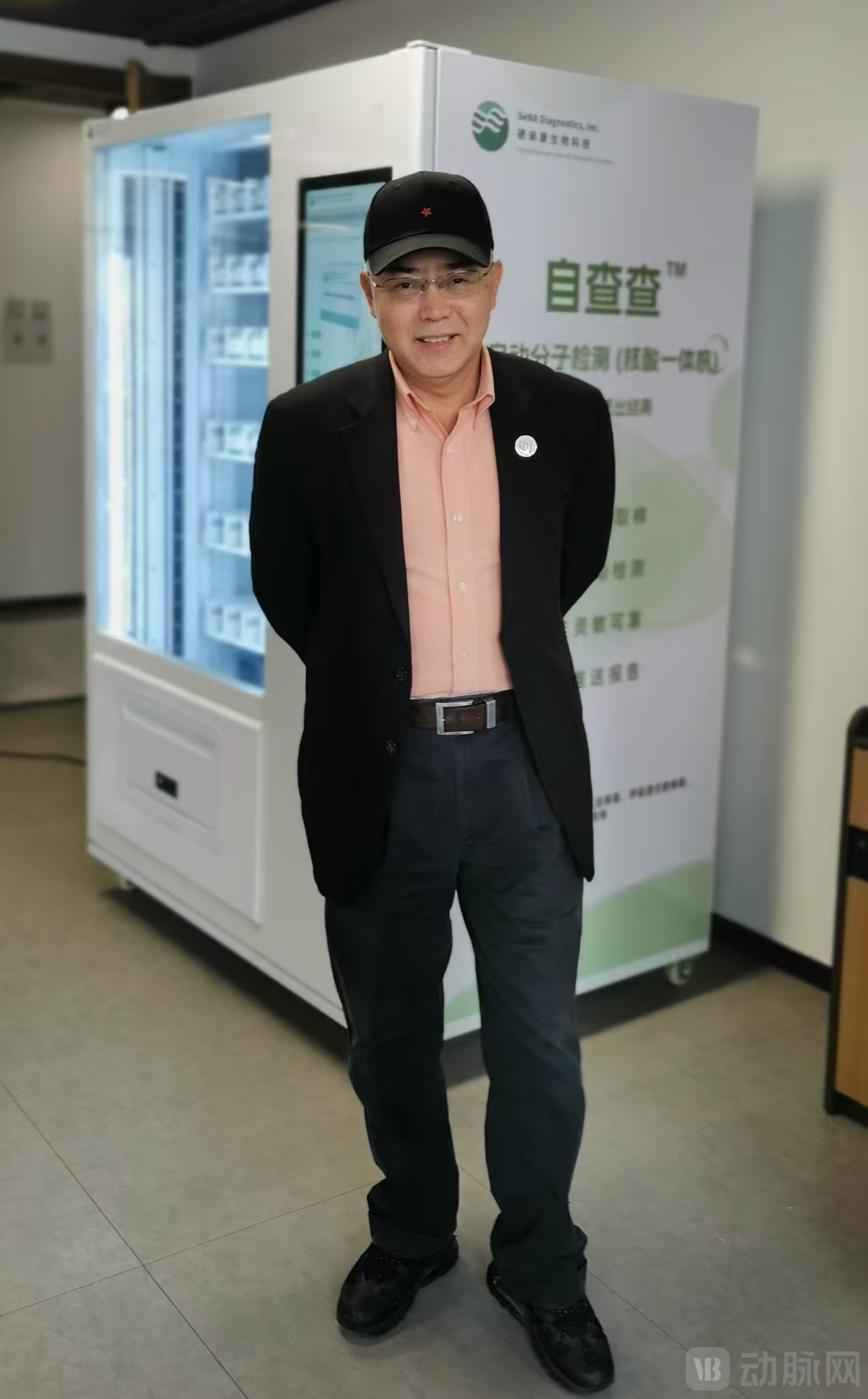
“Zi Cha Cha”: A Rapid Disease Detection Instrument for Selenium Nucleic Acid Molecules Developed by Professor Huang Zhen’s Team
The Nobel Prize Institute also extensively engages in industry-academia-research collaborations, including the development of nucleic acid synthesizers and molecular detectors. Regarding the precise pairing of selenium-modified nucleobases mentioned earlier, Professor Huang’s team is advancing this selenium-based nucleic acid technology toward industrialization, such as applying its precision to molecular diagnostics. The device shown in this photo is a selenium-based nucleic acid molecular diagnostic instrument for disease detection (“Zi Cha Cha”), independently developed by the team and currently undergoing clinical trials in hospitals. Selenium-based nucleic acid molecular technology demonstrates significant advantages in diagnostics, with detection capabilities even surpassing those of PCR. It offers superior overall performance in terms of sensitivity, accuracy, convenience, point-of-care applicability, speed, and anti-interference capability, all at an affordable price. This technology enables easy detection of diseases affecting the respiratory, digestive, and reproductive systems, paving the way for future home-based testing.
In summary, Professor Huang Zhen’s innovative research exploration is based on an analysis of the periodic table of elements:Nucleic acids consist of only five elements. Researchers hypothesized whether a new element could be incorporated, leading to the introduction of selenium atoms through the substitution of oxygen atoms. This approach involves learning from and emulating the laws of nature, namely“Dao follows nature, naturally so.”. Selenium atoms can reshape biomolecules, and I hope this presentation has conveyed this concept to you. The introduction of selenium atoms can significantly enhance the high accuracy of molecular recognition, structural stability, catalytic function, and rapid, precise detection of nucleic acids (particularly through Huang base pairing), elevating nucleic acids from a five-element dimension to a six-element dimension, thereby achieving a "dimensionality reduction attack."
Who discovered the element selenium? It was Professor Jöns Jacob Berzelius., he discovered six elements in his lifetime, one of which is selenium, a trace element essential to human life that improves people's well-being. Therefore, with the support of selenium-based synthetic biology in nucleic acids, we can reduce the incidence of diseases. Let us work together to promote China's hope and slogan:Living to 100 in Good Health Is No Longer a Dream!
Professor Huang Zhen also shared his seven major dreams with the audience:
1. See Your Molecular Structures & Drug Molecules: Visualize molecular structures and drug molecules;
2. See Your Molecular Recognition: Visualizing Molecular Recognition;
3. See your reaction mechanism, enabling visualization of the reaction mechanism;
4. See pathogens and count their numbers, able to visualize and quantify the number of pathogens;
5. Rapid and Precise Diagnostics: Capable of establishing rapid and accurate detection methods;
6. Se atom rebuilds Nucleic Acid Molecules of Life, capable of reconstructing nucleic acid life molecules using selenium atoms;
7. Other Long-term Goals: Establish the field of nucleic acid-protein structural biology, discover new targets and new drugs, and develop rapid, simple, and accurate molecular diagnostics; collaboratively advance nucleic acid therapeutics, molecular diagnostics, and structural synthetic biology.
Professor Huang Zhen’s team envisions the future of healthcare with the following outlook and slogan:
“Selenium Nucleic Acid, Benefiting the World!”
Thank you all! Thanks!