

Aushino Medical OPC Innovation Community Makes Global Debut at Guangzhou Finance Expo
On June 5, coinciding with the 15th China (Guangzhou) International Financial Transaction & Expo, the global launch of the Medical Device OPC Innovation Community and the inauguration ceremony of Ozeda’s Industrial Ecosystem Strategic Cooperation were successfully held in Pazhou, Guangzhou. The official establishment of the Medical Device OPC Innovation Community in Yuexiu District marks a critical step in strengthening the district’s biomedical and health industry by addressing key gaps in the translation of clinical innovations, thereby further perfecting the region’s full-chain industrial ecosystem encompassing “R&D – clinical validation – commercialization – distribution and application.”
Guided by the People’s Government of Yuexiu District, Guangzhou, and hosted by Guangzhou Osmunda Medical Device Technology Co., Ltd. with VCBeat as the organizer, this event received strong support from municipal and district governments. Leaders from municipal and district governments and ministries-affiliated associations, experts from Grade A tertiary hospitals in Guangzhou, as well as representatives from numerous research institutes, financial institutions, and domestic and overseas industries across China gathered on site to jointly witness the unveiling and establishment of the world’s first OPC innovation community dedicated to the medical device sector.
Currently, leveraging the Healthy China and Manufacturing Powerhouse strategies as well as relevant plans for the 15th Five-Year Plan period, the Chinese government continues to introduce supportive policies such as priority review for medical devices and industry-academia-research collaboration, vigorously promoting the translation of medical-engineering achievements. The OPC solo lightweight sci-tech innovation model aligns with these policy directions; many regions have included it in their key incubation projects for life and health, addressing industry challenges such as resource scarcity and high translation costs for individual innovators. The holding of this launch event is a proactive response to this national strategy.
Government, Industry, and Academia Unite to Explore the Innovation Ecosystem for Medical Devices
At the press conference,Chong Quan, Former Deputy U.S. Trade Representative for International Trade Negotiations (Vice-Ministerial Level)He attended and delivered remarks. He pointed out that, as a vital component of trade in services, the medical device industry faces opportunities arising from global population aging and the expansion of healthcare infrastructure in emerging markets, while also contending with mounting pressure from rising non-tariff barriers such as country-specific market access certifications, data regulation, and intellectual property protection.
OPC Innovation Community aligns with the trend of lightweight scientific and technological innovation, leverages digital tools to aggregate tech talent and micro R&D capabilities, and connects the entire chain from R&D and validation to industrialization. It serves as a concrete practice in implementing the “15th Five-Year Plan” regarding the cultivation of new quality productive forces and support for individual innovation and entrepreneurship.
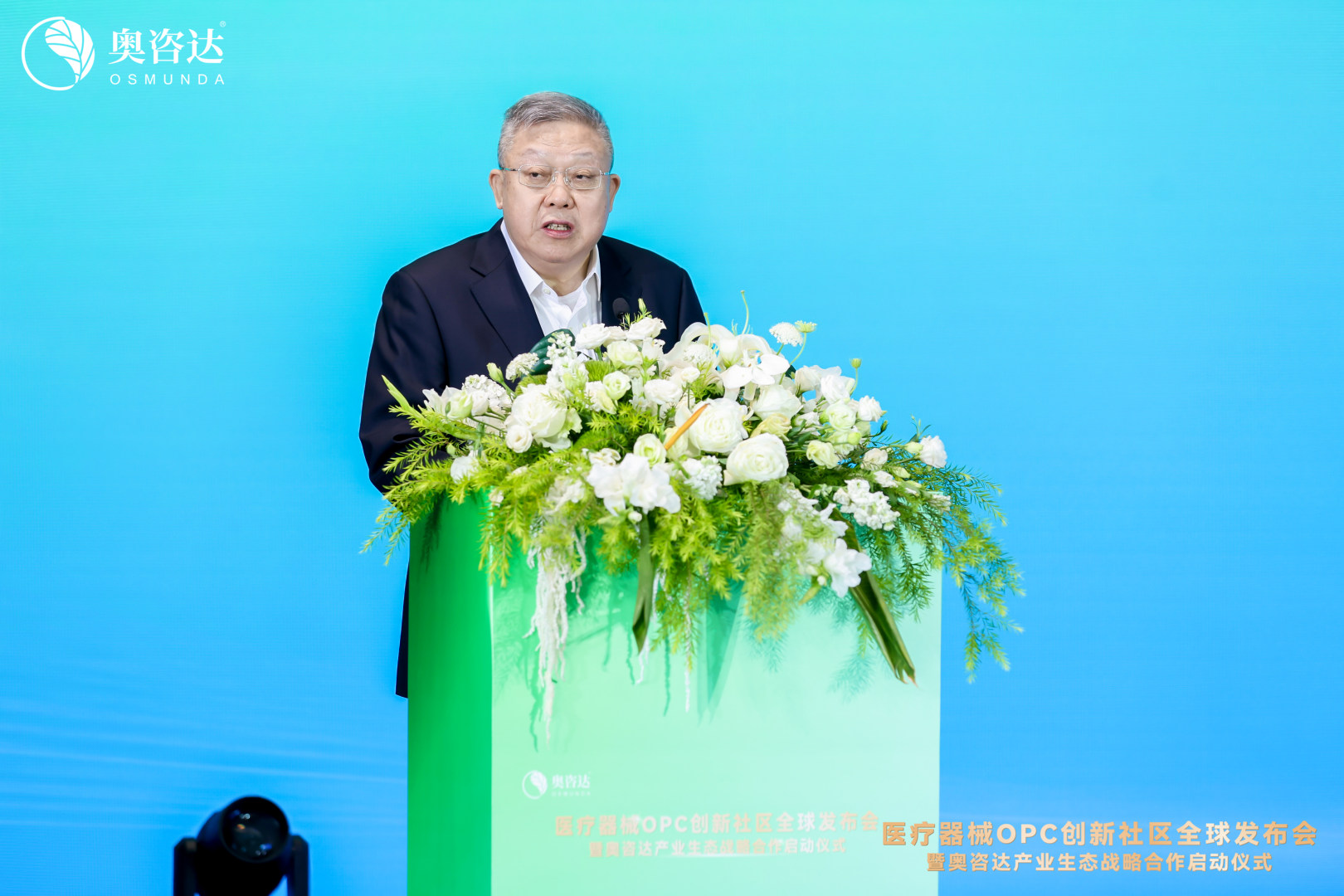
He put forward three hopes: First, industry players should adhere to market orientation, strengthen their internal capabilities, and focus their efforts on technological breakthroughs and product innovation. Second, financial institutions should deeply understand industry characteristics and develop tailored financial products under strict risk control, providing continuous and stable financial support for innovative enterprises. Third, the entire industry should make full use of open policies to promote the transition of medical device exports from single-product shipments to a coordinated “product + service” global expansion model, enabling more outstanding Chinese medical devices to reach the global market.
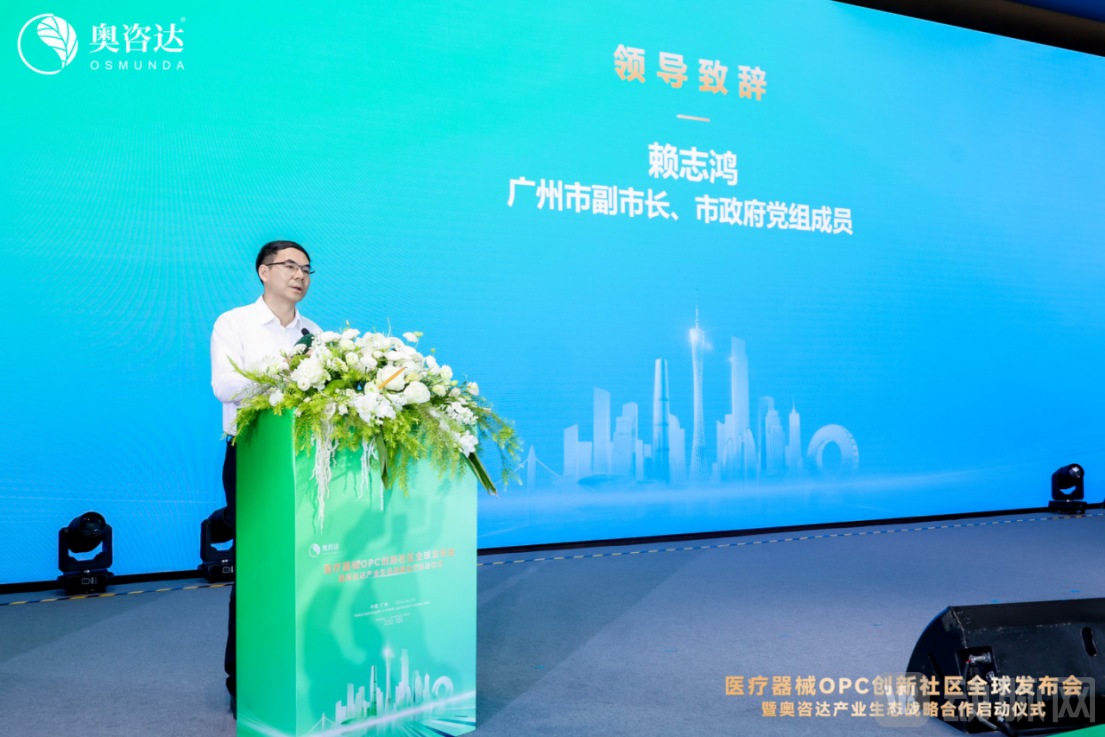
Lai Zhihong, Vice Mayor of Guangzhou and Member of the Party Leadership Group of the Municipal People's GovernmentIn his address, he pointed out that in recent years, Guangzhou has successively rolled out multiple versions of measures to promote the high-quality development of the biopharmaceutical industry, established an alliance of 18 research-oriented hospitals, implemented a catalog-based management system for innovative drugs and medical devices, and actively promoted innovative financing models such as “investment-loan linkage.” He particularly emphasized that the OPC Innovation Community focuses on the “1 to 10” translation phase, providing a lightweight entrepreneurship platform for clinical scientists, which holds unique advantages in central urban districts like Yuexiu District where resource elements are highly concentrated.
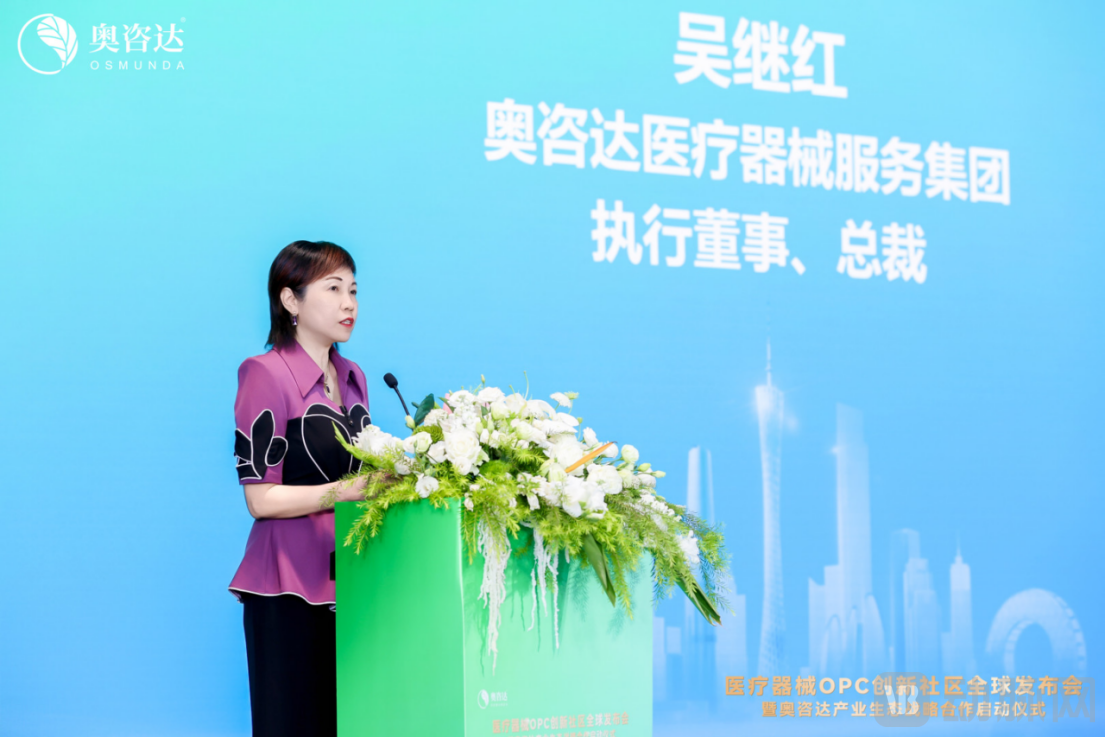
Wu Jihong, Executive Director and President of Ozda Medical Device Services GroupShe welcomed the guests on behalf of Osida. She stated that the launch of the OPC Innovation Community marks the company’s strategic upgrade from a “service provider” to a “platform ecosystem builder.” She introduced that the OPC Community is built around the core concept of the “one-person company,” establishing a tripartite architecture integrating “device + cloud + manufacturing.” Leveraging AI vertical models trained on 22 years of industry-specific data, it provides comprehensive, full-lifecycle support for entrepreneurs.
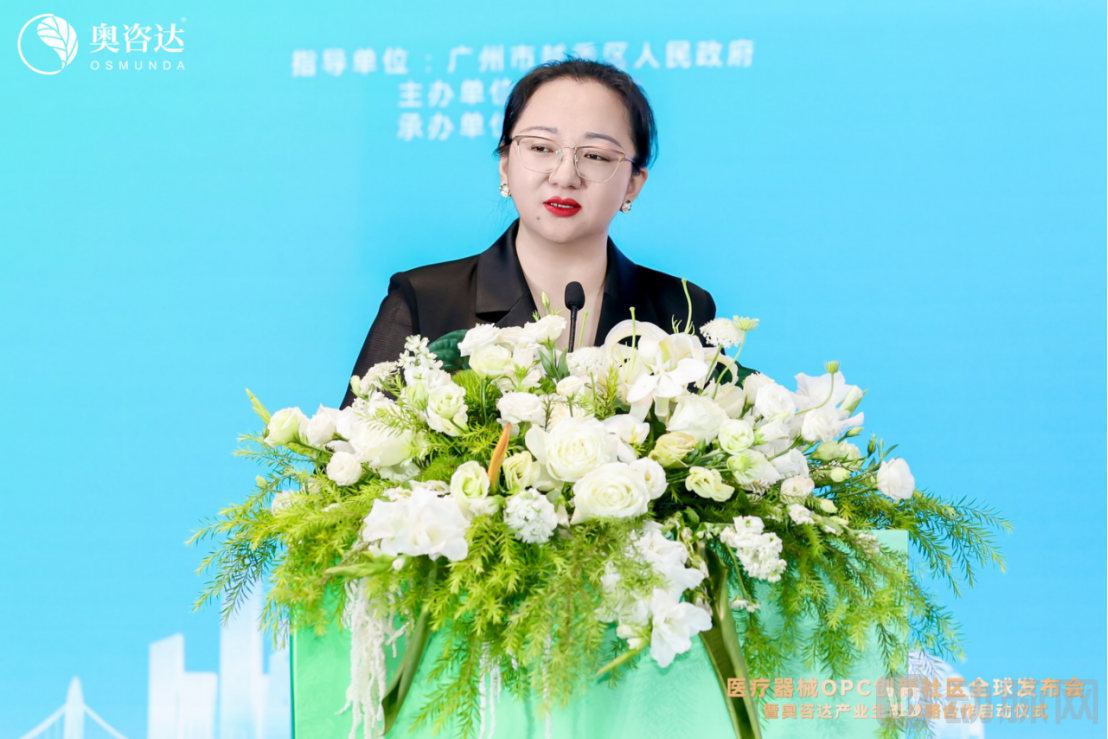
Yao Zhongqiu, Director of the Professional Committee on Trade in Services under the China Chamber of International Commerce (CCOIC)Delivered a keynote speech on “Opportunities, Challenges, and Breakthrough Pathways for the Healthcare Industry Under the New Global Landscape of Services Trade.” Starting from the structural shifts in the global services trade landscape, she analyzed four major challenges facing the healthcare industry: weak brand influence, fragmented service delivery, high compliance costs, and escalating geopolitical risks; and proposed platform-based and ecosystem-oriented pathways to break through these bottlenecks. She pointed out that the OPC Innovation Community activates micro-level individual innovators at the source, solidifying the foundational ecosystem for industrial innovation and serving as the core support for the industry’s breakthrough.
Wang Wanjun, Executive Leader of the Research Group on High-Quality Development of Individual Economic Entities, Development Research Center of the State Administration for Market RegulationDelivered a keynote speech on “Empowering the Development of Medical Device OPCs Through Full-Chain Enablement.” Approaching the topic from the micro-perspective of an individual entrepreneur, he highlighted the excessive focus on the AI sector and the persistently high failure rate among startups in the current OPC entrepreneurial boom. He proposed that the OPC industry should be propelled forward through full-chain enablement, leveraging entrepreneurial empowerment platforms to build replicable individual economic entities. The OPC community established by Ozda integrates enablement across multiple chains—including culture, brand, growth, supply chain, marketing, and services—providing medical device entrepreneurs with a complete transformation pathway from “0.5” to “1,” then to “10,” and ultimately to “100,” thereby setting a benchmark for the current wave of OPC entrepreneurship.
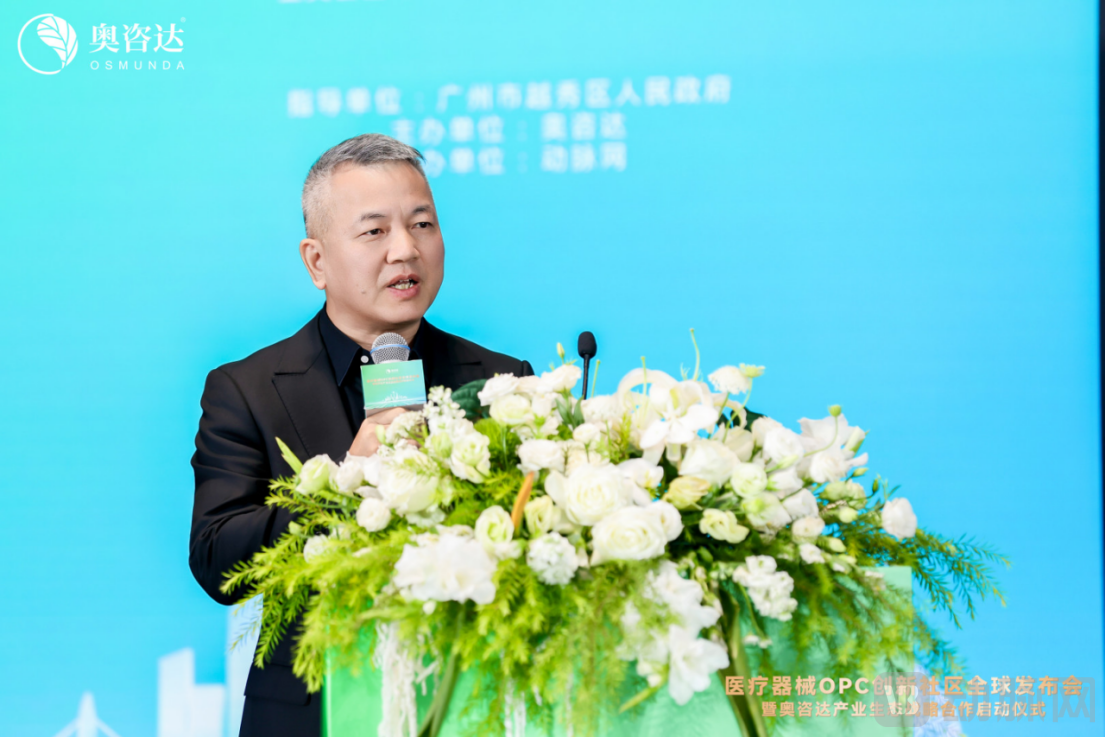
Global Debut of the Medical Device OPC Innovation Community: Launching a New Model of “Individual Innovation, Full-Chain Empowerment”
Core Segment of the Press Conference,Zhang Feng, Founder and Chairman of Ozda Medical Device Services GroupOfficially releasing the core content of the OPC Innovation Community for medical devices to the global audience.
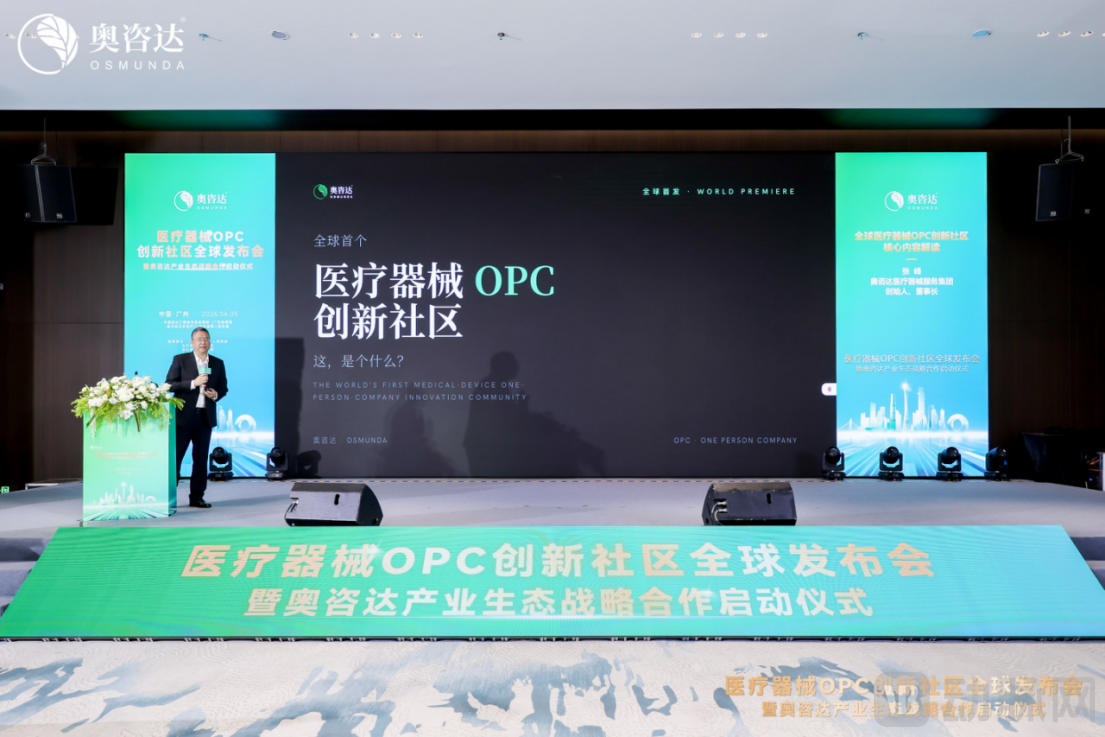
Zhang Feng reviewed the 22-year development journey of Osida. To date, Osida has served more than 5,000 medical device clients worldwide and assisted in securing over 3,600 global regulatory approvals. Notably, 70% of China’s listed medical device companies have utilized Osida’s services. This extensive experience has led him to recognize that the bottlenecks in translating scientific and technological achievements into practical applications are not isolated issues, but systemic challenges. He cited an example: if each stage of a product’s development—from concept to market launch—is outsourced separately, the overall success rate drops significantly. This is precisely why Osida remains committed to providing end-to-end services—even if certain segments are not profitable, they must be thoroughly integrated and mastered.
He shared several successfully implemented case studies. A project led by a professor at a Shenzhen hospital, which started with RMB 10,000 in seed funding and underwent medical-engineering translation with the assistance of Osida, is now valued at RMB 70 million. “From the initial concept to the final certified product, there were 12 iterations,” he emphasized. He stressed that such an iterative process can only be supported by full-chain services. Another enterprise in Suzhou advanced its industrialization at Osida’s Shanghai Innovation Factory, seeing its valuation grow from RMB 50–60 million to RMB 900 million, and successfully achieved exit through mergers and acquisitions within a year and a half. “Without the support of a professional platform, this process would typically take more than six years.”
Zhang Feng introduced that the OPC Innovation Community is built on a core “cloud-device-factory” tripartite architecture. Regarding the “device” component, he presented the “Creative Genie” agent developed by Ozda. At any time and from any location, physicians can simply voice their clinical ideas via smartphone; the system then automatically cross-references them against global patent databases to assess commercial viability.
Regarding “Cloud,” the AI Medical Device Cloud Platform, built on a vertical large language model trained with 22 years of accumulated domain-specific data from Ozda, now supports automated generation of patent evaluation reports and automated analysis of commercialization feasibility.
Regarding the “Factory,” OZDA’s Innovation Factory has onboarded 1,400 innovative enterprises, 40% of which specialize in Class III medical devices, and 50% of whose innovations originate from clinicians.
Regarding the policy background of “single-shareholder companies,” Zhang Feng pointed out that this is a direction explicitly supported by China’s 15th Five-Year Plan. Single-shareholder companies effectively reduce the legal risks associated with physicians’ entrepreneurial ventures; “otherwise, senior clinicians would be hesitant to venture into establishing their own companies.”
Zhang Feng emphasized that the OPC Innovation Community pursues “all-win” outcomes, fostering mutual benefits for individuals, enterprises, society, industry, and patients. “We are monetizing knowledge by transforming the tacit knowledge of clinicians and researchers into value.” The community gathers highly educated professionals who serve as both beneficiaries and contributors within this ecosystem.
“From endpoints to the cloud, empowered by the cloud, and implemented in manufacturing.” The OPC Innovation Community will build a closed-loop ecosystem featuring online aggregation of innovation, offline mass production implementation, and synchronized global regulatory submissions, systematically addressing bottlenecks across the entire medical-engineering translation value chain. As a Ministry of Commerce white-listed entity for export standard formulation and review, a strategic partner of Huawei, and a top 10 European medical device CRO, Ozda leverages its global footprint and professional service capabilities to continuously empower clients worldwide.
At the press conference, Osida simultaneously screened a promotional video for the OPC Innovation Community, visually presenting the end-to-end closed-loop process of the “Cloud Factory” model—from technology assessment and patent portfolio strategy to R&D, manufacturing, and global regulatory registration.
Greater Bay Area Medical Device OPC Innovation Community Unveiled, Global Expansion Launches Simultaneously
In the presence of attending guests,Party Group Secretary / Chairman of the CPPCOM Yuexiu District Committee, GuangzhouGuo HuanZhang Feng, Founder and Chairman of Osmunda Medical Device Services Group, and other leaders jointly unveiled the OPC Innovation Community for Medical Devices in the Guangdong-Hong Kong-Macao Greater Bay Area. Leaders including Guo Huan, Party Secretary and Chairman of the Yuexiu District Committee of the Chinese People's Political Consultative Conference in Guangzhou, attended the unveiling ceremony.
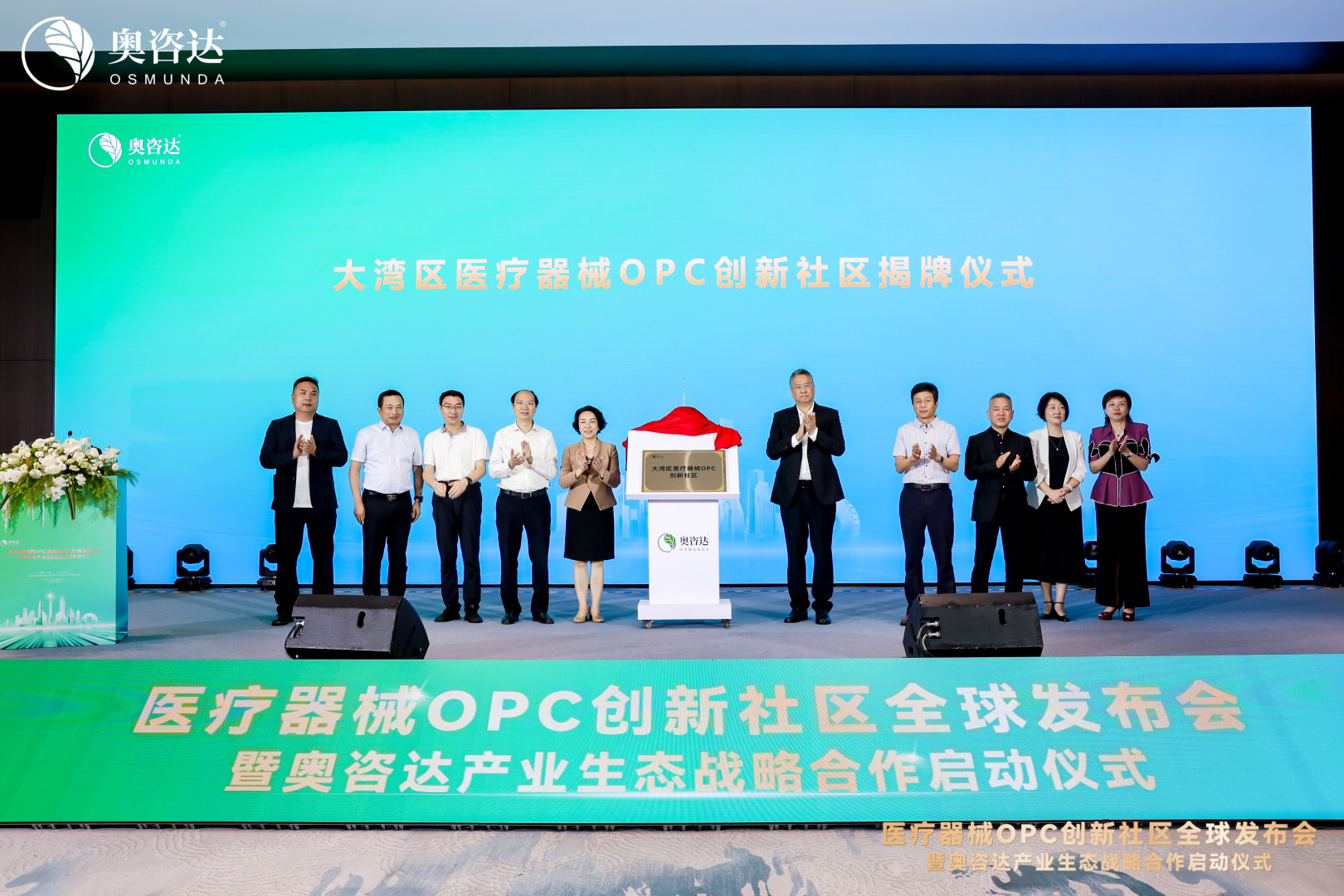
Representatives from multiple cities across China, including Beijing, Chengdu, Chongqing, Taiyuan, Jinan, Qingdao, and Hong Kong, as well as from countries and regions such as Canada, Brazil, South Korea, the United States, and Germany, jointly initiated the launch. This marks the official global opening of the OPC Innovation Community.
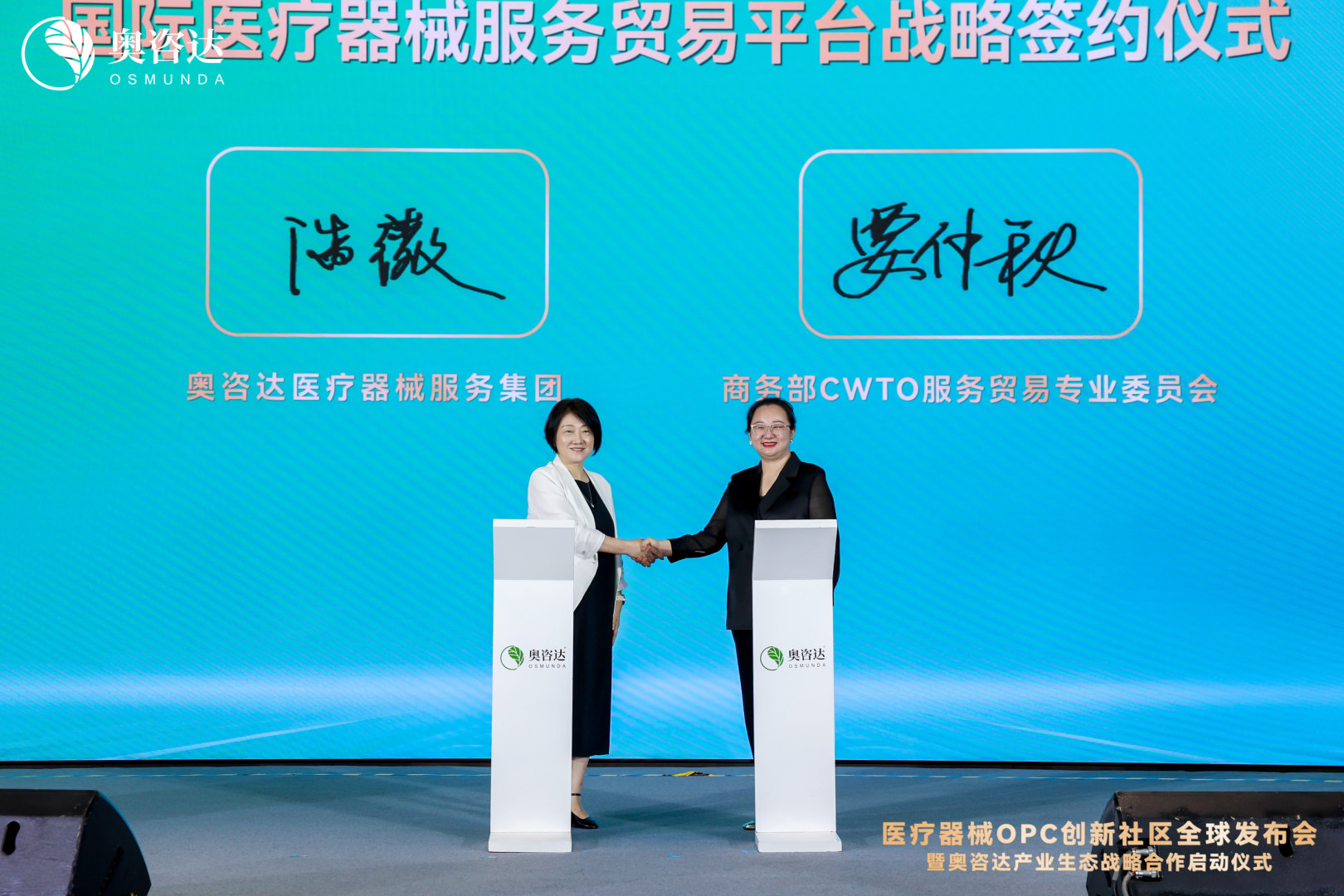
Pan Wei, Co-founder and Executive Director of Osida Medical Device Services Group, andYao Zhongqiu, Director of the WTO Services Trade Professional Committee under the Ministry of CommerceJointly signed the Strategic Cooperation Agreement on the International Medical Device Services Trade Platform.
Launch Ceremony for the Partnership with OSCA’s Industrial Finance Ecosystem PartnersSubsequently, representatives from financial institutions including Bank of China, Agricultural Bank of China, China CITIC Bank, China Construction Bank, Industrial and Commercial Bank of China, Industrial Bank, China Everbright Bank, Shanghai Pudong Development Bank, and China Guangfa Bank, as well as investment firms such as GTJA Investment, Yunchuang Capital, Deloitte Hong Kong, and SPDB International, jointly took the stage. They announced that they would provide full-cycle financial empowerment to medical device innovation projects within the OPC community through various means, including industrial funds and sci-tech financial products.
Aozida Industrial Ecosystem Partner Collaboration Launch CeremonyHeld concurrently. Representatives from research institutes, medical institutions, and industry associations—including the South China Botanical Garden of the Chinese Academy of Sciences, Kingfa Sci. & Tech. Research Institute, School of Future Technology at South China University of Technology, Guangdong-Hong Kong-Macao Greater Bay Area Institute of Precision Medicine, Guangdong Medical Device Industry Association, Guangdong Biopharmaceutical Innovation and Translation Center, and Greater Bay Area Science and Technology Innovation Service Center—took the stage together, marking the initial formation of the ecological support system for the OPC Innovation Community.
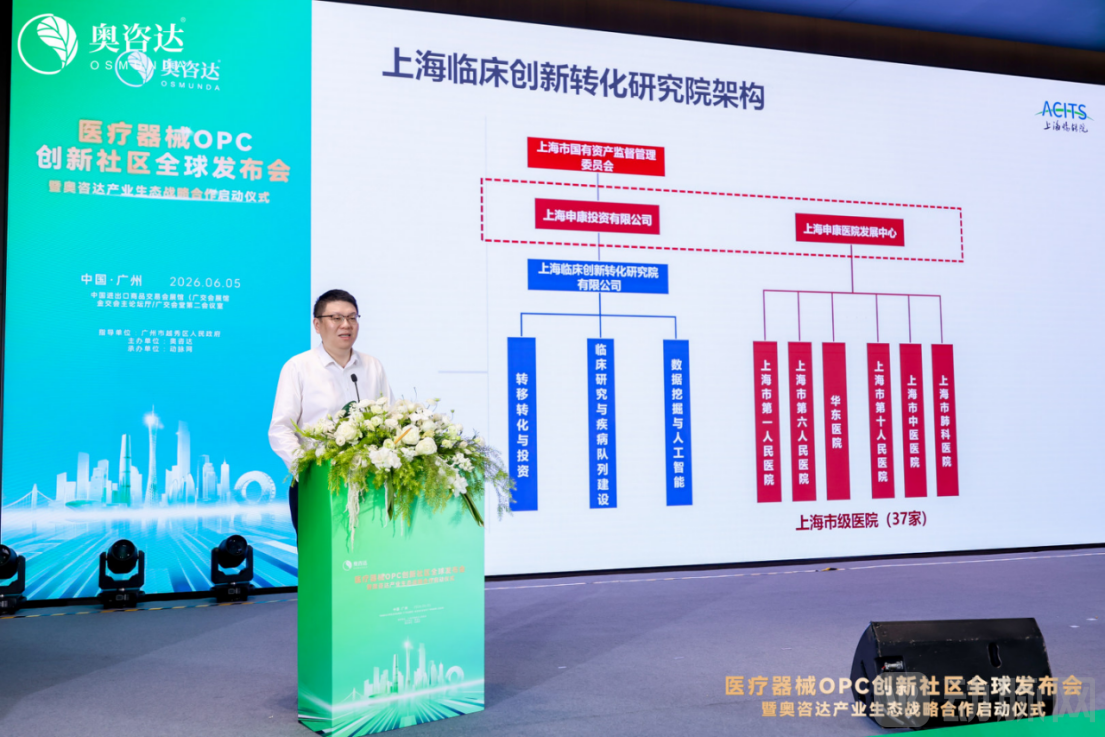
Dr. Wang Liyan, Vice President of the Shanghai Institute for Clinical Innovation and TranslationThis article introduces the institutional innovations implemented by Shanghai Linzhuan Hospital to promote the translation of hospital-based research outcomes, including measures such as valuing intangible assets for equity participation, establishing a clinical translation seed fund, and successfully implementing the “hospital equity-holding via asset valuation” model. He emphasized that merely selling patents cannot address the fundamental challenges of outcome translation; only through corporatization can hospitals establish channels to accept social capital.
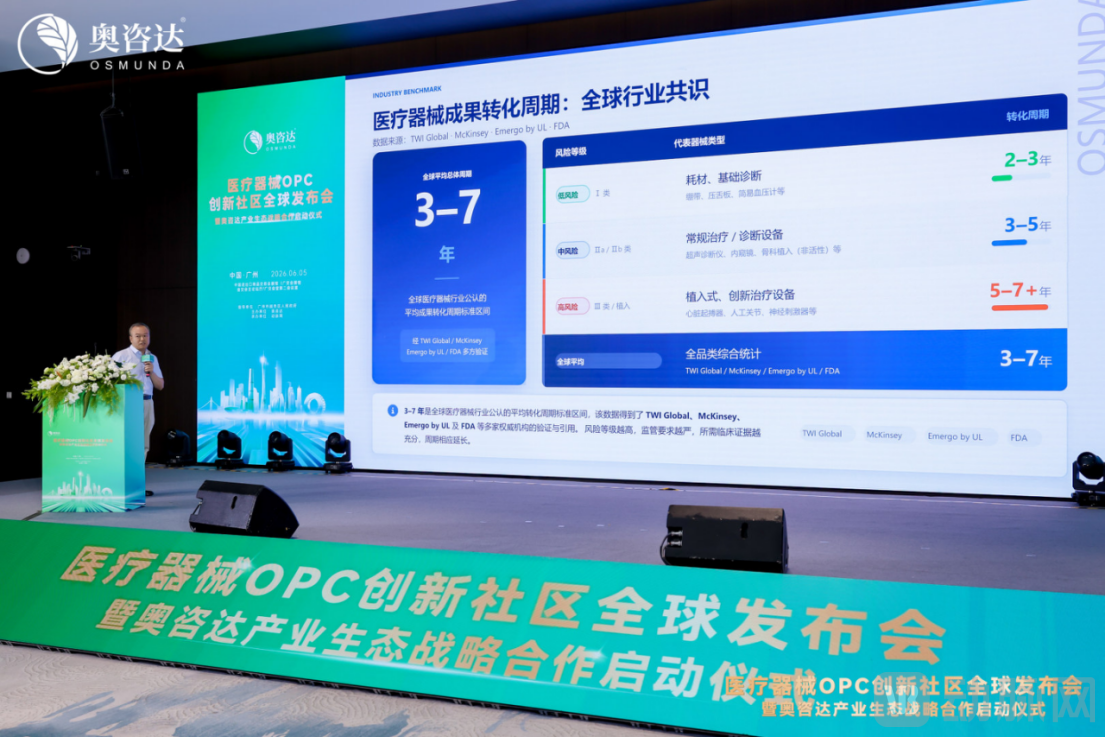
Dr. He Zhongyun, Chief Medical Device Scientist at Ozda Medical Device Services GroupHe systematically expounded on the essence of medical device innovation, emphasizing that clinical needs are the source of innovation and that healthcare institutions and physicians are the primary drivers. He particularly stressed that the translation of medical device innovations is not an isolated technical issue but a complex systems engineering endeavor.
First Batch of Projects Onboarded: OPC Innovation Community Officially Launches
The first batch of over 20 medical device innovation and entrepreneurship projects has officially settled in the OPC community.Liu Zhiwei, Founder of Jianing Medical Technology (Guangzhou) Co., Ltd.As a representative of the incubated project, shared the complete pathway from clinical planning to product commercialization.
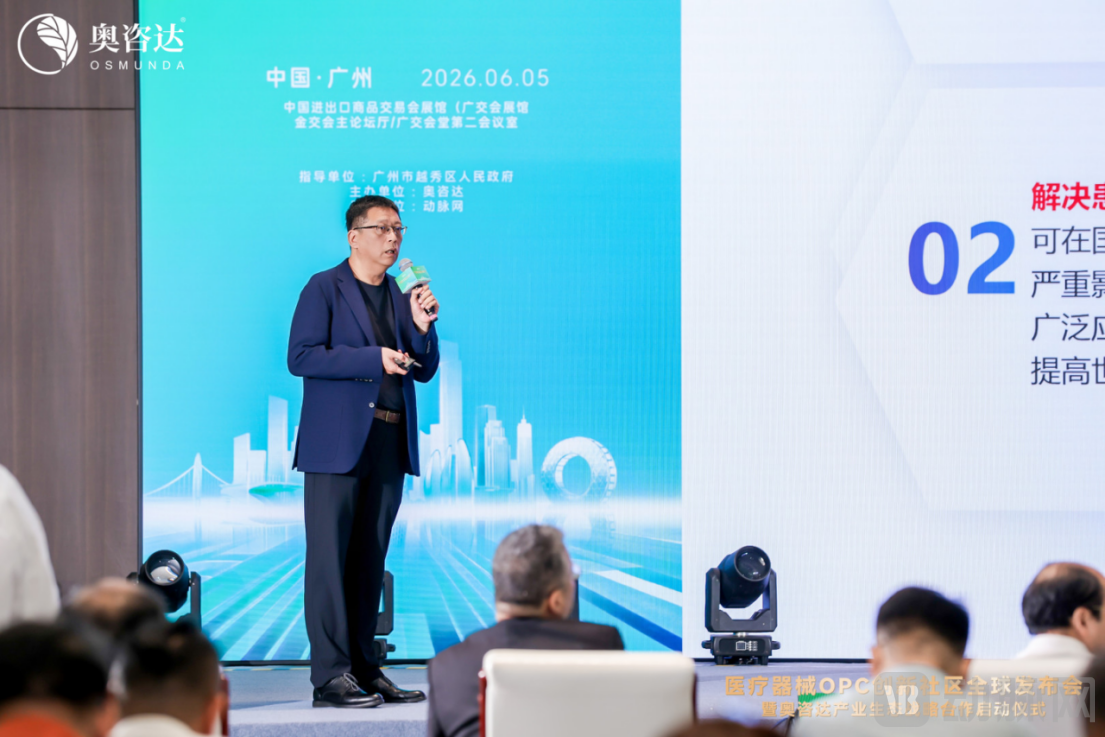
According to Liu Zhiwei, this project originates from the Department of Obstetrics and Gynecology team at The University of Hong Kong-Shenzhen Hospital. It focuses on a disposable sacrospinous ligament puncture guide for the treatment of pelvic organ prolapse, with an estimated market potential exceeding RMB 135 billion. Compared with traditional mesh suspension surgery, this product offers advantages such as no rejection reactions, no need for general anesthesia, and lower consumable costs, thereby simplifying complex surgical procedures.
He particularly emphasized the critical role of Ozda in project commercialization. During the project initiation phase, Ozda helped confirm technological leadership, engineering feasibility, R&D timelines, and costs. He concluded that Ozda’s approach of front-loading expertise—with its compliance team involved from the outset—significantly reduced both costs and time.
Subsequently, the host announced the list of the first batch of projects to join the OPC Innovation Community, covering multiple fields such as AI-based pathological diagnosis, surgical robots, medical consumables, and rehabilitation equipment, with more than 20 innovative projects in total.
At the conclusion of the conference, the Medical Device OPC Innovation Community was officially announced to be open for global operations. As a sci-tech innovation infrastructure tailored to local development, OPC will revitalize local medical and scientific research resources, effectively enhancing the efficiency of regional achievement transformation and the level of industrial internationalization. Starting today, Ozda will leverage its innovative “Device + Cloud + Factory” model to bridge the “last mile” from laboratory to market for medical device innovators.
With the official launch of the OPC Innovation Community, the “broken bridge” in the translation of achievements for China’s medical device industry is gradually being reconnected.