

Medtronic Unveils Five-Year Follow-Up Data for Harmony Transcatheter Pulmonary Valve at CSI 2026

Medtronic
Medical Device Manufacturer

In June 2026, at the Cardiovascular Interventions (CSI) conference on interventional treatment of valvular heart disease held in Germany, Medtronic officially announced itsFive-Year Long-Term Clinical Follow-Up Data of the Harmony Transcatheter Pulmonary Valve (TPV) System。
As the first transcatheter valve approved by the FDA for the treatment of severe pulmonary regurgitation due to right ventricular outflow tract dysfunction following surgical repair of congenital heart disease, the release of its five-year clinical data provides prospective evidence of mid-term durability and safety for young patients who typically require repeated open-heart surgeries, and establishes the clinical role of transcatheter intervention techniques in the management of right-sided valvular heart disease.
Clinical Study Design and Intervention Methods
The clinical study released herein is a long-term follow-up study aimed at evaluating the durability, safety performance, and improvement in patients' quality of life associated with the mid-term use of marketed medical devices.
Enrolled Population and Device Model:The study subjects were all patients with severe pulmonary valve regurgitation who had undergone surgical repair of the right ventricular outflow tract or had local anatomical abnormalities. The patients received treatment with two different specifications of currently marketed devices: Harmony TPV22 (22 mm diameter version) and Harmony TPV25 (25 mm diameter version).
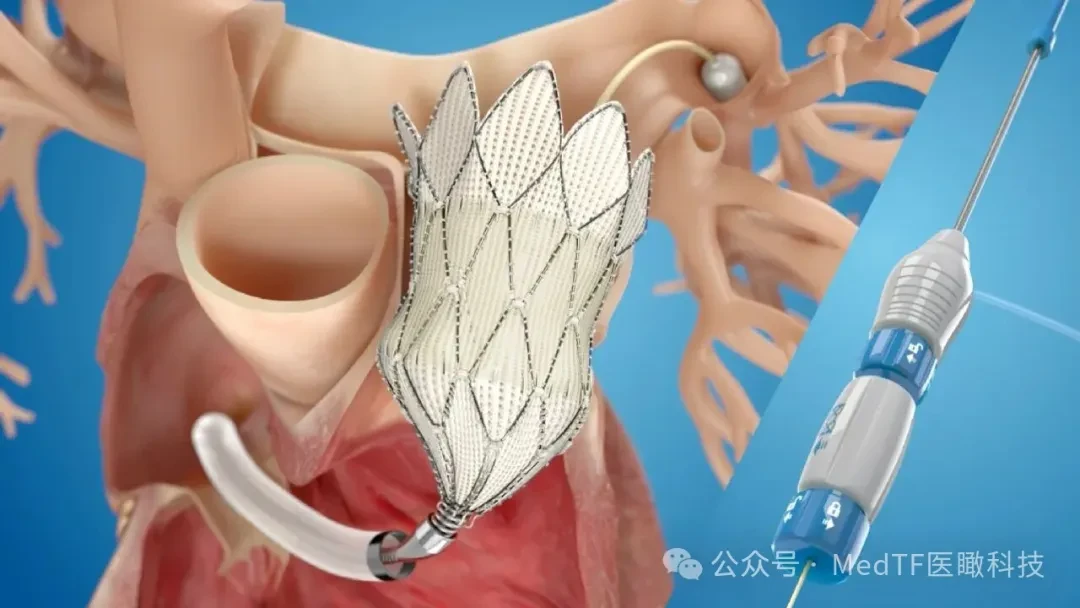
Intervention Methods:This system utilizes a transcatheter interventional approach to deliver and release a self-expanding tissue valve to the lesion site via minimally invasive access routes such as the femoral vein, eliminating the need for open-heart surgery and cardiopulmonary bypass.
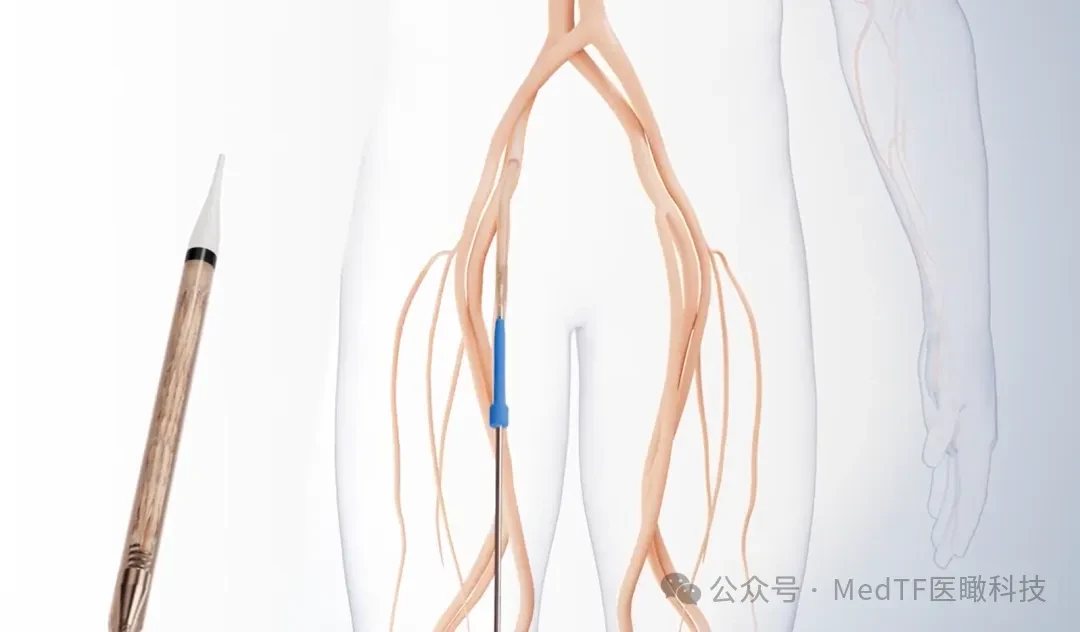
Follow-up Period:The core data covered the complete cycle from patient valve implantation through Year 5, with a focus on device performance between Years 4 and 5.
Core Research Data
Follow-up results showed that the Harmony system maintained stable performance in hemodynamic parameters (i.e., the force and flow status of blood within the heart) five years after implantation. The primary clinical endpoint data are as follows:
Valvular Regurgitation Control Rate:
TPV22 Group: At the 5-year follow-up, approximately 93% of patients maintained pulmonary valve regurgitation at “none/trace” or “mild” levels, without progression to moderate or severe regurgitation.
TPV25 Group: Approximately 96% of patients maintained pulmonary valve regurgitation at “none/trace” or “mild” levels at the five-year follow-up.
Reintervention Rate (Reoperation Rate):
No new reintervention cases were reported in the entire study cohort during the period from year 4 to year 5 post-implantation.
In the subgroup of patients treated with the TPV25 model, surgical reintervention via thoracotomy was completely avoided within five years.
Long-term Safety Endpoints:
Mortality: During the five-year follow-up period, zero device-related deaths and zero procedure-related deaths were recorded.
Malignant Arrhythmia: No new-onset ventricular tachycardia (VT, a potentially life-threatening malignant rapid heart rhythm) occurred from 30 days postoperatively until the end of follow-up.
Ventricular Remodeling and Quality of Life:
Imaging data showed a significant reduction in the patient’s right ventricular volume (indicating beneficial positive cardiac remodeling).
Patient-reported outcomes (quality of life scores) assessed using the SF-36 scale showed continuous improvement over time.
Technical Principles and Anatomical Compliance Mechanisms
Years after surgical correction in patients with congenital heart disease, the right ventricular outflow tract often undergoes progressive dilation, causing the original pulmonary valve to lose its normal closure function and leading to severePulmonary Valve Regurgitation (i.e., the backflow of blood from the pulmonary artery into the right ventricle during ventricular diastole). Chronic severe regurgitation can lead to volume overload of the right ventricle, causingRight Ventricular Enlargement, Heart Failure, and Malignant Arrhythmias。
The working principle of the Harmony TPV system is based on "minimally invasive reconstruction" via transcatheter intervention:
Self-expanding spatial anchoring:Harmony adoptsFunnel-shaped self-expanding nitinol wire mesh stent. Upon deployment of the stent at the target site, its unique flared design at both the distal and proximal ends ensures close apposition to the expanded native vessel wall, achieving secure physical anchoring through radial support force to prevent valve displacement under intense hemodynamic impact.
Unidirectional Flow Guidance:The stent is internally sutured with specially treated porcine pericardial tissue leaflets. During cardiac systole, the leaflets fully open to allow blood to flow smoothly into the pulmonary artery; during cardiac diastole, the leaflets automatically close under pressure, preventing blood from regurgitating into the right ventricle, thereby instantly eliminating regurgitation and restoring normal hemodynamics in the right heart system.
Expert Discussion and Conclusion

Dr.Doff McElhinney
(PI, Principal Investigator)

“For patients with congenital heart disease who previously had to undergo multiple high-risk, repeat open-chest surgeries, the mid-term durability data demonstrated over a five-year follow-up period are milestone-worthy. The Harmony TPV not only demonstrated sustained hemodynamic benefits and positive ventricular remodeling but also achieved zero new reinterventions during years four to five. These findings provide substantial confidence to clinicians and patients, establishing the core clinical value of minimally invasive interventional approaches in reconstructing dysfunctional right ventricular outflow tract (RVOT) anatomy.”

?Click to view more content
ATLAAS: Inflatable-Driven Left Atrial Appendage Closure Clip Receives FDA Approval for Market Launch
NMPA Approves the Market Launch of Three Innovative Medical Devices!
Copyright and Disclaimer: MedTF YiKan aims to establish a platform for academic dissemination and media communication. The copyright of the information contained herein belongs to the respective rights holders, and we provide it solely for the purpose of information transmission. In case of any infringement, please contact us for removal.