

EdiGene Inc. Files IPO Prospectus: Pioneering CRISPR-Based Therapies for Genetic Diseases and Cancer

Edigene
Genome Editing Technology Developer
In recent years, the field of gene editing has achieved continuous breakthroughs, especially in 2013,CRISPR/Cas9 Genome Editing Technology Named Among the Top 10 Scientific Breakthroughs of the Year by Science MagazineSubsequently, the momentum behind its research and translational applications has further intensified. Companies both in China and abroad are rapidly positioning themselves to join the wave of this “Gene Revolution.”
EdiGene Inc., founded in 2015, is a pioneer in the field of genomic editing in China. It has developed therapies for various genetic diseases and cancers, with its first therapeutic product poised to become one of the world’s first gene-editing treatments to enter clinical stages.
Recently, Boya Jiyin (Beijing) Biotechnology Co., Ltd. has completed another round of financing led by Lilly Asia Ventures.Pre-B Round Financing. These funds will be used for the next stage of development of the company's therapeutic products and high-throughput genetic screening services.
At this pivotal juncture, Sheng Yaxian, a reporter for the “Fengke” column under Yi Mai Ke Media, conducted an exclusive interview with Wei Dong, CEO of Boya Jiyin (Beijing) Biotechnology Co., Ltd.

Holds an MBA from the Wharton School and a Ph.D. in Microbiology from Michigan State University, with a bachelor’s degree from the Department of Genetics at Peking University.
With over 20 years of experience in innovative drug development and corporate management at multinational corporations including Johnson & Johnson, Shire, BioMarin, Elan, and Janssen, has led more than ten new drug clinical projects, encompassing the R&D of Alzheimer’s disease medications, cancer vaccines, and orphan drugs for genetic disorders.
This July, Dr. Wei Dong officially joined Boya Jiyin (Beijing) Biotechnology Co., Ltd., becoming its first CEO in the three years since the company’s establishment.。
When asked what considerations led him to choose to return to China and join Boya Jiyin at this time, Dr. Wei Dong simply said: “I am impressed by Boya Jiyin’s cutting-edge scientific technology and pragmatic R&D team.。”
Editing the Causes of Life
In Boya Ji Yin's current R&D pipeline, used forThe ET-01 project for the treatment of β-thalassemia is progressing most rapidly and is expected to enter clinical trials in 2019., it is highly encouraging to have achieved such progress. Judging from the research and development progress of thalassemia-related treatment projects both domestically and internationally,β-Thalassemia is highly likely to be the next monogenic genetic disorder to be conquered, following Leber congenital amaurosis type 2 (LCA2).。
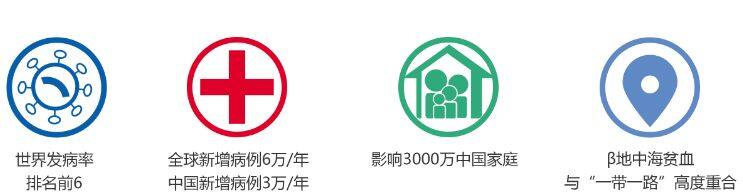
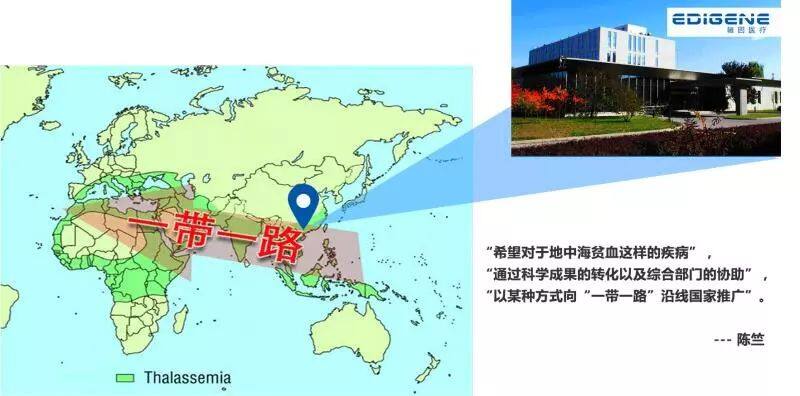
China is a country with a high prevalence of thalassemia. Currently,China has more than 300,000 patients with β-thalassemia, of whom approximately 50,000 are classified as having severe disease.. The onset of thalassemia has a certainGeographical Characteristics, with high incidence in regions such as Guangxi, Guangdong, Hainan, and Taiwan in China.Moreover, the high-prevalence regions for thalassemia worldwide largely overlap with the “Belt and Road” Initiative.Apart from allogeneic bone marrow transplantation, there are almost no other specific treatments for patients with severe β-thalassemia. They can only rely on long-term comprehensive treatment measures such as blood transfusions and iron chelation to barely sustain life.
The advancement of gene technology has provided new opportunities for the treatment of patients with β-thalassemia.
On one hand, lentiviral vectors carrying a large number of normal β-globin genes can be used to infect patients' hematopoietic stem cells. These normal hemoglobin genes can integrate relatively randomly into the genome of the patient's hematopoietic stem cells, thereby taking over the function of the defective β-globin gene and improving the patient's condition.Bluebird Bio, which is currently entering Phase III clinical trials, uses precisely this method.However, this approach is costly. Because lentiviruses have limited efficiency in transducing hematopoietic stem cells, a large quantity of lentivirus is required to modify a sufficient number of hematopoietic stem cells.The cost of therapeutic lentiviruses is high, and large quantities of the virus entail substantial expenses.
On the other hand, genome editing technology is employed. Genome editing tools are utilized to make precise modifications to the genome of patients' hematopoietic stem cells.Correct the diseased gene directly or substitute for β-hemoglobin function through alterations at other loci. Viruses are not necessary for this approach, therefore,The cost can be significantly lower compared to gene addition therapies based on lentiviral infection.
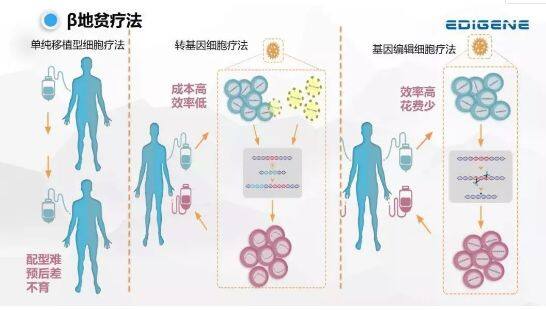
Dr. Wei Dong said, “Our ET-01 project,”CRISPR-based gene editing technology will be used to increase the expression of a specific hemoglobin., thereby alleviating the patient's symptoms.The project will be specifically implemented in Guangzhou, a high-prevalence area for thalassemia.,“We hope to begin helping patients in the near future.”
In addition, we also noted that most of EdiGene's therapeutic programs utilizeCRISPR-Based Gene Editing Technology, therefore, we specifically consulted Dr. Wei Dong regarding the advantages of CRISPR over other technologies such as TALEN and ZFN in gene-editing therapies.
Dr. Wei Dong explained: “The specific editing method used is not critical; what matters is achieving sufficient efficiency and precision.Relatively speaking, the selection of appropriate target gene sequences and stringent manufacturing processes may have a greater impact on the potential safety profile of gene editing therapies.Furthermore, a critical point is that all medications must undergo rigorous risk-benefit assessments before they can be ultimately provided to patients.。”
Currently, Boya jiyin's business is mainly divided into two parts:
Directly serving patients by developing gene-editing therapies, currently focusing primarily on the treatment of genetic disorders and cancer.
2Provide high-throughput genetic screening services based on gene editing for pharmaceutical companies and research institutions to search for drug targets, helping them identify drug targets more efficiently and accurately, and define a more precise scope of drug use based on patient genotypes.
Dr. Wei Dong said: "Our mission is to translate cutting-edge genome editing technologies into novel therapies for genetic diseases and cancer, and to provide innovative solutions that advance drug development.。”
To enable the dissection of functional big data in biological environments, Boya Jiyin’s high-throughput genetic screening platform was developed.The platform is built on proprietary guide RNA design and library construction technologies, and is supported by the powerful artificial intelligence platform EdiGo™ for big data analysis of massive biological information.
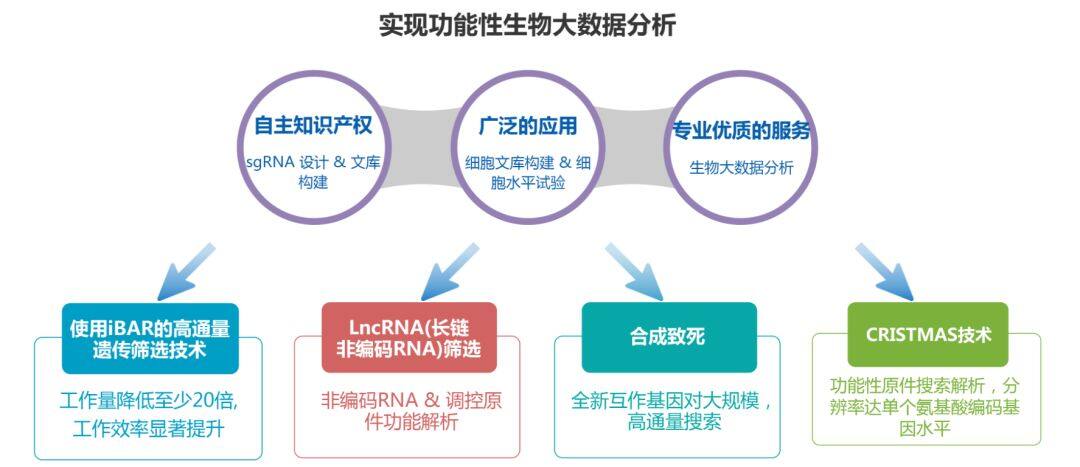
“These platforms can help new drug R&D companies comprehensively and systematically evaluate and optimize their candidate drugs, while”Define a More Precise and Safer Scope of Use for the Drug。”
# Seizing the Momentum of the Future
Gene editing provides patients with genetic disorders and cancerImmense Therapeutic Potential. Currently, technological development in this field has reached a critical stage,Expected to be implemented and translated into practical benefits in the short term.。
However, as Dr. Wei Dong stated: “The comprehensive application of each new technology is not achieved overnight; it requires prolonged refinement.We have gained substantial insights from in vitro and animal models, and we may soon see human clinical data that meet our expectations.
However, only through the concerted efforts of the scientific community, medical community, patients, and governments—by continuously supporting and promoting the development of gene editing—can this revolutionary technology maximize its benefits for patients and society.”(Translational Medicine Network 360zhyx.com)