

FDA Approves Amgen's BiTE Immunotherapy Blincyto to Eliminate Minimal Residual Disease in B-Cell Precursor ALL
Mar 30, 2018 16:29
CST Updated
16:29

Amgen
Developer of Treatment Drugs for Serious Diseases
FDA
U.S. Food and Drug Administration

March 30, 2018/BioValleyBIOON/--U.S. biotechnology giant Amgen’s BiTE immunotherapy Blincyto (blinatumomab) has recently received positive regulatory news. The U.S. Food and Drug Administration (FDA) has approved a supplemental Biologics License Application (sBLA) for the use of Blincyto in precursor B-cell acute lymphoblastic leukemia with minimal residual disease (MRD) positivityLeukemia(pre-B ALL) Treatment of adult and pediatric patients. In patients with ALL, detection of residual cancer cells after complete remission is the strongest prognostic factor for assessing disease relapse. Specifically, Blincyto is approved for use in patients with pre-B ALL who have minimal residual disease (MRD) ≥0.1% following their first or second complete remission.
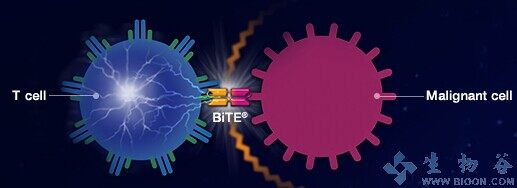
Blincyto is the first and only CD19-CD3 bispecific T-cell engager (BiTE) immunotherapy approved globally, and it is also the first bispecific antibody product derived from Amgen’s BiTE technology platform. It works by presenting the CD19 protein on tumor cells to the CD3 protein specifically expressed on T cells, thereby activating the immune system to recognize and destroy them.Tumorcells. This approval also makes Blincyto the first and onlyFDADrugs Approved for the Treatment of MRD.
This accelerated approval is based on the minimal residual disease (MRD) response rate and hematologic relapse-free survival (RFS) data from the single-arm Phase II clinical study BLAST (n=86). The data showed that 81% of MRD-positive patients converted to MRD-negative status after one cycle of Blincyto treatment, meeting the primary endpoint of the study (95% CI: 71.6–89.0), with a median hematologic RFS of 22.3 months. Regarding safety, the safety outcomes observed in MRD-positive patients were consistent with the known safety profile of Blincyto in the treatment of relapsed or refractory pre-B acute lymphoblastic leukemia (ALL). The most commonAdverse Reactions(>20%) were fever, injection site reactions, headache, infection (unknown pathogen), tremor, and chills.
FDAThe approved prescribing information for Blincyto includes a boxed warning for cytokine release syndrome and neurologic toxicity. Additionally, Blincyto is included in the U.S. Risk Evaluation and Mitigation Strategy (REMS) program.
Minimal Residual Disease (MRD) refers to the presence of a small number of residual cancer cells in the body after treatment, even though conventional assessments indicate that the patient has achieved complete remission. MRD cannot be detected by routine imaging and laboratory tests; it can only be identified through highly sensitive methods capable of detecting cancer cells in the bone marrow. For instance, the sensitivity of conventional microscopic evaluation is only 1 in 20, meaning one cancer cell is detected among 20 cells; whereas highly sensitive detection methods can identify one cancer cell among 10,000 cells.
Amgen Translational Science andTumorDavid M. Reese, Ph.D., Senior Vice President of Research and Development, stated that to date, no drug has achieved satisfactory eradication of minimal residual disease (MRD), nor has any drug been specifically developed to treat this high-risk patient population. This timeFDAThe approval not only supports the earlier use of Blincyto throughout the entire course of ALL treatment, but also represents a shift in the clinical management paradigm for ALL.
Elias Habbour, Associate Professor in the Department of Leukemia at The University of Texas MD Anderson Cancer Center, stated that detecting residual cancer cells after complete remission is the strongest prognostic factor for relapse in patients with acute lymphoblastic leukemia (ALL). Therefore, it is crucial to detect and understand a patient’s minimal residual disease (MRD) status, as achieving MRD negativity through treatment is known to lead to better clinical outcomes. In the BLAST study, Blincyto induced MRD negativity (undetectable cancer cells) in approximately 80% of ALL patients who were initially MRD-positive. This timeFDAApproval will provide a much-needed therapeutic option for this patient population, capable of eradicating residual detectable traces of leukemia.
BiTE antibody technology represents an innovative immunotherapy approach capable of exerting its effects at very low concentrations. Amgen acquired the BiTE technology following its $1.2 billion acquisition of Micromet in 2012. Currently, Amgen is extensively investigating refractoryTumortypes, exploring the potential of innovative BiTE therapies. Previously,FDABoth the FDA and EMA have granted orphan drug status and breakthrough therapy designation to blinatumomab for the treatment of various types of hematologic cancers, including acute lymphoblastic leukemia (ALL), chronic lymphocytic leukemia (CLL), hairy cell leukemia (HCL), prolymphocytic leukemia (PLL), indolent B-cell lymphomas, and mantle cell lymphoma (MCL). (Bioon.com)