

Novo Nordisk’s Christine Zhou: Accelerating New Drug Introductions to Benefit Diabetes Patients in China

Novo Nordisk
Insulin Developer and Manufacturer
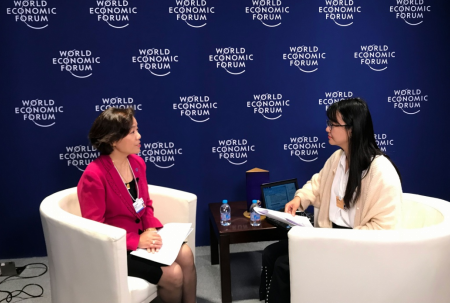
Tianjin, September 18 (Economic Daily-China Economic Net reporter Liu Xiaoxiao) – As urbanization and population aging intensify in China, the rising prevalence of diabetes has become a issue of widespread public concern. During the Tianjin Summer Davos Forum, Ms. Zhou Xiaping, Senior Vice President of Novo Nordisk and President of Greater China, stated in an exclusive interview with Economic Daily-China Economic Net that, in response to the high prevalence of diabetes in cities worldwide, Novo Nordisk is strengthening its collaboration with governments and academic institutions to help major global cities tackle the challenge of diabetes and reverse its upward trend.
In recent years, the combined effects of unhealthy lifestyles and population aging have driven a startling rise in diabetes prevalence. According to data from the International Diabetes Federation (IDF), the global prevalence among individuals aged over 15 years increased from 4.6% in 2000 to 9% in 2017. As a country with a significant diabetes burden, China has 114 million people with diabetes; fewer than half are aware of their condition, only one-third receive treatment, and approximately 12.9% achieve disease control, with an even lower rate of reaching therapeutic targets.
From a regional distribution perspective, cities that are home to approximately half of the global population have become the "frontline" in the fight against diabetes. According to IDF projections, by 2045, three-quarters of patients will be living in urban areas, with the prevalence of diabetes among urban residents being significantly higher than that among rural residents. "In the future, our patients will increasingly come from urban areas," said Zhou Xiaping.
Zhou Xiaping pointed out that the direct consequence of poorly controlled diabetes is a range of serious complications, such as blindness, diabetic foot, and cardiovascular complications. Data show that in 2017, China’s total expenditure on the treatment of diabetes and its complications amounted to RMB 385 billion, ranking second highest worldwide. Of this, 80% was spent on treating comorbidities. “It is encouraging to note that diabetes can be controlled with timely diagnosis and early, appropriate treatment, enabling patients to maintain a good quality of life.”
In this context, in 2014, Novo Nordisk, in partnership with University College London and the Steno Diabetes Center in Copenhagen, jointly launched the global “Cities Changing Diabetes” initiative to assist major cities worldwide in combating the challenge of diabetes, reversing the trajectory of its prevalence, and addressing future societal issues. According to Zhou Xiaping, the initiative encompasses researching urban diabetes challenges, developing and implementing targeted action plans, and establishing platforms for knowledge sharing, demonstrating foresight, collaboration, and specificity.
“The ‘Cities Changing Diabetes’ program now covers more than 130 million people across 17 cities worldwide, including Tianjin, Shanghai, Xiamen, Hangzhou, and Beijing. Each city develops tailored strategies to address its specific challenges,” said Zhou Xiaping.
“As the first multinational pharmaceutical company to establish a research and development center in China, Novo Nordisk has witnessed the series of significant achievements and fruitful results attained by China in healthcare reform over the past decade. ‘Healthcare reform is a long-term process. Currently, China’s healthcare reform is progressing in the right direction, such as encouraging innovation, focusing on quality, and improving efficiency. In particular, the Outline of the ‘Healthy China 2030’ Plan demonstrates unprecedented foresight and strategic height, reflecting the nation’s vision for long-term development,’ said Zhou Xiaping.”
Previously, Michael Doumerque, Executive Vice President of International Operations at Novo Nordisk, had also mentioned the “Healthy China 2030” Planning Outline on multiple occasions during global media briefings, pointing out that this is one of the reasons why Novo Nordisk is optimistic about the Chinese market.
“China is a country with a large diabetic population and significant unmet medical needs. Novo Nordisk is full of confidence in the Chinese market. As Novo Nordisk’s second-largest market globally, our commitment to China is long-term,” said Zhou Xiaping. She noted that Novo Nordisk has consistently benefited from China’s healthcare reforms, particularly the accelerated approval of new drugs. “Guided by our mission to ‘defeat diabetes,’ we will actively align with the favorable directions of government healthcare reforms, continue to accelerate the introduction of new medicines, and further improve drug accessibility to benefit patients with diabetes and hemophilia.”